
The New York Trail Section That Breaks Hikers Who Aren’t Ready In 2026
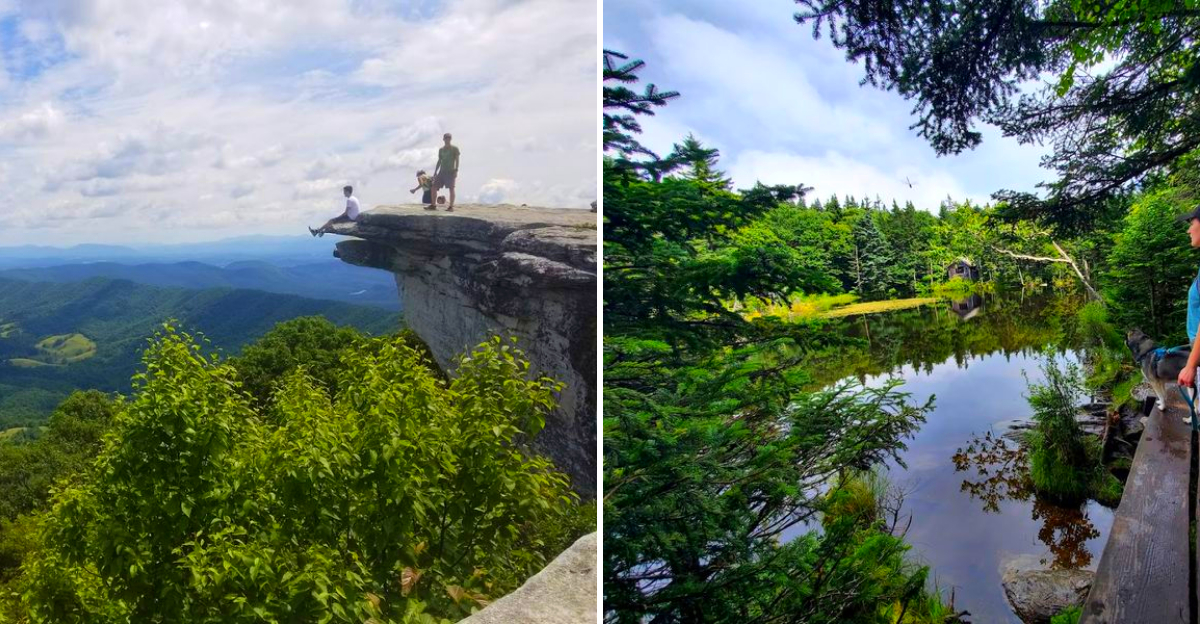
Ask enough hikers and you will hear the same warning about New York: the mileage may look modest, but the terrain is not.
Nearly 90 miles of the trail cut through the state with rocky climbs, rooty descents, tight ridgelines, humid forests, and constant ups and downs that test legs fast.
This is where many long-distance hikers stop expecting a break between bigger mountain ranges and realize the trail has other plans.
The views are worth it, especially along exposed overlooks and forested high points, but every reward tends to make you work first.
Serious hikers respect this section because it demands focus, steady footing, and patience over bravado.
For anyone craving a Northeast hiking challenge with real bite, New York is where this trail starts feeling less like a walk and more like a proving ground.
Bring water, broken-in boots, and a stubborn sense of humor.
The Empire State’s Rugged Reputation
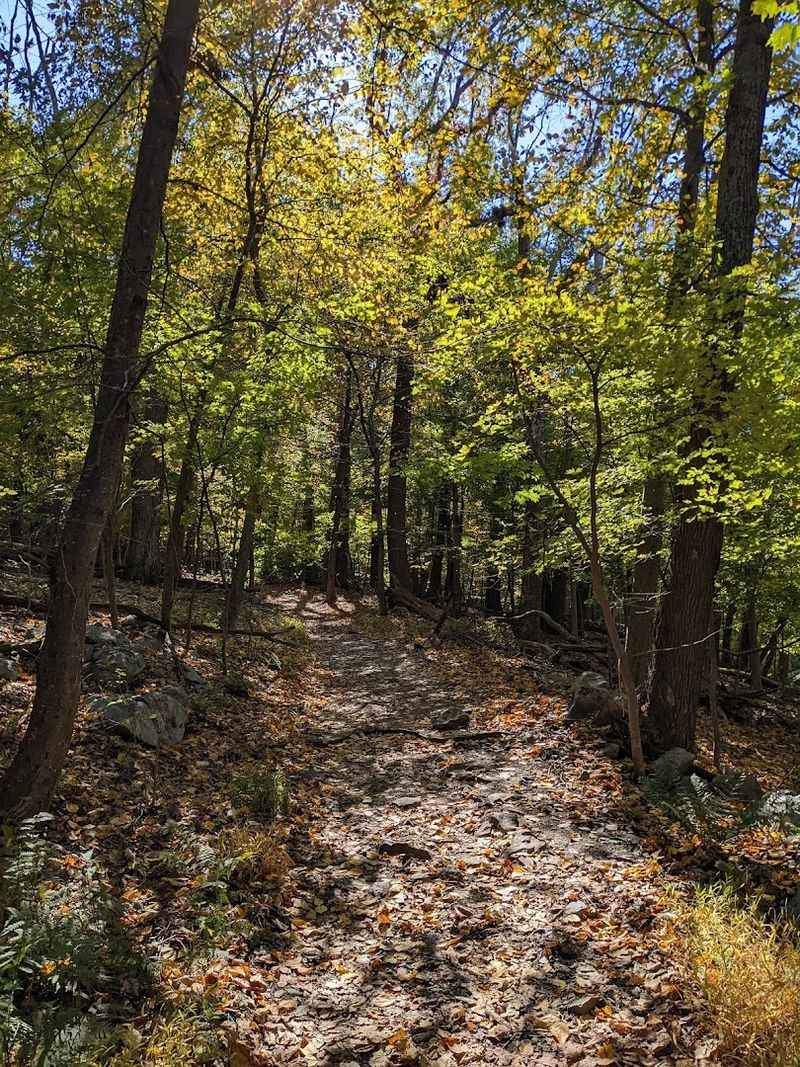
Nobody warns you about the New York section quite enough. The trail here runs for roughly 90 miles, and while that number might sound manageable, the terrain has a way of humbling even experienced hikers quickly.
Unlike the tall alpine peaks of New England, New York throws a different kind of challenge at you. Short, sharp climbs stack up one after another, with equally steep descents that drain your legs before you realize what happened.
The elevation profile looks modest on a map but feels enormous on your knees.
Hikers who have completed long sections of the AT frequently cite New York as the place where mental toughness gets tested just as hard as physical fitness. Rocky outcrops demand careful foot placement on every step.
Wet roots and uneven ground keep you sharp and fully present at all times.
There is a reason experienced thru-hikers call this stretch the roller coaster of the northeast. The trail refuses to let you settle into a comfortable rhythm for long.
It constantly shifts, surprises, and pushes back. That relentless character is exactly what makes completing the New York section feel like a genuine milestone worth celebrating.
Bear Mountain State Park: Where The Trail Was Born
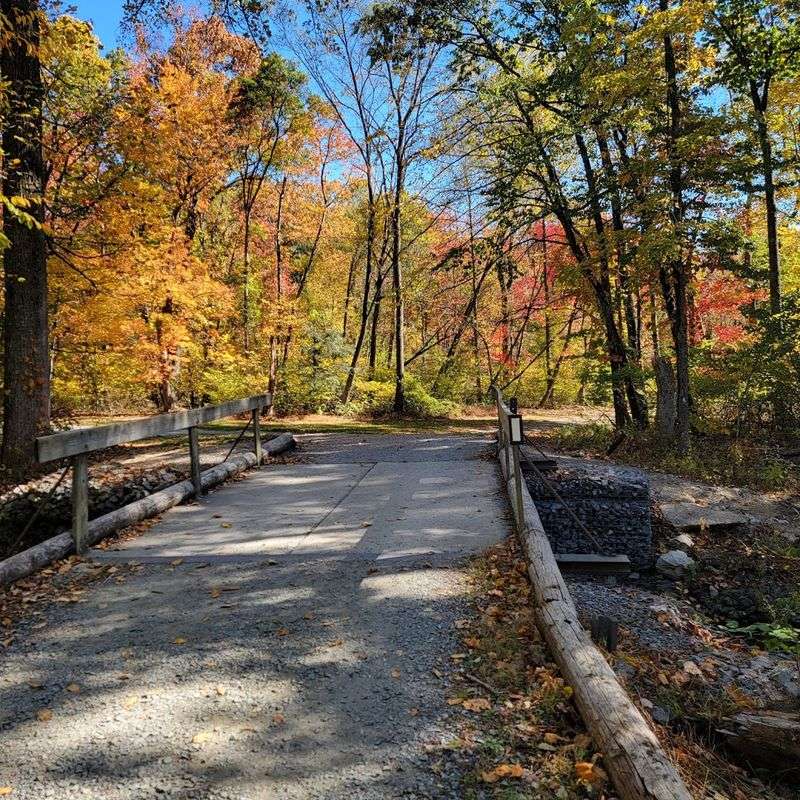
Bear Mountain State Park holds a title that no other park on the entire Appalachian Trail can claim. The very first section of the AT ever built opened here in 1923, making this ground sacred to anyone who loves long trails and big ambitions.
The park sits in Fort Montgomery, New York, and it draws millions of visitors every year. Walking the AT through Bear Mountain means literally following the footsteps of the trail’s founders, which adds a quiet sense of history to every mile.
One of the most surprising facts about this section is that Bear Mountain hosts the lowest elevation point on the entire Appalachian Trail, just 124 feet above sea level.
That detail catches most people off guard, especially given how demanding the surrounding terrain feels underfoot.
The Trailside Museums and Zoo sit directly on the trail route, offering hikers a chance to observe native wildlife and learn about regional natural history without leaving the path.
Conservation rock steps have been built into the steeper sections to protect the trail and help hikers navigate safely.
Bear Mountain manages to be both historically rich and physically demanding at the same time, a rare combination that keeps hikers coming back season after season.
The Lemon Squeezer Challenge
Not every trail challenge comes with a dramatic elevation gain. Sometimes the mountain just narrows to a single foot of width and dares you to keep moving.
That is precisely what the Lemon Squeezer does in Harriman State Park.
Found near the base of Island Pond Mountain, the Lemon Squeezer is a legendary rock formation where the trail squeezes between massive ancient boulders.
At its tightest point the passage shrinks to roughly one foot wide, which means most hikers need to remove their packs and shuffle sideways to get through.
It is equal parts puzzle and physical comedy.
The formation begins with the path passing under a giant boulder, then angles sharply before narrowing to its famous pinch point.
A bypass route exists for those who prefer to skip the squeeze, but the majority of hikers choose the original route because the experience is genuinely unforgettable.
Beyond the squeeze itself, the surrounding area rewards curiosity. Hardy pine trees grow directly out of thin rock, and the Valley of Boulders nearby adds to the surreal geological atmosphere.
The Lemon Squeezer captures everything that makes the New York section distinct: it is quirky, physical, memorable, and completely unlike anything else on the trail.
Prospect Rock And The Sky Above Greenwood Lake

At 1,433 feet above sea level, Prospect Rock on Bellvale Mountain claims the title of the highest point on the Appalachian Trail within New York state. That distinction comes with a view that earns every foot of the climb.
Standing on the open rock ledge, hikers look out over Greenwood Lake and the rolling expanse of the Ramapo Hills.
On exceptionally clear days the faint outline of the New York City skyline appears on the horizon, a distant shimmer that feels almost impossible to believe from such a wild setting.
That contrast between wilderness and metropolis is one of the defining qualities of hiking in New York.
The trail leading up to Prospect Rock is characteristically demanding, with rocky footing and steep sections that require focused effort. The payoff at the top makes the effort feel proportionate and fair.
Most hikers linger longer than planned because the view simply refuses to let go.
Sunrise visits to Prospect Rock have developed a loyal following among local hikers who know the area well. The light catching Greenwood Lake in the early morning hours creates a scene that no photograph fully captures.
Prospect Rock is one of those places on the AT that reminds you exactly why you lace up your boots and head out the door.
Anthony’s Nose And The Hudson River Panorama
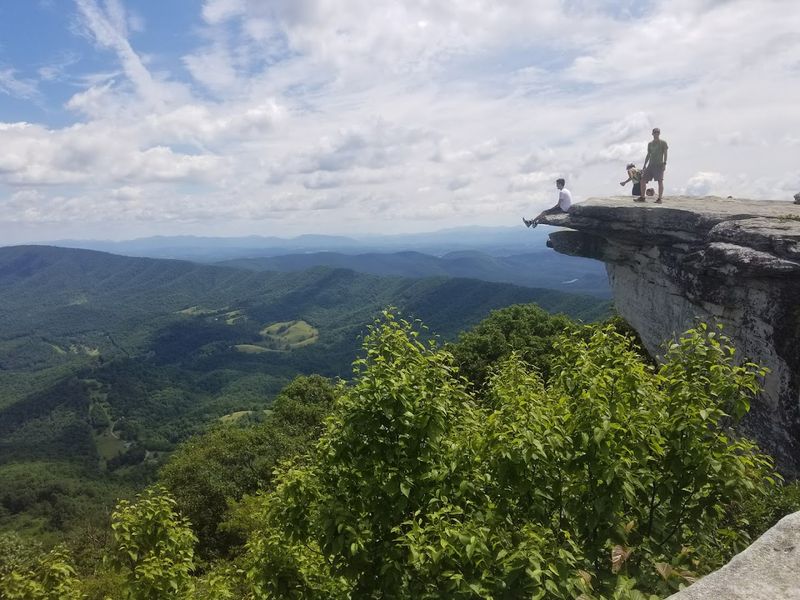
Anthony’s Nose is one of those trail names that makes you smile before you even reach the trailhead. The prominent granite peak rises above the Hudson River and delivers one of the most striking viewpoints anywhere on the New York section of the AT.
From the summit, the Bear Mountain Bridge comes into full view, arching gracefully over the wide blue ribbon of the Hudson River below.
Iona Island sits visible in the water, and the Hudson Highlands roll away in every direction with a grandeur that feels almost cinematic without trying to be.
The climb to Anthony’s Nose is steep and direct, resembling a natural stone staircase that does not apologize for its angle. The ascent is demanding but short enough that day hikers regularly make the trip.
Reaching the top and catching that first full view of the river is a moment that tends to stop conversation completely, which is saying something for a trail known for talkative hikers.
Photographers favor Anthony’s Nose for its unobstructed sightlines and dramatic light in the late afternoon hours. The combination of river, bridge, and highland terrain in a single frame is genuinely rare.
Few viewpoints on the entire AT pack so much visual storytelling into one sweeping glance.
Harriman State Park’s Geological Wonderland
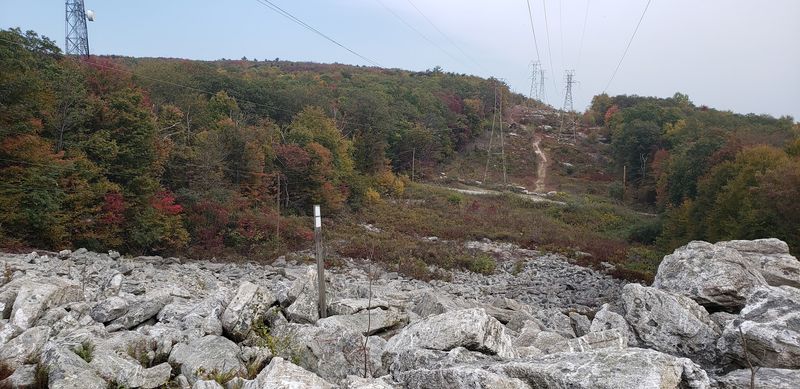
Harriman State Park covers more than 47,000 acres of rugged landscape just 30 miles north of New York City, which makes it one of the most accessible wilderness areas in the entire country.
The Appalachian Trail cuts directly through its heart and shows off some of the park’s most dramatic geology.
Boulders the size of small houses appear without warning along the trail, forcing hikers to scramble, balance, and problem-solve their way forward.
The rocky terrain here is not just a physical obstacle but a genuinely fascinating record of ancient glacial activity that shaped this entire region thousands of years ago.
Island Pond offers one of the park’s most peaceful interludes, with calm water reflecting the surrounding forest on still mornings.
The Valley of Boulders nearby presents a landscape that looks like something a giant left behind after losing interest in a construction project.
Both areas reward hikers who slow down and pay attention to what the land is actually saying.
Harriman also hosts the West Mountain Shelter, a popular overnight spot that offers stunning views including the Manhattan skyline on clear days. The shelter fills quickly on weekends, so planning ahead is essential.
The park manages to feel wild and remote while remaining surprisingly connected to the world just beyond its borders.
The Great Swamp And Wetland Wonders
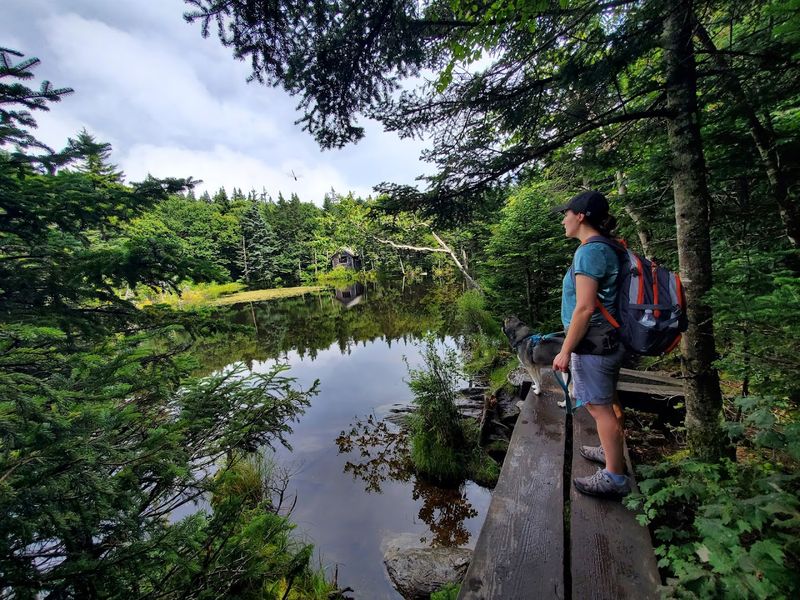
Most hikers expect rocks and ridges from the New York section, but the trail has a quieter surprise waiting in the western portions of the state. The Great Swamp is one of New York’s largest wetland areas, and the AT passes directly through it via an extensive boardwalk system.
Walking above the marshy water on wooden planks creates a completely different hiking experience from anything else on this stretch. The boardwalk slows your pace naturally, encouraging observation rather than forward momentum.
Herons, wood ducks, and red-winged blackbirds are frequent companions in this habitat, making the section a genuine treat for anyone who enjoys wildlife.
The ecological contrast between the swamp and the rocky ridgelines just miles away is one of the most compelling aspects of the New York trail.
Within a single day of hiking you can move from boulder scrambles to tranquil wetland boardwalks, which keeps the experience feeling fresh and genuinely varied throughout.
The swamp sections also provide an important lesson in trail conditions. Wet weather can make the surrounding terrain particularly soft and slow.
Waterproof footwear earns its value in this section more than almost anywhere else on the New York AT. The Great Swamp is not the most dramatic section of the trail, but it is quietly unforgettable in a way that stays with you long after you leave.
The Appalachian Trail Train Station At Pawling
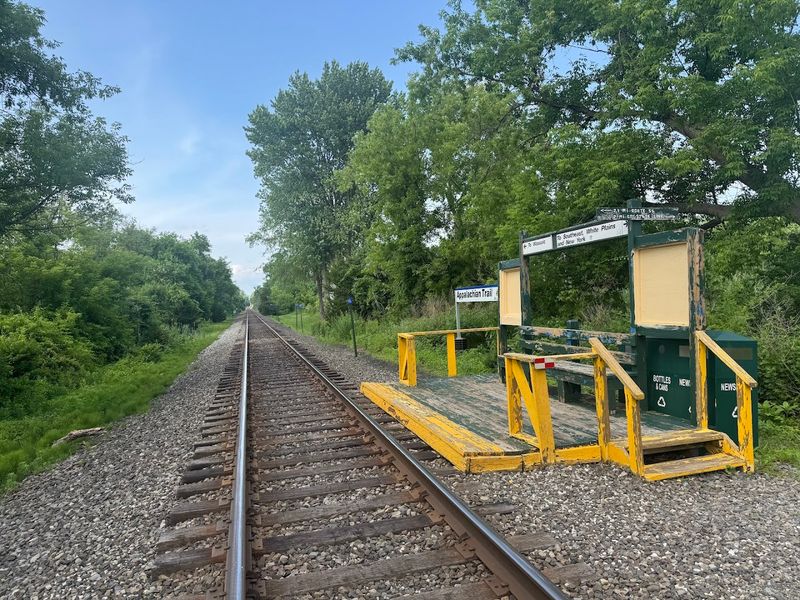
Only one place on the entire 2,190-mile Appalachian Trail can claim its own dedicated rail station, and that place is Pawling, New York.
The Appalachian Trail station on Metro North’s Harlem Line is a genuinely extraordinary piece of trail infrastructure that most people outside the hiking community have never heard of.
On weekends the train stops at this small, unadorned platform, allowing hikers to step directly off a commuter rail car and onto the legendary white-blazed trail. The platform has no ticket booth, no coffee stand, and no waiting room.
It is just a simple wooden structure surrounded by trees, which somehow makes it feel more significant rather than less.
The practical impact of this station is enormous for hikers coming from New York City. A day trip to the AT becomes genuinely feasible without a car, which opens the trail to a much wider group of people who might otherwise never experience it.
The concept of urban hikers catching a train to a wilderness trail is delightfully unexpected and very New York.
The surrounding Pawling section of the trail is relatively gentle compared to the rocky terrain further south, making it an excellent entry point for newer hikers.
The train ride back to Grand Central Terminal after a full day on the trail is its own kind of reward, equal parts satisfying and surreal.
Planning Your New York Section Hike
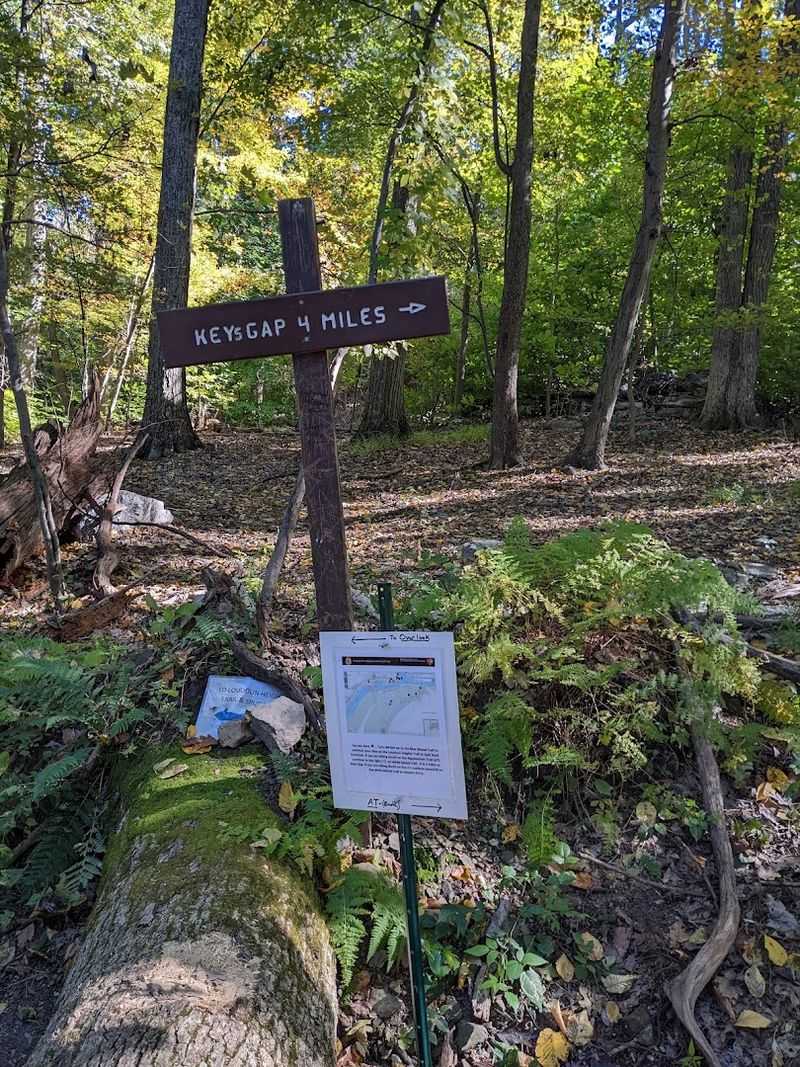
Getting the New York section right requires more planning than most hikers initially expect. Camping spots and trail shelters are spaced out across the route, which means overnight hikers need to map their stops carefully before leaving the trailhead.
Improvising your campsite strategy on the New York AT is a gamble that rarely pays off.
Water sources can be inconsistent, particularly during dry summer months. Carrying extra water capacity and checking current trail conditions before each section is a smart habit that experienced hikers develop quickly.
The Appalachian Trail Conservancy and local hiking clubs maintain updated condition reports that are genuinely useful for trip planning.
Trekking poles are not a luxury on the New York section. The rocky, uneven terrain and frequent steep descents put significant strain on knees and ankles, and poles provide meaningful stability on wet or slippery surfaces.
Many hikers who started the trail without them pick up a pair after their first day in New York.
One distinctly social perk of the New York section is what hikers call deli blazing, the ability to resupply at local delis and small stores in trail towns along the route. Towns throughout the region welcome hikers with genuine warmth and practical hospitality.
That combination of challenge, accessibility, and community makes the New York section a complete hiking experience rather than just a difficult stretch of trail.