
The North Carolina Lake Town Where Locals Escape The Crowds
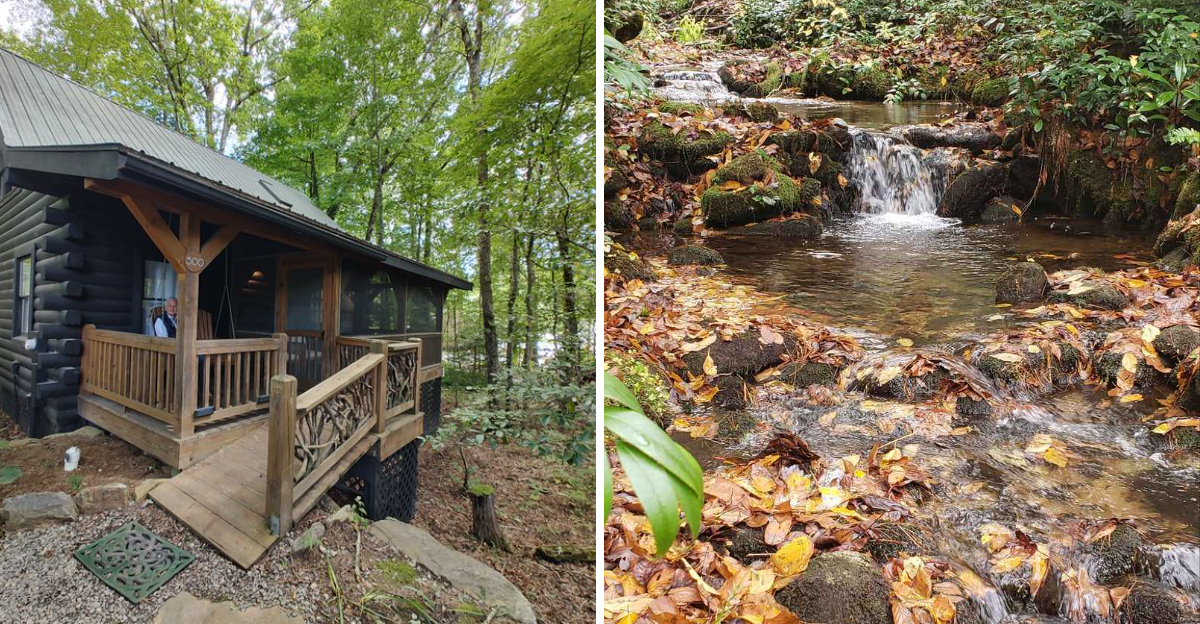
Nestled into the southern edge of Jackson County, Cashiers sits on a cool mountain plateau where the pace slows and the scenery unfolds without fanfare.
The village draws fewer visitors than its better-known neighbors, leaving its lakes, trails, and quiet dining spots largely to those who live nearby.
For anyone seeking a mountain escape without the congestion, Cashiers offers an unhurried alternative that feels refreshingly uncrowded.
A Quiet Plateau Retreat Surrounded By Lakes, Waterfalls, And Hardwood Forests
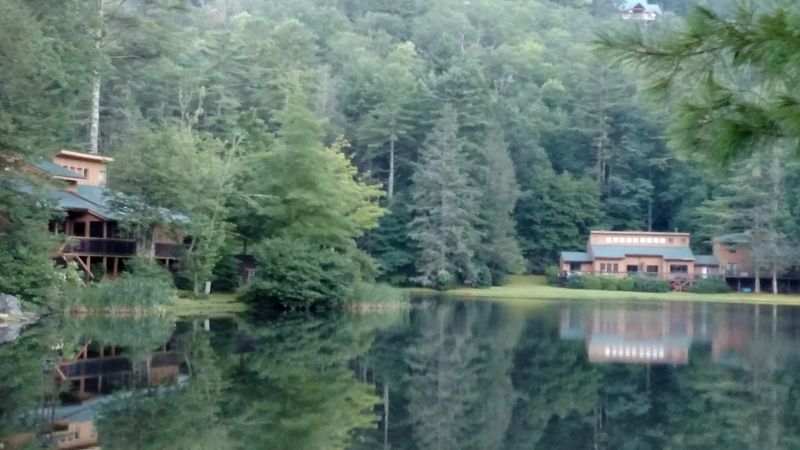
Cashiers rests at an elevation that keeps summer temperatures mild and winter mornings crisp.
The surrounding landscape spreads out in waves of hardwood forest, broken by clear lakes and streams that tumble over rock ledges.
The plateau feels protected by its geography, tucked between ridges that keep the village from expanding too quickly or losing its wooded character.
Visitors arrive to find a place that prioritizes quiet over spectacle, where the scenery speaks for itself without need for embellishment or promotion.
One Of North Carolina’s Most Peaceful Mountain Lakes
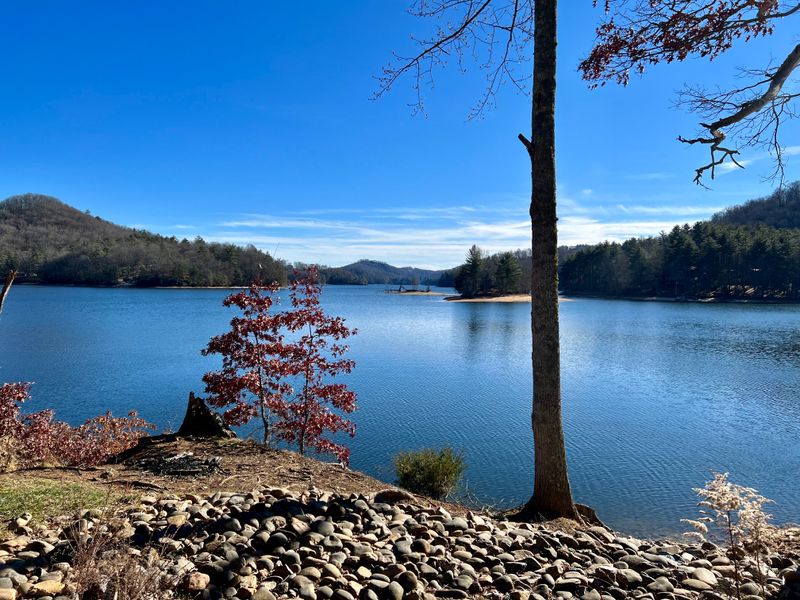
Lake Glenville stretches across more than 1,400 acres, its shoreline edged by forest and private homes that blend into the landscape.
Boaters and kayakers share the water without crowding, and the lake maintains a calm atmosphere even on warm weekends.
The dam creates a reservoir that feeds into three waterfalls below, adding a unique feature to an already scenic body of water.
Fishermen appreciate the bass and trout populations, while swimmers enjoy the cool, clean conditions.
Public access remains limited, which helps preserve the lake’s peaceful reputation among those who know it well.
The Waterfall Capital Of The Highlands-Cashiers Plateau
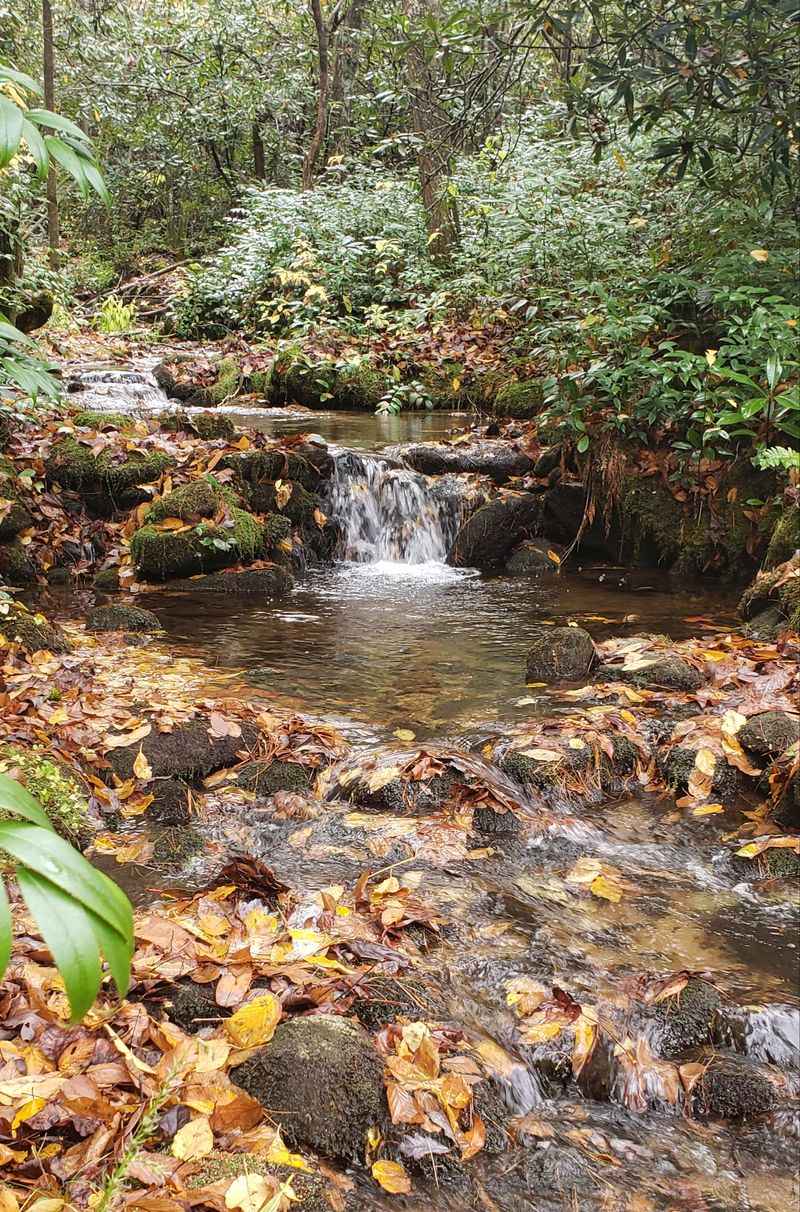
Waterfalls appear throughout the area with a frequency that surprises first-time visitors. Silver Run, Toxaway, and Whitewater Falls all lie within a short drive, each offering different heights, flows, and viewing angles.
Trails leading to these cascades range from easy walks to moderate hikes, making them accessible without being overcrowded.
The sound of rushing water becomes a familiar backdrop during any exploration of the plateau.
Local knowledge often reveals lesser-known falls tucked into ravines or hidden along forest roads, rewarding those who take time to explore beyond the main attractions.
A Town Built Around Relaxation
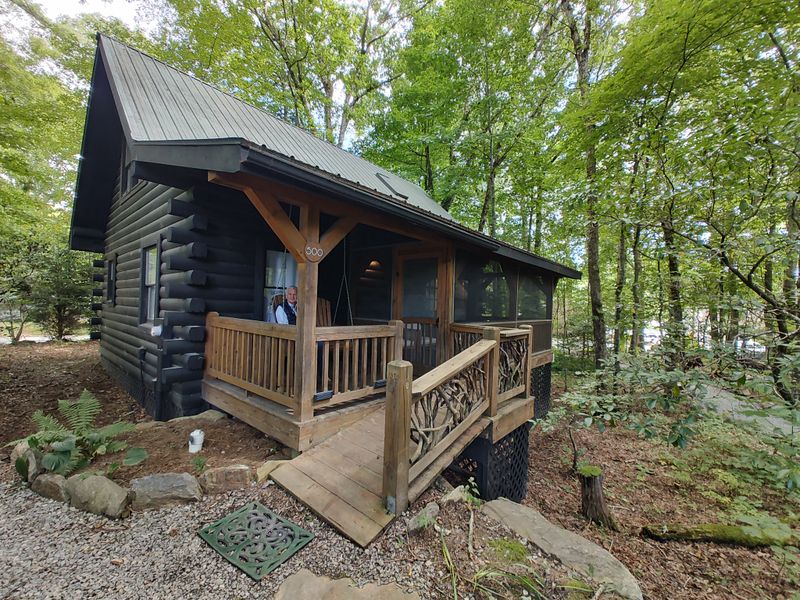
Accommodations in Cashiers favor smaller properties over chain hotels, with many owners living on-site and taking personal interest in their guests’ experience.
Cabins sit tucked into wooded lots, offering privacy and views that change with the seasons.
Mountain lodges provide communal spaces where travelers gather in the evenings, often around stone fireplaces or wide porches overlooking valleys.
The village’s lodging options emphasize comfort and quiet over amenities and entertainment.
Booking ahead remains advisable during peak fall foliage, though the town never feels overrun even at its busiest.
The Village Green: Cashiers’ Quiet Cultural Hub Hidden In Plain Sight
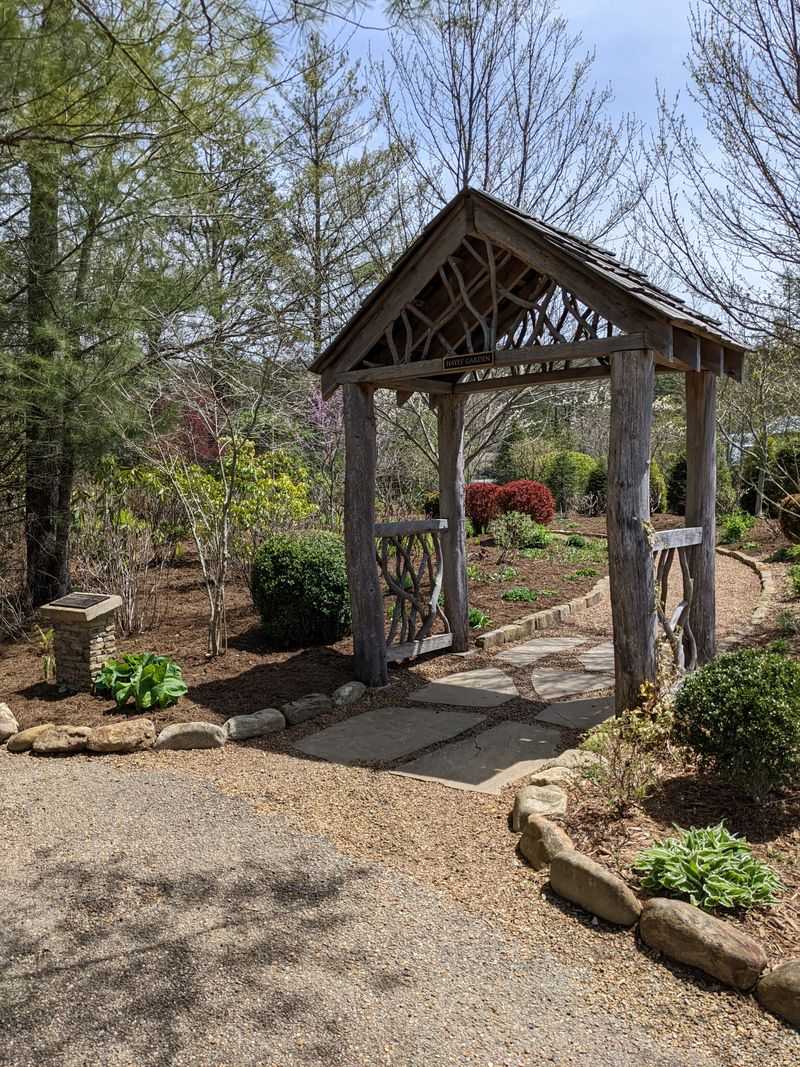
The Village Green occupies a central spot along Highway 107, serving as a gathering place for concerts, markets, and seasonal events.
Its open lawn and covered pavilion host bluegrass performances and craft fairs that draw locals without attracting overwhelming tourist attention.
Benches line the perimeter, offering spots to sit and watch the village go about its day.
Visitors often stumble upon events here by chance, finding themselves pulled into a community gathering that feels genuine rather than staged for outsiders.
Trails, Forest Roads, And Wild Overlooks That Locals Keep To Themselves
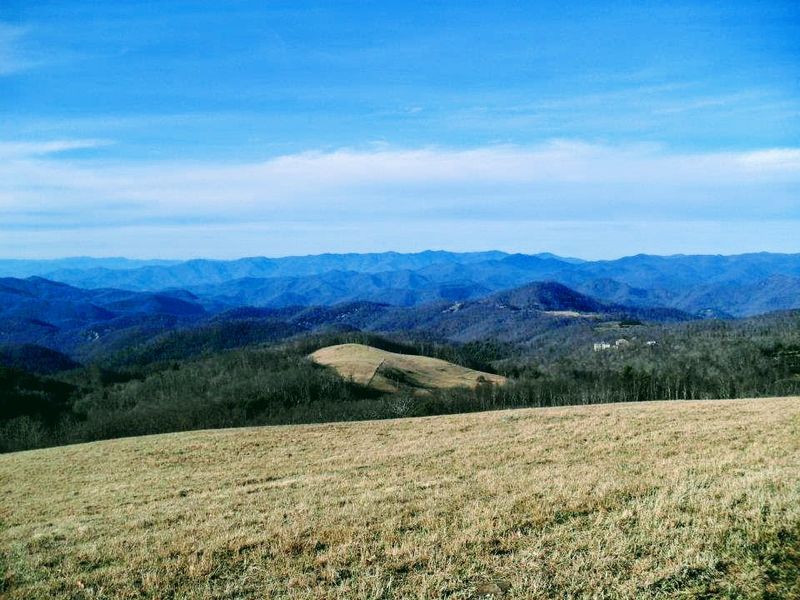
Hiking options around Cashiers extend far beyond the well-marked trails listed in guidebooks.
Forest Service roads wind through national forest land, opening access to ridgelines and overlooks that rarely see heavy foot traffic.
Local hikers favor routes that require some navigation skill and a willingness to explore without clear signage.
These paths lead to quiet summits, hidden streams, and viewpoints that reward effort with solitude.
Conversations at local outfitters often yield better trail recommendations than any published map, shared quietly among those who appreciate keeping certain spots off the radar.
A Cool-Climate Escape Where Summer Crowds Never Seem To Find You
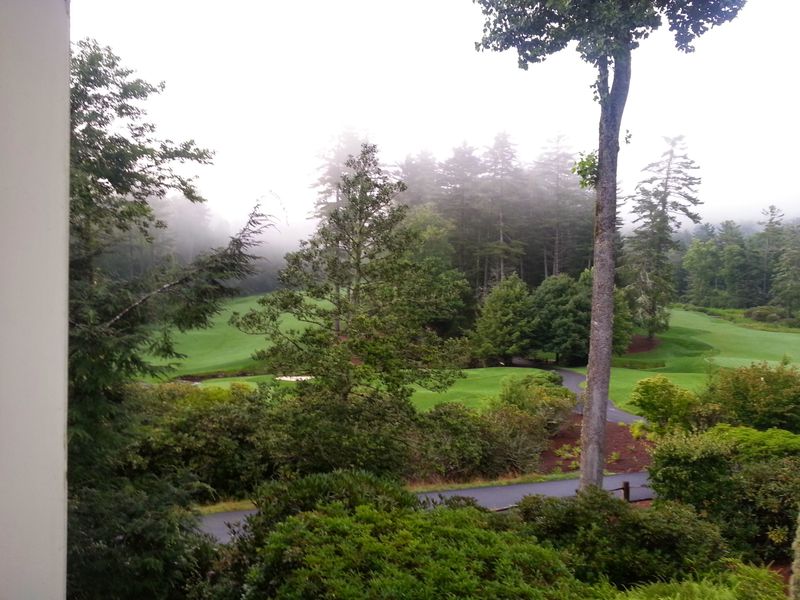
Summer temperatures in Cashiers hover comfortably below those of surrounding lowlands, making the village a natural retreat from heat and humidity.
Families from across the Southeast have long kept summer homes here, returning each year to escape the swelter without traveling far.
Despite its appeal, Cashiers avoids the congestion that plagues other mountain towns.
Roads remain passable, restaurants accommodate walk-ins, and trails offer space to breathe.
The village’s layout and limited commercial development seem to naturally discourage the kind of crowds that overwhelm more accessible destinations, preserving its unhurried summer atmosphere.
Small-Town Dining With Mountain Flavor And Zero Tourist Rush
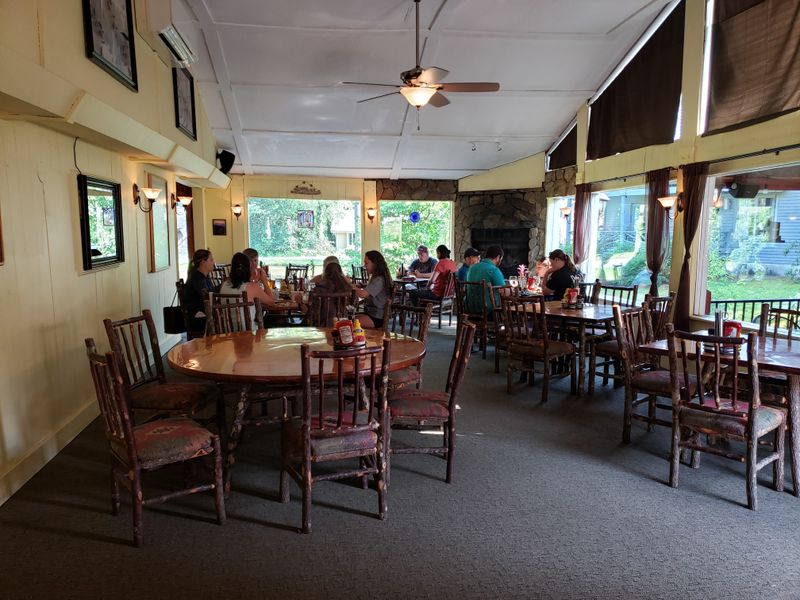
Restaurants in Cashiers operate on a local timeline, serving food that reflects mountain traditions without pretense.
Menus feature trout, barbecue, and seasonal vegetables prepared simply and served in dining rooms that feel more like gathering places than establishments.
Reservations help during peak times, but most evenings allow for spontaneous dining without long waits.
Chefs often source ingredients from nearby farms and suppliers, keeping the food connected to the region.
The absence of chain restaurants reinforces the village’s independent character, giving each meal a sense of place that larger towns often lose.
A Scenic Mountain Corridor Without Big-City Vibes
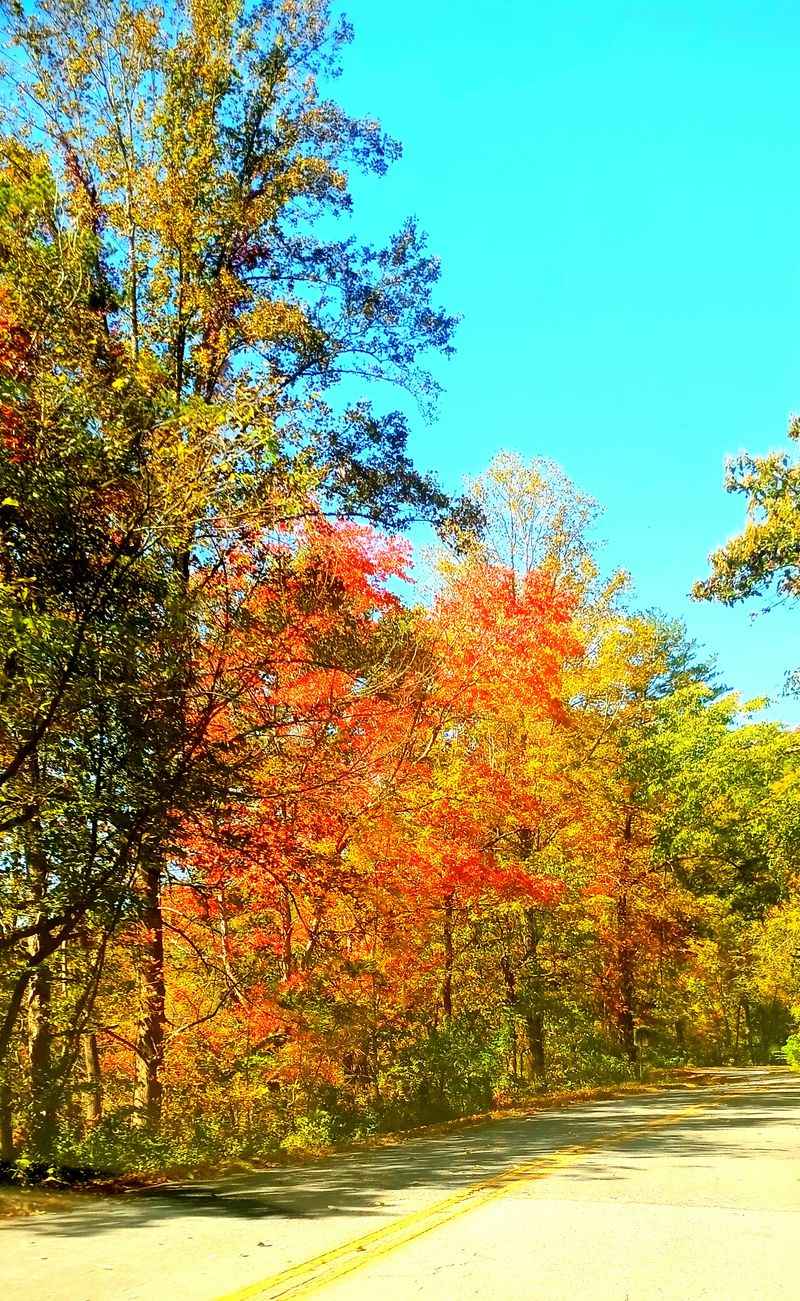
Highway 64 links Cashiers to Highlands in a drive that curves through forest and crosses streams without ever feeling hurried.
The two villages share a plateau but maintain distinct personalities, with Cashiers leaning quieter and less polished than its neighbor.
Travelers often visit both in a single day, finding enough contrast to justify the short trip between them.
The corridor itself offers pullouts and scenic views that invite stops along the way.
Together, the towns anchor a region that resists homogenization, preserving a mountain culture that feels rooted rather than manufactured for visitors.