
The North Carolina Village Known For Its Ancient Charm And Local Pride
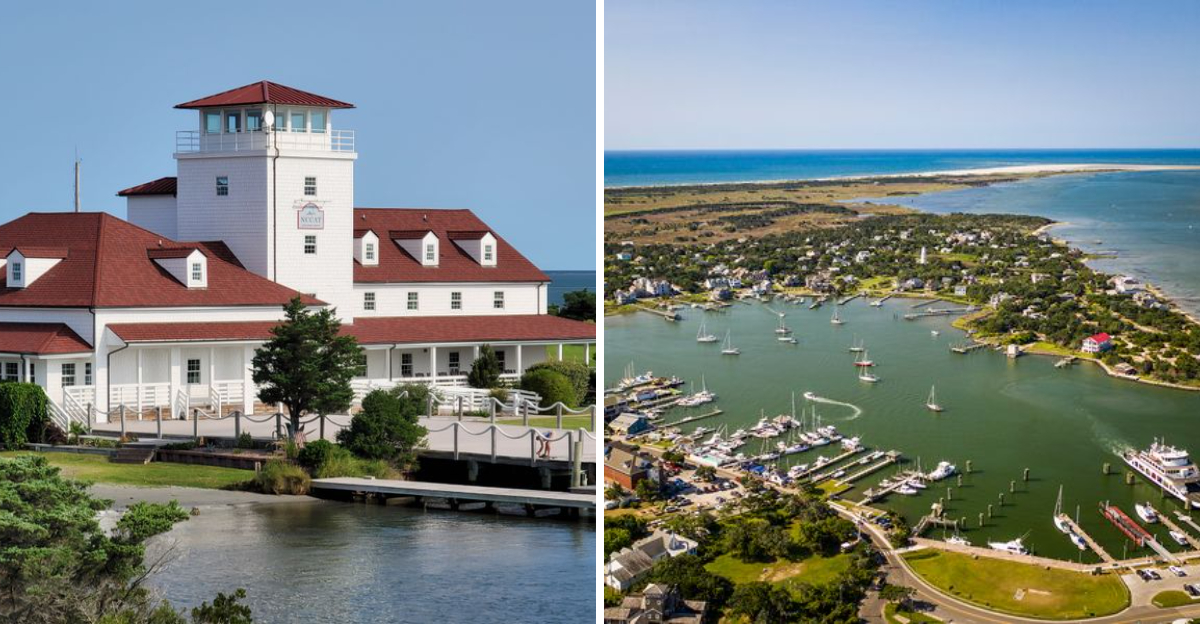
Tucked away on a remote island off North Carolina’s coast, Ocracoke is a place where time moves a little slower and history runs deep.
This charming village has kept its traditions alive for centuries, from its lighthouse to its unique dialect.
Visitors fall in love with its sandy lanes, friendly locals, and the fierce pride that makes Ocracoke unlike anywhere else on the Outer Banks.
One Of America’s Oldest Coastal Villages Still Living By The Tide
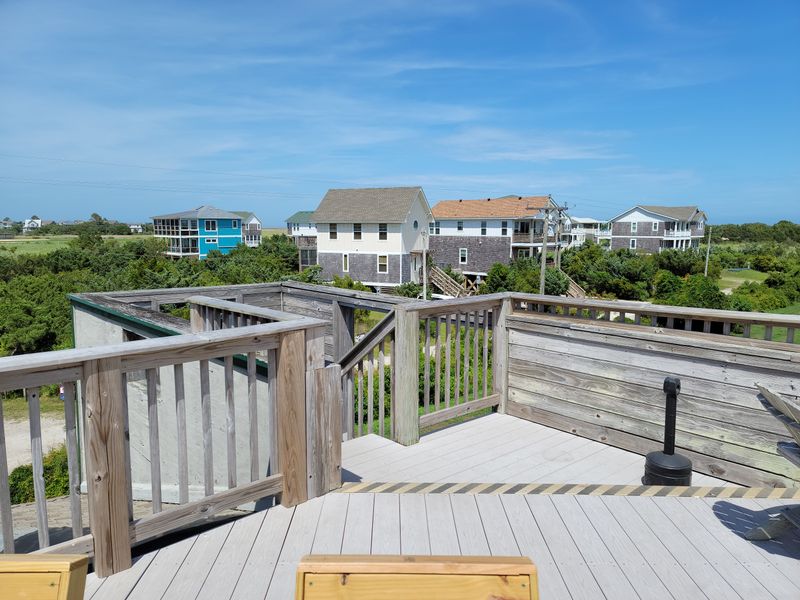
Picture a village where the rhythm of daily life still syncs with the ocean’s pulse—that’s Ocracoke for you.
Settlers first put down roots here in the early 1700s, and their descendants still call this sandy paradise home.
The island has weathered countless storms, pirates, and changing times, yet somehow it’s managed to preserve its soul.
Locals still check tide charts before making plans, fishermen head out at dawn following traditions passed down through generations, and the sound of waves provides the island’s constant soundtrack.
A Village You Can Only Reach By Ferry, Boat, Or Plane
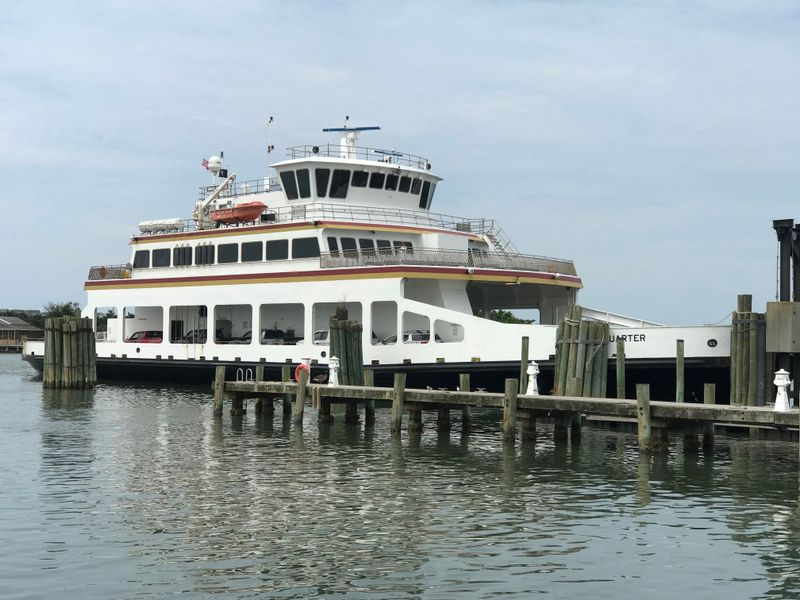
Getting to Ocracoke requires commitment—there’s no bridge to casually drive across.
Free ferries run from Hatteras Island multiple times daily, carrying cars and passengers on a scenic hour-long journey across Pamlico Sound.
Private boats can navigate the surrounding waters, while small planes land at the island’s modest airstrip for those seeking a bird’s-eye arrival.
The ferry ride serves as a natural filter, keeping crowds manageable and preserving the island’s peaceful character.
Sure, it takes planning and patience, but that’s exactly what makes arriving feel like stepping into another world—one that rewards those willing to make the journey.
Home To The Iconic Ocracoke Lighthouse Standing Since 1823
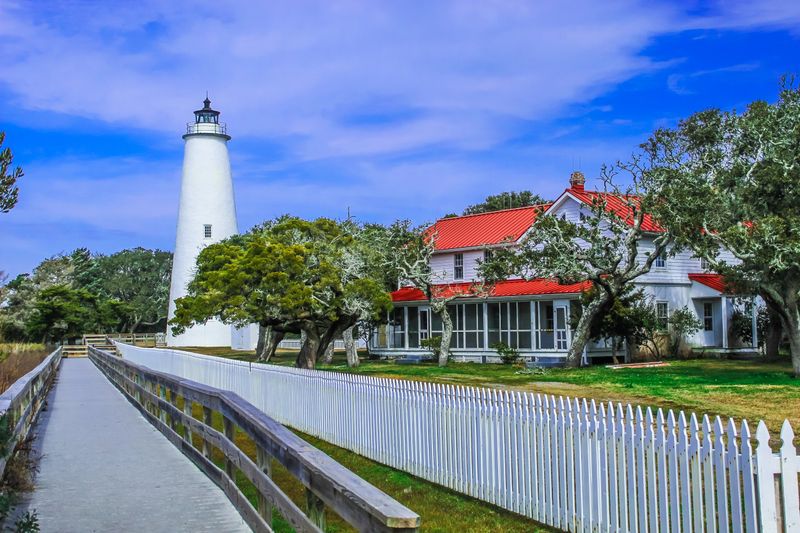
Standing proud at 75 feet, this whitewashed sentinel has guided mariners through treacherous waters for over two centuries.
Built in 1823, it’s the oldest continuously operating lighthouse in North Carolina and the second oldest in the entire nation.
Its steady beacon still flashes every few seconds, a reliable friend to sailors navigating the notorious Outer Banks.
While you can’t climb inside anymore, the lighthouse grounds offer fantastic photo opportunities and a tangible connection to maritime history.
Locals treat it with reverence—it’s not just a tourist attraction but a beloved symbol of resilience and home.
A Historic District Filled With Centuries-Old Cottages And Sandy Footpaths
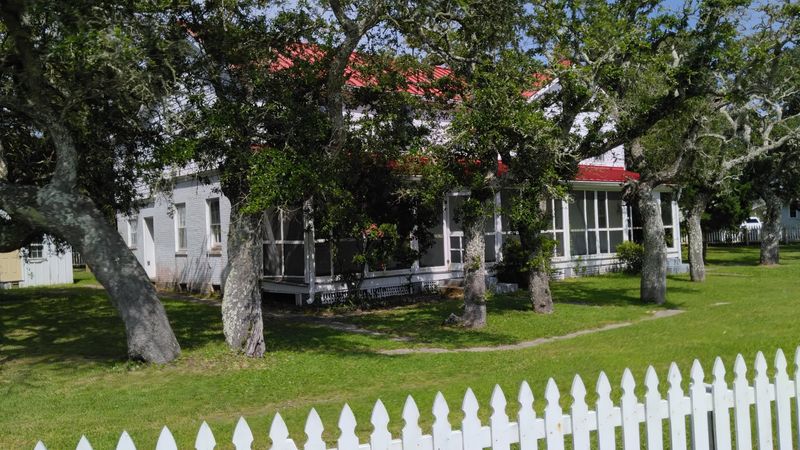
Wandering through Ocracoke’s historic district feels like flipping through a living scrapbook of American coastal architecture.
Weathered cottages dating back to the 1800s line narrow lanes where sand replaces pavement, and picket fences define yards bursting with salt-tolerant flowers.
The Ocracoke Preservation Society works tirelessly to protect these structures and the stories they hold.
Walking these sandy paths, you’ll notice details like hand-hewn beams, original windows, and porches designed for catching sea breezes.
Each cottage has weathered countless nor’easters, standing as testament to both craftsmanship and the stubborn determination of islanders who refuse to abandon their heritage.
The Proud Guardians Of The Unique Hoi Toider Brogue
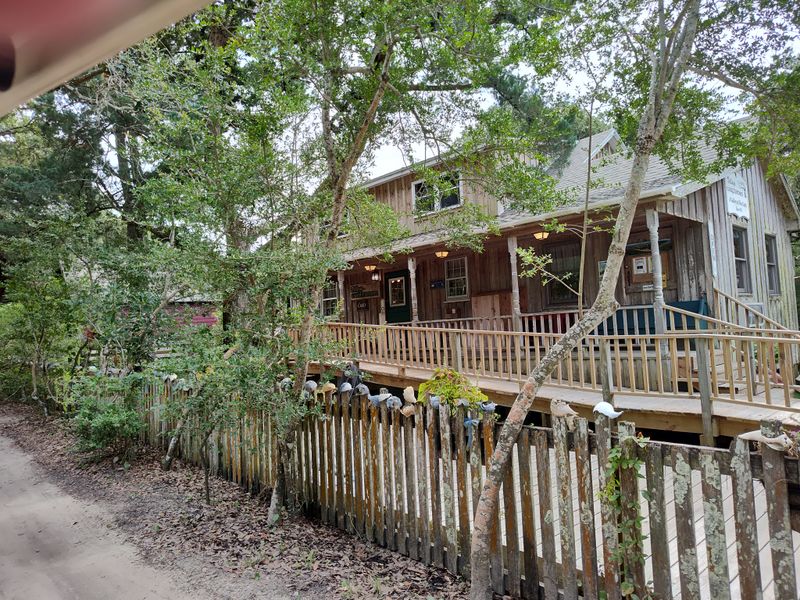
Listen carefully in Ocracoke and you’ll hear something remarkable—a dialect that sounds more Elizabethan English than Southern drawl.
Called “Hoi Toide” (high tide in standard English), this brogue developed during centuries of isolation and reflects the island’s unique cultural identity.
Sadly, younger generations increasingly sound like mainlanders, making the remaining native speakers precious keepers of linguistic history.
The brogue represents more than quirky pronunciation; it’s living proof of Ocracoke’s distinct identity and the islanders’ determination to preserve what makes them different from everywhere else on Earth.
A Legacy Of Mariners, Shipbuilders, And Wild Coastal Life
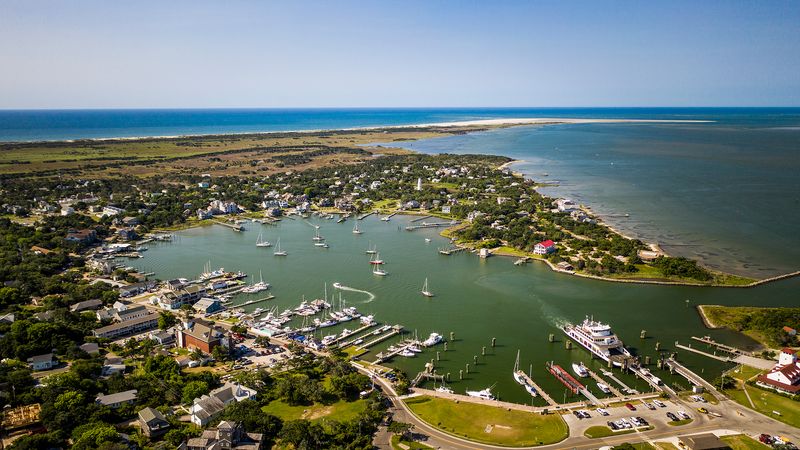
Ocracoke’s bloodlines run salty and strong, with families whose ancestors fished, built boats, and navigated treacherous waters for survival.
The island once served as a haven for pirates—yes, the infamous Blackbeard met his end in these very waters back in 1718.
Shipbuilding traditions continue today, though on a smaller scale, with craftsmen maintaining wooden boat construction techniques nearly lost elsewhere.
Fishing remains central to island identity, with mullet, flounder, and clams supporting both dinner tables and commerce.
This maritime heritage isn’t just history—it’s present-day reality for families who still earn their living from the sea’s bounty and unpredictable moods.
A Nature Lover’s Paradise Within Cape Hatteras National Seashore
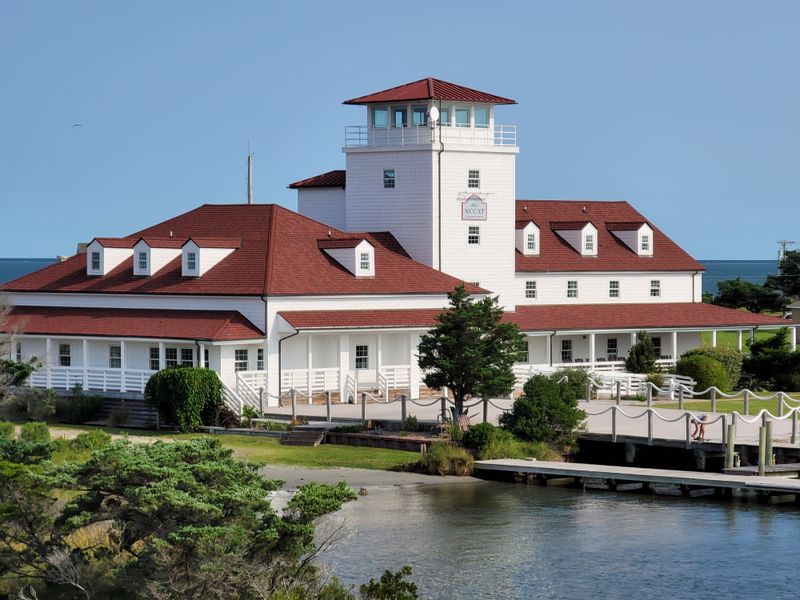
Miles of undeveloped beaches stretch in both directions, protected within Cape Hatteras National Seashore and offering nature in its rawest, most beautiful form.
Wild ponies descended from Spanish mustangs roam designated areas, while over 400 bird species make Ocracoke a premier birdwatching destination.
Unlike commercialized beach towns, Ocracoke’s natural areas remain refreshingly wild and uncommercial.
Instead, expect empty beaches where your footprints might be the only ones for miles, salt marshes teeming with life, and skies so dark that stars practically shout at you.
Local Shops And Family Businesses That Keep Traditions Alive
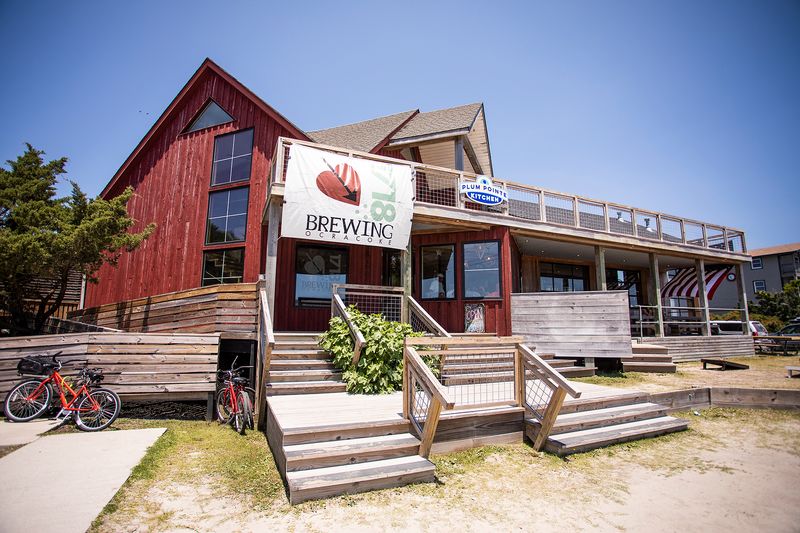
Forget chain stores and corporate franchises—Ocracoke’s commercial heart beats through independently owned businesses passed down through generations.
Family-run restaurants serve recipes perfected over decades, using local seafood caught by relatives.
These businesses aren’t just about commerce; they’re community gathering spots where everyone knows your name (or will after your first visit).
Shopkeepers share island stories, recommend hidden beaches, and treat customers like neighbors rather than transactions.
Supporting these establishments means directly supporting the families who maintain Ocracoke’s character and ensure traditions survive another generation in our increasingly homogenized world.
A Community Known For Its Fierce Pride And Strong Sense Of Belonging
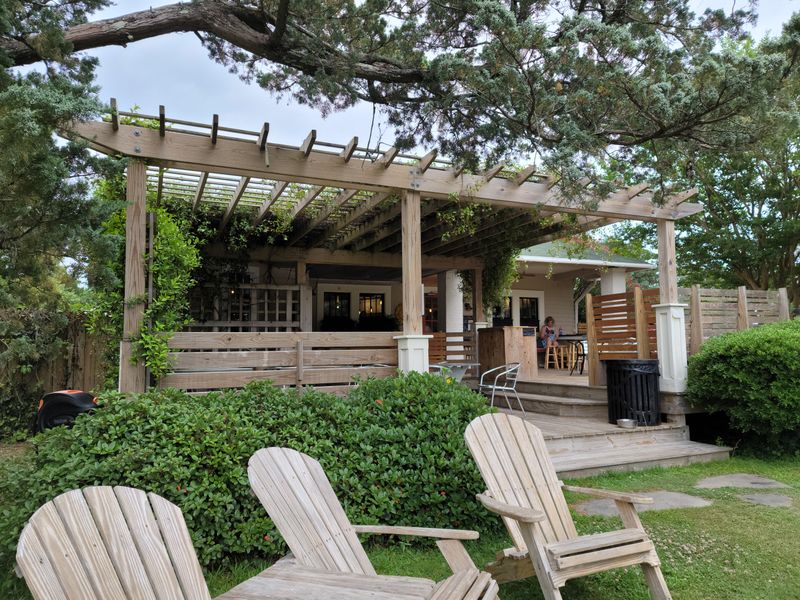
Ocracokers possess an almost tribal loyalty to their island home, defending its character with passionate intensity.
This isn’t snobbish exclusivity—newcomers who respect island ways find warm acceptance—but rather protective love for a place constantly threatened by development pressures and climate change.
Community events bring everyone together, from annual fig cake competitions to volunteer beach cleanups. When hurricanes strike, neighbors help neighbors rebuild without waiting for outside assistance.
That lesson created bonds stronger than blood, forging a community where belonging means something profound and lasting.