
The North Carolina Waterfall Trail With Stunning Views That Locals Cannot Stop Recommending
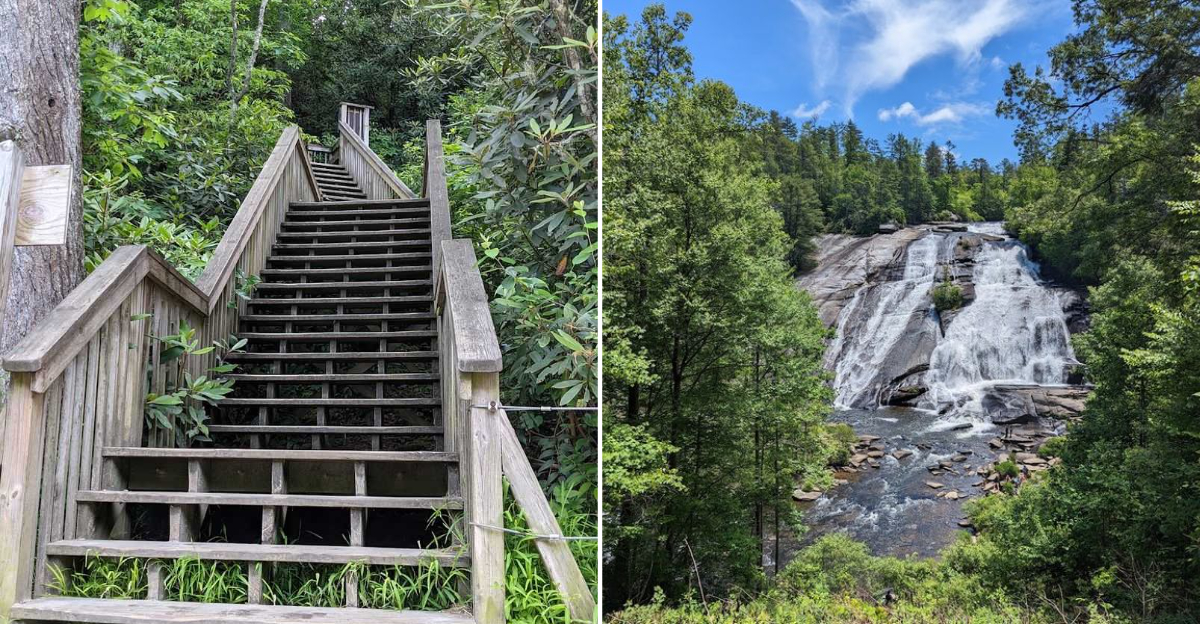
Locals recommend this North Carolina waterfall trail with the insistence of people who feel personally responsible for making sure nobody misses it. That enthusiasm has never once been misplaced.
The path earns attention independently of what waits at the end. Light filtering through canopy and the sound of water building before the falls ever come into view.
Arrival stops most hikers mid-stride without warning. That reaction happens consistently enough that locals have started factoring the moment into their directions.
Waterfalls generating this level of devoted word of mouth earned it through beauty and accessibility that most trails never manage simultaneously. This one delivers both without asking anything complicated from anyone willing to show up.
Scenic Viewpoints And Photo Opportunities
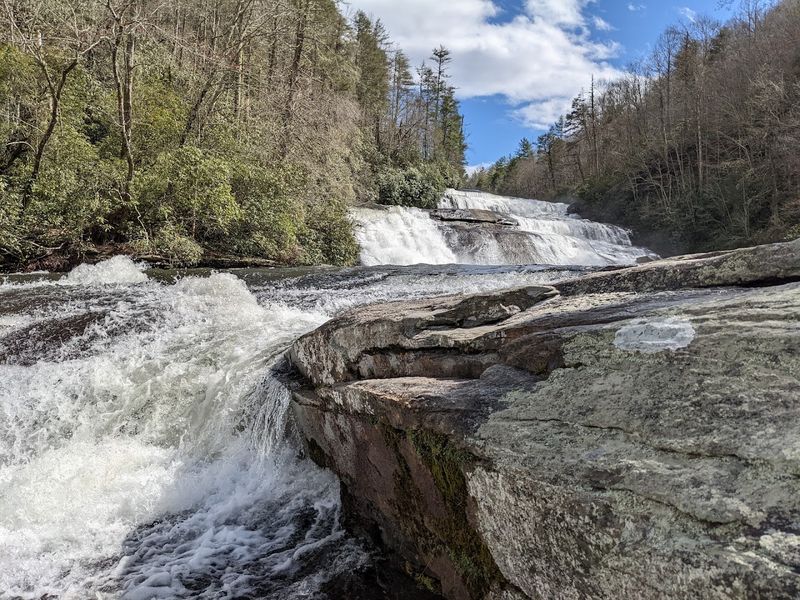
This place gives you three waterfalls for the price of one hike. Each tier drops dramatically over wide rock shelves.
Your camera will be working overtime from the very first step.
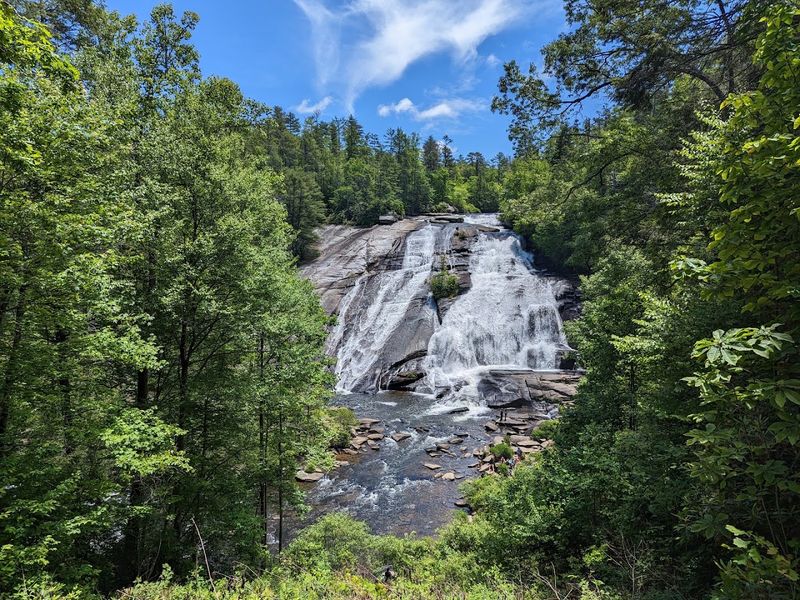
A wide rock outcrop near the trail offers a natural overlook. You can see all three tiers of the falls from this single spot.
The framing is almost too perfect, like nature designed it for photos.
Morning light hits the mist just right, creating a soft glow over the water. Afternoons bring different shadows and deeper contrast.
Both times of day produce completely different shots worth keeping.
The trail also passes close enough to the base for detail shots. You can capture the rushing water, the mossy rocks, and the forest backdrop together.
Wide-angle lenses really shine here.
Vertical shots work well for the tiered drops. Horizontal shots capture the surrounding forest beautifully.
Either way, you are walking away with gallery-worthy images.
The overlook area has enough space for groups to spread out. You will not feel rushed or crowded on most mornings.
Find your angle, breathe in the mist, and click away. Plan your visit and bring a fully charged camera.
You will need every bit of that battery.
Flora And Fauna Unique To The Area
The forest along Triple Falls Trail feels alive in every direction. Tall hardwood trees form a thick canopy above the path.
Walking beneath them feels like entering a completely different world.
Rhododendrons line much of the trail, especially near the water. When they bloom, the pink and white flowers are absolutely wild to see.
They practically steal the show from the waterfalls, almost.
Bright green moss covers nearly every rock surface near the creek. It gives the whole area a deep, rich color that photographs beautifully.
Touch it gently, and it feels like a soft carpet.
Game cameras set up in the forest have captured some surprising visitors. Black bears have been spotted moving through the area.
Snakes also make appearances, so staying on the trail is smart.
Bird activity is constant along the path. You will hear them before you see them most of the time.
Listen for woodpeckers tapping away high in the canopy above.
Ferns spread across the forest floor in dense patches. They add texture and layering to the already rich environment.
Every few feet, something new catches your eye.
The biodiversity here is genuinely impressive for a day hike. You get forest, waterway, and rocky terrain all in one short trail.
Nature packed a lot into this one small area.
Trail Difficulty And Accessibility Options
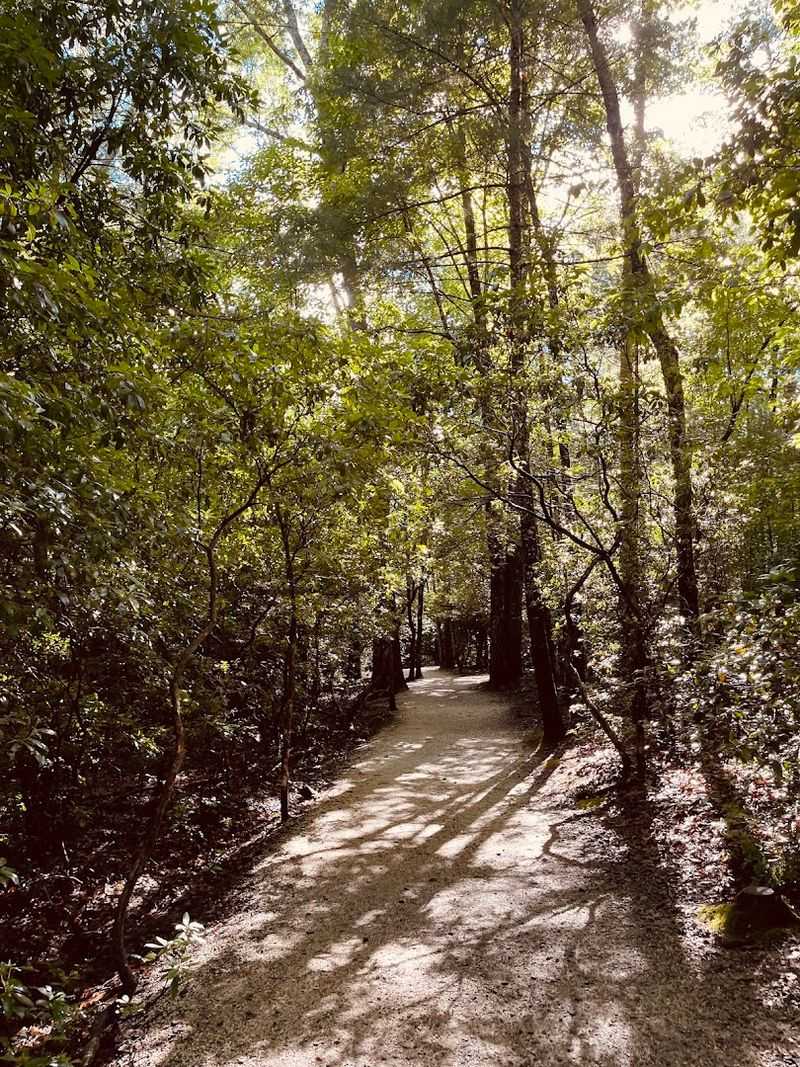
Triple Falls Trail is considered an easy to moderate hike overall. Most people can handle it without prior hiking experience.
That said, one section will definitely get your heart pumping.
The steepest part comes when approaching from the Hooker Falls Access Area. It is short but sharp, and your legs will know about it.
Take it slow and use the natural rocks as footholds.
The round trip clocks in at about one mile. That makes it very manageable for families with younger kids.
Most groups finish without feeling worn out at all.
Trail surfaces are mostly dirt and gravel throughout. They hold up well in dry conditions but can get slick after rain.
Solid footwear makes a real difference on wet days.
Wider sections of the trail allow groups to walk side by side. Narrower spots near the falls require a little more care.
Just pay attention and move at a pace that feels comfortable.
Dogs are welcome on the trail but must stay on a leash. Kids and pets do fine here with proper supervision.
The trail width helps everyone share the space without much stress.
Connecting to High Falls extends the adventure significantly. That loop adds distance and a bit more elevation.
For those wanting more challenge, the longer loop is a solid choice.
Best Times Of Year To Experience Waterfalls
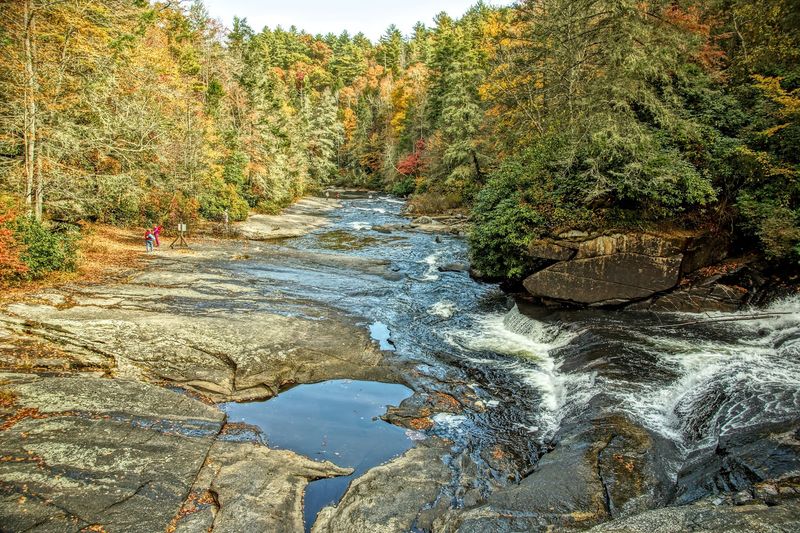
Fall is when Triple Falls Trail absolutely transforms. Late October through early November brings peak foliage color to the forest.
The orange, red, and yellow leaves framing the waterfalls are genuinely breathtaking.
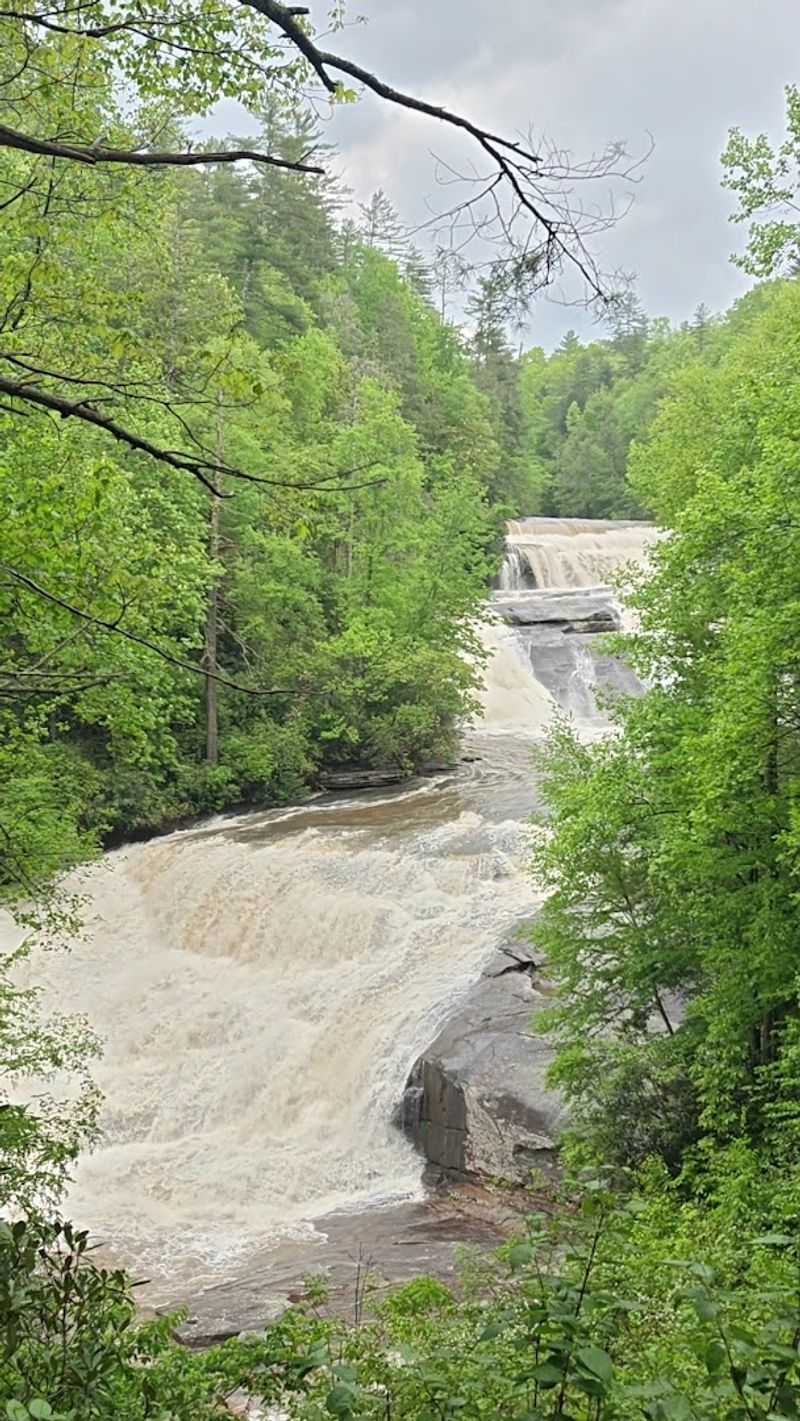
Water flow tends to be strongest in spring after winter snowmelt. The falls roar louder and push more volume during those months.
If raw waterfall power excites you, spring is your season.
Summer visits come with their own rewards. The forest canopy provides heavy shade along most of the trail.
Temperatures stay noticeably cooler near the water, which feels amazing on hot days.
Weekday mornings in any season are the smart move for avoiding crowds. Parking fills up fast on weekends, especially during fall and summer.
Arriving early means you get the trail mostly to yourself.
Winter visits are quieter and surprisingly beautiful. Bare trees open up views that disappear behind leaves in warmer months.
Frost on the rocks adds a whole new visual layer.
Rain days bring out the maximum power in the falls. Water volume surges, and the sound becomes thunderous.
Just know the rocks get very slippery, so tread carefully.
Every season offers something genuinely different here. There is no bad time to visit Triple Falls.
The trail rewards repeat visitors with a completely fresh experience each time around.
Conservation Efforts Protecting The Environment
DuPont State Recreational Forest exists today partly because of serious conservation work. Conserving Carolina played a major role in protecting this land.
Their efforts helped ensure the forest stayed wild and accessible.
The state of North Carolina purchased the land to secure its future. That purchase locked in protections for the waterfalls, trails, and ecosystems.
Without it, this area could look very different today.
Forest management here is a careful balancing act. Officials work to welcome visitors while keeping natural habitats intact.
Too much foot traffic in sensitive areas can cause real damage.
Cable barriers near the falls are not just decorative. They protect fragile rock edges and vegetation from being trampled.
Staying behind them is one of the easiest ways visitors can help.
Trail maintenance crews work regularly to keep paths stable. Erosion near water features is an ongoing challenge.
Proper drainage systems along the trail help manage heavy rain runoff.
Leave No Trace principles are strongly encouraged throughout the forest. Packing out all trash keeps the environment clean.
Even small actions like not picking plants add up across thousands of visitors.
The conservation story here is genuinely inspiring. This forest survived development pressure and came out protected.
Every visit supports the case for preserving wild spaces like this one.
Local Legends And History Connected To Waterfalls
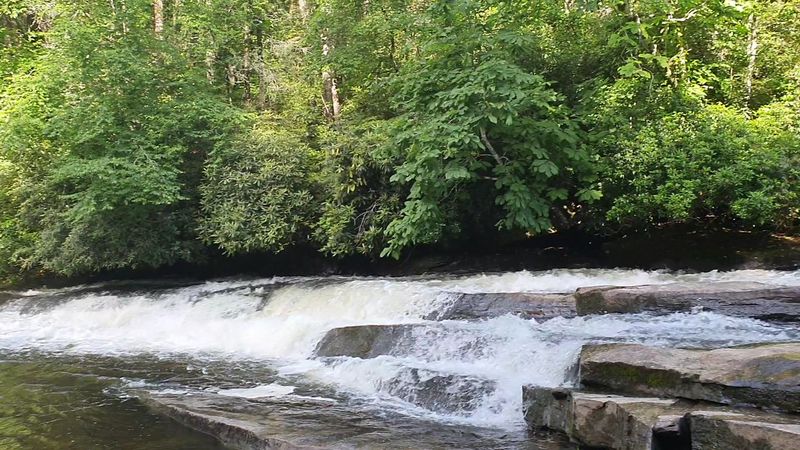
Triple Falls has a film history that surprises most first-time visitors. The Hunger Games was filmed here, using these falls as a dramatic backdrop.
Recognizing the location mid-hike is a genuinely fun moment.
The Last of the Mohicans also used this forest for filming. Those dramatic forest and waterfall scenes were shot right here in North Carolina.
Hollywood clearly has good taste in scenery.
The land itself carries deep historical roots. John Thomas Jr. received this land as a reward for his service during the Revolutionary War.
That connection stretches back to the founding of the country.
The Little River, which feeds the falls, has been a landmark for generations. Early settlers used the river as a navigation and resource point.
The water that thrills hikers today served real survival purposes back then.
Local communities have passed down stories about the forest for centuries. Indigenous peoples knew this land long before European settlers arrived.
Their presence shaped the landscape and trails in ways still felt today.
DuPont Forest itself is named after the chemical company that once owned the land. The company sold the property, and conservation efforts followed.
History and nature intertwine at every step on this trail.
Knowing the backstory makes the hike richer. You are walking through layers of time with every step.
That adds real depth to an already remarkable trail experience.
Wildlife Spotting Along The Path
Wildlife sightings on Triple Falls Trail are more common than most people expect. The forest is active and alive throughout the day.
Slow down, look around, and you will notice things others miss.
Black bears have been documented in the area through game cameras. Spotting one from a safe distance is thrilling and memorable.
Make noise while hiking to avoid surprising them on the path.
Snakes are also part of the local wildlife mix. Most are harmless, but awareness matters near rocky waterfall edges.
Watch where you step, especially on warm, sunny days when they bask.
Birds are everywhere along the trail. Warblers, woodpeckers, and hawks all move through the forest canopy.
Birders have a field day here without even trying very hard.
White-tailed deer are frequently spotted near the tree line. They tend to appear in the early morning or just before dusk.
Moving quietly increases your chances of a close encounter.
Squirrels and chipmunks are constant trail companions. They dart across the path and rustle through the leaf litter.
Entertaining and harmless, they keep the hike lively.
All dogs must remain on a leash for everyone’s safety. This protects both pets and local wildlife from stressful encounters.
Leash rules help keep the ecosystem balanced and the trail enjoyable for all.
Preparation Tips For Safe Hiking Adventures
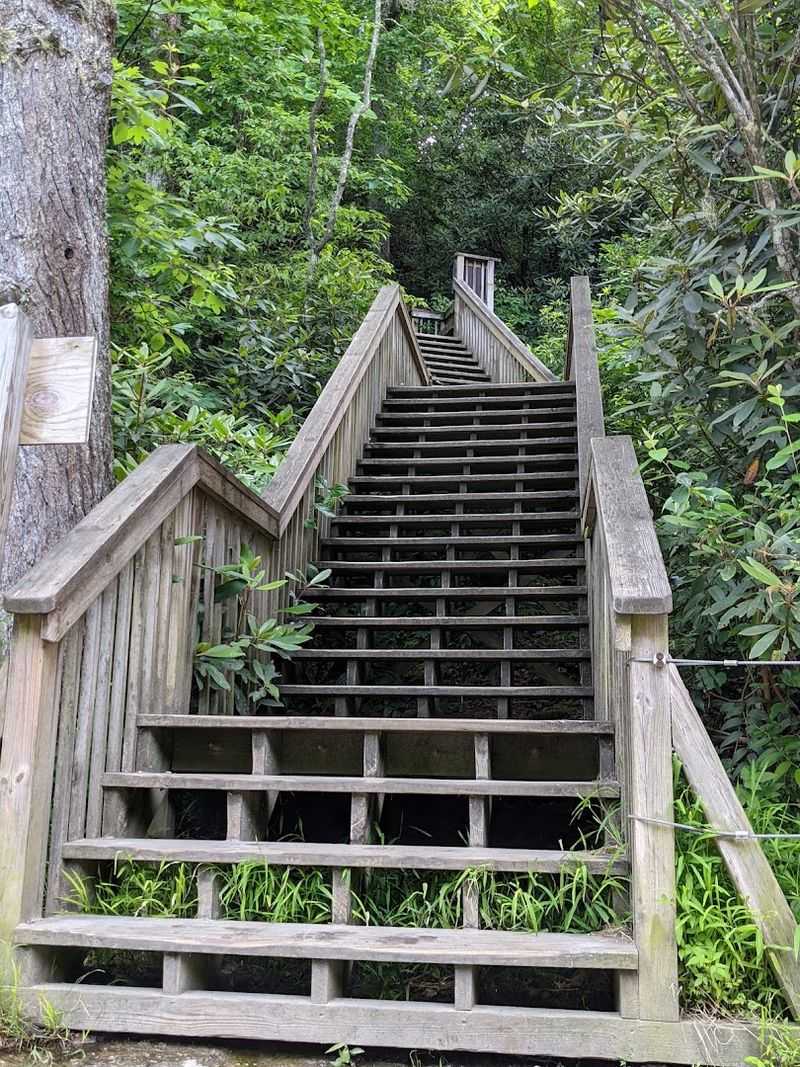
Good footwear is the single most important thing you can bring. Wet rocks near the falls are genuinely slippery and unforgiving.
Trail shoes or hiking boots with grip make a huge difference.
Bring more water than you think you need. The hike is short, but physical exertion and mist in the air can dehydrate you faster than expected.
A reusable water bottle is easy to carry and essential.
A small first-aid kit fits easily into any daypack. Blisters, scrapes, and minor falls happen even on easy trails.
Being prepared means a small issue stays small instead of ruining the day.
Sunscreen matters even under a forest canopy. Gaps in the trees expose skin to direct sunlight on certain sections.
Apply before you start, not after you are already on the trail.
Stay behind all cable barriers near the falls without exception. Those barriers exist because the edges are more dangerous than they look.
One wrong step on a wet ledge can cause serious injury.
Check the weather before heading out. Rain turns manageable trails into slippery obstacle courses quickly.
A light rain jacket packs small and saves you from a miserable walk back.
Cell service can be spotty inside the forest. Download an offline trail map before you leave home.
Knowing where you are at all times keeps the adventure fun and stress-free.