
The Ohio Destination Where Amish Goods Antiques And Local Produce Create A Unique Shopping Experience
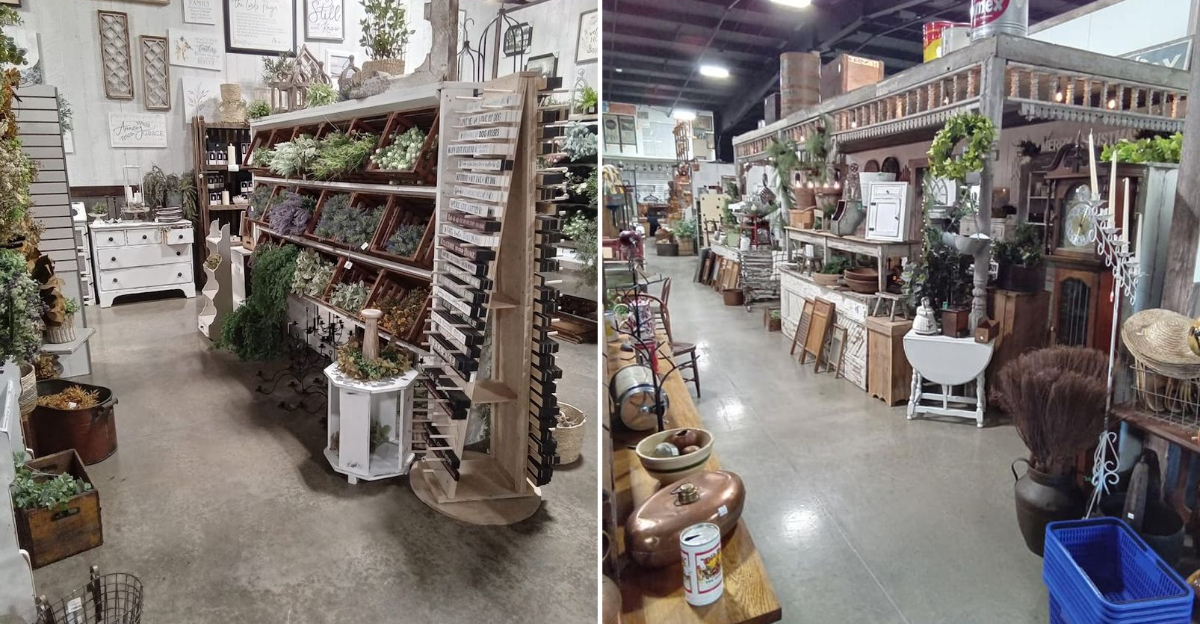
The buggy traffic moves at its own pace and the rest of the road adjusts accordingly. That dynamic sets the tone for everything the destination offers before anyone steps out of the car.
Amish goods, antiques, and fresh produce don’t usually share the same address with any particular intention behind the combination.
Here the three exist together naturally, each one drawing a different kind of shopper and all of them finding something worth the trip.
Handmade furniture sits within walking distance of canning jars filled that morning. Antique dealers operate alongside families selling what the farm produced this week.
Ohio has destinations that manufacture this kind of atmosphere and destinations where it simply grew over time. This one belongs firmly in the second category.
Understanding Amish Craftsmanship Techniques
Amish craftsmanship is not a trend. It is a way of life passed down through generations of Ohio families.
At Ohio’s Market in Berlin, you can actually see evidence of that tradition up close. A 100-year-old loom inside the building still produces handmade rugs today.
That alone is worth the visit.
The market carries handcrafted furniture built without shortcuts. Each piece reflects careful joinery and attention to detail that mass production simply cannot replicate.
Local Amish seamstresses also create handmade doll clothes sold right on the floor. Leather goods, quilts, and curtains round out the selection nicely.
Natural soaps made by local artisans line the shelves too. These are not decorative items.
People actually use them daily. The craftsmanship here feels honest and purposeful.
Every item tells you something about the person who made it.
Ohio’s Market is located at 5916 Co Rd 168, Millersburg, OH 44654. It opened in the summer of 2022 and draws visitors from all over the region.
The combination of traditional skills and a modern shopping space makes this market genuinely one of a kind. You will not find this mix just anywhere in Ohio.
Exploring Antique Furniture Styles
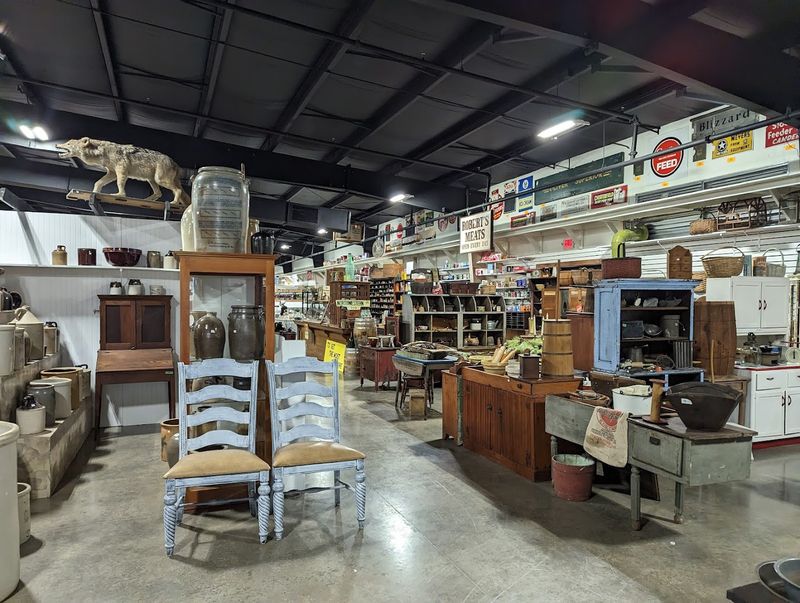
Picker’s Antiques anchors Ohio’s Market in a big way. It occupies somewhere between 10,000 and 12,000 square feet inside the building.
That is not a corner booth. That is practically a museum.
The presentation is deliberate and organized, not chaotic or cluttered.
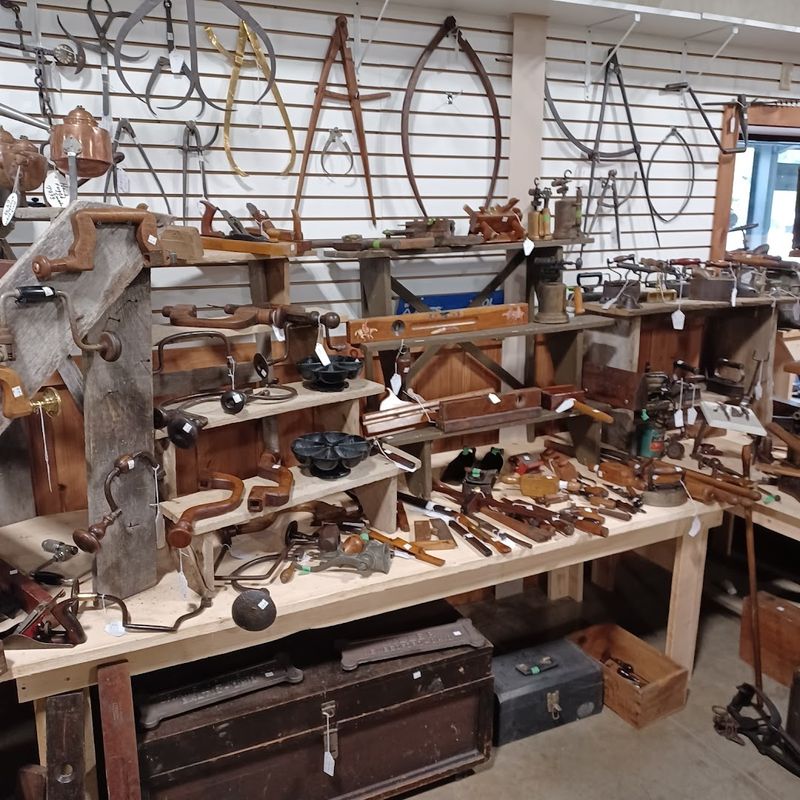
Antique furniture styles here range from primitive American pieces to refurbished farmhouse tables. You will find cast iron cookware, stoneware pottery, vintage signs, and antique farm tools filling the space.
The variety keeps you moving from one display to the next without losing interest.
One thing worth noting is the quality focus. This is not a place where everything gets thrown onto a table and priced at random.
Items are presented thoughtfully, almost like exhibits. That approach makes browsing feel less like a chore and more like exploration.
Glassware and collectibles appear throughout the antique section as well. Some pieces are genuinely rare.
Others are more common but still well-priced for their condition. If you are hunting for a specific furniture style, there is a good chance you will find something close to what you want here.
Bring patience and comfortable shoes. You will need both to do this section justice.
Seasonal Fresh Produce Varieties
Holmes County knows how to grow things. The region surrounding Ohio’s Market in Berlin is rich farmland with deep agricultural roots.
Seasonal produce flows through this area in a way that feels tied directly to the calendar. When something is in season here, you notice it everywhere.
Ohio’s Market itself features homemade foods and snacks from local vendors. The broader Holmes County area supports roadside stands and nearby markets like Troyer’s Country Market and Hershberger’s Farm and Bakery.
These spots fill the gap for raw fruits and vegetables during peak growing months. A weekly farmers market in Millersburg also runs during the growing season.
Summer brings sweet corn, tomatoes, and zucchini in abundance. Fall shifts things toward pumpkins, apples, and root vegetables.
The variety changes fast, so visiting at different times of year gives you a completely different experience. That seasonal rhythm is part of what makes the area worth returning to.
Planning a trip around harvest season is genuinely a good idea. The colors, the smells, and the sheer volume of fresh local produce available nearby add real texture to any visit.
Ohio’s Market sits right in the middle of all that regional bounty. It benefits from the agricultural culture that defines this corner of the state.
Traditional Foods From Local Farms
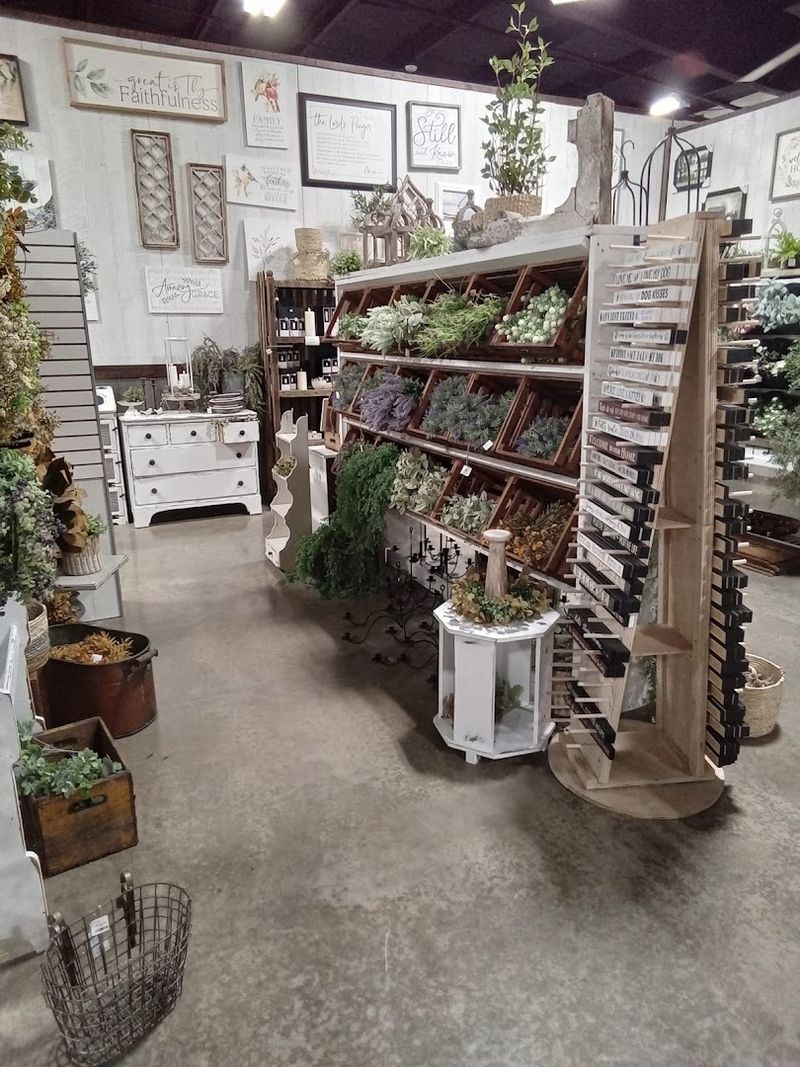
Food at Ohio’s Market is not an afterthought. It is part of the whole experience.
Vendors like The Cracklin’ Pig by Roasters and Smokin’ Chippers bring real flavor to the market floor. These are not chain restaurant concepts.
They are locally driven operations with personality.
Heini’s also has a presence at the market, which is a big deal for anyone familiar with Holmes County dairy and cheese traditions. Ohio Amish country has a long history of producing exceptional dairy products and smoked goods.
That tradition shows up directly in what you find available here.
Homemade baked goods appear throughout the vendor booths as well. Think preserves, seasoned snacks, and prepared foods made with local ingredients.
The flavors tend to be straightforward and satisfying. Nothing overly complicated.
Just good food made the right way.
Traditional farm foods in this region carry history in every bite. Recipes get handed down the same way furniture techniques do.
You are not just buying lunch when you grab something from a vendor here. You are sampling a food culture that has been building in Ohio for over a century.
That context makes even a simple snack feel more meaningful than it might somewhere else.
The History Behind Local Artisans
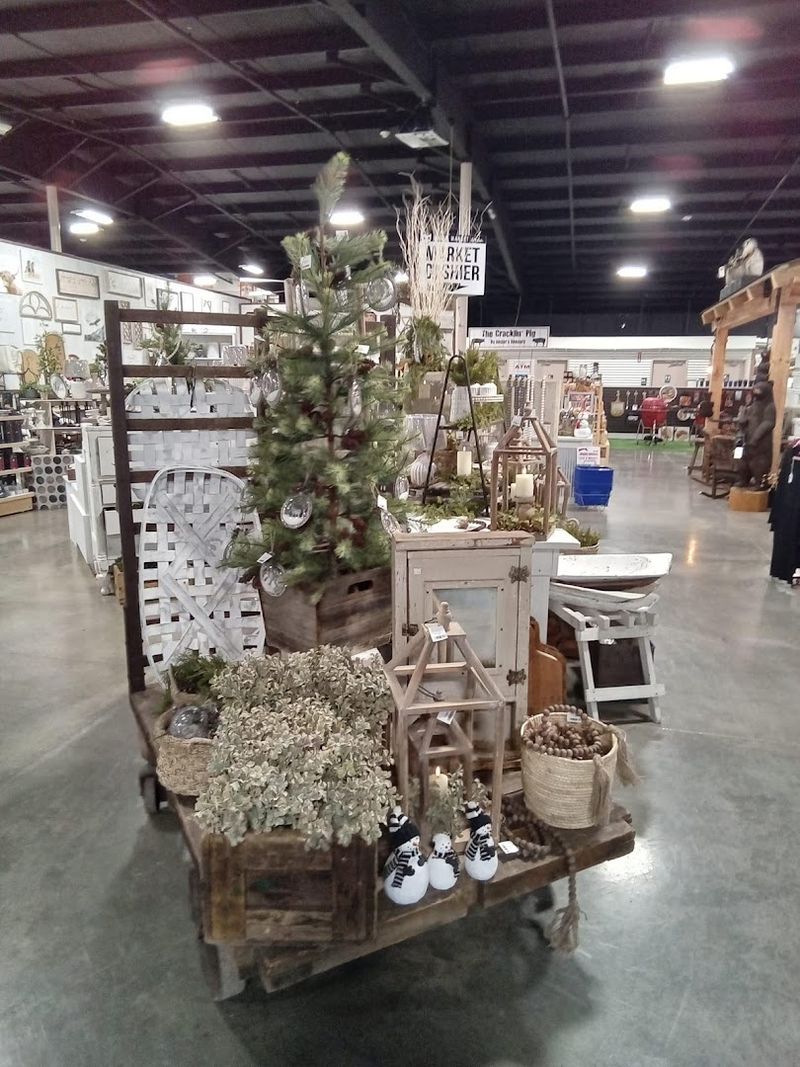
Local artisans at Ohio’s Market carry stories that go back generations. The Amish community in Holmes County has maintained traditional craft practices for well over a century.
Those practices are not preserved for tourists. They are simply how things are done here.
The 100-year-old loom inside the market is a direct connection to that history. Rugs made on that loom today follow the same basic process used long before the market building ever existed.
That continuity is rare and genuinely worth appreciating. It is history you can touch and take home.
Amish seamstresses selling handmade doll clothes at the market represent another layer of that artisan tradition. Their work reflects skills learned from mothers and grandmothers.
The same goes for leatherworkers and quilt makers whose booths fill the space. Each vendor brings a specific craft background to the floor.
Ohio’s Market opened in 2022, but the artisan traditions it showcases are far older. The building is new.
The skills inside it are not. That contrast gives the market a grounded feeling that newer retail concepts usually lack.
When you buy something handmade here, you are supporting a living craft tradition. That matters more than most people realize until they actually see it in person.
Curating Unique Handmade Home Decor
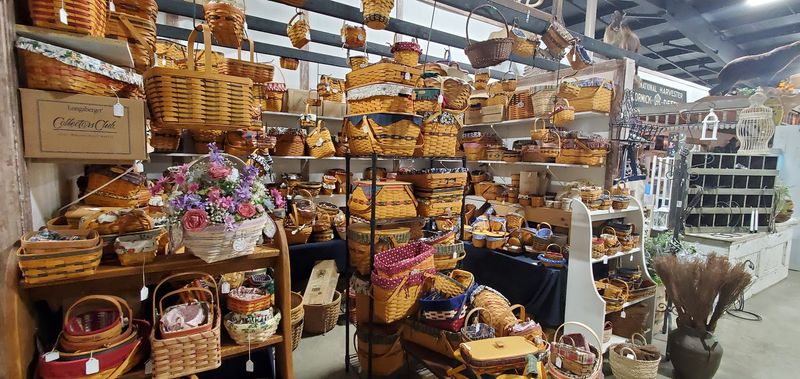
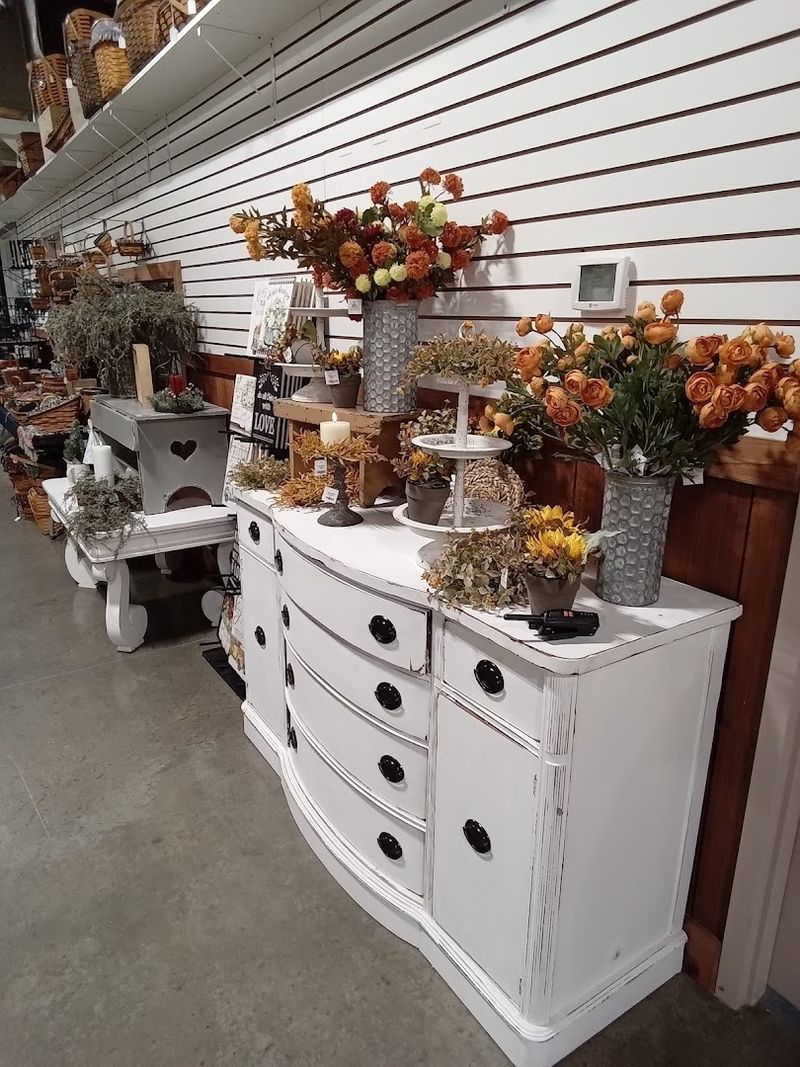
Handmade home decor at Ohio’s Market covers a wide range of styles and price points. Bird feeders, quilts, curtains, and woven rugs all share floor space with wind chimes and decorative signs.
The selection feels curated rather than random. That is intentional.
The market describes itself as a curated shopping experience, not a flea market. That distinction matters when you are looking for something specific for your home.
Items are selected with care. Quality and originality get priority over volume.
You will find fewer mass-produced knockoffs and more genuinely handcrafted pieces.
Greenery and candle selections also draw attention from regular visitors. These smaller decorative items are easy to overlook but tend to be well-made and reasonably priced.
They make good gifts and even better personal additions to a living room or kitchen shelf. The variety keeps the space feeling fresh across seasons.
Home decor shopping here works best when you come without a rigid list. Browsing with an open mind tends to reward you more than hunting for a specific item.
The market rotates vendors and inventory regularly. That means repeat visits often turn up something new.
Regulars seem to know this, which explains why so many people make Ohio’s Market a standing stop whenever they are in the Berlin area.
Sustainable Farming Practices In Ohio
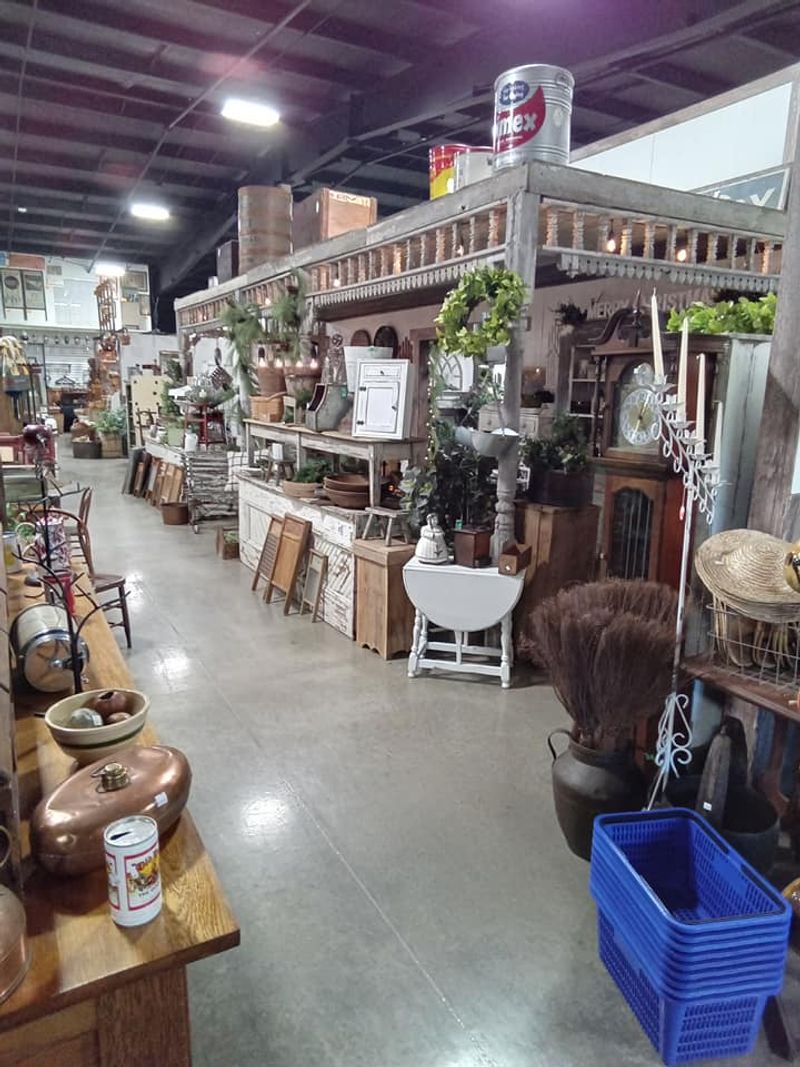
Sustainable farming in Holmes County is not a marketing angle. It is simply how many families here have always operated.
Amish farming traditions naturally align with low-impact agriculture. Horse-drawn equipment, crop rotation, and minimal chemical use define a lot of the farmland surrounding Berlin and Millersburg.
Ohio’s Market benefits from being embedded in this agricultural environment. The food vendors and produce available in the area reflect farming methods that prioritize soil health and seasonal growing cycles.
That connection between the land and the market creates a supply chain that is short, local, and traceable.
Holmes County consistently ranks among Ohio’s top agricultural counties. The density of small family farms here is unusually high compared to the rest of the state.
That means the food moving through local markets tends to be fresher and more directly connected to the people who grew it. There is real value in that kind of transparency.
Visiting Ohio’s Market during peak growing season gives you a front-row view of how sustainable local agriculture feeds a community. The goods available in and around the market reflect land that has been farmed responsibly for generations.
That is not something you can manufacture or import. It grows from the ground up, season after season, in the hills and valleys of eastern Ohio.
Tips For Choosing Quality Antique Items
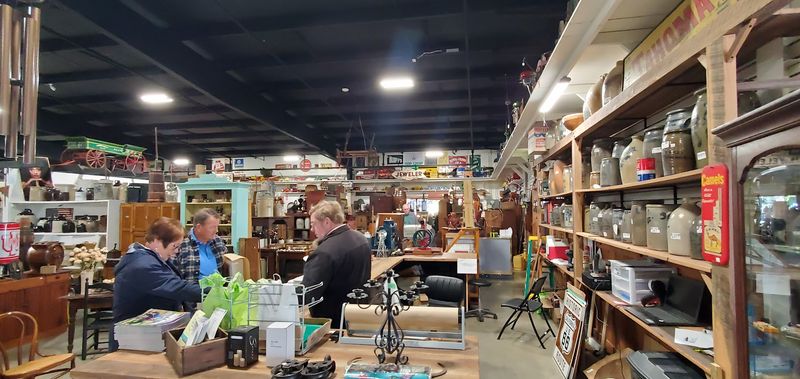
Buying antiques well takes practice. Ohio’s Market in Berlin gives you plenty of opportunity to develop that skill.
The Picker’s Antiques section alone spans up to 12,000 square feet of stoneware, farm tools, glassware, and refurbished furniture. That is a lot of ground to cover carefully.
Start by handling items before committing. Weight, texture, and construction details tell you more than a price tag ever will.
Primitive wooden pieces should show genuine wear patterns, not artificially distressed surfaces. Cast iron cookware should feel solid and heavy with no visible cracks along the base or handle joints.
Stoneware and pottery are worth examining closely for hairline fractures. These are easy to miss under market lighting.
Tilt the piece toward a light source and run your finger along the surface. Chips and cracks affect both value and usability significantly.
Knowing this before you pay saves frustration later.
Vintage signs and collectibles at Ohio’s Market range from common to genuinely rare. Ask vendors about provenance when you can.
A good seller will know something about where a piece came from. Pricing at the market leans toward the higher end, which reflects the quality focus of the curation.
That said, knowing what something is actually worth before you arrive makes negotiating or passing much easier. Research before you shop.
It pays off every time.