
The Overlooked Alabama Coastal Gem That Deserves More Attention
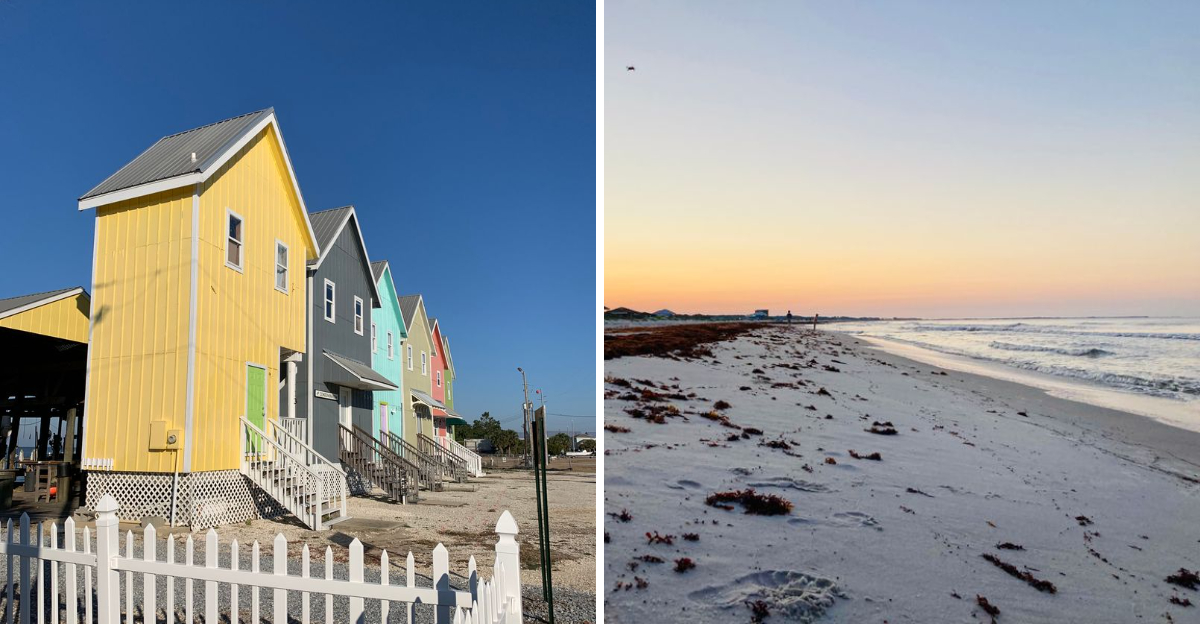
Most travelers racing toward Gulf Shores or Orange Beach speed past a turnoff that leads to something quieter and far more distinctive. Dauphin Island sits at the mouth of Mobile Bay, a 14-mile stretch of sand and scrub pine that has somehow avoided the high-rise fever that grips so much of the Gulf Coast.
The island moves at a different pace, shaped by tides and migratory birds rather than spring break schedules, and it rewards those who take the time to notice what makes a place feel genuine instead of manufactured.
A Barrier Island With Miles Of Uncrowded Gulf Beaches
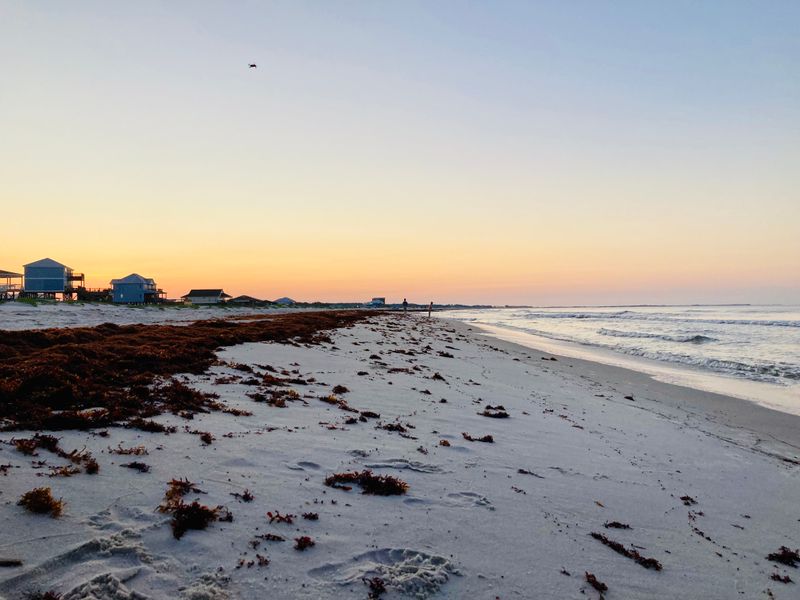
The beaches on Dauphin Island stretch for miles without the shoulder-to-shoulder density that defines summer elsewhere along the Gulf. You can walk the shoreline in the morning and count the people you pass on one hand.
The sand is clean and the water is warm, but the real luxury is the space itself.
Families spread out blankets without worrying about encroaching on someone else’s territory. Dogs run loose where they are allowed, and children build sandcastles that stand undisturbed until the tide comes in.
The absence of beachfront towers means the horizon stays open and the sunlight reaches the sand without interruption.
Public access points are clearly marked and easy to reach. Parking is straightforward, and the facilities are maintained without being overly commercialized.
The beach here feels like a place people use rather than a place people perform, and that distinction makes all the difference when you are looking for something real.
One Of Alabama’s Best Spots For Birdwatching And Migration
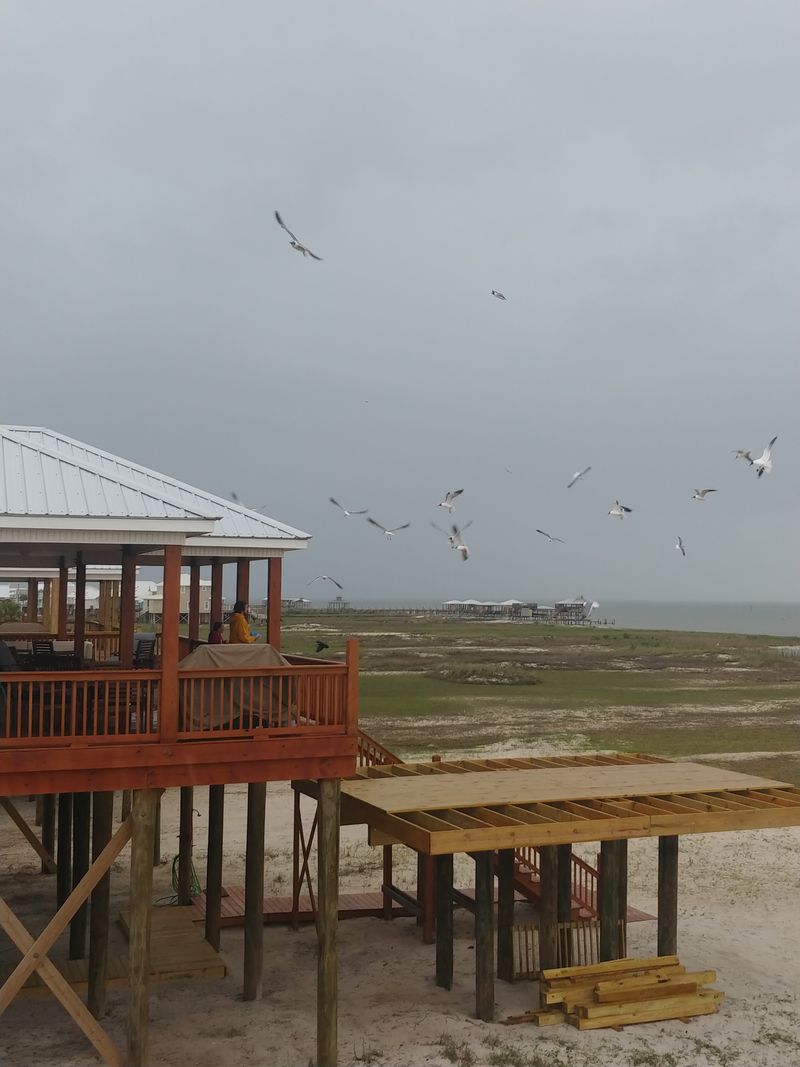
Dauphin Island sits directly beneath the Mississippi Flyway, and every spring and fall the skies above it fill with birds making the long crossing over open water. Warblers, tanagers, buntings, and thrushes drop down to rest in the maritime forest and salt marsh, exhausted from the journey and desperate for food and cover.
The Audubon Bird Sanctuary protects 164 acres of habitat that has become legendary among serious birders.
Walking the trails in April or early May can feel like stepping into a nature documentary. Birds that spend most of their lives hidden in treetops become visible at eye level, feeding and preening just feet away.
The variety is staggering, and even casual observers find themselves drawn into the spectacle.
The sanctuary is located at 211 Bienville Boulevard, and the trails are open from dawn to dusk. Bring binoculars if you have them, but even without magnification the experience is memorable.
The island’s position and its remaining wild spaces make it irreplaceable for both the birds and the people who come to see them.
Home To The Alabama Aquarium At The Dauphin Island Sea Lab
The Estuarium at the Dauphin Island Sea Lab offers a close look at the ecosystems that surround the island without the theatrics of larger aquariums. The exhibits focus on the creatures that live in Mobile Bay and the northern Gulf, from stingrays and sea turtles to jellyfish and small sharks.
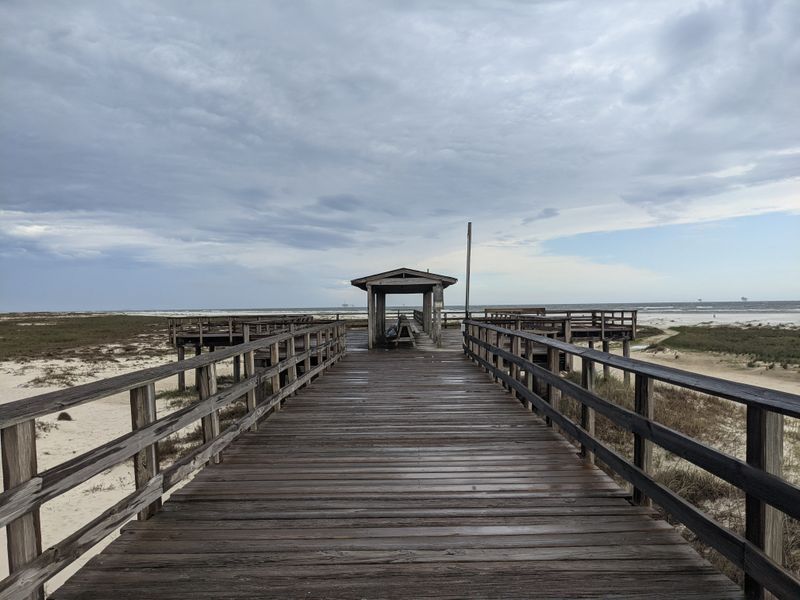
The living marsh boardwalk takes you through a working wetland where you can see how these systems function in real time.
Children respond well to the hands-on displays and the chance to touch horseshoe crabs and other harmless species. The staff are knowledgeable and clearly invested in the educational mission of the place.
The scale is manageable, which means you can move through the exhibits without feeling rushed or overwhelmed.
The Sea Lab itself is a working research facility, and the Estuarium serves as its public face. The combination of science and accessibility makes it a worthwhile stop, particularly for families looking for something more substantive than souvenir shops and miniature golf.
The facility is located at 101 Bienville Boulevard, and it operates year-round with seasonal hours.
Historic Fort Gaines Still Stands Guard Over Mobile Bay

Fort Gaines occupies the eastern tip of Dauphin Island, built in the 1850s to defend Mobile Bay from naval attack. The brick walls and earthworks remain intact, and the site played a role in the Battle of Mobile Bay during the Civil War.
Admiral Farragut’s famous order to damn the torpedoes was issued during the assault on this position, and the fort’s cannons fired back until the Confederate garrison surrendered.
Walking through the fort today gives you a sense of how isolated and exposed the soldiers stationed here must have felt. The quarters are small and the gun emplacements are cramped.
The blacksmith shop and other support buildings have been restored, and interpretive signs explain the daily routines and strategic importance of the site.
The fort is located at 51 Bienville Boulevard, and it is open to visitors most days of the year. The views from the walls take in both the Gulf and the bay, and the fort itself is one of the best-preserved examples of 19th-century military architecture on the Gulf Coast.
The Scenic Mobile Bay Ferry Makes Getting There Part Of The Fun
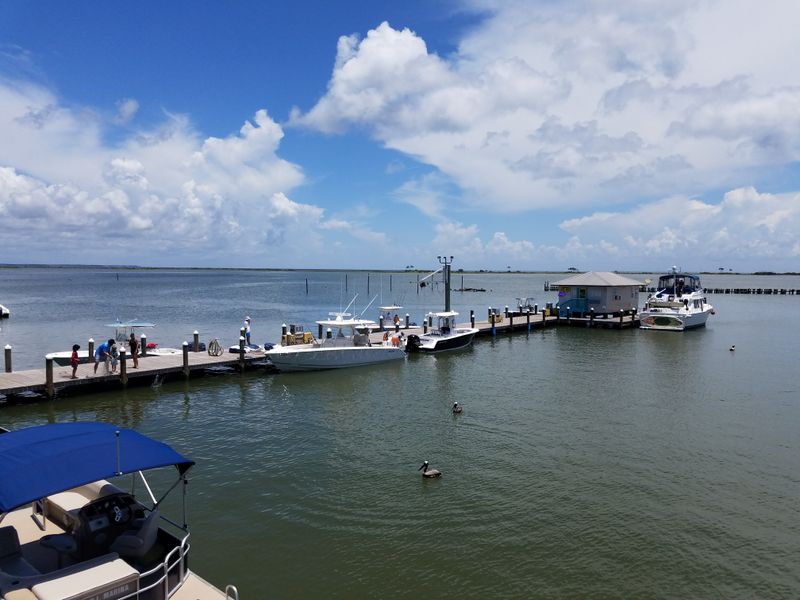
The Mobile Bay Ferry runs between Fort Morgan and Dauphin Island, crossing the mouth of the bay in about 40 minutes. The ride itself becomes part of the trip rather than just a means of getting from one place to another.
Dolphins sometimes surface near the boat, and pelicans glide alongside in formation. The open water stretches in every direction, and the sense of distance from the mainland is immediate.
Cars drive onto the lower deck while passengers can climb to the upper level for better views. The breeze is steady and the air smells like salt and diesel.
It is a working ferry, not a tourist attraction, but that simplicity is exactly what makes it appealing.
The ferry operates year-round with regular departures, and the crossing saves a significant amount of driving time compared to going around the bay. The cost is modest, and the experience adds a layer of adventure that a bridge crossing cannot match.
For many visitors, the ferry ride becomes one of the most memorable parts of the trip to Dauphin Island.
Sugar-White Sand Without The Gulf Shores Crowds
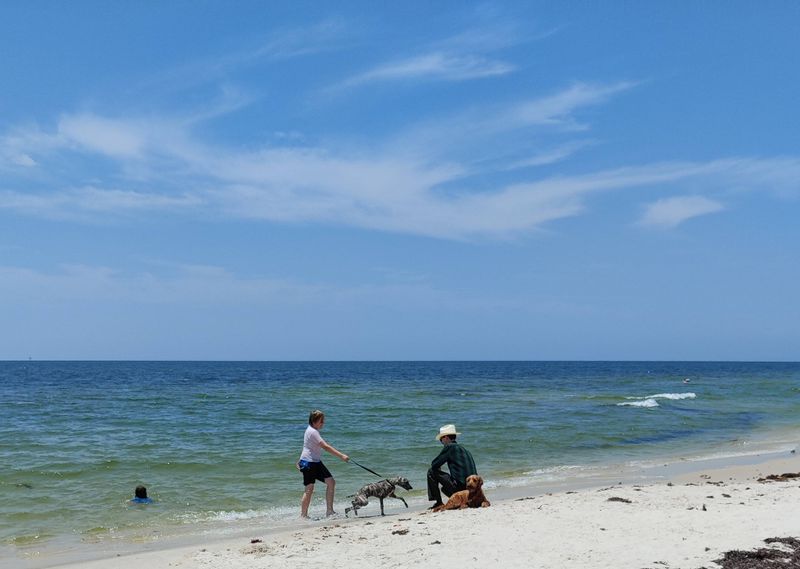
The sand on Dauphin Island is as white and fine as what you will find anywhere along the Alabama coast, but the atmosphere is entirely different. There are no massive parking structures, no rows of beach chairs for rent, and no vendors walking the sand selling cold drinks.
The beach belongs to the people who take the time to get there, and the experience feels personal rather than packaged.
The water is warm from May through October, and the waves are gentle enough for young swimmers. Shelling is productive after storms, and the early morning light makes the sand look almost luminous.
The lack of development means the natural character of the shoreline remains visible, with dunes and sea oats framing the beach instead of condominiums.
This is not a place for nightlife or high-energy entertainment, but if you are looking for a beach where you can actually relax and hear yourself think, Dauphin Island delivers. The trade-off for fewer amenities is more space, more quiet, and a coastline that still looks like the Gulf Coast instead of a resort brochure.
A Small-Town Island With No High-Rise Skyline
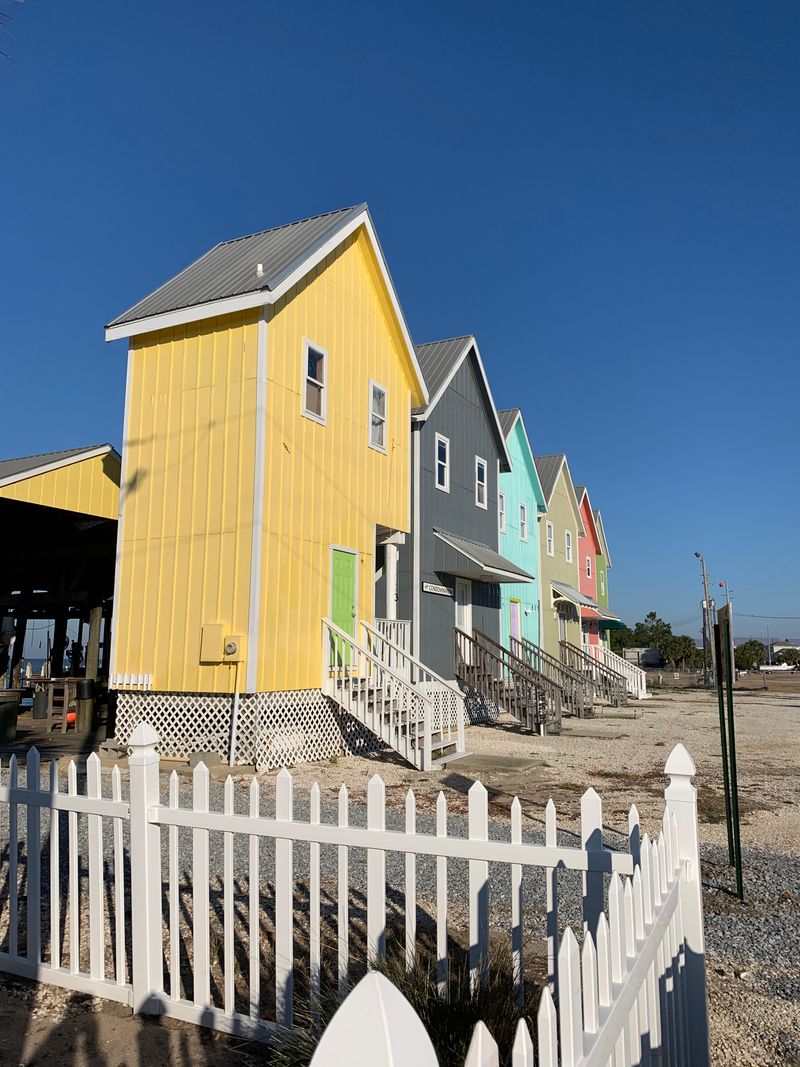
Dauphin Island has no skyline to speak of, and that is precisely the point. The tallest structures are the water tower and the lighthouse, both of which serve practical purposes rather than architectural ambition.
The homes are modest, the streets are quiet, and the pace of life is slow enough that you notice the details.
The town itself is small, with a population that swells in summer but never approaches anything resembling a crowd. Local businesses operate on island time, and the restaurants serve fresh seafood without pretense.
There is a grocery store, a few bait shops, and enough amenities to make a stay comfortable without overwhelming the character of the place.
The absence of high-rises means the views stay open and the sunlight reaches the ground unobstructed. Development has been kept in check, whether by design or by the island’s vulnerability to hurricanes, and the result is a community that still feels like a community rather than a vacation destination.
For travelers tired of manufactured beach towns, Dauphin Island offers a genuine alternative.
Public Beach Access With Easy Parking And Family-Friendly Facilities
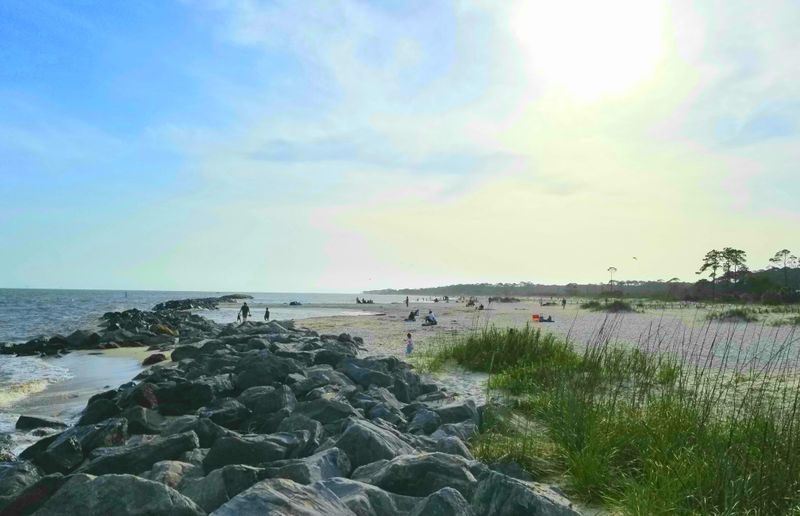
Public Beach on Dauphin Island is exactly what it claims to be, a stretch of sand open to everyone with facilities designed for families and day-trippers. The parking lot is large and rarely full, and the access points are clearly marked with boardwalks that protect the dunes.
Pavilions provide shade, and restrooms are maintained throughout the season.
The beach itself is wide and the water is calm, making it a safe choice for children. Lifeguards are on duty during peak months, and the atmosphere is relaxed without being chaotic.
Picnic tables and grills are available for those who want to spend the day, and the layout is straightforward enough that even first-time visitors can navigate it easily.
This is not a fancy setup, but it works well for what it is. The focus is on accessibility and comfort rather than luxury, and families appreciate the simplicity.
Public Beach is located near the western end of the island, and it serves as the primary gathering point for visitors who want a full day on the sand without complications.
Sunset Views Over Mobile Bay That Rival Anywhere On The Gulf
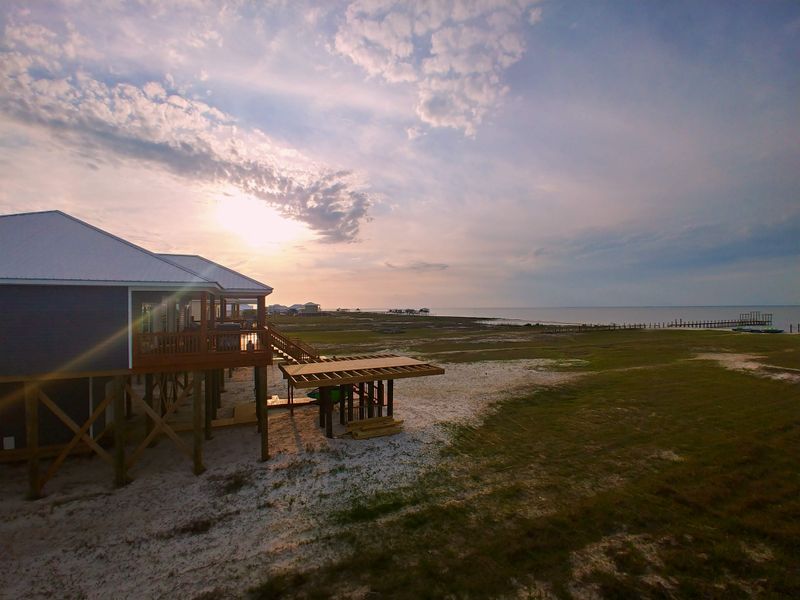
The sunsets over Mobile Bay from Dauphin Island are spectacular, and they unfold with a slowness that makes you stop whatever you are doing to watch. The bay side of the island faces west, so the sun drops directly into the water, turning the sky shades of orange, pink, and purple that photographers struggle to capture accurately.
The water reflects the colors, and the whole scene becomes a kind of natural theater.
The best viewing spots are along the bay shore, particularly near the public piers and the ferry landing. The lack of tall buildings means the horizon stays open, and the sunsets are visible from almost anywhere on the bay side.
Evening walks along the beach or the piers become rituals for visitors who stay more than a day or two.
These sunsets are not advertised or packaged, they simply happen every clear evening, and they are free for anyone who takes the time to watch. The experience is one of the simplest pleasures the island offers, and it is one of the reasons people return year after year.
Fishing, Crabbing And Pier Time Done The Old-Fashioned Way
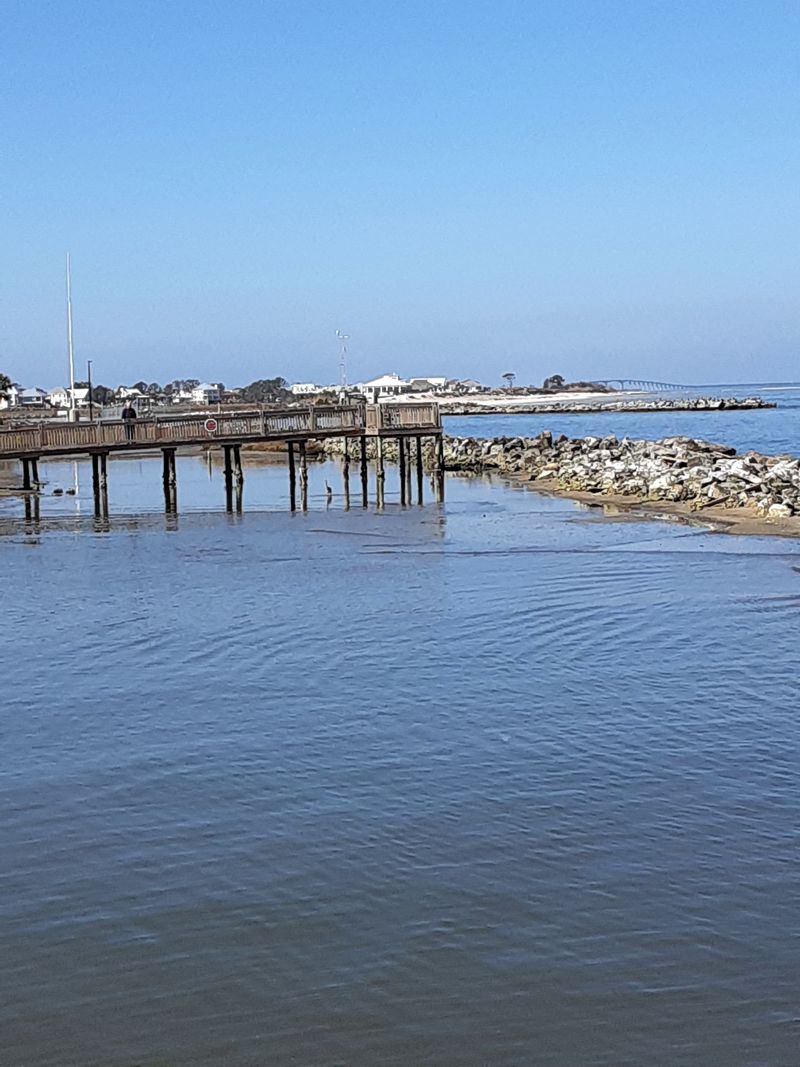
Fishing and crabbing on Dauphin Island are done the way they have been done for generations, with simple gear, public piers, and a lot of patience. The piers extend into both the Gulf and the bay, and they attract anglers looking for redfish, speckled trout, flounder, and whatever else is running.
Crabbing is equally popular, with families tying chicken necks to strings and dropping them off the pier to see what they can pull up.
The pace is unhurried, and the atmosphere is social without being intrusive. People share tips, admire each other’s catches, and help untangle lines when necessary.
Children learn the basics from parents and grandparents, and the whole activity feels like a connection to something older and more fundamental than modern entertainment.
Bait shops on the island sell everything you need, and the locals are generous with advice. Fishing licenses are required for residents and non-residents alike, but the rules are straightforward.
For visitors looking to spend time on the water without chartering a boat, the piers offer an accessible and authentic way to experience the island’s working relationship with the Gulf.