
The Overlooked New York State Forest Where You Can Hike All Day In Silence
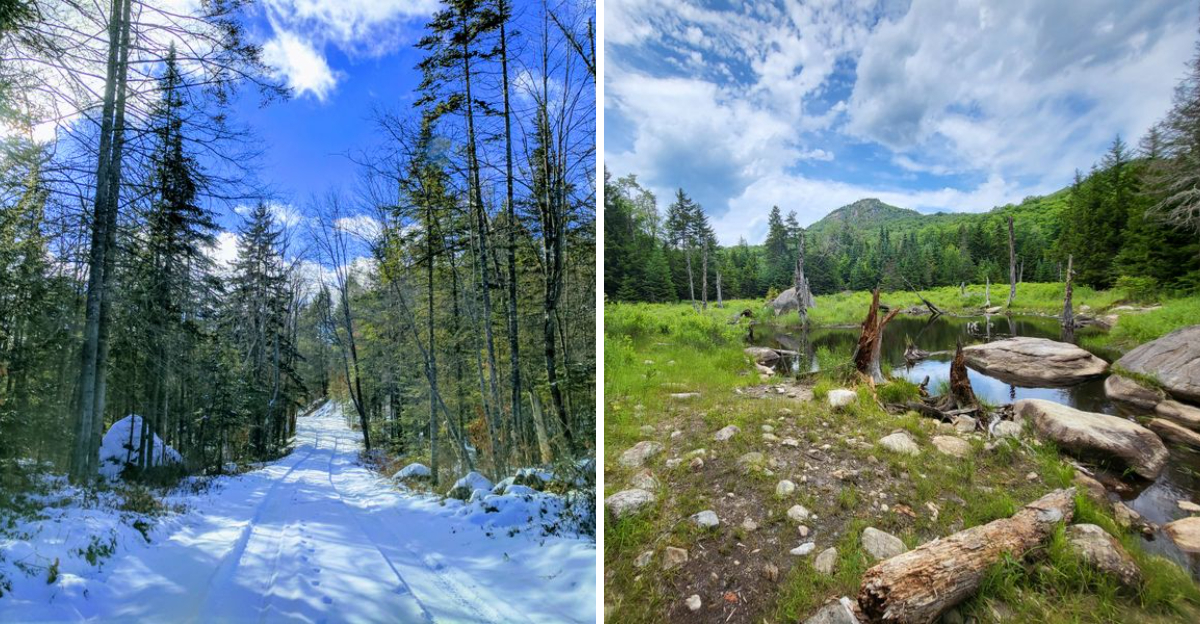
Few places in New York offer the kind of profound silence that defines Siamese Ponds Wilderness.
Tucked into the southern Adirondacks along Highway 8 near North Creek, this 114,000-acre preserve remains remarkably quiet even during peak hiking season.
While nearby High Peaks draw thousands of visitors each weekend, Siamese Ponds stays peaceful, its trails winding through forests where you might walk for hours without encountering another person.
One Of The Largest Wilderness Areas In New York State
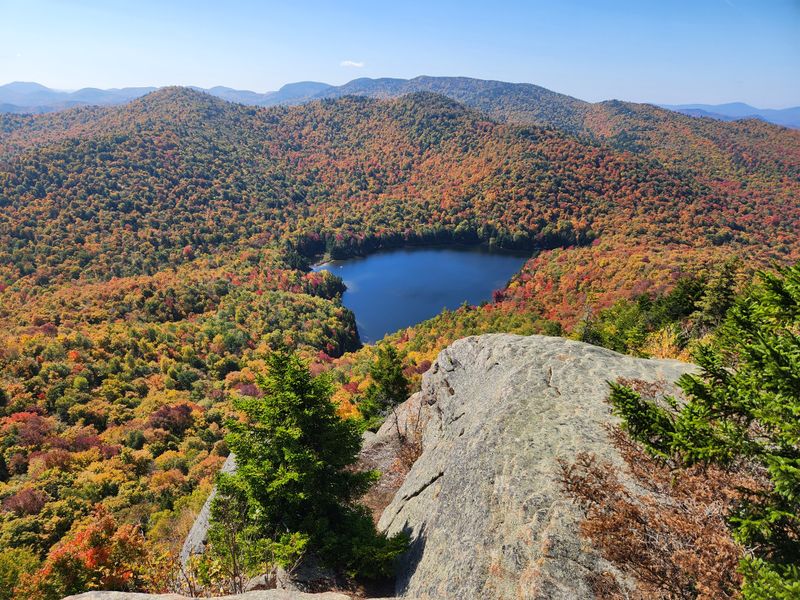
Siamese Ponds Wilderness stretches across 114,000 acres of protected land, making it one of the most substantial wilderness areas the state manages.
The sheer size creates natural buffer zones between trails, ensuring that even popular routes feel secluded.
Distance works in favor of solitude here.
Most visitors never venture beyond the first few miles of trail, leaving vast sections of the wilderness entirely undisturbed for days at a time.
This scale allows the forest to function as true wilderness rather than a managed park.
Wildlife corridors remain intact, water systems flow undisturbed, and the forest canopy extends unbroken for miles in every direction.
The size alone guarantees that quiet remains the dominant characteristic of any visit.
Over 100,000 Acres Of Protected Adirondack Backcountry
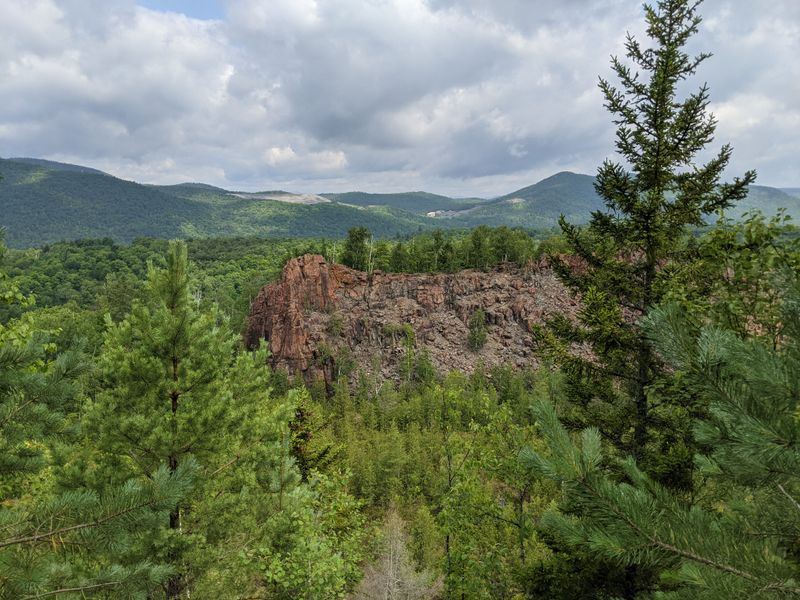
Protection status matters more than most visitors realize.
The wilderness designation prohibits motorized vehicles, permanent structures, and commercial development, preserving the backcountry in its natural state.
This protection extends to water quality, wildlife habitat, and forest health.
The Department of Environmental Conservation maintains the area with minimal intervention, allowing natural processes to shape the landscape rather than human management.
Visitors benefit from this hands-off approach through authentic wilderness experiences.
No paved paths or interpretive signs interrupt the forest.
No restroom facilities or picnic tables appear along the trails.
The backcountry remains genuinely wild, protected by state law and geographic isolation that discourages casual visitors seeking convenience over authenticity.
A Forest Where Crowds Rarely Reach The Interior
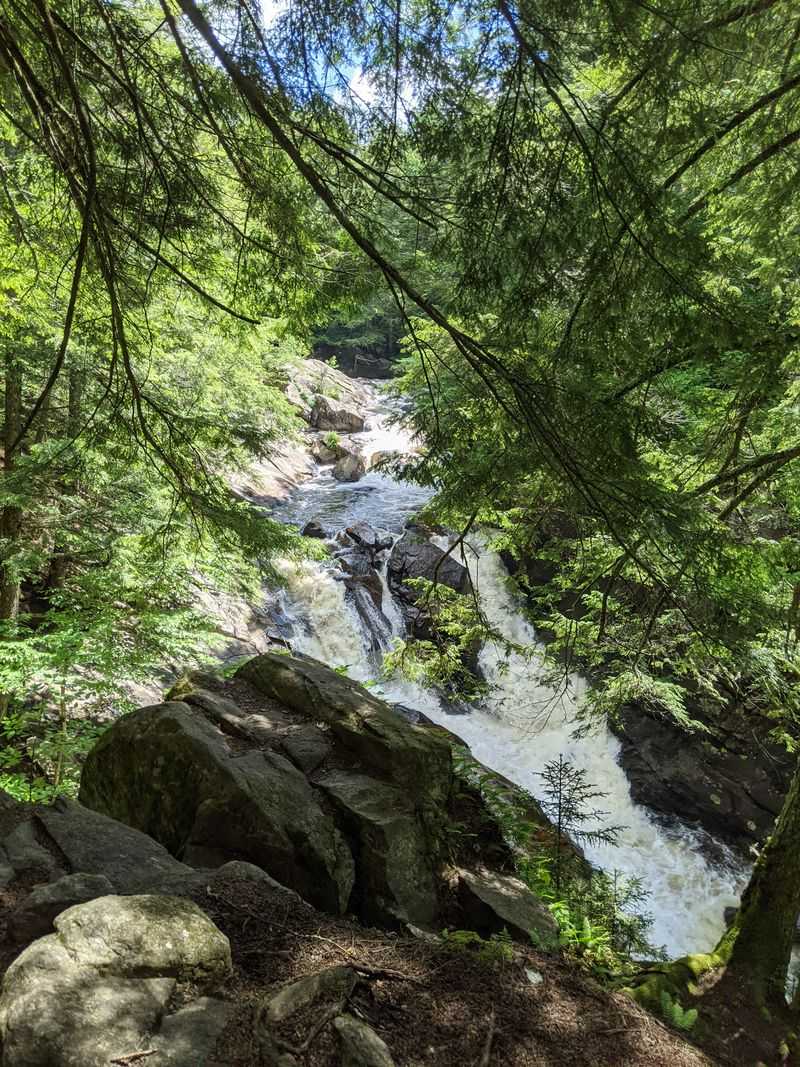
Most hikers never make it past the first lean-to.
Day visitors typically turn around after reaching the nearest pond, leaving the interior sections of Siamese Ponds Wilderness to backpackers and those willing to commit to longer distances.
Trail difficulty varies, but length alone filters out crowds.
Routes extending five or more miles into the forest see dramatically fewer visitors than those accessible within an hour’s walk from parking areas.
This natural filtering system preserves solitude without requiring permits or quotas.
The forest manages its own visitor distribution through distance and terrain.
Those seeking crowds stay near trailheads.
Those seeking silence simply keep walking, knowing that every additional mile decreases the likelihood of encountering other people.
Long Trail Systems Built For All-Day Hiking
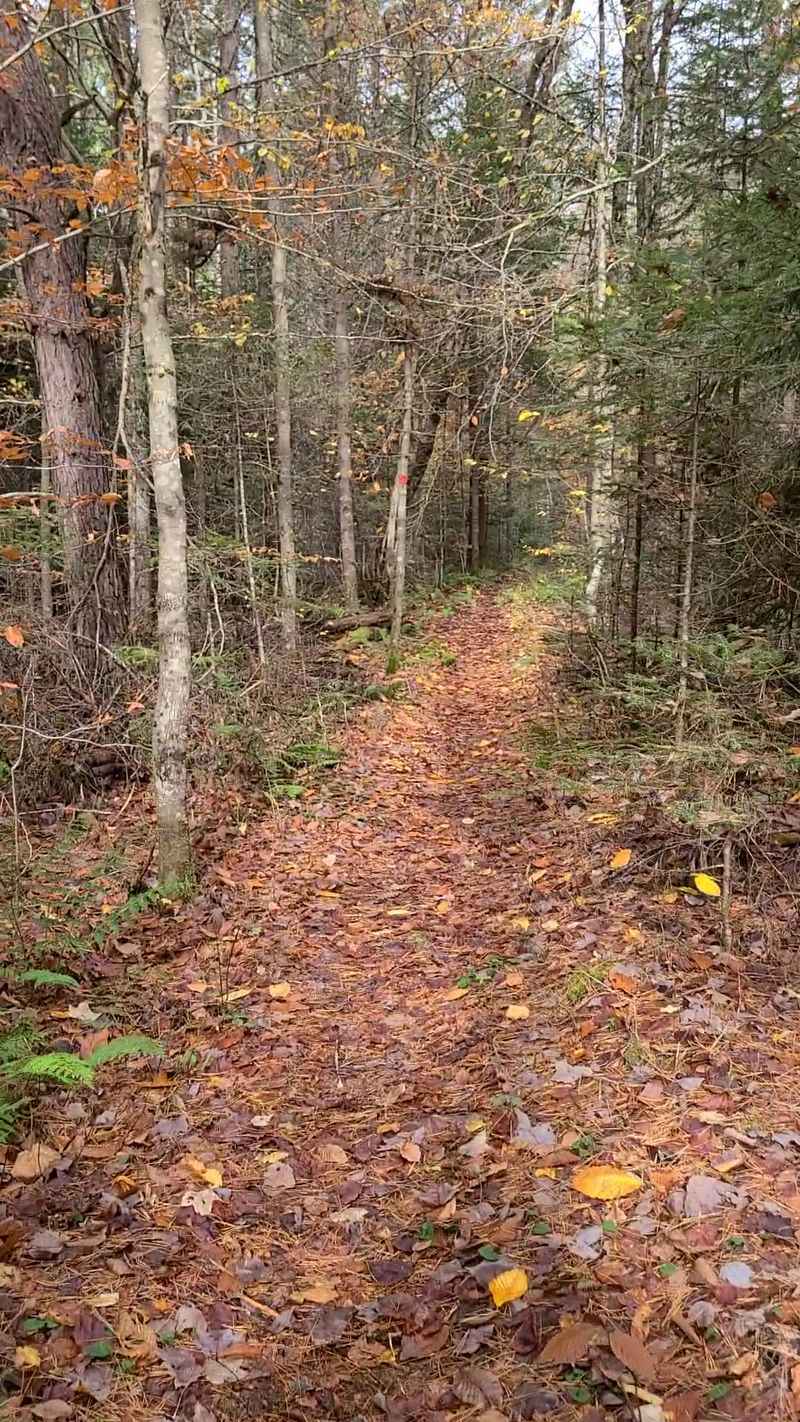
Thirty-three miles of maintained trails crisscross Siamese Ponds Wilderness, offering routes that range from moderate day hikes to multi-day backpacking trips.
Trail design favors distance over difficulty, with gradual elevation changes that allow for sustained hiking without technical challenges.
Loop options exist, but many trails follow out-and-back routes that reward patience.
The longer you walk, the more the forest reveals itself through subtle changes in terrain, vegetation, and water features.
All-day hiking becomes meditative rather than exhausting here.
The gentle grades and well-maintained paths let you focus on surroundings rather than footing.
Hours pass quietly, marked by ponds appearing through trees and occasional clearings offering views of distant peaks without the crowds that gather at more famous summits.
Silence Shaped By Distance, Not Rules
No signs remind you to keep quiet.
No regulations enforce silence.
The absence of noise comes naturally from the wilderness itself, a product of distance from roads, limited visitor numbers, and forest acoustics that absorb sound.
Cell phone coverage disappears within the first mile of most trails.
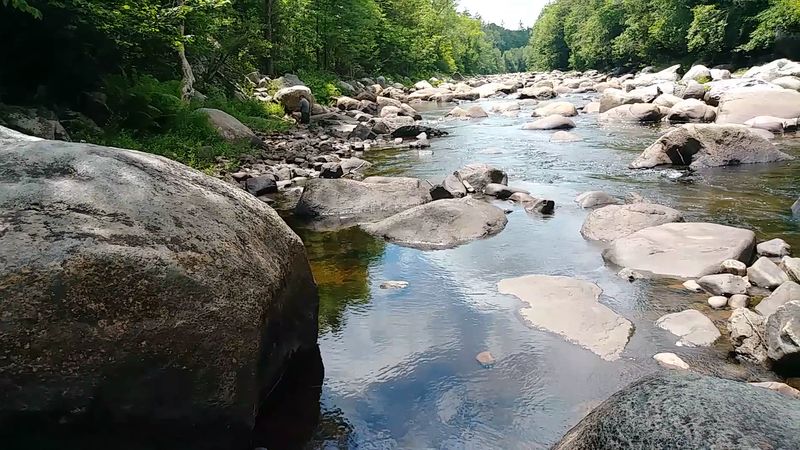
This disconnection from digital noise heightens awareness of natural sounds—wind moving through hemlock branches, water trickling over stones, birds calling across clearings.
The quality of silence changes with depth into the forest.
Near trailheads, occasional voices and footsteps break the quiet.
Miles in, even those intermittent sounds disappear entirely.
What remains is not absence of sound but presence of subtler ones: your own breathing, pack shifting, boots finding purchase on packed earth.
Remote Ponds Hidden Deep In The Forest

Dozens of ponds dot the wilderness, most requiring significant hiking to reach.
The namesake Siamese Ponds sit roughly four miles from the nearest parking area, connected by trail that discourages casual visitors.
These water bodies maintain remarkable clarity due to limited human impact and natural filtration through surrounding forest.
Many support populations of native brook trout, drawing anglers willing to carry gear into the backcountry.
Reaching a remote pond after hours of hiking provides tangible reward for effort.
The water surfaces remain undisturbed except by wind and wildlife.
Shorelines show minimal erosion from foot traffic.
Camping near these ponds offers opportunities to observe wildlife at dawn and dusk when animals approach water sources, often unaware of quiet human presence nearby.
No Roads, No Development, No Distractions
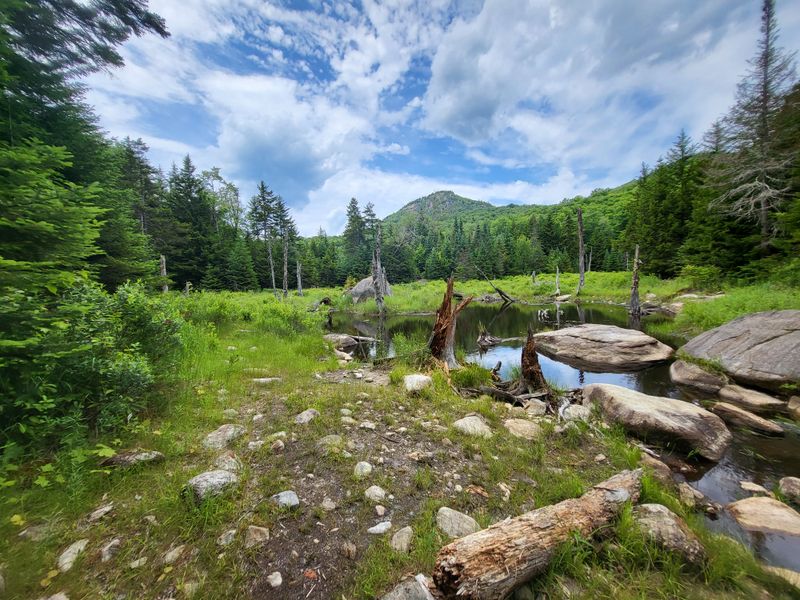
Highway 8 provides access to trailheads, but no roads penetrate the wilderness interior.
This absence of vehicular access preserves the forest’s character and ensures that all travel occurs on foot at human pace.
Development stops at parking areas.
Beyond those points, no infrastructure exists except occasional lean-tos and primitive tent sites.
No water fountains, no restrooms, no maintained camping facilities interrupt the landscape.
This lack of amenities requires self-sufficiency and preparation.
Visitors must carry everything needed for their time in the forest, including water purification, shelter, and food.
The reward for this effort is immersion in wilderness without visual reminders of civilization.
No power lines cross the sky.
No buildings appear on ridgelines.
The forest remains uncompromised by convenience.
Why Siamese Ponds Stays Overlooked Compared To High Peaks
High Peaks Wilderness draws attention through dramatic elevation and name recognition.
Mountains like Marcy and Algonquin attract peak-baggers seeking altitude records and bragging rights that Siamese Ponds cannot provide.
The terrain here lacks the vertical drama that fills social media feeds.
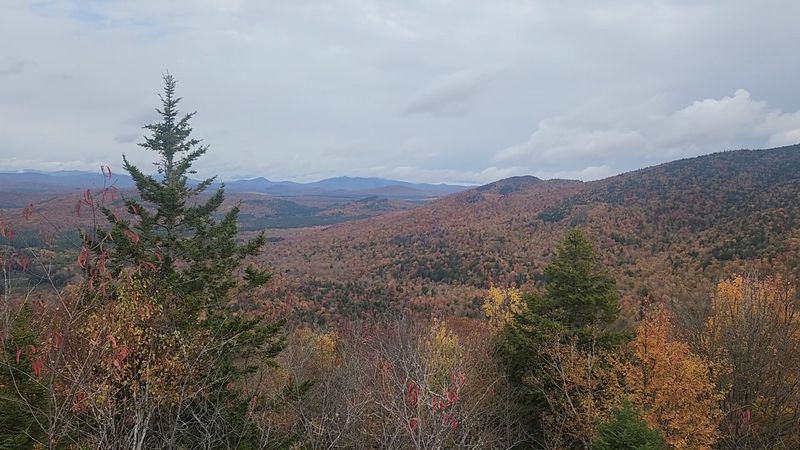
Summits reach modest heights, views come through trees rather than above treeline, and the rewards are subtle rather than spectacular.
This difference in character naturally filters visitors.
Those seeking impressive photographs and summit selfies head north to High Peaks.
Those seeking quiet miles and solitude discover Siamese Ponds.
The wilderness benefits from this self-selection, maintaining its overlooked status precisely because it offers different rewards than more famous destinations.
Popularity would compromise the very qualities that make it valuable.
Forest, Water, And Low Mountain Terrain
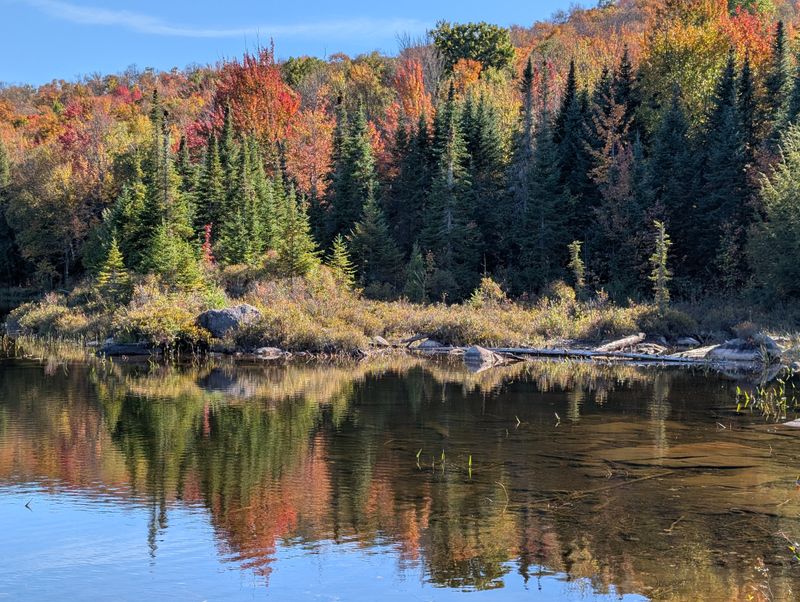
The landscape combines three elements in balanced proportion.
Forests of hemlock, birch, and maple dominate lower elevations, transitioning to spruce and fir at higher points.
Water appears frequently through ponds, streams, and wetlands that create habitat diversity.
Mountains here rarely exceed 3,000 feet, offering views without requiring technical skills or extreme fitness.
Eleventh Mountain provides one of the area’s higher vantage points, accessible through steady climbing rather than scrambling.
This terrain variety allows for route planning based on interest rather than ability.
Water-focused hikes visit multiple ponds in a day.
Forest routes follow valley floors through old-growth sections.
Mountain approaches gain elevation for perspectives over surrounding wilderness.
Each terrain type supports different experiences while maintaining the common thread of solitude throughout.
Trailheads That Lead Quickly Into Solitude
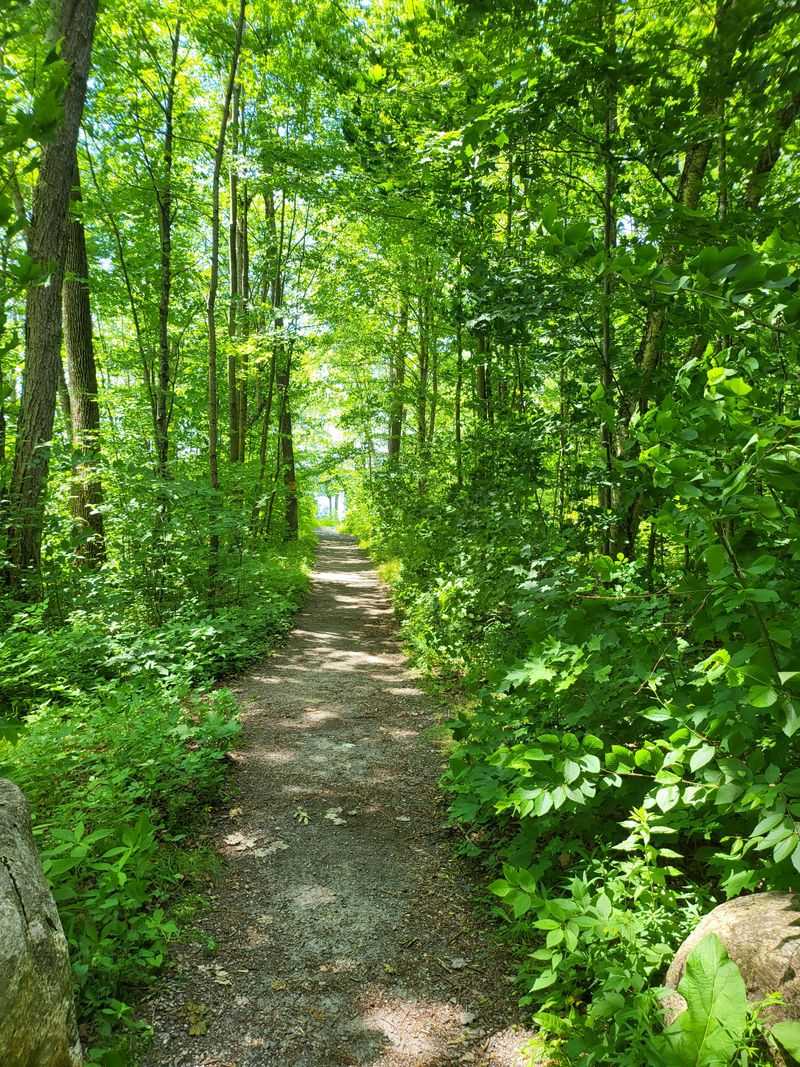
Old Farm Clearing and Thirteenth Lake serve as primary access points, both located off Highway 8 near North Creek.
Parking areas accommodate modest numbers of vehicles, and trails depart directly into forest without transition zones or interpretive centers.
Within thirty minutes of leaving your vehicle, signs of other visitors typically disappear.
The trails gain distance from roads quickly, and forest density provides visual screening that enhances the sense of remoteness.
This rapid transition into wilderness distinguishes Siamese Ponds from areas where development extends along trails for miles.
You earn solitude through hiking rather than driving, but the earning comes quickly.
The psychological shift from road to wilderness happens faster here than in many comparable areas, partly because the forest closes in immediately and partly because visitor numbers stay low even at trailheads.
A True Wilderness Experience Without Technical Climbing
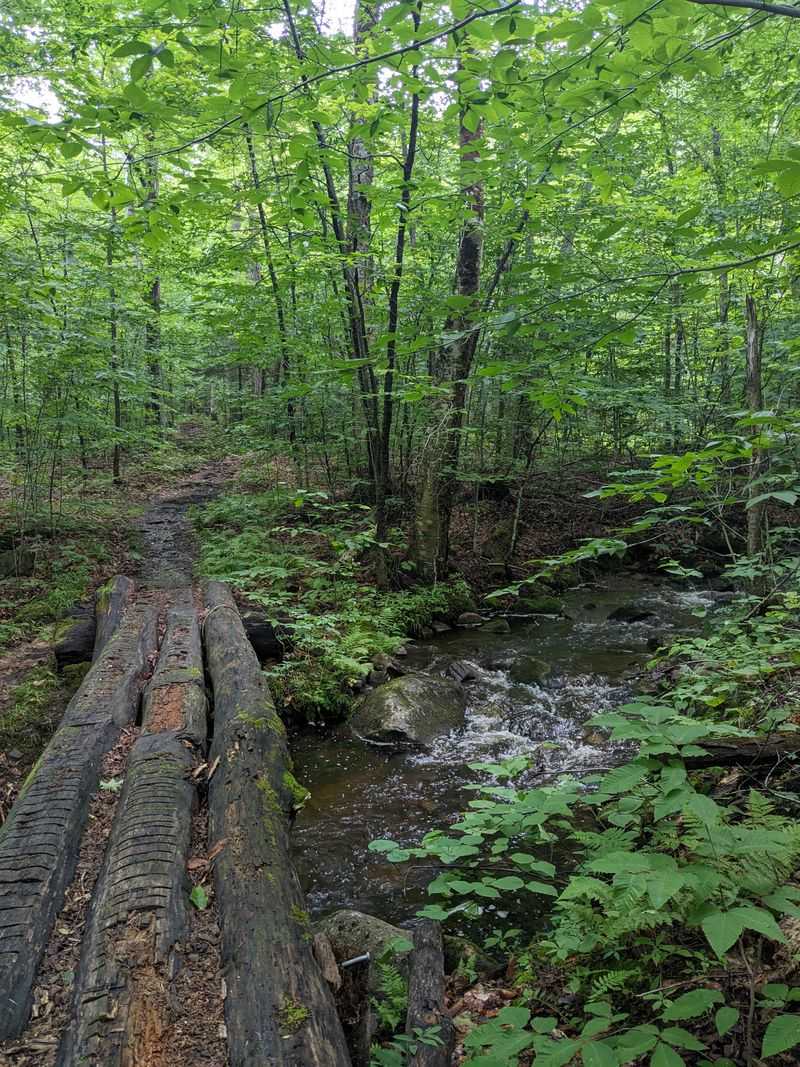
Wilderness designation requires certain characteristics that Siamese Ponds meets without demanding advanced outdoor skills.
The terrain challenges stamina more than technique, making authentic wilderness accessible to prepared hikers of moderate ability.
No climbing gear is necessary.
No rope work, no scrambling over exposed rock, no navigation of cliff bands.
The trails follow reasonable grades and avoid terrain that requires hands for balance.
This accessibility expands who can experience genuine wilderness.
Families with older children manage multi-day trips here.
Solo hikers explore without concern about technical sections beyond their ability.
The wilderness remains challenging through distance and self-sufficiency requirements, but those challenges come from commitment and preparation rather than specialized skills.
The result is authentic backcountry experience without barriers that exclude less technical adventurers.
Wildlife Encounters Are More Likely Than People
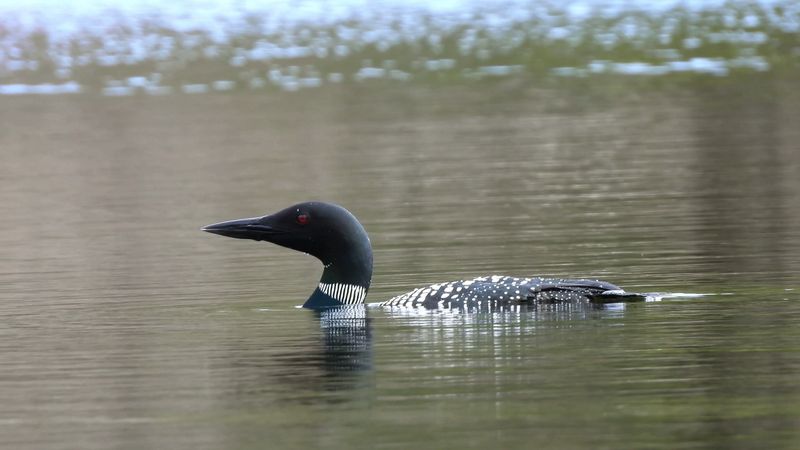
Deer appear regularly along trails and near water sources.
Black bears inhabit the forest, though encounters remain uncommon due to their wariness and the wilderness’s size.
Beavers maintain active colonies at several ponds, their engineering evident in dams and lodges.
Birdlife includes species that require large territories and minimal disturbance.
Reviewers have noted bald eagles, ospreys, and loons, all indicators of healthy ecosystems with limited human pressure.
The low visitor numbers increase wildlife observation opportunities.
Animals follow natural patterns rather than adjusting behavior to avoid crowds.
Morning and evening hours near water provide the best chances for sightings.
Quiet hikers who pause frequently and move deliberately through the forest will see more than those rushing toward destinations.
The wilderness rewards patience and attention with glimpses of animals behaving naturally.
Hiking Miles Without Seeing Another Soul
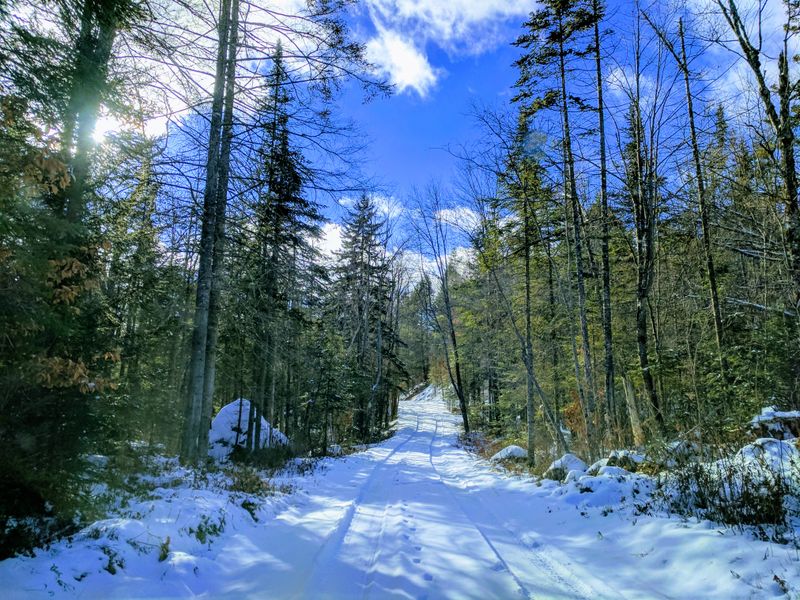
Solitude becomes quantifiable here.
Multiple reviewers specifically mention hiking for hours without encountering other people, a rarity in accessible wilderness areas.
One visitor noted seeing a few people near the trailhead but having complete solitude during the actual hike.
This isolation intensifies during weekdays and shoulder seasons.
Spring and fall see minimal traffic compared to summer, and winter transforms the wilderness into true backcountry where days can pass between human contacts.
The experience of walking alone for miles through forest affects people differently.
Some find it meditative and restorative.
Others discover that extended solitude heightens awareness of surroundings and internal thoughts.
The wilderness provides space for both external exploration and internal reflection, made possible by the simple fact that other people are not present to interrupt or distract.
Why This Forest Is Ideal For Quiet, Intentional Travel
Intentional travel requires destinations that support focus rather than demand it.
Siamese Ponds provides natural conditions that encourage deliberate movement and attention without imposing rules or structure on the experience.
The forest rewards slow travel.
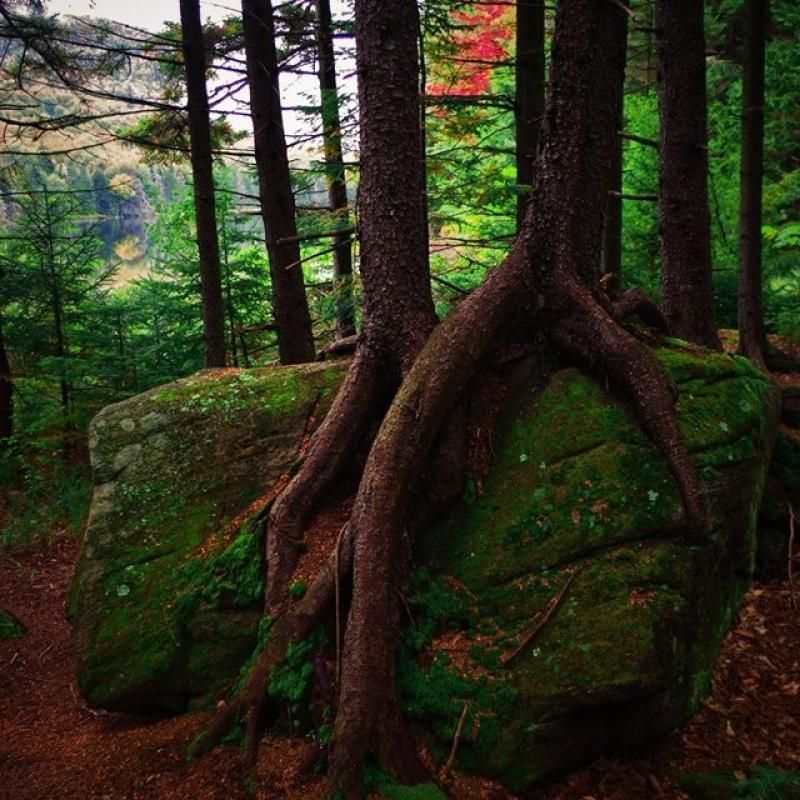
Rushing through misses subtle details—the way light filters through hemlock branches, how water sounds change between streams and ponds, the specific silence that settles over clearings at dusk.
Visitors seeking escape from constant stimulation find it here through absence rather than addition.
The wilderness offers nothing except itself: trees, water, terrain, weather, wildlife.
This simplicity creates space for whatever intentions you bring.
Some come for physical challenge through long miles.
Others seek mental quiet through disconnection.
The forest accommodates both by providing the essential element both require—genuine, earned solitude in a landscape that remains indifferent to human presence.