
The Peaceful Colorado Plains Town That Feels Forgotten By Modern Time
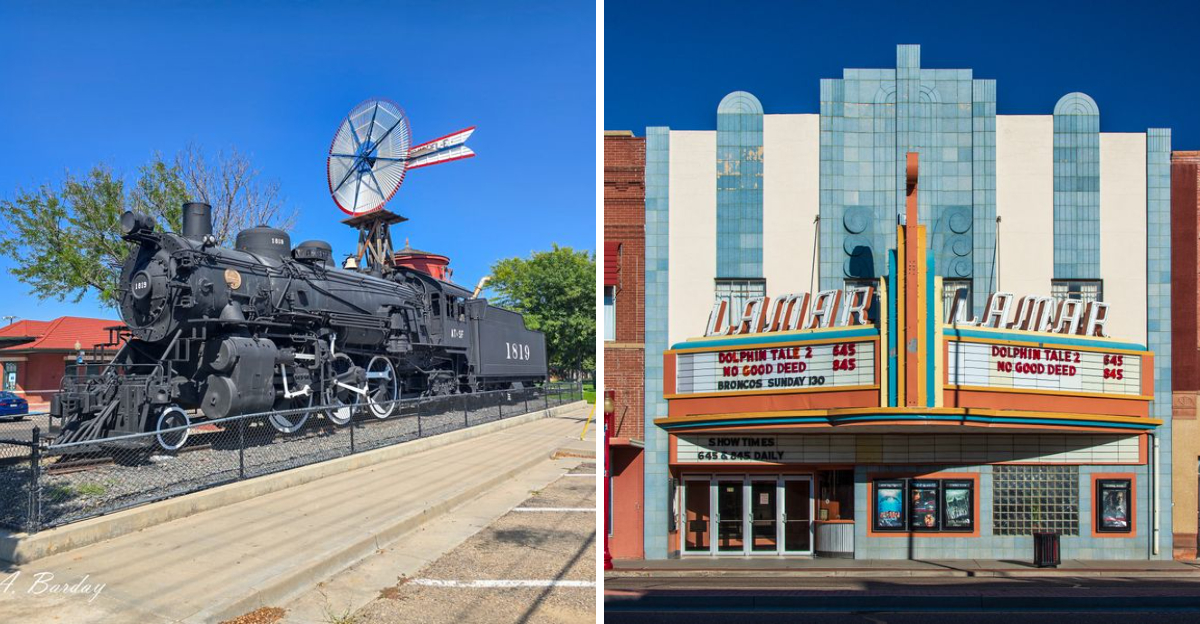
Lamar sits on the eastern plains of Colorado, far from the ski slopes and tourist crowds that define much of the state.
This small town, with a population hovering around 7,600, seems to exist in a different era—one where neighbors greet each other by name and the rhythm of life follows the seasons rather than the stock market.
Surrounded by endless fields and wide skies, Lamar offers a rare look at a Colorado most visitors never see.
If you’re searching for a place where time slows down and modern distractions fade into the background, this quiet corner of Prowers County might be exactly what you need.
Lamar’s Agricultural Roots Shape Its Quiet, Slow-Paced Life
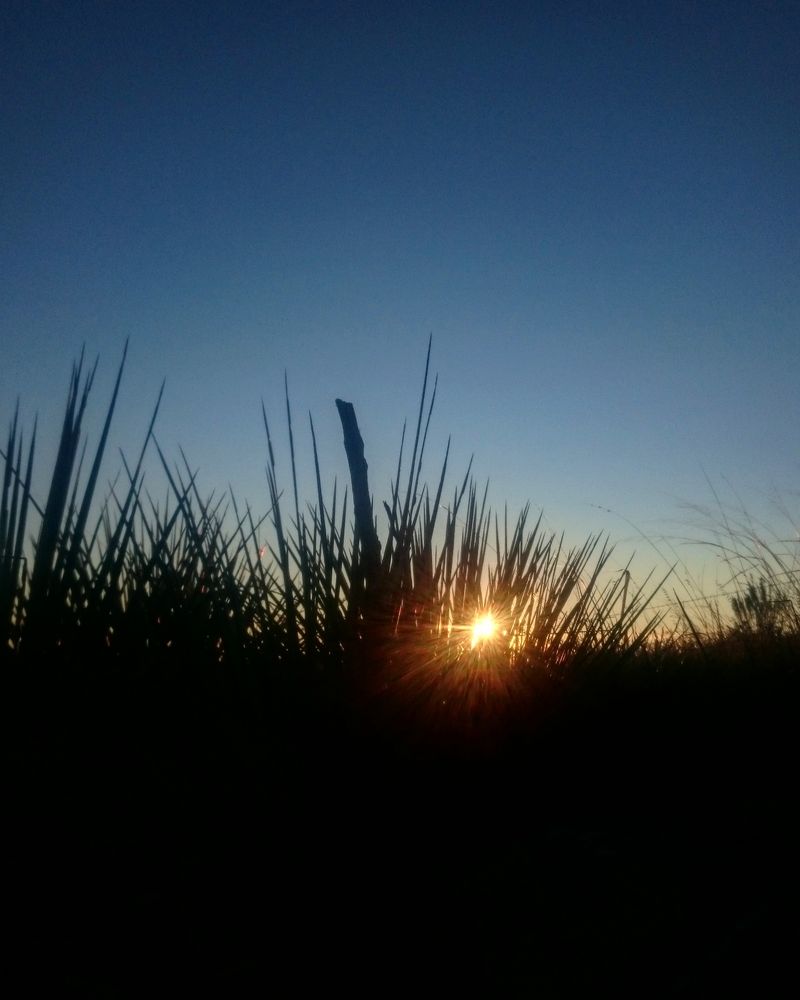
Agriculture built Lamar from the ground up, and it continues to define nearly every aspect of daily existence here.
Grain silos tower over the flat landscape like sentinels, marking the town’s commitment to farming and ranching.
Conversations at the local diner often turn to crop yields, cattle prices, and weather patterns that determine success or struggle for the season.
This agricultural foundation creates a rhythm that feels almost meditative compared to urban life.
People wake early, work hard, and return home when the sun sets.
There’s no rush hour traffic or frantic schedules dictated by corporate calendars.
Instead, the pace follows natural cycles that have governed this land for generations.
Lamar’s economy remains tied to the soil, and that connection keeps the community grounded in ways that feel increasingly rare.
Visitors quickly notice how this agricultural identity influences everything from local politics to weekend activities, creating a cohesive culture that urban areas often lack.
A Town Center Steeped In History, Yet Untouched By Modern Trends
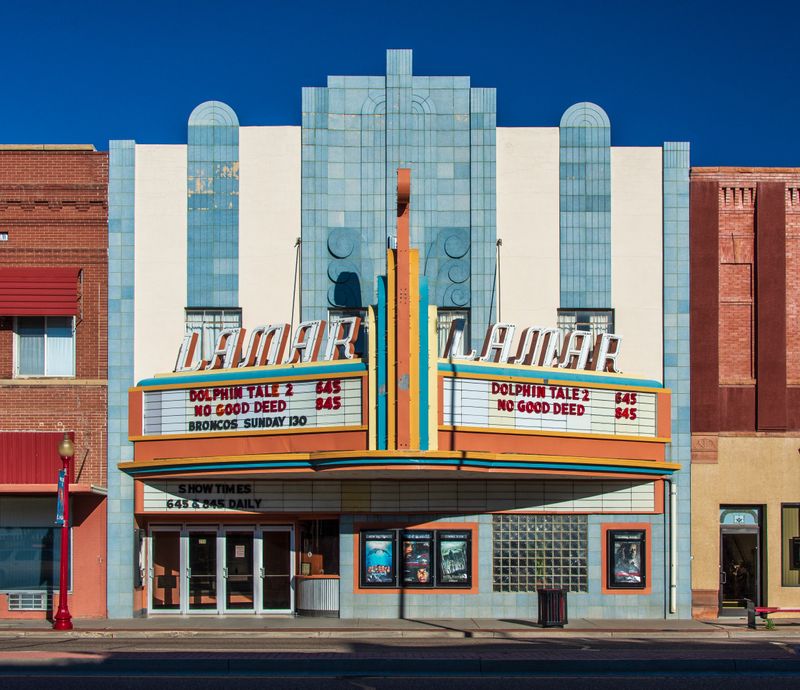
Downtown Lamar preserves architectural details that speak to another century, with brick storefronts and wide sidewalks designed for a slower era.
The buildings along Main Street haven’t been replaced by glass towers or chain stores.
Instead, they stand as reminders of when this town served as a vital hub for southeastern Colorado commerce.
Walking through the center feels like stepping into a photograph from the 1950s, minus the vintage cars.
Local businesses occupy spaces their grandparents might recognize, and the layout hasn’t changed much despite decades passing.
You won’t find trendy coffee shops with minimalist interiors or boutiques selling overpriced artisanal goods.
What you will find are practical establishments serving practical needs—hardware stores, barber shops, and diners with countertop seating.
This resistance to modernization isn’t stubbornness; it’s simply that Lamar never saw a reason to chase trends that don’t fit its character.
The result is a town center that feels authentic rather than curated for Instagram.
The Heart Of Prowers County: A Community Where Everyone Knows Your Name
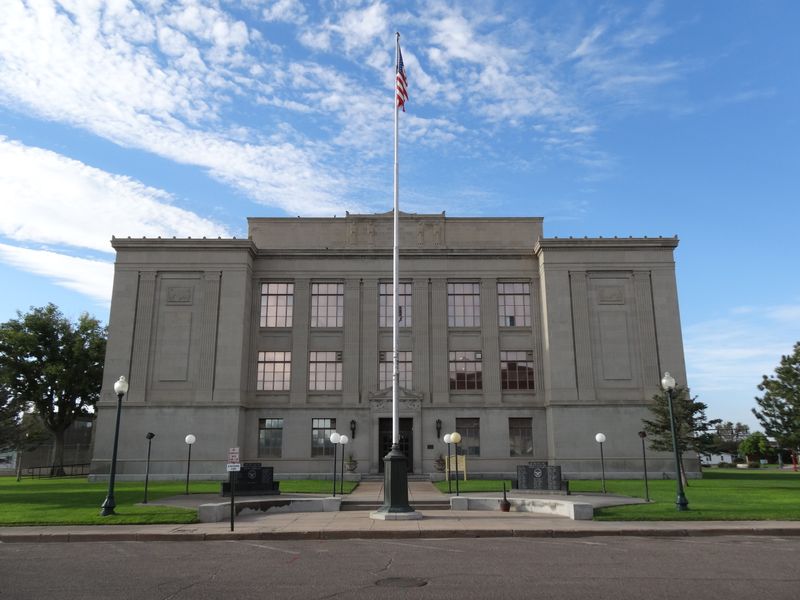
Lamar serves as the county seat of Prowers County, giving it an administrative importance that belies its modest size.
Located at coordinates 38.0872307, -102.6207496, this town of roughly 7,687 residents functions as the social and civic center for the surrounding agricultural region.
The courthouse anchors community life, but so do the school football games and volunteer fire department fundraisers.
Anonymity doesn’t exist here in any meaningful way.
Cashiers at the grocery store remember your usual order, and teachers know not just their students but entire family histories.
This interconnectedness can feel intrusive to outsiders, but it also creates a safety net that modern cities have largely abandoned.
When someone falls on hard times, the community responds without being asked.
Neighbors help neighbors repair fences, harvest crops, or simply check in during difficult seasons.
This social fabric remains intact because Lamar’s small size makes it impossible to hide or ignore each other’s humanity.
Wide-Open Skies And Endless Fields Define Lamar’s Landscape
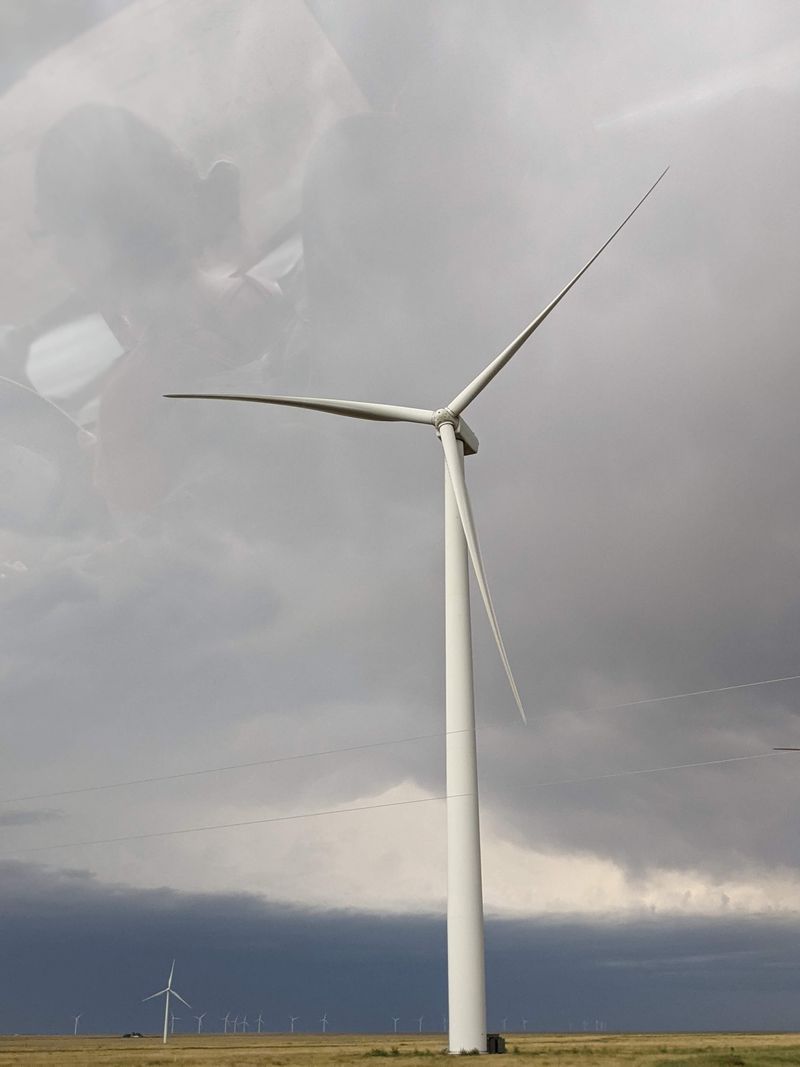
The landscape around Lamar stretches toward every horizon with barely a hill to interrupt the view.
This is Colorado stripped of its mountain drama, revealing a different kind of beauty that takes patience to appreciate.
The sky dominates everything, occupying more visual space than the land itself, creating a sense of openness that can feel either liberating or overwhelming depending on your temperament.
Sunset here becomes a theatrical event, with colors spreading across the entire dome of visible sky.
Storms announce themselves hours in advance, their dark clouds visible from miles away as they roll across the plains.
At night, the absence of light pollution reveals stars in quantities that surprise even experienced stargazers.
This environment shapes how people think and move through the world.
There’s nowhere to hide and nothing to block your view, which creates a certain honesty in how residents interact.
The landscape demands respect rather than conquest, teaching humility to anyone who spends enough time beneath its endless vault.
Historic Sites And Local Landmarks Showcase Lamar’s Past
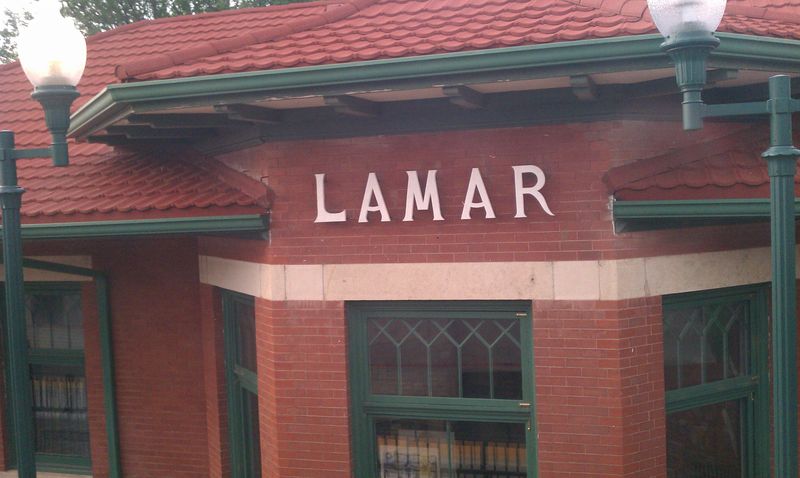
Several landmarks scattered through Lamar tell stories of settlement, survival, and community building on the frontier.
The Big Timbers Museum preserves artifacts and photographs documenting the region’s transformation from open range to cultivated farmland.
Old railroad structures remind visitors that Lamar once served as an important stop for trains carrying goods and passengers across the plains.
These historic sites don’t receive the attention or funding that Colorado’s mountain attractions command, but they offer genuine insights into plains life.
Walking through the museum or examining old buildings reveals how people adapted to harsh conditions with limited resources.
The exhibits focus on practical matters—irrigation techniques, early farming equipment, and the social institutions that helped isolated communities survive.
What makes these landmarks valuable isn’t their grandeur but their authenticity.
Nothing has been polished for tourists or repackaged into digestible narratives.
Instead, they present history as it actually unfolded, complete with contradictions and uncomfortable truths about settlement and displacement.
Life Moves Slowly, With Little Disruption From Outside Forces
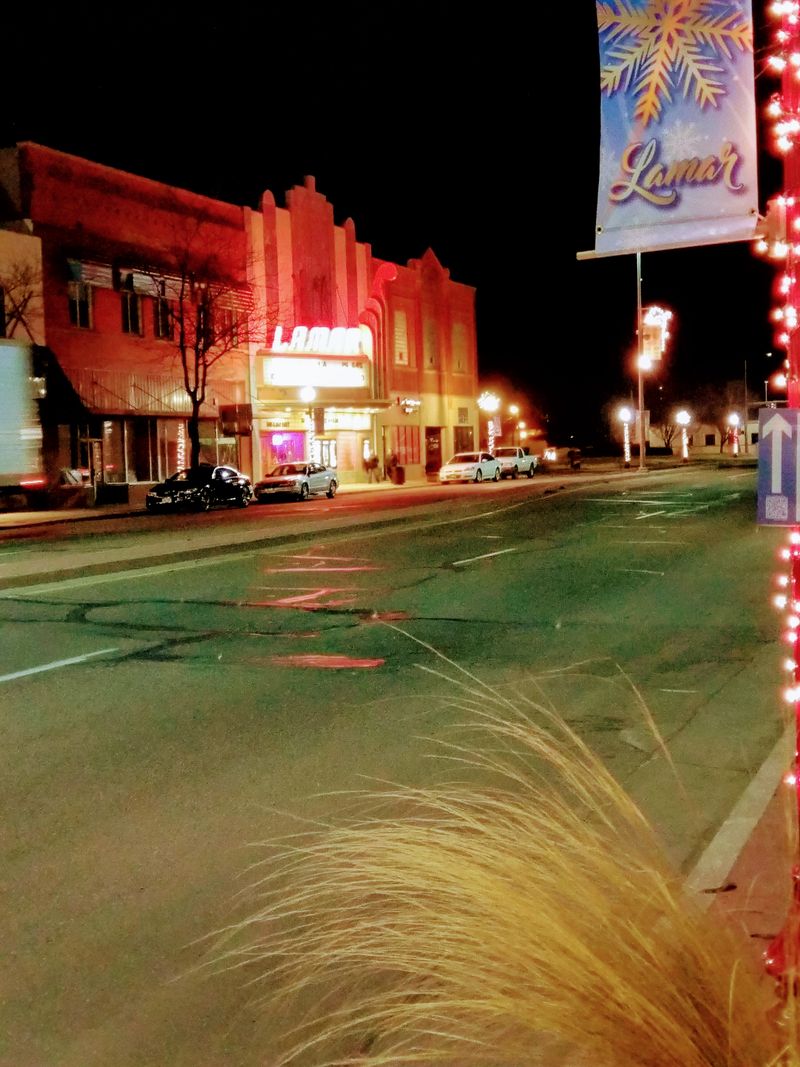
National trends and cultural movements that dominate coastal cities barely register in Lamar’s daily rhythms.
The town exists in a kind of temporal pocket, where changes arrive slowly and only after careful consideration.
This isn’t ignorance or isolation—residents have internet access and satellite television—but rather a deliberate choice to maintain stability over novelty.
Business closures that would cause panic elsewhere are met with pragmatic acceptance here.
Economic downturns affect Lamar differently because expectations remain modest and debts tend to be manageable.
People don’t chase growth for its own sake, which means they’re less vulnerable when markets shift.
This measured approach to change creates a sense of permanence that feels almost radical in contemporary America.
Children attend the same schools their parents did, and family businesses pass through generations without being sold to corporate interests.
The result is a continuity that provides psychological comfort even if it sometimes limits economic opportunity.
The Train Tracks Still Run Through Lamar, But Few Stop Here
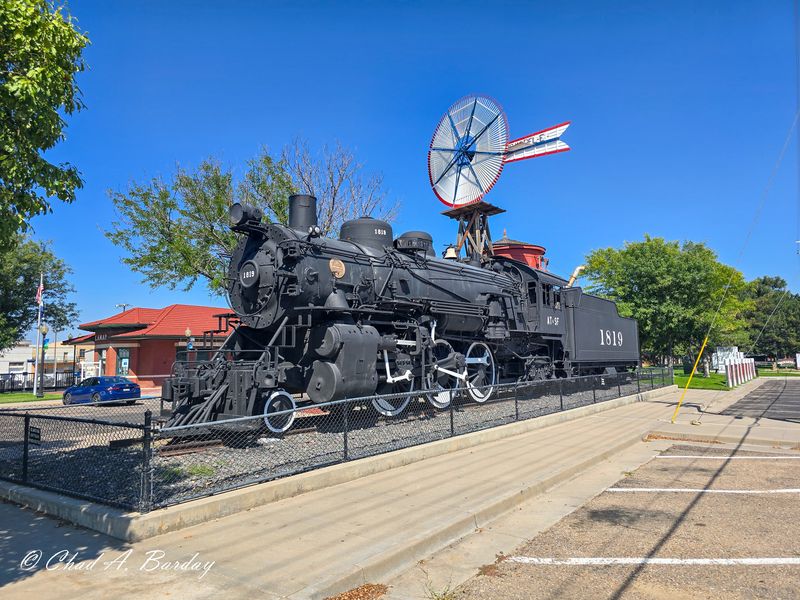
Railroad tracks bisect Lamar, a physical reminder of when this town served as a crucial junction for transcontinental commerce.
Trains still rumble through several times daily, their horns echoing across the flat landscape, but they rarely stop anymore.
The freight cars roll past without slowing, carrying goods between larger cities that have eclipsed Lamar’s former importance.
Older residents remember when the depot bustled with activity and passenger trains brought visitors from distant places.
Now the station stands mostly empty, a monument to economic shifts that redirected traffic away from small plains towns.
This decline happened gradually enough that it didn’t devastate the community, but it did change Lamar’s relationship with the wider world.
The trains represent both connection and abandonment—they prove Lamar hasn’t been completely forgotten, yet they also demonstrate how thoroughly it’s been bypassed.
Standing near the tracks as a freight train passes creates a strange sensation, a reminder that the rest of the world keeps moving even when Lamar chooses not to.
Lamar’s Simple Pleasures: From Local Diners To Small Shops
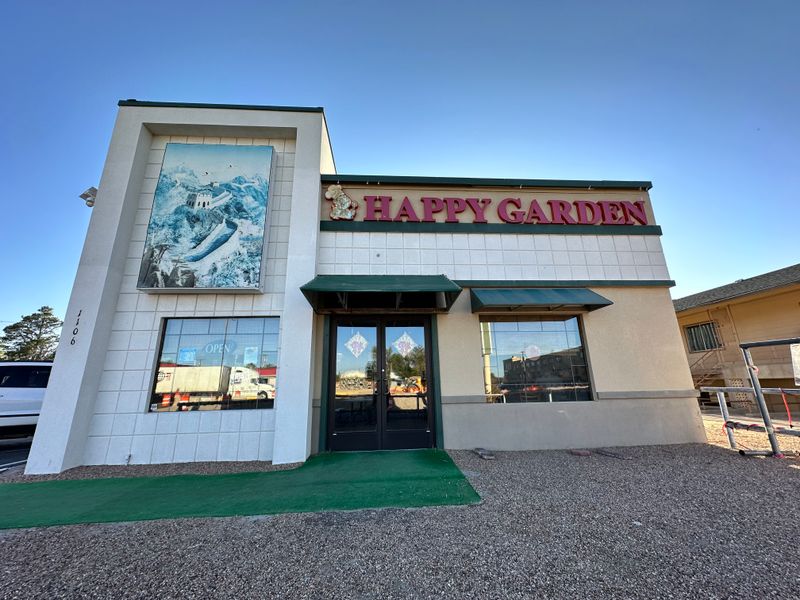
In Lamar, the simple pleasures of small-town life come alive through its local diners and quaint shops, offering a refreshing escape from the fast-paced world.
The local eateries, like The Greenhouse Café, serve up hearty meals with a side of genuine hospitality, where regulars chat over coffee and newcomers feel instantly at home.
Strolling down Main Street, you’ll find charming mom-and-pop shops that sell everything from handmade crafts to local produce, preserving the town’s agricultural roots.
Here, there’s no rush — just a slower, more intentional pace, where time feels like it’s stood still.
Whether it’s enjoying a quiet afternoon in the park or chatting with a friendly shopkeeper, Lamar offers a simple, grounded way of life that remains largely untouched by modern commercialization.
Even errands feel unhurried, turning everyday routines into moments of connection and familiarity.
It’s this gentle rhythm, shaped by people rather than progress, that makes Lamar feel like a place time chose to pass by.