
The Peaceful Missouri Hill Country Where Locals Go To Disconnect
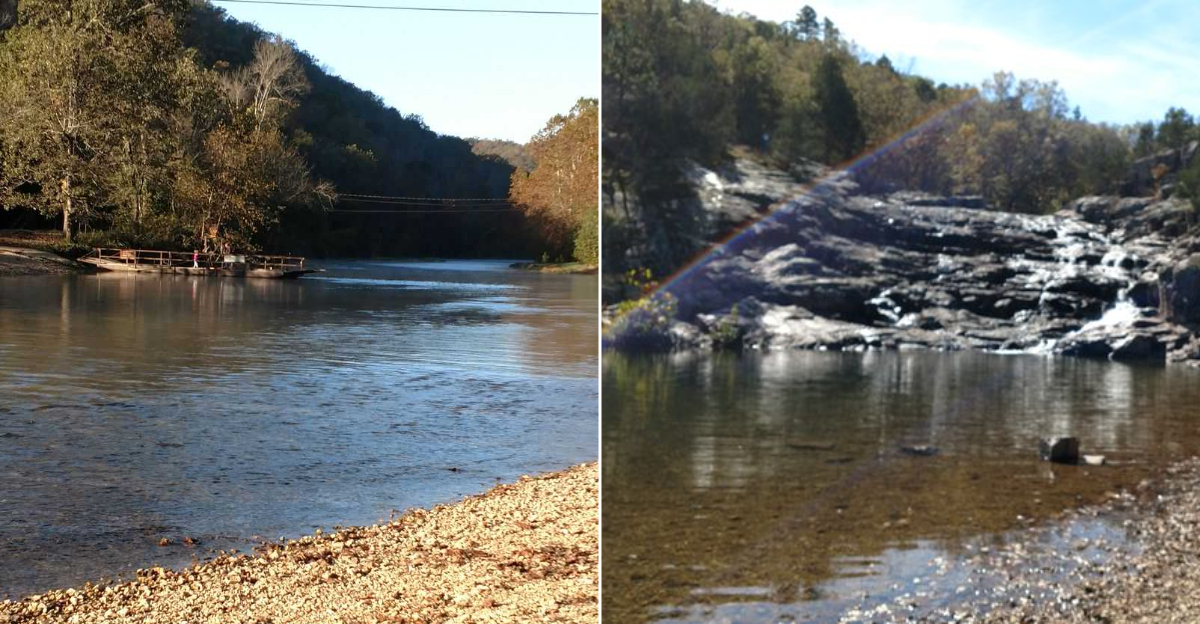
There is a corner of Missouri where the hills soften your breathing and the rivers loosen your grip on time.
Eminence rests there quietly, wrapped in Ozark light and the steady presence of clear water.
In town, silence hangs in the sycamores, and conversations uncoil at the patient pace of the Current and Jacks Fork rivers.
You arrive thinking you will do a few things, and instead you learn how to do less, better.
Mornings stretch, afternoons drift, and evenings arrive gently.
Stay awhile, and the place begins speaking in small, convincing ways – gravel roads, porch chairs, passing smiles – that keep you listening long after you meant to leave.
Dawn On The Jacks Fork
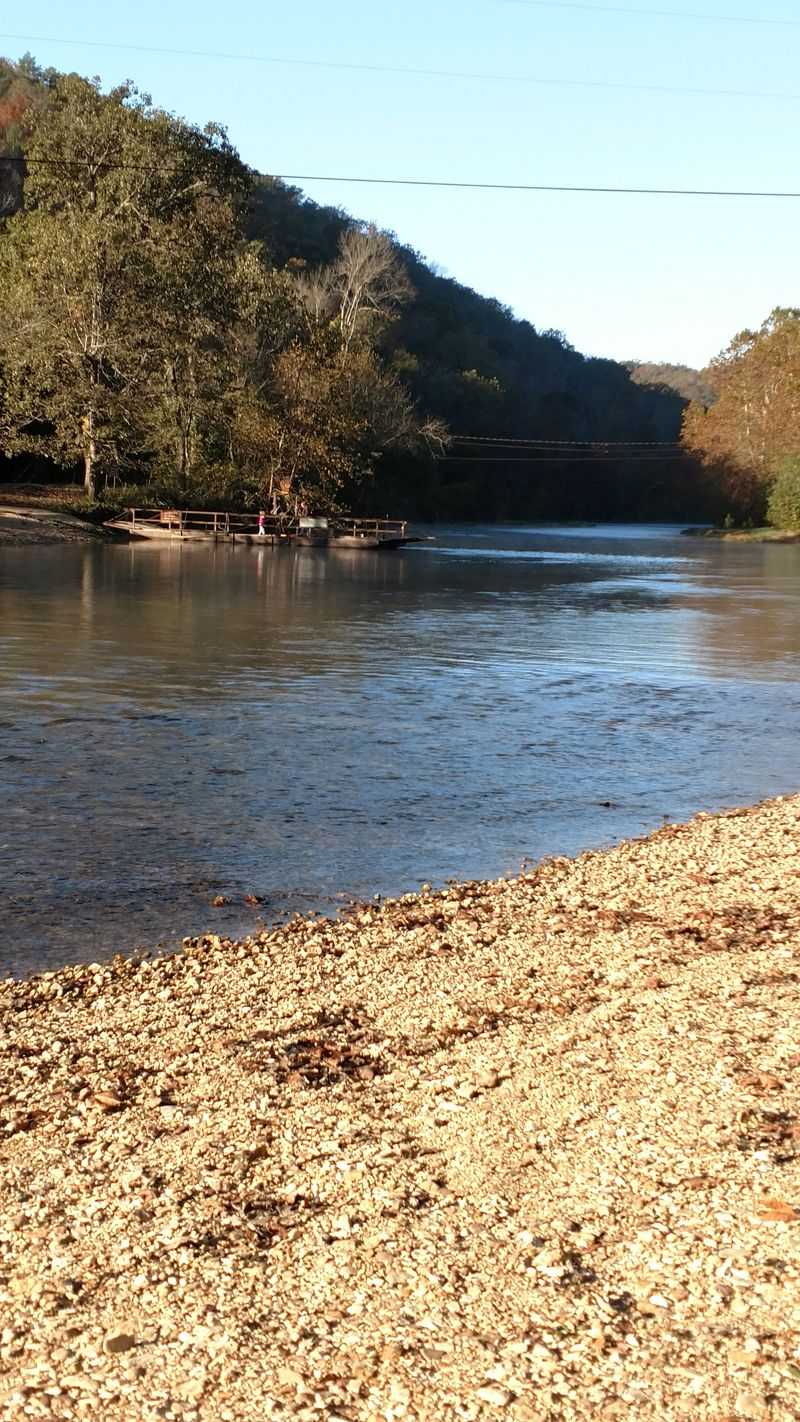
Morning on the Jacks Fork feels like a courtesy extended to anyone willing to wake early.
Pale gold threadlights the mist, and the river turns translucent enough to catch each darting shadow of smallmouth.
Gravel crunches underfoot with a reassuring hush, and the first heron lifts off as though testing the day.
You notice the quiet most in your shoulders, which begin to settle as if they have finally remembered how.
Boats slide in with an economy of motion that suits the water.
A paddle enters, pulls, and leaves barely a wrinkle, while upstream the riffles keep their patient conversation.
The current reads like a simple paragraph, guiding you past sycamore roots and limestone shelves.
Even your thoughts fall into step, tidier, less insistent, almost polite.
Local anglers wave in a way that feels like punctuation rather than greeting.
They know the bends by memory, and their patience suggests a long apprenticeship to this clear corridor.
You drift along gravel bars that seem arranged for unhurried lunches and practical decisions.
Later, when the sun climbs, the river turns glassy and honest, reflecting back exactly what you brought and nothing extra.
It is easy to stay longer than planned because the river never argues.
There is always one more eddy to read, one more blue hole to inspect.
You come ashore with cool ankles and a small catalog of details.
Most days, that becomes the best kind of itinerary you will keep.
A Slow Afternoon In Alley Spring
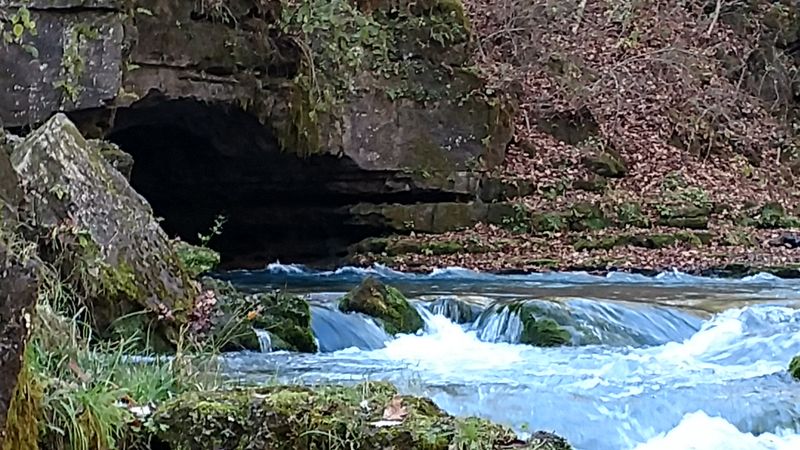
Afternoons at Alley Spring carry a steadiness that persuades you to walk slower.
The red mill stands like a tidy bookmark in a landscape of turquoise water and white limestone.
Turbine hum replaced by memory, it holds its shape against the gentle industry of the spring.
Water emerges with a quiet resolve, cold and bright enough to reset your sense of color.
Paths drift through oaks and pawpaw, and each bend offers a slightly different punctuation of shade.
The air smells faintly of damp stone and leaf, the sort of scent that makes polite company of silence.
From certain angles, the mill mirrors cleanly in the pool, a measured geometry against wild greens.
You linger because the scene edits your thoughts without scolding them.
Inside the mill, wooden gears and chutes describe work as a kind of choreography.
There is satisfaction in the joinery, the careful reach of beams that refuse drama.
Labels give dates and names, but the water gives context, moving in present tense.
Here, history arrives with an everyday voice and an even stride.
Families drift by with cameras, though the place rewards un-photographable pauses.
A kingfisher clicks from a low branch, unimpressed yet somehow generous.
Shade thickens as the sun leans west, and the spring keeps its temperature like a promise.
By the time you leave, your pace has learned a new alphabet of calm.
Horses On The Ozark Trails
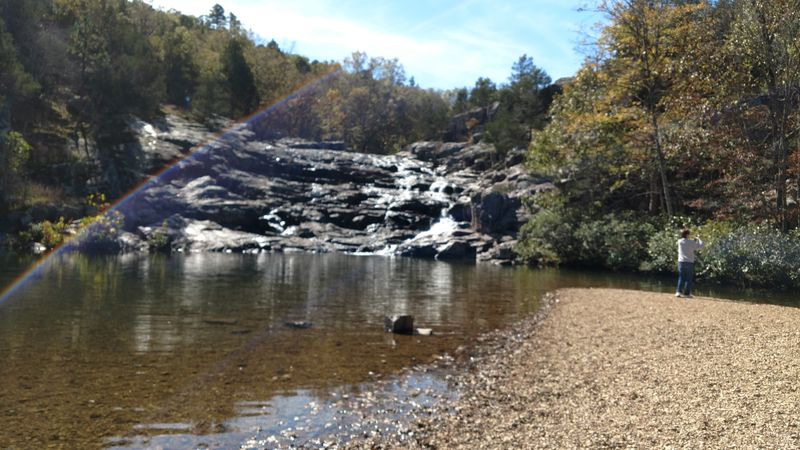
Horses give the hills a different rhythm, one that moves from ribcage to ground in measured steps.
In Eminence, trail rides cross the Jacks Fork and Current like polite neighbors borrowing sugar.
Saddles creak, water braids around hooves, and the forest opens in laconic paragraphs.
Even beginners find an easy seat when the landscape sets the metronome.
Guides know the lines where footing turns sure, and they speak with the calm authority of people who have waited out weather.
Ridges trade views for quiet, and the air grows resinous under shortleaf pine.
Deer appear and vanish like competent stagehands taking a bow.
Birds keep casual company, flitting ahead as if earning a modest wage.
Midway, you learn the sound a bridle makes when a horse thinks about clover.
It is a persuasive sound, though not as persuasive as the river when it lowers its voice at a crossing.
Sunlight dapples into coins that never quite land.
Your breathing adjusts to the animal under you, a partnership built from small agreements.
By late afternoon, the hills turn kind and the shadows tidy their edges.
You dismount with knees that remember old stairs, and you grin anyway.
Trail dust keeps useful secrets, leaving only a faint map on your boots.
Later, you will feel the ride in your hips and hold it there like a sensible souvenir.
Evening In Town, Lights Low And Friendly

Evening in Eminence arrives without commotion, as though the day simply chooses a softer key.
Storefronts glow with the workable warmth of filament bulbs, and gravel lots gather polite conversations.
A plate lunch becomes a plate supper, and no one seems surprised by the promotion.
Menus lean hearty, unvarnished, and priced with an honest handshake.
On Main Street, a dog keeps watch from a truck bed, earning nods like a minor official.
The air smells of fryers, cedar, and the sweet drift of river on clothing.
Locals talk weather as if it were a cousin they all understand.
Visitors learn to listen, which turns out to be the most accurate map.
Music sometimes threads from a doorway, unadvertised and sufficient.
A fiddle makes room for a guitar, then backs off with veteran grace.
Laughter stays low, never competing with the crickets or the measured rumble of a passing rig. Streetlights blink on as if counting to three.
At some point, you realize your phone has been quiet for hours and you are not negotiating with it.
A moon lifts over the hills with the tidy authority of a porch light.
Conversations taper without ceremony, and goodnights are spent rather than saved.
Back at the cabin, you sleep like someone who trusted a small town and was right.
The Quiet Miles Of The Current River
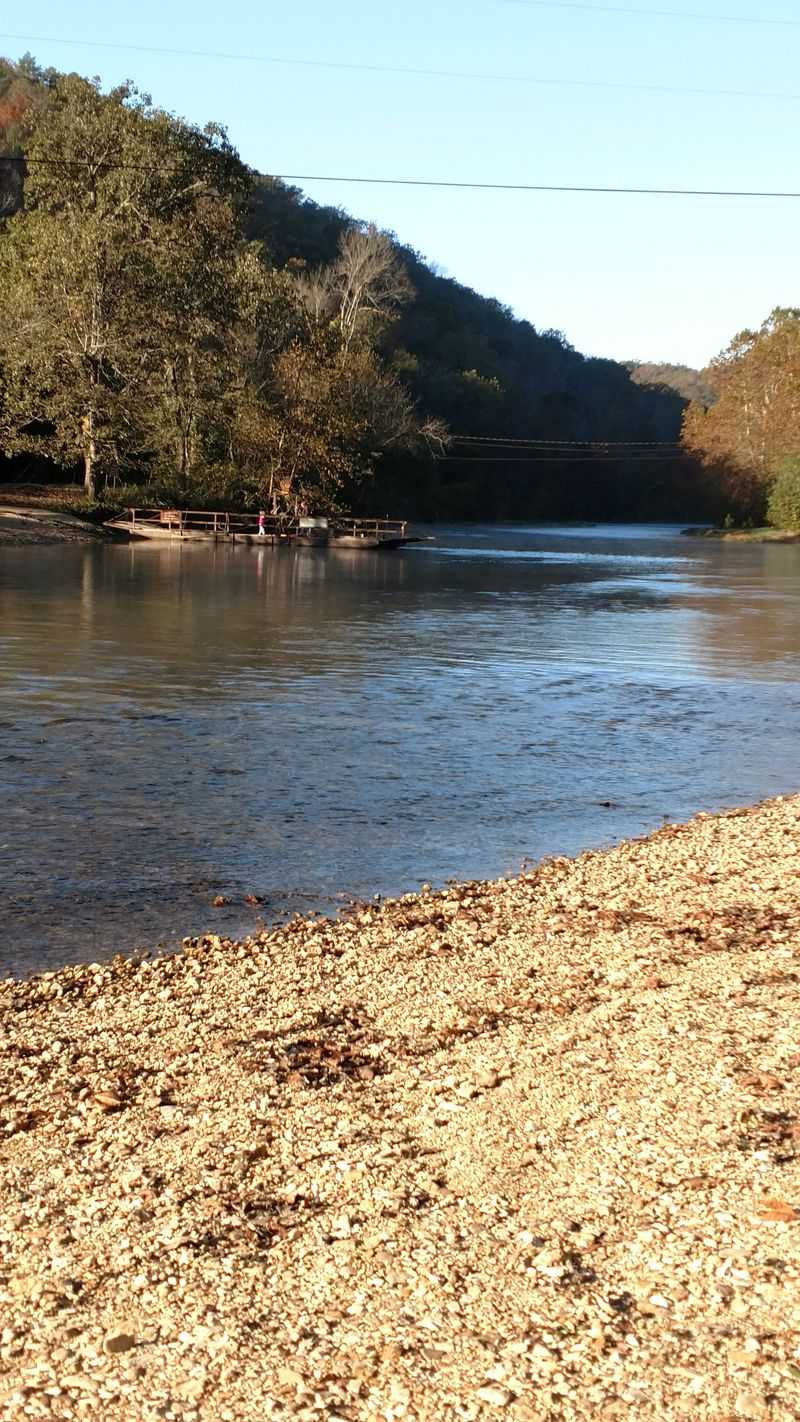
Downriver from the headwaters, the Current keeps a patient ledger of time.
Springs slip in from the hills with bookkeeping precision, clearing and cooling as they go.
Canoes drift like commas, pausing the long sentence of water and stone.
Limestone bluffs hold their posture, pale and unbothered by opinion.
Gravel bars arrive with the reliable manners of old friends.
You stop, set a light lunch under a cottonwood, and watch eddies fold in on themselves.
The river reads your mood without judgment, matching tempo rather than pushing.
Fish announce themselves in brief signatures, then return to privacy.
Creeks wander in with different dialects, and the confluences carry polite introductions.
Sun shifts from silver to green as depths change, giving your eyes something useful to do.
Paddles find a rhythm that requires no commentary.
Silence thickens into a comfortable company that resists improvement.
Late in the day, you pass a bluff that holds the warmth of afternoon like a discreet stove.
The current narrows, then relents, and the banks lean close enough to trade confidences.
You pull out with arms pleasantly used and the kind of appetite that makes simple food excellent.
Back in town, the day stores itself neatly, ready to be retrieved when needed.
A Cabin Above The Hills, Unplugged And Steady

Cabins near Eminence do not try to prove anything, which is half their charm.
A porch sits where it should, facing a valley that collects mist like a sensible bowl.
Inside, wood smells honest and furniture keeps to its obligations.
Lamps throw a soft circle that encourages reading and respectable loafing.
Mornings begin with the small triumph of coffee made without hurry.
Birds negotiate the day with calm authority, and a fox might write its brief signature in dew.
You find that silence is not empty, only unadvertised.
A map on the wall gathers your plans into a tidy, doable shape.
Afternoons drift between hammock and trail with no need for arbitration.
Windows frame hills that keep their distance yet never feel aloof.
An hour of rain becomes an amenable appointment with nothing in particular.
You note the time by light, which proves surprisingly adequate.
Nights return you to the porch, where stars behave like citizens rather than celebrities.
Crickets hold the floor, and the river sounds carry in with professional restraint.
Sleep arrives without negotiation, and the alarm is optional.
In the morning, you will pack slowly, already thinking about when to come back.