
The Peaceful North Carolina Town Retirees Say Is Best For A Quiet Life
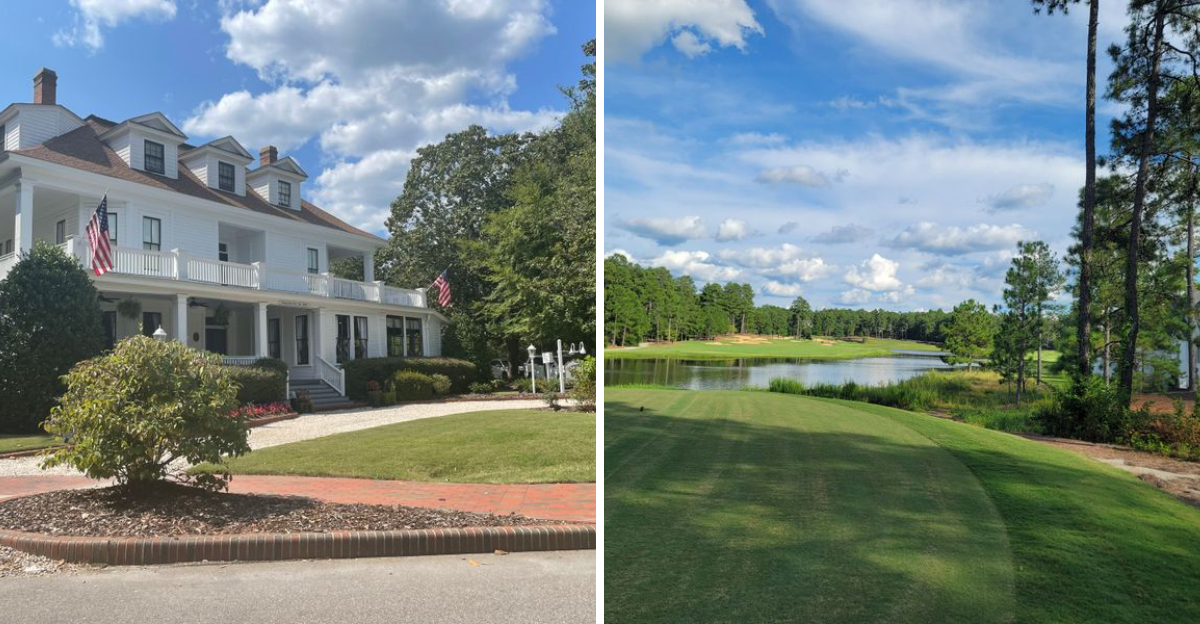
Pinehurst sits quietly in Moore County, North Carolina, where 17,581 residents have discovered something rare: a place that refuses to hurry.
Retirees from across the country speak about this village with unusual consistency, describing it as a community that balances activity with calm, connection with privacy, and beauty with practicality.
Originally designed as a health resort in the late 1800s, Pinehurst has grown into a retirement haven that offers walkable streets, towering pines, and a rhythm of life that feels intentional rather than accidental.
Here are twelve reasons why those seeking a quieter chapter continue to choose this North Carolina village.
It Was Designed From The Start As A Calm, Walkable Village
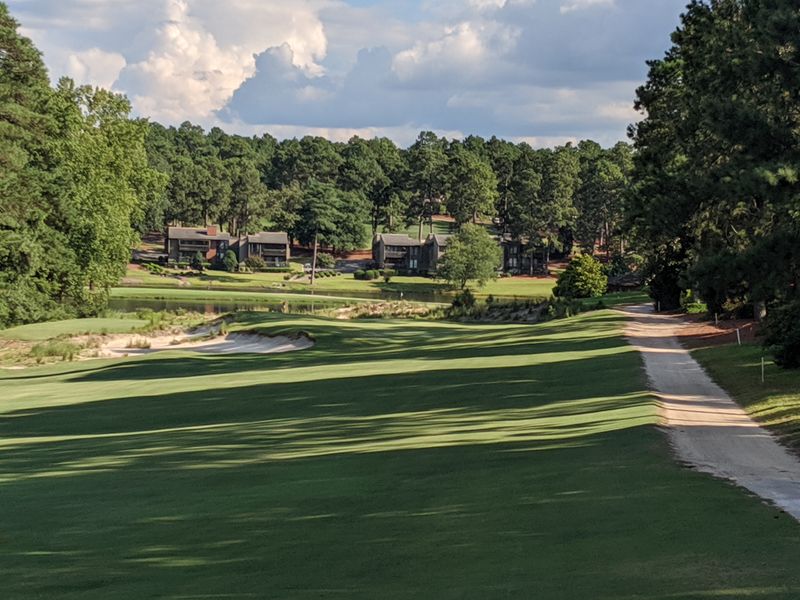
Frederick Law Olmsted, the landscape architect behind Central Park, shaped Pinehurst’s original layout in the 1890s with pedestrians in mind.
His vision created curving roads that discourage speed and encourage strolling, a design philosophy that remains visible today.
Wide sidewalks connect neighborhoods to the village center, making errands and social visits possible without a car.
Retirees appreciate this thoughtful planning, which contrasts sharply with sprawling developments built around automobile convenience.
The village feels intimate rather than industrial, with distances that invite walking rather than demand driving.
Benches appear at regular intervals, shaded by mature trees that were part of the original design.
This intentional layout creates a sense of order without rigidity, allowing residents to move through their days at a human pace.
Streets feel safe and unhurried, with drivers accustomed to sharing space with pedestrians and cyclists.
Retirees Say The Town’s Pace Of Life Never Feels Rushed
Conversations in Pinehurst tend to unfold without the constant checking of watches or phones that marks busier places.
Local shops operate on schedules that prioritize service over turnover, and restaurant staff rarely hover to clear plates prematurely.
Residents describe a collective understanding that efficiency matters less than quality of experience.
Morning routines might include a slow breakfast at a local café, followed by a walk through neighborhoods where others are doing the same.
Traffic lights change at intervals that assume no one is in a particular hurry.
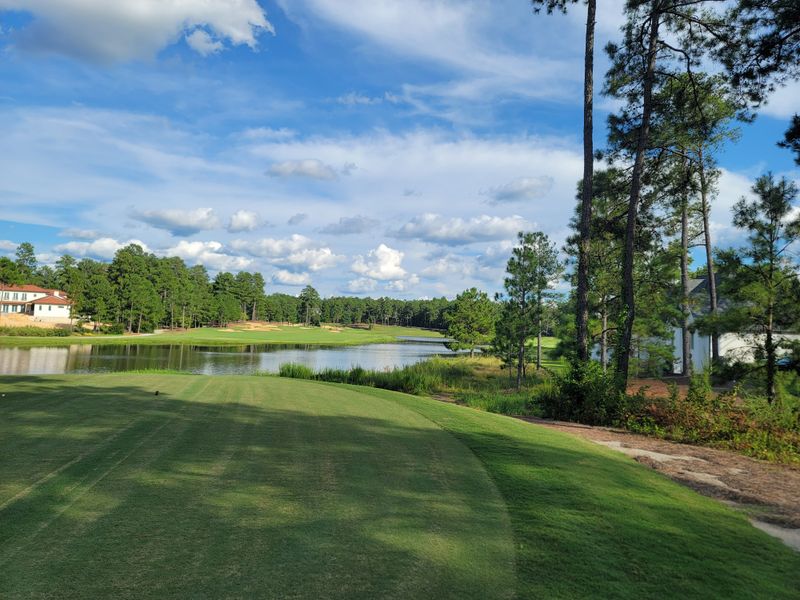
Even the golf courses, despite hosting world-class tournaments, maintain a culture of measured play rather than rushed rounds.
This unhurried atmosphere extends to community gatherings, where events start on time but never feel frantic.
Retirees who spent careers managing tight schedules find this shift profoundly restorative, describing it as permission to finally exhale.
Pinehurst Is Known For Safety And Low Crime Compared To Similar Towns
Crime statistics for Pinehurst consistently fall below state and national averages, a fact that shapes daily life in subtle but significant ways.
Residents walk after dark without anxiety, and unlocked doors remain more common than in comparable communities.
The village maintains a well-funded police presence that emphasizes visibility and community connection over reactive enforcement.
Officers know residents by name and participate in local events, creating relationships that prevent problems before they develop.
This sense of security influences everything from property values to the willingness of residents to engage with neighbors.
Retirees mention safety as a primary factor in their decision to settle here, noting that it allows them to focus on enjoyment rather than protection.
The low crime rate also means insurance costs remain reasonable and emergency services can concentrate on health calls rather than criminal activity.
Walking paths and parks feel genuinely safe at all hours.
The Entire Town Feels Immersed In Trees, Not Traffic
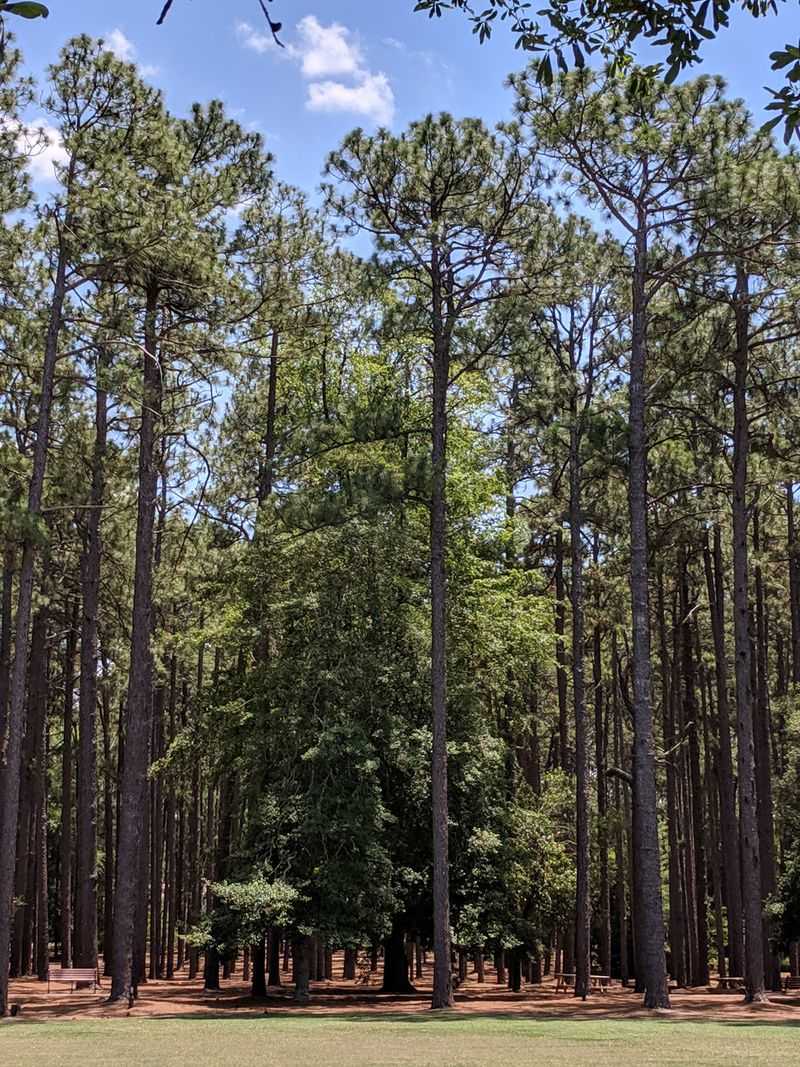
Longleaf pines tower over nearly every street in Pinehurst, creating a canopy that filters light and softens sounds throughout the village.
The town’s name reflects this defining characteristic, and residents quickly develop a relationship with these trees that border on reverence.
Unlike communities where development cleared native vegetation, Pinehurst integrated its forest into the urban plan.
Roads curve around significant trees rather than removing them, and setback requirements ensure homes sit within the woods rather than replacing them.
This creates a living environment where greenery dominates sightlines instead of asphalt or concrete.
Traffic noise diminishes under the pine canopy, and the air carries the distinctive scent of resin that many find calming.
Retirees describe feeling surrounded by nature despite living in a developed area, a combination that proves difficult to find elsewhere.
The trees also provide practical benefits, cooling streets and homes while creating habitat for songbirds that provide a constant soundtrack.
World-Class Golf Doubles As Everyday Green Space
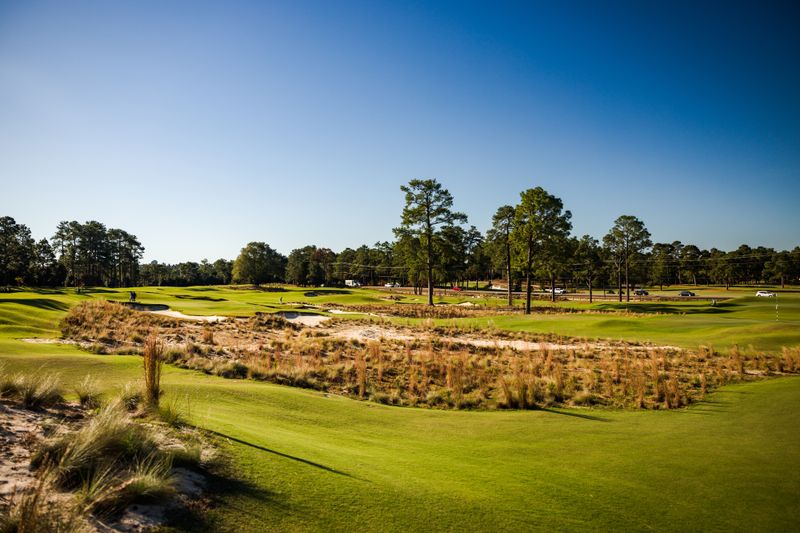
Pinehurst hosts nine golf courses, including Pinehurst No. 2, which has welcomed multiple U.S. Open championships and remains one of America’s most respected layouts.
For residents, these courses function as more than sporting venues—they provide vast stretches of maintained open space that define the village’s character.
Walking paths often border fairways, offering views across rolling terrain that would otherwise require a drive to the countryside.
Even non-golfers benefit from the preservation of these green corridors, which prevent the dense development common in other retirement communities.
The courses employ hundreds of local residents and generate tourism revenue that supports municipal services without raising property taxes.
Retirees who play golf find world-class facilities accessible without the exclusivity or pretension that often accompanies prestigious clubs.
Those who prefer other activities still appreciate how the courses shape the village’s aesthetic and economic stability.
The combination of accessibility and excellence creates an unusual asset that enhances daily life for all residents.
Medical Care Is Close—But Never Overwhelming
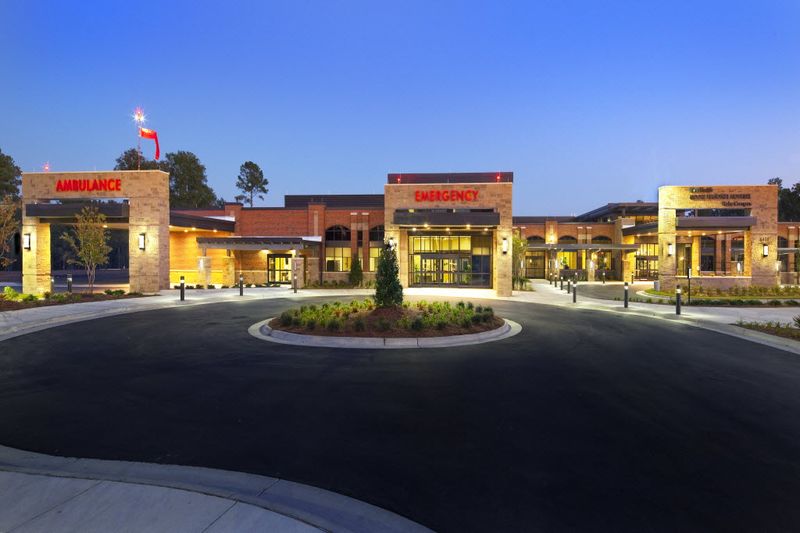
FirstHealth Moore Regional Hospital sits just minutes from Pinehurst’s village center, providing comprehensive medical services without the institutional sprawl that dominates some retirement areas.
The facility offers cardiac care, orthopedics, and cancer treatment, specialties particularly relevant to older residents.
Numerous physician practices operate throughout the village, many within walking distance of residential neighborhoods.
This proximity means routine appointments rarely require extensive planning or travel, a convenience that grows more valuable with age.
The medical community maintains a reputation for personalized care rather than assembly-line efficiency, with doctors who remember patient histories and preferences.
Retirees describe feeling confident in the available care without living in the shadow of a massive medical complex.
The balance between accessibility and discretion proves difficult to achieve, yet Pinehurst manages it naturally.
Emergency services respond quickly, and the hospital’s size allows for specialized care without the overwhelming bureaucracy of larger systems.
Medical infrastructure remains visible but never dominates the village’s residential character.
Most Daily Errands Can Be Done Without Long Drives
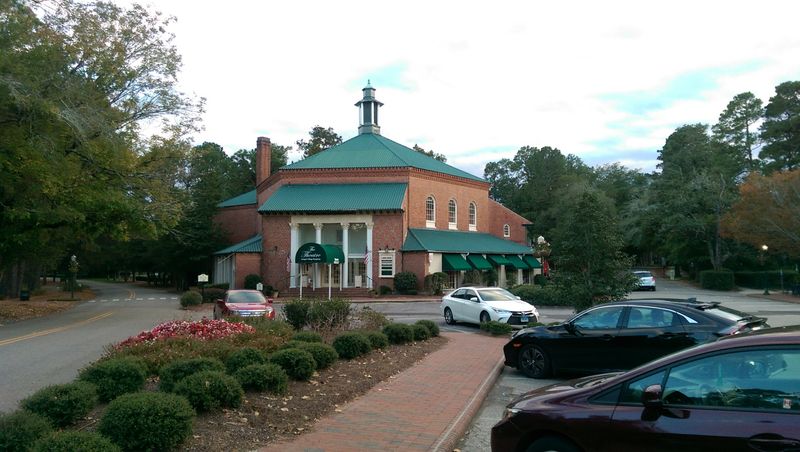
Pinehurst’s compact layout concentrates essential services within a small radius, reducing the need for lengthy car trips that consume time and energy.
Grocery stores, pharmacies, banks, and restaurants cluster near the village center, accessible by foot or short drive from most neighborhoods.
This convenience matters increasingly as residents age and driving becomes less appealing or feasible.
The village also supports local businesses that provide personalized service, from hardware stores staffed by knowledgeable employees to dry cleaners who remember customer preferences.
Retirees appreciate not needing to navigate highway traffic or massive parking lots for routine tasks.
Southern Pines and Aberdeen, neighboring towns within minutes of Pinehurst, expand options without requiring significant travel.
This regional cluster creates a service area that feels complete rather than limited, offering variety without sprawl.
The ability to accomplish daily tasks efficiently leaves more time for leisure activities and reduces the stress associated with constant driving.
Walkability and convenience combine to create genuine independence.
Community Events Feel Intimate, Not Crowded

Pinehurst schedules regular community gatherings that draw healthy attendance without descending into the chaos of over-crowded festivals.
Farmers markets, concerts, and holiday celebrations maintain a scale that allows conversation and connection rather than anonymous participation.
Residents recognize familiar faces at these events, creating a sense of continuity and belonging that larger communities struggle to achieve.
The village green and community center host activities designed for engagement rather than entertainment, encouraging interaction among attendees.
This intentional programming reflects an understanding that retirees seek connection more than spectacle.
Events begin and end at reasonable hours, and organizers prioritize accessibility with ample seating and clear signage.
The intimate scale means volunteers know participants personally, creating a welcoming atmosphere for newcomers.
Retirees describe these gatherings as opportunities to deepen existing friendships rather than endure obligatory appearances.
The balance between activity and comfort proves ideal for those seeking social engagement without exhaustion or overwhelm.
The Town Attracts Visitors—But Rarely Feels Tourist-Heavy

Golf tournaments and resort guests bring visitors to Pinehurst throughout the year, yet the village maintains its residential character with remarkable consistency.
Tourism infrastructure concentrates around the Pinehurst Resort, leaving most neighborhoods untouched by the crowds that accompany major sporting events.
Visitors tend to be golfers and history enthusiasts who respect the village’s quiet culture rather than party-seekers looking for nightlife.
This self-selecting tourism creates economic benefits without the noise and congestion that plague other destination towns.
Restaurants and shops welcome visitor revenue but design their operations around local residents who form their year-round customer base.
During tournament weeks, traffic increases moderately but never reaches the gridlock common in beach towns or mountain resorts.
Retirees appreciate living in a place others want to visit without feeling invaded or displaced by tourist activity.
The village’s design absorbs visitors without losing its essential character, a balance that requires both planning and cultural agreement among residents and businesses.
Quiet Neighborhoods Surround A Calm, Historic Village Center
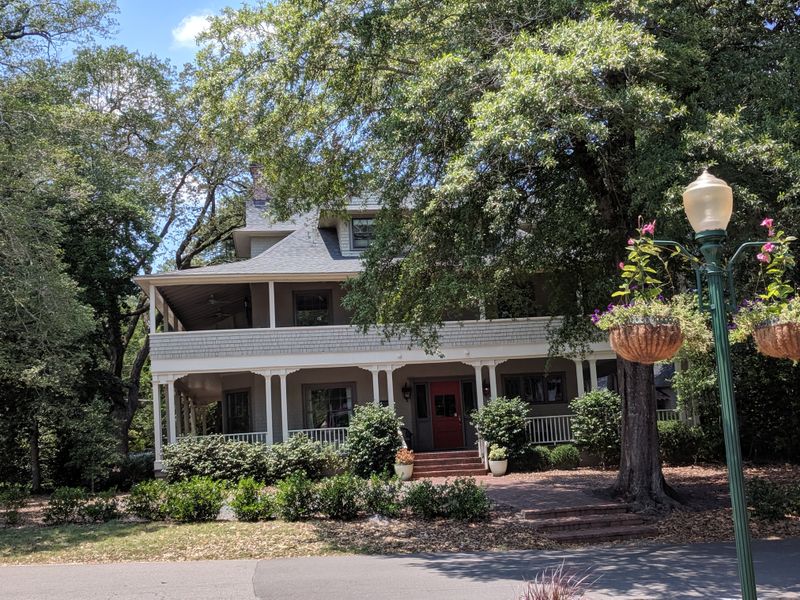
Pinehurst’s residential areas fan outward from the village center in concentric rings that grow progressively quieter with distance.
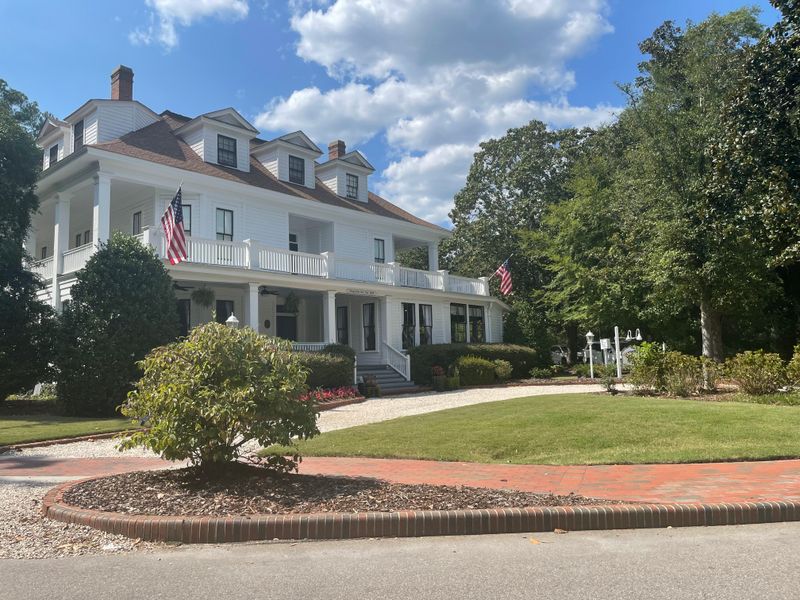
Homes range from historic cottages near downtown to newer constructions on larger lots, offering options for various preferences and budgets.
All neighborhoods share common characteristics: mature landscaping, architectural consistency, and an absence of through-traffic that preserves tranquility.
Sidewalks connect most streets to the village center, making the downtown area feel like a natural extension of residential life rather than a separate commercial zone.
This integration encourages daily interaction with the village’s shops and gathering places without requiring residents to drive.
Deed restrictions and zoning regulations maintain property values while ensuring neighborhoods evolve gradually rather than through disruptive redevelopment.
Retirees value the predictability this creates, knowing their surroundings will remain consistent over time.
The historic village center, anchored by the Carolina Hotel and village green, provides a focal point without generating the noise or traffic typical of commercial districts.
Many Retirees Say Pinehurst Feels “Finished,” Not Rapidly Changing
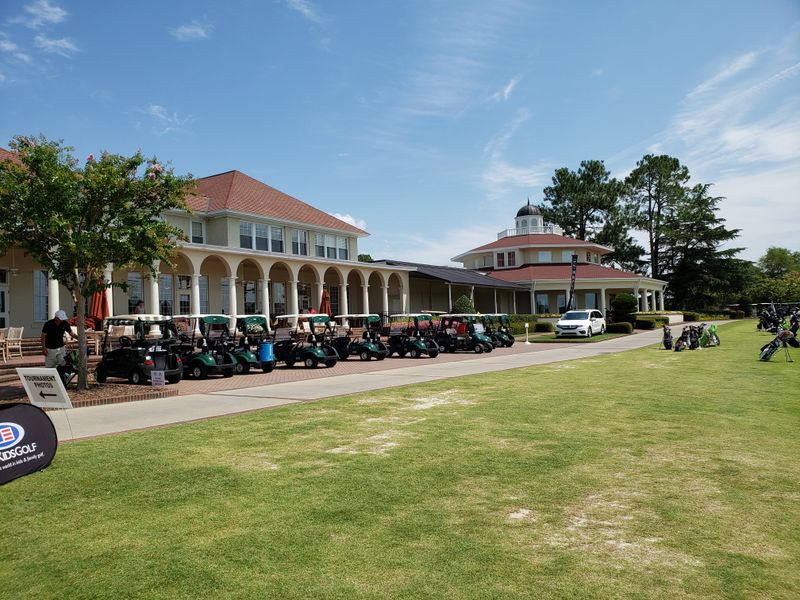
Pinehurst reached its essential form decades ago, creating a stability that contrasts sharply with rapidly developing retirement communities elsewhere.
Infrastructure exists to support current residents without the constant construction that disrupts daily life in growth areas.
Streets, utilities, and public facilities function reliably, maintained through established tax revenues rather than speculative development fees.
This completeness appeals to retirees who have endured enough change during their working years and now seek consistency.
The village continues to evolve, but changes occur through renovation and refinement rather than wholesale transformation.
New construction respects existing architectural standards, and businesses open to serve residents rather than chase demographic trends.
Retirees describe feeling confident that the community they chose will remain recognizable over time, a rare quality in modern America.
The sense of permanence extends to social structures, with established clubs, churches, and organizations that welcome newcomers into existing frameworks.
This stability creates security without stagnation, allowing residents to build lasting connections.
It Offers A Social Life Without Big-City Noise Or Stress
Pinehurst supports an active social calendar without the sensory overload that characterizes urban environments.
Clubs devoted to golf, bridge, book discussion, and volunteer work provide structured opportunities for connection among residents with shared interests.
These organizations maintain membership sizes that allow genuine relationships rather than anonymous participation.
Restaurants and cafes offer gathering spaces where conversation remains possible without shouting over noise, and reservations rarely require weeks of advance planning.
The village’s compact size means running into acquaintances during errands or walks, creating organic social interaction beyond scheduled events.
Retirees describe finding their social circle expanding naturally through proximity and shared activities rather than forced networking.
Cultural offerings include theater productions, art exhibitions, and lecture series that provide intellectual stimulation without requiring travel to larger cities.
The social environment balances activity with rest, allowing residents to engage deeply when desired and retreat when needed.
This flexibility proves essential for retirees managing varying energy levels and health considerations.