
The Peaceful North Carolina Village Most Tourists Never Visit
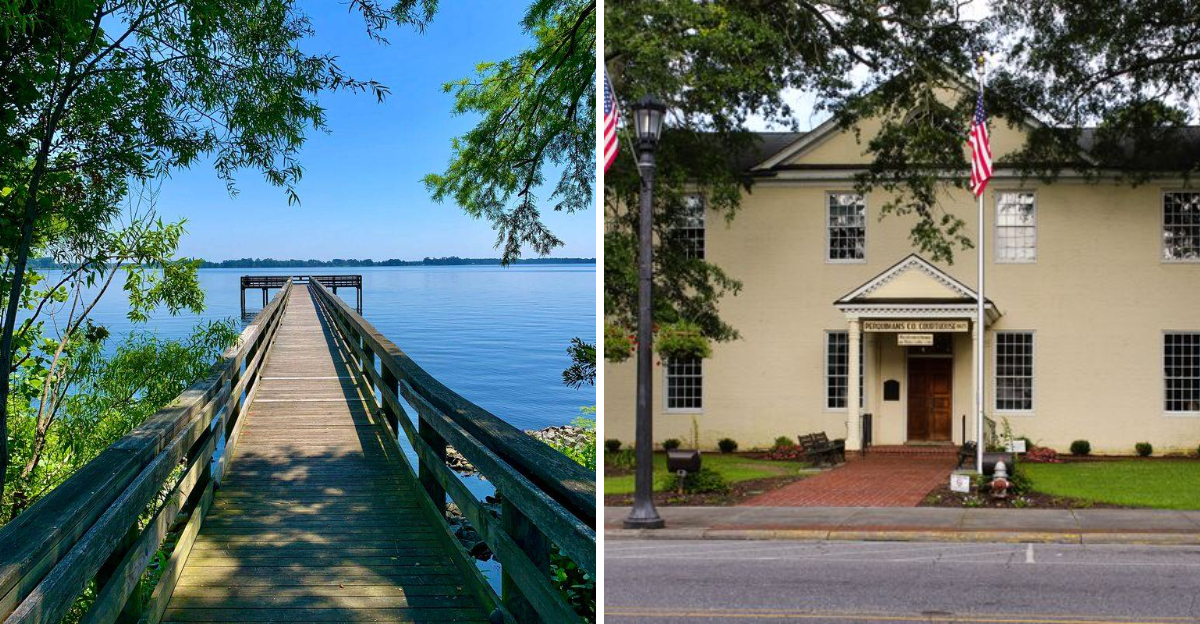
Hertford sits quietly along the Perquimans River in northeastern North Carolina, far from the tourist crowds that flood the Outer Banks each summer.
This small town of fewer than 2,000 residents has managed to preserve its historic charm and unhurried rhythm while the rest of coastal Carolina has grown louder and more expensive.
Most travelers speed past it on their way to the beach, never realizing that one of the state’s most authentic and peaceful communities lies just off the highway, waiting for those who prefer genuine connection over commercialized attractions.
A Riverside Village That Moves At A Slower, More Intentional Pace

Life in Hertford unfolds without the constant rush that defines most modern American towns.
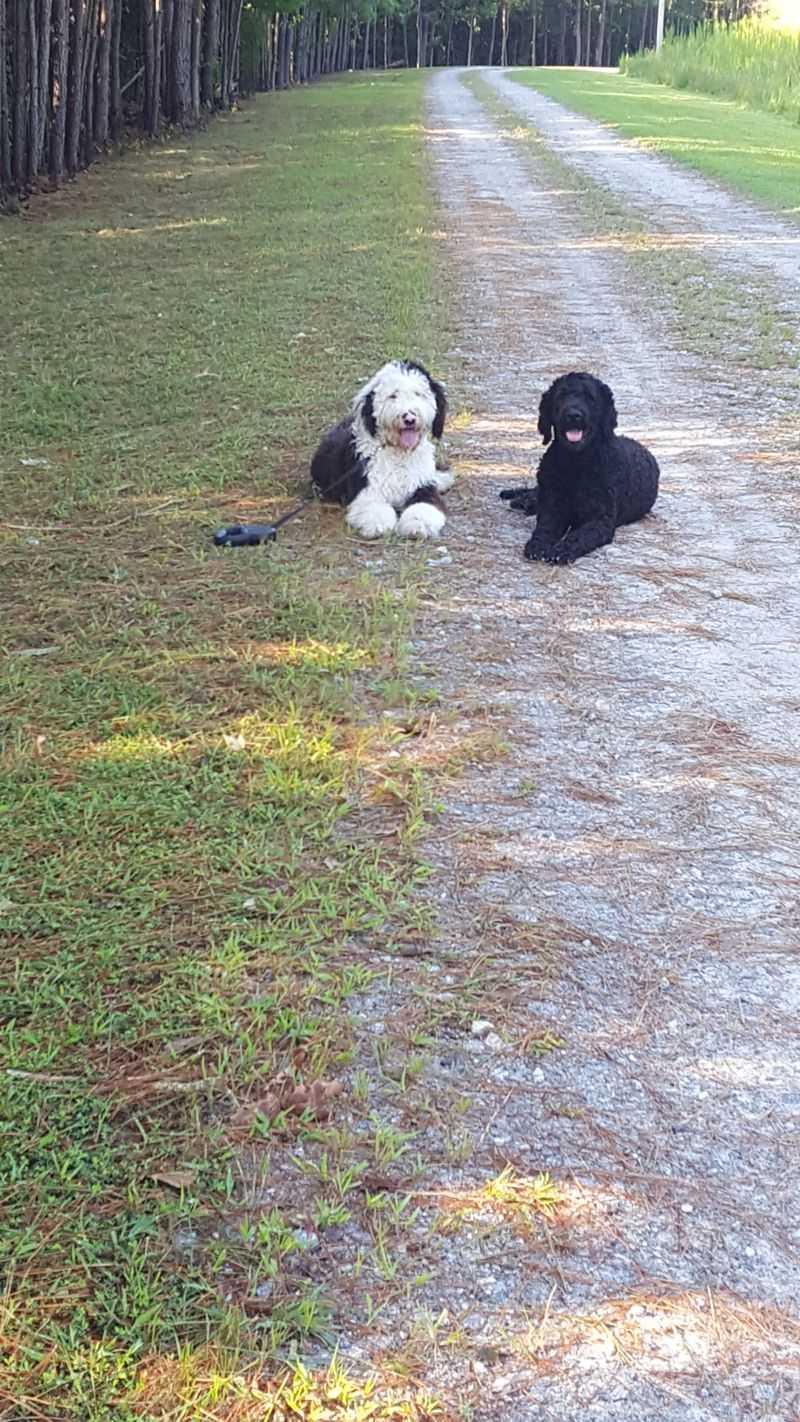
Residents walk their dogs at midday without checking their watches.
Conversations happen on sidewalks and last longer than five minutes.
The town operates on a rhythm that feels almost forgotten elsewhere in North Carolina.
Stores close early not because business is bad, but because evenings are meant for family dinners and front porch sitting.
Traffic lights seem unnecessary here, and most intersections rely on courtesy rather than signals.
Located at 36.1901579, -76.4660519, this county seat of Perquimans County has resisted the pressure to modernize at the expense of character.
The 1,912 residents who call it home have chosen quality of life over economic frenzy.
Their choice shows in every unhurried interaction and every business that closes for lunch.
Quiet Waterfront Views Along The Perquimans River

The Perquimans River defines Hertford’s eastern edge and provides the town with its most striking natural feature.
Wide and calm, the water reflects the sky in shades that change hourly.
No jet skis disturb the surface, and boat traffic remains light even on summer weekends.
Public access to the riverfront comes without admission fees or parking hassles.
Wooden benches face the water at intervals, placed there by the town decades ago and maintained ever since.
Fishermen cast lines from the banks without competing for space.
Early mornings bring mist that hovers above the water until the sun burns it away.
Herons stalk the shallows, and turtles sun themselves on half-submerged logs.
The view never demands attention with drama or spectacle, but it rewards those who sit quietly and watch the light change across the current.
A Historic Downtown That Feels Unchanged By Tourism
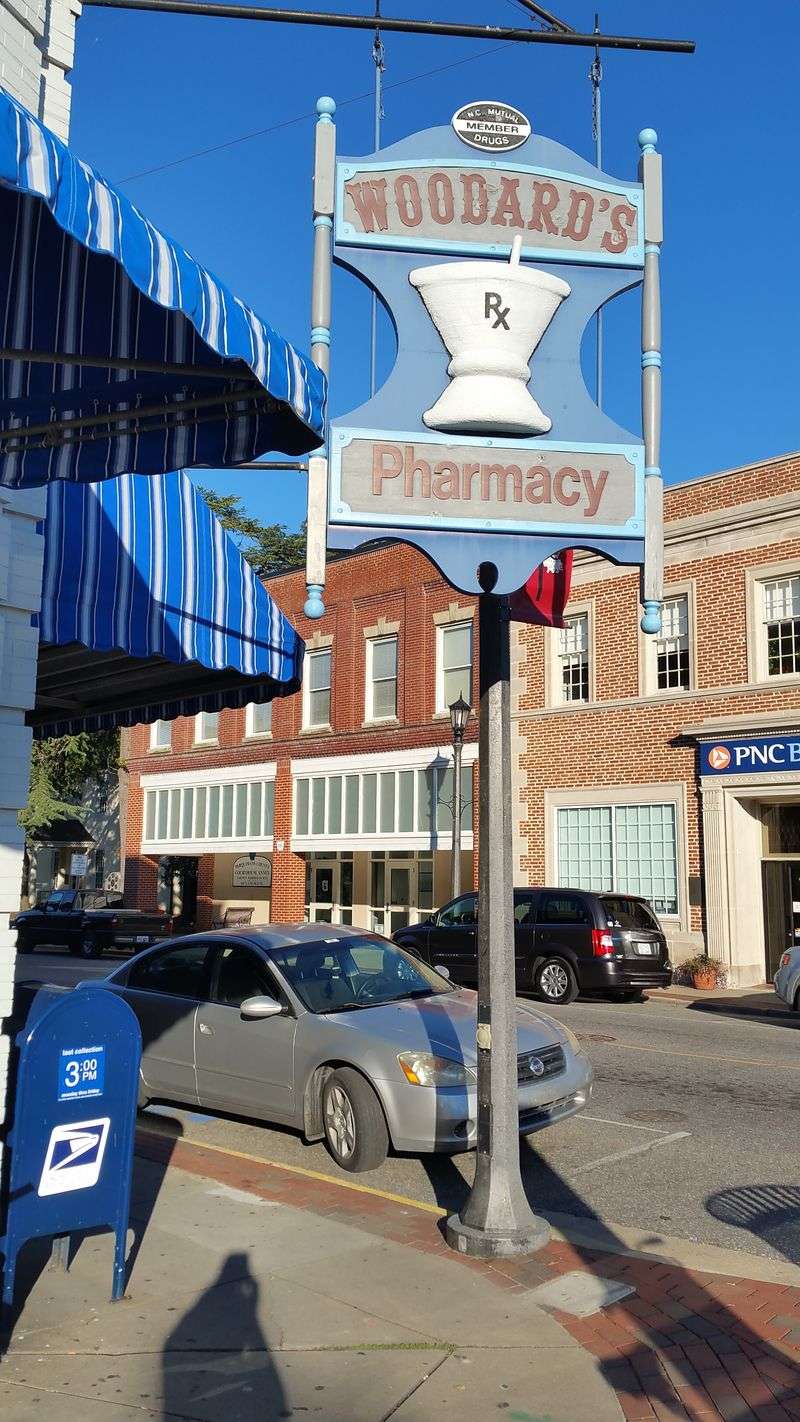
Hertford’s downtown district has avoided the gift shop transformation that ruins so many small southern towns.
The storefronts still house actual businesses that serve residents rather than visitors.
Hardware stores, insurance offices, and local law firms occupy buildings that date back more than a century.
Architectural details remain intact because no developer has found it profitable to tear them down and start over.
Original brick facades show their age without apology.
Window displays change with the seasons but never scream for attention.
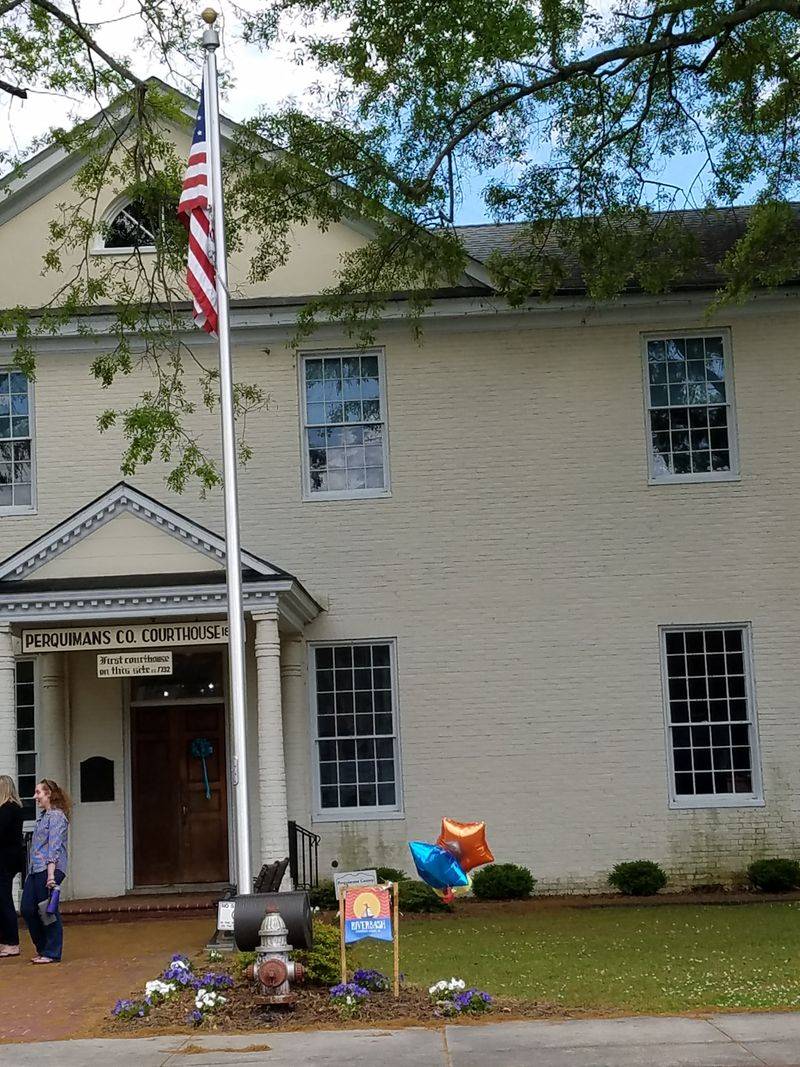
The courthouse anchors the downtown and operates much as it has since Hertford became the county seat.
Streets radiate outward in a grid that makes sense and requires no GPS to navigate.
Parking meters do not exist here, and neither do souvenir shops selling mass-produced nostalgia.
The town simply continues being itself.
Minimal Traffic And Easy Everyday Living
Rush hour in Hertford lasts about fifteen minutes and involves perhaps two dozen cars.
Residents rarely experience the frustration of sitting through multiple light cycles or circling for parking.
The daily commute for most people measures in blocks rather than miles.
Children still ride bicycles to school here without parents worrying about traffic volume.
Crossing guards have time to learn every student’s name.
Pedestrians walk in the street when sidewalks narrow, and drivers simply go around them with a wave.
The town’s location along US Highway 17 could have brought congestion, but most through-traffic bypasses the historic center entirely.
What remains feels manageable and human-scaled.
Errands that would consume an entire Saturday in a larger city take an hour here, and half that time gets spent chatting with neighbors in the grocery store aisle.
A Close-Knit Community Where Neighbors Know Each Other
Anonymity does not exist in Hertford, and most residents consider that a feature rather than a problem.
The postal workers know which houses prefer their packages left on the side porch.
The police chief grew up here and coached half the town’s current adults in Little League.
Community events draw genuine participation because people actually care about their neighbors’ children, achievements, and struggles.
Church suppers feed everyone, regardless of membership or denomination.
When someone falls ill, meals appear on their doorstep without anyone having to organize a formal committee.
This interconnectedness can feel intrusive to newcomers accustomed to urban privacy, but it creates a safety net that money cannot buy.
Elderly residents live independently longer here because neighbors notice when newspapers pile up or curtains stay closed past noon.
The town’s small population of 1,912 means every person matters and every absence gets noticed.
Scenic Nature Access Without The Crowds
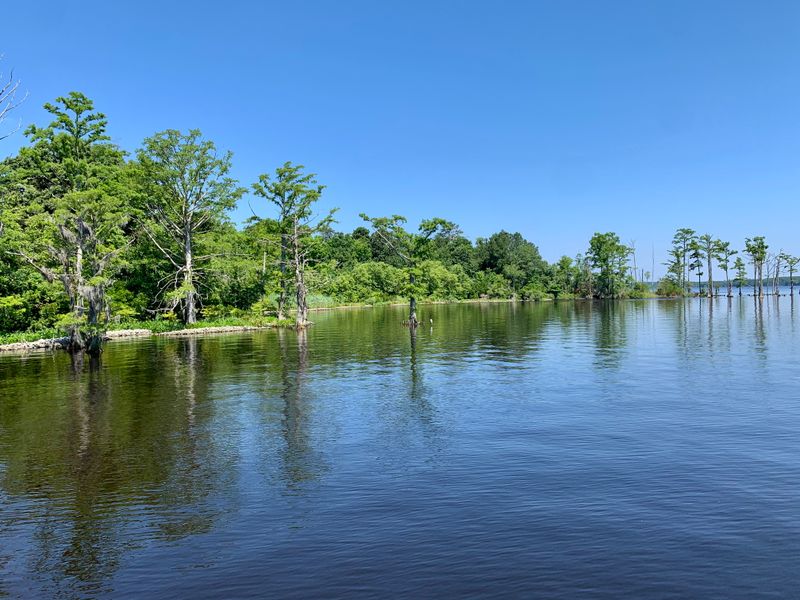
Natural areas surrounding Hertford remain accessible and empty most days of the year.
Hiking trails wind through pine forests where the only sounds come from wind and wildlife.
Kayakers can paddle for hours without encountering another boat.
The Albemarle Sound lies just a short drive away, offering brackish water fishing and bird watching opportunities that rival any coastal preserve.Wildlife refuges in the region welcome
visitors but rarely see more than a handful on weekdays.
Observation platforms overlook marshes where thousands of migratory birds stop each spring and fall.
Unlike state parks near Asheville or beaches near Wilmington, these natural spaces never require advance reservations or early arrival to secure parking.
The same landscapes that would be crowded anywhere else remain peacefully empty here.
Nature lovers who visit Hertford discover they can have entire ecosystems essentially to themselves.
Coastal North Carolina Charm Without Beach Town Prices
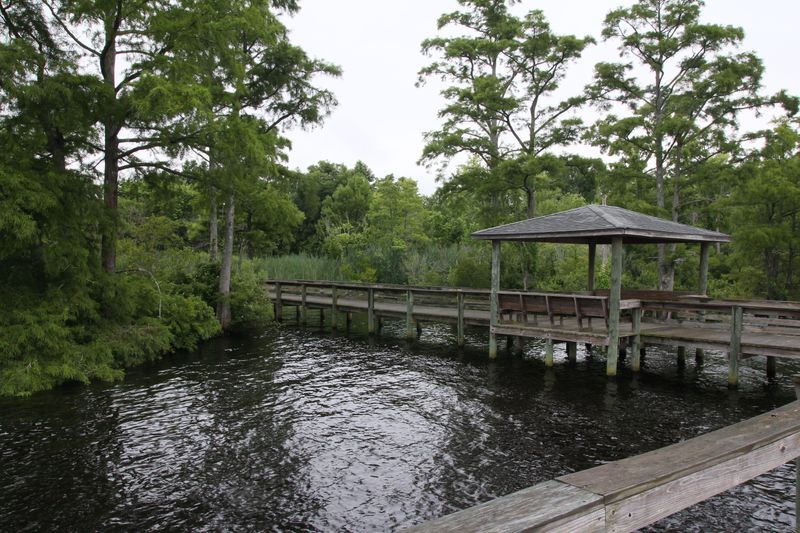
Real estate in Hertford costs a fraction of what similar properties command in Nags Head or Beaufort.
Historic homes with river views sell for prices that would barely buy a small condo in Wilmington.
Property taxes remain low because the town has not built the expensive infrastructure that beach communities require.
Restaurants serve excellent seafood at prices that reflect local economies rather than tourist budgets.
A pound of fresh shrimp costs what it should, and nobody charges fifteen dollars for a sandwich.
Gas stations, grocery stores, and hardware suppliers all price their goods for residents who live here year-round.
The town’s website, townofhertfordnc.com, lists municipal services and tax rates that seem almost quaint compared to coastal resort areas.
Visitors can rent entire houses for what a single hotel room costs at the beach.
The financial accessibility makes extended stays possible for people priced out of more famous destinations.
A Peaceful Alternative To The Busy Outer Banks

The Outer Banks lie less than an hour east, but Hertford feels separated by decades rather than miles.
While beach traffic crawls along Highway 12 each summer weekend, Hertford remains blissfully empty.
Families seeking coastal access without tourist chaos have begun discovering this quiet alternative.
The town offers the same maritime climate and seafood culture as the beaches, minus the spring break crowds and vacation rental developments.
Sunsets over the river rival any ocean view, and the absence of salt spray means less
maintenance on homes and vehicles.Children can still catch crabs and fish from docks, but they do so without navigating throngs of other families doing the same thing.
Retirees who love coastal Carolina but hate the summer invasion have settled in Hertford in increasing numbers.
They get the best of both worlds: beach access when desired and peaceful solitude the rest of the time.
The town serves as proof that coastal living need not involve constant noise and congestion.
Local History Preserved Without Commercialization
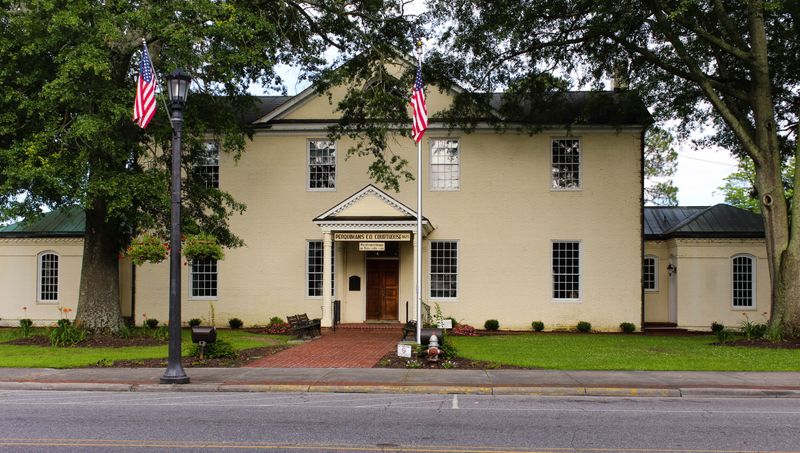
Hertford has served as the Perquimans County seat since 1758, and evidence of that long history remains visible throughout town.
The Newbold-White House, built in 1730, stands as the oldest house in North Carolina and operates as a museum without gift shop gimmicks or costumed interpreters.
Historical markers appear on buildings still serving their original purposes.
The town cemetery tells the story of generations who lived, worked, and died here without ever seeking fame or fortune elsewhere.
Family names on gravestones match names on current mailboxes throughout the county.
Local historians maintain records and share knowledge freely with anyone who asks, motivated by genuine passion rather than tourism revenue.
This preservation happens organically because residents value their heritage and see no reason to exploit it for profit.
History here remains educational rather than entertaining.
Visitors learn about actual events and real people instead of sanitized narratives designed to sell tickets.
Where North Carolina’s Coastal Region Still Feels Authentic
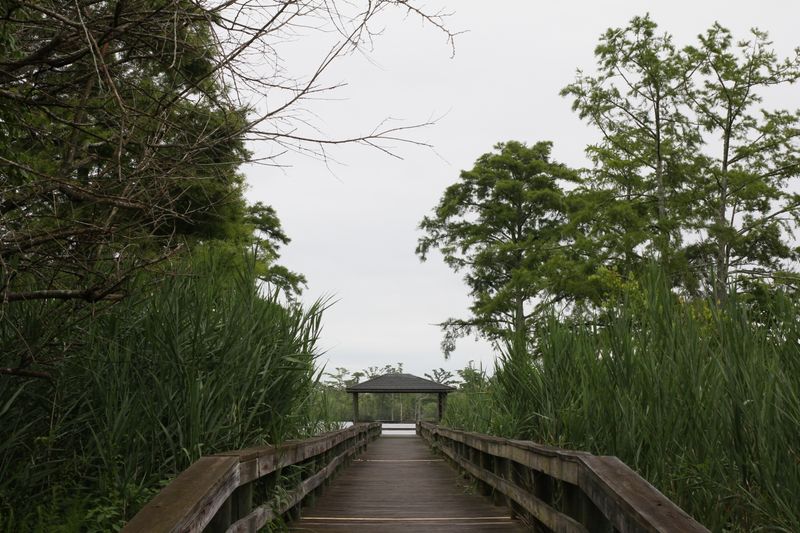
Authenticity has become a marketing term in most of coastal North Carolina, but in Hertford it simply describes daily reality.
The watermen who dock their boats at local marinas actually make their living from fishing rather than performing for tourists.
Restaurants serve food that locals eat, not dishes invented to satisfy visitor expectations of southern cuisine.
Conversations in coffee shops revolve around county politics, high school sports, and weather patterns that affect crops and water levels.
Nobody discusses vacation rental income or tourist season projections because those topics hold little relevance here.
The town’s economy functions independently of visitor spending, which allows it to maintain character and priorities that serve residents first.
This authenticity attracts a particular type of traveler who values substance over spectacle and connection over convenience.
Hertford rewards those willing to slow down and pay attention.