
The Peaceful Ohio Hill Country Locals Use As Their Reset Button
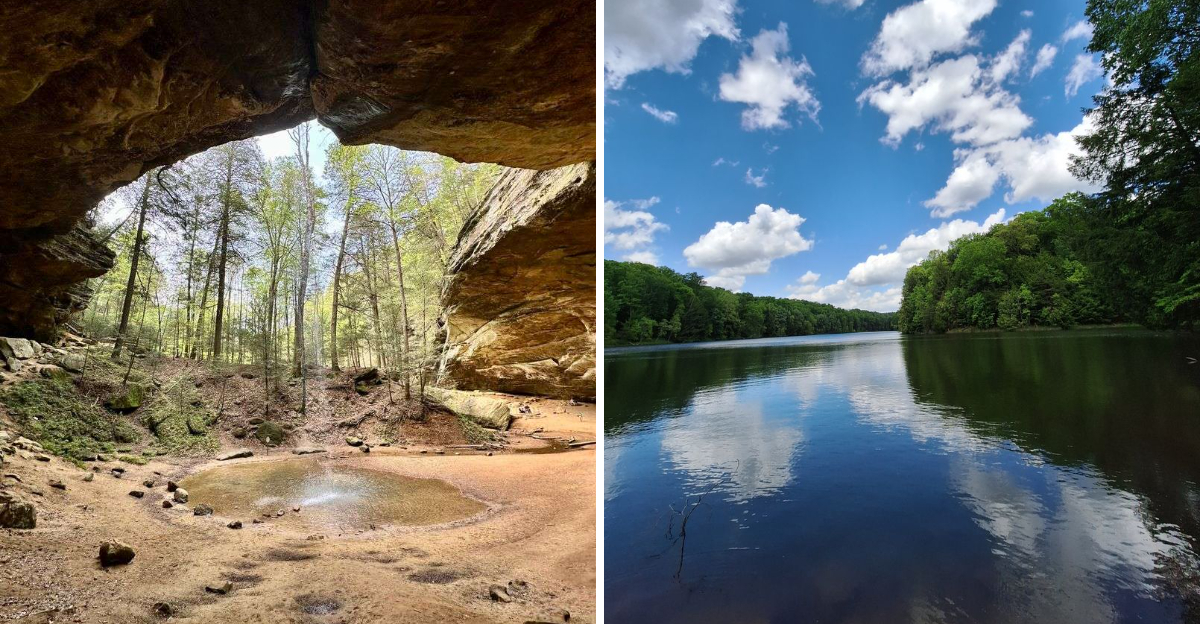
Tucked between rolling farmland and dense woodland in southeastern Ohio, Hocking Hills offers a quiet escape that feels worlds away from city noise and crowded schedules. Locals have long relied on this rugged landscape to clear their minds, reconnect with nature, and find the kind of peace that only comes from walking beneath ancient hemlocks and listening to water cascade over blackhand sandstone.
Whether you arrive for a weekend or just an afternoon, the hills provide a natural reset button that restores balance without requiring a passport or a long drive.
Hocking Hills: Ohio’s Ultimate Local Retreat
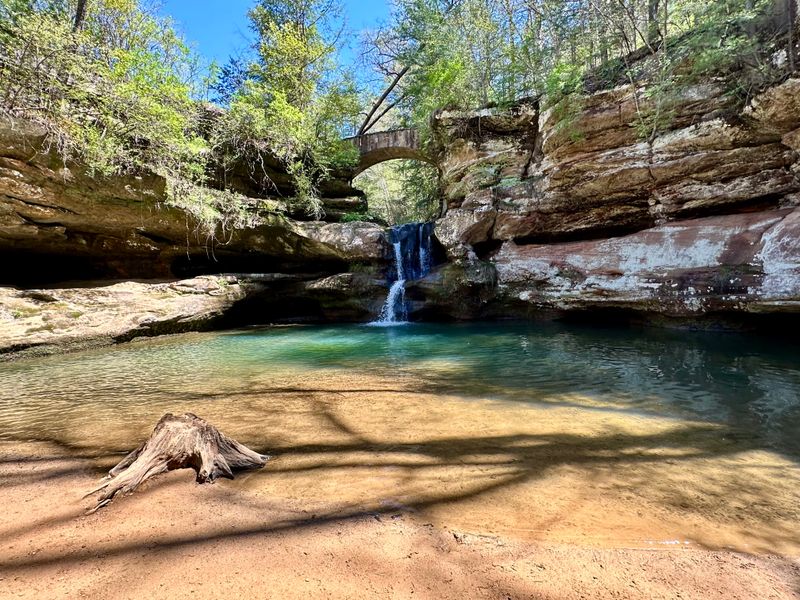
Few places in the Midwest carry the restorative power of Hocking Hills, a stretch of forested ridges and deep gorges that has become a refuge for Ohioans seeking solitude. Located in Laurel Township, OH 43149, this region combines accessible trails, striking rock formations, and a quietness that feels almost medicinal.
Families arrive to disconnect from screens, solo hikers come to think through decisions, and couples use the landscape as a backdrop for rekindling conversation.
The terrain here was carved by glacial melt and centuries of erosion, leaving behind caves, cliffs, and waterfalls that require no special equipment to reach. Parking areas connect directly to well-maintained paths, making it easy to step into wilderness within minutes.
There are no entrance fees for most trails, and the absence of commercialization preserves the area’s authenticity.
Locals know to visit during weekdays or early mornings to avoid the weekend rush. The region remains a dependable retreat year-round, offering seasonal shifts in color, temperature, and mood that keep each visit feeling distinct.
Tranquil Hiking Trails Of Hocking Hills
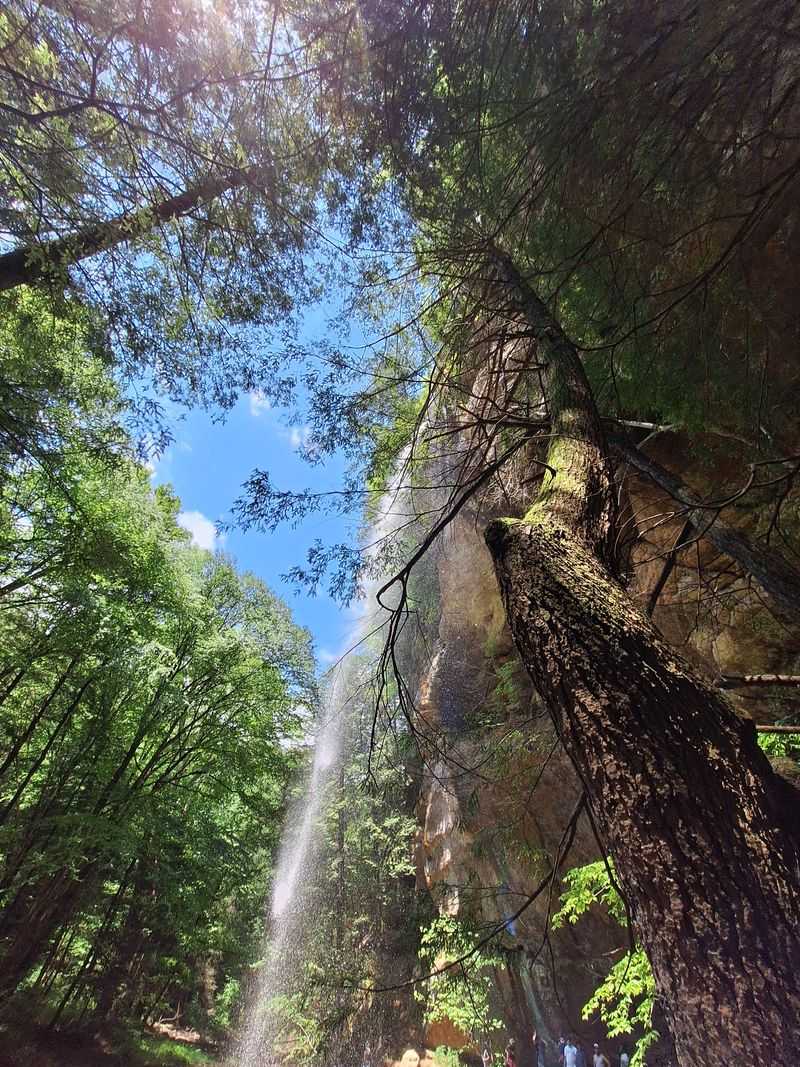
Walking the trails in Hocking Hills feels less like exercise and more like moving meditation. The paths wind through hemlock groves, cross wooden footbridges, and descend into shaded gorges where temperature drops noticeably.
Old Man’s Cave remains the most visited loop, connecting a series of rock shelters and waterfalls in a circuit that takes about an hour at a relaxed pace.
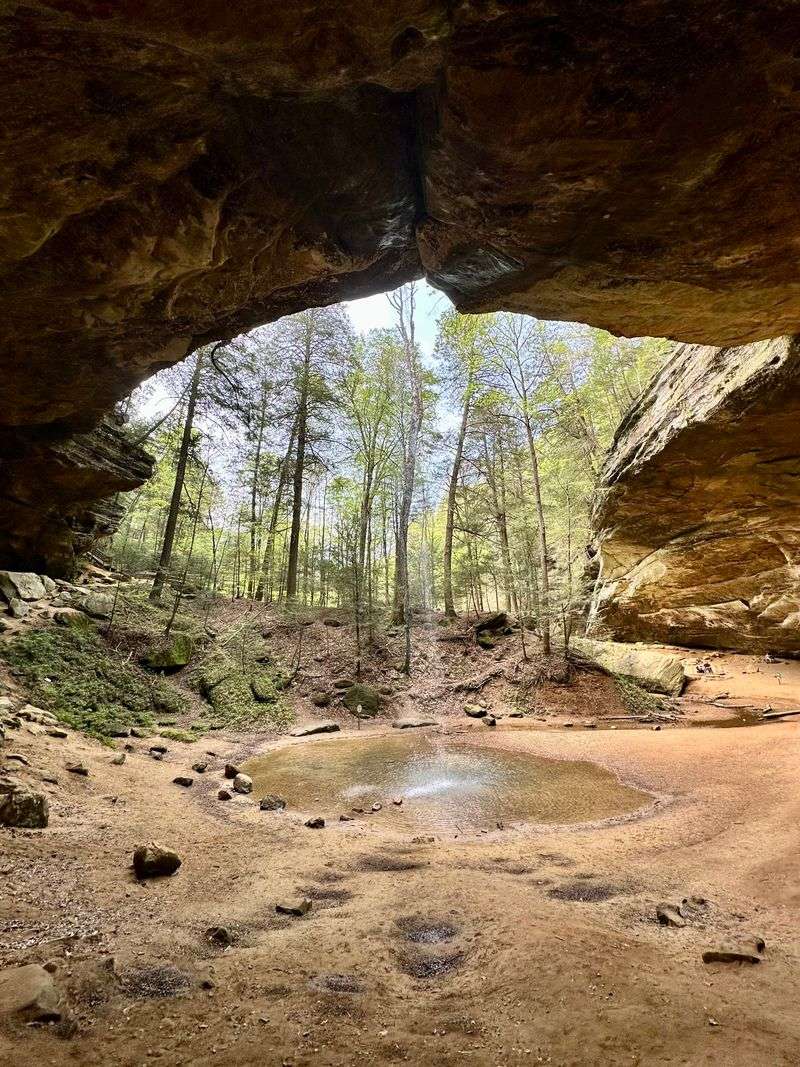
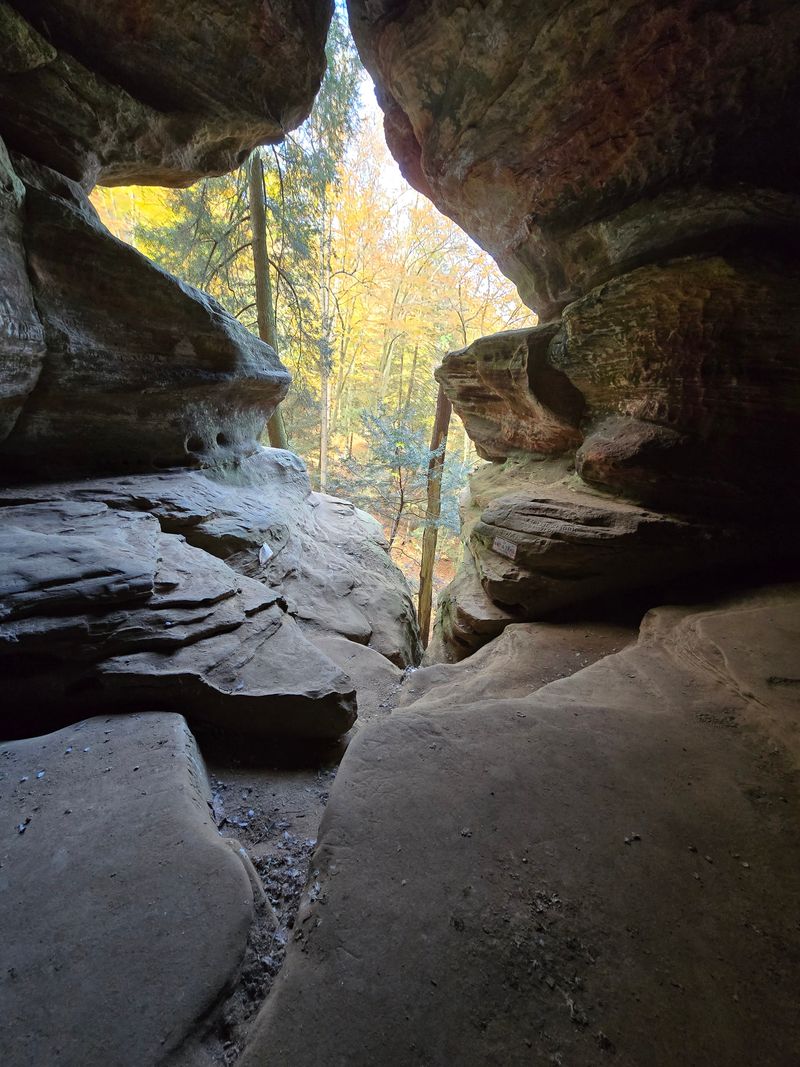
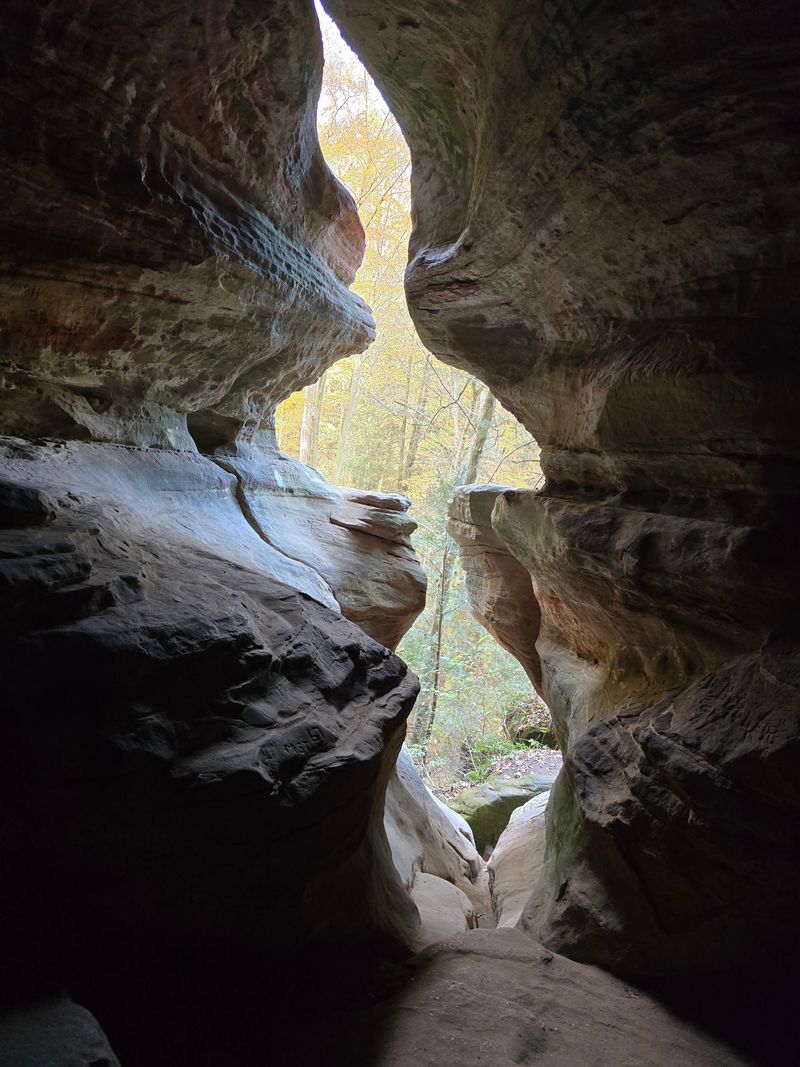
Rock House offers a different experience, leading hikers into a tunnel-like cave with window-like openings carved by wind and water. Ash Cave features a horseshoe-shaped recess with a waterfall that flows year-round, accessible via a paved path suitable for strollers and wheelchairs.
Each trail has its own character, and most visitors find themselves returning to explore routes they missed on earlier trips.
Trail maintenance here is exceptional, with clear signage and thoughtful design that minimizes erosion while preserving natural beauty. Visitors often remark on how well the paths balance accessibility with a sense of adventure, making the hills approachable for all fitness levels.
Unplug And Recharge At Hocking Hills State Park
Cell service becomes spotty once you enter the deeper sections of Hocking Hills State Park, and most visitors consider this a feature rather than a flaw. The park encompasses over 2,300 acres of protected forest, providing enough space to wander without encountering crowds, especially if you venture beyond the main attractions.
Benches placed along trails invite you to sit and simply listen to the woods.
Birdwatchers appreciate the diversity of species that nest in the mixed hardwood forest, while photographers find endless compositions in the interplay of light, stone, and foliage. The park’s design encourages slow exploration rather than quick selfies, with interpretive signs offering context about geology and ecology without overwhelming the experience.
Many locals treat the park as a free therapy session, arriving with a thermos of coffee and a journal to spend a few hours alone with their thoughts. The environment supports this kind of introspection, offering just enough stimulation to keep the mind engaged without demanding constant attention.
Hocking Hills’ Hidden Waterfalls
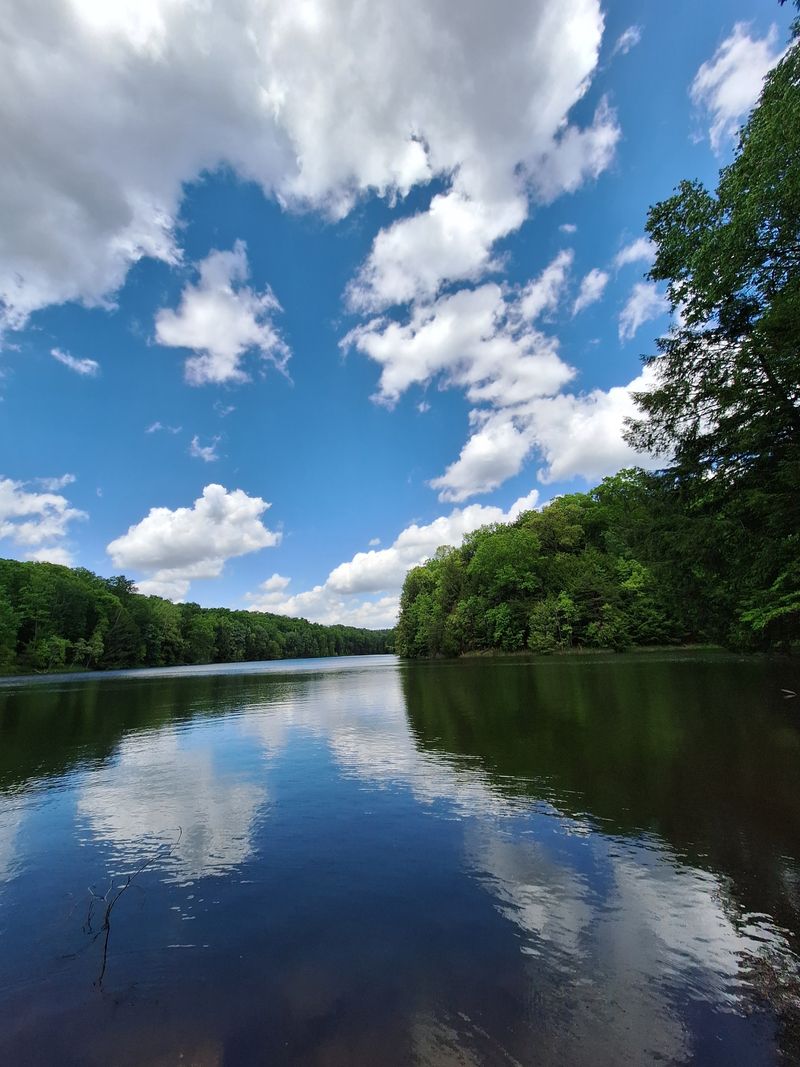
Cedar Falls ranks among the most photographed waterfalls in Ohio, but the real magic lies in discovering smaller cascades tucked into side gorges and seasonal streams. Water flow varies dramatically depending on recent rainfall, with spring offering the most dramatic displays and late summer revealing the geological structure beneath.
The sound of falling water creates a natural white noise that drowns out mental chatter.
Reaching some of these falls requires scrambling over rocks or following unmarked paths that local hikers share through word of mouth. Others, like the cascade at Ash Cave, are accessible to anyone willing to walk a quarter mile on flat ground.
The waterfalls here are not towering giants but intimate features that reward close observation.
Photographers should arrive early to capture the soft light that illuminates the gorges before noon. The mist from the falls creates a microclimate that keeps the surrounding vegetation lush even during dry spells, and moss-covered rocks add texture to every composition.
Cozy Cabins In Hocking Hills For Disconnecting
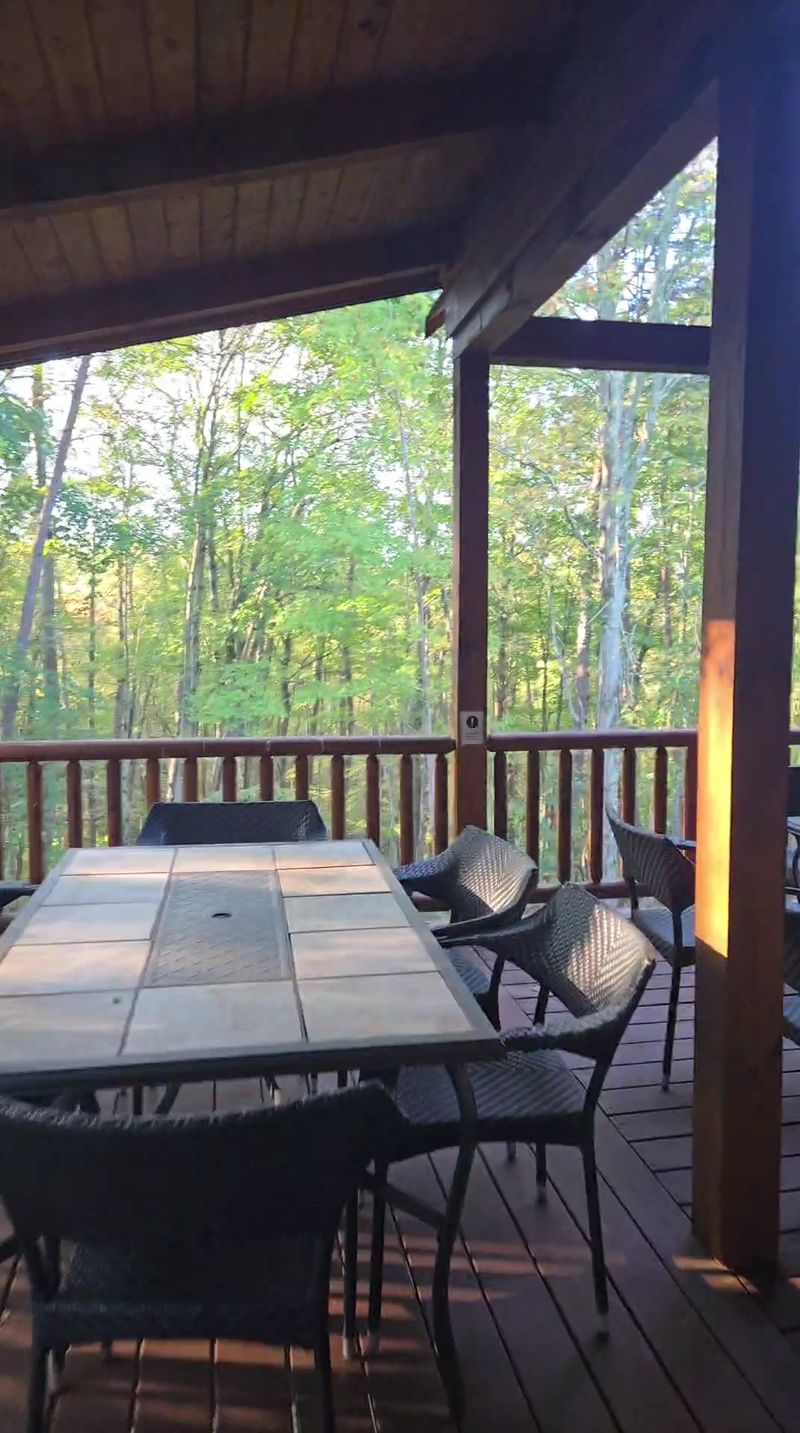
Rental cabins scattered throughout the hills offer a level of privacy that hotels cannot match, with many perched on ridges or nestled in wooded hollows where the only sounds are wind and wildlife. These structures range from rustic one-room shelters to spacious lodges with hot tubs and stone fireplaces, catering to different budgets and group sizes.
Booking well in advance is essential, especially for autumn weekends when foliage draws visitors from across the region.
Most cabins come equipped with full kitchens, allowing guests to prepare meals and avoid the need to drive back into town. Porches and decks extend living space outdoors, providing spots to read, nap, or watch the sun set over the canopy.
Some properties include fire pits and outdoor seating areas designed for evening conversation.
Locals often rent cabins as a way to experience the hills overnight without camping, appreciating the comfort of a real bed after a day of hiking. The isolation these cabins provide makes them ideal for digital detoxes or creative retreats.
Why Locals Head To Hocking Hills For Solitude
Residents of nearby towns like Logan and Athens treat Hocking Hills as their personal sanctuary, visiting not for special occasions but as part of regular self-care routines. The proximity makes it feasible to spend a few hours walking trails before work or to escape for an afternoon when stress levels rise.
Unlike destination vacations that require planning and expense, the hills offer immediate relief.
Solitude here does not mean complete isolation but rather the ability to move through space without negotiating crowds or noise. Even on busy days, the network of trails disperses visitors enough that you can find pockets of quiet.
The landscape absorbs sound, and the scale of the rock formations dwarfs human presence in a way that puts daily concerns into perspective.
Many locals speak of the hills with a protective affection, appreciating that the area has resisted overdevelopment and maintained its character. This consistency makes it a reliable refuge, a place that remains unchanged even as other aspects of life shift and evolve.
Camping Under The Stars In Hocking Hills
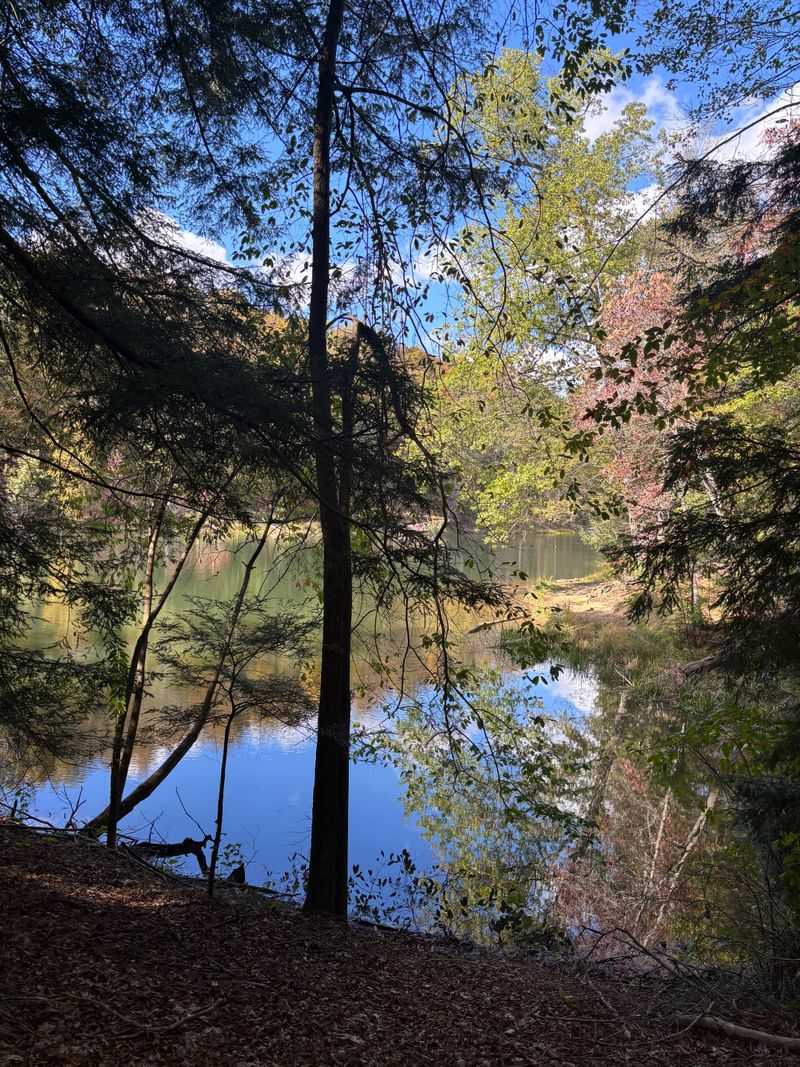
Campgrounds in Hocking Hills provide a more immersive experience than cabin rentals, placing visitors directly into the rhythms of the forest. Sites range from primitive backcountry spots accessible only by foot to developed campgrounds with electric hookups and shower facilities.
The state park campground fills quickly during peak season, but private campgrounds nearby offer alternatives with varying levels of amenities.
Nighttime in the hills reveals a sky largely free from light pollution, allowing constellations and the Milky Way to emerge with unusual clarity. Campfires become social centers, and the absence of electronic distractions encourages conversation and storytelling.
Morning arrives with birdsong and the smell of dew-soaked earth, providing a gentle transition into the day.
Campers should prepare for temperature swings, as gorges and valleys can be significantly cooler than surrounding areas. Layered clothing and a quality sleeping bag make the difference between a memorable night and a miserable one.
Respect for quiet hours and leave-no-trace principles keeps the campgrounds pleasant for everyone.
Scenic Drives Through Hocking Hills
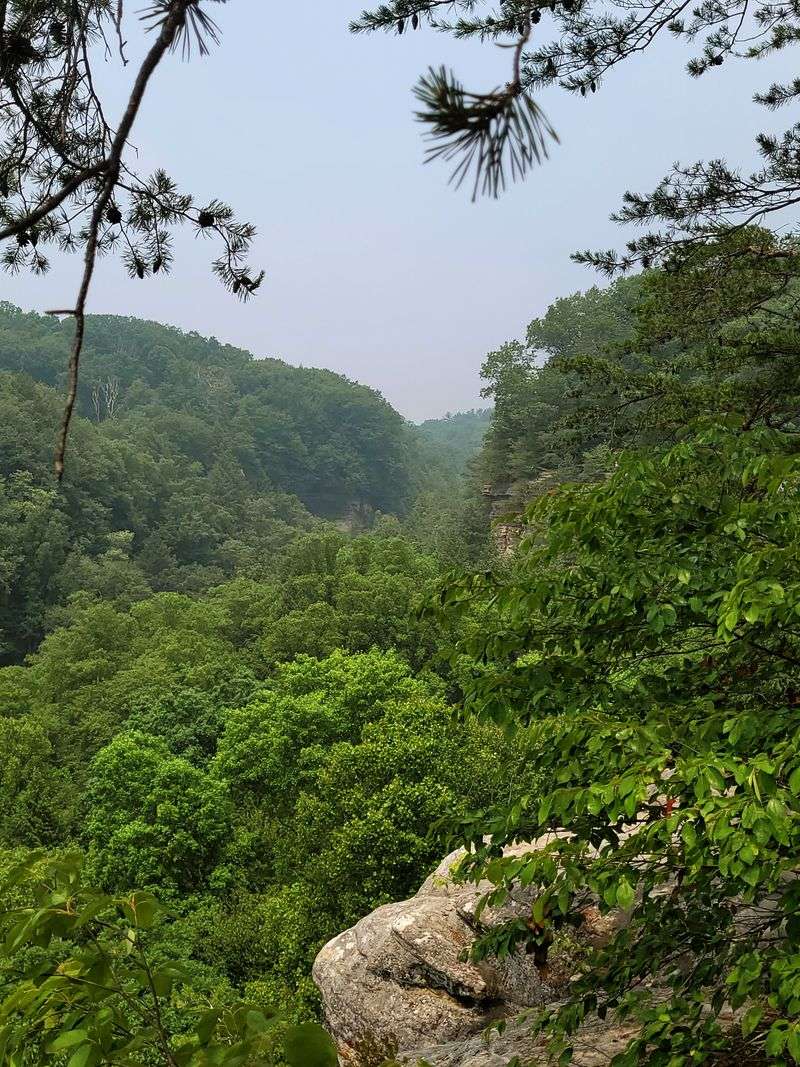
State Route 374 and the surrounding back roads offer an alternative way to experience the hills, especially for those unable to hike or simply wanting a slower pace. These routes wind through farmland and forest, passing roadside overlooks and small communities that seem unchanged by decades.
Fall foliage transforms the drive into a moving canvas of rust, gold, and crimson, while spring brings wildflowers and fresh green growth.
Several pull-offs provide opportunities to stop and take in views without committing to a full hike. The drive between Logan and the various trail parking areas takes about thirty minutes at a leisurely pace, with curves and elevation changes that keep the scenery interesting.
Local farms occasionally set up roadside stands selling honey, preserves, and seasonal produce.
Driving through the hills at dawn or dusk increases the likelihood of spotting deer, wild turkey, and other wildlife. The roads are well-maintained but narrow in places, requiring attention and patience, especially when sharing the route with cyclists or slow-moving farm equipment.
Hocking Hills: A Reset Destination Year-Round
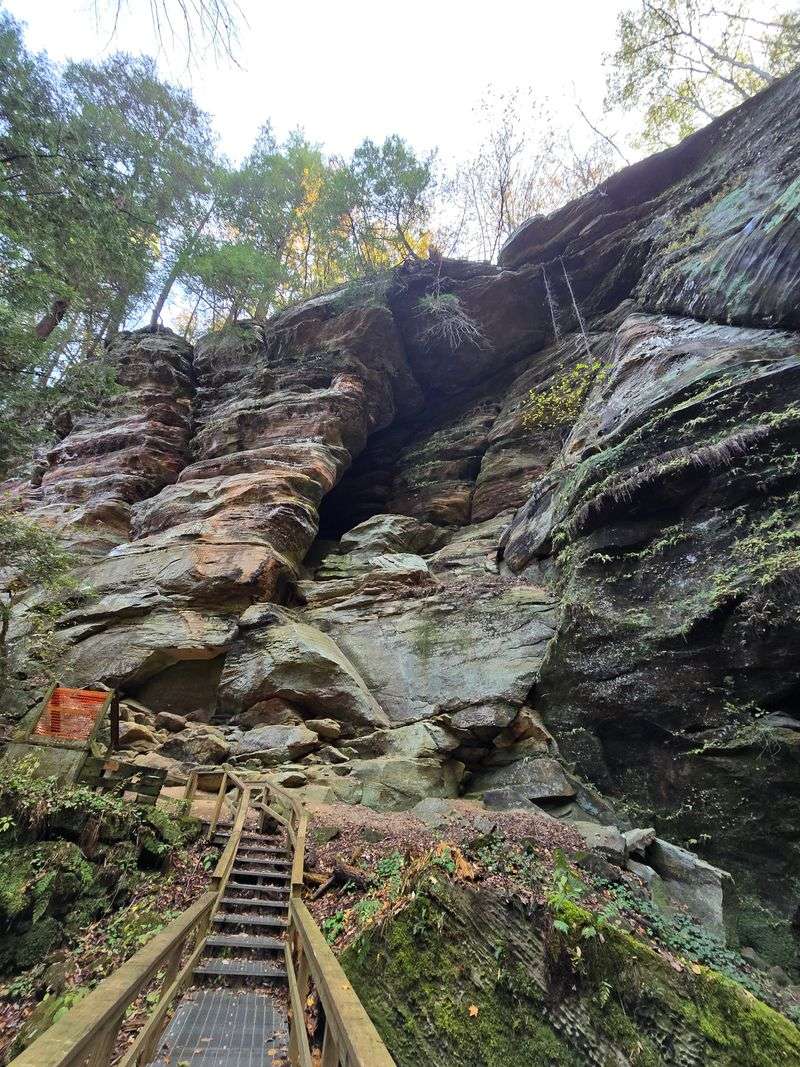
Each season brings a distinct personality to Hocking Hills, ensuring that repeat visits never feel redundant. Winter transforms waterfalls into ice sculptures and coats rock faces with frost, creating a stark beauty that appeals to photographers and solitude-seekers.
Spring arrives with wildflowers carpeting the forest floor and water levels at their peak, making cascades more dramatic.
Summer provides dense shade and cooler temperatures in the gorges, offering relief from the heat that bakes the surrounding farmland. Autumn draws the largest crowds but justifies the attention with a color display that rivals any in the Midwest.
Each season requires different preparation, from ice cleats in winter to bug spray in summer, but none is inherently better than another.
Locals often have a favorite season for visiting, though opinions vary widely. The year-round accessibility means the hills can serve as a reset button whenever needed, adapting to the rhythms of personal life rather than dictating when a visit should occur.
Local Favorites In Hocking Hills
Beyond the well-known trails, locals gravitate toward spots that receive less attention but offer equal beauty. Conkle’s Hollow features the deepest gorge in Ohio, with rim and gorge trails that provide dramatically different perspectives of the same landscape.
The area’s microclimate supports plant species rarely found elsewhere in the state, including Canada yew and hemlock.
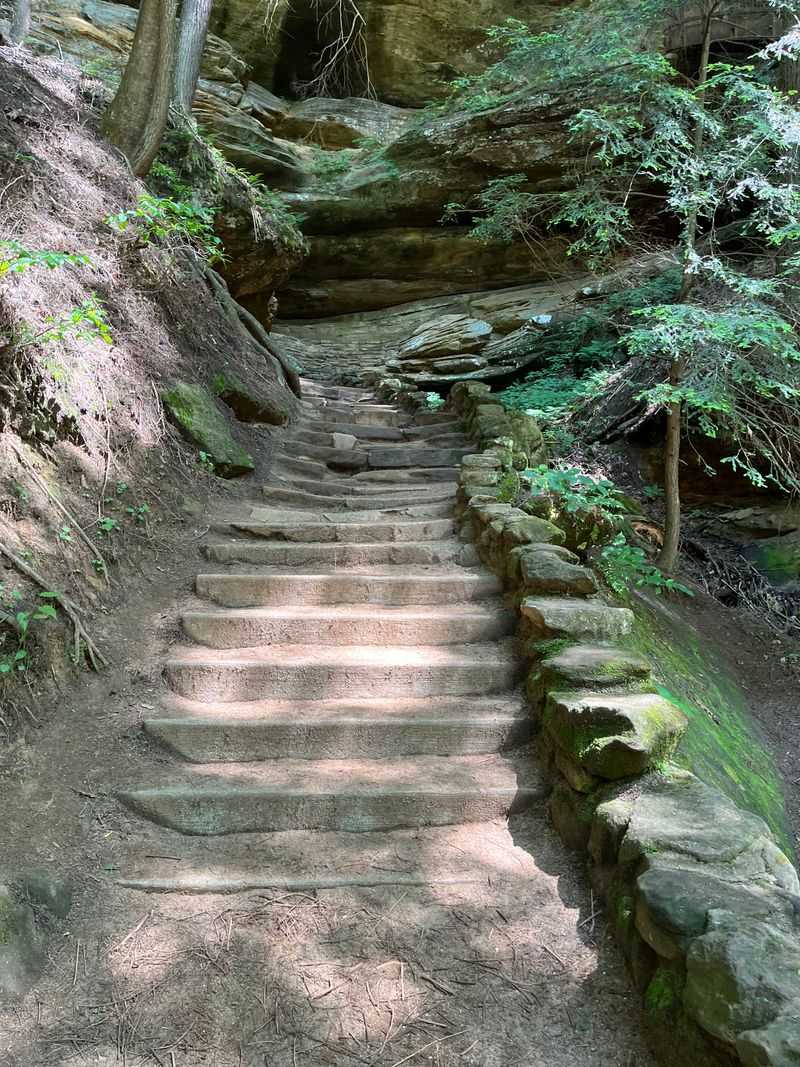
Cantwell Cliffs, located in the southern section of the park, sees fewer visitors despite offering some of the most interesting rock formations. The trail here includes narrow passages and stone steps that add a sense of adventure without requiring technical skills.
Rock formations create natural windows that frame views of the surrounding forest.
Local hikers also recommend exploring the connecting trails between major sites, which often provide the most solitude and the best chance to observe wildlife. These paths require more time and navigation skills but reward the effort with a sense of discovery that the main attractions cannot match.
The Perfect Day Trip To Hocking Hills
A well-planned day trip to Hocking Hills typically begins early, ideally arriving at the first trailhead by eight in the morning to secure parking and experience the trails before crowds arrive. Old Man’s Cave serves as a logical starting point, offering a loop that showcases caves, waterfalls, and gorge scenery in under two hours.
From there, a short drive leads to Ash Cave for a gentler walk suitable for cooling down.
Packing a lunch allows you to picnic at one of the designated areas rather than spending time searching for restaurants, which are limited near the park. Afternoon can be devoted to either Rock House or Cedar Falls, depending on energy levels and interest.
Both require moderate effort but provide distinct experiences worth the investment.
Columbus residents can make the drive in about an hour, making Hocking Hills an accessible escape that requires no overnight stay. Bringing layers, water, and a camera ensures you are prepared for changing conditions and memorable moments.
The day concludes with a scenic drive home, tired but restored.