
The Peaceful South Carolina Town That Tourists Always Miss
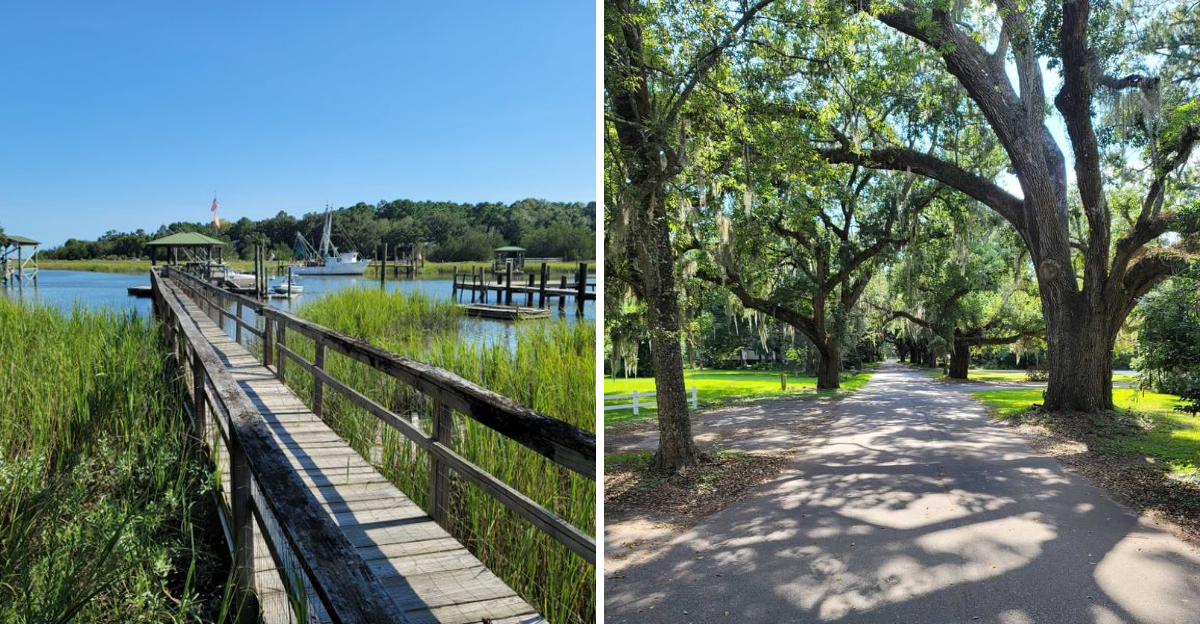
McClellanville sits quietly along South Carolina’s coast, a small fishing village that most travelers rush past on their way to busier destinations.
With just over 600 residents and miles of unspoiled marsh and forest, this Charleston County gem offers something rare: authentic coastal life without the crowds.
If you’re looking for a place where shrimp boats still work the waters and live oaks shade historic streets, this peaceful town deserves a spot on your map.
Gateway To Cape Romain’s Wild Coast
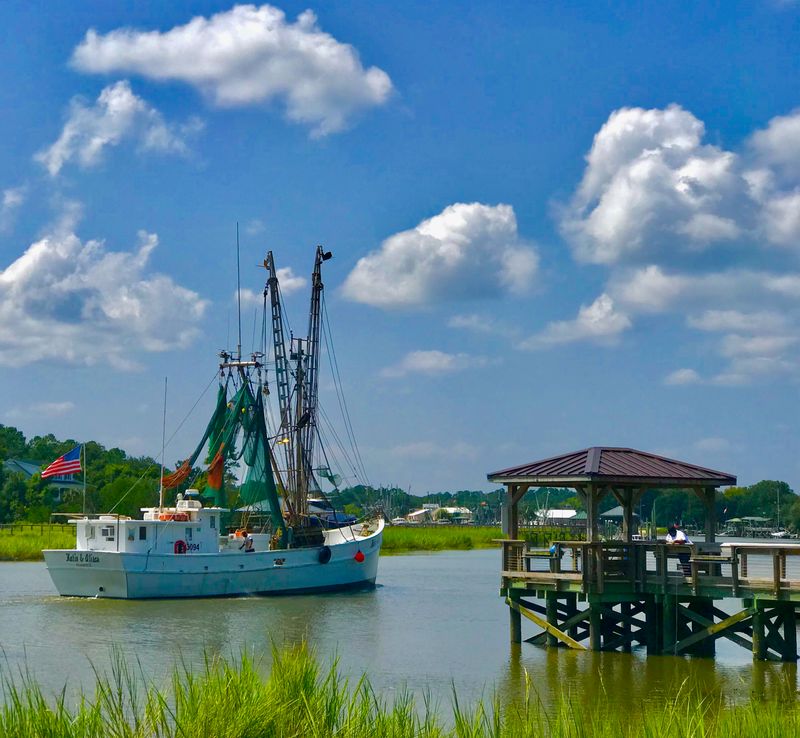
McClellanville serves as the main access point to Cape Romain National Wildlife Refuge, one of the Southeast’s most pristine coastal preserves.
The refuge stretches across 66,000 acres of barrier islands, salt marshes, and maritime forests that remain largely untouched by development.
Most visitors never realize this quiet fishing village holds the key to such wild beauty.
From town, you can arrange boat access to remote islands where loggerhead turtles nest and dolphins patrol the shallows.
The refuge feels like stepping back centuries, offering solitude that’s increasingly hard to find along developed coastlines.
Bulls Island: Ferry In, Crowds Out
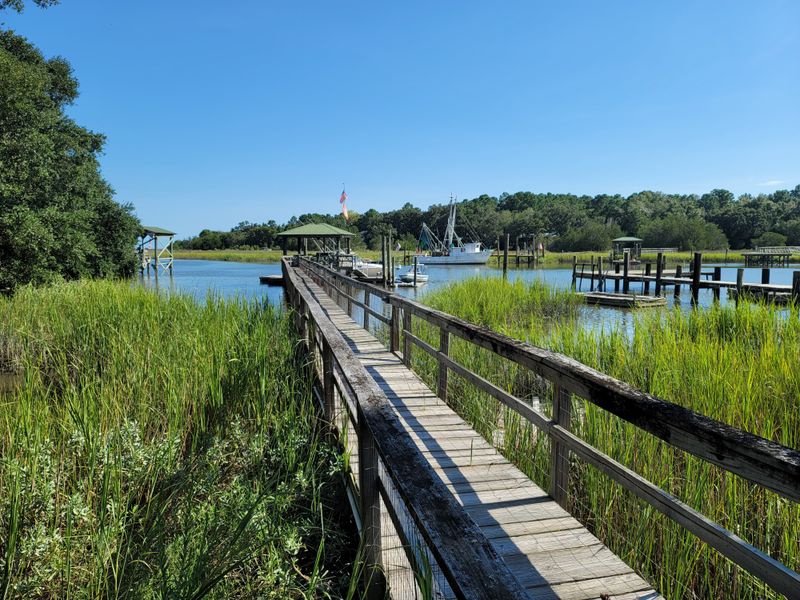
Bulls Island stands as Cape Romain’s crown jewel, accessible only by ferry from nearby Garris Landing.
The island remains gloriously undeveloped, with sixteen miles of trails winding through maritime forest and along untouched beaches.
Passenger ferries run on limited schedules, naturally controlling visitor numbers and preserving the island’s peaceful character.
Once you step off the boat, you’re surrounded by wild landscapes where alligators sun themselves and painted buntings flash through palmetto groves.
The island’s remoteness keeps it off most tourist itineraries, which is precisely what makes it extraordinary.
Boneyard Beach’s Driftwood Silence
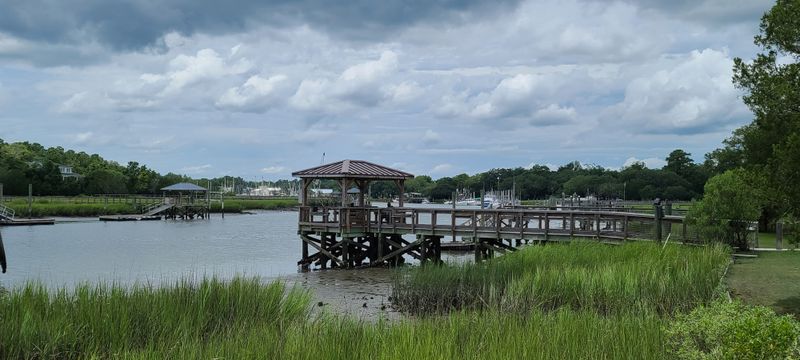
Boneyard Beach stretches along Bulls Island’s northern shore, where decades of erosion have created a haunting landscape of bleached tree skeletons.
Salt-killed oaks and pines lie scattered across the sand, their silvered branches reaching skyward in sculptural formations.
The beach feels almost otherworldly in its stark beauty, especially during golden hour when long shadows stretch across the sand.
Photographers find endless compositions here, though many visitors simply sit quietly among the driftwood, listening to waves and watching shorebirds.
Nature’s slow reclamation of the forest creates unexpected poetry.
A Strollable Historic District Under Live Oaks
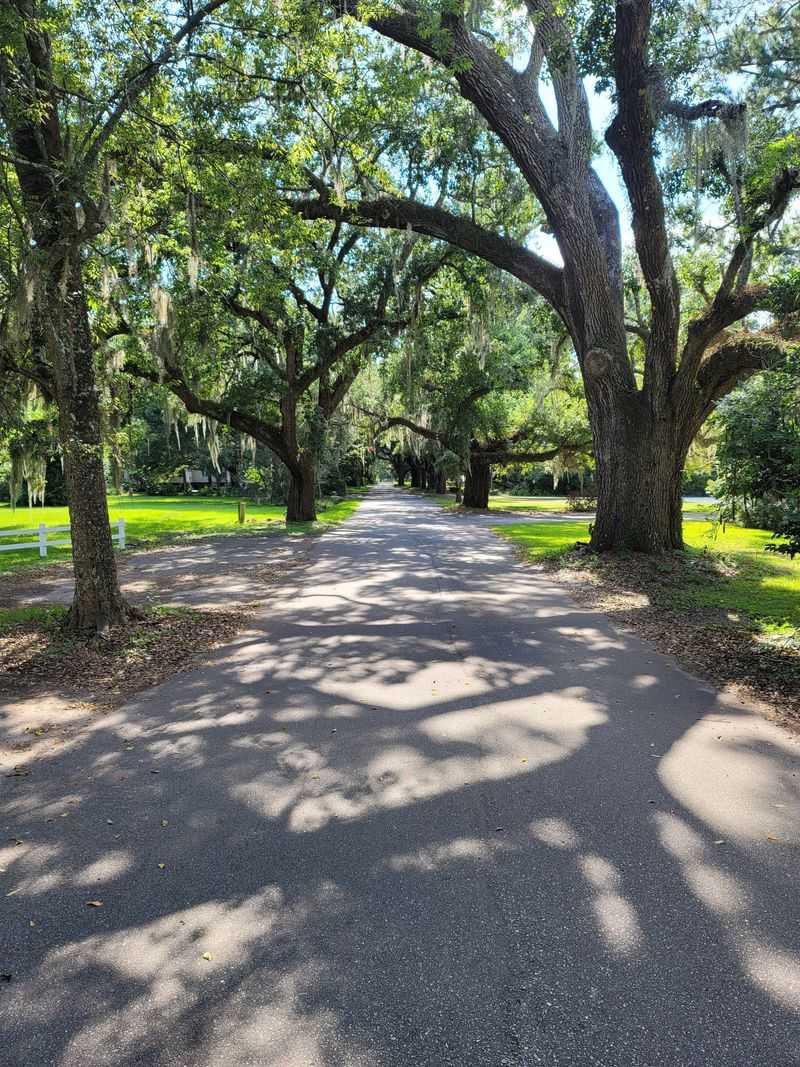
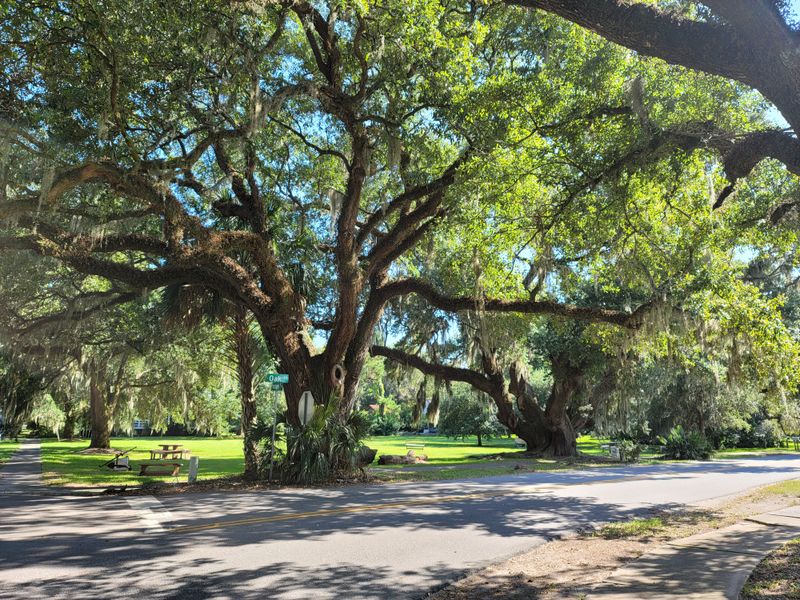
McClellanville’s historic district covers just a few blocks, but those blocks pack considerable charm beneath their canopy of ancient live oaks.
The town developed in the 1850s as a summer retreat for Lowcountry planters seeking coastal breezes away from malarial rice fields.
Walking these quiet streets today, you’ll pass well-preserved homes and churches that speak to simpler times.
Pinckney Street and Oak Street form the heart of the district, where Spanish moss drapes from massive branches and front porches invite lingering.
The entire area can be explored in less than an hour.
Sunrise On The Docks Hits Different Here
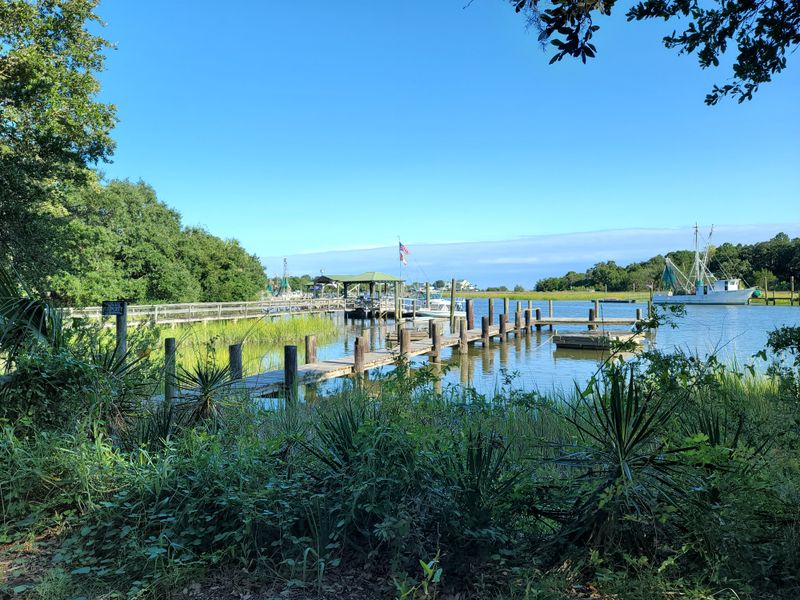
McClellanville’s working docks come alive before most tourists even consider breakfast.
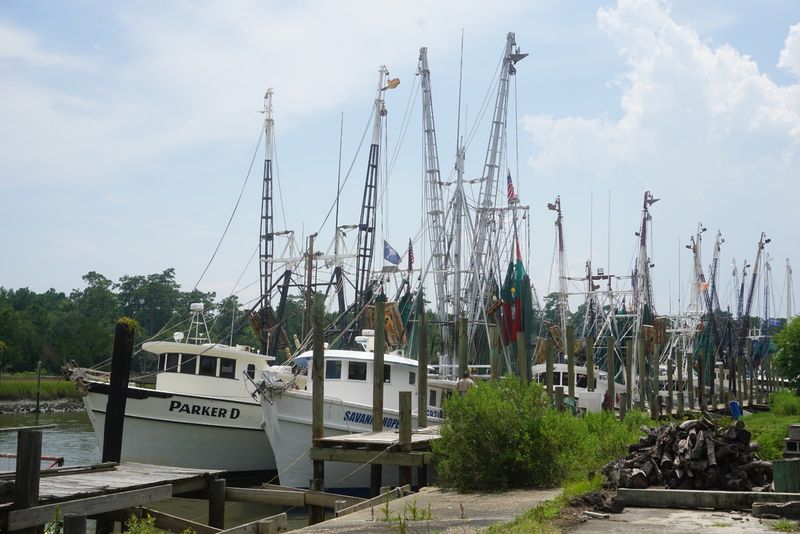
Shrimp boats prepare for the day’s work while pelicans perch on pilings, waiting for scraps and surveying the marsh with patient eyes.
Watching sunrise from these docks offers something resorts can’t replicate: the sight of a fishing village doing what it’s done for generations.
The light spreads slowly across Jeremy Creek, turning the water golden and silhouetting boats against the brightening sky.
Local fishermen nod greetings but don’t interrupt the morning’s quiet grace. It’s authentic coastal life, unpackaged and unhurried.
Kayak Marsh Creeks For Instant Quiet
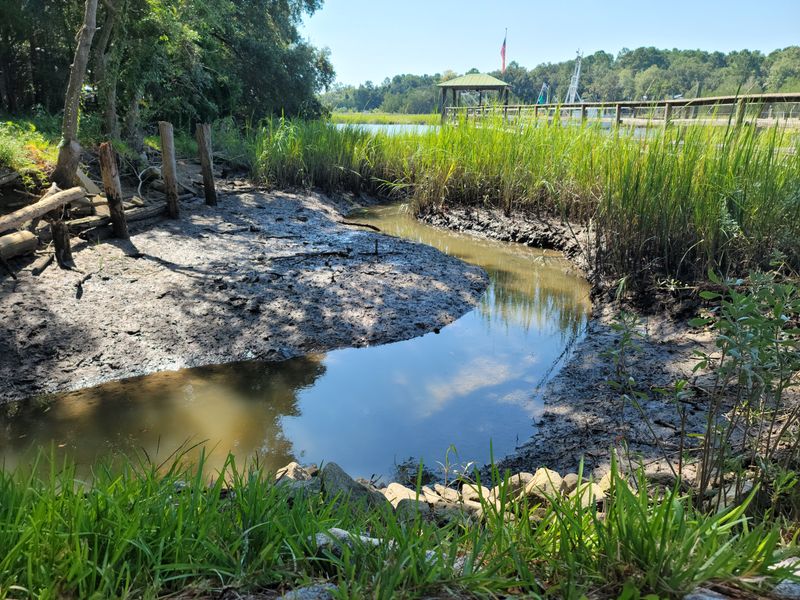
The tidal creeks threading through McClellanville’s surrounding marshes offer paddlers immediate access to profound stillness.
You can launch from several public points and within minutes find yourself gliding through narrow waterways flanked by shoulder-high spartina grass.
The marsh ecosystem reveals itself slowly to patient observers: fiddler crabs scuttling across mud banks, egrets stalking the shallows, oyster beds exposed at low tide.
Time moves differently here, measured by tidal rhythms rather than clock hands.
Many visitors report these quiet paddles as their most memorable experiences, better than any crowded beach or tourist attraction.
Birdwatching That Feels Like Meditation
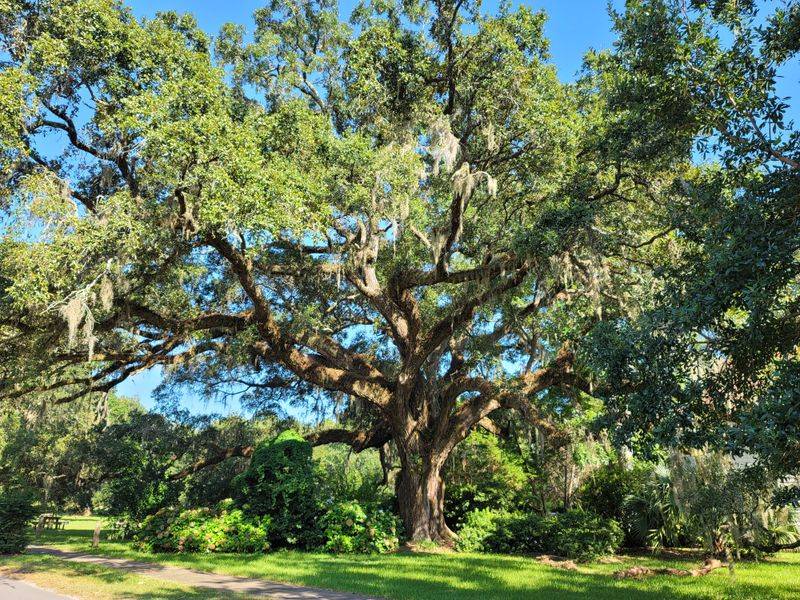
The marshes and maritime forests around McClellanville attract serious birders and casual observers alike.
Over 250 species have been documented in Cape Romain refuge, from tiny painted buntings to massive wood storks.
What makes birdwatching here special isn’t just the variety but the contemplative pace it encourages.
Standing quietly in marsh grass or beneath oak canopies, waiting for movement and color, naturally slows your breathing and quiets mental chatter.
Roseate spoonbills occasionally visit, their improbable pink plumage seeming almost fictional against green marsh.
Even non-birders find themselves drawn into this patient, attentive way of experiencing landscape.
Hugo’s Resilience Is Part Of The Story
Hurricane Hugo slammed into McClellanville in September 1989, bringing a seventeen-foot storm surge that devastated the small town.
Residents took shelter in the Lincoln High School gymnasium, where rising water trapped them until rescue came.
The community’s recovery and resilience became part of its identity, though locals don’t dwell on tragedy.
Buildings were rebuilt, boats repaired, and life continued with characteristic Lowcountry determination.
Understanding this history adds depth to any visit, revealing the strength beneath the town’s quiet surface.
McClellanville survived and maintained its character, refusing to disappear or fundamentally change.
Small Museum, Big Sense Of Place
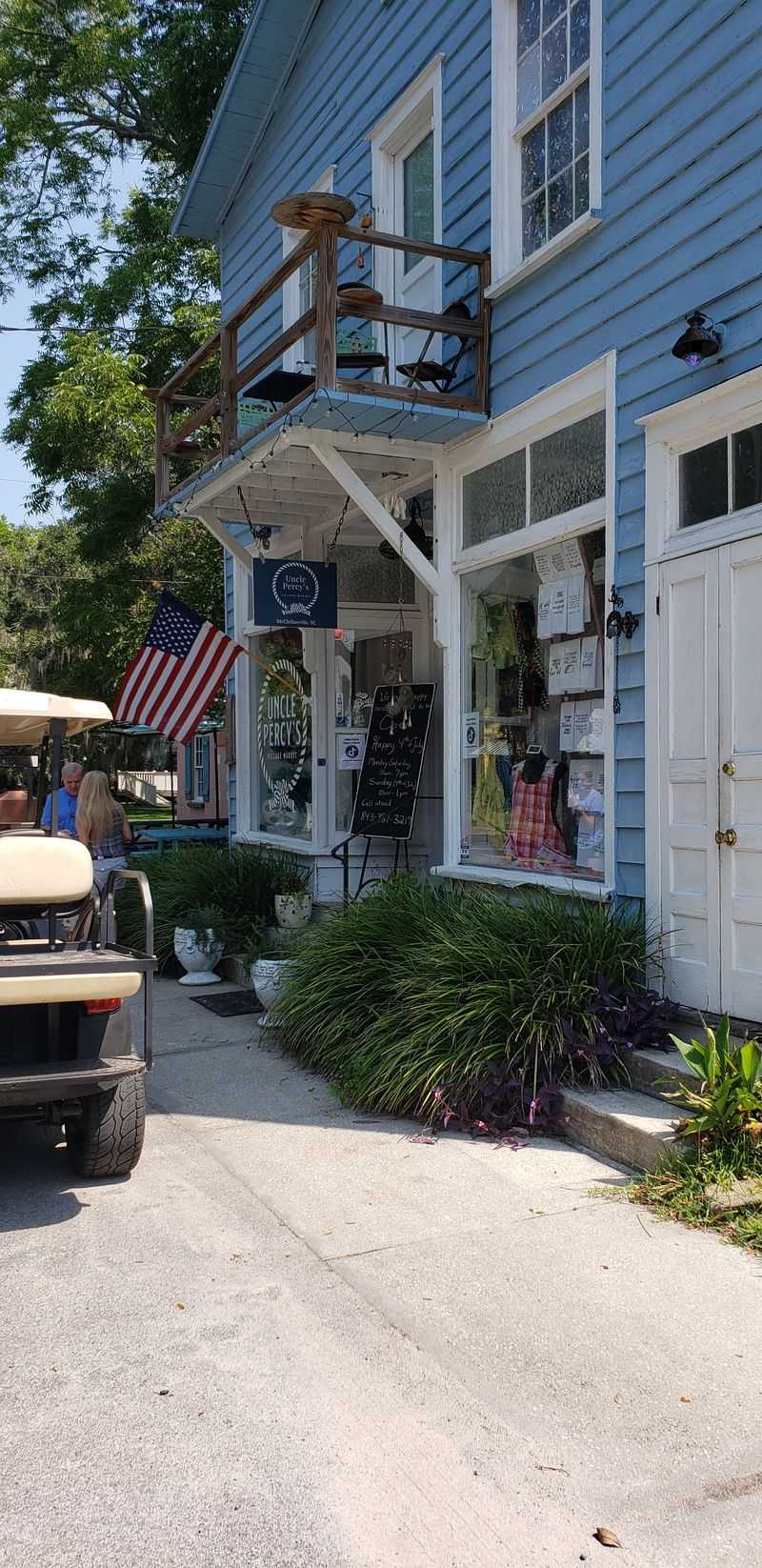
The McClellanville Arts Council operates a modest museum documenting local history, from Native American settlements through the shrimping industry’s heyday.
The collection isn’t large, but it’s carefully curated and genuinely informative.
Exhibits cover Hugo’s impact, the town’s development as a planter retreat, and the commercial fishing traditions that still define the community.
Volunteers staff the space, often sharing personal stories that bring displays to life.
You won’t spend hours here, but you’ll leave with real understanding of what makes this place distinct.
The museum occupies a historic building on Pinckney Street, appropriately humble and welcoming.
Forest-And-Marsh Trails Right Nearby
Several trails within easy reach of McClellanville offer excellent hiking through representative Lowcountry ecosystems.
The Ion Swamp Trail and others in Francis Marion National Forest wind through bottomland hardwoods and pine forests recovering from Hugo’s damage.
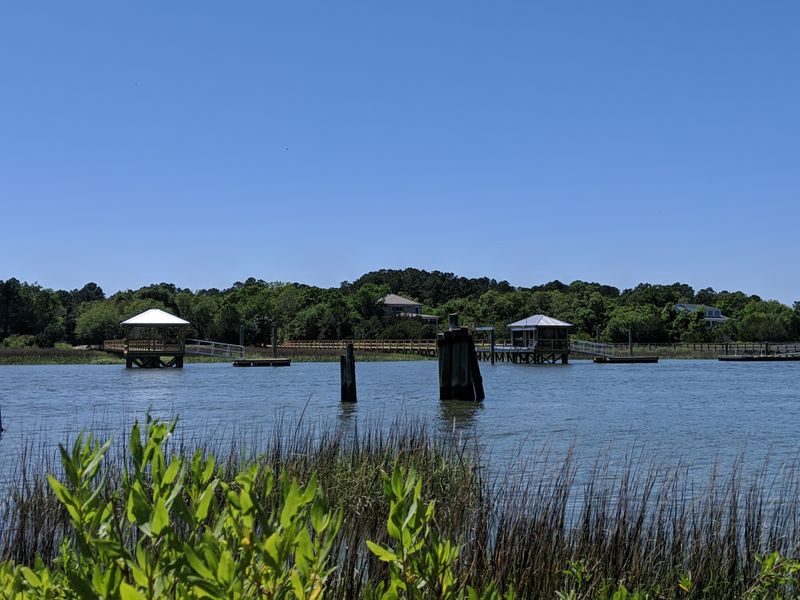
Closer to town, marsh-edge trails provide level walking with expansive water views.
These paths rarely see crowds, even during peak seasons when coastal parks overflow with visitors.
The hiking isn’t strenuous, but it’s deeply restorative, offering the kind of quiet immersion in nature that’s become precious and rare.
Proper footwear helps, as some sections can be muddy.
Respect The Town: Visit Gently, Leave No Trace
McClellanville remains a working fishing village, not a tourist attraction designed for your entertainment.
The town’s appeal lies precisely in its authentic, unhurried character, which can only be preserved if visitors approach with respect.
Walk quietly through residential areas, support local businesses when possible, and remember that people actually live here year-round.
Dispose of trash properly, stay on designated trails, and don’t trespass on private docks or property.
The town doesn’t ask for much, just thoughtful behavior that honors its peaceful nature.
If tourists overrun and change McClellanville, we’ll all lose something irreplaceable.
Practical Details Worth Knowing
McClellanville sits about an hour north of Charleston along Highway 17, easy to reach but often overlooked.
The town offers limited lodging options, mostly vacation rentals, so planning ahead helps.
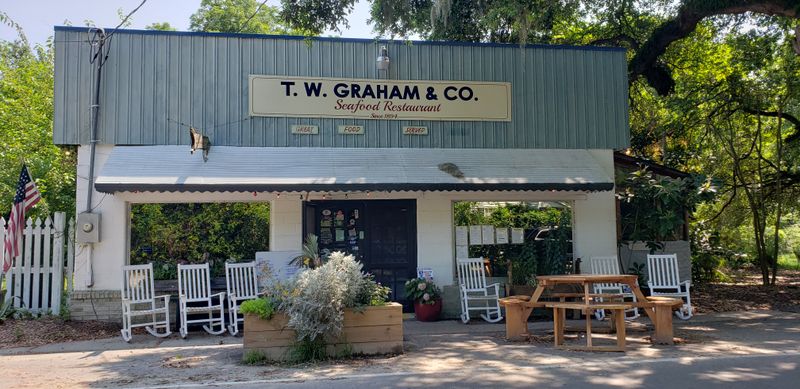
A few local restaurants serve excellent seafood, often featuring the day’s catch from nearby boats.
The town’s official website provides current information about visiting Cape Romain and Bulls Island ferry schedules.
Cell service can be spotty in remote areas, so download maps beforehand.
McClellanville’s location at 33.087871, -79.4614012 places it perfectly for exploring South Carolina’s wildest remaining coastline without fighting resort crowds.