
The Peaceful Virginia Village That Tourists Often Overlook
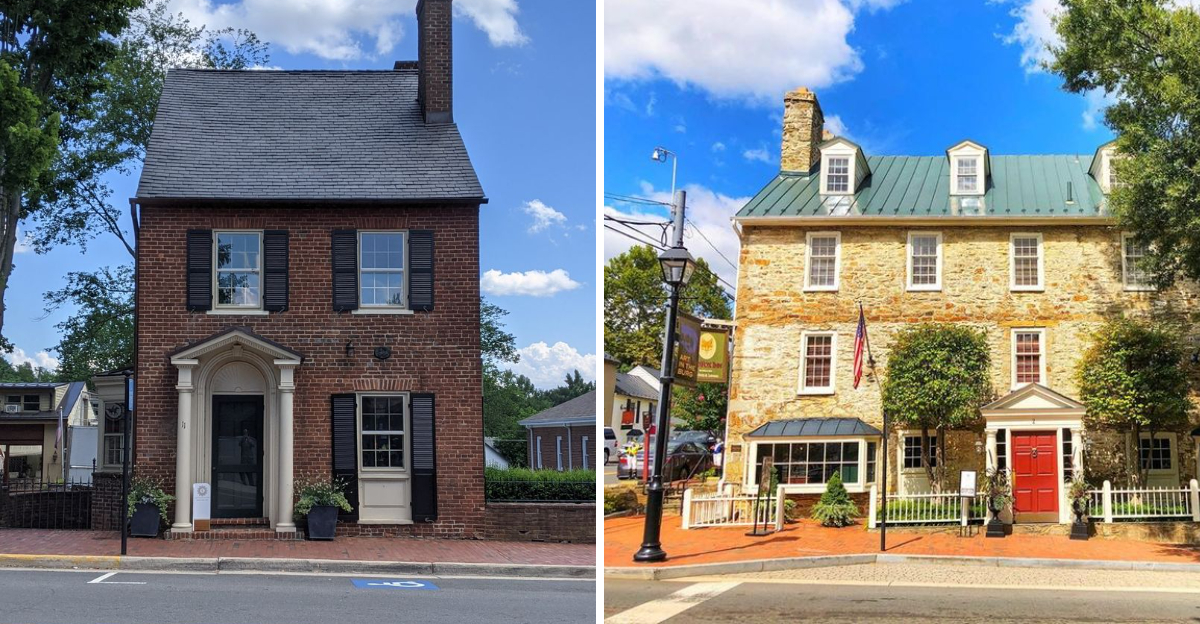
Middleburg sits quietly in the rolling hills of Loudoun County, Virginia, where foxhunting traditions and sprawling estates define the landscape more than tourist buses or crowded attractions.
Known as the Nation’s Horse and Hunt Capital, this village of fewer than 700 residents has preserved its character without chasing the spotlight that draws crowds to nearby destinations.
While travelers rush toward busier towns and popular wine trails, Middleburg remains unhurried, offering a glimpse of Virginia countryside life that feels both refined and genuine.
The village rewards those who slow down, wander its historic streets, and appreciate a place that has chosen charm over commerce.
A Historic Village In The Heart Of Virginia Horse Country
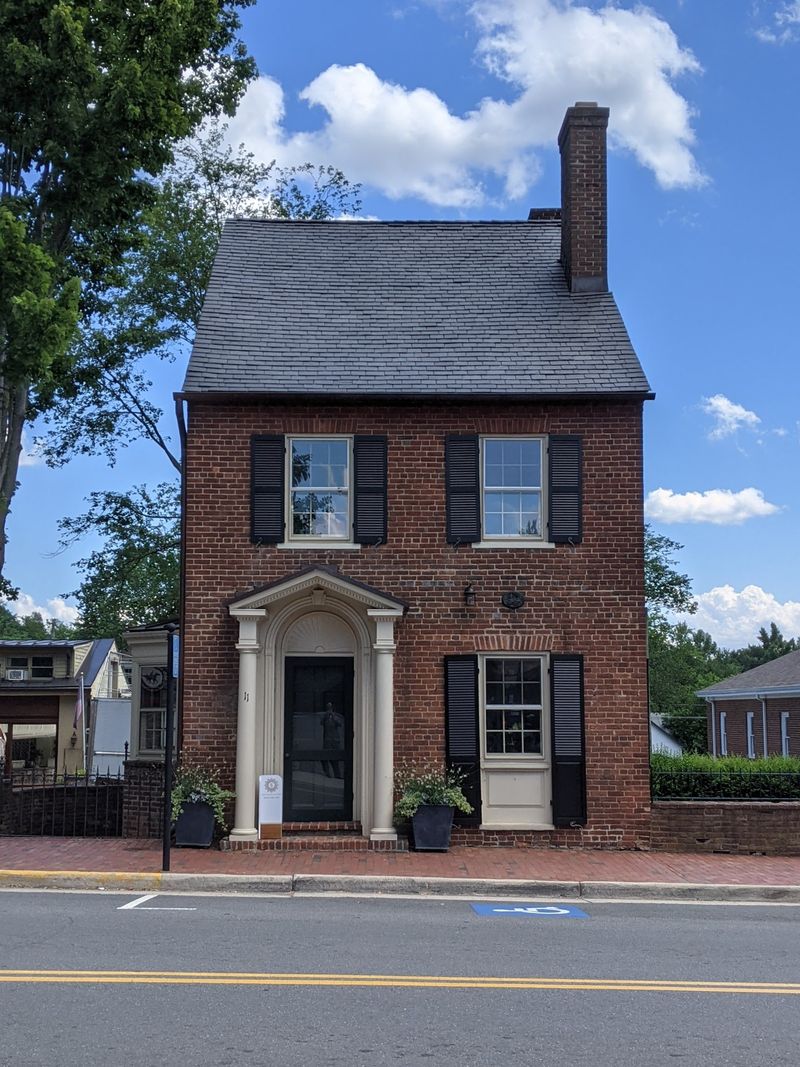
Middleburg’s location at 38.9685304, -77.73676619999999 places it squarely within one of Virginia’s most celebrated equestrian regions, where horse farms and hunt clubs have shaped the community for generations.
The village began as a crossroads settlement and evolved into a hub for foxhunting enthusiasts who valued the terrain and tradition.
Today, large estates with white-fenced paddocks surround the compact town center, creating a landscape that feels both pastoral and purposeful.
Visitors quickly notice the absence of chain stores and modern development that often erase small-town identity.
Instead, historic buildings line the streets, many dating back to the 18th and 19th centuries when the village served travelers moving between Washington and the Shenandoah Valley.
The architecture reflects a continuity of purpose, with structures that have been carefully maintained rather than replaced.
Foxhunting season brings a particular energy to Middleburg, though the village never feels overrun.
Steeplechase events and equestrian competitions draw participants and spectators who understand the culture, keeping the atmosphere respectful rather than rowdy.
This connection to horse country defines Middleburg without turning it into a theme park version of itself.
Quieter Than Nearby Tourist-Focused Towns
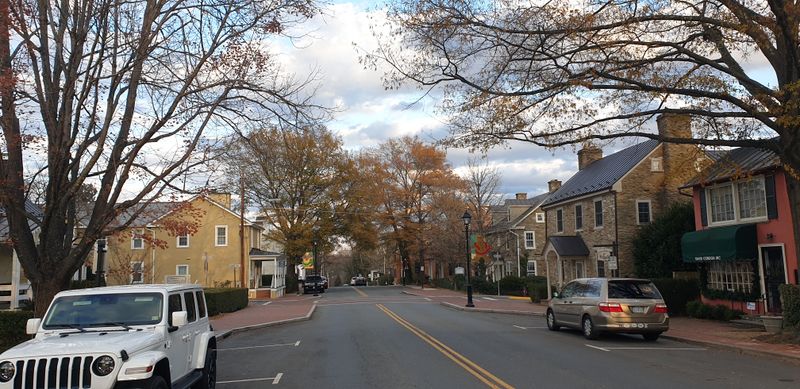
Many Virginia destinations have leaned heavily into tourism, building their economies around constant visitor traffic and seasonal surges.
Middleburg has resisted that temptation, maintaining a population of 673 as of the 2010 census and an atmosphere that prioritizes residents over revenue.
The difference becomes apparent within minutes of arrival, when the absence of tour groups and souvenir shops signals a different kind of place.
Weekdays in Middleburg unfold with a calm that feels intentional rather than accidental.
Local business owners greet familiar faces, and the pace of conversation suggests people have time to finish their thoughts.
Even during peak seasons, the village never reaches the saturation point that makes other towns feel like outdoor malls.
This quieter character appeals to travelers who have grown weary of manufactured charm and orchestrated experiences.
Middleburg offers no scavenger hunts, no trolley tours, no performers in period costume.
What it does offer is the uncommon pleasure of walking through a functional village where tourism exists as a supplement rather than the entire point, allowing visitors to observe rather than participate in a performance.
A Walkable Main Street With Timeless Charm
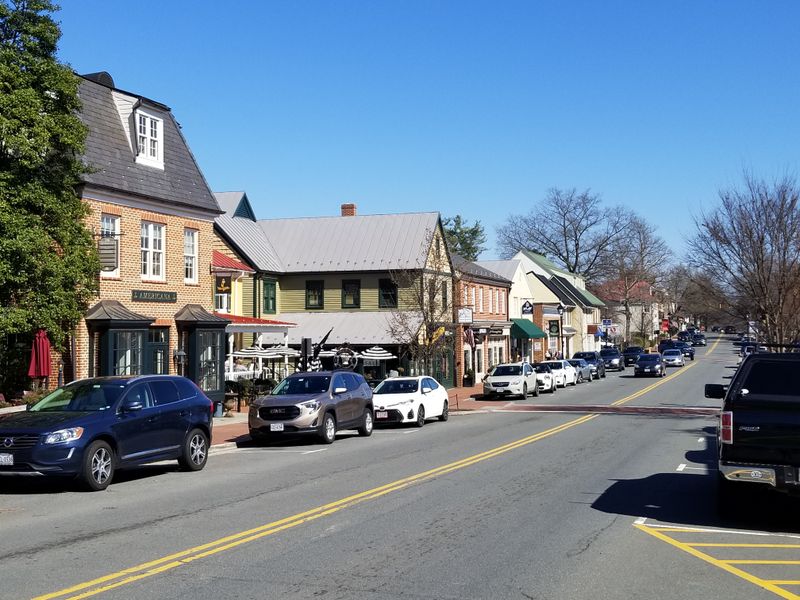
Washington Street forms the spine of Middleburg, running through the village center with a straightforward layout that requires no map or navigation app.
The street measures just a few blocks in length, making exploration a matter of strolling rather than strategizing.
Brick sidewalks and traditional storefronts create a visual consistency that feels cohesive without being contrived.
The scale of Main Street encourages lingering rather than rushing.
Shop windows display riding gear, antiques, and locally made goods without the aggressive signage that often clutters tourist districts.
Several historic inns anchor the street, their facades maintained in styles that reflect their original construction periods rather than modern interpretations of old-fashioned design.
Walking the length of Washington Street takes perhaps fifteen minutes at a leisurely pace, yet many visitors find themselves circling back multiple times.
The pleasure comes not from dramatic sights or landmark buildings, but from the accumulated details: window boxes, weathered brick, hand-painted signs.
This is a street designed for human movement rather than automobile traffic, though both coexist with surprising ease given the village’s compact footprint and light congestion.
Surrounded By Rolling Hills And Open Countryside
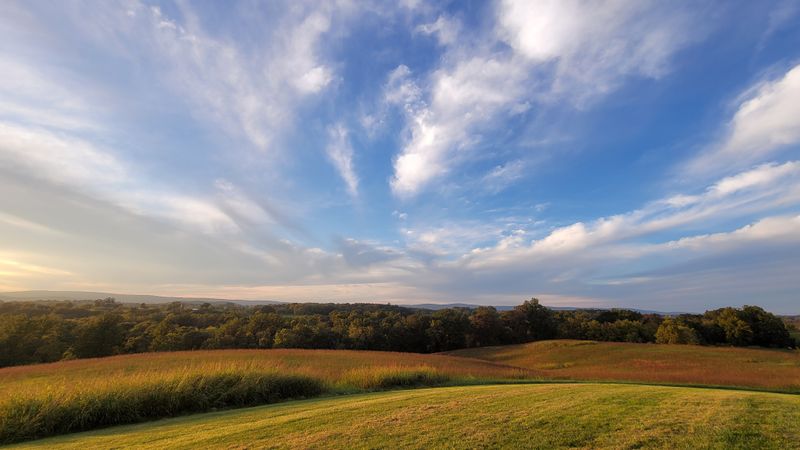
Geography has been generous to Middleburg, placing it amid terrain that rises and falls in gentle waves rather than flattening into monotony.
The countryside surrounding the village consists of open fields, wooded patches, and carefully maintained pastures that create a patchwork of greens and golds depending on the season.
This landscape has attracted horse enthusiasts for good reason, offering both beauty and practical space for riding and training.
Driving the roads that radiate from Middleburg reveals a rural character that has largely escaped suburban sprawl.
Stone walls and split-rail fences mark property boundaries, while long driveways lead to homes set well back from the road.
The Blue Ridge Mountains form a distant backdrop to the west, adding depth to views that already offer plenty of visual interest in the foreground.
Visitors seeking outdoor experiences beyond the village center find numerous options for hiking, cycling, and horseback riding.
The countryside feels accessible without being overdeveloped, with enough infrastructure to support exploration but not so much that nature feels tamed.
This balance between cultivation and wildness gives the area surrounding Middleburg much of its appeal to those seeking genuine rural landscapes.
Known For Horses, Not Heavy Tourism
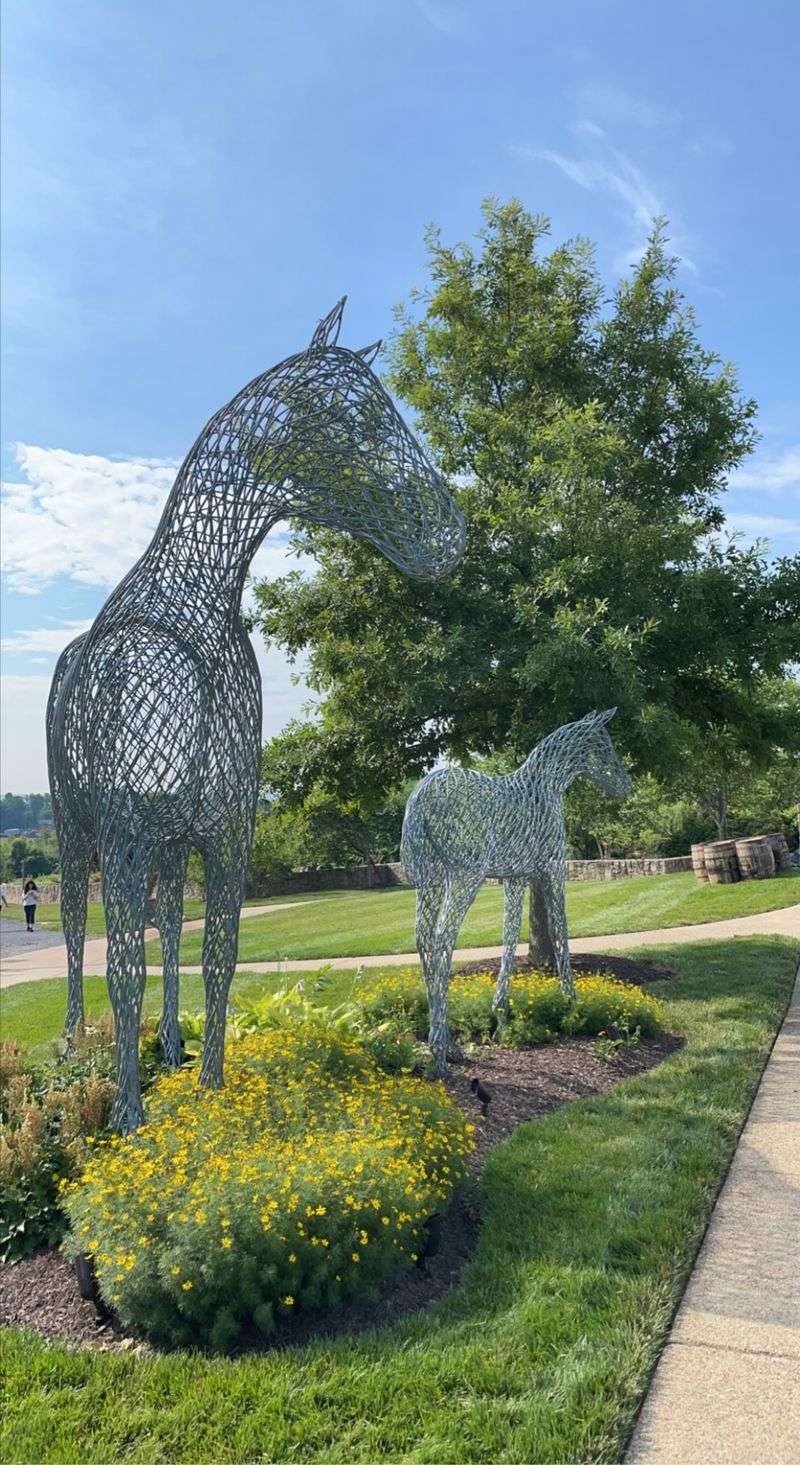
Equestrian culture permeates Middleburg in ways both obvious and subtle, from the tack shops on Main Street to the horse trailers parked outside village establishments.
The designation as the Nation’s Horse and Hunt Capital reflects decades of foxhunting tradition and steeplechase events that continue to define the community’s identity.
This focus on horses creates a specific atmosphere that appeals to enthusiasts while remaining comprehensible to outsiders.
Several hunt clubs maintain active memberships in the area, and autumn weekends often feature meets where riders in traditional attire gather before heading into the countryside.
Steeplechase races draw significant crowds during their scheduled events, but these occasions feel more like community gatherings than tourist spectacles.
The participants and spectators share a genuine interest in the sport rather than treating it as quaint entertainment.
Visitors without equestrian backgrounds can still appreciate the horse culture that shapes Middleburg.
Watching riders exercise their mounts on country roads or observing the meticulous maintenance of breeding farms offers insight into a lifestyle that prioritizes tradition and skill.
The village has built its reputation on this foundation rather than pursuing broader tourism markets, resulting in a destination with clear character and purpose.
Local Shops And Inns Over Big Attractions
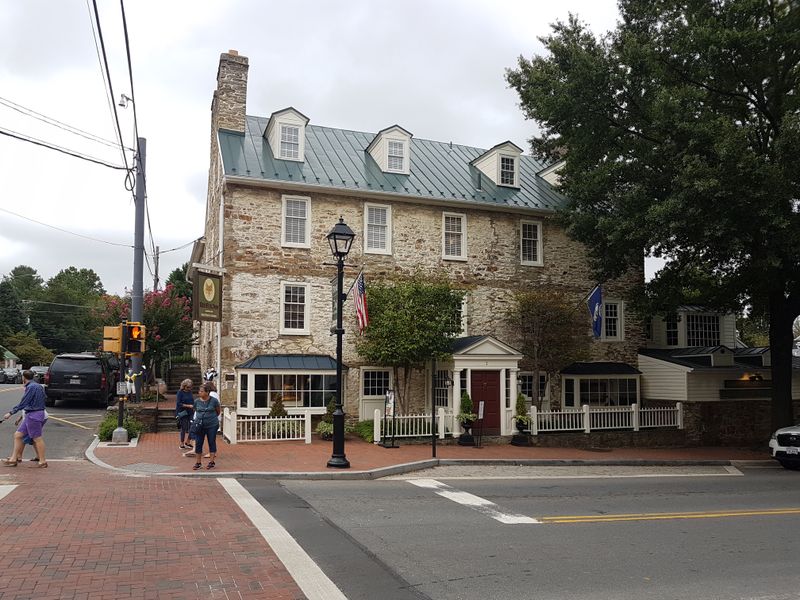
Middleburg’s commercial district consists primarily of independently owned businesses that reflect the interests and tastes of the local community rather than tourist demographics.
Shops specializing in riding equipment share space with antique dealers, art galleries, and small clothing boutiques that carry carefully selected inventory.
The absence of chain retailers reinforces the village’s distinct character while also limiting options for those seeking familiar brands.
Several historic inns provide accommodations that emphasize comfort and service over amenities and scale.
These establishments occupy buildings with genuine history, offering rooms that feel appropriately vintage without sacrificing modern conveniences.
Guests often mention the personalized attention they receive, a benefit of staying in smaller properties where staff can actually remember names and preferences.
Dining options in Middleburg range from casual cafes to upscale restaurants, most focusing on seasonal ingredients and competent preparation rather than trendy concepts.
The village supports these businesses through local patronage, meaning restaurants don’t rely exclusively on tourist traffic to survive.
This creates a more stable dining scene where establishments can develop their identities over time rather than chasing whatever currently attracts visitors to other destinations.
A Slower Pace That Encourages Lingering
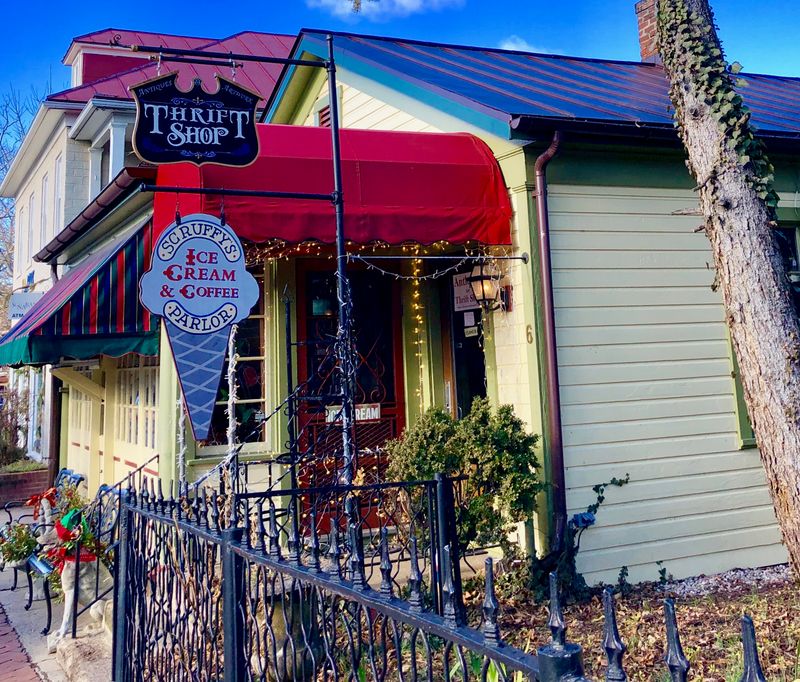
Middleburg operates according to rhythms that feel increasingly rare in modern American life, where efficiency and speed often take precedence over contemplation and ease.
The village rewards those who resist the urge to rush from sight to sight, offering instead the pleasures of observation and unhurried movement.
Coffee shops provide comfortable seating where lingering over a second cup draws no impatient looks from staff or waiting customers.
This slower pace reflects both the village’s size and the temperament of its residents, many of whom chose Middleburg specifically to escape more hectic environments.
Conversations unfold without the constant interruption of phones or the pressure to move along to the next appointment.
Even retail transactions can stretch into extended discussions about products, shared interests, or local happenings.
Visitors accustomed to packed itineraries and timed entry tickets may initially find this pace disorienting.
Middleburg offers no must-see attractions that demand immediate attention, no experiences that require advance booking months ahead.
What it offers instead is permission to slow down, to spend an afternoon doing very little, and to discover that such afternoons can be remarkably satisfying when spent in pleasant surroundings with no particular agenda driving the day forward.
Preserved Architecture And Small-Town Character
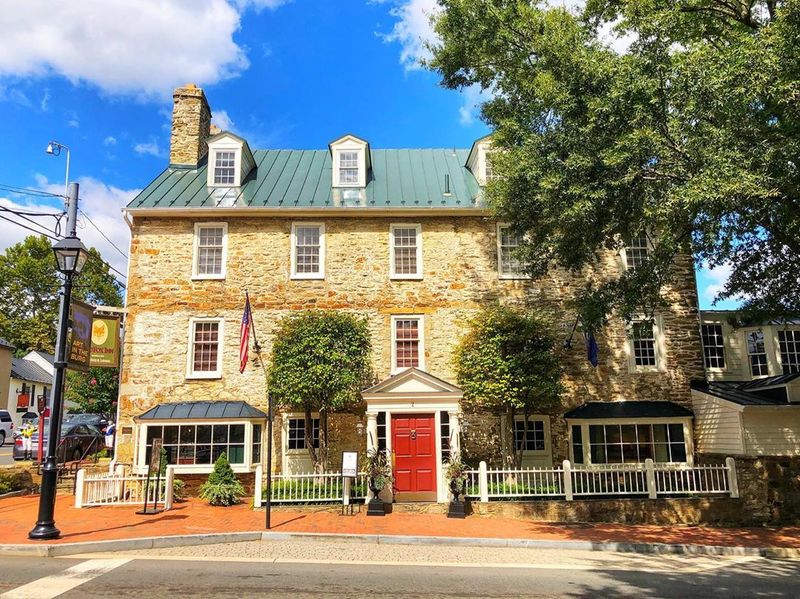
Walking through Middleburg reveals a commitment to architectural preservation that goes beyond token gestures or facade improvements.
Many buildings retain their original forms and materials, with renovations focused on maintenance rather than modernization.
Brick structures from the 18th and 19th centuries line the main streets, their weathered surfaces and traditional proportions creating visual harmony without feeling like a historical theme park.
The village has avoided the common mistake of allowing new construction to overwhelm or clash with existing historic buildings.
When additions or new structures do appear, they generally respect the scale and materials of their neighbors.
This discipline in development has preserved Middleburg’s character through decades when many similar communities allowed short-term economic pressures to override long-term aesthetic considerations.
Small-town character extends beyond architecture to encompass the social patterns and civic life that older buildings help support.
The layout of streets and the proximity of homes to shops encourage walking and casual encounters.
Residents maintain connections to their community partly because the physical environment makes such connections natural rather than requiring special effort or planning to achieve and sustain over time.
Wine Country Access Without The Crowds
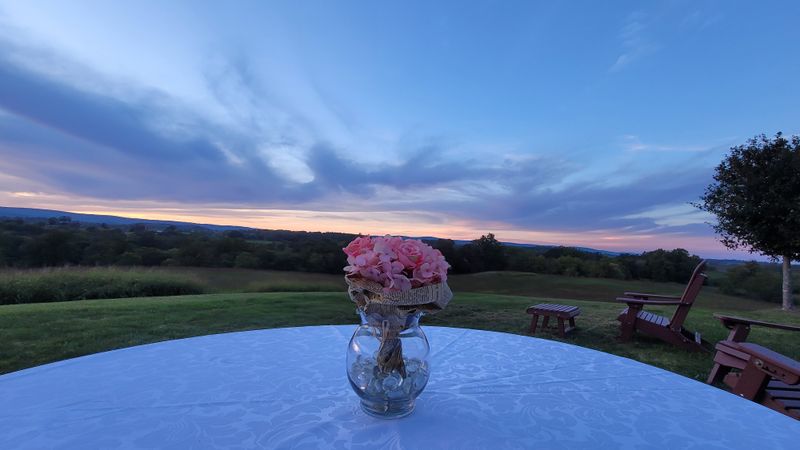
Loudoun County has developed a significant wine industry in recent decades, with dozens of vineyards and tasting rooms scattered across the countryside surrounding Middleburg.
Unlike more famous wine regions that struggle with traffic and overcrowding during peak seasons, this area maintains a more relaxed approach to wine tourism.
Many vineyards remain family-operated, offering tastings in converted barns or modest tasting rooms rather than elaborate visitor centers.
The proximity to Middleburg makes the village an ideal base for exploring local wineries without committing to the crowded wine trail experience that defines other regions.
Visitors can easily reach several vineyards within a short drive, taste their offerings, and return to the village for dinner without fighting traffic or navigating packed parking lots.
Weekday visits often mean having tasting rooms nearly to yourself, allowing for actual conversations with staff about the wines and winemaking process.
Quality varies among the local vineyards, as it does in any wine region, but several producers have earned recognition for their work.
The focus tends toward smaller production and experimentation rather than mass-market appeal.
This approach suits Middleburg’s overall character, providing wine country access for those interested while avoiding the commercialization that can transform wine tasting into just another processed tourist activity.
Seasonal Events That Feel Local, Not Commercial
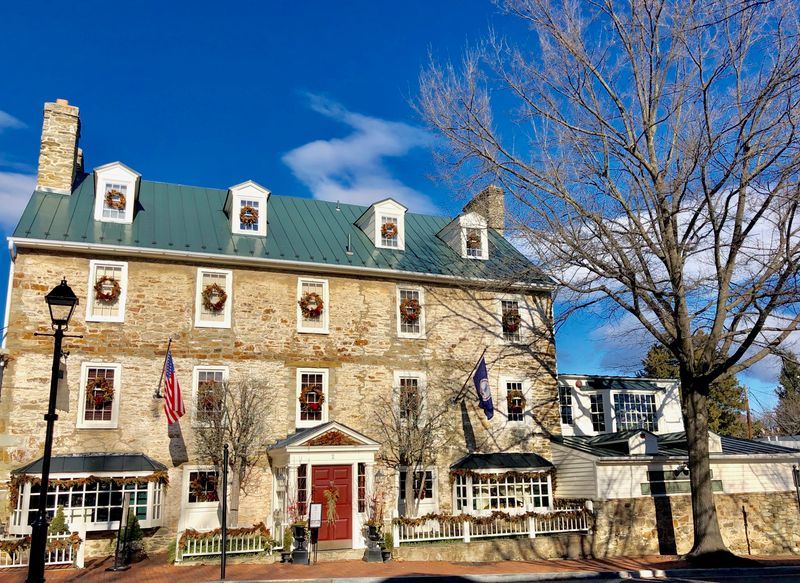
Middleburg hosts several annual events that draw visitors beyond the usual trickle of day-trippers, yet these occasions retain a community focus that distinguishes them from purely commercial festivals.
The Christmas parade and holiday decorations transform the village each December, but the celebrations feel organized for residents first and visitors second.
Local participation remains high, with families returning year after year to maintain traditions rather than simply consume entertainment.
Spring and fall bring equestrian events that align with the village’s identity, including point-to-point races and hunter trials that attract knowledgeable crowds.
These gatherings operate according to their own logic and traditions, which may confuse newcomers but create authentic experiences for those willing to observe and learn.
The events serve the equestrian community rather than attempting to package horse culture for mass consumption.
Farmers markets and craft fairs appear seasonally, offering locally produced goods without the imported merchandise and corporate vendors that dilute many similar events.
The scale remains manageable, with enough variety to interest visitors but not so much that the event becomes overwhelming or loses its connection to the surrounding community and agricultural landscape that makes such markets meaningful in the first place.