
The Postcard-Perfect Village In Massachusetts That Feels Like A Hallmark Movie
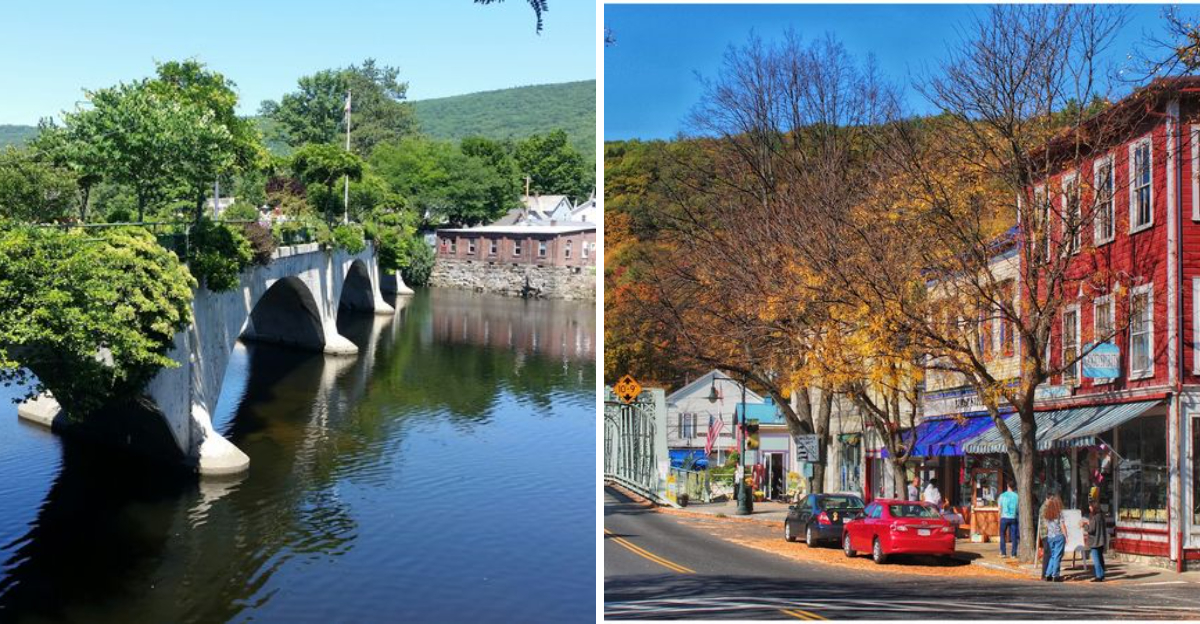
Massachusetts has been quietly sitting on one of the most beautiful villages in all of New England and most people drive right past it. Deep in the hills of Western Massachusetts, this tiny arts village looks like it was designed specifically to make you stop the car, pull out your phone, and call someone to say you cannot believe this place is real.
A bridge covered in flowers. A rushing river below.
Charming storefronts, warm locals, and a pace of life so gentle it feels like the whole place exists outside of time. Hallmark could not have scripted it better.
The Bridge Of Flowers And Its Remarkable Transformation
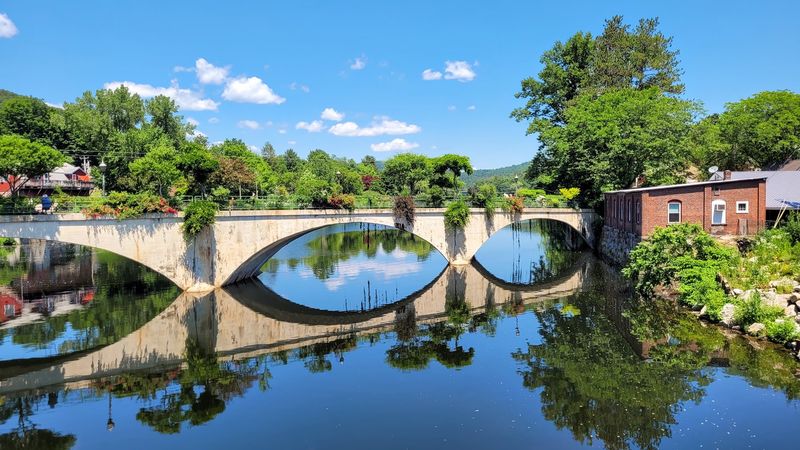
A trolley bridge built in 1908 doesn’t usually become an internationally celebrated garden, but this place has always operated by its own set of rules. When the trolley line shut down, local volunteers refused to let the structure fall into neglect.
By 1929, the Bridge of Flowers was born, and it has been drawing visitors from across the world ever since.
Spanning the Deerfield River between, the bridge hosts more than 500 varieties of annuals and perennials, arranged with the kind of care that makes it feel less like a garden and more like a living painting. The blooms shift with the seasons, offering something new to discover from April through October.
The bridge underwent a significant restoration project in 2024 and 2025, reopening in April 2026 with fresh plantings by dedicated gardeners and community volunteers. Visiting it feels less like a tourist activity and more like a quiet privilege.
The structure itself sits at the heart of what makes this village so quietly extraordinary, a place where ordinary infrastructure was reimagined as something genuinely beautiful through collective effort and local pride.
Glacial Potholes That Redefine Natural Wonder
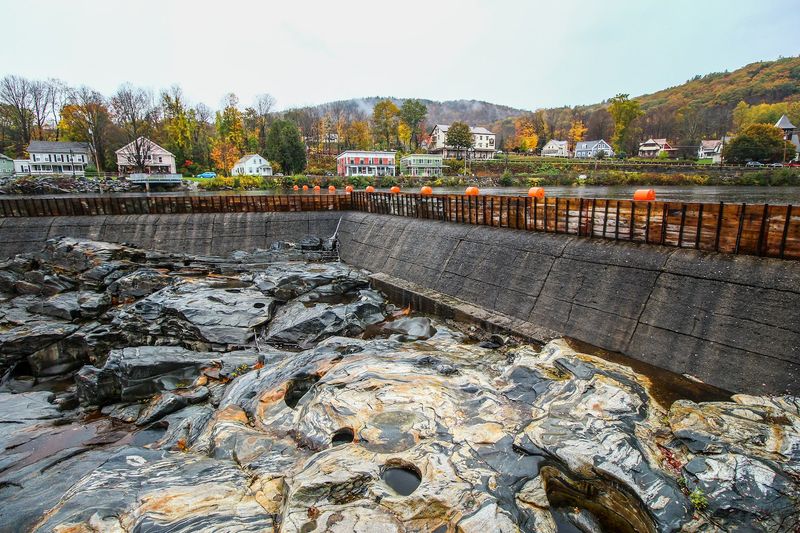
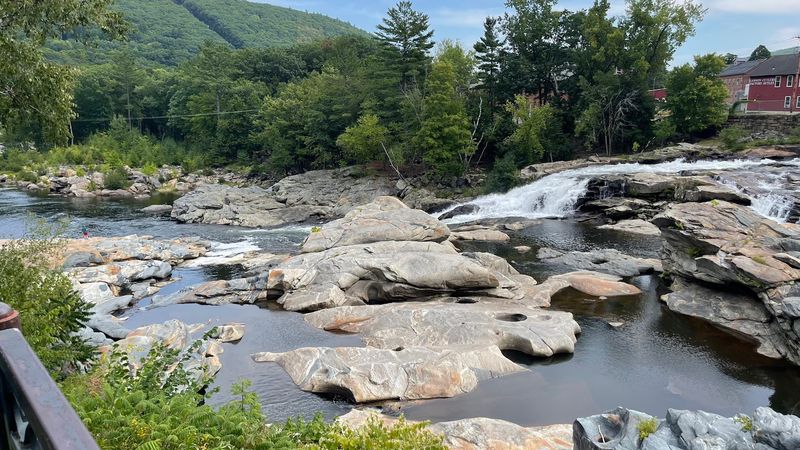
Before the village had a name, the Deerfield River was already doing something extraordinary. At the base of Salmon Falls, glacial meltwater and spinning stones carved more than 50 circular pools directly into metamorphic rock over thousands of years.
The result is one of the most unusual geological formations in all of New England.
These potholes range from six inches to an astonishing 39 feet in diameter, placing some of them among the largest examples of their kind anywhere in the world. A dedicated lookout platform at the end of Deerfield Avenue offers a clear and unhurried view of the entire formation, giving visitors the chance to absorb the scale of what ancient forces quietly accomplished here.
Swimming in the potholes has been prohibited since 2002, which means the formations are now fully preserved for observation rather than recreation. The trade-off feels fair.
Standing above them on a clear afternoon, watching the river move around their edges, produces a particular kind of stillness that is difficult to replicate elsewhere. This is one of those rare natural attractions that genuinely rewards patience and a slow pace of attention.
A Downtown That Looks Borrowed From A Film Set
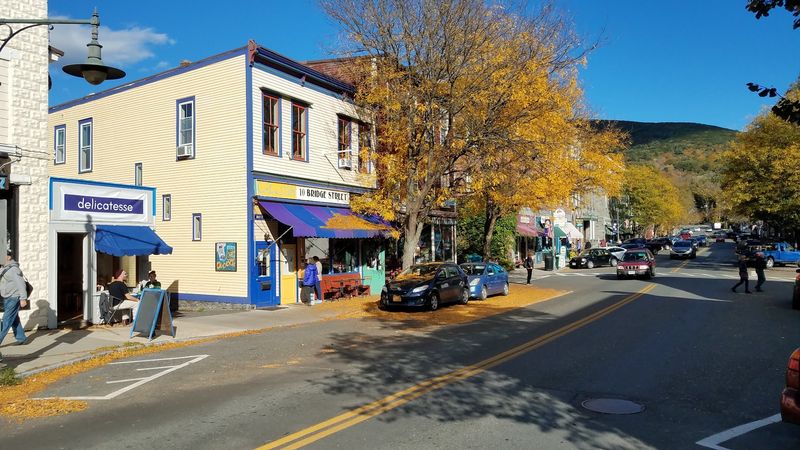
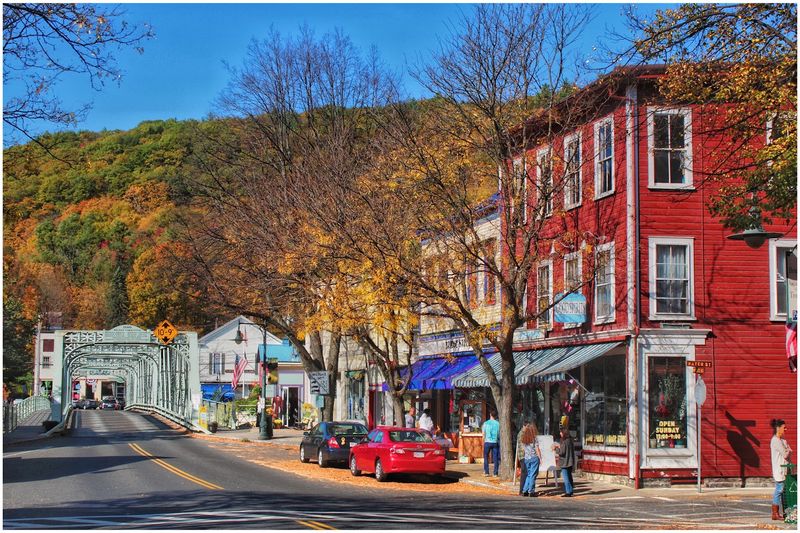
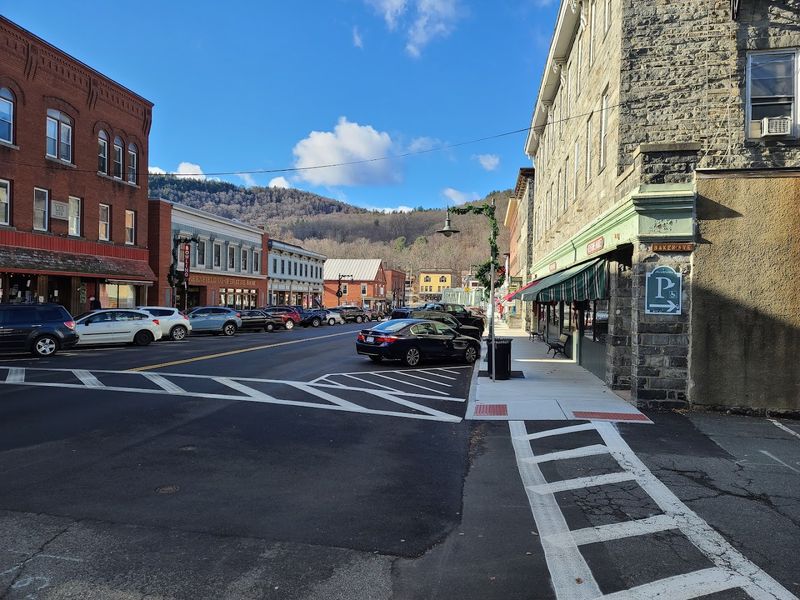
Angled parking along a main street lined with brick buildings is the kind of detail that set designers spend weeks trying to fabricate. In Shelburne Falls, it simply exists, without any effort or self-consciousness.
The downtown area carries a Norman Rockwell quality that doesn’t feel preserved so much as genuinely lived in, which makes all the difference.
Boutiques, antique shops, artisan studios, a beloved bookstore, a local pharmacy, and coffee shops occupy storefronts that have stood for generations. The sidewalks are tree-shaded, the pace is unhurried, and the overall atmosphere communicates something that larger towns have mostly lost: the sense that a community actually chose to be here and chose to stay.
Well-maintained older homes sit just off the main street, adding a residential warmth that gives the village its neighborly character. Shelburne Falls is located in Franklin County in Western Massachusetts, roughly two hours west of Boston and about an hour north of Springfield.
Street parking is generally free, though limited to two hours in most spots. The downtown area alone justifies the drive, offering a kind of architectural and social coherence that feels increasingly rare in contemporary New England.
Boswell’s Books And The Art Of The Independent Bookstore
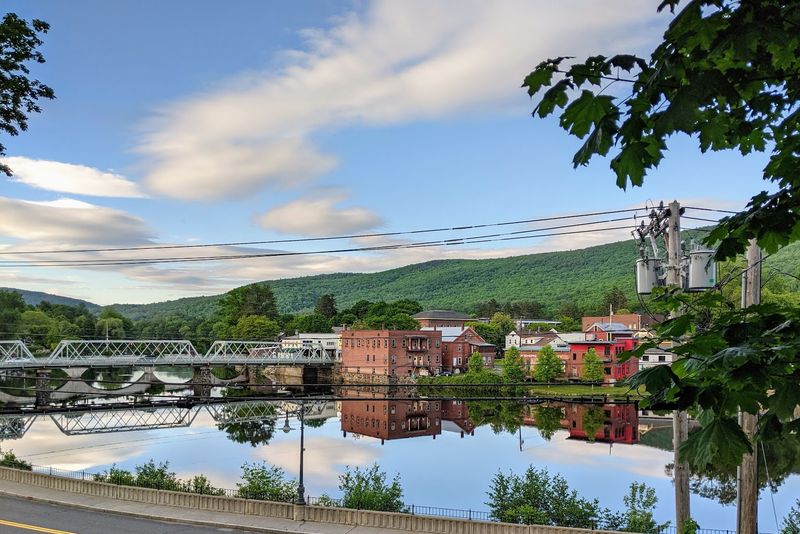
There is a particular pleasure in walking into an independent bookstore where the shelves reflect actual curatorial judgment rather than bestseller algorithms. Boswell’s Books in Shelburne Falls offers exactly that kind of experience, and it has become one of the village’s most beloved institutions for good reason.
The shop carries the kind of inventory that rewards browsing, with titles across fiction, history, local interest, and children’s literature arranged in a way that feels considered rather than commercial. Staff recommendations are written by people who have clearly read the books in question, which is a detail that matters more than it might first appear.
Independent bookstores function as community anchors in small towns, and Boswell’s fills that role with particular grace. It is the sort of place where you enter looking for one title and leave with three, each of them unexpected.
On a rainy afternoon in Shelburne Falls, a visit here pairs naturally with a cup of coffee from one of the nearby shops, creating the kind of afternoon that feels genuinely restorative. For anyone who values books as objects of culture rather than mere commodities, this stop alone makes the village worth a dedicated visit.
Twelve Mosaic Murals Scattered Across The Village
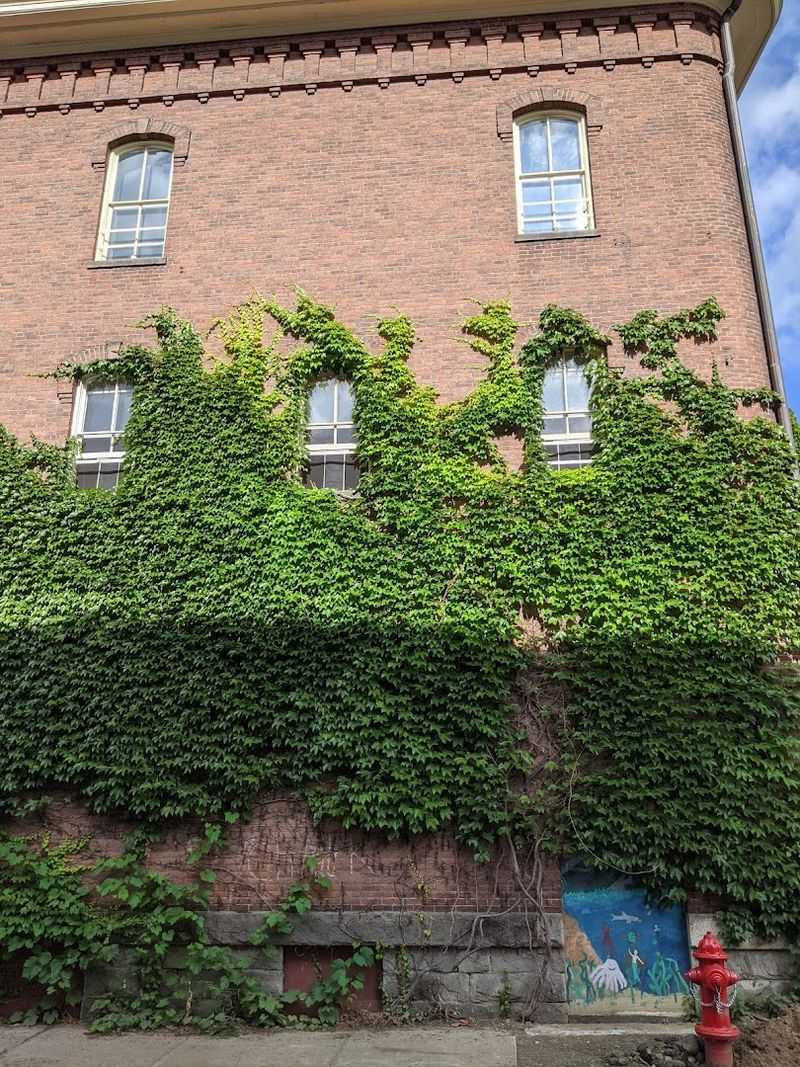
Public art in a small village can either feel forced or feel like a natural extension of the community’s identity. In Shelburne Falls, twelve mosaic murals are distributed across town, and they fall firmly into the second category.
Each one reflects something specific about the area’s rural character, natural landscape, or local history.
The murals are crafted from ceramic tile and carry a warmth and permanence that temporary installations rarely achieve. Walking through the village and discovering them one by one becomes its own quiet form of exploration, the kind that slows your pace and encourages you to look at familiar surfaces with fresh attention.
For families visiting with children, the mural hunt adds a layer of engagement to a stroll that might otherwise feel too leisurely for younger legs. For adult visitors, the artwork provides context, offering visual stories about a place that has been continuously inhabited and cared for since 1756.
The murals don’t dominate the streetscape but complement it, sitting alongside storefronts and buildings with the ease of something that belongs exactly where it has been placed. They are a quiet testament to what a community can accomplish when it decides that beauty is worth the effort.
Candlepin Bowling And A Tradition Only New England Truly Keeps
Candlepin bowling is one of those regional traditions that New England has quietly maintained while the rest of the country moved on to the wider pins and heavier balls of the standard game. Shelburne Falls is home to one of the oldest bowling alleys in the entire country, and it remains one of the few places in New England where candlepin bowling is still actively played.
The game uses taller, thinner pins and a smaller ball, and the fallen pins are left on the lane rather than swept away between rolls, which adds a strategic layer that standard bowling doesn’t offer. It is simultaneously harder and more interesting, and it tends to produce a competitive atmosphere that feels genuinely spirited rather than performative.
Visiting the bowling alley here feels like entering a very specific slice of American leisure history, one that hasn’t been renovated or rebranded into something unrecognizable. The lanes are real, the sounds are authentic, and the experience carries the weight of generations of local players who have competed on the same surfaces.
For anyone curious about regional culture beyond the obvious landmarks, an afternoon of candlepin bowling in Shelburne Falls is an experience that is both entertaining and quietly illuminating.
The Deerfield River And Its Role In Shaping The Village
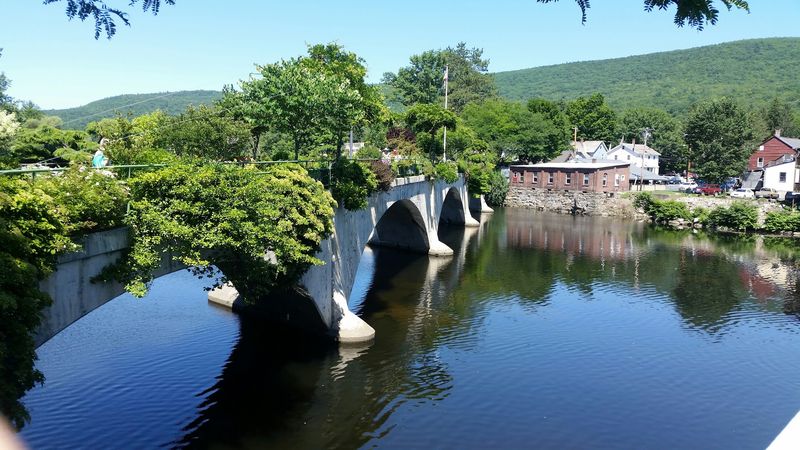
Rivers have always determined where towns grow, and the Deerfield River made Shelburne Falls possible in more ways than one. The water powered the mills that defined the village’s early economy, carved the glacial potholes that now draw visitors from across the country, and provided the scenic backdrop against which the Bridge of Flowers has bloomed for nearly a century.
Today the river continues to flow through the heart of the village, offering a constant visual and audible presence that grounds the experience of being here. In autumn, the foliage reflected in the water produces a color palette that would seem excessive if you encountered it in a painting but feels entirely natural when you’re standing beside it in person.
The river also connects the two towns that share the village, Shelburne and Buckland, and the crossings between them have become some of the most photographed spots in Western Massachusetts. Historically, the Deerfield River was central to the area’s identity as a water-powered mill town producing cutlery and tools, a legacy that still echoes in the presence of Lamson and Goodnow, one of the oldest cutlery manufacturers in the United States, which maintains a retail shop in the village to this day.
High Ledges Wildlife Sanctuary And Its Rewarding Trails
Five miles of trails through the High Ledges Wildlife Sanctuary offer a range of experiences, from easy walks through quiet woodland to more demanding hikes that reward effort with panoramic views over the Deerfield River Valley and the distant outline of Mount Greylock. The sanctuary sits just outside the village proper and provides a natural counterpoint to the cultural attractions of the downtown area.
The trails are maintained by Mass Audubon and pass through habitats that support a wide range of bird species, making the sanctuary a genuine destination for birdwatchers in addition to casual hikers. Spring brings wildflowers and returning migratory birds, while autumn transforms the canopy into something that requires very little description because the visual impact speaks clearly for itself.
For visitors who want to balance a day of browsing boutiques and eating well with something more physically engaged, the sanctuary provides exactly the right alternative. The trails are clearly marked and accessible to most fitness levels, and the views from the upper ledges justify the effort required to reach them.
Shelburne Falls is located along the scenic Mohawk Trail byway, and the sanctuary fits naturally into a broader exploration of what this part of Franklin County has to offer the attentive traveler.
Dining And Coffee Culture That Punches Well Above Its Weight
A village of fewer than 1,800 residents has no business offering the dining variety that Shelburne Falls quietly delivers, and yet here we are. The Foxtown Diner serves the kind of classic American fare that reminds you why diner culture deserves preservation, while The Blue Rock Restaurant operates as an elevated gastropub with a menu that reflects genuine culinary ambition rather than the usual small-town compromise.
Coffee shops along the main street provide the social infrastructure that any good village requires, places where locals linger over cups and conversations without any pressure to vacate the table. The atmosphere in these establishments carries the ease of a community that genuinely enjoys its own company, which is something that cannot be manufactured or marketed into existence.
Artisan food producers, locally sourced ingredients, and menus that change with the seasons are all part of how Shelburne Falls approaches the act of eating. The dining scene here doesn’t try to replicate what you might find in a larger city but instead leans into what the region does naturally and well.
For a day trip or a weekend stay, the combination of good food, strong coffee, and a main street that rewards slow walking creates an experience that is remarkably complete for a place of this size.