
The Postcard-Worthy Town In Massachusetts That Often Flies Under The Radar
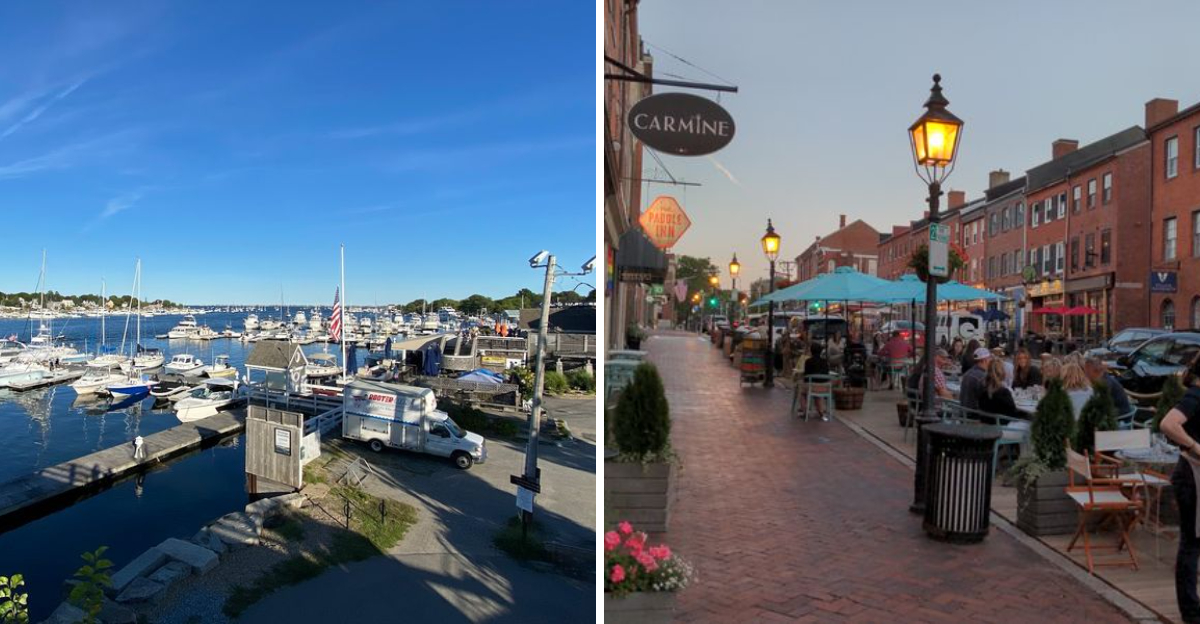
Some towns look like they were made for postcards. In Massachusetts, there’s one coastal community where brick-lined streets, historic buildings, and a lively waterfront create scenes that feel timeless.
Boats sway gently in the harbor while sea breezes drift through the downtown squares. Small shops, inviting cafés, and scenic boardwalk views encourage long, unhurried strolls.
Visitors often arrive expecting a quick stop and end up staying far longer than planned. The atmosphere feels relaxed, the scenery unforgettable, and the charm impossible to ignore.
For anyone who loves classic New England coastal towns, this place offers a picture-perfect escape worth experiencing.
The Historic Waterfront That Rewrites Your Expectations
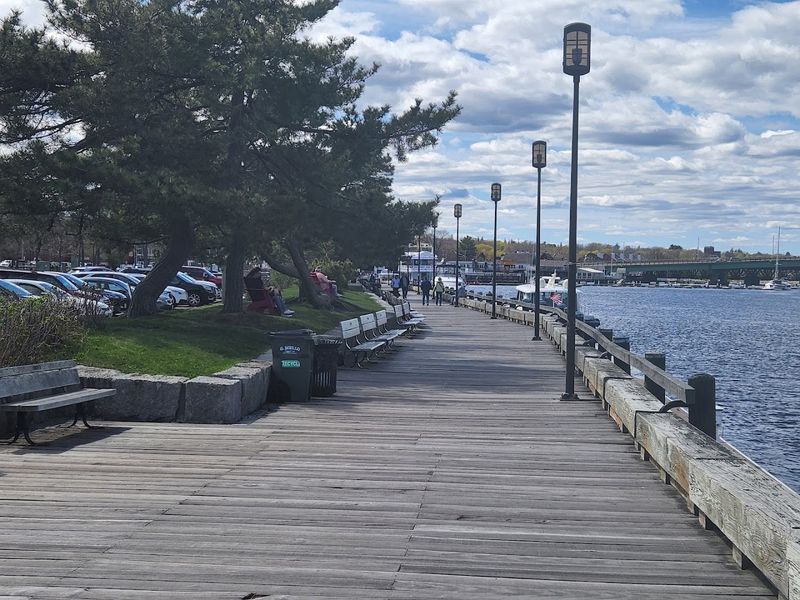
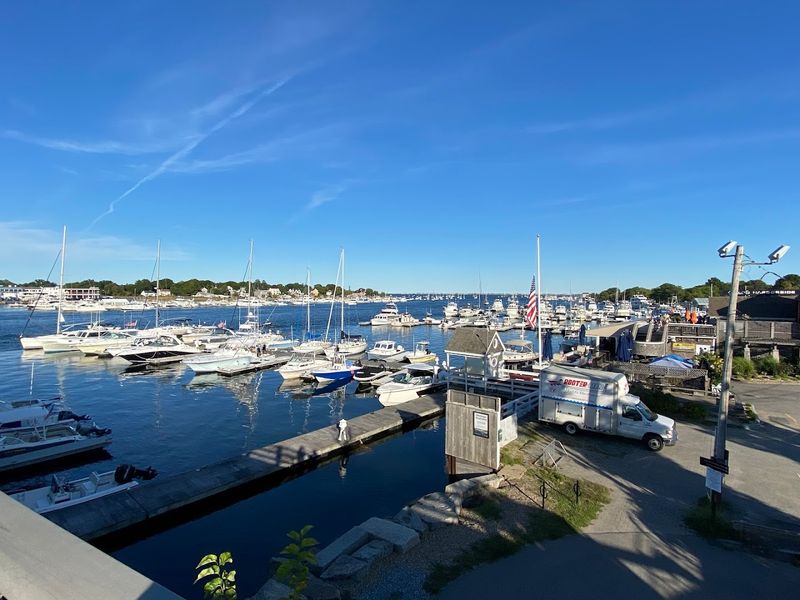
Most waterfronts in New England have been polished into something almost unrecognizable, but this boardwalk along the Merrimack River holds onto its original character with remarkable stubbornness. The wooden planks creak underfoot, the smell of salt water drifts in from the coast, and the view of sailboats rocking gently in the harbor feels genuinely earned rather than staged for tourism.
The waterfront stretches along Merrimack Street and offers a mix of independent restaurants, boutique shops, and open benches where locals outnumber tourists on most afternoons. There’s an easy rhythm to the place that invites you to slow down.
Families bring strollers, older couples share coffee cups, and teenagers lean against the railing watching the water with the kind of casual contentment that money can’t manufacture. The boardwalk isn’t trying to impress anyone, and that’s precisely why it does.
Visiting at golden hour, when the light turns the brick facades amber and the river reflects the sky, is something worth planning your entire afternoon around.
19th-Century Brick Architecture Worth Every Photograph
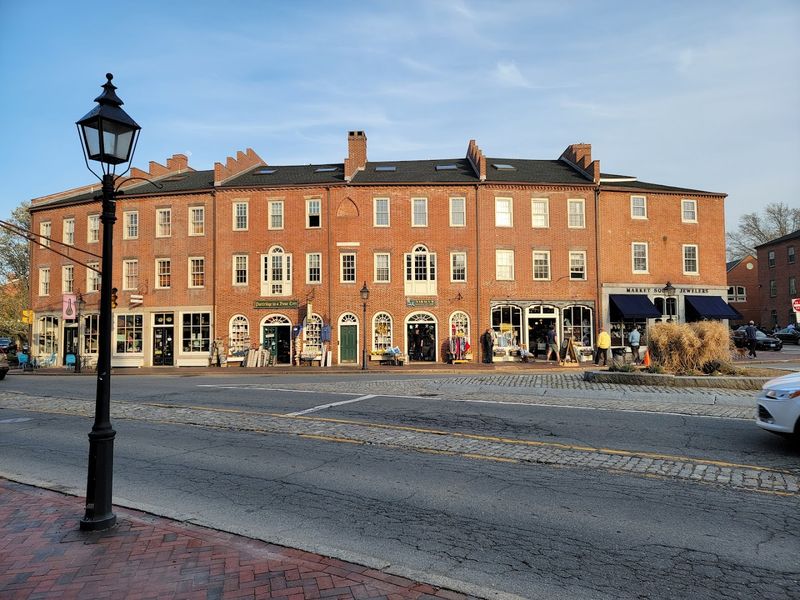
Architecture tells stories that tour guides sometimes forget to mention. In Newburyport, the Federal-style brick buildings lining State Street and Inn Street date primarily from the late 1700s and early 1800s, rebuilt after a devastating fire swept through the town in 1811.
What rose from the ashes was a remarkably uniform streetscape of handsome red brick that has aged into something genuinely beautiful.
Walking through downtown Newburyport feels less like visiting a preserved museum and more like stepping into a neighborhood that simply never abandoned its good bones. The proportions of the buildings are human-scale, the cornices are detailed without being excessive, and the storefronts at street level are occupied by real businesses rather than chains.
Photographers regularly set up on Inn Street early in the morning before the foot traffic picks up, chasing the clean light that falls between the rooftops and illuminates the brick in shades of copper and rust. The entire downtown area is listed on the National Register of Historic Places, a designation it wears without any visible self-congratulation.
Bring a camera, wear comfortable shoes, and plan to walk slowly.
Plum Island And The Parker River National Wildlife Refuge
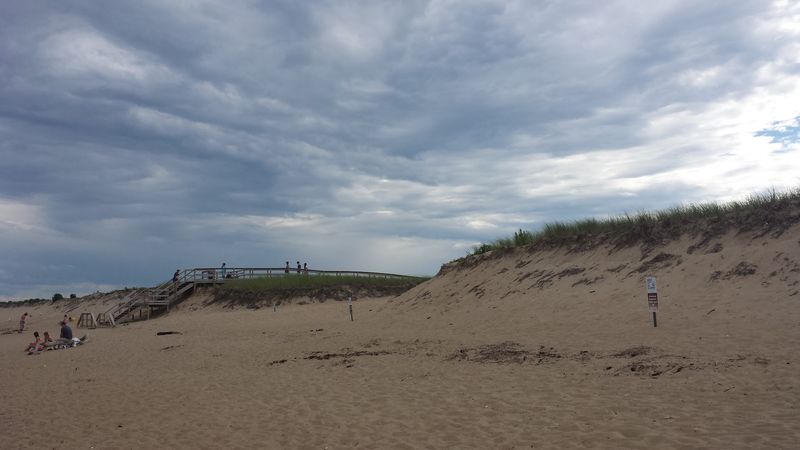
A barrier island stretching roughly 11 miles along the Atlantic coast, Plum Island sits just south of the Newburyport city center and contains one of the most important coastal wildlife refuges in the northeastern United States. The Parker River National Wildlife Refuge covers most of the island and protects over 800 species of birds, plants, and animals within its borders.
Birders travel from across the country to walk the refuge trails during spring and fall migrations, when the marshes and dunes fill with species that are difficult to spot anywhere else along the Eastern Seaboard. The landscape itself is dramatic in a quiet way, with wide open skies pressing down on flat salt marshes and the Atlantic rolling in without interruption.
The northern tip of Plum Island also features a small residential community with a handful of seafood shacks and a public beach that draws swimmers and surfers during summer months. The contrast between the wild refuge to the south and the relaxed beach community to the north gives Plum Island a dual personality that rewards multiple visits.
The refuge entrance is located at 261 Northern Boulevard, Newburyport, MA 01950.
The Culinary Scene That Punches Well Above Its Weight
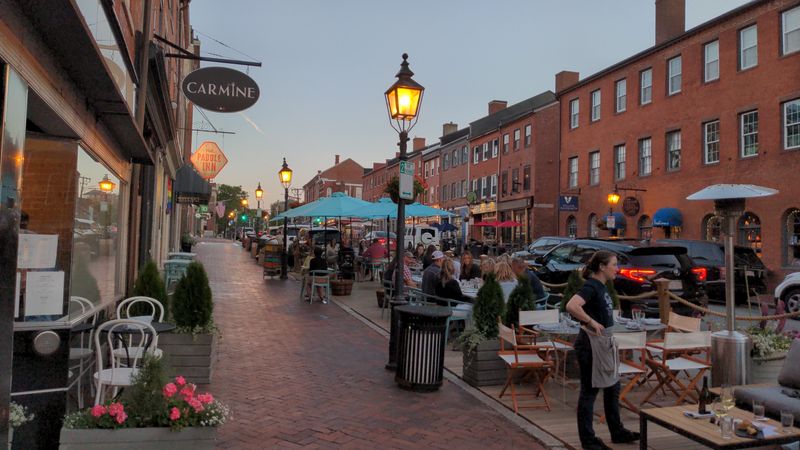
For a city of roughly 18,000 residents, Newburyport maintains a restaurant scene that would satisfy a much larger population. The concentration of quality dining options along Inn Street, State Street, and the waterfront reflects both the town’s relative prosperity and its residents’ genuine interest in eating well rather than just conveniently.
Local seafood dominates the menus with good reason. The proximity to the Atlantic and the Merrimack River means that clams, lobster, and fresh fish arrive with a frequency and quality that coastal towns further south can rarely match.
Several restaurants source directly from local fishermen, and the difference shows up clearly on the plate.
Beyond seafood, the town supports a range of cuisines that reflect its educated, well-traveled population. There are bakeries that open before sunrise, and coffee shops where the baristas take their craft seriously without taking themselves too seriously.
Weekend brunch draws lines that form before the doors open, which is as reliable an endorsement as any food critic’s star rating. Reservations for dinner on Friday or Saturday nights are strongly recommended during the summer months.
A Shopping District That Celebrates Independent Retailers
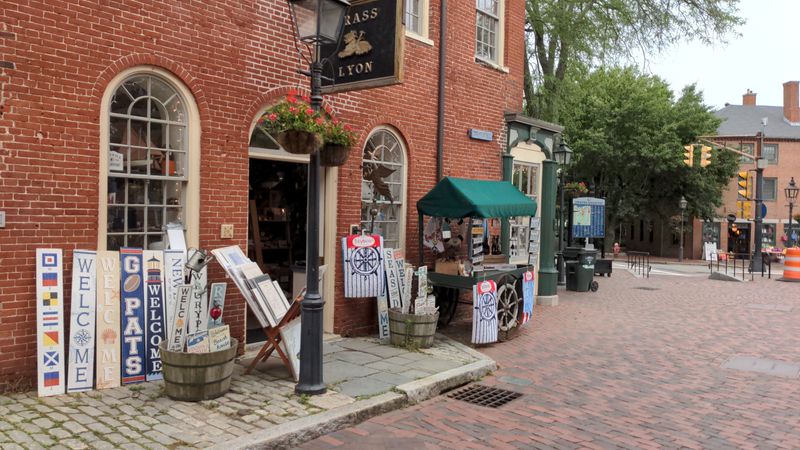
Chain stores are conspicuously rare in downtown Newburyport, and the locals appear to prefer it that way. The shopping district centered around State Street and the surrounding blocks is populated almost entirely by independent retailers selling everything from rare books and vintage clothing to handmade jewelry and specialty kitchen equipment.
Browsers are welcome here. Shop owners tend to be knowledgeable about their inventory and genuinely interested in conversation, which gives the experience a texture that online shopping and big-box retail have never managed to replicate.
A Saturday afternoon spent wandering through these storefronts rarely ends without at least one unexpected purchase and a handful of good recommendations from strangers.
The Tannery Marketplace, located along the waterfront, houses a cluster of shops in a beautifully converted 19th-century tannery building and adds an architectural layer to the retail experience. Antique hunters find particular satisfaction in Newburyport, where several dealers operate within close proximity to each other and the quality of inventory reflects the region’s deep historical roots.
Plan to carry a bag, because leaving empty-handed requires a level of discipline that the town actively works against.
The Merrimack River And Its Enduring Maritime Legacy

The Merrimack River shaped Newburyport long before the town had a name. For centuries, the river served as a highway for trade, shipbuilding, and commercial fishing, and the evidence of that history is visible in the architecture, the museums, and the conversations you overhear at waterfront restaurants.
Newburyport was once one of the most prosperous shipbuilding centers in the American colonies.
The Custom House Maritime Museum, situated at 25 Water Street, occupies a striking Greek Revival building constructed in 1835 and offers a well-curated introduction to the region’s seafaring past. The exhibits cover everything from the mechanics of 18th-century ship construction to the personal stories of the sailors who worked these waters across generations.
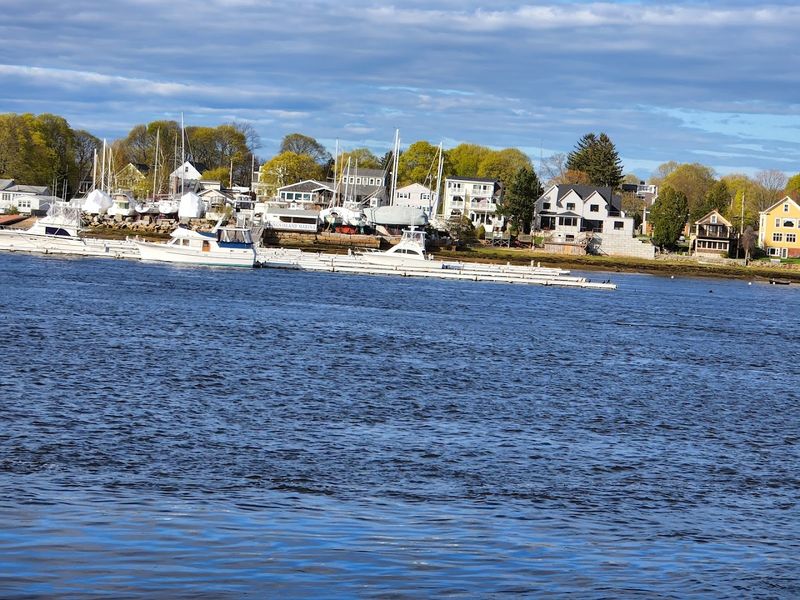
The river itself remains active with recreational boating, kayaking, and fishing, giving the waterfront an energy that purely historical sites often lack. Watching a kayaker navigate the same channel where tall ships once loaded cargo creates an interesting compression of time that is specific to places with long memories.
Sunset over the Merrimack, viewed from the boardwalk or from one of the waterfront restaurant decks, is the kind of scene that ends up on the cover of regional travel magazines for good reason.
Seasonal Festivals That Draw The Entire Community Together
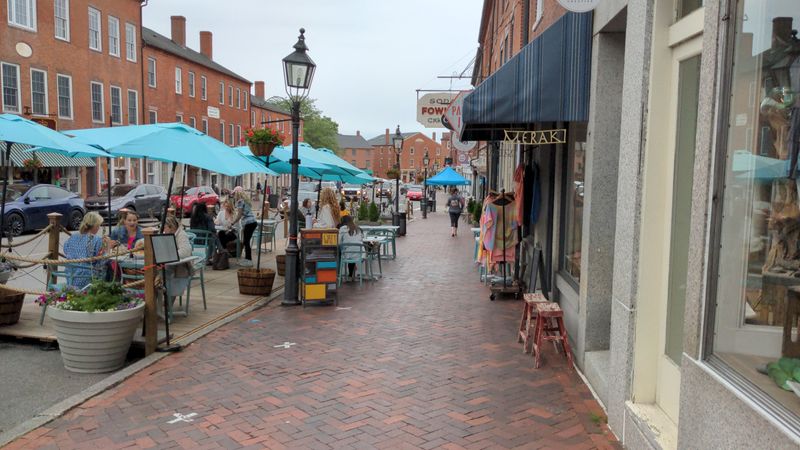
A town reveals its true character most clearly during its festivals, and Newburyport has built a calendar of annual events that reflect genuine community investment rather than tourist-targeted programming. The Yankee Homecoming Festival, held each summer since 1958, is one of the oldest civic celebrations in Massachusetts and draws tens of thousands of visitors for a week of outdoor concerts, road races, and fireworks over the Merrimack.
Fall brings the Harvest Festival, which transforms the downtown streets into a marketplace of local produce, crafts, and food vendors operating beneath the brilliant canopy of New England autumn foliage. The combination of the historic architecture and the seasonal color makes the event particularly photogenic, though the crowds on peak weekend afternoons require patience.
Winter in Newburyport carries its own appeal, particularly during the holiday season when the brick storefronts are lit with warm lights and the cold air sharpens the outlines of everything. The First Night celebration on New Year’s Eve brings locals out in considerable numbers despite the temperature, which speaks to a communal spirit that sustains itself without requiring sunshine as a prerequisite.
The town’s events schedule is maintained at the official city website and updated regularly.
Art Galleries And Creative Culture Woven Into Daily Life
Creative culture in Newburyport doesn’t announce itself loudly. It shows up in the gallery on a side street that you almost walk past, in the sculpture installed beside a public bench, and in the conversations at the coffee shop between people who clearly spend time making things with their hands.
The arts community here is active and unpretentious in equal measure.
Several established galleries operate within the downtown area, representing both local artists and regional talent from across New England. The work tends to reflect the landscape, with seascapes, marsh paintings, and architectural studies appearing frequently alongside more abstract and contemporary pieces.
The quality is consistently high, and the prices span a range that includes serious collectors and people buying their first original piece of art.
The Firehouse Center for the Arts, located at 1 Market Square, functions as the town’s primary performing arts venue and hosts theater productions, concerts, and film screenings throughout the year. The building itself, a beautifully restored 19th-century firehouse, adds a layer of visual interest to every performance.
Community theater in Newburyport draws audiences that would make larger city venues envious, which reflects how seriously the residents take local creative work.
Day Trips And Natural Landscapes Within Easy Reach
Newburyport’s location in Essex County places it within comfortable driving distance of some of the most varied natural landscapes in Massachusetts. The Great Marsh, which extends along the coast from Gloucester to the New Hampshire border, is one of the largest salt marsh ecosystems in the northeastern United States and offers kayaking, hiking, and wildlife observation across thousands of protected acres.
The Maudslay State Park, situated along the Merrimack River just outside the city center, provides 480 acres of carriage paths, gardens, and woodland trails that are particularly striking during spring bloom and autumn leaf season. The park’s historic gardens were originally planted in the late 19th century as part of a private estate and retain a formal structure that contrasts pleasingly with the surrounding wilderness.
Heading north on Route 1 brings travelers into the Seacoast region of New Hampshire within 20 minutes, opening up additional beaches and coastal towns for exploration. Heading south along Route 1A traces a coastal road through Ipswich and Essex that passes marshes, farm stands, and the celebrated Crane Beach, one of the finest barrier beaches on the New England coast.
The geography surrounding Newburyport rewards those who arrive with a full tank of gas and an open schedule.
The Quiet Neighborhoods That Make Visitors Want To Stay
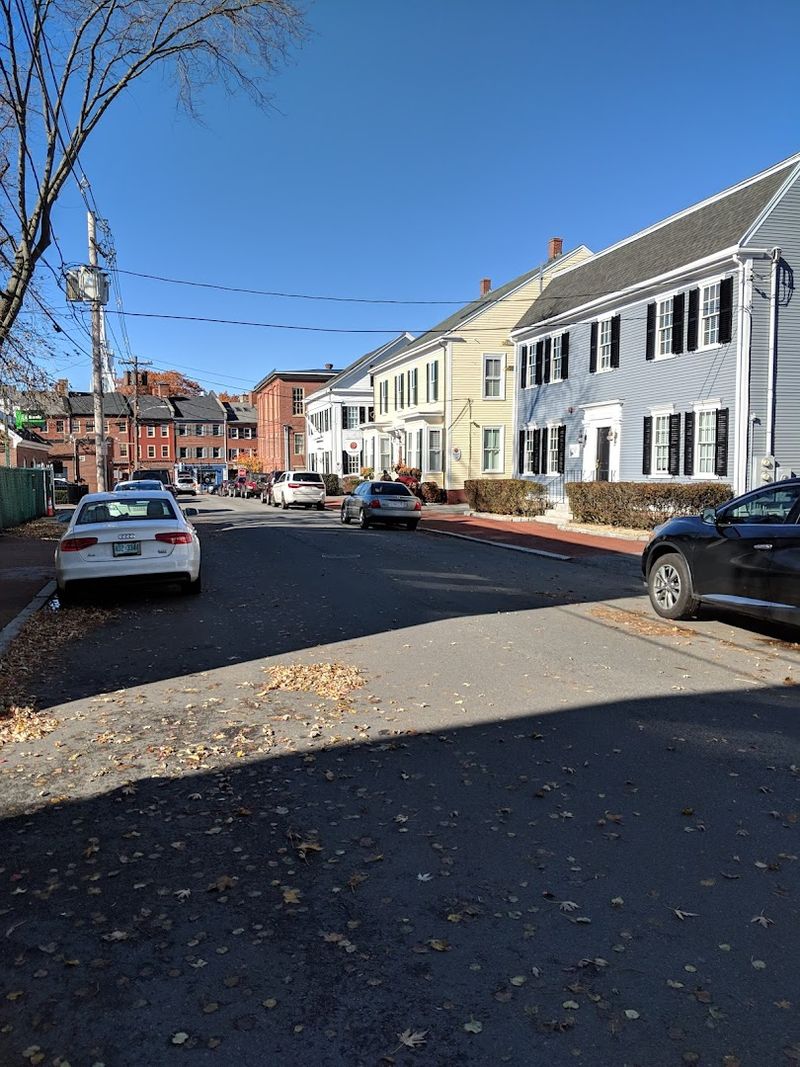
The residential streets radiating out from Newburyport’s downtown core contain some of the finest examples of Federal and Greek Revival domestic architecture in New England. High Street in particular is lined with sea captains’ homes built during the town’s 18th and 19th-century prosperity, their facades maintained with a care that reflects both civic pride and genuine affection for the built environment.
Walking these neighborhoods on a weekday morning, when the tourist traffic has largely retreated to the waterfront, produces a particular kind of quietude that is increasingly rare in desirable coastal towns. The gardens are tended, the sidewalks are swept, and the scale of the streets encourages the kind of slow, observational walk that reveals details invisible from a moving car.
Several of these historic homes operate as bed and breakfasts, offering accommodations that carry the weight of actual history rather than the manufactured version. Staying in a Federal-era house on High Street, within walking distance of the waterfront and the restaurant district, is an experience that shifts the entire trip from a visit into something closer to a temporary residence.
That distinction matters more than most travel itineraries acknowledge, and Newburyport delivers it with characteristic understatement.