
The Prime Rib At This Remote Illinois Supper Club Is Worth Planning A Road Trip Around
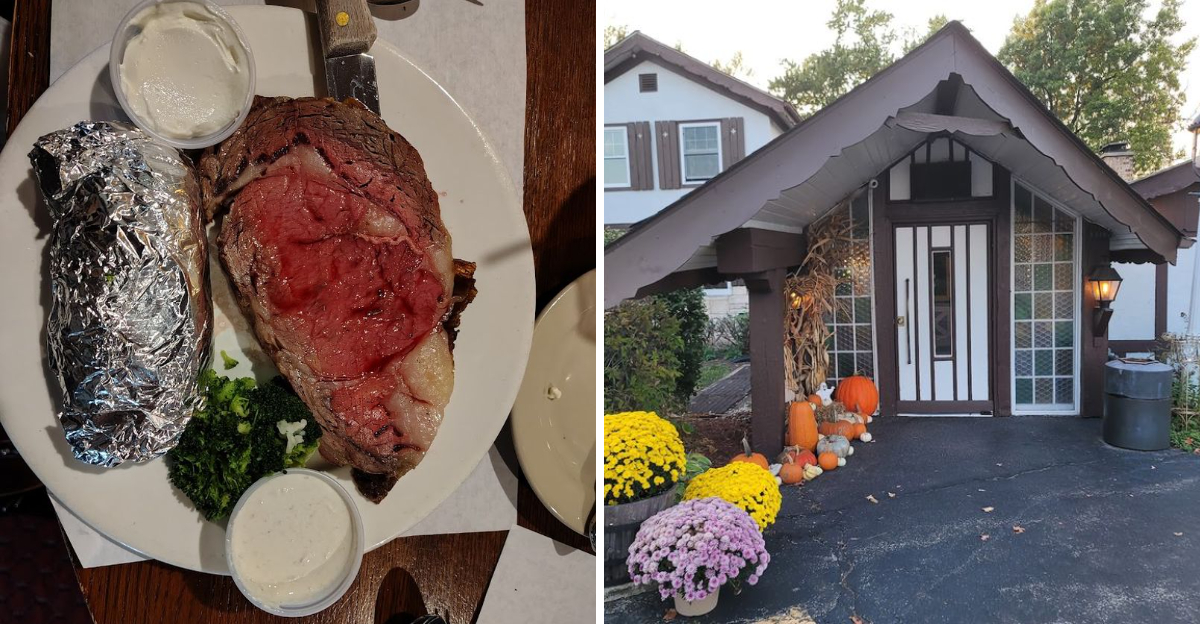
Real supper club charm is getting harder to find, which makes this roadside dining room feel rewarding. A drive through northern Illinois farmland ends with thick prime rib, classic sides, and traditions that have survived changing tastes.
The Bavarian-inspired setting adds personality without turning dinner into a theme park. Live piano music carries through the room while guests settle in and a proper relish tray starts the meal.
Then comes the main event, served in generous cuts with familiar accompaniments that never need reinvention. Nothing feels rushed or overly polished.
Dinner follows an older rhythm, where conversation matters, portions are substantial, and hospitality feels sincere. It is the sort of place that makes a long country drive feel entirely justified.
The Supper Club Has Served Diners For Generations
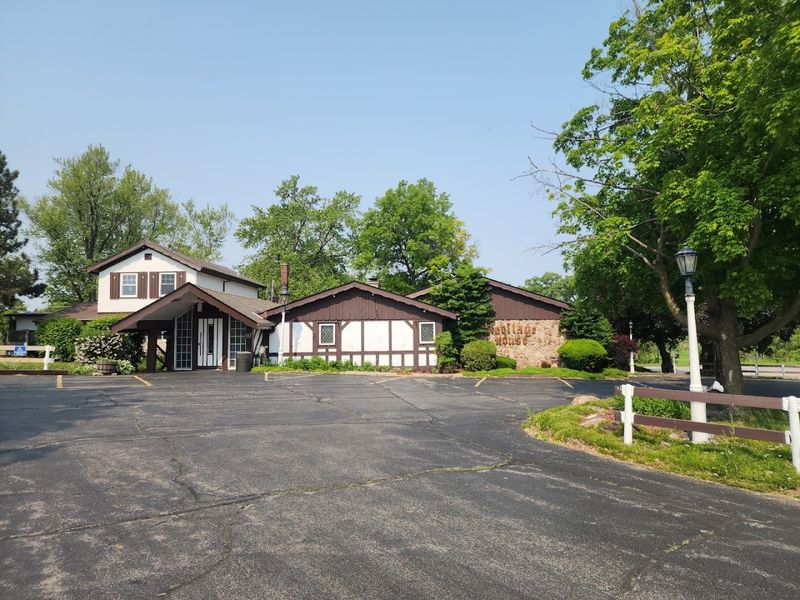
Family traditions run deep at The Heritage House. Multiple generations have celebrated birthdays, anniversaries, and ordinary Fridays within these walls, creating layers of memory that give the place its distinctive character.
Some current diners remember visiting as children in the 1960s, when their own parents chose this spot for special occasions.
The restaurant has witnessed enormous changes in American dining culture while maintaining its core identity. Corporate chains have risen and fallen, food trends have cycled through, and entire restaurant concepts have come and gone.
Through it all, The Heritage House has continued serving the same style of food that built its reputation, refusing to chase fleeting fashions or compromise on the fundamentals that matter.
This longevity speaks to something beyond mere stubbornness or nostalgia. The restaurant has survived because it understands what people want from a supper club experience: generous portions, consistent quality, warm hospitality, and an atmosphere that encourages lingering over dinner.
These elements never go out of style, even when everything else does.
Prime Rib Comes In A Generous 12 To 14 Ounce Cut
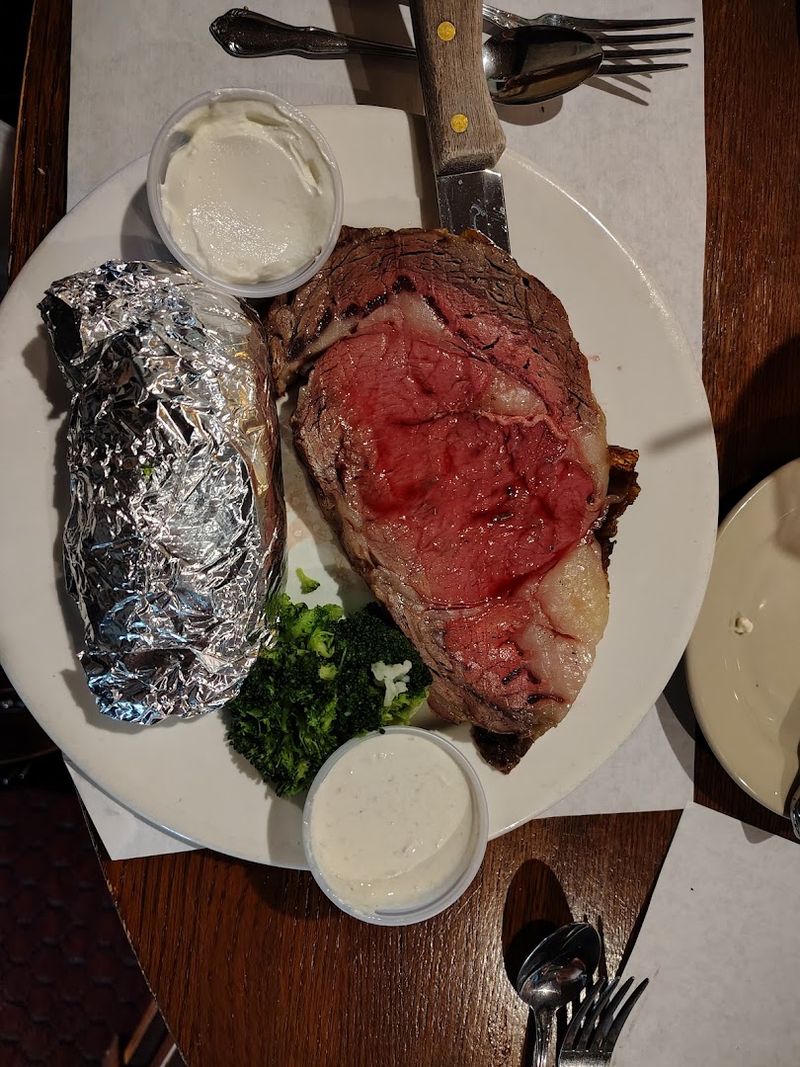
Ordering prime rib at The Heritage House means committing to a serious piece of beef. Every cut arrives at the table weighing between twelve and fourteen ounces, which translates to nearly a pound of slow-roasted meat per person.
The kitchen roasts these cuts low and slow, developing a seasoned crust on the outside while keeping the interior tender and juicy.
Located at 21225 US-14 in Harvard, this supper club understands that proper prime rib requires patience and precision. The meat comes served au jus, allowing diners to add as much or as little of the natural beef drippings as they prefer.
Some guests request their cuts cooked to a perfect medium rare, showcasing that signature pink center that makes prime rib so desirable.
The portion size reflects traditional supper club generosity, the kind that encourages taking home leftovers without any shame. Many diners find themselves planning their next visit before finishing their current meal, already anticipating another encounter with this substantial, flavorful cut.
Potatoes And Vegetables Complete The Prime Rib Dinner
Prime rib never arrives alone at The Heritage House. Each dinner includes thoughtfully prepared potatoes and vegetables that round out the meal without competing for attention.
The kitchen prepares these sides with the same care given to the main attraction, ensuring everything on the plate deserves its place.
Baked potatoes come dressed simply, allowing diners to customize with butter, sour cream, and other traditional toppings. The vegetables rotate seasonally but maintain consistent quality throughout the year.
Broccoli appears frequently, cooked just until tender while retaining its bright color and satisfying crunch.
This approach to sides reflects classic American steakhouse wisdom, which The Heritage House has maintained for generations. The vegetables provide color and nutrition without overwhelming the palate, while the potato offers comfort and substance.
Together with the prime rib, these elements create a balanced plate that satisfies without feeling trendy or overly complicated. The simplicity works because each component receives proper attention during preparation, resulting in a dinner that feels complete from the first bite to the last.
Weekend Specials Give Prime Rib Top Billing
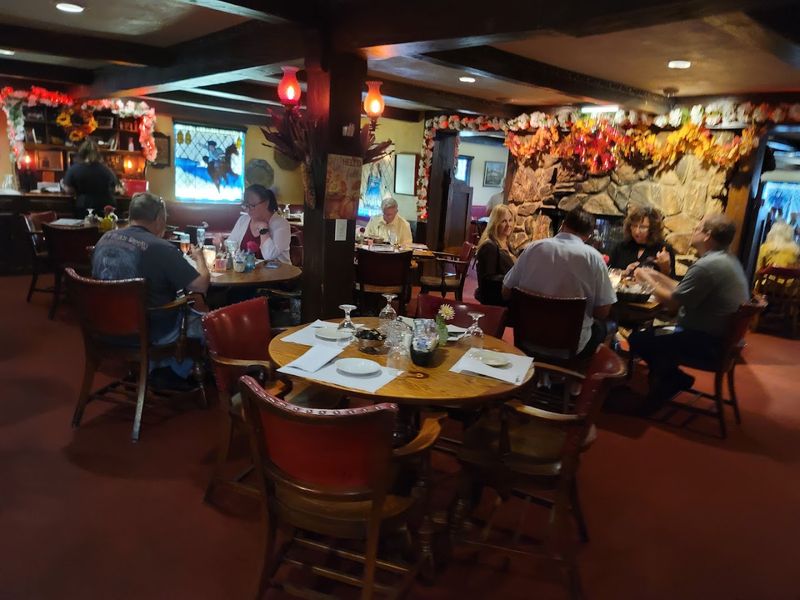
Weekends at The Heritage House bring special focus to their signature prime rib. The kitchen increases production to meet demand, knowing that Friday through Sunday diners often make the drive specifically for this cut.
These evenings transform the restaurant into a celebration of traditional American supper club dining, complete with all the ceremonial touches that make the experience memorable.
The special positioning of prime rib on weekend menus acknowledges its status as the restaurant’s crown jewel. While the regular menu offers plenty of appealing options throughout the week, weekends belong to this slow-roasted beef.
The dining room fills with guests who have planned their visit around the opportunity to enjoy this particular dish, often bringing friends or family members who have never experienced proper supper club prime rib.
This scheduling strategy also ensures the kitchen can dedicate appropriate resources to preparing each cut correctly. The result benefits everyone, from first-time visitors to longtime regulars who return weekend after weekend, confident in the consistency they have come to expect.
German And American Classics Share The Menu
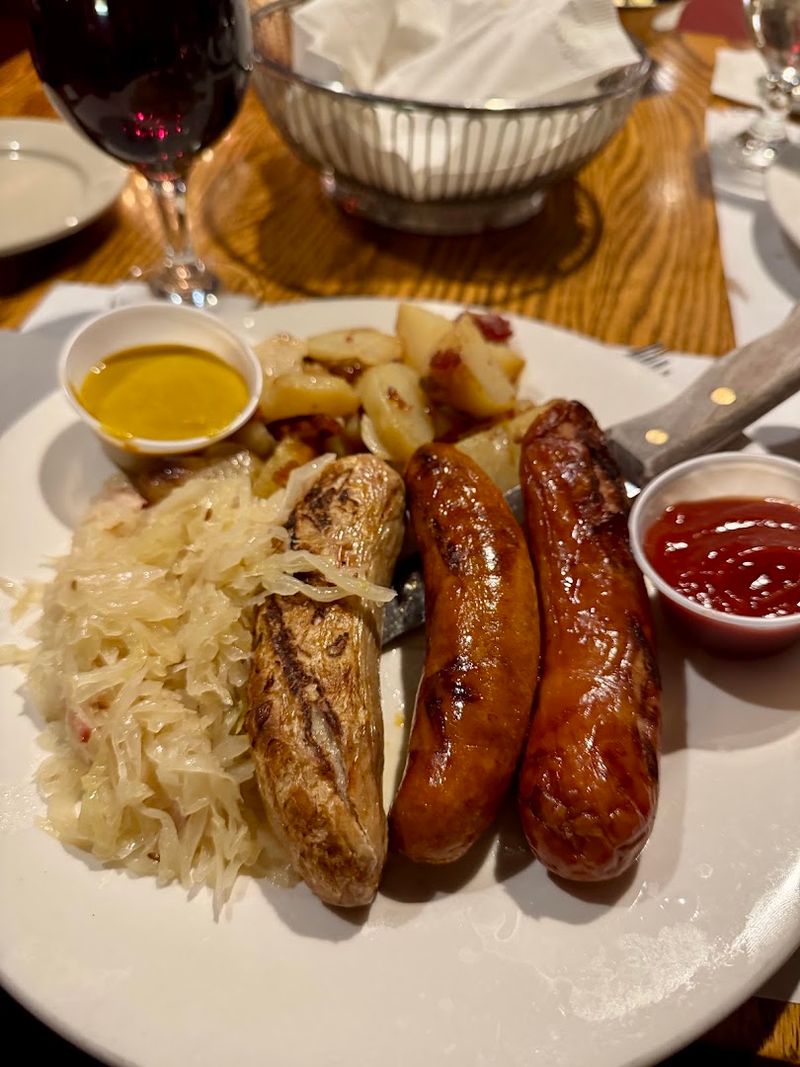
Walking into The Heritage House means entering a culinary space where two traditions coexist peacefully. The menu offers classic American steakhouse fare alongside authentic German specialties, creating options for diners with different appetites and preferences.
This dual identity reflects the heritage of many Midwestern communities, where German immigration left lasting marks on local food culture.
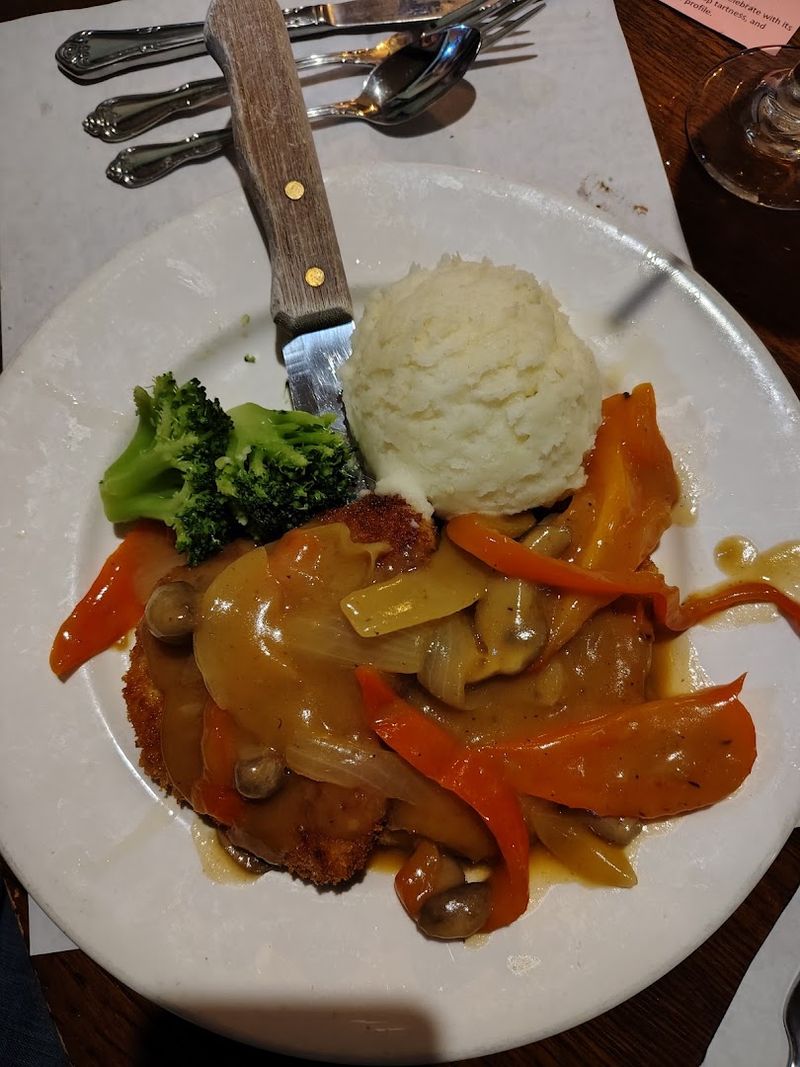
Jaeger schnitzel appears alongside prime rib, each dish prepared with equal attention to traditional technique. The German sausage plate showcases quality meat without fillers or excessive processing, the kind of straightforward preparation that lets ingredients speak for themselves.
These offerings attract diners seeking flavors less commonly found in contemporary American restaurants, while the steaks and chops satisfy those craving familiar comfort.
The kitchen manages this divided focus successfully because both cuisines emphasize similar values: substantial portions, honest cooking, and respect for ingredients. A diner ordering schnitzel receives the same generous treatment as someone choosing prime rib, complete with sides and that essential relish tray that begins every meal.
The Relish Tray Keeps An Old Tradition Alive
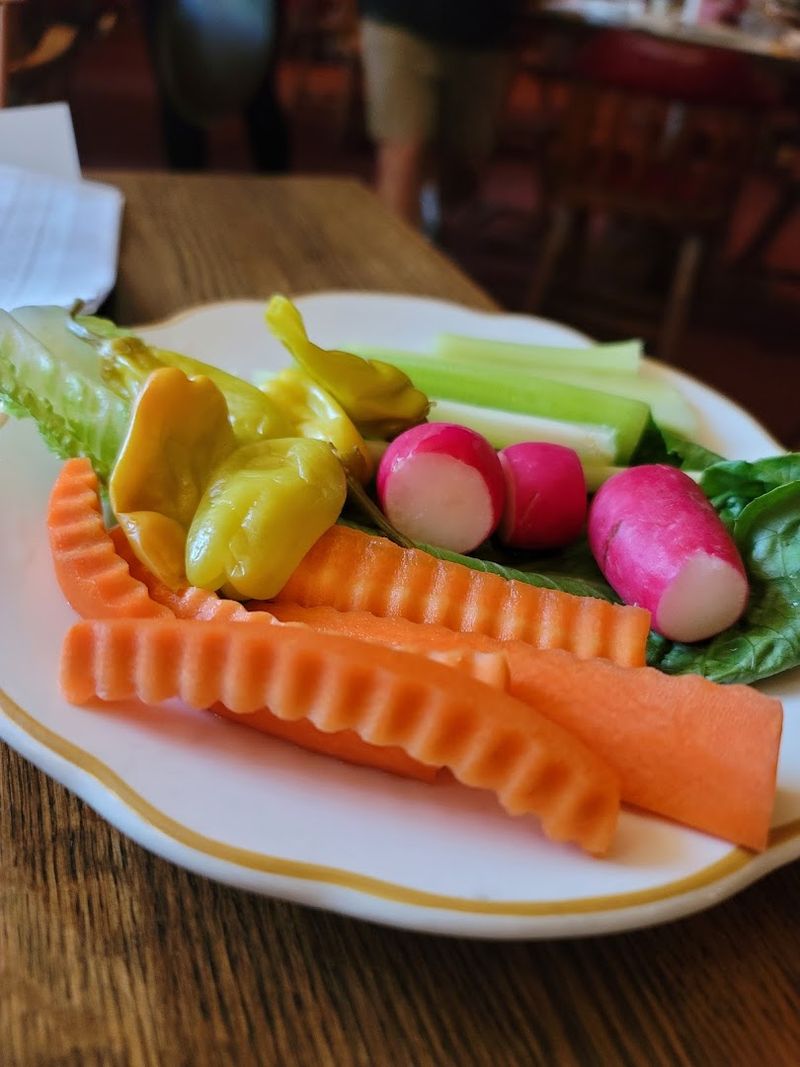
Before any main course arrives, every table at The Heritage House receives a complimentary relish tray. This practice has largely disappeared from American dining, making its presence here feel like discovering a living artifact.
The tray typically includes pickled beets, coleslaw, and kidney bean salad, each prepared in-house according to recipes that have remained consistent for years.
The relish tray serves multiple purposes beyond simply filling hungry diners. It sets a pace for the meal, encouraging conversation and relaxation before the main event.
The tangy, vinegar-based preparations also prepare the palate for richer dishes to come, functioning almost like an edible overture to the symphony that follows.
Many longtime patrons consider the relish tray an essential part of their Heritage House experience, sometimes requesting extra helpings before their entrees arrive. The tradition connects current diners to decades of previous guests who enjoyed these same flavors, creating continuity across generations.
For newcomers, the relish tray often proves surprisingly delightful, introducing them to a custom they never knew they were missing.
Roast Duckling Adds More Old World Flavor
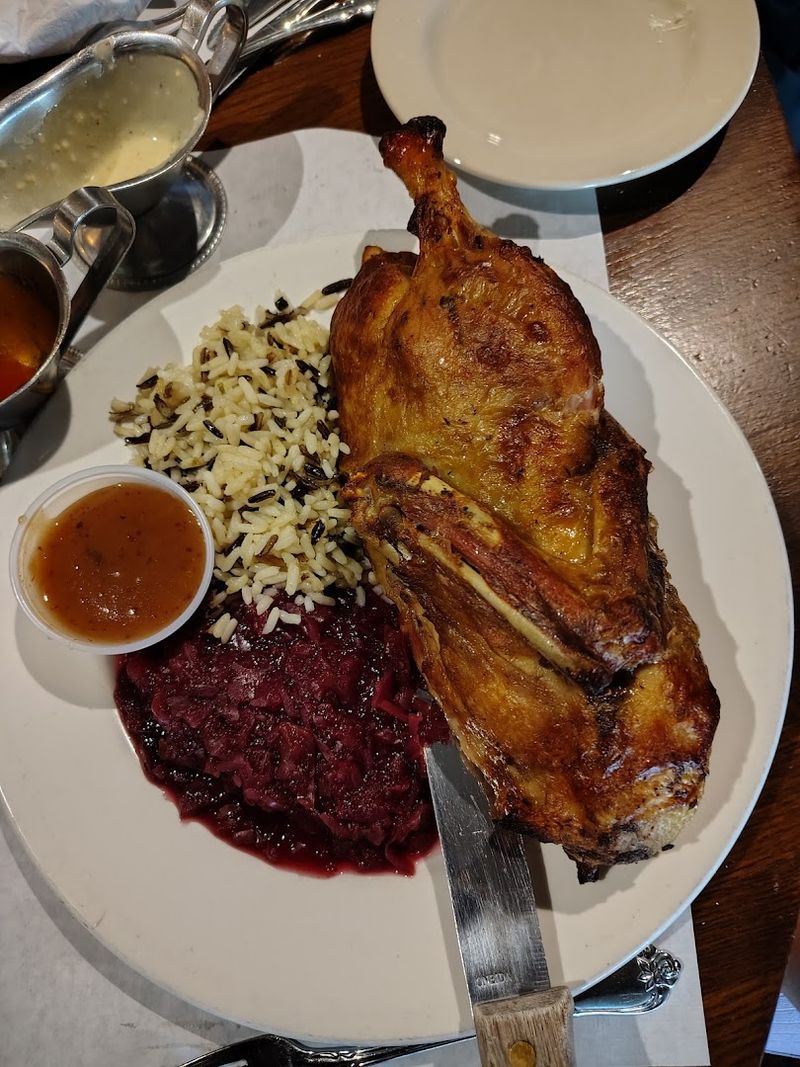
Among The Heritage House menu offerings, roast duckling stands out as a bridge between German and French culinary traditions. This dish requires careful preparation, with the kitchen roasting each bird until the skin turns crispy while the meat remains moist and flavorful.
Duck presents more challenges than chicken or beef, demanding attention to timing and temperature that separates competent cooks from skilled ones.
The preparation style leans toward Old World techniques, treating duck as the special occasion protein it once was before modern agriculture made chicken ubiquitous. Diners who order duckling often do so because they remember it from childhood dinners at similar restaurants, or because they appreciate having access to a protein that most contemporary establishments have abandoned.
Serving roast duckling also signals The Heritage House’s commitment to maintaining a complete supper club menu. This dish costs more to prepare and requires more kitchen expertise than simpler options, yet its presence on the menu demonstrates respect for tradition and willingness to offer authentic variety beyond the usual steaks and chops.
Friday Fish Fry Offers More Than One Catch
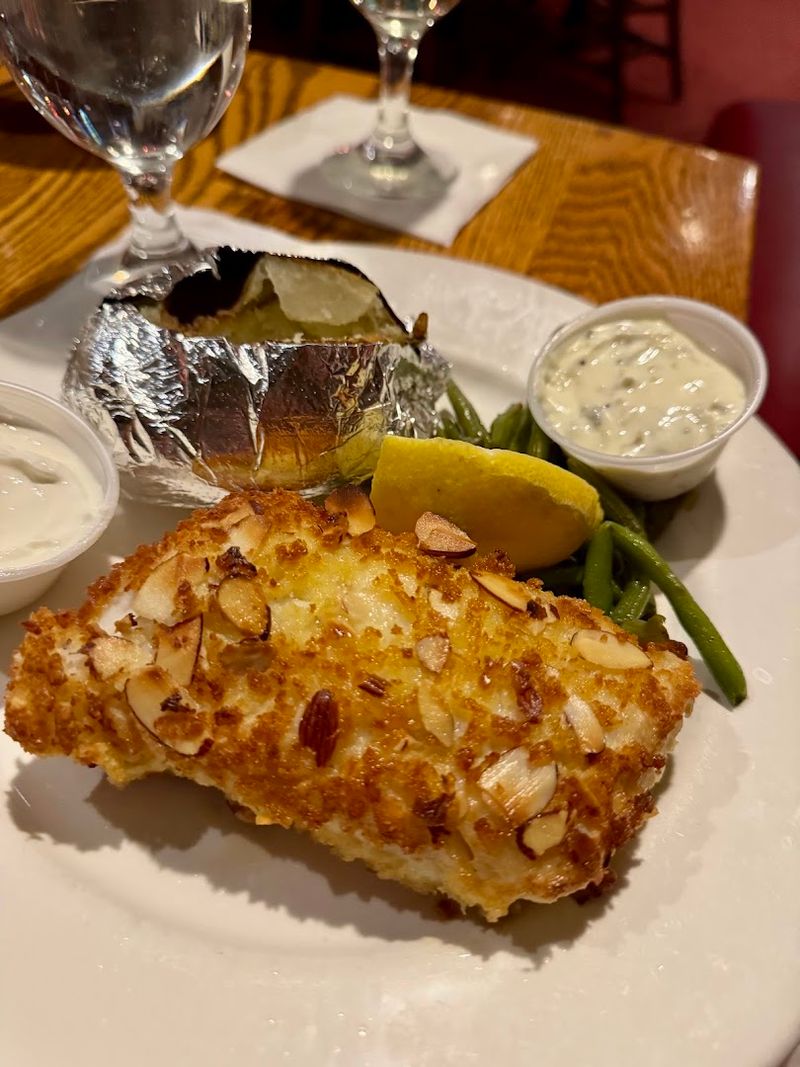
Friday nights bring a particular ritual to The Heritage House, one that echoes throughout Wisconsin and parts of Illinois with strong German and Catholic heritage. The fish fry transforms the menu, offering multiple preparations of fresh catch alongside the regular selections.
Diners can choose between cod and bluegill, with some opting for almond-crusted preparations that add texture and nutty flavor to the mild fish.
The Friday tradition draws crowds who plan their week around this meal, arriving early to secure tables in the packed dining room. A piano player often performs starting at six, adding live music to the already festive atmosphere.
The clam chowder that accompanies many fish dinners arrives loaded with actual clam meat in every spoonful, not the starchy, clam-flavored paste that passes for chowder in lesser establishments.
This weekly event demonstrates how The Heritage House functions as a community gathering place, not just a restaurant. The fish fry brings neighbors together, creates predictable rhythms in people’s lives, and maintains cultural traditions that might otherwise fade away.
The Bavarian Style Exterior Sets The Mood
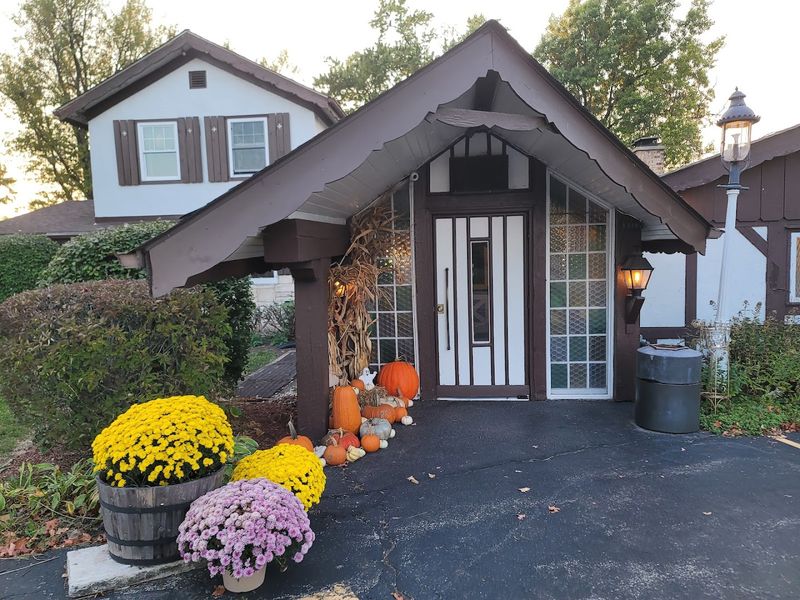
Approaching The Heritage House along Route 14, the building announces its identity before you read the sign. The Bavarian architectural style stands out against the surrounding Illinois farmland, creating immediate expectations about what waits inside.
Timber framing and alpine-inspired details signal German heritage, preparing first-time visitors for the menu and atmosphere they will encounter.
This exterior styling represents a deliberate choice to create visual consistency with the restaurant’s culinary mission. Many supper clubs adopted themed architecture during their mid-century heyday, using buildings as the first chapter in a complete dining story.
The Heritage House maintains this approach, refusing to modernize or minimize the Bavarian elements that give the place its distinctive character.
Yet the aesthetic choices matter just as much as the functional ones, creating anticipation and setting appropriate expectations. Diners arrive already primed for German specialties and Old World hospitality, making the transition from parking lot to dining room feel natural and coherent.
The Dining Room Feels Like A Visit To Germany
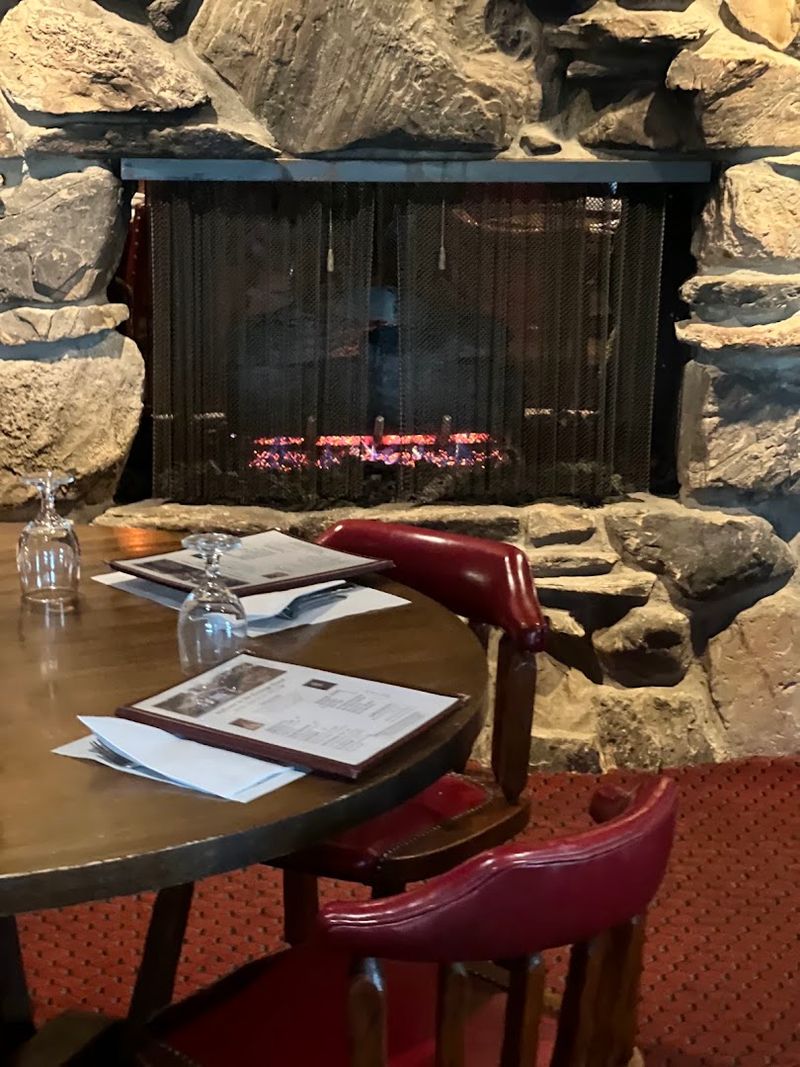
Stepping into The Heritage House dining room completes the journey that began with the Bavarian exterior. The interior design reinforces German themes through deliberate decoration choices that create immersive atmosphere without tipping into caricature.
Candles flicker on tables set with care, providing warm lighting that encourages relaxation and conversation. The decor reflects American history and heritage rather than relying on meaningless corporate design, giving the space authentic character that actually connects to something real.
The dining room layout places tables close together, a configuration that some diners find cozy while others consider cramped. This density reflects traditional European restaurant design, where efficiency and conviviality matter more than sprawling personal space.
The proximity encourages awareness of fellow diners, creating collective energy that makes the room feel alive and social rather than isolating guests in private bubbles.
Live piano music frequently fills the space, adding another layer to the sensory experience. The combination of candlelight, German-inspired surroundings, and live performance transports diners away from everyday routine, creating the kind of special occasion atmosphere that justifies the drive to Harvard.