
The Quiet Arkansas Ozark Town That’s Ideal For A Weekend Reset

Tucked into the forested hills of northwest Arkansas, Eureka Springs offers something increasingly rare: a town built for slowing down.
Victorian architecture lines winding streets that follow the natural contours of the land, and the rhythm of life here resists the pace most travelers are used to.
Whether you’re looking to disconnect from routine or simply spend two days surrounded by beauty and quiet, this mountain town delivers without fanfare or pretense.
A Victorian Mountain Town Hidden Deep In The Ozarks
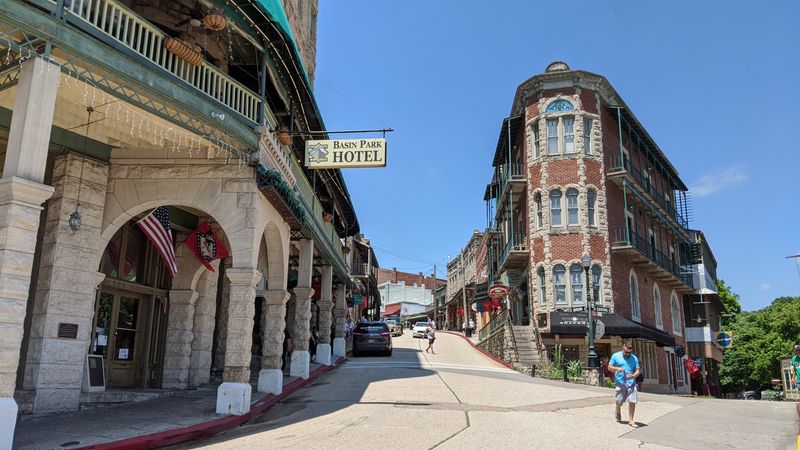
Eureka Springs sits in a pocket of the Ozark Mountains where geography dictated form long before city planners arrived.
Streets curve and climb in ways that feel organic rather than engineered.
The entire downtown was built in the late 1800s around natural springs, and that original layout remains intact.
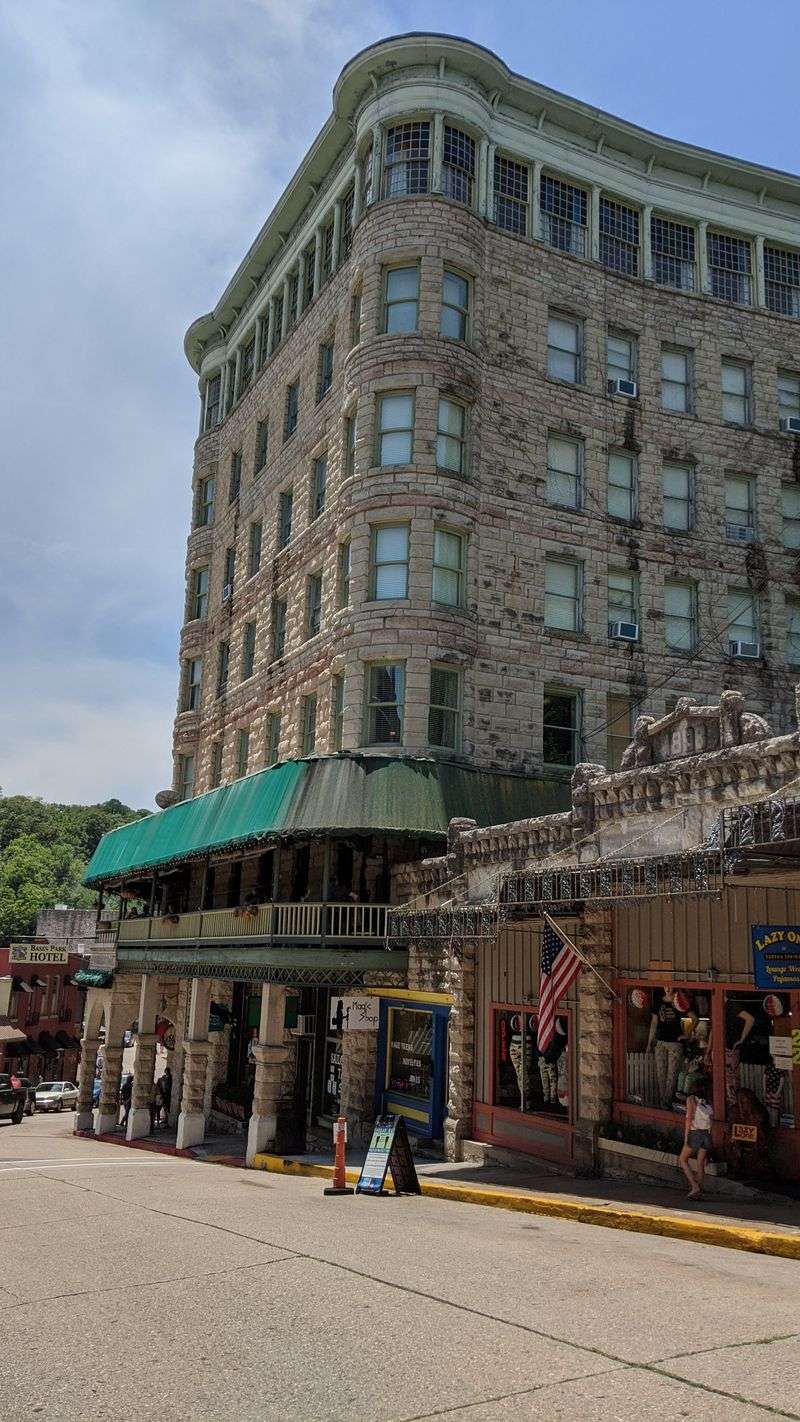
Most of the buildings still standing date from that era, giving the town a visual consistency that feels less like preservation and more like continuity.
Storefronts, hotels, and homes reflect the architectural confidence of the Victorian period without the heavy-handed restoration that can make historic districts feel artificial.
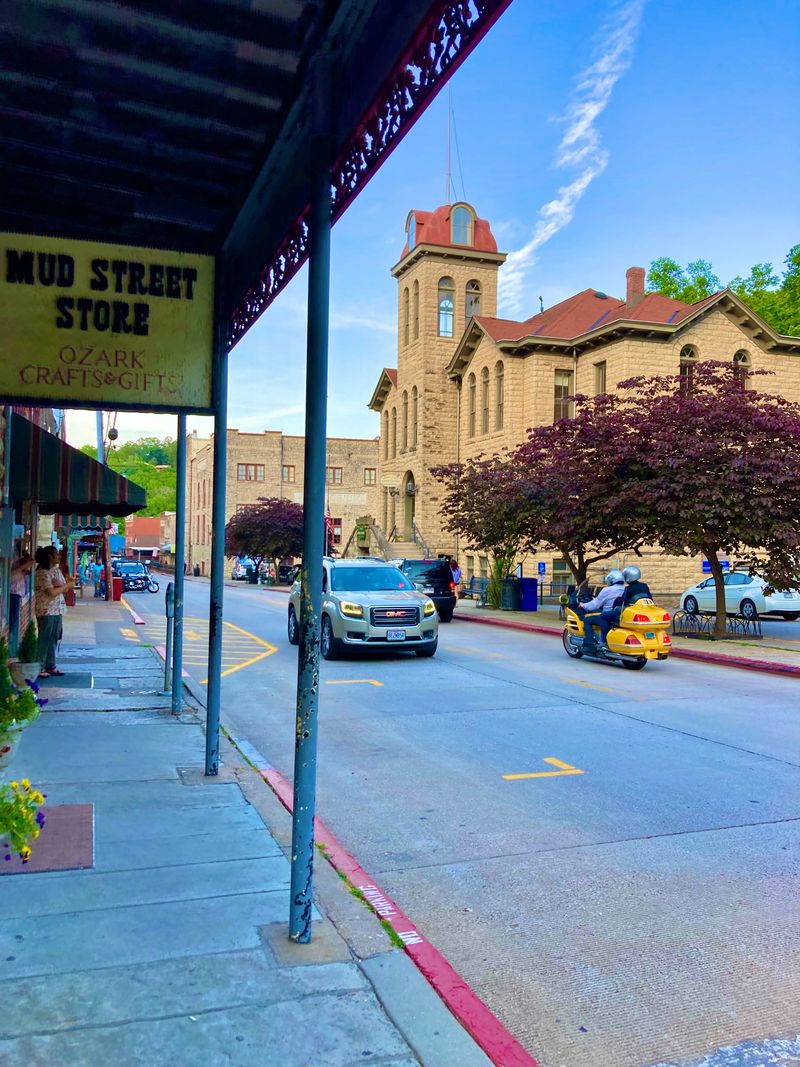
Walking through town, you notice the absence of chain stores and modern intrusions.
The topography itself discourages sprawl.
Eureka Springs grew vertically and compactly, and that density contributes to its charm.
Everything worth seeing can be reached on foot, though the hills demand a certain level of fitness and patience.
One Of The Few Arkansas Towns Designed For Wandering, Not Rushing
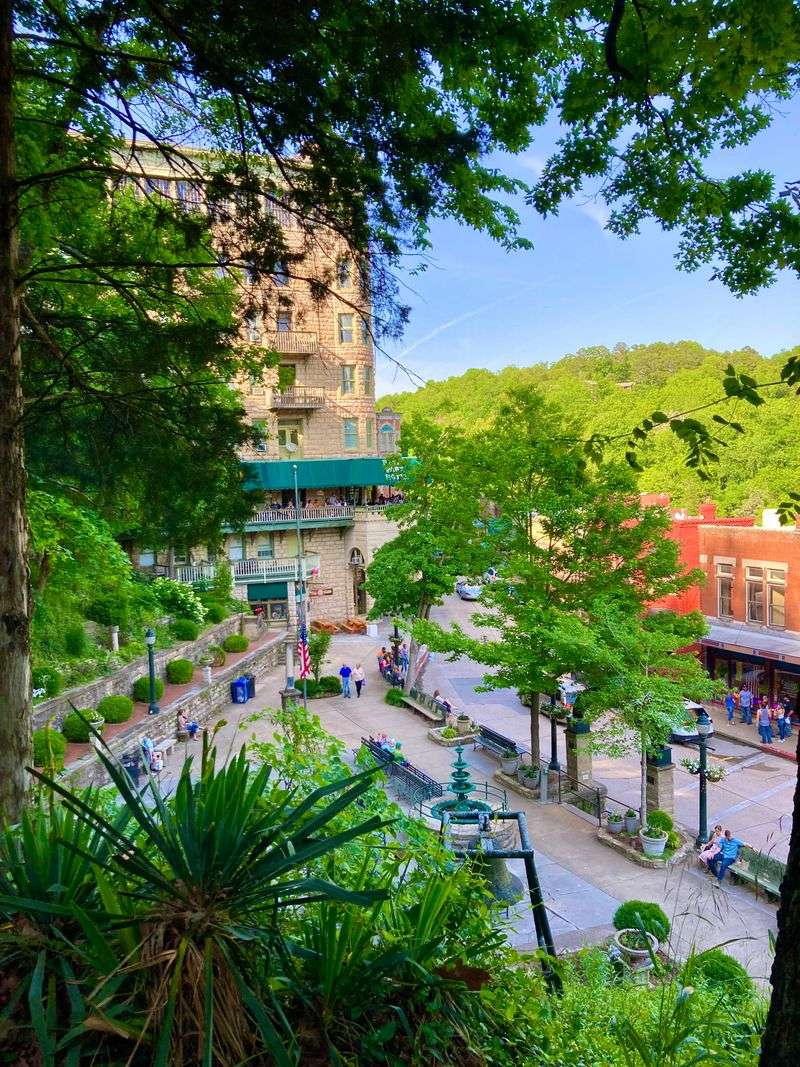
Most towns in Arkansas follow a grid. Eureka Springs does not.
The streets here were laid out to accommodate springs, slopes, and stone outcroppings, which means navigating the town requires attention rather than autopilot.
There are no straight lines, and very few intersections feel predictable.
This layout forces a slower pace.
You cannot rush through Eureka Springs because the terrain will not allow it.
Sidewalks narrow and widen. Staircases connect different elevations.
Small courtyards and overlooks appear without warning.
The experience of moving through town becomes part of the appeal rather than an obstacle to overcome.
Local shops, galleries, and cafes are scattered throughout, and discovering them feels less like following a map and more like allowing curiosity to guide your steps.
The town rewards those who wander without agenda, and punishes those who try to optimize their route.
A Place Where Historic Preservation Shapes The Entire Experience
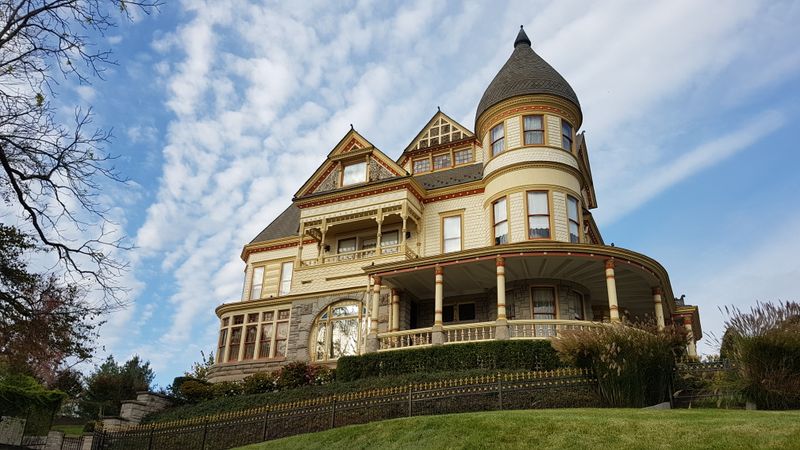
Preservation in Eureka Springs is not cosmetic.
The entire town was listed on the National Register of Historic Places in 1970, which means development and renovation are tightly controlled.
Buildings like the Basin Park Hotel, the Crescent Hotel, and the Palace Bath House have been maintained not as museums but as functioning businesses.
You can stay in these hotels, eat in their dining rooms, and walk their original halls.
The Crescent Hotel, built in 1886, still operates as a full-service inn.
Its limestone facade and wraparound porches overlook the valley below, and the interior retains much of its original woodwork and fixtures.
The Basin Park Hotel, constructed in the same era, sits at the heart of downtown and serves as both a landmark and a gathering place.
These are not recreations or themed attractions.
They are old buildings that have been cared for continuously, and that care shows in the details.
Natural Springs, Forested Hills, And Quiet Trails Just Minutes Away
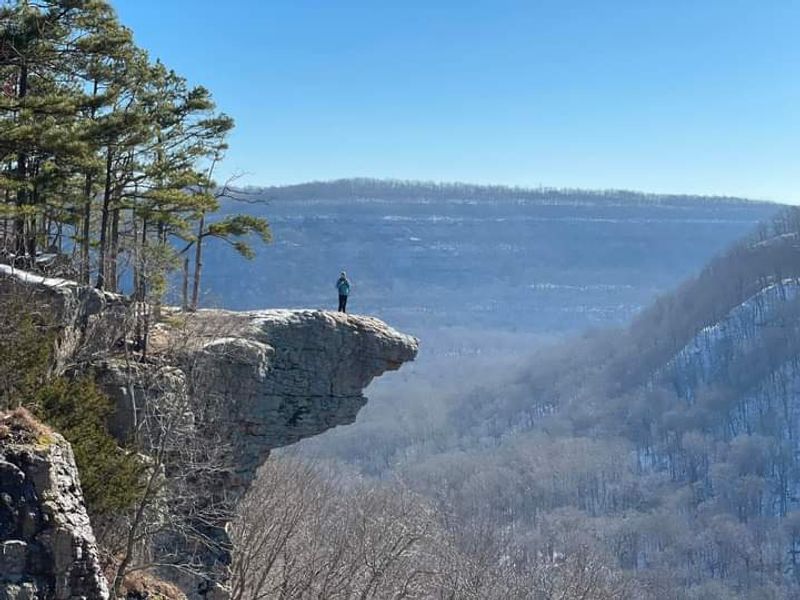
The springs that gave the town its name still flow, though they no longer draw the health-seekers who arrived in the 19th century hoping for miraculous cures.
Several of these springs are marked and accessible, tucked into parks and along pathways throughout town.
The surrounding hills are dense with oak, hickory, and pine, and the terrain invites exploration without requiring technical skill or endurance.
Lake Leatherwood City Park lies just outside town and offers miles of trails that wind through forests and around a quiet reservoir.
The trails range from easy loops to more challenging climbs, but none feel crowded or overused.
Turpentine Creek Wildlife Refuge, located south of Eureka Springs, provides another option for those interested in wildlife and conservation.
The refuge cares for rescued big cats and bears, and visitors can tour the facility and learn about the animals’ histories.
The landscape here feels untamed without being inaccessible.
Small Inns, Boutique Hotels, And Cabins That Feel Purpose-Built For Rest
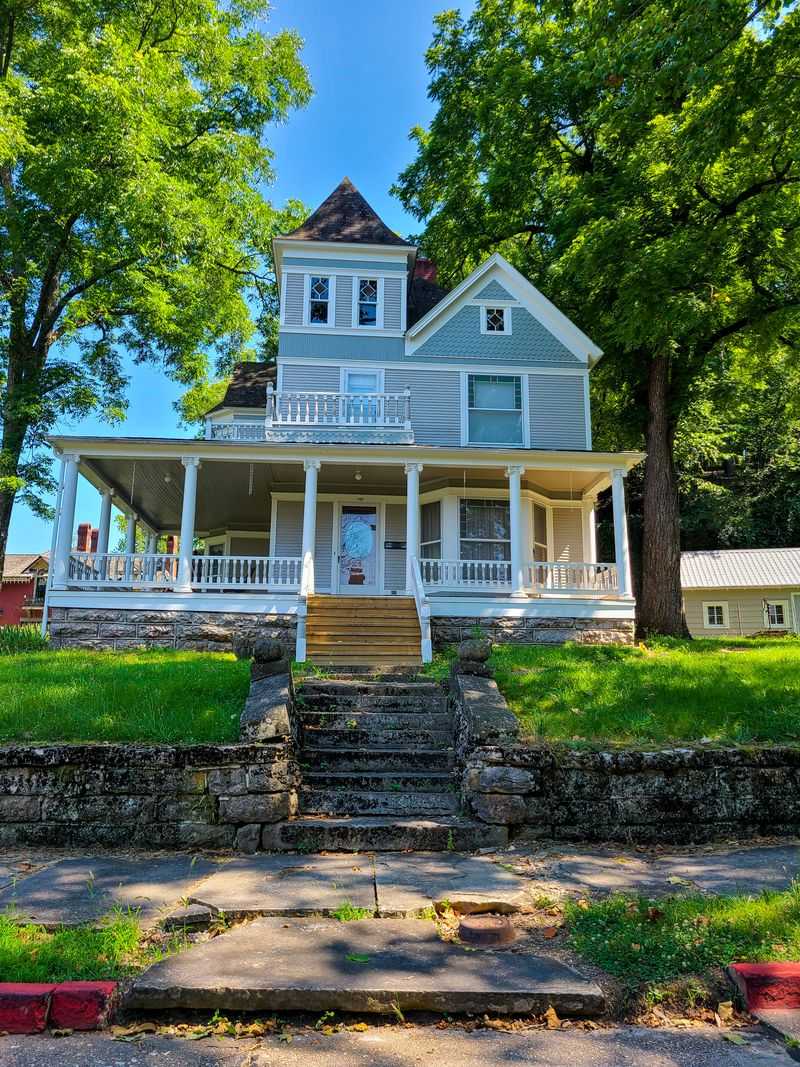
Lodging options in Eureka Springs lean toward intimacy rather than scale.
Most accommodations are small inns, bed-and-breakfasts, or standalone cabins, and many occupy historic buildings that have been adapted for modern comfort without losing their character.
The Crescent Hotel remains the most prominent, but dozens of smaller properties offer equally compelling stays.
Many of these inns sit on hillsides with views of the surrounding forest, and most emphasize quiet over amenities.
Rooms tend to be individually decorated, often with period furnishings that match the building’s age.
Some properties include gardens, porches, or private balconies that encourage sitting still rather than moving on to the next activity.
Cabins outside town offer even more seclusion, with locations that feel remote despite being only minutes from downtown.
The emphasis across all lodging types is rest, reflection, and a deliberate break from routine.
You will not find large resorts or convention hotels here.
An Arts Community That Prioritizes Creativity Over Commercialism
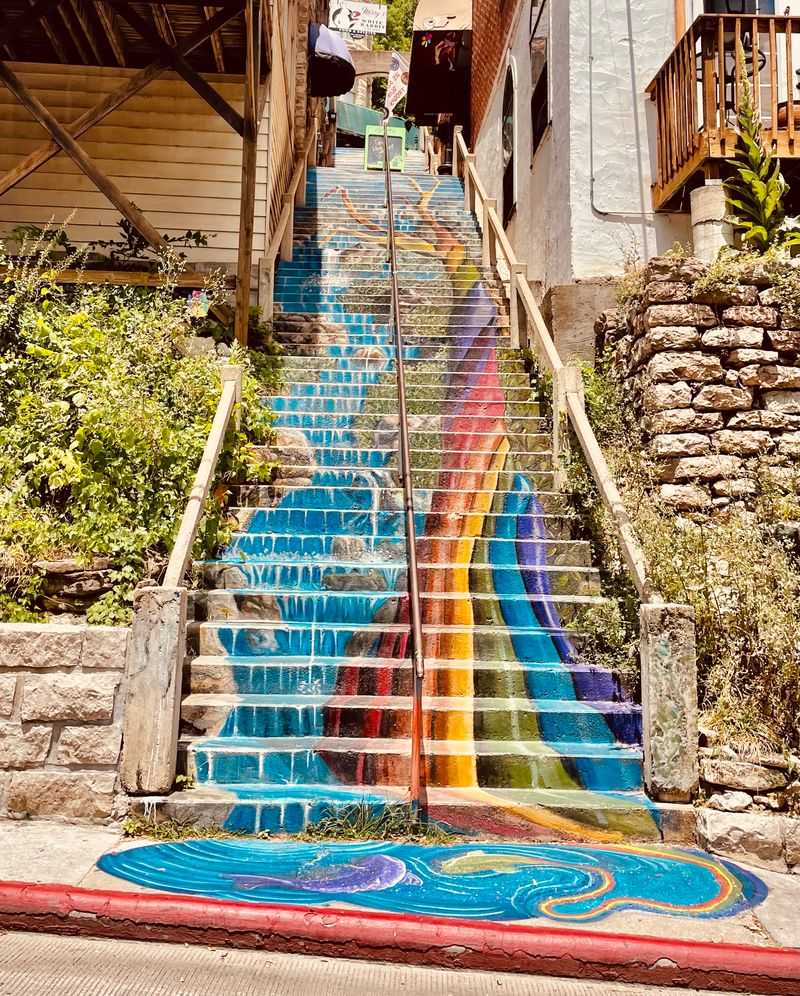
Eureka Springs has attracted artists for decades, and that presence is visible throughout town.
Galleries line the main streets, but these are not tourist traps selling mass-produced prints.
Most feature work by local and regional artists, and many of the artists themselves work in studios attached to their galleries.
You can watch painters, sculptors, and jewelers at work, and conversations about process and inspiration happen naturally.
The town also hosts regular art walks and studio tours, which offer access to spaces not typically open to the public.
The arts scene here feels organic rather than curated.
There is no single aesthetic dominating the work, and the variety reflects individual vision rather than market trends.
Thorncrown Chapel, located just outside town, stands as one of the most striking examples of art intersecting with architecture.
Designed by E. Fay Jones, the chapel is constructed almost entirely of wood and glass, and its soaring interior feels both sacred and open to the surrounding forest.
Local Dining That Encourages Lingering, Not Fast Turnover
Restaurants in Eureka Springs do not rush their guests.
Service is attentive but unhurried, and meals are meant to occupy time rather than fill a gap between activities.
The dining scene emphasizes regional ingredients and straightforward preparation, with menus that change based on season and availability.
You will find Southern staples alongside dishes influenced by the town’s eclectic population.
Many restaurants occupy historic buildings with dining rooms that feel lived-in rather than designed.
Exposed brick, original woodwork, and vintage fixtures are common, and the ambiance supports conversation rather than distraction.
Outdoor seating is prevalent during warmer months, with patios and porches offering views of the street or surrounding hills.
Breakfast tends to be leisurely, lunch casual, and dinner the main event of the day.
The town also supports a handful of cafes and bakeries where locals gather in the mornings, and these spaces provide a glimpse into daily life beyond the tourist flow.
A Town That Comes Alive Without Ever Feeling Loud
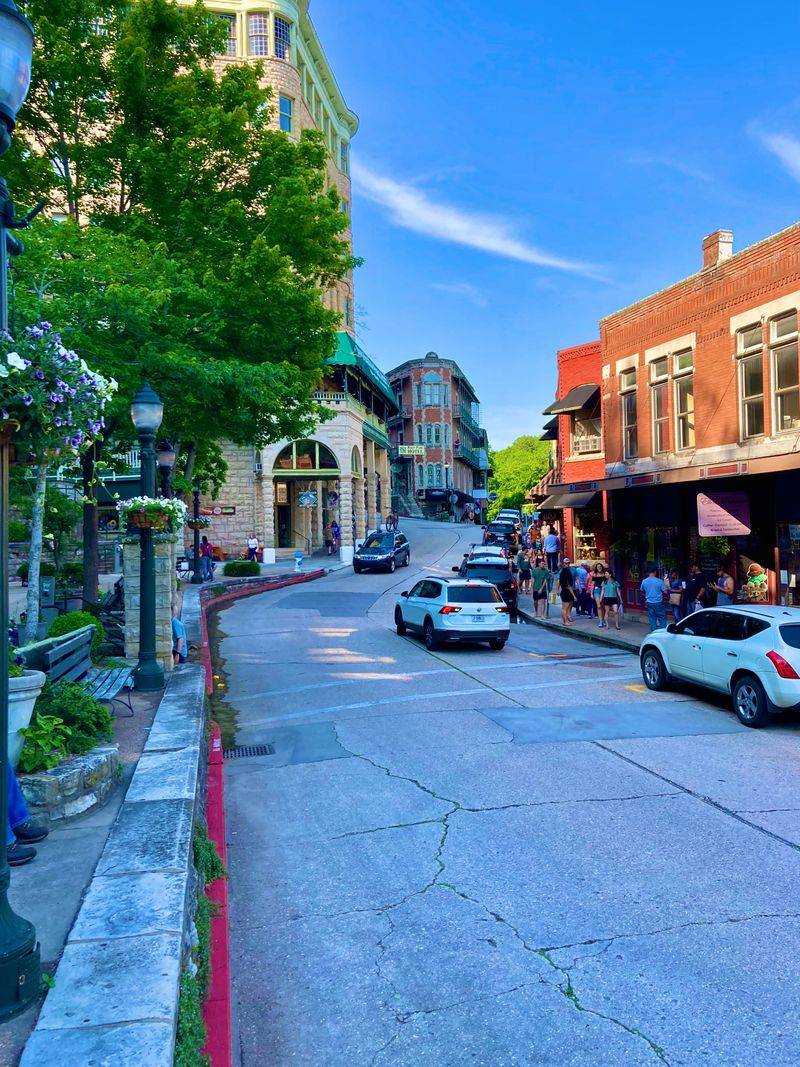
Activity in Eureka Springs builds gradually as the day progresses, but the volume never rises to the level of larger tourist destinations.
Mornings are quiet, with most businesses opening late and foot traffic limited to early risers and locals.
By midday, galleries and shops are open, and visitors begin filling the sidewalks, though crowds remain manageable.
Evenings bring a different energy.
Restaurants fill, live music drifts from a few venues, and the streets take on a softer glow under vintage streetlights.
The town feels occupied but not overrun.
There are no nightclubs or loud bars, and entertainment leans toward acoustic performances, theater, and storytelling rather than spectacle.
This measured pace makes Eureka Springs feel welcoming to those seeking engagement without overstimulation.
You can participate in the town’s social life without feeling swept up in it, and solitude remains easy to find even during peak visiting hours.
Wellness, Spas, And Quiet Escapes Built Into The Town’s Culture
The original appeal of Eureka Springs was medicinal. Visitors came for the springs, believing the waters held healing properties.
While the health claims have faded, the emphasis on wellness has not.
Several spas operate in town, many incorporating the spring water into their treatments.
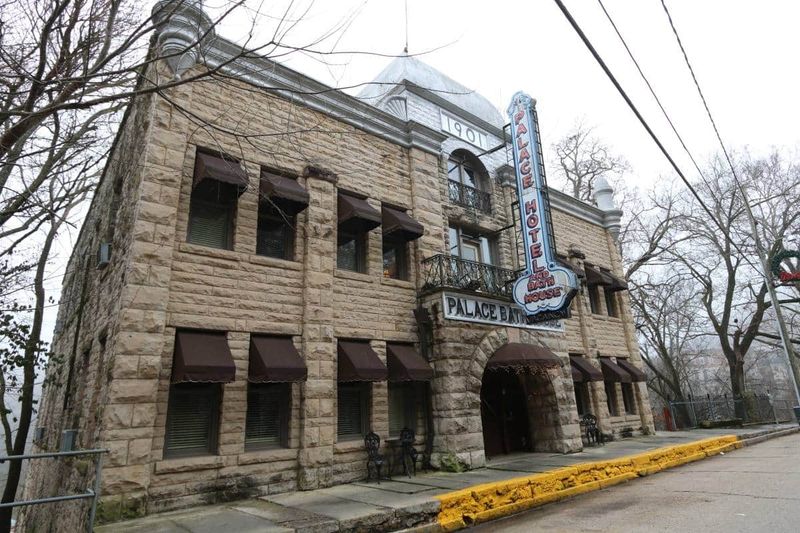
The Palace Bath House, built in 1901, continues to offer traditional bathhouse services alongside modern spa treatments.
The building itself is part of the experience, with original tilework and fixtures preserved throughout.
Other wellness-focused businesses have emerged in recent years, offering massage, yoga, and holistic therapies that align with the town’s slower pace.
These are not luxury spas with elaborate facilities but smaller, quieter spaces that prioritize relaxation over indulgence.
The culture of wellness extends beyond formal services.
The town itself encourages rest simply by being difficult to hurry through, and the natural surroundings provide ample opportunity for quiet reflection without needing to book an appointment.
Why Two Days In Eureka Springs Feels Longer Than A Typical Weekend Trip
Time behaves differently in Eureka Springs.
Two days here can feel more restorative than a week spent rushing between attractions elsewhere.
The town’s layout forces a slower pace, and the absence of typical tourist infrastructure means there are fewer distractions pulling your attention in competing directions.
Without chain stores, traffic lights, or sprawling parking lots, the experience feels more concentrated and less fragmented.
The natural setting also contributes to the sense of time expanding.
Mornings are quieter, sunlight filters through dense tree cover differently, and the sounds of the town are muted by surrounding hills.
You notice details more easily because there is less visual noise competing for attention.
A weekend here does not feel packed with activity, but it also does not feel empty.
The balance between engagement and rest allows for genuine relaxation without boredom, and that balance is rare enough to make the visit memorable long after returning home.