
The Quiet Florida Keys Town Locals Don’t Want You To Know About
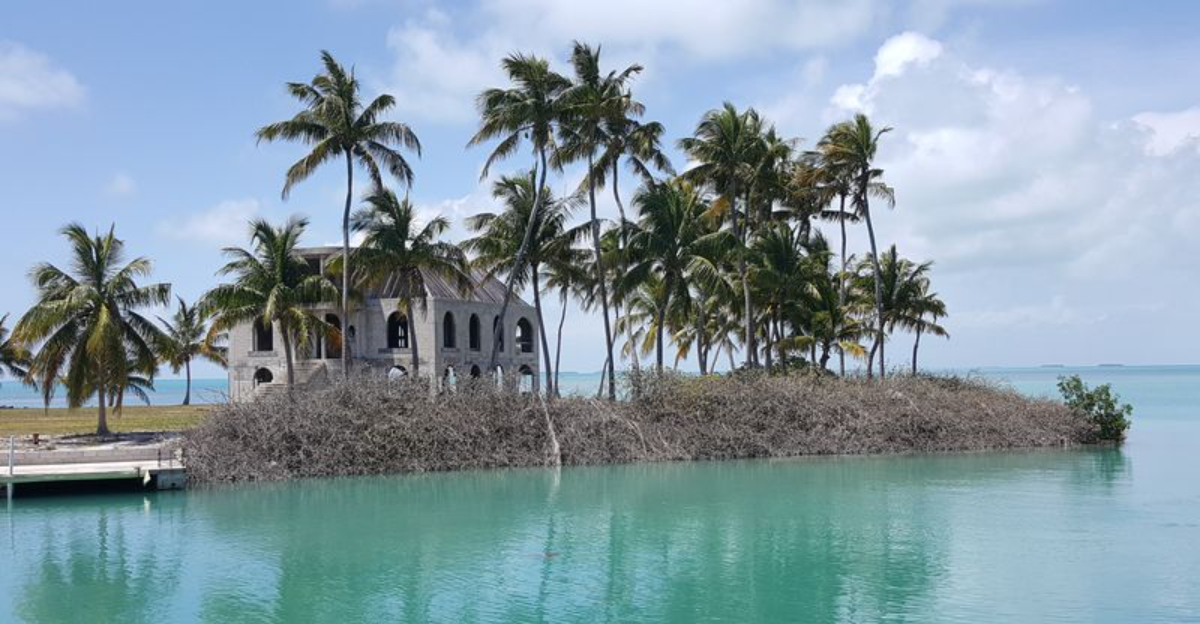
You arrive expecting postcard scenery and leave thinking about small conversations, like the bait shop owner who points you toward a quiet jetty with a nod.
Islamorada does that to you, not with spectacle, but with a steady tide of details that settle in and linger.
The village stretches over six Keys, where reef light and mangrove shade fold the day into a gentle rhythm you can feel in your shoulders.
Spend a little time here and you start noticing what locals protect by saying very little.
Mornings On The Old Highway Shoreline
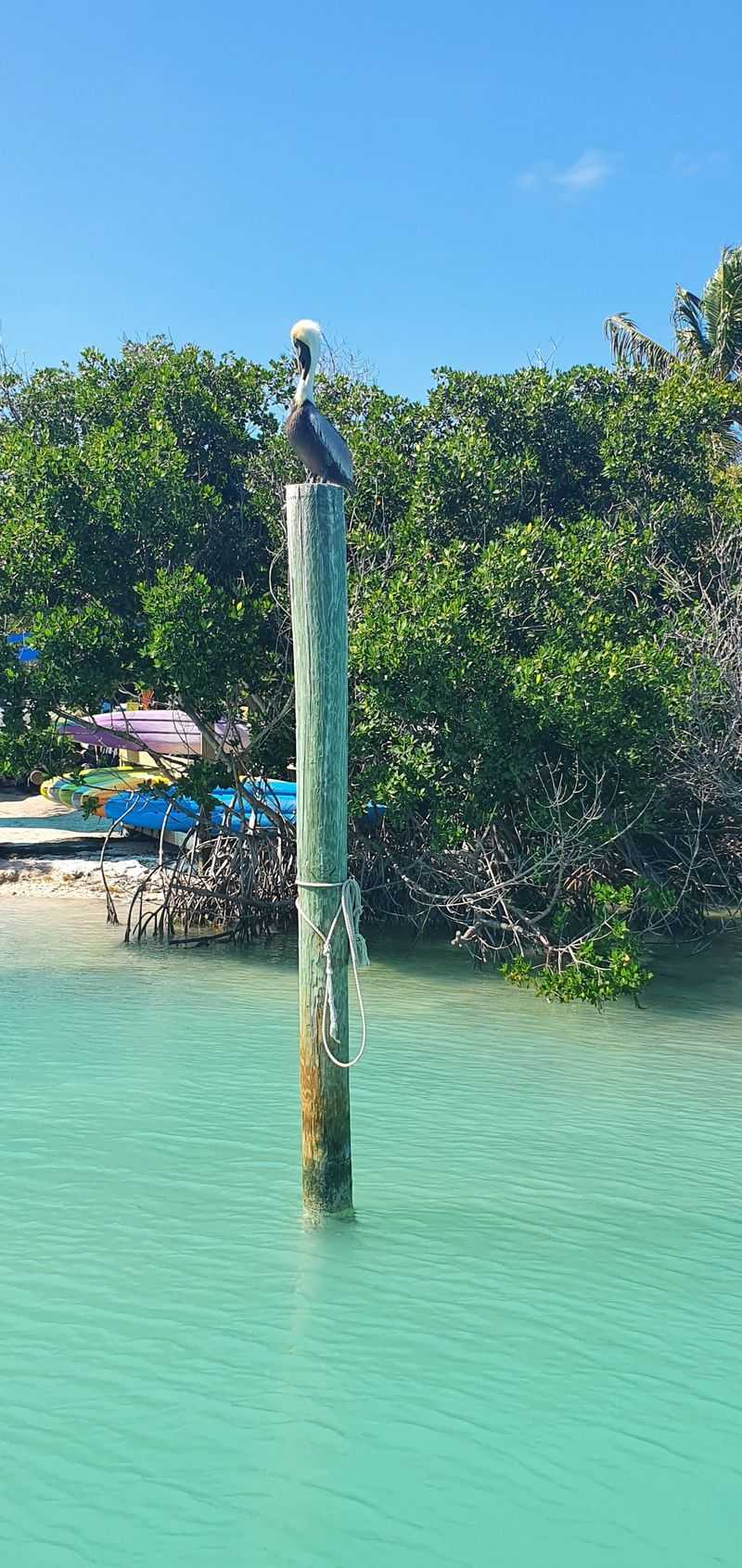
First light in Islamorada works like a whisper you actually hear, a pale tint sliding across water as pelicans shuffle awake on dock pilings.
You stand near the Old Highway shoulder, just past a curve that most drivers miss, and watch the shallows turn from slate to tea green.
A skiff murmurs by, its wake sketching brief geometry, then smoothing to glass as if nothing disturbed it.
Later, a jogger offers a wave that feels neighborly rather than polite, and the breeze picks up just enough to lift the palms without fuss.
The scent carries a hint of salt and leaf, a reminder that mangroves do steady work without demanding attention.
A heron freezes by a pothole pond, every line composed, while distant roosters stage a late chorus from a yard nobody seems to mind.
By the time the sun clears the reef line, small shadows tuck under the seawall and you can see crab tracks stitched in wet sand.
You note the mile markers like quiet punctuation marks, a local language that tells you where to turn without urgency.
If you head south, the address becomes Islamorada, Florida, a village stretched thin in the best way, and the road slows the conversation.
Morning leaves you with a simple plan, which is to keep going slowly, notice more, and let the day invite you rather than announce itself.
Windley Key Fossil Pages Underfoot
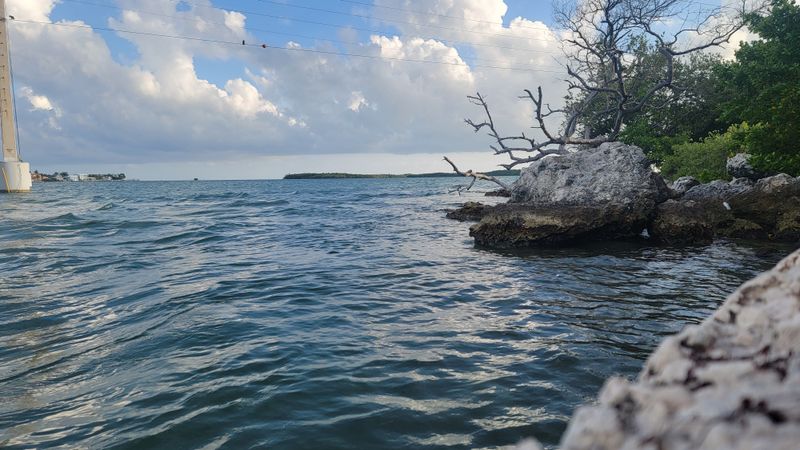
Walk into Windley Key Fossil Reef Geological State Park and the ground starts telling you old stories, each coral imprint a line of text pressed into limestone.
Former quarry walls rise like shelves in a library, their layers revealing epochs the way tree rings do.
You trace a fingertip along a fossil brain coral and realize time can be both dense and available, if you move with care.
On the loop trail, small lizards flicker between sun patches, and the air holds just enough shade to keep the pace enjoyable.
Signs lean toward clarity rather than glamour, laying out how these rocks shaped the Keys and the highway that ties them together.
The soundscape is sparse, mostly leaf rustle and the quick scratch of tiny feet, with an occasional distant engine reminding you civilization sits just beyond the trees.
In one corner, a ranger points out a quarry cut where the patterns read like paragraphs, and you think about the patient work of extracting both stone and meaning.
The park sits in Islamorada, Florida, a low-key address that fits the quiet mood of the place.
When you exit, the world feels a touch newer, even though everything you saw was ancient.
It leaves you with a measured sort of curiosity, the kind that keeps questions open and the next path just ahead.
A Small Museum With A Big Breath
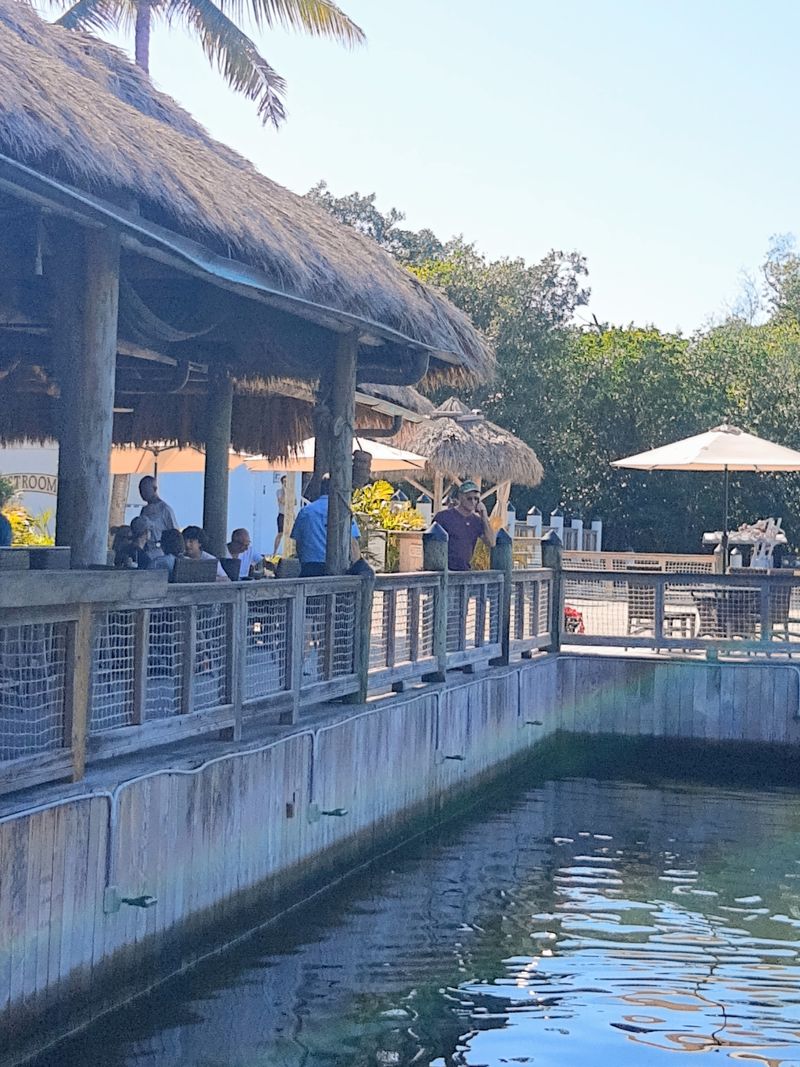
Step into the History of Diving Museum and the air changes slightly, scented with brass polish and stories you did not expect to find on a fishing-leaned island.
Rows of helmets sit like dignified characters, their glass ports catching your reflection for a second before giving it back.
A 16th-century treasure chest anchors your attention, quiet and heavy with the stubborn fact of survival.
Moving through the galleries, you follow a line from breath-holding daring to careful engineering, where each valve and hose feels like a promise.
Exhibits favor detail over drama, which suits a village that trusts you to pay attention.
The curators arrange timelines without pushing, letting you piece together the ambition that sent people under water long before modern certainties.
Somewhere near the end, a video murmurs about local wrecks, and the words fold neatly into the day’s tide outside.
The museum sits right in Islamorada, Florida, an easy stop along the Overseas Highway if you aim for a thoughtful hour.
You leave with a new respect for patience and pressure, two forces that shape both reefs and plans.
It is a concise lesson delivered without noise, and it stays with you longer than expected.
A Reef Afternoon That Doesn’t Rush You
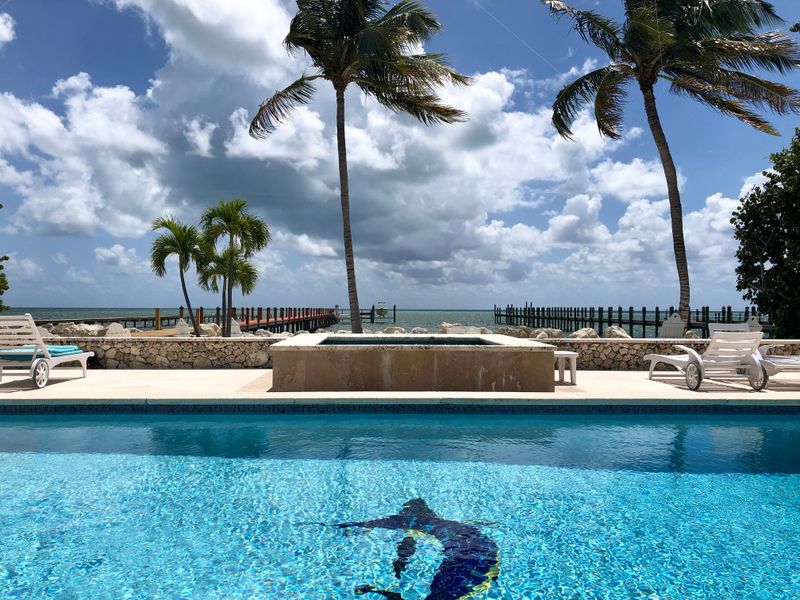
Out on the reef, the day decides to idle, and you gladly match its pace while the boat rocks like a slow metronome.
The water blinks from turquoise to sapphire as sunbeams ladder down and small parrotfish work their way across coral heads.
You settle into the snorkel’s rhythm until breath and motion find an easy loop.
Guides gesture toward elkhorn clusters and the occasional shy nurse shark, each moment presented without hype.
The ocean asks for steady fin kicks and modest expectations, then repays both with clear visibility and little surprises.
A barracuda hangs in place like a quiet thought, unbothered by your presence and fully committed to stillness.
Closer to the surface, you watch raindrops start, a brief stipple that vanishes before it counts as weather.
The reel of islands behind you confirms the address as Islamorada, Florida, with the reef line sitting like a careful boundary just offshore.
When the ladder thumps and you climb aboard, salt dries into a light map across your shoulders.
You end up with a memory that feels tidy and unforced, the sort you can revisit without explaining too much.
Theater Of The Sea In A Gentle Key
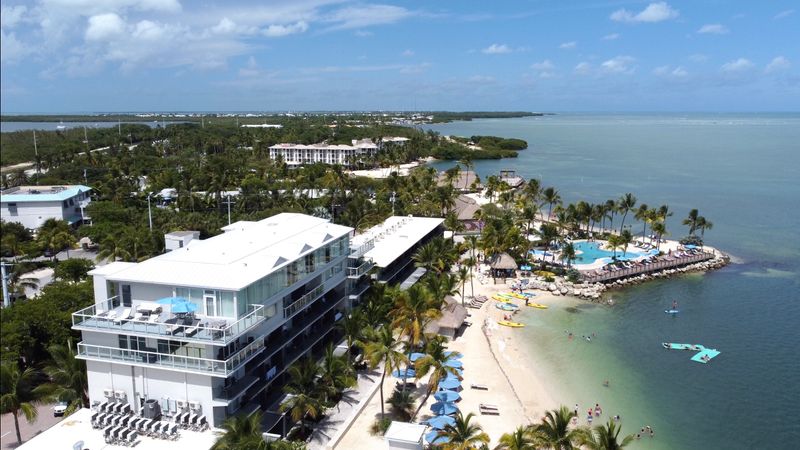
At Theater of the Sea, the lagoon looks cut to scale for an easy afternoon, its water tucked into green edges and low pastel buildings.
Dolphins surface with a soft punctuation, not showy, just deliberate, while trainers keep the tone warm and grounded.
You watch from shaded seats, and the whole scene feels pleasantly local rather than staged.
Between programs, you wander quiet paths where iguanas sun themselves with veteran calm, and a breeze threads through the palms.
Staff answer questions with matter-of-fact care, pointing out the rescue stories folded into the schedule.
The place has been part of Islamorada life for decades, and it carries that weight lightly, the way an older dock holds its creaks.
By the snack stand, you find a map and realize how close everything sits to the Overseas Highway, though the sound falls away once you step inside.
The address reads Islamorada, Florida, yet the atmosphere belongs to a small-era Keys day that has not rushed to modern tempo.
When you leave, the lagoon keeps its quiet, and your footsteps do too.
The memory echoes like an easy refrain you are in no hurry to finish.
Indian Key’s Ruins And Wind

Indian Key sits a short paddle from Islamorada, a low island where ruins hold their shape just enough to suggest the rest.
The path wanders past foundations that mark houses and commerce from the 1800s, now reduced to outlines and coral-stone corners.
Wind works the scrub like a careful hand smoothing pages that cannot be turned.
You land a kayak at a shallow edge and walk with a bottle of water and a small sense of ceremony.
Interpretive signs avoid melodrama, laying out the rise and fall of a tiny town that once carried outsized plans.
The silence carries weight, made fuller by the hiss of tide against rock and the hum of distant boats.
From the observation spot, you look back toward Islamorada, Florida, and feel the short distance stretch into history.
The island asks for respect in practical ways: reef-safe sunscreen, sturdy shoes, and a willingness to pack out what you brought in.
When you push off for the return, the bow bumps through clear chop and the story rides with you, steady and trimmed.
It is an excursion that changes the day without trying.
Lignumvitae Key And The Shade That Waits
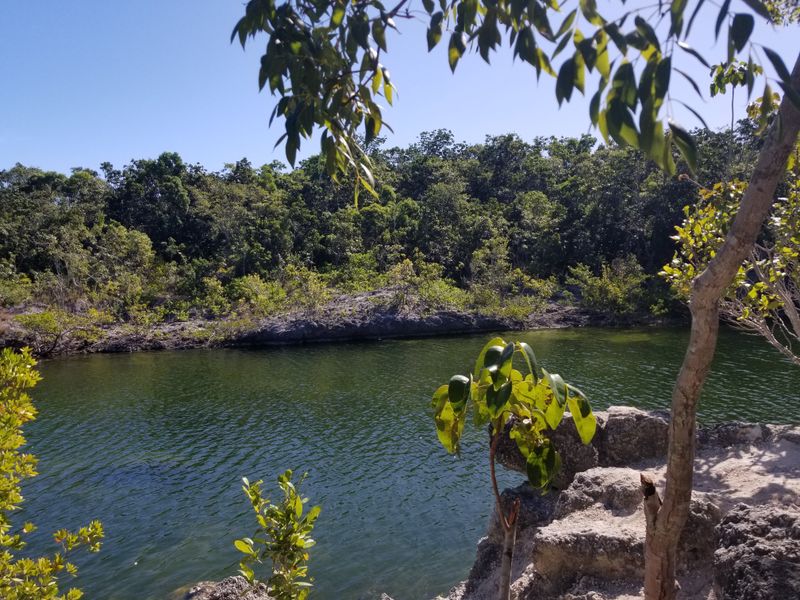
Lignumvitae Key keeps its cool in a way that feels deliberate, a canopy of tropical hardwoods folding over trails like an answer you have to enter to understand.
The ranger speaks softly about lignum vitae wood and the Matheson House, a modest structure that wears its history without fuss.
Sunlight filters down in patient pieces, and the understory stays tidy and respectful.
You reach the dock by small boat, an approach that sets the mood correctly, since convenience would spoil the tone here.
A tour rounds out the story with details on botany and Keys settlement patterns, useful without being precious.
The breeze off Florida Bay carries a clean edge, and birds mark the margins in brief arcs.
Back on the water, the return to Islamorada, Florida, feels like closing a good book without the urge to skip the last page.
The island’s quiet seems to follow you, adjusting the volume on the rest of the day.
You look at your watch and decide not to decide anything for a while.
That is the kind of lesson you do not argue with.
Evening Docklines And A Good Plate
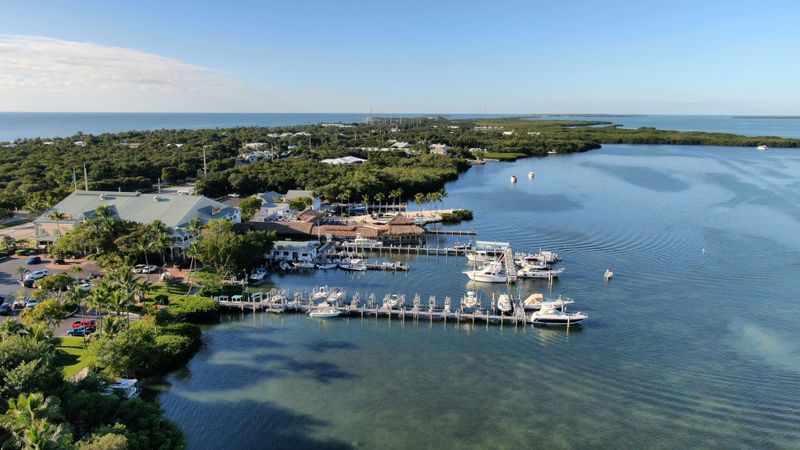
Evening in Islamorada gathers at the marinas, where coiled lines sit like tidy promises and the water reflects a gold that refuses to hurry.
Charter skippers swap notes with a brevity you respect, one eye on the forecast and one on the fuel dock.
The day’s talk thins into clinks of ice and the soft thud of coolers finding home.
You slide onto a patio chair at a waterfront spot and order grilled fish with conch fritters, a pairing that reads like a local handshake.
Service comes with the kind of calm that treats your time as legitimate, no theater, just competence.
Somewhere behind you, a radio plays a song from another decade and it fits.
After dinner, you walk toward mile markers that bring you back to the address everyone shares: Islamorada, Florida, spread across six islands and a generous twilight.
The dock lights come up in even steps, and the wind trades the day’s salt for night’s cool.
You think about how little needed to happen for the evening to work. That recognition feels like the place signing its name with steady handwriting.