
The Quiet Florida Lake Beach That Somehow Stays Off The Tourist Radar
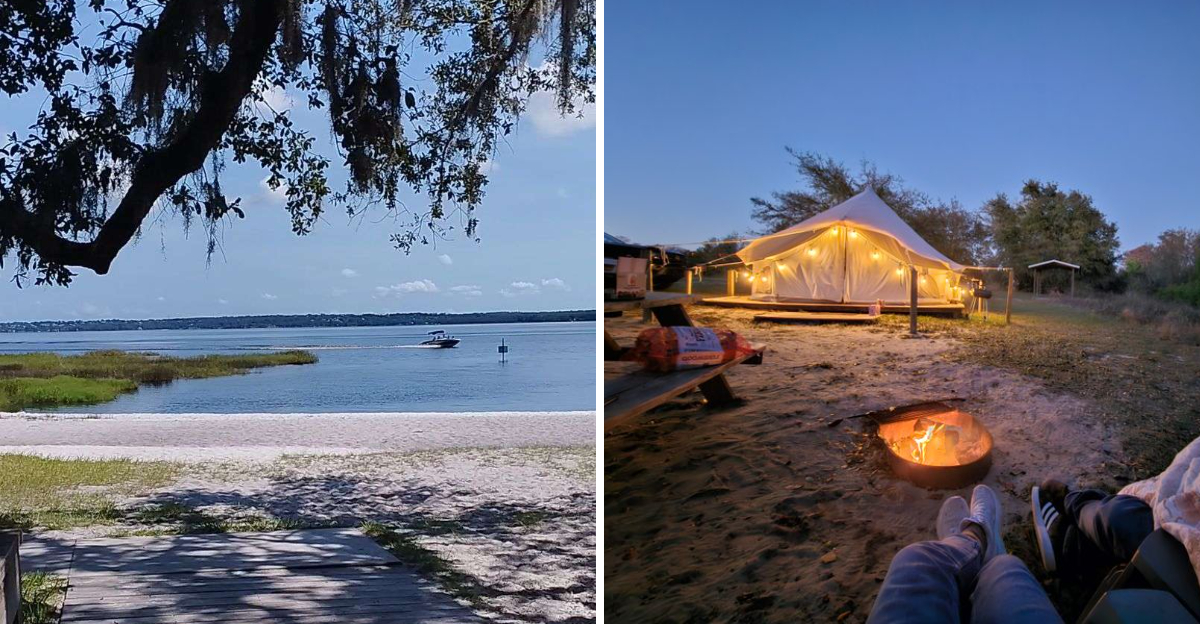
Just west of Orlando lies a stretch of freshwater shoreline that offers something surprisingly rare in a state known for its coastline: a true swimming beach without the crush of ocean crowds. While many visitors head straight for the Atlantic or Gulf, this wide-open landscape remains notably peaceful, even during busier months.
More than 4,500 acres of protected land unfold into rolling hills, oak hammocks, and six connected lakes where calm water meets soft sand. Anyone looking to swap salt spray and surf for still mornings and unhurried afternoons will find this quiet corner of Lake County delivers a refreshing change of pace.
One Of Central Florida’s Largest State Parks
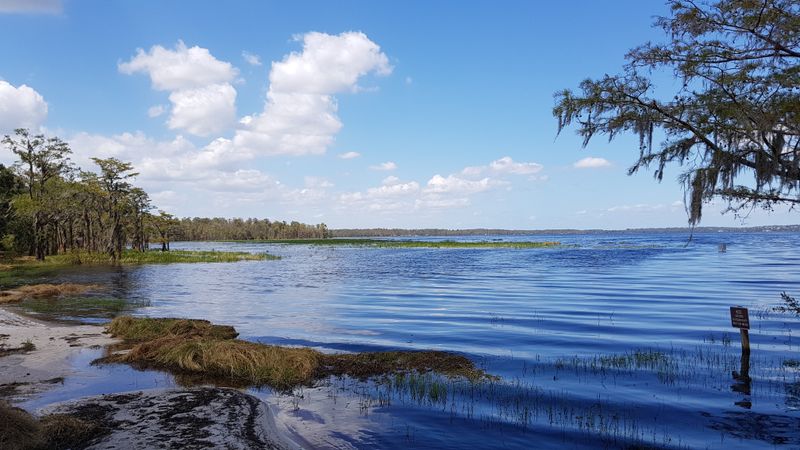
Covering more than 4,500 acres, Lake Louisa ranks among the most substantial protected areas in the region. The park stretches across a landscape that feels surprisingly varied for Central Florida, with terrain that rolls gently rather than lying flat.
Oak hammocks give way to pine flatwoods, and wetlands border open prairies where wildflowers bloom in cooler months. The size alone ensures that even on busy weekends, visitors spread out enough that solitude comes easily.
Located at 7305 US-27 in Clermont, the park sits in an area that was once slated for development but was preserved through state acquisition in the 1970s. That decision saved a landscape that now serves as a refuge for both wildlife and people looking to escape urban sprawl.
The acreage includes not just the lakes themselves but also buffer zones that protect water quality and provide habitat corridors. Trails wind through sections that feel remote despite being close to highways and subdivisions.
The scale of the place rewards exploration and makes repeat visits worthwhile.
A Real Sandy Swimming Beach On Lake Louisa
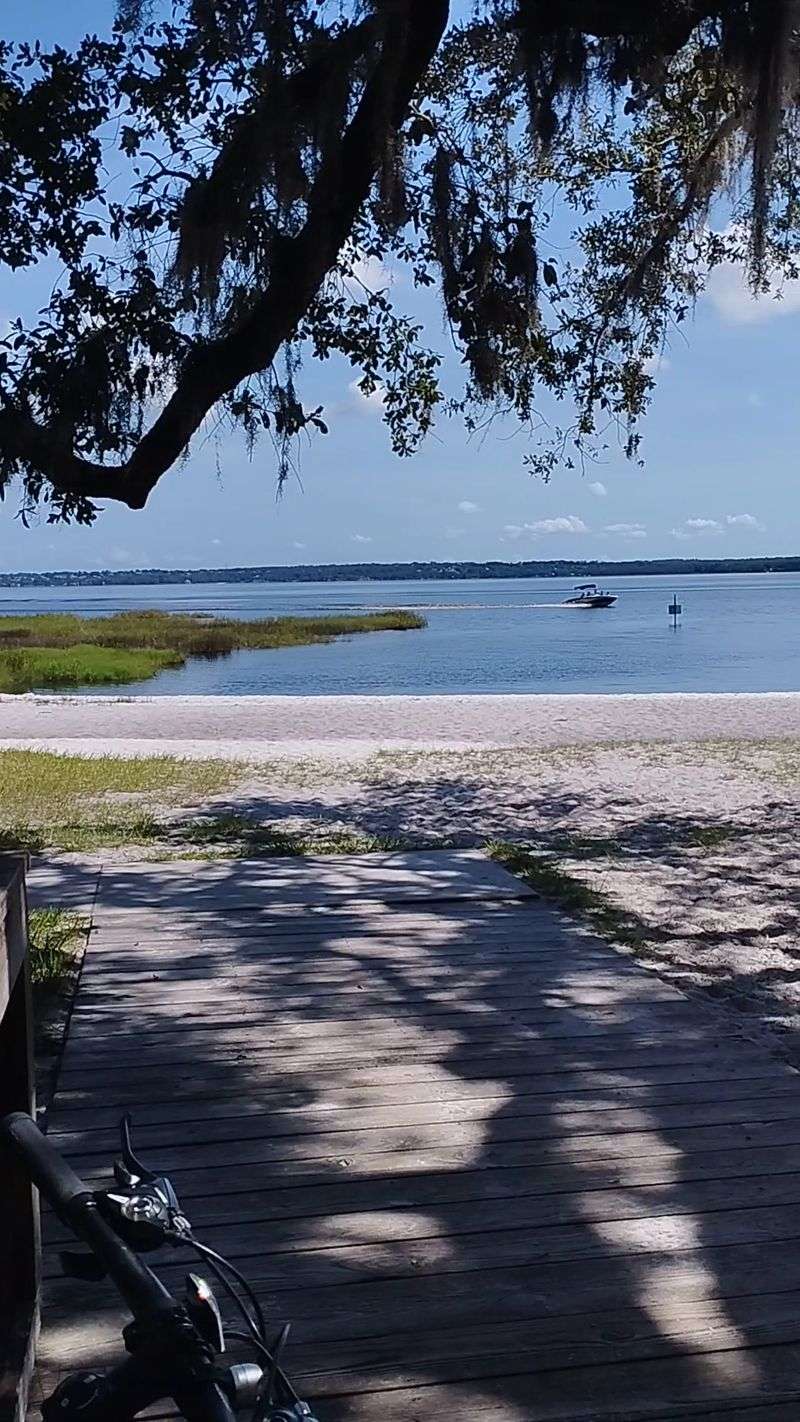
Lake Louisa offers a genuine sand beach, a rarity among Florida’s inland waters where many shorelines turn muddy or rocky. The sand here stays white and fine, similar to what you would find along the coast but without the salt or the waves.
The swimming area remains shallow for a good distance from shore, making it ideal for children and nervous swimmers. Water clarity varies with the season, but on calm mornings the lake surface reflects the sky like polished glass.
Lifeguards do not staff the beach, so visitors swim at their own discretion, but the gentle slope and absence of currents create safer conditions than ocean beaches. Restrooms and outdoor showers sit within easy walking distance, and a small playground keeps younger children entertained when they tire of the water.
The beach faces west, so afternoon sun warms the sand without becoming unbearable under the shade of nearby trees. Grills and picnic tables line the area behind the beach, turning the spot into a popular location for family gatherings.
The sand stays clean, and park staff maintain the area with care.
Just 30 Minutes From Orlando — Yet Worlds Away
The drive from downtown Orlando takes roughly half an hour, depending on traffic, yet the atmosphere at Lake Louisa feels entirely disconnected from theme parks and tourist corridors. Highway 27 cuts through horse country and citrus groves before reaching the park entrance, and the transition happens quickly.
No billboards announce the park, and no commercial development crowds the perimeter. The quiet begins the moment you turn off the main road.
Visitors often express surprise at how quickly the urban noise fades. Cell service works reliably, but the lack of crowds and the abundance of natural sounds create a sense of remoteness that belies the proximity to one of the busiest tourist destinations in the world.
This location makes the park especially valuable for locals who need a quick escape without committing to a long drive. Weekend mornings see families arriving early to claim picnic spots, but by midday the beach rarely feels crowded.
The park serves as a reminder that even in heavily developed regions, pockets of genuine nature persist if someone takes the trouble to protect them.
Six Scenic Lakes In One Park
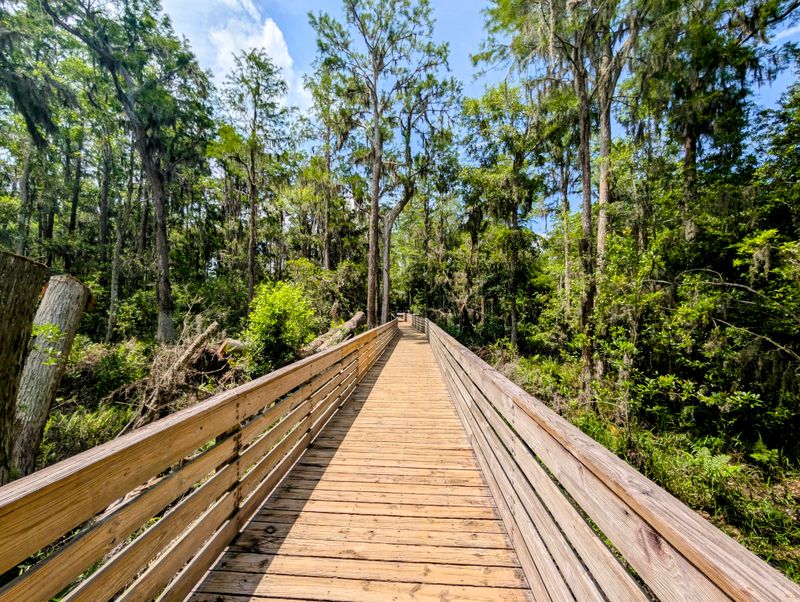
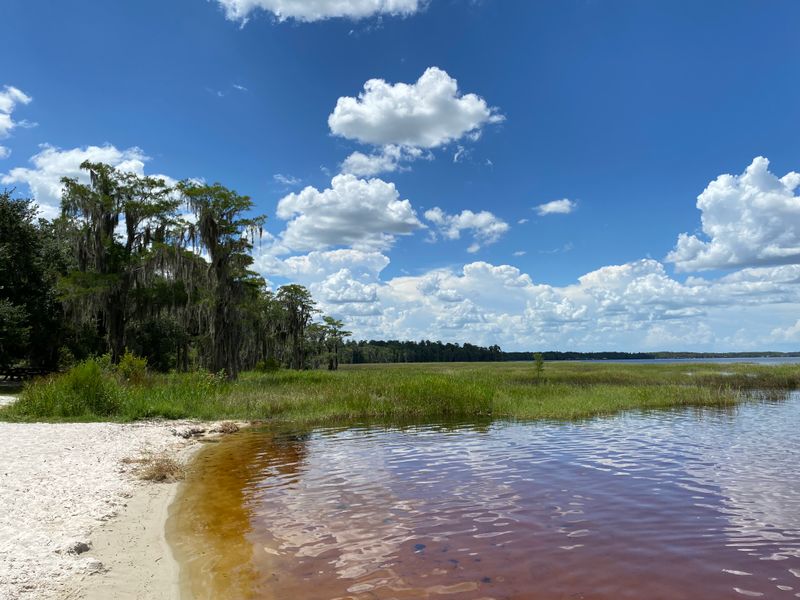
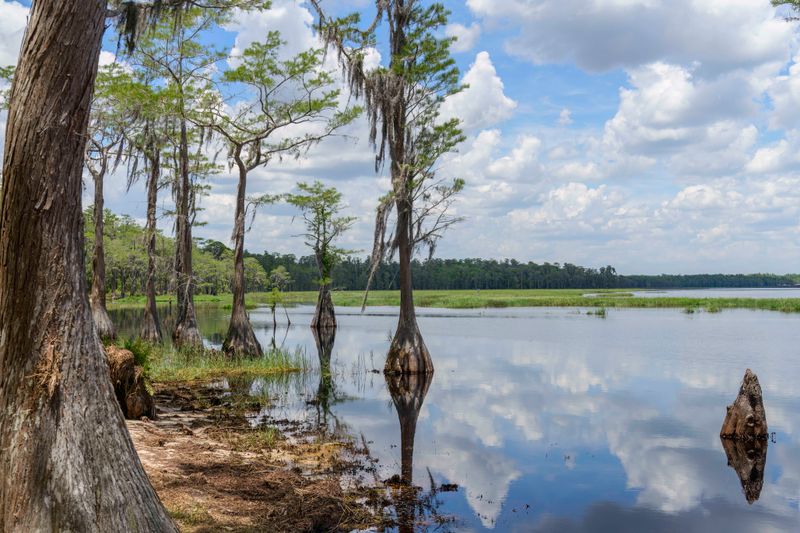
Lake Louisa anchors the system, but five additional lakes dot the property, each with its own character and appeal. Hammond Lake sits to the north, smaller and more secluded, while Dixie Lake curves along the southern boundary with cypress trees leaning over dark water.
The lakes connect through wetlands and channels that create a complex aquatic network. Each body of water attracts different wildlife and offers different recreational opportunities.
Some lakes remain quieter because they lack boat ramps or direct road access, appealing to paddlers who prefer solitude over convenience. Others see more activity, especially during fishing season when anglers target bass and bream.
The variety means visitors can choose their experience based on mood and preference. Want to paddle without encountering motorboats?
Head to one of the smaller lakes. Looking for a place to swim?
Lake Louisa itself provides the best access.
The presence of multiple lakes also distributes visitor impact, preventing any single area from becoming overused. Water levels fluctuate with seasonal rainfall, but the lakes maintain their appeal year-round.
The interconnected system creates a sense of abundance that single-lake parks cannot match.
Kayaking And Paddleboarding On Glassy Morning Water
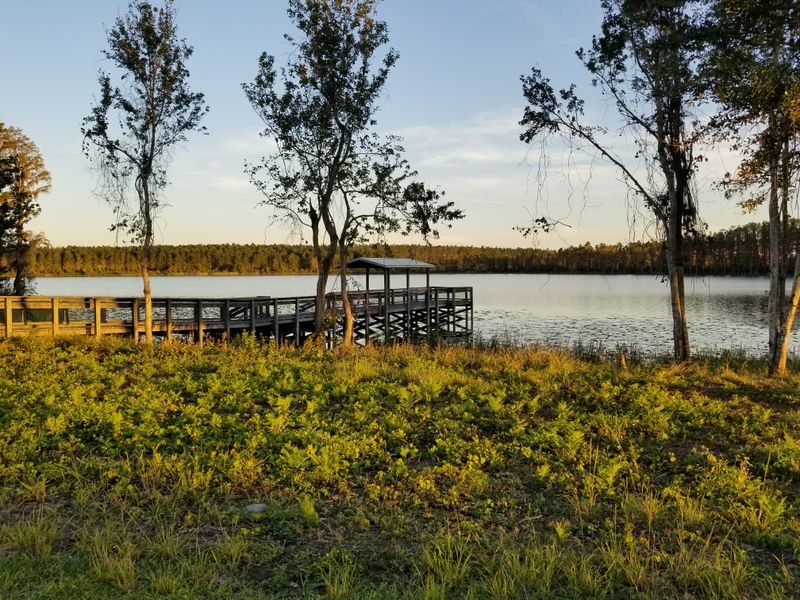
Early mornings at Lake Louisa reward paddlers with mirror-smooth water and the kind of stillness that makes every stroke feel meditative. The park offers kayak and canoe rentals at reasonable rates, and visitors can also bring their own watercraft.
Launch sites provide easy access, and the lack of motorboat traffic on most lakes keeps the water calm. Paddleboarding has grown popular here, with the shallow areas near shore offering forgiving conditions for beginners.
The lakes vary in size, so paddlers can choose short loops or longer excursions depending on energy levels and available time. Shorelines lined with cypress and oak create scenic backdrops, and wildlife sightings add interest to every outing.
Mornings remain coolest, but even midday paddling stays pleasant when a breeze picks up. The water temperature feels refreshing without being shockingly cold, and capsizing rarely creates more than minor inconvenience in the shallow sections.
Rentals operate through the Camper Canteen, where staff provide basic instruction and safety equipment. Experienced paddlers appreciate the variety of routes and the option to explore quieter lakes that see fewer visitors.
The glassy water conditions typical of early hours make photography especially rewarding.
Wildlife Sightings Are Part Of The Experience
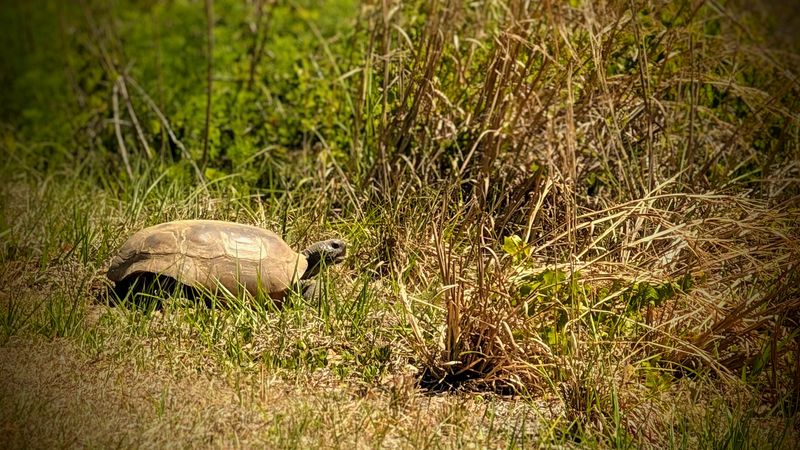
Deer appear frequently along trails and near the camping areas, often grazing in open fields during early morning and late afternoon. Armadillos root through leaf litter, seemingly oblivious to human presence, while raccoons make their rounds after dark.
Wading birds stalk the shallows, and ospreys circle overhead before diving for fish. Wild turkeys strut through the woods, and occasionally a bobcat leaves tracks in the sand.
The park once supported a population of wild hogs, though sightings have become less common as management efforts continue. Alligators inhabit the lakes, as they do throughout Florida, but they generally keep their distance from swimming areas and pose little threat to cautious visitors.
Birdwatchers bring binoculars to spot species that range from common egrets to less frequently seen painted buntings. The variety of habitats within the park supports diverse wildlife populations, and patient observers often see more than those who rush through.
Rangers occasionally lead nature walks that highlight seasonal wildlife activity, and interpretive signs along trails provide information about animal behavior and ecology. The wildlife presence adds a layer of unpredictability and delight that static landscapes cannot provide.
Over 20 Miles Of Hiking And Biking Trails
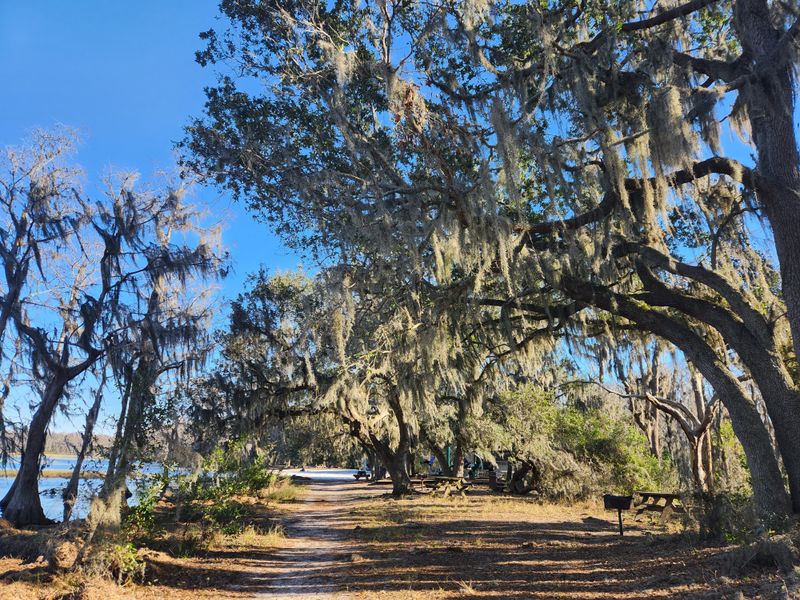
The trail system at Lake Louisa covers more than 20 miles, offering routes that range from easy lakeside walks to longer loops through backcountry terrain. The Lake Louisa Loop Trail circles the main lake, providing water views and shaded sections under oak canopy.
Other trails push deeper into the park, crossing prairies and pine flatwoods where the landscape opens up and the sky dominates. Mountain bikers favor the more challenging trails that include occasional hills, a rarity in this part of Florida.
Trail surfaces vary from packed sand to grassy paths, and some sections can become muddy after heavy rain. Equestrians also use certain trails, so hikers should stay alert for horses.
The trails remain well-marked, and maps available at the entrance station help visitors plan routes based on distance and difficulty. Shorter trails work well for families with young children, while serious hikers can string together multiple loops for longer outings.
Benches and rest areas appear at intervals, and the trails pass through enough varied habitat to keep the scenery interesting. The distance from roads means that interior sections stay quiet, with only birdsong and wind breaking the silence.
Cabins And Campsites That Keep The Park Peaceful After Dark
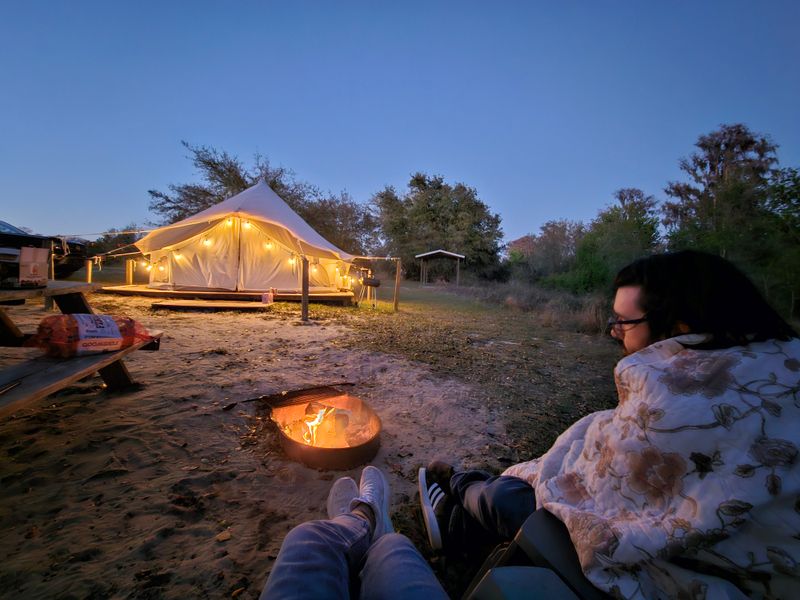
Overnight accommodations at Lake Louisa include both cabins and campsites, allowing visitors to extend their stay and experience the park after day users depart. The cabins feature Florida cracker-style porches that become favorite gathering spots for morning coffee and evening conversation.
They come equipped with air conditioning, basic furniture, and kitchens, though guests should expect a rustic rather than luxurious experience. Cleanliness varies, but most visitors find the cabins acceptable for short stays.
Campsites offer full hookups for RVs or space for tent camping, with some sites positioned near amenities and others set back for more privacy. Bathrooms stay clean and well-stocked, and the campground maintains a peaceful atmosphere after dark.
Rangers enforce quiet hours, and the distance from major roads means traffic noise rarely intrudes. Staying overnight allows access to the beach and trails during the golden hours when lighting turns magical and wildlife becomes most active.
The Camper Canteen serves as a hub for campers, offering supplies, rental equipment, and advice from knowledgeable staff. Glamping options provide a middle ground between cabin comfort and traditional camping, with furnished tents that include air conditioning and beds.
Sunsets Over Freshwater Instead Of The Ocean
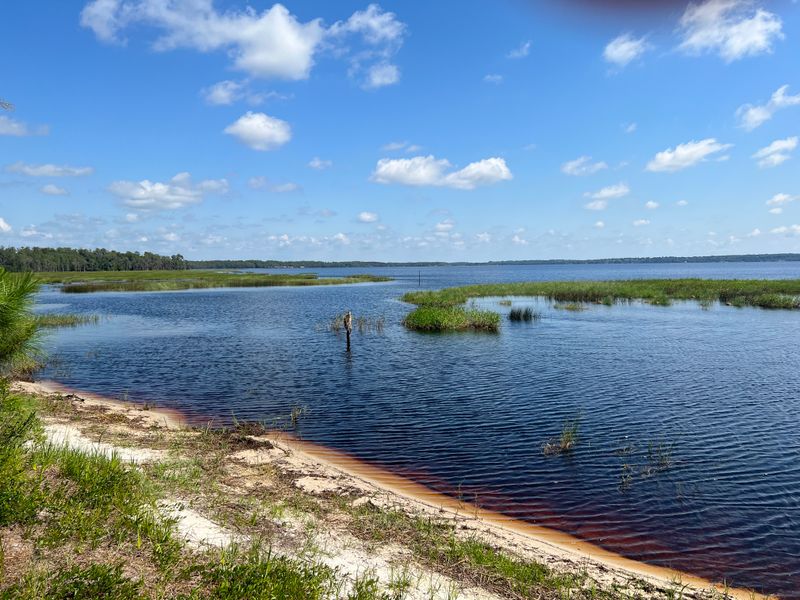
The beach at Lake Louisa faces west, positioning it perfectly for sunset viewing without the need to drive to the coast. The light shifts through shades of orange and pink as the sun drops toward the horizon, and the calm water reflects the colors in ways that ocean waves cannot.
The absence of salt spray and beach crowds creates a more intimate experience. Families spread blankets on the sand, and photographers set up tripods to capture the changing light.
Freshwater sunsets lack the drama of ocean horizons, but they offer their own quiet beauty. The surrounding trees frame the view, and the stillness of the lake amplifies the sense of peace that arrives with dusk.
As the sun disappears, the temperature drops quickly, and the first stars appear in a sky that grows darker than what city dwellers typically see. Evening brings out different wildlife, with frogs beginning their chorus and bats swooping low over the water.
The sunsets here appeal to those who appreciate subtlety over spectacle. The experience feels personal rather than shared with hundreds of strangers, and the drive home afterward takes minutes rather than hours.
A Cooler-Weather Favourite For Locals
Summer heat drives many Florida residents indoors, but cooler months from October through April transform Lake Louisa into a local favorite. The temperatures drop into comfortable ranges, and humidity decreases enough that hiking and biking become pleasant rather than punishing.
Locals know that winter weekends offer the best conditions, with blue skies and mild air that makes spending entire days outdoors appealing. The water stays warm enough for swimming well into fall, and even winter dips remain tolerable for the brave.
Crowds thin out during weekdays, and the park takes on a quieter character when school is in session. Residents from nearby towns use the park year-round, treating it as an extension of their own backyards.
The seasonal shift brings different wildflowers and changes in bird populations as migrants arrive. The park earns its reputation through consistent quality rather than flashy attractions, and locals appreciate that reliability.
Rangers recognize regular visitors, and a sense of community develops among those who return frequently. The cooler weather also reduces insect activity, making trail time more comfortable.
For residents seeking nature without traveling far, Lake Louisa delivers exactly what they need.