
The Quiet Maine Coastal Village Visitors Often Miss
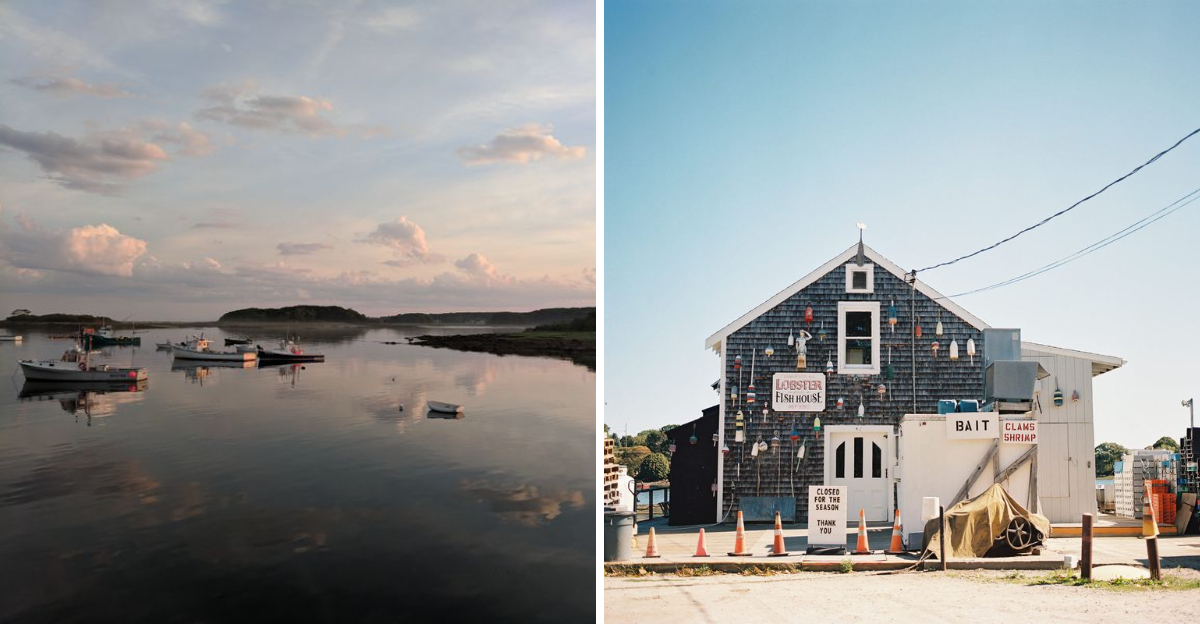
Tucked a few miles northeast of Kennebunkport’s bustling center, Cape Porpoise remains one of Maine’s most authentic coastal villages.
Most travelers speed past on their way to better-known stops, unaware that this working harbor holds more character than a dozen tourist streets combined.
The village offers something increasingly rare along the Maine coast: a place where lobster boats outnumber gift shops and the rhythm of the tides still dictates daily life.
A Working Fishing Village, Not A Resort Town
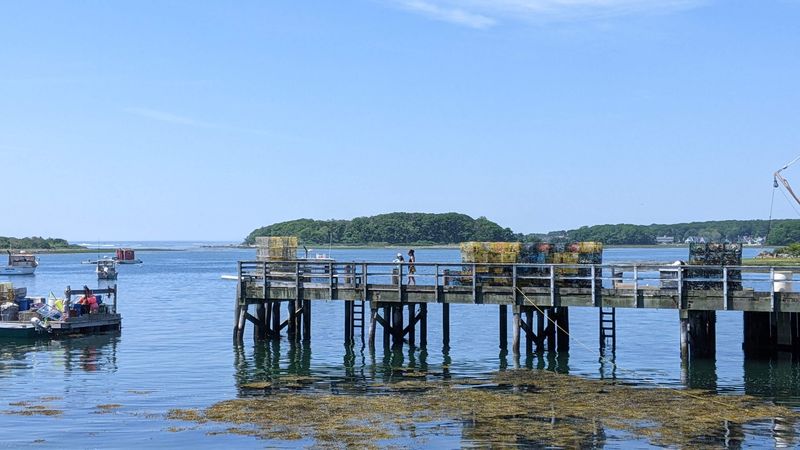
Cape Porpoise earns its living from the sea, not from selling souvenirs.
Lobstermen leave the docks before dawn, returning with catches that go straight to restaurants and markets rather than display cases.
The village operates on a schedule set by tides and weather, not tourist seasons or weekend crowds.
Pier 77 Restaurant sits along Pier Road, where you can watch boats unload their haul while planning your dinner.
Wooden traps stack high near the water, and the smell of salt and bait drifts across the harbor without apology.
Commercial fishing remains the backbone here, visible in every mooring, every weathered building, and every conversation overheard at the general store.
Visitors who expect manicured waterfront parks or curated experiences often feel out of place.
Those who appreciate authenticity find exactly what Maine used to be before tourism reshaped the coast.
Quieter Than Kennebunkport’s Main Tourist Areas
Dock Square in Kennebunkport draws thousands of visitors each summer, creating lines at restaurants and traffic along Ocean Avenue.
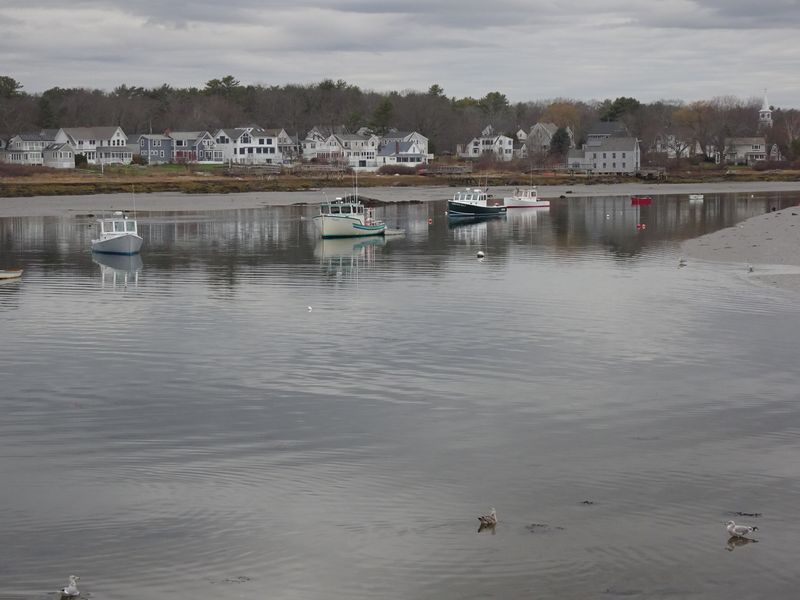
Cape Porpoise sits just three miles away but feels like a different century.
The village lacks the galleries, boutiques, and crowds that define its famous neighbor, offering instead empty roads and unobstructed harbor views.
Families walk along Langsford Road without dodging tour groups or waiting for crosswalks to clear.
Parking appears readily, even on sunny July afternoons when Kennebunkport’s lots overflow.
The difference in atmosphere becomes clear within minutes of arrival: conversations happen at normal volume, children play without supervision, and nobody rushes.
This quieter character attracts visitors who have already seen the main attractions and want something less orchestrated.
The village rewards those willing to trade convenience for calm, polish for authenticity, and guided experiences for genuine discovery.
A Natural Harbor Framed By Historic Homes
Geography shaped Cape Porpoise long before tourism ever arrived.
The harbor curves into a protected cove, sheltered from open ocean storms by offshore islands and rocky headlands.
Colonial settlers recognized this advantage in the 1600s, establishing Maine’s first permanent English settlement on these shores.
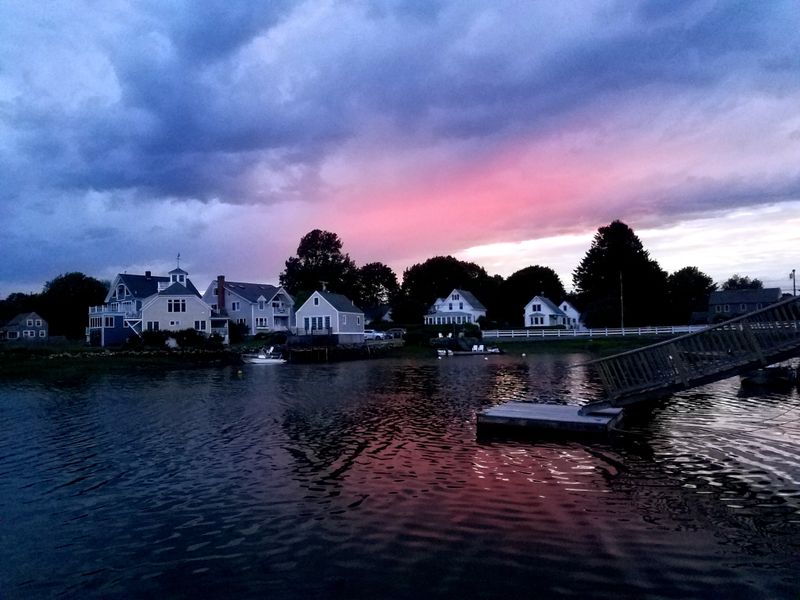
Historic homes still line the harbor, many dating back two centuries or more.
Clapboard siding, granite foundations, and widow’s walks mark the architecture, each building positioned to face the water.
These structures were built by ship captains, fishermen, and merchants whose livelihoods depended on reading the harbor’s moods and movements.
Walking past these homes today, you notice details that modern construction ignores: doorways facing away from prevailing winds, small windows to preserve heat, and angles calculated for maximum light.
The harbor and its buildings form a single composition, neither element complete without the other.
Goat Island Light Marks The Village Waterfront
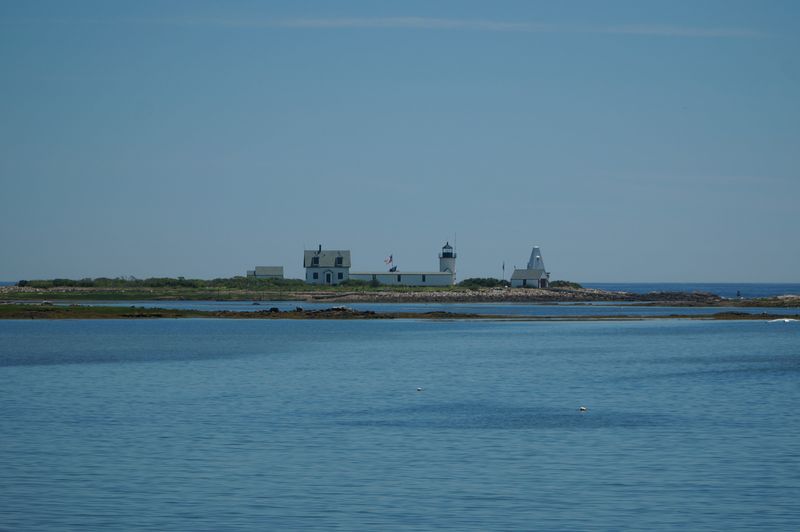
Goat Island Light stands a short distance offshore, marking the harbor entrance since 1835.
The white tower rises from a rocky outcrop, automated now but still functioning as it has for nearly two centuries.
Lobster boats use it as a reference point when returning with full traps, and photographers position themselves along Pier Road to capture its profile against sunrise.
The lighthouse belongs to Cape Porpoise in the way landmarks become inseparable from place.
Every postcard, every painting, every mental image of the village includes that white tower standing watch.
Though the island itself remains inaccessible to visitors, the lighthouse appears in clear view from multiple points along the shore.
Locals barely notice it anymore, the way residents stop seeing what defines their home to outsiders.
Visitors, however, find themselves returning to the waterfront repeatedly, drawn by the simple composition of light, rock, and water that has anchored this harbor for generations.
Lobster Boats And Tides Shape Daily Life
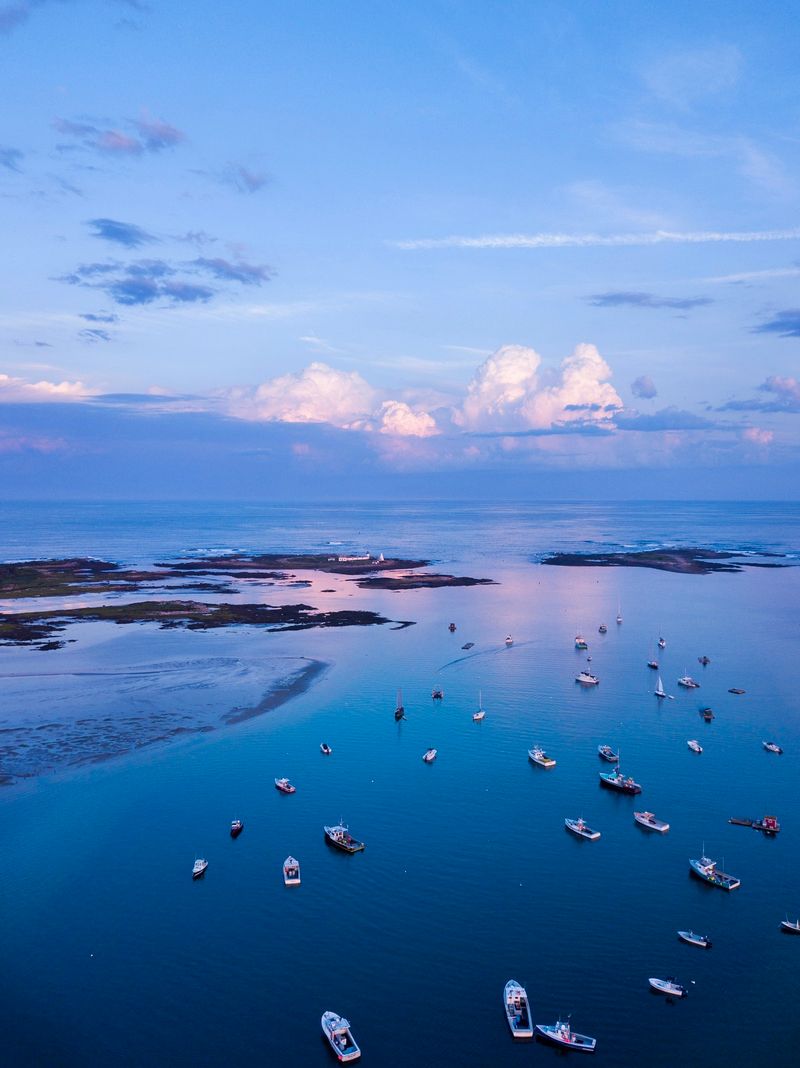
Morning in Cape Porpoise begins when boats head out, engines rumbling across the still water before most visitors wake.
Lobstermen check weather and tide charts before coffee, planning routes around the harbor’s shifting depths and currents.
By midday, boats return to unload catches, and by afternoon, the harbor sits quiet again except for gulls and the occasional recreational sailor.
Tides transform the landscape twice daily, exposing mudflats and rocky shelves at low water, then covering them completely six hours later.
This rhythm affects everything: when boats can enter or leave, when seafood gets delivered to restaurants, when children explore tide pools along the shore.
Visitors unfamiliar with tidal systems often arrive at low tide expecting scenic water views, finding instead exposed harbor floor and boats resting on mud.
Understanding this cycle helps explain why Cape Porpoise operates differently than inland towns.
Time here bends to natural forces rather than business hours or tourist expectations.
Small Scale Streets Encourage Slow Exploration
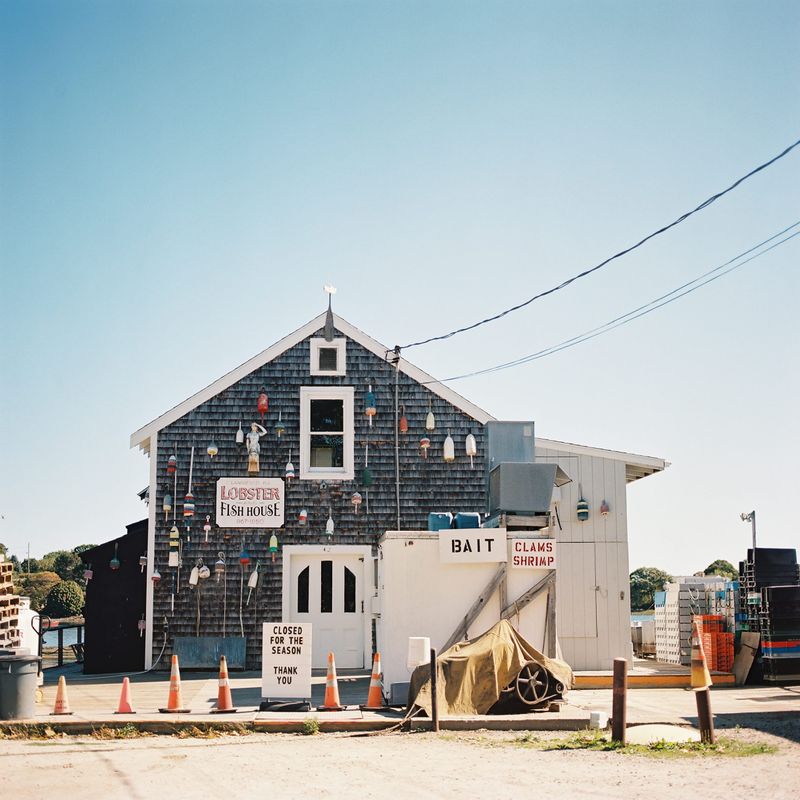
Cape Porpoise lacks the wide avenues and parking lots that accommodate tour buses and heavy traffic.
Roads narrow to single lanes in places, winding past homes and down to the water without much shoulder or sidewalk.
This layout discourages speed and forces attention to surroundings, turning every drive into a slower, more deliberate experience.
Langsford Road and Pier Road form the village’s main routes, neither designed for volume or haste.
Visitors often park near the harbor and walk, discovering details impossible to notice from a moving car: weathered boat names, flower boxes on porches, handwritten signs directing traffic during busy weekends.
The compact scale makes exploration manageable without feeling constrained.
You can cover the entire village on foot in an hour, yet find reasons to return repeatedly as light changes or tides shift.
This human-scaled design creates intimacy between visitor and place, encouraging observation rather than consumption, lingering rather than checking boxes on an itinerary.
Local Seafood Spots Define The Food Scene
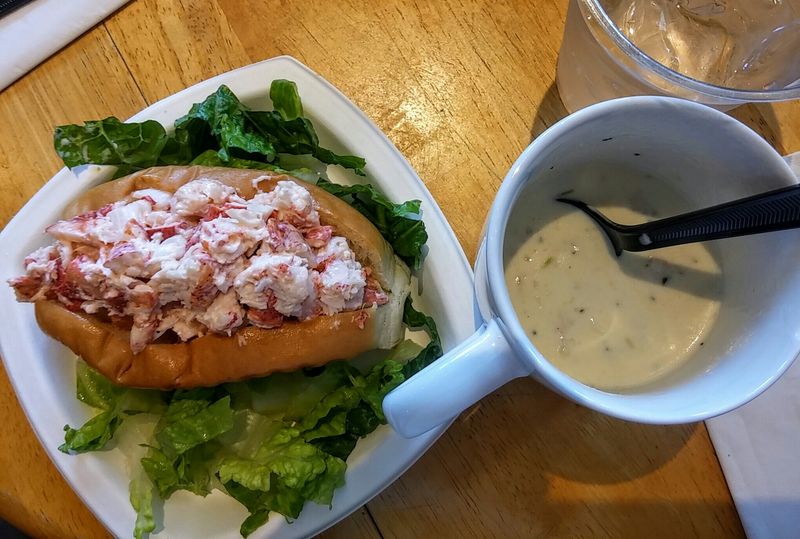
Cape Porpoise supports a handful of restaurants, each built around seafood pulled from waters visible through their windows.
Menus change based on what boats bring in, and dishes arrive without pretension or unnecessary garnish.
Pier 77 Restaurant overlooks the harbor from its namesake location, serving lobster, haddock, and clams prepared simply and served generously.
The Wayfarer Restaurant sits nearby, offering similar fare in a setting that prioritizes food over atmosphere.
These establishments cater to locals as much as visitors, keeping prices reasonable and portions honest.
Nobody here attempts fusion cuisine or farm-to-table trends; the ocean provides everything necessary, and chefs respect that simplicity.
Eating in Cape Porpoise means accepting that your lobster roll was swimming yesterday, your chowder contains fish caught this morning, and your server likely knows the boat captain who provided both.
This direct connection between water and plate defines the village’s food culture more than any review or rating ever could.
Minimal Commercial Development Preserves Character
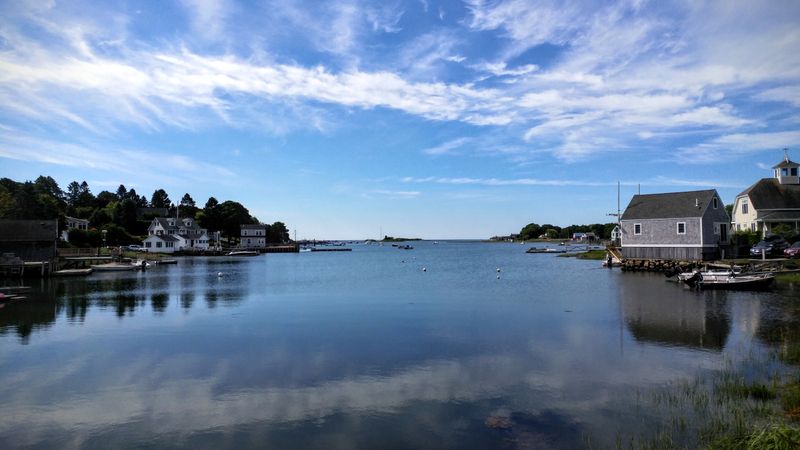
Zoning laws and local resistance have kept Cape Porpoise largely free from the development that transformed other coastal villages.
No chain stores operate here, no luxury hotels rise above the tree line, and no boardwalks or amusement areas interrupt the shoreline.
What exists today resembles what existed fifty years ago, minus some weathering and a few modern vehicles.
This preservation happened through deliberate choice rather than accident.
Residents repeatedly voted against proposals that promised economic growth at the expense of character.
Kennebunkport’s town regulations help maintain this status, limiting commercial expansion and protecting historic structures from demolition or inappropriate renovation.
The result feels increasingly rare along the Maine coast: a village that functions according to its own needs rather than visitor expectations.
Buildings serve practical purposes, spaces remain unmanicured, and the landscape retains its working-class authenticity.
Visitors either appreciate this restraint or leave disappointed, which suits Cape Porpoise perfectly.
Coastal Walks Replace Crowded Attractions
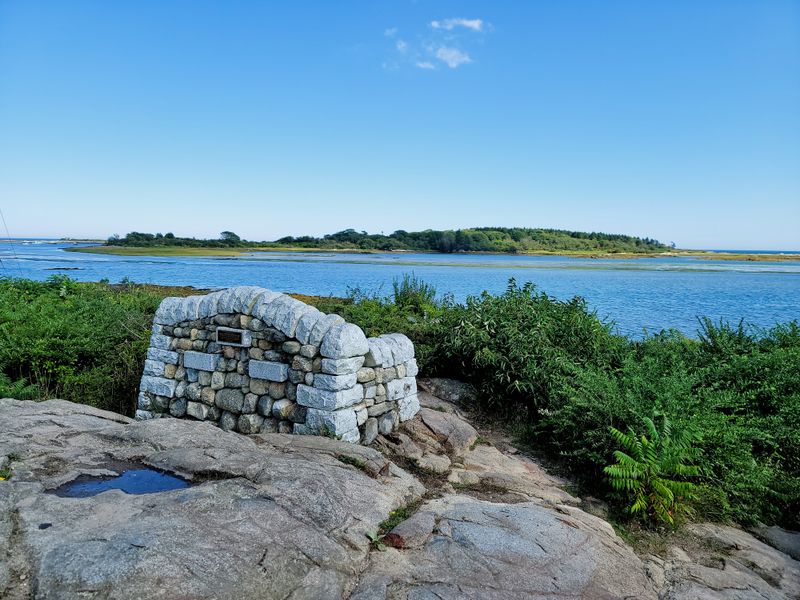
Cape Porpoise offers walking rather than attractions, paths rather than destinations.
The Parson’s Way Shore Walk extends along the coast, providing ocean views without requiring admission fees or timed entry.
This public path winds past private homes and rocky beaches, maintained by volunteers and used primarily by locals walking dogs or watching weather roll in.
Other informal routes follow roads down to the harbor or out to residential areas overlooking offshore islands.
None of these walks feature interpretive signs, designated viewpoints, or facilities; they simply exist as ways to experience the coastline at a human pace.
You might encounter other walkers, but rarely crowds, and never the congestion that plagues popular trails elsewhere in Maine.
The lack of formal infrastructure means these walks reward those comfortable navigating without guidance or amenities.
Bring water, wear appropriate shoes, and expect nothing but scenery, fresh air, and the occasional conversation with a passing neighbor.
Seasonal Visitors Without Year-Round Crowds
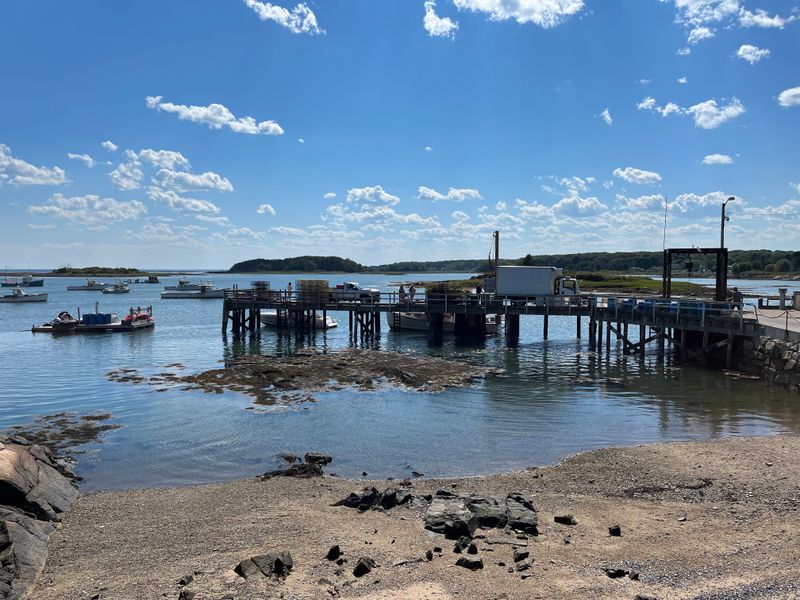
Summer brings visitors to Cape Porpoise, but never in numbers that overwhelm the village’s capacity or character.
July and August see increased activity around the harbor and restaurants, yet parking remains available and beaches stay accessible.
The seasonal surge feels manageable because the village lacks the attractions that generate mass tourism elsewhere.
By September, visitor numbers drop significantly, and by October, Cape Porpoise returns almost entirely to local control.
Winter transforms the village into something even quieter, with boats hauled out for maintenance and restaurants operating on reduced schedules.
This seasonal rhythm allows the community to breathe, maintaining its identity rather than becoming a permanent stage set for tourists.
Visitors who arrive in shoulder seasons often report the best experiences: mild weather, empty roads, and locals with time to talk.
The village never closes completely but never feels overrun either, striking a balance that protects both livelihood and lifestyle.
Classic Maine Atmosphere Without The Rush
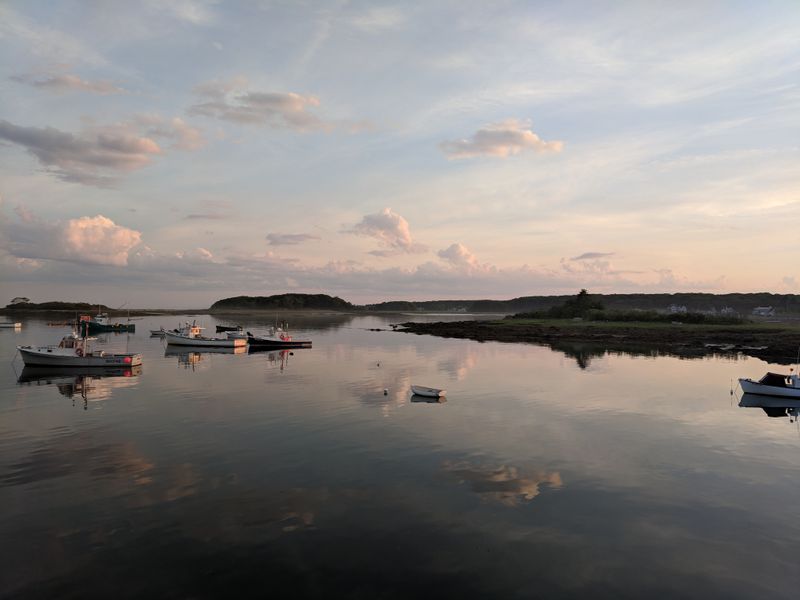
Cape Porpoise embodies what people imagine when they picture coastal Maine: weathered docks, working boats, historic homes, and an economy tied to the sea.
This atmosphere exists without the artificial recreation found in tourist-oriented villages where authenticity gets staged for cameras.
Here, the boats actually fish, the homes actually house families, and the harbor actually functions as commercial infrastructure.
Nothing rushes in Cape Porpoise because nothing needs to.
Boats leave when tides allow, restaurants serve when kitchens finish cooking, and conversations end when topics exhaust themselves rather than when schedules demand.
This unhurried quality frustrates visitors accustomed to efficiency and instant gratification, but rewards those willing to adjust their pace.
The classic Maine atmosphere survives here not through preservation efforts or historical societies, but through continued use and genuine need.
Cape Porpoise remains itself because it never stopped being what it always was: a working village that happens to sit in a beautiful location.
A Place Built Around The Harbor, Not Tourism
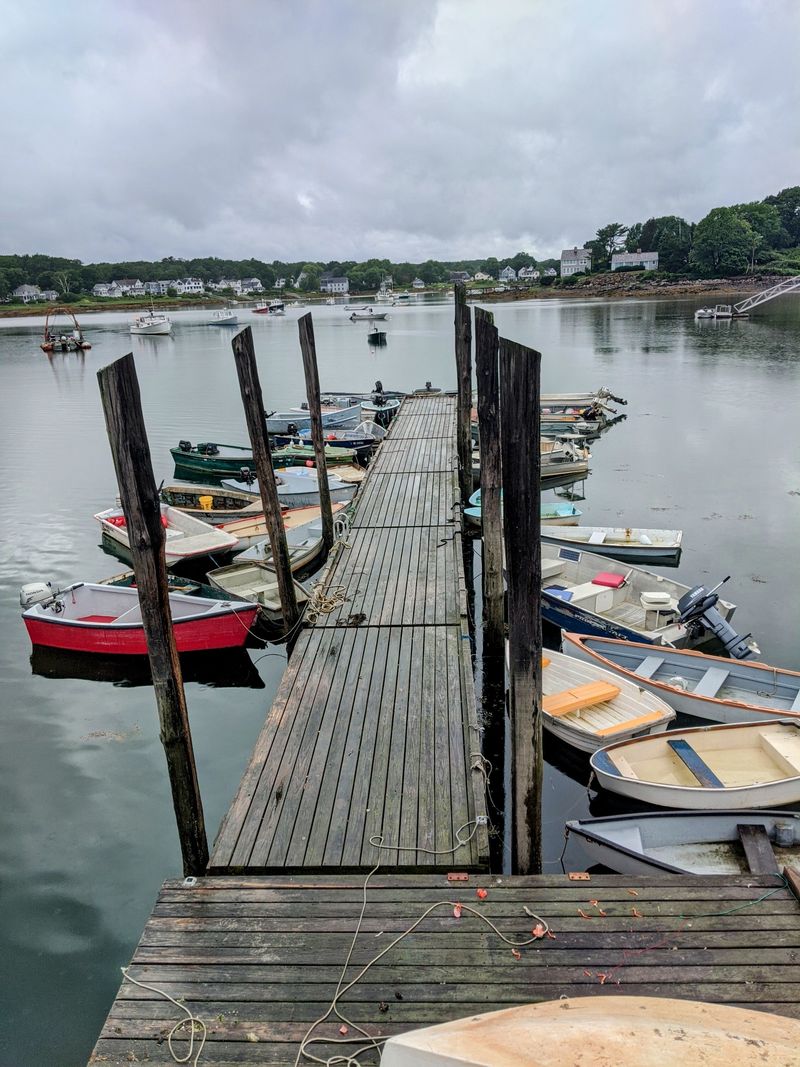
Every element of Cape Porpoise orients toward the harbor: roads lead to it, homes face it, businesses depend on it, and conversations reference it constantly.
This central relationship existed long before tourism became an industry, rooted in the practical realities of maritime commerce and fishing.
The harbor provided livelihood, transportation, and identity, shaping community structure and daily routines for generations.
Tourism arrived later as a side effect of this authentic maritime culture, not as its purpose.
Visitors come because the harbor remains genuine, not because anyone designed it for their entertainment.
This distinction matters: villages built for tourism arrange themselves around visitor needs, while Cape Porpoise arranges itself around the sea.
The difference shows in countless small ways, from the lack of waterfront benches to the absence of explanatory plaques, from the working piers that prohibit casual access to the boats that block scenic views.
Cape Porpoise tolerates visitors but does not cater to them, maintaining its priorities regardless of who watches.