
The Quiet North Carolina Mountain Town That Feels Completely Undiscovered
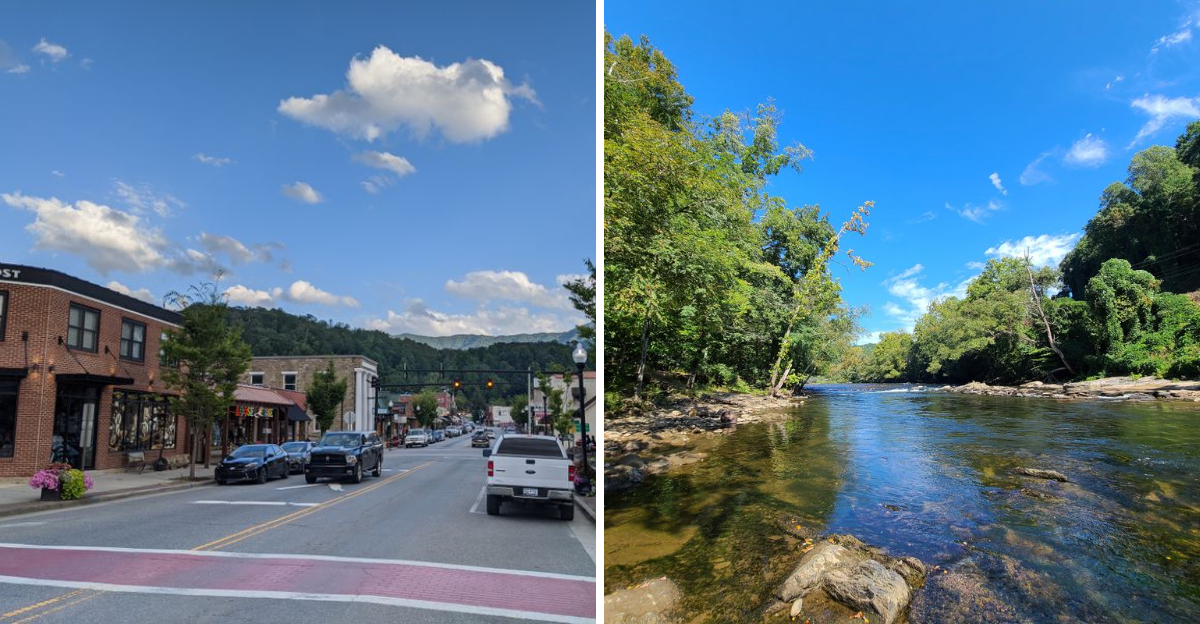
Bryson City sits tucked into the folds of western North Carolina like a secret someone forgot to tell you about.
Most travelers rush past it on their way to bigger mountain destinations, never knowing what they missed.
This small town offers something rare: a place where mountain living still feels authentic, where the pace slows down naturally, and where the landscape does the talking.
If you’re tired of crowded tourist traps and overpriced mountain resorts, Bryson City might be exactly what you’ve been looking for.
A Mountain Town Tucked Between Two National Parks
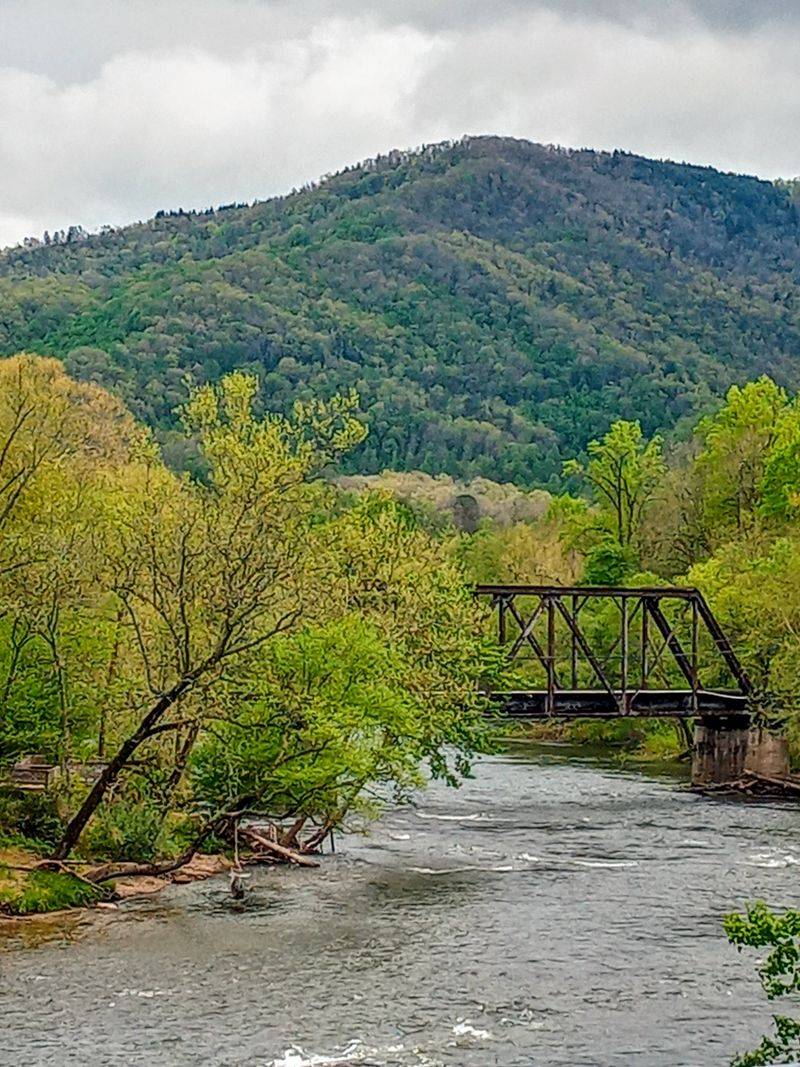
Geography handed Bryson City an advantage most towns can only dream about.
Positioned between Great Smoky Mountains National Park to the north and Nantahala National Forest to the south, this little town serves as a natural staging ground for mountain exploration.
You can wake up in Bryson City and be standing in two completely different wilderness areas before lunch, each offering its own character and terrain.
The town itself occupies a valley floor at 1,736 feet elevation, surrounded by peaks that rise well over 5,000 feet.
Located at North Carolina 28713, Bryson City benefits from this positioning without suffering the overcrowding that plagues Gatlinburg or Cherokee.
Visitors get direct access to hundreds of miles of trails, rivers, and backcountry without fighting through traffic or standing in line for parking.
This geographic sweet spot means you spend less time driving and more time actually doing what you came for.
The national park entrance sits just minutes away, yet the town maintains a quiet, unhurried atmosphere that feels worlds apart from typical gateway communities.
A Downtown You Can Walk Across In Minutes
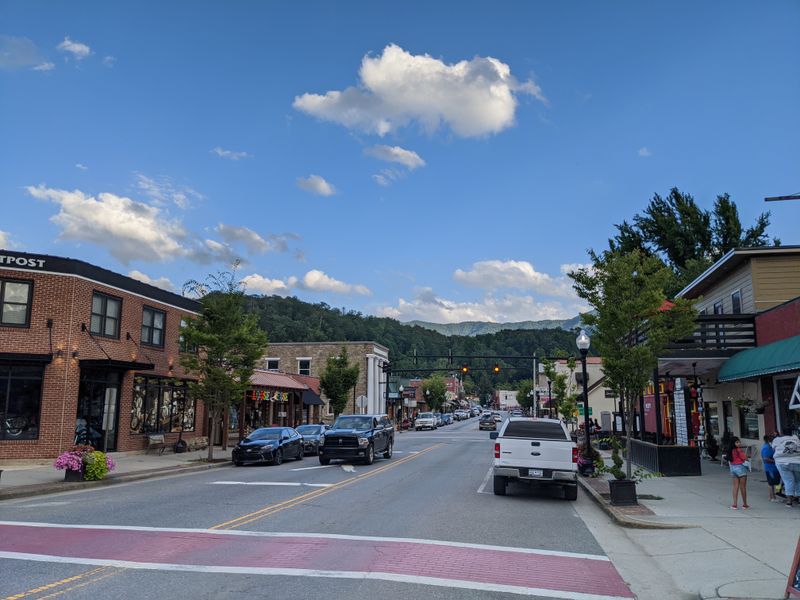
Bryson City’s downtown stretches along a few short blocks, compact enough that you can see it all without breaking a sweat.
Everett Street forms the main commercial spine, lined with brick buildings that date back to the early 1900s.
You won’t find chain stores or franchise restaurants here, just locally owned shops, a few cafes, and businesses that close when the owner feels like closing.
Walking from one end of downtown to the other takes maybe five minutes at a leisurely pace.
This small scale creates an intimacy that larger mountain towns lost decades ago.
Shop owners recognize repeat visitors, and conversations happen naturally on sidewalks without feeling forced or performative.
The compact layout means everything you need sits within easy reach: outfitters, restaurants, the visitor center, and the depot for the scenic railroad.
There’s no need for a car once you park, and the lack of sprawl keeps the town feeling cohesive.
This isn’t a place designed for tourists, it just happens to welcome them without changing its essential character.
One Of The Last Places Where Trains Still Define The Town
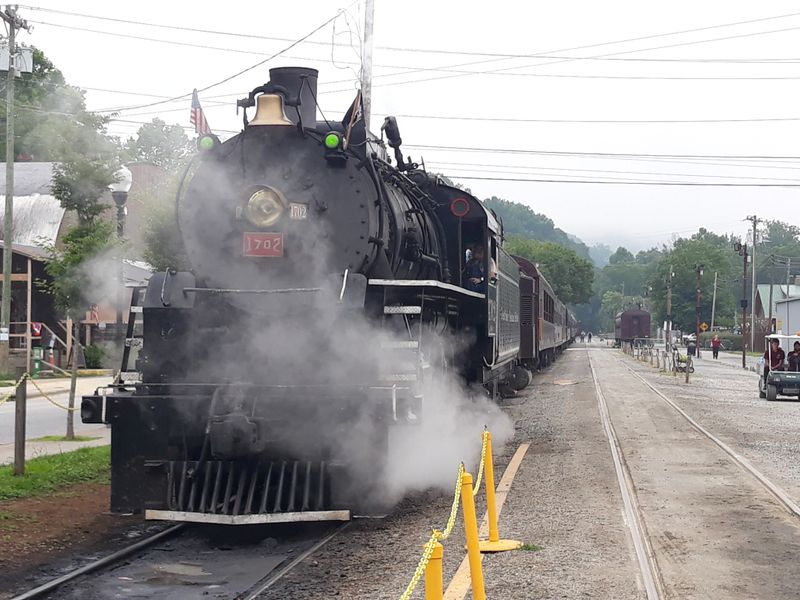
The Great Smoky Mountains Railroad operates out of Bryson City, running excursions through mountain valleys that highways never touch.
The depot sits right in the heart of town, a working reminder that trains once connected these isolated communities to the outside world.
Today the railroad carries tourists instead of freight, but the presence of those vintage cars and the sound of the whistle still shape the town’s rhythm.
Multiple times a week, the train pulls out of Bryson City heading toward Dillsboro or into the Nantahala Gorge, offering passengers views of rivers, forests, and rock faces from a perspective you can’t get by car.
The Smoky Mountain Trains Museum, also located in town, preserves the history of mountain railroading with exhibits and model layouts.
Unlike most small towns that lost their rail connections decades ago, Bryson City maintained this link to its past.
The railroad isn’t just an attraction, it’s part of the town’s identity.
Watching the train depart feels like witnessing a ritual that predates modern tourism, a connection to a slower, more deliberate way of traveling through these mountains.
A River That Flows Right Through The Middle Of Town
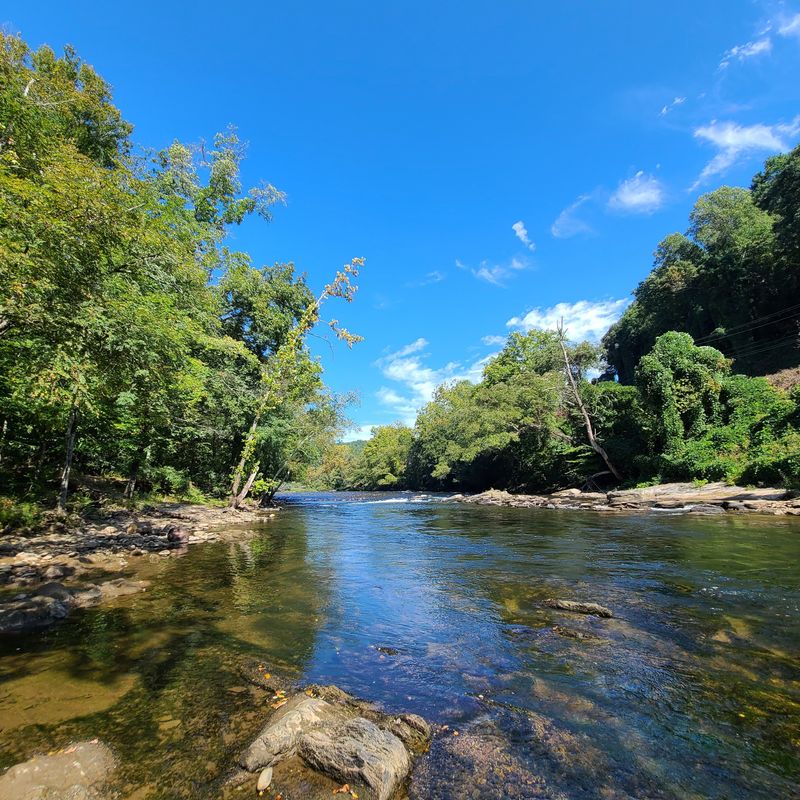
The Tuckasegee River cuts through Bryson City, providing a liquid boundary that defines the town’s geography and recreation.
Stand on the right street corner and you can watch the current move past, hear the water over rocks, and understand why people settled here in the first place.
Rivers this accessible are rare in mountain towns, where waterways often sit hidden in gorges or private property.
The Tuckasegee runs clear most of the year, fed by countless mountain streams that drain the surrounding peaks.
Local outfitters launch rafting trips from points along the river, and fly fishermen work the pools and riffles within sight of downtown.
The Fly Fishing Museum of the Southern Appalachians, located in Bryson City, celebrates this tradition with exhibits of vintage gear and 1800s fly rods.
Having a river this close changes the character of a town.
It provides natural cooling in summer, a soundtrack of moving water, and constant visual interest.
You don’t have to drive somewhere to reach the water, you just walk to the edge of town and there it is, flowing like it has for thousands of years.
Whitewater Rafting Minutes Away, Not Hours
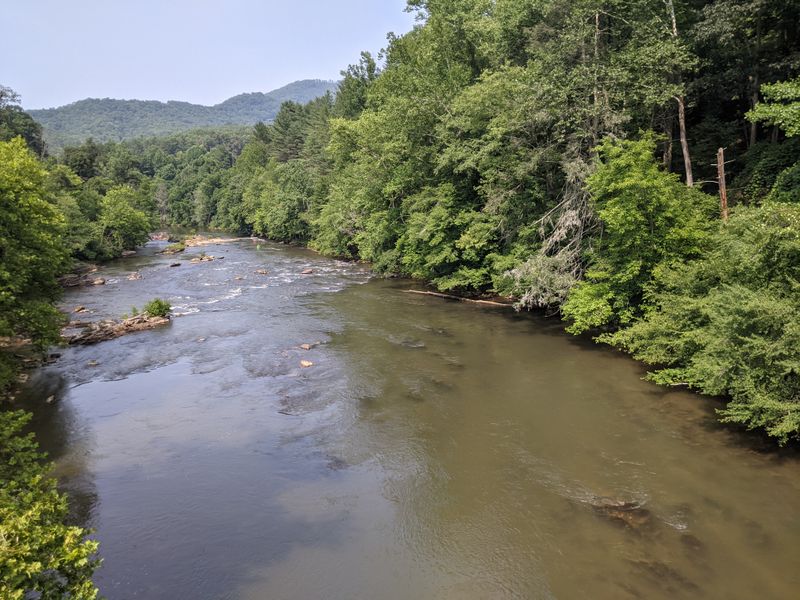
Nantahala Gorge sits just a short drive from Bryson City, offering some of the most consistent whitewater in the Southeast.
The Nantahala River runs cold and clear through a deep gorge, creating Class II and III rapids that work for beginners and experienced paddlers alike.
Outfitters operate throughout the gorge, and you can book a trip in the morning and be on the water before noon.
This proximity matters because it eliminates the logistical hassle that usually comes with adventure travel.
You’re not spending half your day in a car trying to reach the put-in point.
The Tuckasegee River, which flows through Bryson City itself, also offers rafting opportunities, though with gentler conditions suited to families.
Both rivers stay cool even in summer, fed by dam releases and mountain runoff that keep water temperatures refreshing.
The combination of accessibility and quality water makes Bryson City a practical base for anyone interested in river sports.
You can raft in the morning, grab lunch in town, and still have the afternoon free for hiking or simply sitting on a porch watching the mountains.
A Base Camp For Waterfalls, Not Just One Or Two

Waterfalls cluster around Bryson City in numbers that surprise first-time visitors.
Deep Creek, just outside town, contains three named waterfalls within a couple miles of each other: Juney Whank Falls, Tom Branch Falls, and Indian Creek Falls.
The trails to reach them require moderate effort but nothing extreme, making them accessible to most hikers.
Beyond Deep Creek, dozens more waterfalls hide in the surrounding national forest and park lands.
Mingo Falls, one of the tallest in the Smokies, sits within easy driving distance.
Many of these falls remain relatively unknown, lacking the crowds that swarm popular sites like Laurel Falls or Grotto Falls.
The geology here favors waterfall formation, with hard rock layers creating ledges where streams plunge into pools below.
Visiting multiple falls in a single day is entirely possible, each one offering slightly different character.
Some drop straight down in single plunges, others cascade in tiers, and a few hide in narrow gorges where spray fills the air.
This abundance means you can chase waterfalls for days without repeating yourself.
An Old-School Mountain Town That Never Rebranded Itself
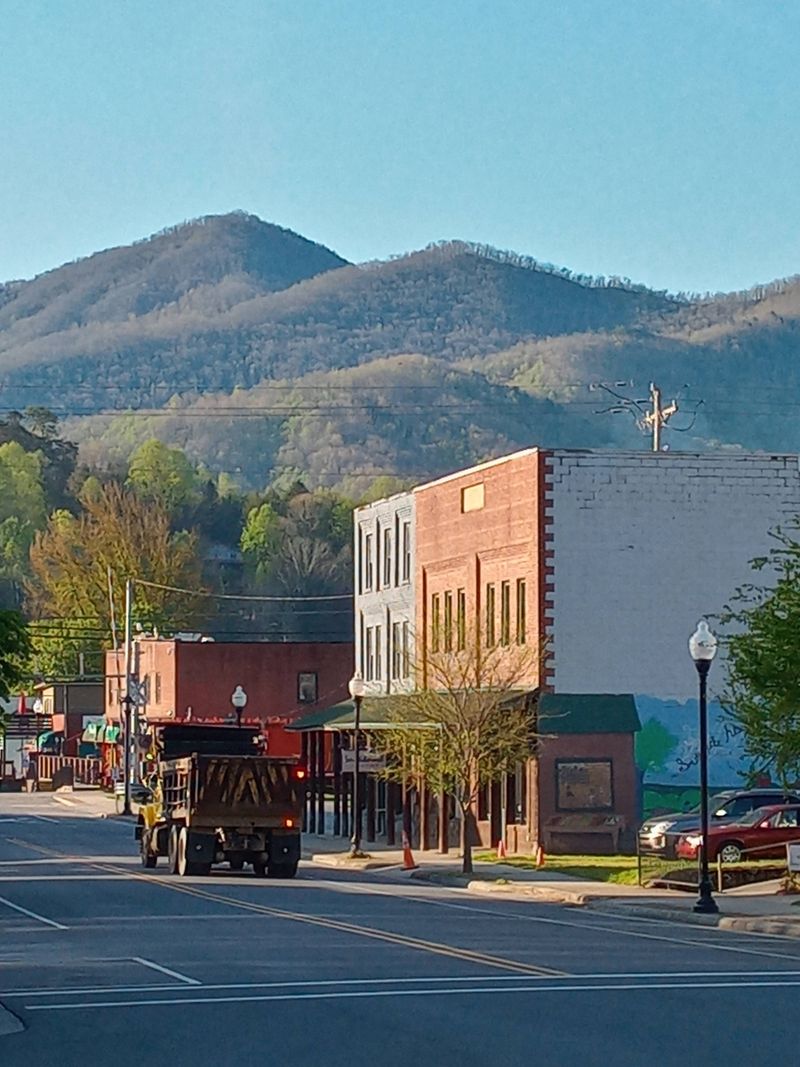
Bryson City never underwent the transformation that turned other mountain towns into themed tourist villages.
You won’t find artificial alpine architecture, manufactured charm, or streets lined with fudge shops and T-shirt stores.
The buildings look like what they are: structures built for practical purposes by people who lived and worked here.
This authenticity comes from economic reality as much as deliberate choice.
The town never attracted the development money that reshaped places like Blowing Rock or Cashiers.
As a result, Bryson City retained its working-town character, with businesses serving locals first and visitors second.
Main street storefronts still display hand-painted signs, and the pace of change moves slowly.
New businesses open occasionally, but they tend to fit the existing character rather than trying to reinvent it.
There’s no pressure to perform mountain authenticity because the town never lost it in the first place.
Walking through downtown feels like visiting a place that simply exists on its own terms, indifferent to trends or branding strategies that dominate other tourist destinations.
A Place Where Outdoor Adventure Is Everyday Life
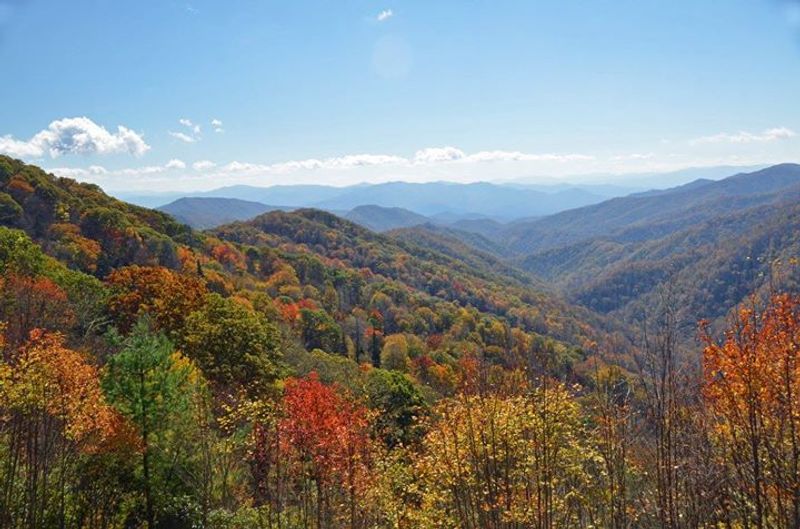
Residents of Bryson City don’t treat outdoor recreation as a weekend novelty or special occasion activity.
Mountain biking, fishing, hiking, and paddling form the background texture of daily life here.
You’ll see trucks with kayaks in the bed parked outside the grocery store, and conversations at the coffee shop revolve around trail conditions and river levels.
The Great Smoky Mountains National Park contains part of the Appalachian Trail, accessible from various points near Bryson City.
Locals know which trailheads fill up with tourists and which ones stay quiet even on weekends.
This embedded outdoor culture means visitors can tap into genuine local knowledge rather than relying solely on guidebooks or online reviews.
Outfitters in town operate year-round, not just during peak season, because demand comes from residents as much as tourists.
The surrounding landscape isn’t viewed as scenery to admire from a distance but as terrain to move through, explore, and understand intimately.
This mindset creates a different atmosphere than you’ll find in resort towns where outdoor adventure gets packaged and sold as entertainment.
A Rare Town Where Wildlife Still Feels Close
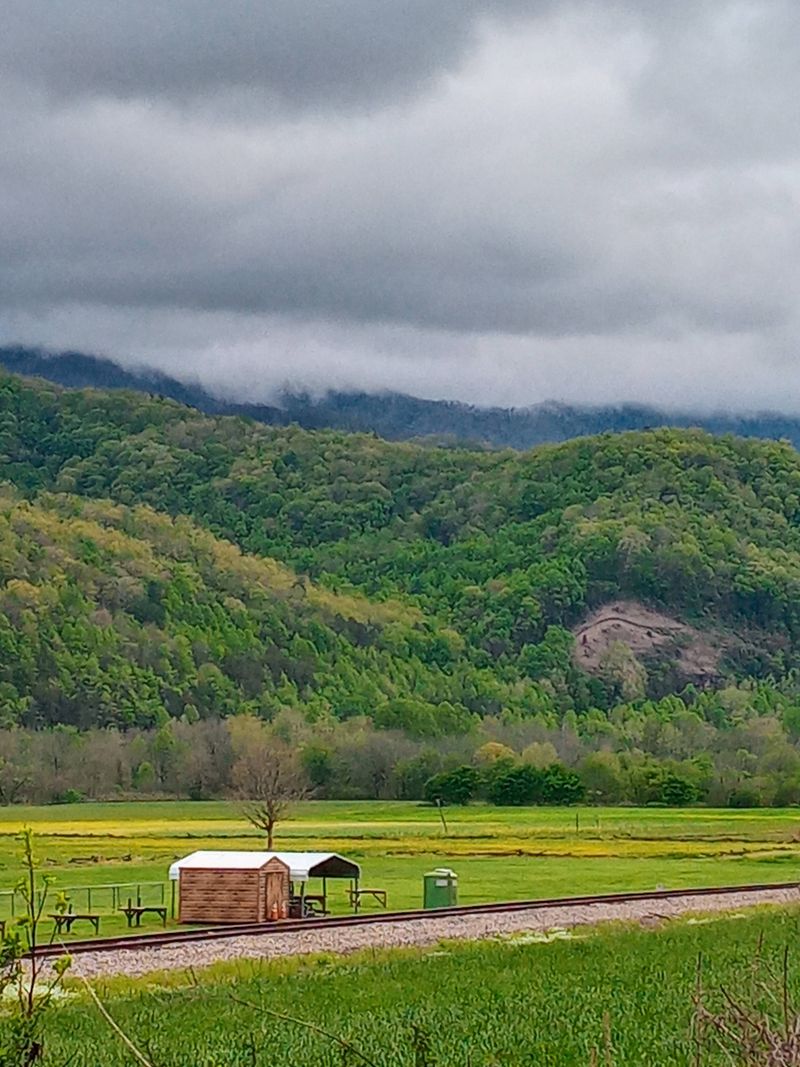
Black bears wander through the mountains around Bryson City with enough frequency that locals treat sightings as routine rather than remarkable.
Elk, reintroduced to the Smokies in 2001, now thrive in valleys not far from town.
White-tailed deer appear regularly, and the surrounding forests support wild turkey, ruffed grouse, and even the occasional bobcat.
This wildlife presence stems from the town’s position between vast protected lands where animals move freely.
The combination of Great Smoky Mountains National Park and Nantahala National Forest creates connected habitat that supports healthy populations of native species.
Unlike developed mountain areas where wildlife gets pushed to the margins, animals here maintain their natural patterns.
Visitors should practice proper wildlife etiquette: secure food, maintain distance, and never feed animals.
The National Park Service provides specific guidelines, and local outfitters can offer advice on safe wildlife viewing.
Encountering a bear on a trail or spotting elk at dawn adds a dimension to mountain travel that feels increasingly rare.
These moments remind you that wilderness still exists close enough to touch.
Mountain Lodging That Still Feels Personal
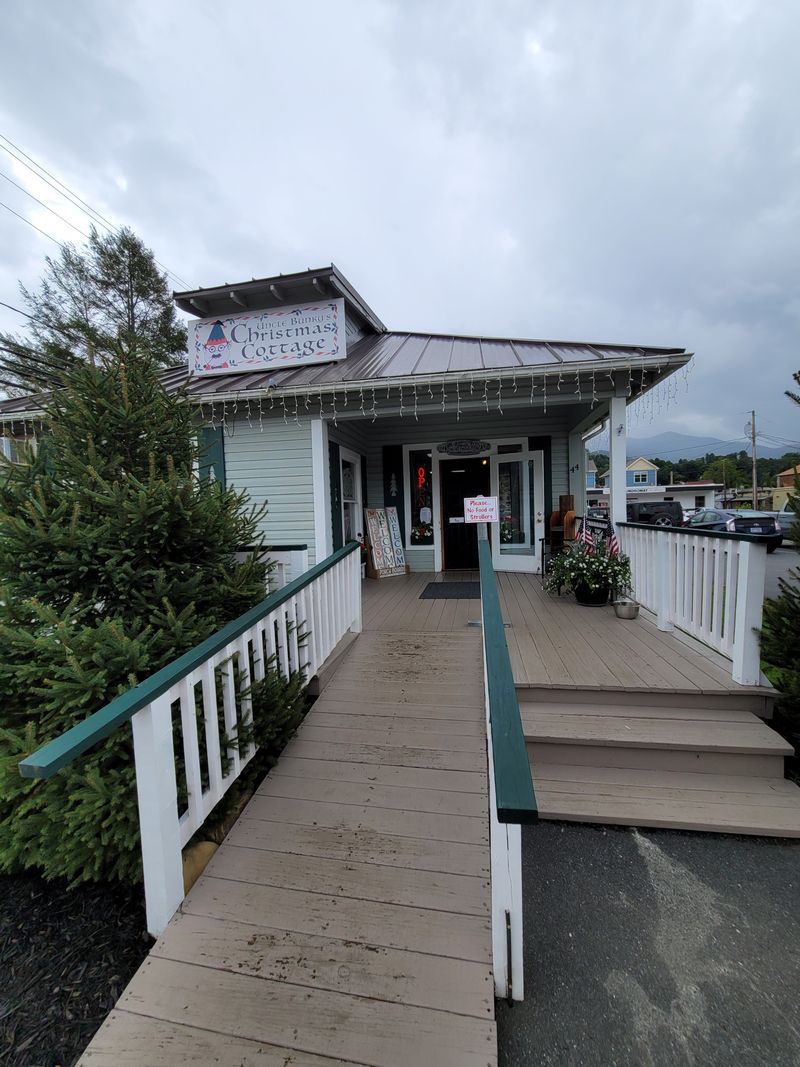
Bryson City’s lodging options lean toward small inns, cabins, and bed-and-breakfasts rather than large hotel chains.
Many of these properties are owner-operated, with hosts who live on-site and actually interact with guests.
You’ll get recommendations based on personal experience rather than corporate scripts, and the atmosphere tends toward comfortable rather than polished.
Cabins scattered in the surrounding hills offer privacy and mountain views, often with porches designed for sitting and watching the light change on the ridges.
In-town options put you within walking distance of restaurants and shops, eliminating the need to drive everywhere.
Prices remain reasonable compared to more developed mountain destinations, where lodging costs can dominate a travel budget.
The scale of these accommodations suits the town itself, small enough that you feel like a guest rather than a transaction.
Hosts tend to know the area intimately and can direct you toward lesser-known trails, fishing spots, or quiet places to watch the sunset.
This personal touch makes a difference when you’re trying to experience a place rather than just pass through it.
A Gateway To The Smokies Without The Smokies Chaos
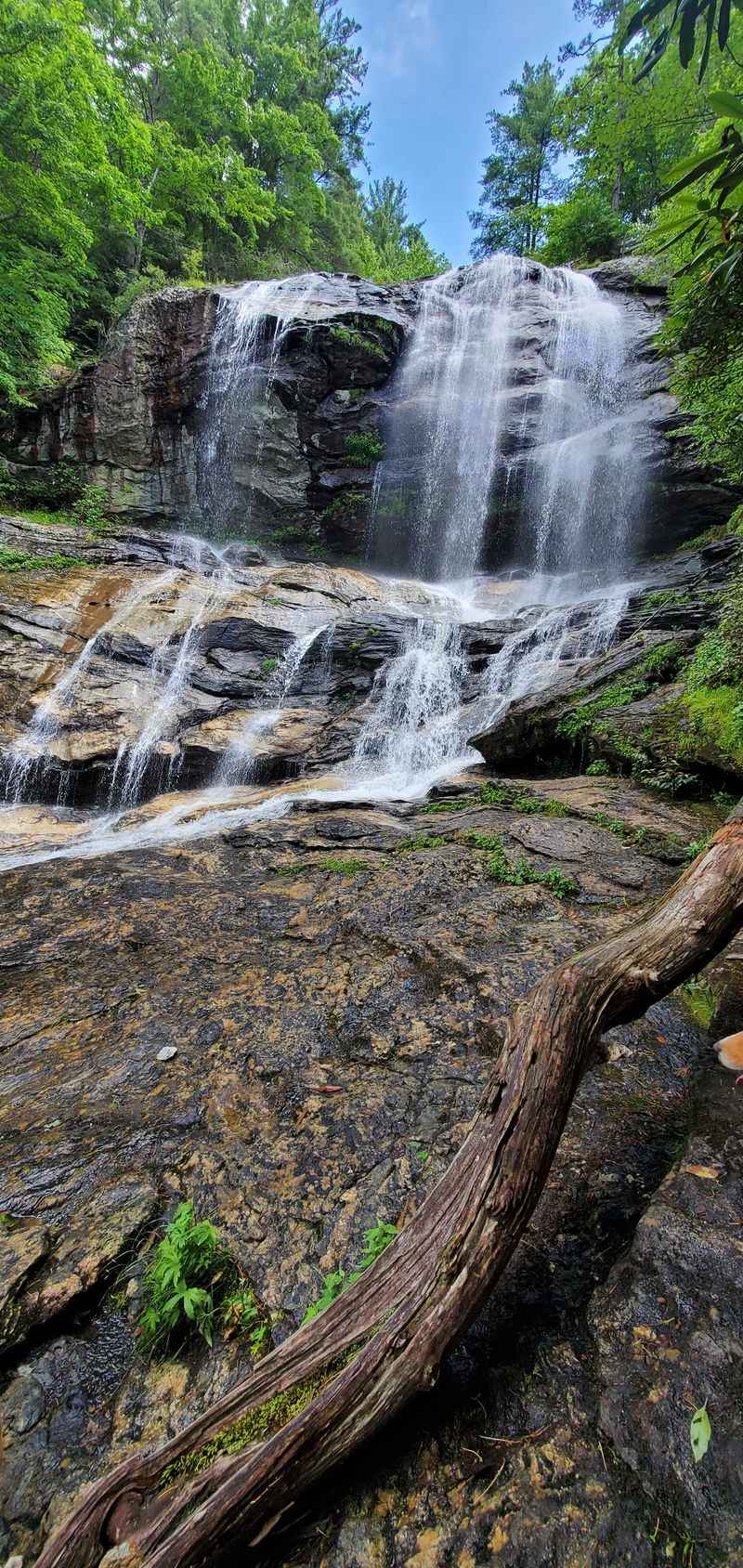
Great Smoky Mountains National Park receives more visitors than any other national park in the system, with over twelve million people passing through annually.
Most of that traffic concentrates on the Tennessee side near Gatlinburg and Pigeon Forge, or along the main transmountain highway.
Bryson City provides access to the park’s southern sections, where visitor numbers drop significantly and the experience feels closer to actual wilderness.
From Bryson City, you can reach trailheads and scenic areas that see a fraction of the crowds plaguing popular spots.
Deep Creek and other nearby access points offer the same mountain scenery, streams, and wildflowers without the parking lot chaos.
You can hike for hours and encounter only a handful of other people.
This quieter access means you experience the Smokies the way they were meant to be experienced: as a place of solitude and natural beauty rather than a crowded tourist attraction.
The mountains don’t change based on which side you enter from, but the human density certainly does.
Bryson City lets you enjoy the park without the circus that surrounds it elsewhere.
A Town That Goes Quiet After Sunset
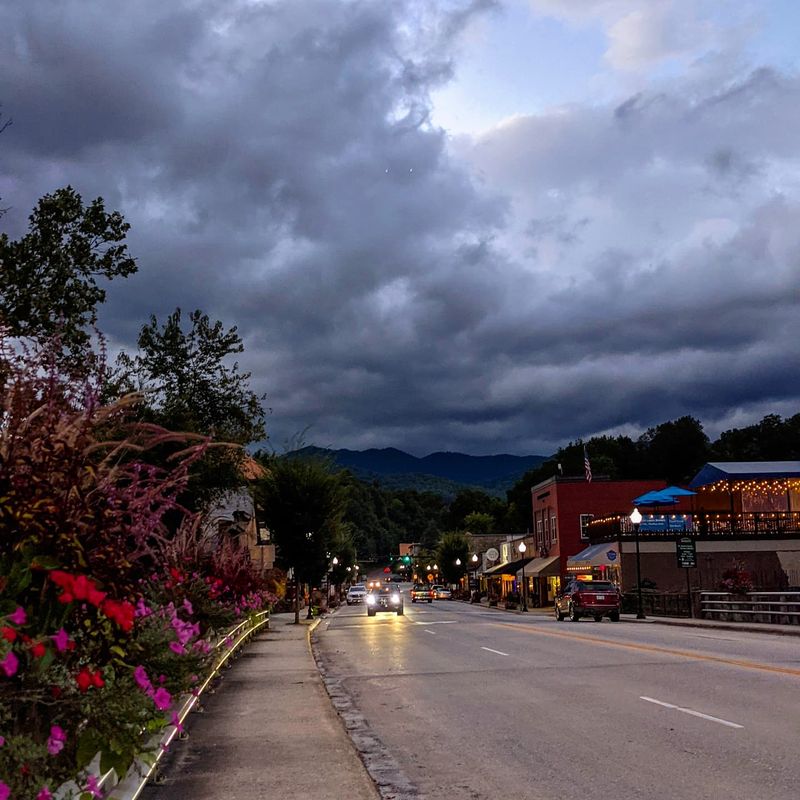
Nightlife in Bryson City consists mainly of porch sitting, stargazing, and the occasional live music at a local venue.
Restaurants close by nine or ten, shops shut down earlier, and the streets empty out as darkness settles over the valley.
This isn’t a place where you’ll find late-night entertainment or bustling bar scenes.
The quiet comes as a relief if you’re escaping urban noise and overstimulation.
Light pollution remains minimal, so on clear nights the stars appear in numbers that surprise people accustomed to city skies.
The sounds you’ll hear after dark are natural: crickets, the river, wind moving through trees, occasionally a distant train whistle.
Some travelers might find this lack of nighttime activity boring, but it serves a purpose.
Days spent hiking, rafting, or exploring tend to leave you tired enough that an early bedtime feels natural.
The quiet also allows you to reset your internal rhythms, waking with daylight and sleeping when darkness comes.
In a culture that never stops moving, a town that shuts down at sunset offers something increasingly rare: permission to rest.
A Place That Feels Discovered Only After You Leave
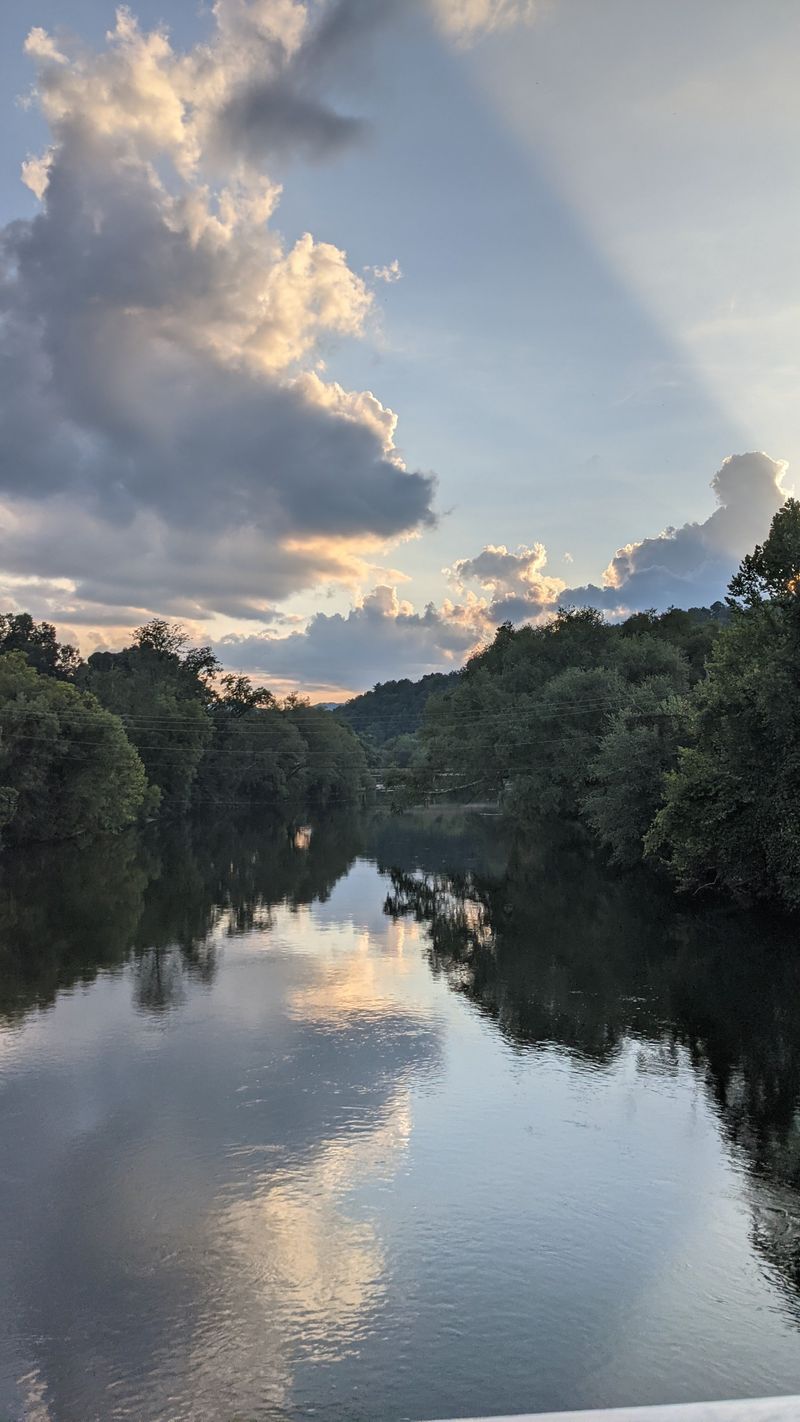
Bryson City doesn’t announce itself with dramatic vistas or obvious landmarks that grab your attention immediately.
The town reveals itself slowly, through accumulated small moments: a conversation with a shop owner, a quiet morning on the river, the way light falls on the mountains at certain times of day.
Understanding the place requires time and attention rather than quick photo stops.
Many visitors pass through without recognizing what they’re seeing, focused on reaching more famous destinations.
The town’s appeal becomes clear only in retrospect, when you’re back home and realize how much you remember about the place.
Details stick with you: the sound of the train, the taste of coffee at a particular cafe, the feel of cool river water.
This delayed recognition happens because Bryson City doesn’t perform for visitors.
It simply exists, and you either connect with that existence or you don’t.
The discovery comes when you realize you want to return, not to see something you missed but to experience again something you can’t quite articulate.
That’s when you know the place got under your skin.