
The Quiet Tennessee Village That Feels Like A Secret Worth Keeping
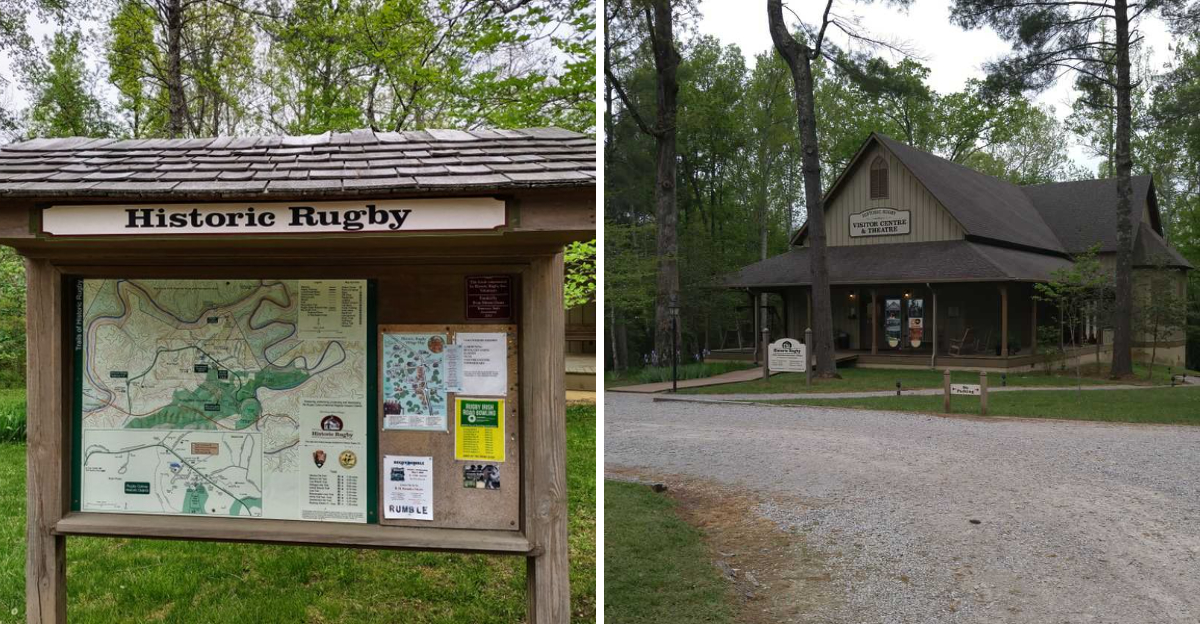
Its name rarely appears in glossy travel guides, yet Rugby quietly rewards curiosity. Built on an idealistic vision, this Tennessee village moves at a human pace, with lantern-lit paths, historic stone cottages, and conversations that last longer than the daylight.
Days revolve around walks beneath tall trees, simple meals shared at communal tables, and evenings that feel unhurried and kind. Visitors notice the calm first, then the details: birdsong, open porches, and stars bright enough to stop you mid-step.
Rugby proves that quiet does not mean empty. It means intentional, welcoming, and refreshingly untouched by hurry.
Here, time stretches gently, inviting reflection, community, and a slower way of living.
Olde English Vision At The Edge Of The Cumberland Plateau
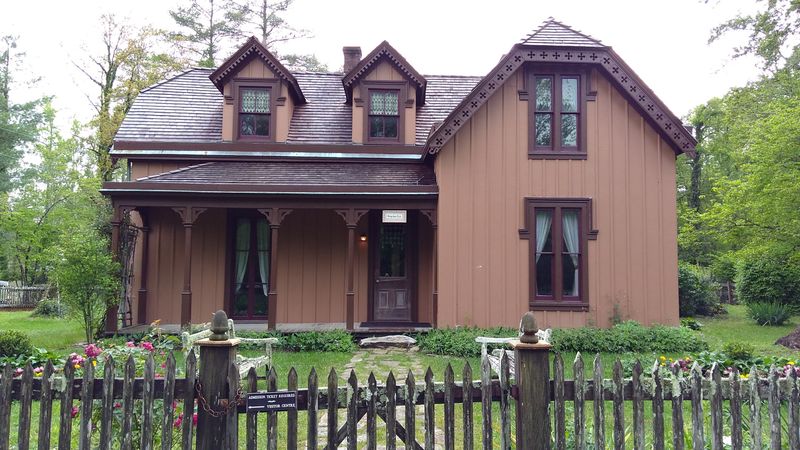
Every story in Rugby begins with the idea that a new society could be built from good intentions and sound design. The town’s 1880 founding by English author Thomas Hughes gave it an architectural cadence that still feels deliberate.
You can stand on a lane and see neat rooflines, spaced like punctuation, slowing the reader rather than racing to the end.
Each building’s porch invites a pause, and that invitation is worth accepting. The clapboard siding shows careful maintenance rather than glossy reinvention, the patina of effort without a shout.
One corner turns to reveal a garden, tidy but not manicured into nervous perfection.
Another block carries you past a picket fence whose gate latch gives a small, honest creak. The air feels unhurried, which changes how you look at everything.
Even the light seems to move at a considered pace, brushing the gables before slipping into the trees.
Eventually you realize that the layout teaches you how to walk. You match its stride, letting your day gather itself rather than scatter.
When you finally leave that street, you carry unassuming order with you, like a habit you meant to learn all along.
The Rugby Colony Building And Its Quiet Resilience
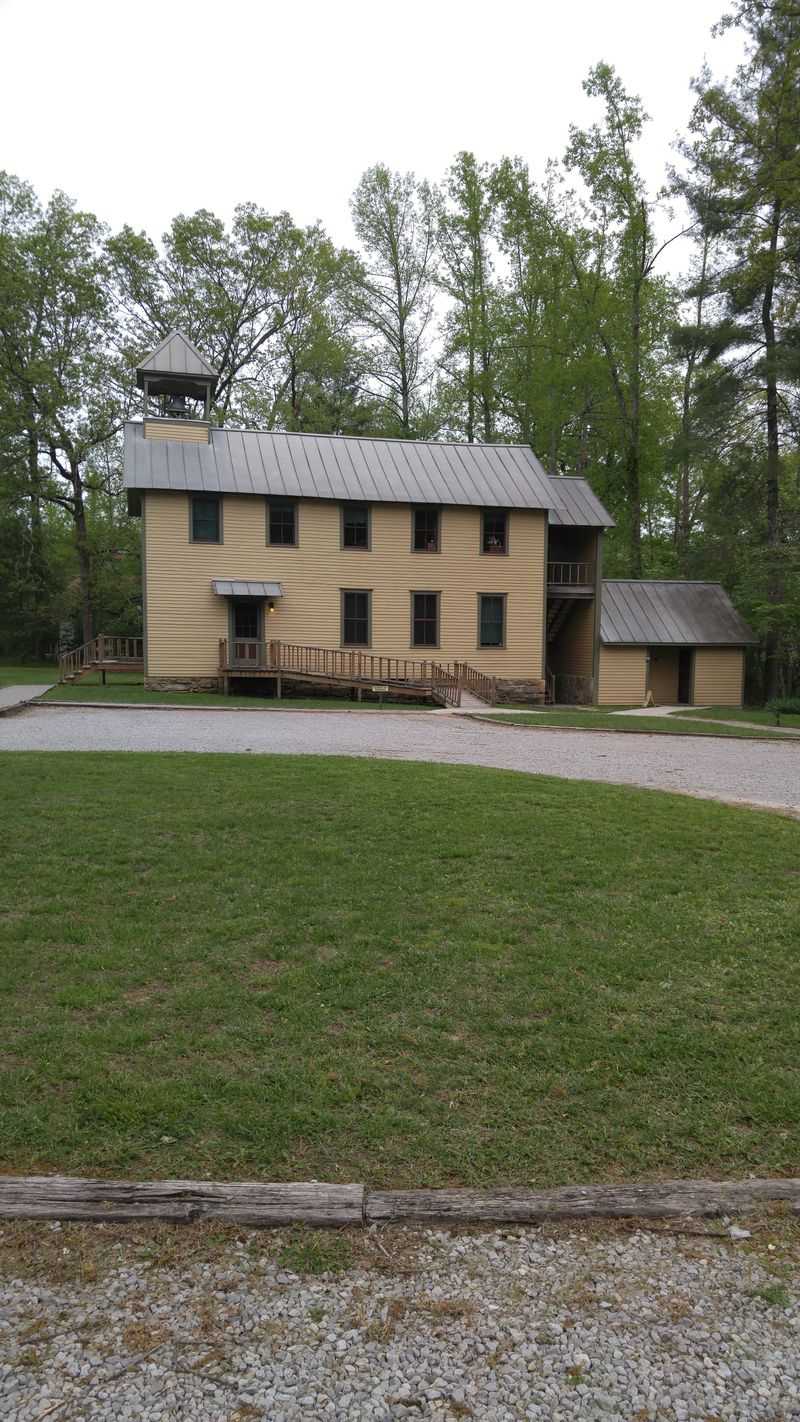
Some structures insist on being noticed because they are loud; the Rugby Colony Building is noticed because it has survived with composure. Its rooms hold traces of meetings, lectures, and long arguments that tried to shape a better society without sacrificing decency.
You sense the echo of practical dreams in floorboards that have learned to be patient.
Inside, the light falls generously, and you read displays with the same curiosity that once drew people across the ocean. The documents are straightforward, not theatrical, which makes them more persuasive.
Maps and letters show how planning met stubborn geography and stubborn human nature.
A staff member will answer questions plainly, which suits the building’s character. The narrative here is not sanitized; it is coherent, even where it faltered.
Failures are given context rather than apology.
By the time you step outside, the building’s restraint has a way of affecting your tone. You start talking more carefully about progress and compromise, choosing fewer adjectives and stronger nouns.
The place does not demand belief, only attention, and that is often enough to change the shape of a day.
Thomas Hughes Public Library And The Weight Of Quiet Pages
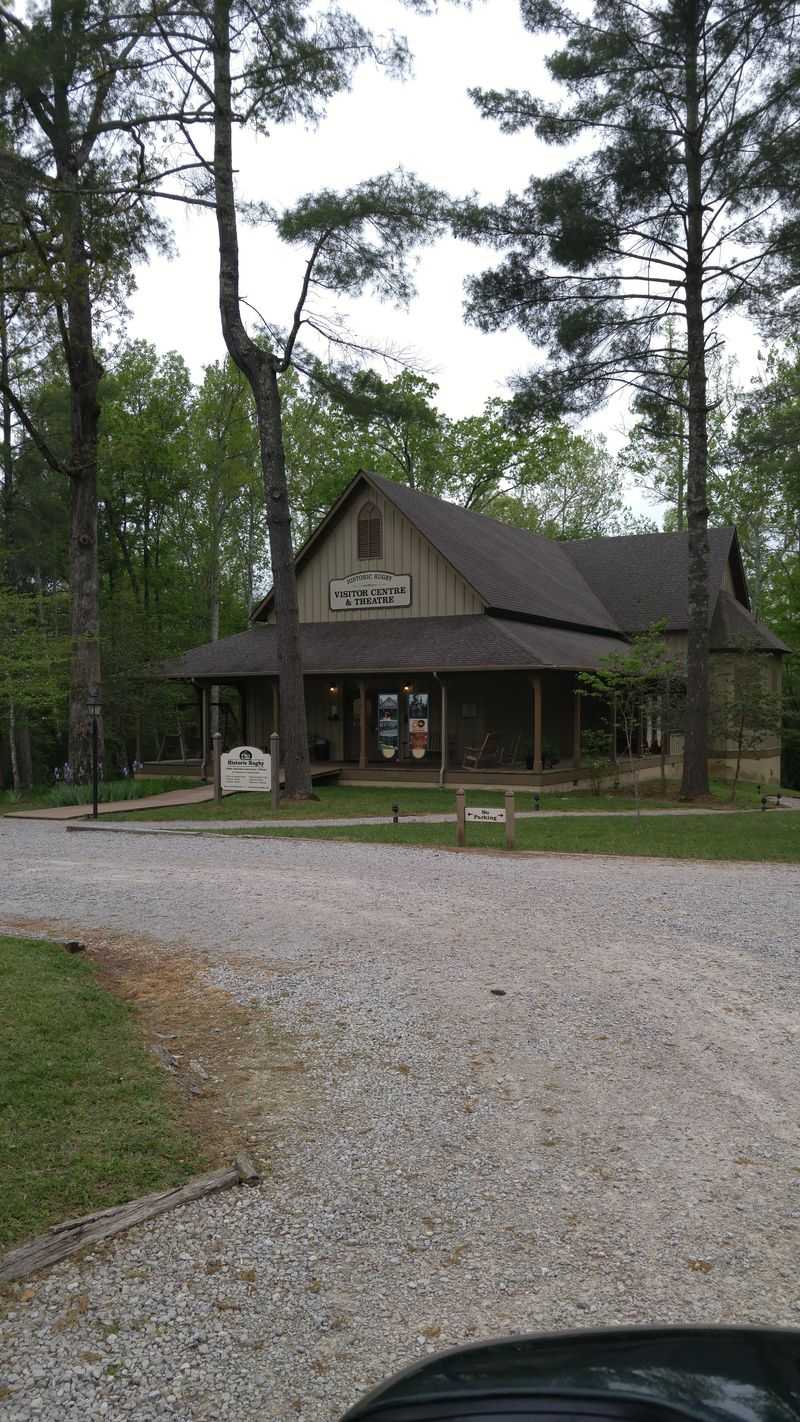
First impressions at the Thomas Hughes Public Library begin with smell, a steady blend of paper, wood, and careful handling. The shelves look exactly as they should, unfussy and sturdy, like someone’s best idea of permanence.
Titles lean in that politely crowded way only long-settled collections can manage.
A librarian speaks softly not out of affectation, but because the room sets the volume. You trace bindings stamped with gilt that has settled into a comfortable dimness.
Each book seems to invite curiosity without competing for attention.
Some afternoons, the sunlight runs a neat line across the reading table, marking time more reliably than any clock. You sit and read a few pages from a travelogue that once proposed a new world inside the old one.
The words carry a calm insistence that feels familiar in this town.
Leaving the library, you notice how your pace has aligned with the shelves. You hold the door a second longer so it closes without complaint.
Over the threshold, Rugby’s outdoor hush seems like an extension of the same chapter, continuing without need for a dramatic turn.
A Stroll Down Laurel Dale Road At Unhurried Speed
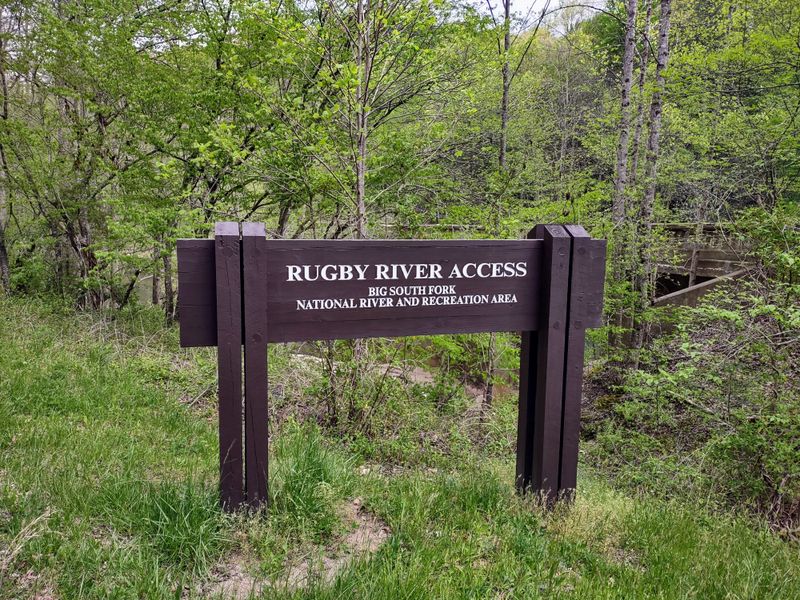
Walking Laurel Dale Road is a simple pleasure that proves surprisingly durable. The lane’s curves are minor, its grade modest, its soundtrack composed of leaf-talk and distant birdcall.
You fall into a human scale that requires no adjustments.
Houses appear at measured intervals, with yards that show attention without anxiety. A split-rail fence leans the way a good chair leans when someone knows how to sit.
Steps and stoops bring strangers to the same height long enough to exchange greetings.
Midway along, you catch a view of the forest pressing in with friendly restraint. The canopy edits the light into manageable pieces that make everything easier to photograph.
Your senses favor breadth over intensity, which is a welcome change.
By the time the road meets another modest turn, the day has arranged itself around the walk. You carry on with no desire to rush the next thing.
It is hard to explain how uneventful beauty becomes persuasive, yet here the argument feels settled.
Rugby’s Church Of The Gentle Slope Of Time
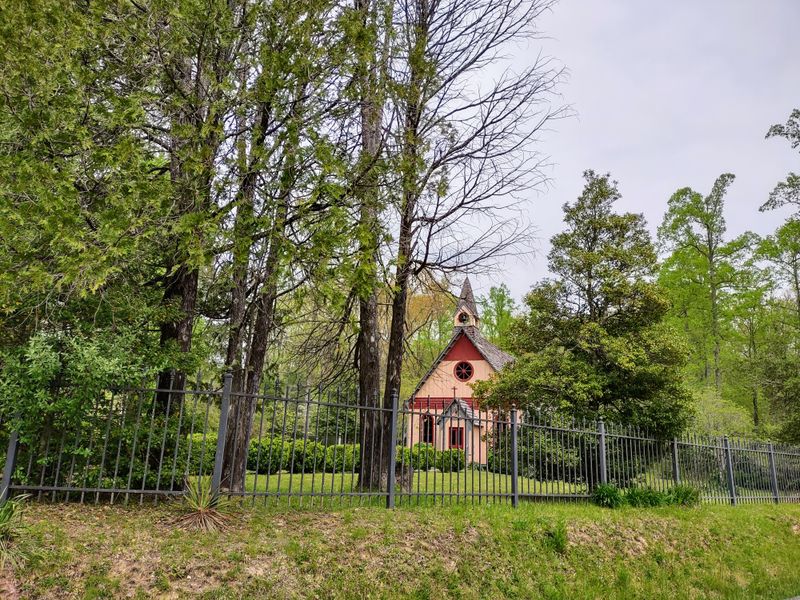
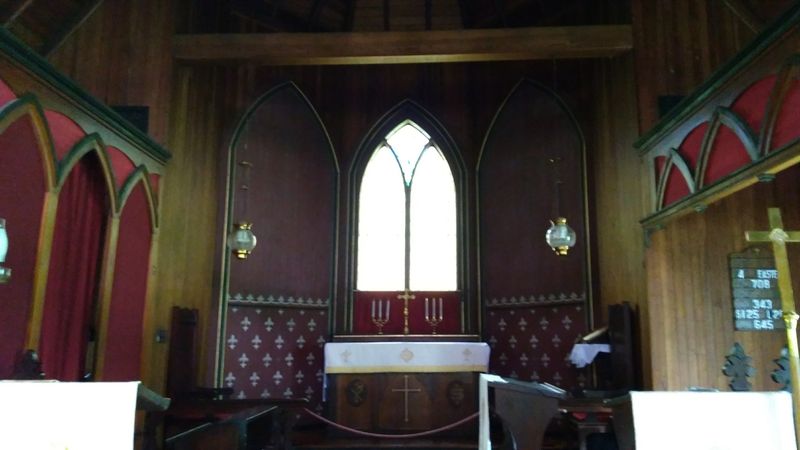
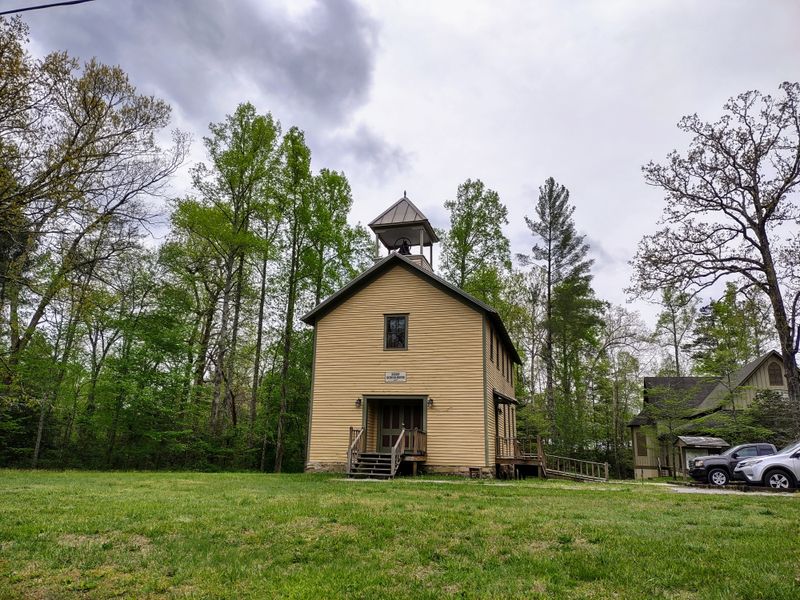
There is a church in Rugby whose first gift is proportion. The nave does not strain for grandeur, and the belfry rises only as high as the story requires.
White clapboard and pointed windows give a clear signal without theatrics.
On a quiet morning, you push the door and find an interior arranged to encourage attention rather than awe. Benches are plain, their wood warm from years of ordinary devotion.
Sunlight squares itself on the floor, behaving with admirable manners.
Even if services are not underway, the hush feels earned by steady use. You sit for a minute and discover the kind of silence that organizes rather than empties.
The room does not scold or flatter; it simply holds.
Stepping outside, you regard the church against the forest edge and the clear Tennessee sky. The building’s message continues without words as you head down the path.
You walk away slightly straighter, which may be the most honest measure of influence.
Meeting The Founders Through Letters And Footpaths
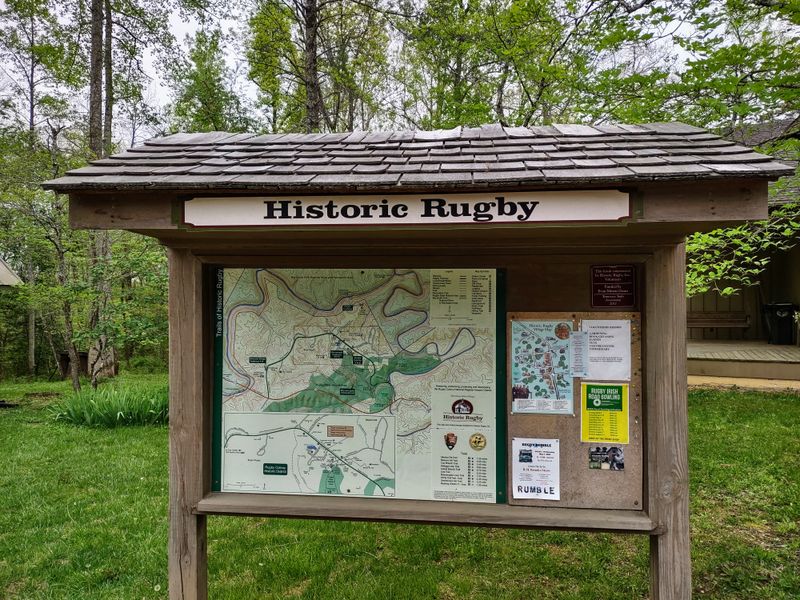
History in Rugby reaches you by two routes: framed text indoors and footpaths outdoors. Exhibits fill in names, motivations, and the stubborn logistics of shipping ideals across an ocean.
Trails, meanwhile, show how those plans met weather, distance, and the everyday labor of staying put.
At a display, you read letters written in a tidy hand that still manages urgency. The writers sound practical more often than romantic, which fits the place they tried to build.
Nearby maps show parcels and boundaries with a precision that feels resolute.
On the path, your shoes find the colony’s old routes softened by leaves. Interpretive signs honor both successes and the stout challenges that thinned the population.
The honesty makes the surviving community easier to respect.
Returning to the center of town, you carry a more responsible version of the story. The founders emerge as people rather than types, which makes their decisions more interesting.
That perspective lingers as you choose where to wander next.
The Spirit Of Preservation Without The Gloss
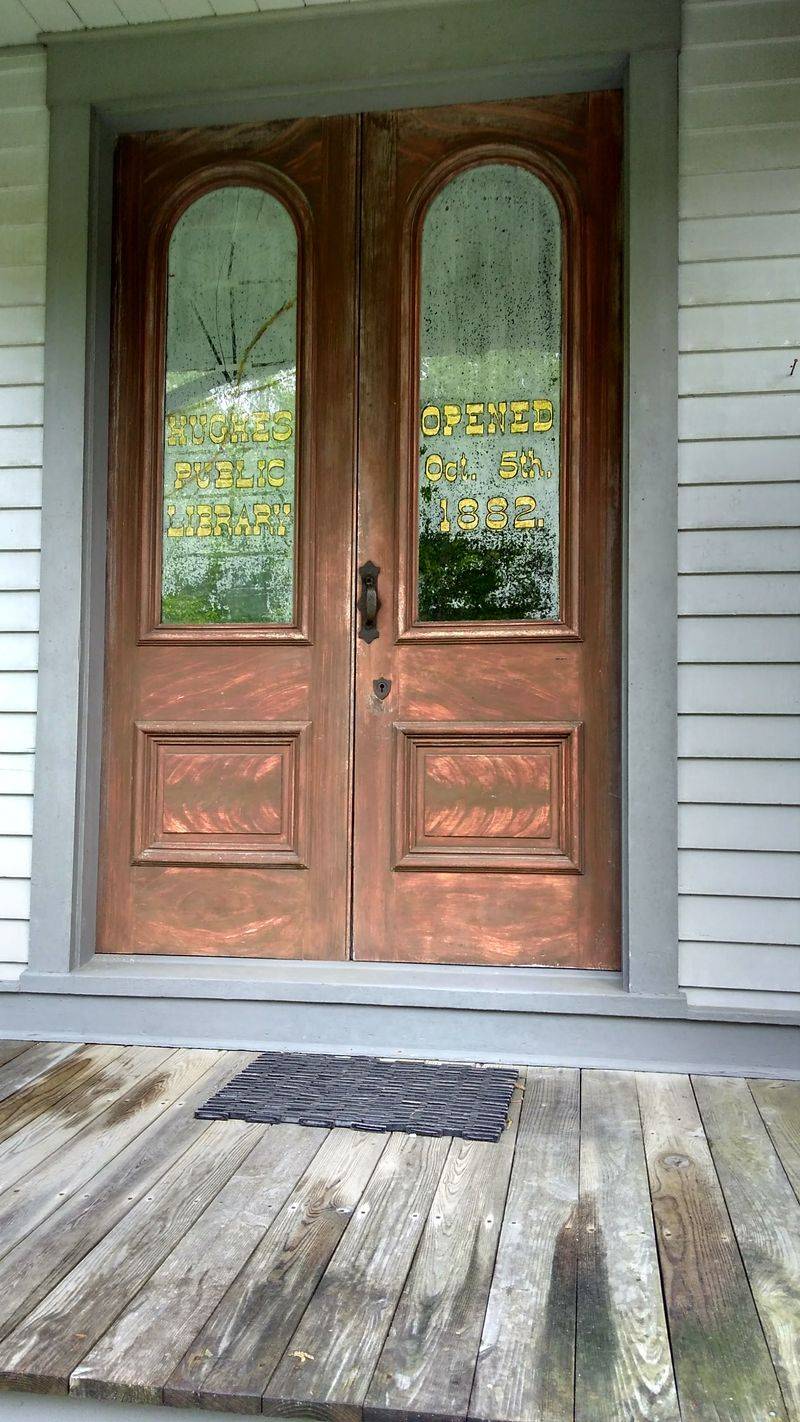
Preservation in Rugby favors steadiness over shine. Paint is correct, trim is intact, and no one tries to convince you the 1880s looked brand new every morning.
The result feels more trustworthy than a staged museum street.
Volunteers and staff carry a practical pride that shows in small repairs and measured upgrades. You notice careful weatherproofing where it counts, and restraint where authenticity matters more.
The balance keeps the town from becoming a backdrop instead of a place.
Guides describe decisions with a craftsman’s vocabulary: what to replace, what to patch, and what to let age. That approach gives the buildings a clear voice that is neither frail nor forced.
The patina reads as time, not neglect.
When you leave, you remember methods as much as sights. The ethics of preservation become legible, and that knowledge changes how you look at other historic districts.
Rugby ends up teaching a way to care that functions beyond its borders.
Rugby’s Setting Between Forest And Plateau
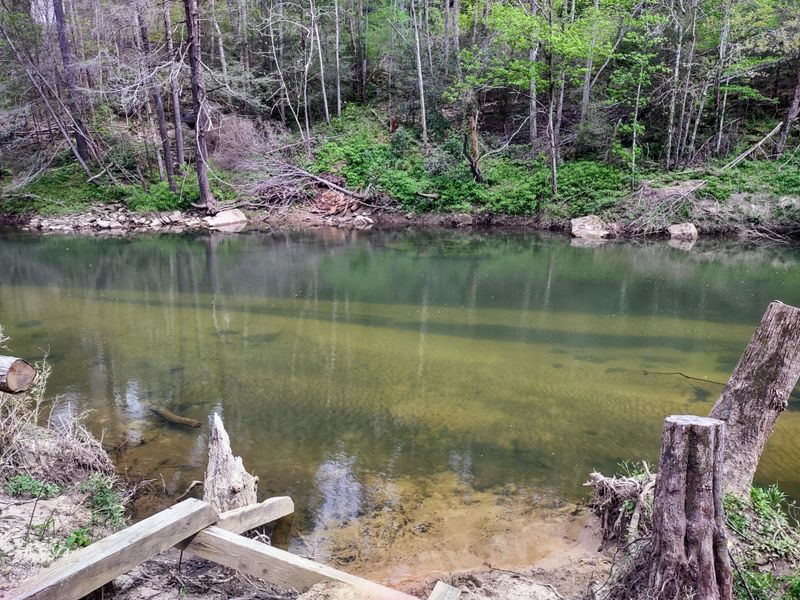
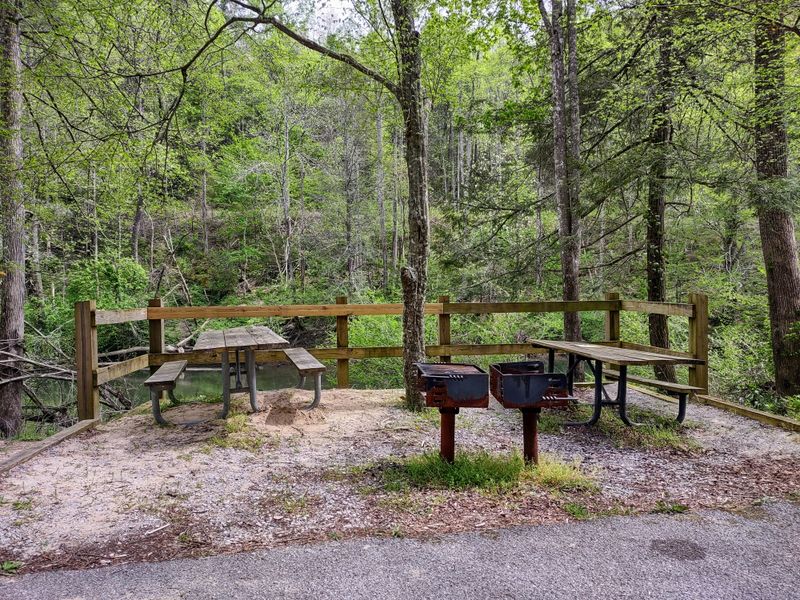
Geography gives Rugby a durable frame. The town rests near the rim of the Cumberland Plateau, where hardwood forests anchor slopes and meadows open like measured pauses.
Air moves cleanly through the hollows and returns with a modest temperature change.
On a walk, you hear water working at a steady task somewhere off to the side. A small stream shows a path of least resistance that still manages purpose.
Birds contribute without taking over, as if the score were written for restraint.
The landscape invites ordinary stamina rather than bravado. Trails roll rather than climb, and views arrive without a drumroll.
Even the clouds seem to negotiate their routes with the terrain.
As evening sets, edges soften, and the town gathers itself again around porches and lamplight. The setting does not compete with Rugby’s history; it steadies it.
You end the day with lungs that feel lightly exercised and thoughts arranged in comfortable order.
Tea, Scones, And The Colony’s English Echo
Food in Rugby favors comfort that stays within its means, and afternoon tea carries the clearest English echo. A pot arrives with the correct heft, cups clink with a discreet note, and steam carries a promise that gets kept.
Scones appear with competent jam that leaves no sticky argument.
You take your time because the room insists gently. Old photographs watch from the walls with the relaxed posture of residents, not actors.
Conversations settle into tempos that suit stories rather than bullet points.
The menu does not compete with big-city ambition, which is part of the appeal. Choices feel curated for the setting, and service lands in that sweet spot between attentive and invisible.
The experience aligns with the town’s original thesis about good living.
When the bill comes, you tip with the satisfaction of having spent an hour wisely. Outside, the street seems slightly warmer for the tea’s influence.
The Englishness feels like a soft undertone rather than a costume, and that makes it easier to like.
Conversations With Locals Who Kept The Lights On
Talk to enough people in Rugby and you find a common thread of persistence. Residents describe lean years when tourism dozed and maintenance lists stretched like winter.
They kept at it anyway, partly from affection, partly from responsibility to an idea worth protecting.
On a porch, someone explains how volunteer weekends became habit rather than event. Painted trim, repaired steps, and cataloged archives came together slowly as proof of commitment.
The tone stays modest, which makes the achievements land more firmly.
A younger voice joins in with plans for programming that welcomes visitors without overwhelming the town. The goal is continuity rather than reinvention, a distinction that makes sense once you have walked the streets.
Practical optimism shows up in calendars and supply closets, not slogans.
As dusk settles, lights flick on with the calm of well-timed routines. You head back down the path with a pocketful of names and a better understanding of stewardship.
The town feels less like a secret and more like a responsibility shared by anyone who appreciates it.
A Day’s End That Listens Before It Speaks
Evening in Rugby comes on like a good conversation partner, eager to listen first. The sky turns a deliberate blue, and lamplight settles across clapboard in even strokes.
Footsteps sound honest on the boardwalks, neither hurried nor theatrical.
You notice how the day’s details recombine as you walk: library dust motes, porch rails, a church bell that may or may not ring. The simplicity feels earned rather than staged.
By now your voice has dropped to match the town’s volume.
A final look back reveals buildings that seem perfectly content with their own scale. No neon, no shouting, just the clean geometry of work done well.
The night air sets a comfortable boundary around your thoughts.
When you reach your car or your room, you are surprised at how lightly you are carrying the day. Rugby has a way of trimming what you do not need and returning the rest in better order.
It is a quiet practice you can take with you, and it travels remarkably well.