
The Quiet Washington Coastal Town Many Travelers Overlook
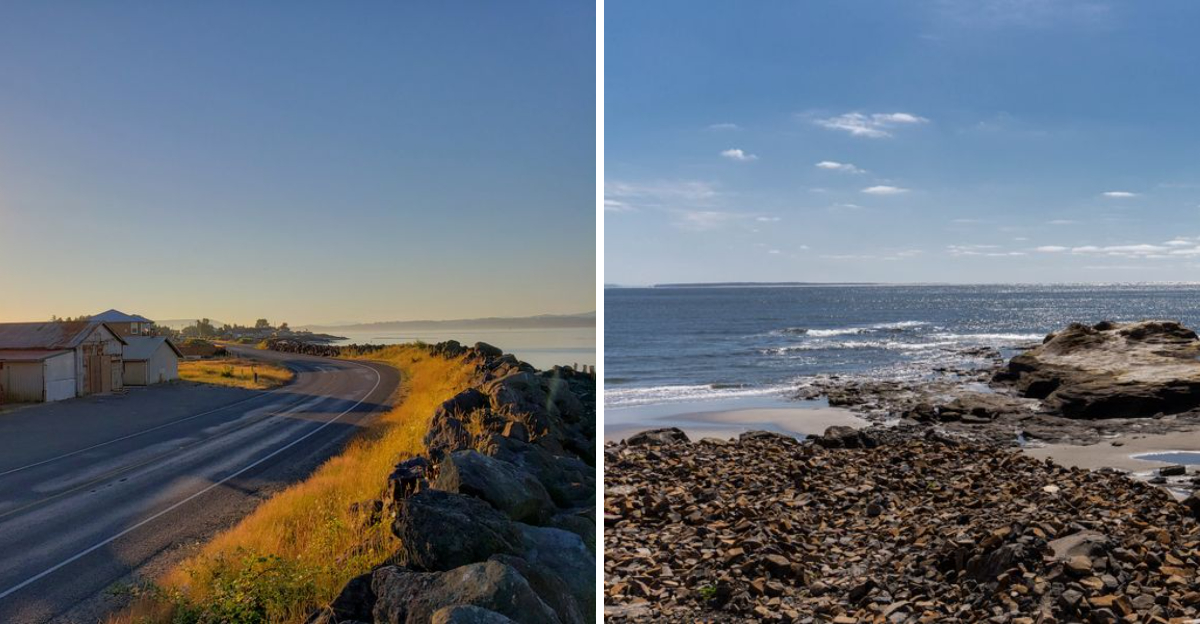
Most people racing along the Washington coast never think to turn down the narrow road leading to Tokeland.
This tiny community sits tucked against Willapa Bay, far from the crowded beaches and tourist shops that define other coastal stops.
With fewer than two hundred residents and no flashy attractions, it remains one of the state’s best-kept secrets.
Tokeland offers something rare: a genuine coastal experience shaped by fishing boats, oyster beds, and the quiet rhythm of tides rather than vacation hype.
Tokeland Is Tucked Away On Quiet Willapa Bay
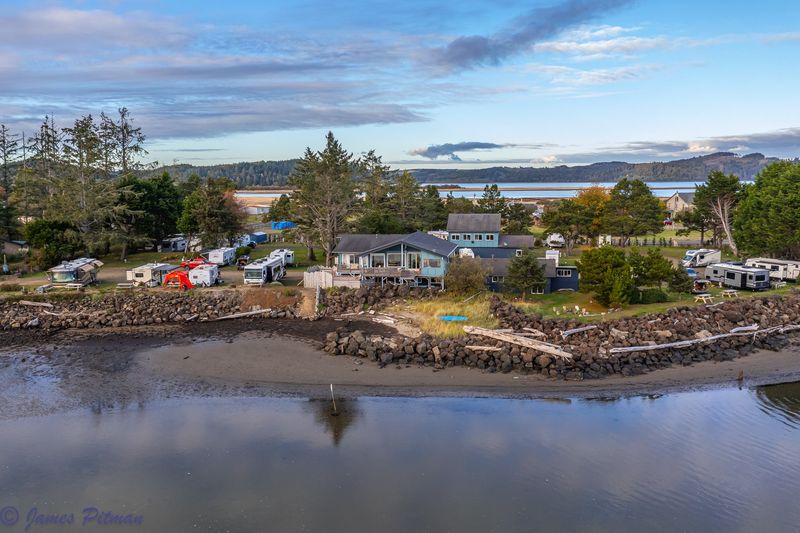
Willapa Bay wraps around Tokeland like a protective arm, creating a sheltered waterway that feels worlds apart from the crashing surf of the open Pacific.
The bay stretches wide and calm, its surface rippling gently under coastal winds.
Visitors stepping onto the shore notice immediately how different this feels from typical beach towns.
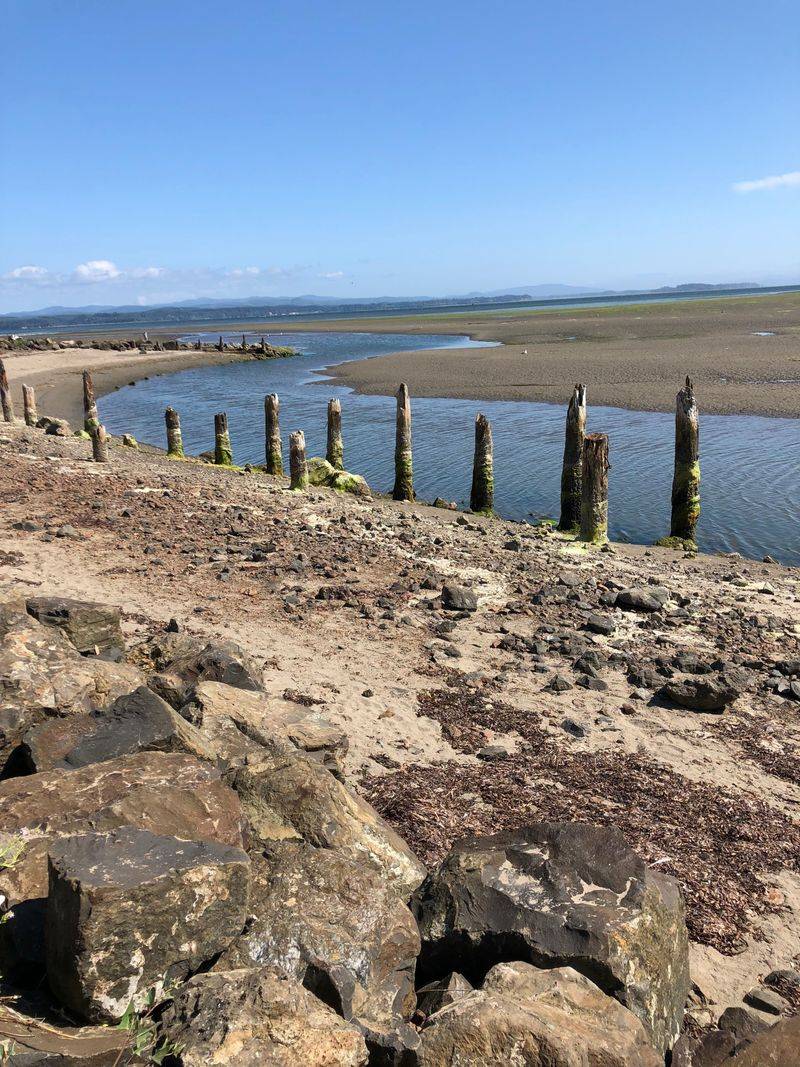
Tides here shift dramatically, revealing mudflats teeming with marine life during low water and filling the bay with deep channels when the tide returns.
Birds gather in flocks along the water’s edge, probing the mud for clams and worms.
Fishing boats drift lazily across the horizon, their engines humming softly in the distance.
Located at 46.7064856, -123.9818347 in Pacific County, Tokeland sits near the Shoalwater Bay Indian Reservation.
The bay’s natural protection has made this spot a working waterfront for generations.
Peace settles over everything here, undisturbed and authentic.
Its Remote Setting Naturally Limits Tourism
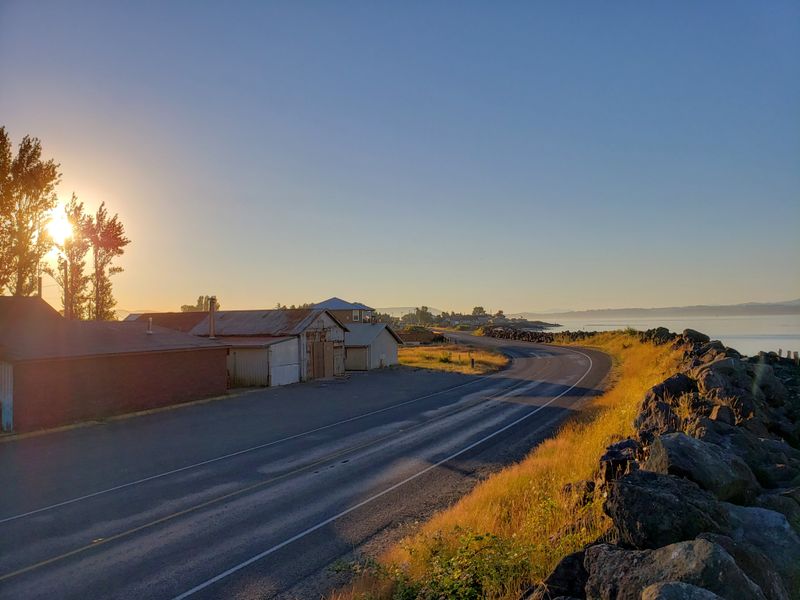
Getting to Tokeland requires intention rather than accident.
No major highway runs through town, and most GPS systems treat it as a minor detour rather than a destination.
The roads leading here wind through farmland and marshes, passing scattered homes and weathered barns that hint at the area’s agricultural roots.
This geographic isolation acts as a natural filter, keeping away the crowds that swarm more accessible coastal communities.
Travelers who make the effort find themselves rewarded with empty beaches and uncrowded restaurants.
The town never developed the infrastructure to handle mass tourism, and residents seem perfectly content with that arrangement.
Parking lots remain small, lodging options stay limited, and no souvenir shops clutter the landscape.
Everything about Tokeland’s layout discourages casual drop-ins.
Those who arrive tend to stay awhile, appreciating the effort it took to get here.
A Population Small Enough To Stay Peaceful
Census records from 2020 counted just 158 residents in Tokeland, a number small enough that most locals know each other by name.
This isn’t a bedroom community for commuters or a retirement village with planned activities.
People here live connected to the water and the rhythms it dictates.
The population has remained remarkably stable over decades, growing by only seven people between 2010 and 2020.
Such minimal growth speaks to the town’s character—it neither attracts nor encourages rapid development.
Families who settle here tend to stay, building lives around fishing seasons and tidal patterns rather than career advancement or entertainment options.
Walking through Tokeland on any given afternoon reveals more boats than cars, more dogs than pedestrians.
Children ride bikes along empty streets without parental supervision.
The quietness isn’t lonely or abandoned; it simply reflects a community comfortable with its own size and pace.
Fishing And Oysters Shape Daily Life Here
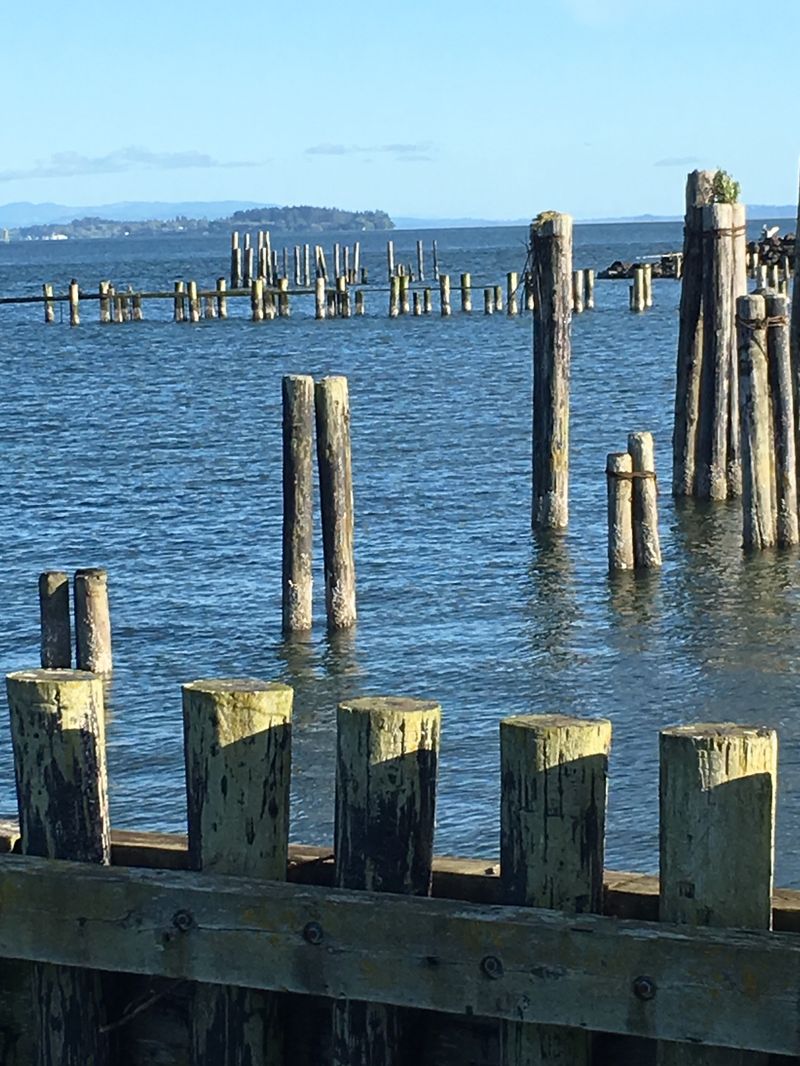
Tokeland’s economy revolves around what the bay provides rather than what tourists might spend.
Fishing boats depart before dawn, returning hours later with catches destined for markets up and down the coast.
Oyster beds stretch across the tidal flats, carefully tended by families who have worked these waters for generations.
The local oyster industry produces some of Washington’s finest shellfish, prized by restaurants throughout the Pacific Northwest.
Harvesting happens according to tidal schedules rather than business hours, with workers wading into shallow water during low tide.
Buckets fill quickly with fat, briny oysters that taste unmistakably of this particular bay.
Conversations in town often center on water conditions, harvest yields, and seasonal changes affecting marine life.
Even residents not directly employed in fishing or oyster farming organize their schedules around the industry’s rhythms.
This isn’t picturesque fishing village theater staged for visitors—it’s genuine working waterfront culture, practical and unpretentious.
No Boardwalks, Just Open Shorelines
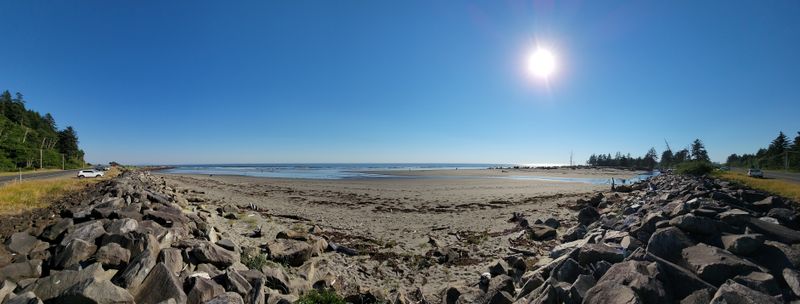
Forget wooden walkways lined with ice cream stands and arcade games.
Tokeland’s beaches remain refreshingly undeveloped, with nothing separating visitors from the water except sand and scattered driftwood.
The shoreline stretches in both directions without fences, signs, or designated beach access points charging parking fees.
Driftwood logs, bleached silver by sun and salt, pile along the high tide line in massive tangles.
Beach grass sways in constant wind, anchoring the dunes that separate water from land.
Shells and pebbles cover the sand in natural patterns that shift with each tide.
Walking these beaches feels more like exploration than recreation.
No lifeguards patrol the water, no concession stands sell refreshments, no rental shops offer beach chairs.
What exists here is coastline in its most honest form—beautiful precisely because it lacks commercial polish.
Visitors bring their own supplies and leave only footprints, which the next tide erases completely.
Most Travelers Pass It By Without Stopping
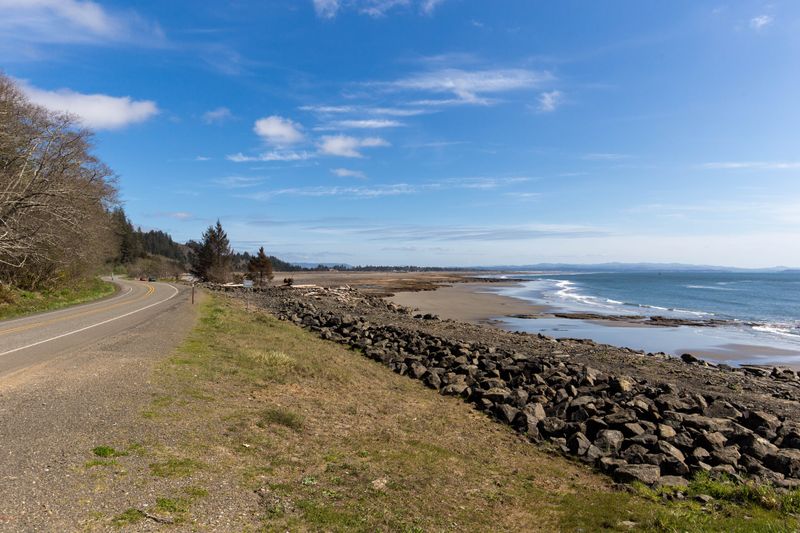
Highway 105 carries most coastal traffic north and south without ever suggesting Tokeland as a worthwhile detour.
The turnoff appears unmarked and easy to miss, especially for drivers focused on reaching more famous destinations like Long Beach or Westport.
Thousands of tourists each year drive within miles of Tokeland without realizing it exists.
Travel guides rarely mention the town, and when they do, it receives perhaps a sentence or two buried in sections about obscure Pacific County communities.
Social media hasn’t discovered Tokeland either, which means it lacks the Instagram-driven crowds that now plague formerly quiet spots.
The town’s invisibility to mainstream tourism has become its greatest protection.
Even Washington residents often respond with blank looks when Tokeland comes up in conversation.
This anonymity preserves the town’s character better than any zoning law or development restriction could.
Those who do stop tend to stumble upon it accidentally or arrive based on word-of-mouth recommendations from friends who value solitude over spectacle.
Classic Washington Coast Scenery Without Crowds
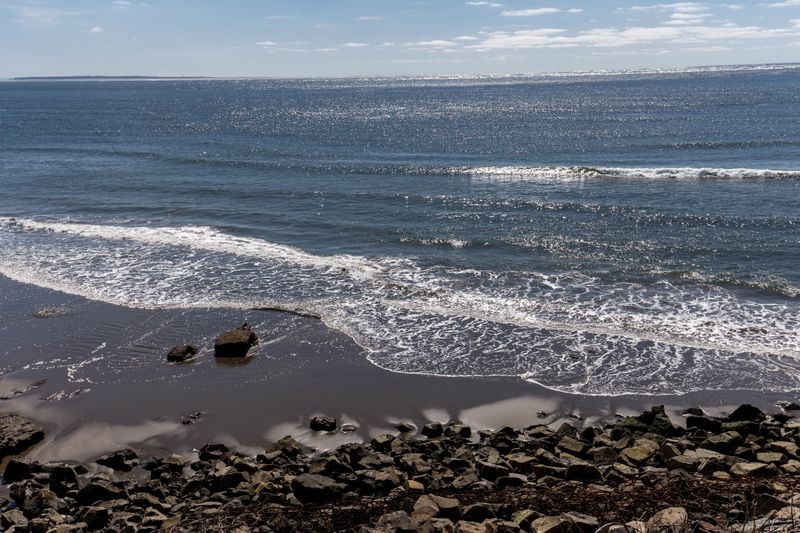
Gray skies hang low over Tokeland most days, creating that quintessential Pacific Northwest atmosphere where ocean, sky, and land blur together in soft tones.
Wind shapes everything here—trees lean permanently inland, grass lies flat against dunes, and waves arrive in steady, rhythmic sets.
This is Washington coast scenery at its most authentic, unfiltered by tourist development or artificial landscaping.
Photographers appreciate the moody light that shifts constantly as clouds race overhead.
Sunsets, when they break through the typical overcast, paint the bay in shades of copper and rose.
Morning fog clings to the water’s surface, burning off slowly as temperatures rise.
What makes these views remarkable isn’t their uniqueness—similar scenery exists all along Washington’s coast—but rather the solitude in which visitors can enjoy them.
No crowds jostle for the best viewpoints.
No tour buses idle in parking lots.
The landscape reveals itself privately, generously, to anyone patient enough to seek it out.
Life Here Revolves Around The Water
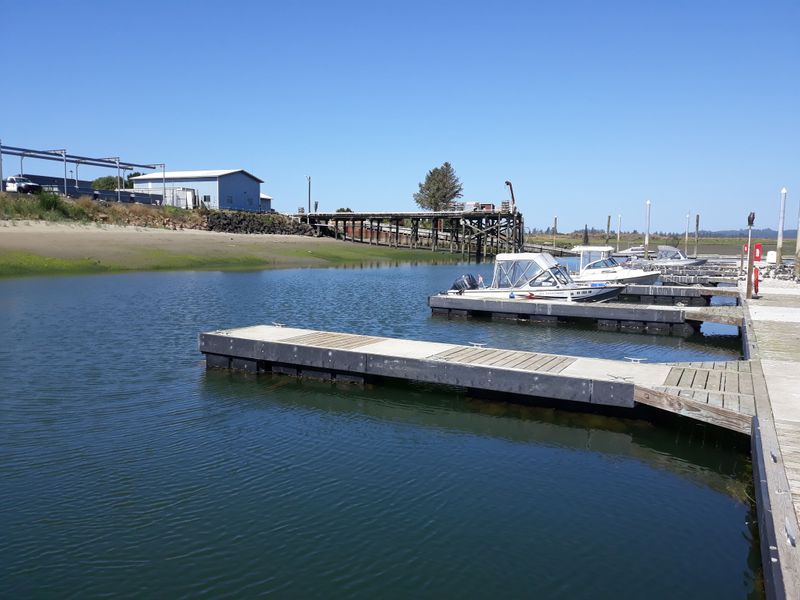
Every aspect of existence in Tokeland connects somehow to Willapa Bay.
Work schedules follow tidal charts rather than standard business hours.
Social gatherings happen at boat launches and docks where locals compare catches and share information about water conditions.
Even homes orient themselves toward the water, with windows and porches facing the bay.
Children growing up here learn to read tides before they master multiplication tables.
Families own boats the way suburban households own second cars—as essential transportation rather than luxury items.
Knowledge about currents, weather patterns, and seasonal fish runs passes between generations through daily conversation and hands-on experience.
The water provides not just livelihoods but also recreation, transportation, and a constant source of natural beauty.
Residents check the bay the way others check their phones—frequently, automatically, absorbing information that shapes their daily decisions.
This relationship with water runs deeper than scenic appreciation; it represents fundamental connection to place.
Days Move Slower In Tokeland
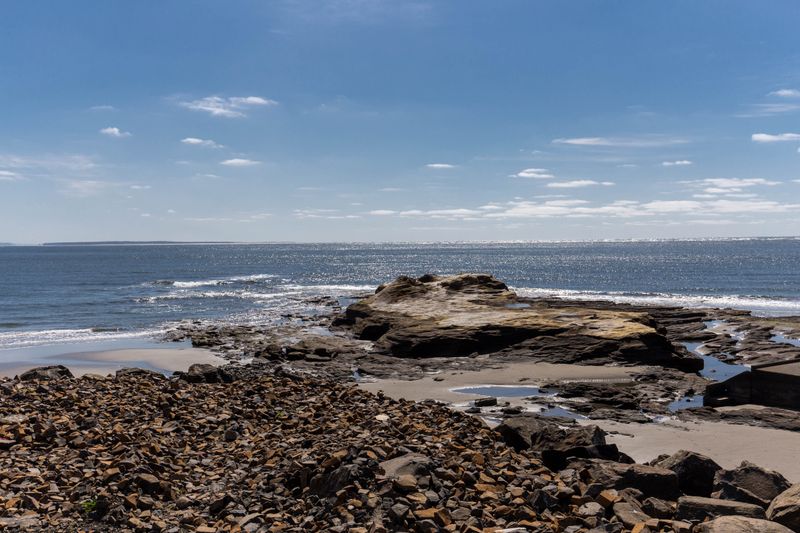
Urgency doesn’t exist in Tokeland’s vocabulary.
Businesses open when owners arrive and close when work finishes, operating on flexible schedules that would frustrate efficiency experts.
Conversations happen without time pressure, meandering through topics with the same unhurried pace as the tides.
Rushing anywhere seems not just unnecessary but vaguely inappropriate.
This slower rhythm initially confuses visitors accustomed to metropolitan speed, but most adapt quickly, finding relief in the reduced pace.
Meals take longer because diners actually taste their food.
Walks extend indefinitely because there’s nowhere pressing to be.
Even the wind seems to blow more gently here, as if respecting the town’s commitment to tranquility.
The slower pace isn’t laziness or inefficiency—work gets done, boats get maintained, oysters get harvested.
Rather, it reflects different priorities, where relationships and attention matter more than productivity metrics.
Time becomes something to inhabit rather than something to manage, a shift that feels almost revolutionary to overscheduled visitors.
Wildlife Is Part Of The Everyday View
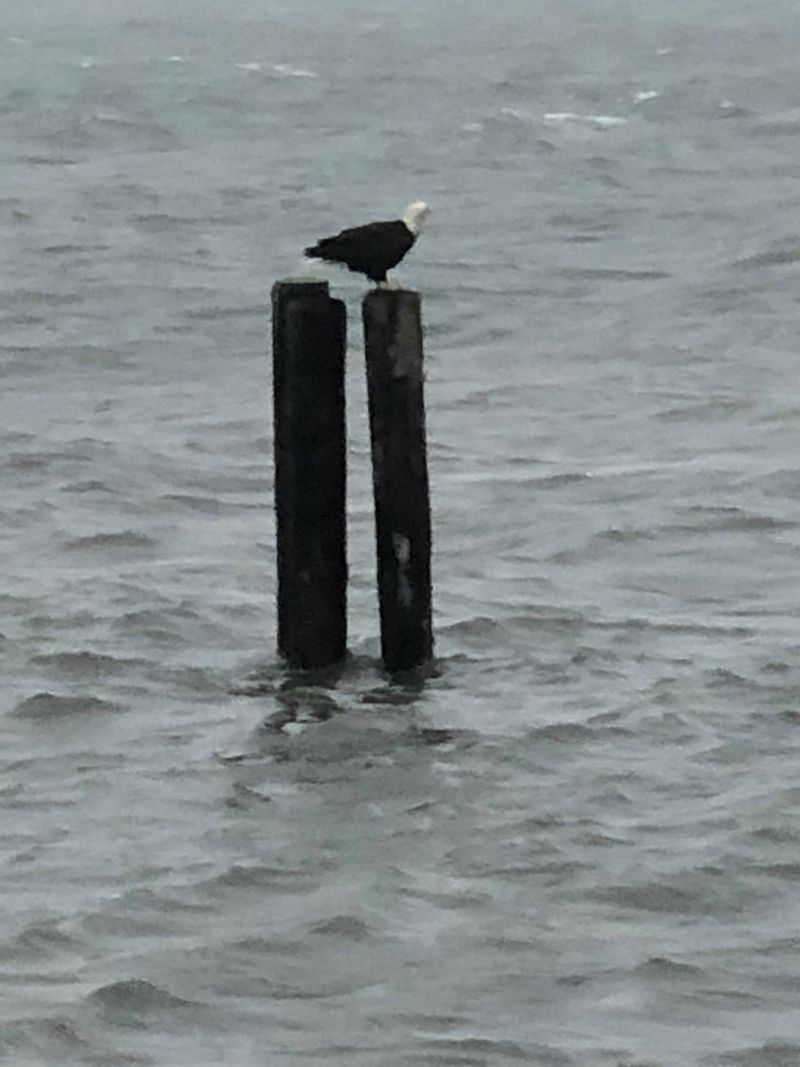
Seals surface regularly in the bay, their whiskered faces watching boats with curious expressions before diving beneath the surface.
Bald eagles perch in shoreline trees, scanning the water for fish with predatory focus.
Blue herons stalk through shallow water on impossibly thin legs, freezing motionless when prey comes within striking distance.
Wildlife encounters here happen casually, without fanfare or guided tour narration.
Shorebirds gather in enormous flocks during migration seasons, creating living clouds that shift and turn in perfect synchronization.
Harbor seals haul out on exposed sandbars during low tide, basking in whatever sun breaks through the clouds.
Occasional whales pass offshore, visible from certain vantage points along the bay.
Residents barely glance up when eagles fly overhead or seals appear near the docks—such sightings constitute ordinary daily experience rather than special events.
This casual coexistence with wild animals creates an atmosphere where nature feels integrated rather than separate, accessible rather than preserved behind barriers.
Tokeland Feels More Like A Retreat Than A Resort
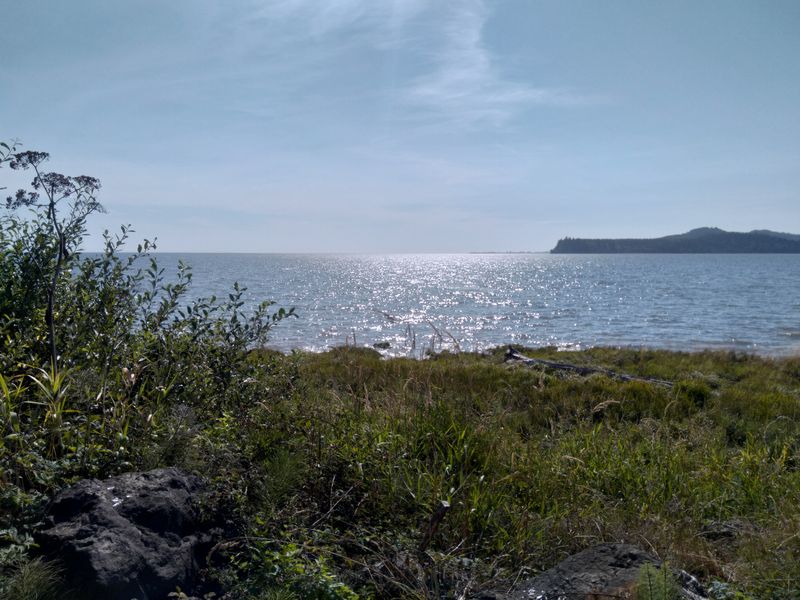
Resorts promise entertainment, activities, and constant stimulation.
Tokeland offers the opposite: permission to do absolutely nothing without guilt or boredom.
The town’s appeal lies not in what it provides but in what it removes—noise, crowds, demands, schedules.
Visitors arrive stressed and leave restored, though nothing dramatic happened during their stay.
Accommodations remain simple and unpretentious, focused on comfort rather than luxury.
The historic Tokeland Hotel, one of Washington’s oldest, provides rooms that feel more like visiting a relative’s beach house than checking into commercial lodging.
No spas offer treatments, no restaurants serve molecular gastronomy, no shops sell designer goods.
What exists instead is space—physical, mental, and emotional.
Space to walk without destination, think without interruption, and breathe without agenda.
This retreat quality attracts people seeking genuine rest rather than packaged relaxation, those who understand the difference between being entertained and being restored.
Tokeland, Washington 98590 remains exactly what overwhelmed people need most: a place to simply be.