
The Relaxed Wisconsin Farm Town Where Weekend Traffic Simply Doesn’t Exist
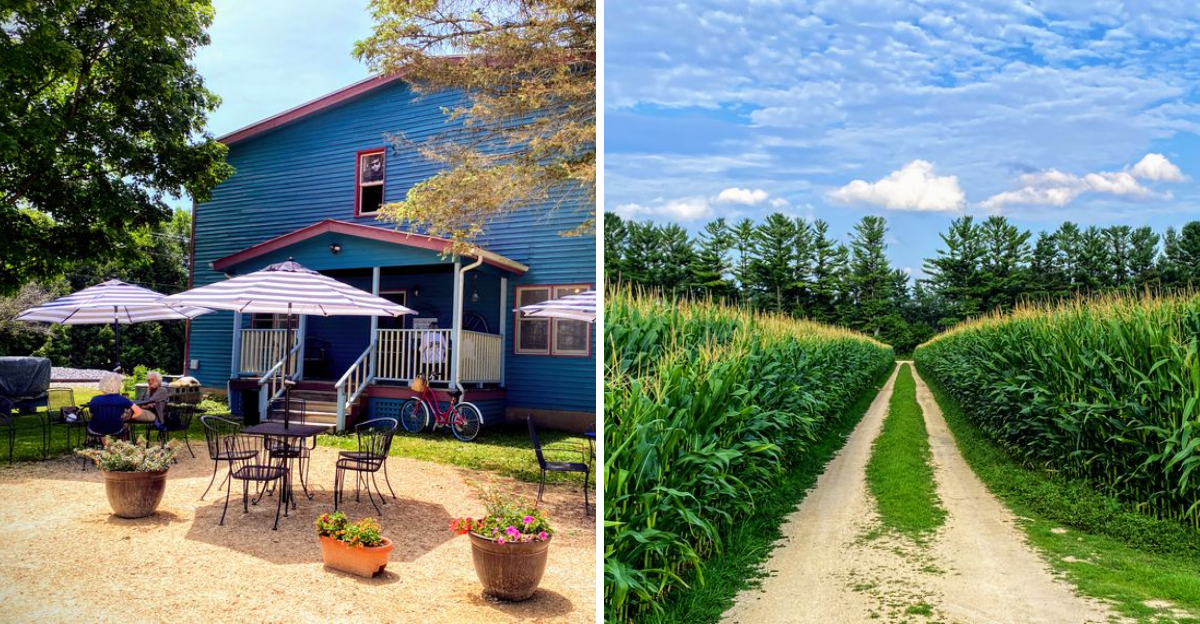
Spring Green sits quietly in southwestern Wisconsin, a village where the rush of modern life seems to pause at the town line.
With a population hovering around 1,500, this Sauk County gem offers something increasingly rare: a place where weekend traffic jams are unheard of and the rhythm of daily life moves at a decidedly human pace.
Nestled in the Driftless Area, Spring Green combines natural beauty with cultural depth, making it an ideal retreat for anyone seeking respite from the noise and hurry that defines so many other destinations.
A Small Town Surrounded By The Natural Beauty Of The Driftless Area
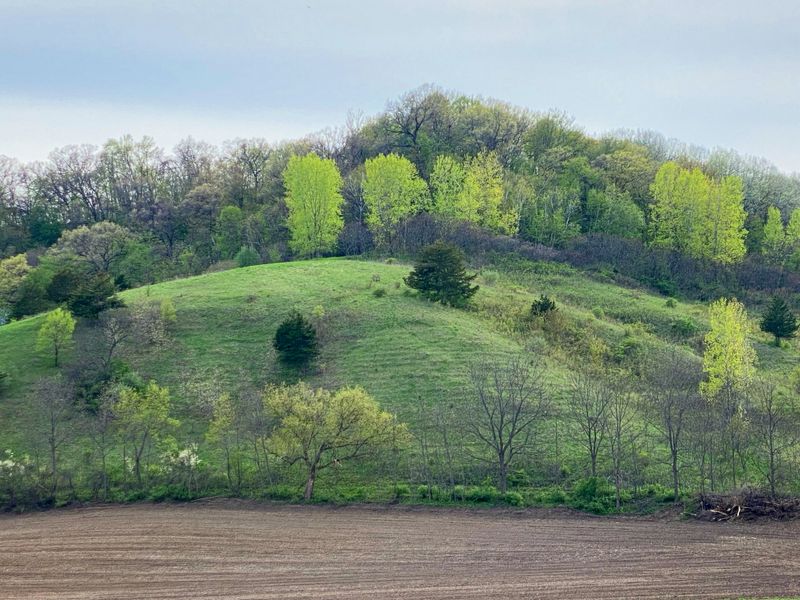
Spring Green occupies a rare geological pocket known as the Driftless Area, a region that glaciers somehow missed during the last ice age.
The result is a landscape of steep hills, deep valleys, and winding rivers that look nothing like the flat farmland people expect from Wisconsin.
Driving into town, you notice the way the Wisconsin River curves through the valley, flanked by bluffs that shift color with the seasons.
Hiking trails wind through nearby state parks, offering views that reward the effort without demanding technical skill.
The terrain invites exploration at a comfortable pace, whether you prefer a morning walk or a full-day trek.
Wildlife thrives here, from eagles soaring above the river to deer moving quietly through the woods.
The land feels untouched in a way that makes the absence of crowds all the more satisfying.
Where The Pace Of Life Is Slow, And The Traffic Is Even Slower
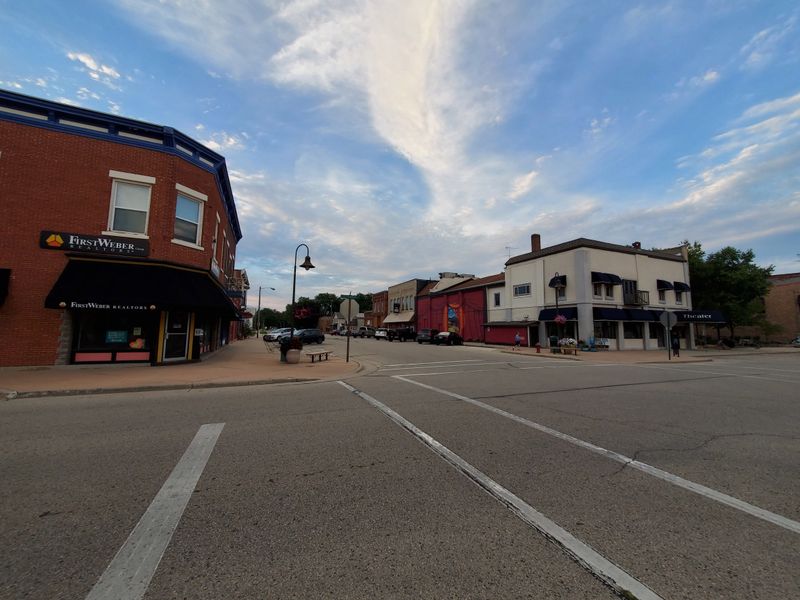
Traffic lights are scarce in Spring Green, and rush hour is a concept that holds no meaning here.
On a typical Saturday afternoon, you might wait longer for a tractor to cross the road than for any line of cars to clear.
Main Street sees a steady trickle of vehicles, but never the gridlock that plagues larger towns.
Parking is plentiful and free, a small luxury that residents take for granted but visitors find refreshing.
The absence of traffic contributes to a broader sense of calm that permeates the village.
People walk at a leisurely pace, stopping to chat with neighbors without worrying about blocking foot traffic.
Even during peak tourist season, when visitors arrive for theater performances or architectural tours, the roads remain manageable.
The village seems to absorb guests without losing its essential character, a rare quality in destinations that attract outside attention.
The Heart Of Wisconsin’s Rural Landscape
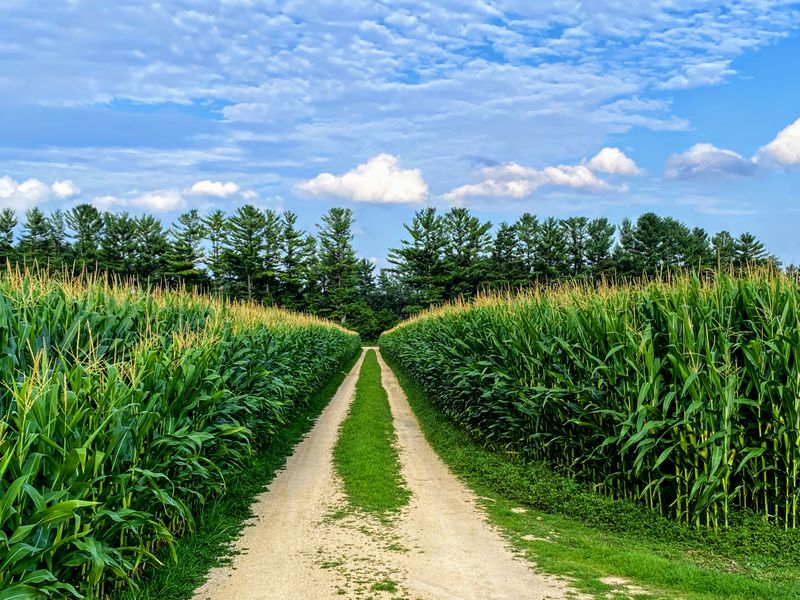
Farmland stretches in every direction beyond the village limits, a patchwork of fields that change appearance throughout the growing season.
Corn and soybeans dominate the agricultural economy, but you will also find dairy operations and smaller farms growing vegetables for local markets.
The connection between Spring Green and its agricultural surroundings is not merely scenic; it shapes the community’s identity and daily rhythms.
Residents understand the language of weather patterns and harvest schedules in ways that urban dwellers rarely experience.
Roadside stands appear in summer, offering fresh produce at prices that reflect honest work rather than market speculation.
The farms here are working landscapes, not tourist attractions, though their presence adds immeasurably to the area’s appeal.
This agricultural heritage gives Spring Green a grounded quality, a sense that the town exists for practical reasons rather than as a manufactured destination.
A Main Street That Stays True To Its Small-Town Roots
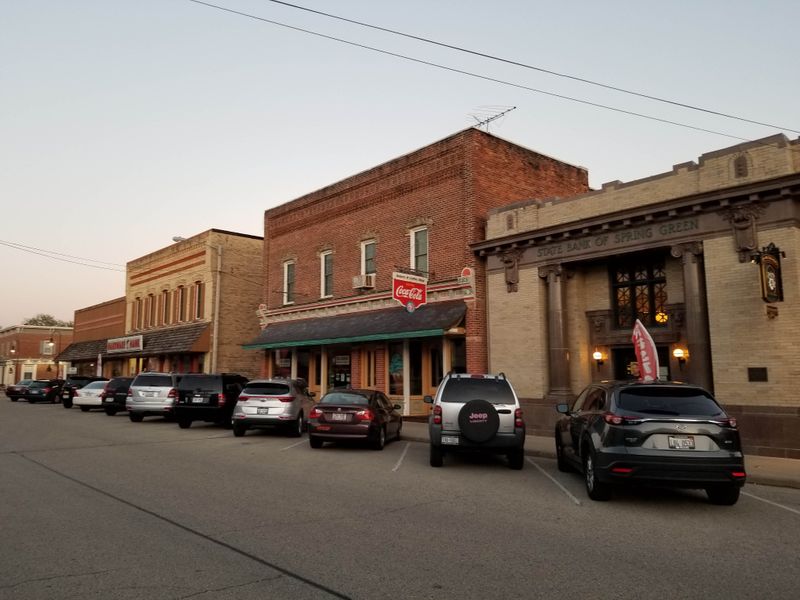
Spring Green’s Main Street stretches for just a few blocks, lined with buildings that date back more than a century.
The storefronts have been updated over the years, but the scale and character remain resolutely small-town.
You will find a hardware store, a bakery, a bookshop, and a handful of restaurants, each independently owned and reflective of local tastes.
Chain stores have not invaded this stretch of road, leaving the commercial landscape refreshingly personal.
The sidewalks are wide enough for comfortable strolling, and benches appear at intervals for those who prefer to sit and watch.
On warm evenings, people gather outside the ice cream shop, a ritual that has persisted through decades of change elsewhere.
The street feels lived-in rather than preserved, a working downtown that serves residents first and visitors second.
This hierarchy of priorities gives the place an authenticity that staged historic districts can never quite achieve.
Home To The Legendary Frank Lloyd Wright’s Taliesin
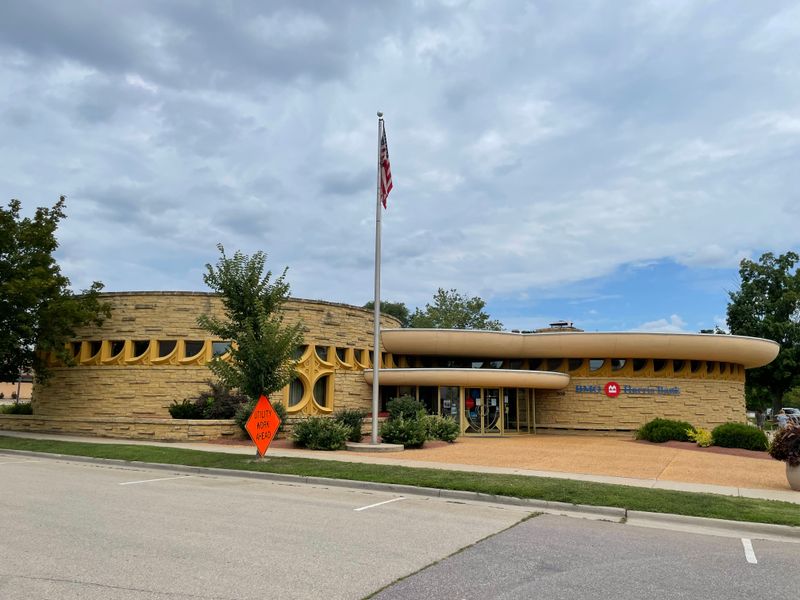
Frank Lloyd Wright built Taliesin on a hillside just outside Spring Green, creating a compound that would become his primary residence and studio for much of his life.
The estate sits at the end of County Road C, a location Wright chose for its connection to his Welsh ancestry and its commanding views of the surrounding valley.
Tours of the property reveal Wright’s philosophy of organic architecture, where buildings emerge from the landscape rather than dominating it.
The stone and wood structures blend with the terrain in ways that still feel innovative, even a century after their construction.
Taliesin Preservation manages the site, offering various tour options that range from brief overviews to extensive explorations of the buildings and grounds.
Reservations are recommended, though the tours never feel rushed or overcrowded.
The presence of Taliesin elevates Spring Green’s cultural profile considerably, attracting architecture enthusiasts from around the world without overwhelming the village’s essential quietness.
Locals Greet You By Name At The Neighborhood Café
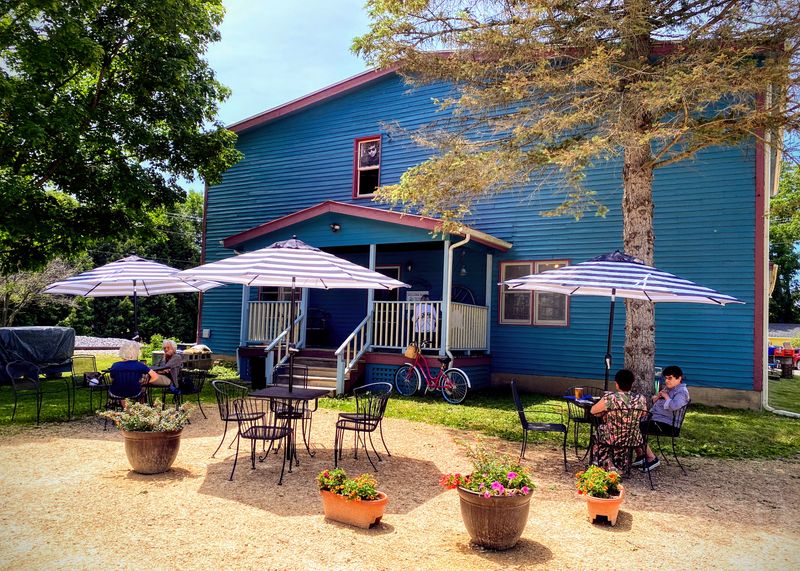
Small-town cafés operate on a different set of rules than their urban counterparts, and Spring Green’s coffee shops exemplify this perfectly.
Walk in once, and you are a visitor; return twice, and the staff starts to remember your order.
Conversations flow easily across tables, with regulars checking in on each other’s lives and offering opinions on local matters.
The pace is unhurried, with no pressure to vacate your seat for the next customer.
Menus feature straightforward offerings prepared with care rather than culinary theatrics.
The coffee is strong, the pastries are fresh, and the atmosphere encourages lingering over a newspaper or book.
These establishments serve as informal community centers, places where information gets exchanged and relationships deepen over repeated visits.
The sense of being known, of belonging even temporarily, is one of Spring Green’s most appealing qualities.
The Annual Shakespeare Festival Adds A Touch Of Culture Without The Crowds
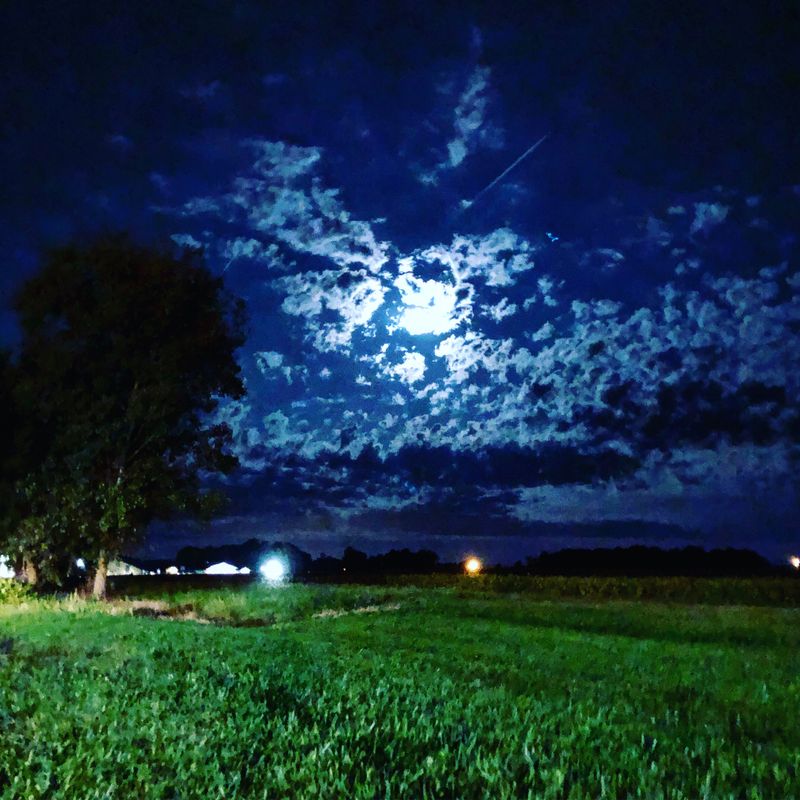
American Players Theatre operates an outdoor amphitheater in the woods near Spring Green, staging classical productions from late spring through fall.
The company has earned national recognition for its work, yet performances maintain an intimate quality that larger venues cannot replicate.
Audiences sit on wooden benches under the trees, watching actors perform on a stage that incorporates the natural surroundings.
Evening shows begin as daylight fades, adding an atmospheric element that indoor theaters lack.
The festival draws theater enthusiasts from across the Midwest, but attendance numbers remain modest enough that parking and seating are rarely issues.
You can arrive shortly before curtain and still find decent spots, a luxury unknown at more famous venues.
The combination of high-quality performances and unpretentious presentation reflects Spring Green’s broader character.
Culture exists here without fanfare or exclusivity, accessible to anyone willing to make the drive.
Weekend Drives Through Rolling Farmlands And Scenic Backroads
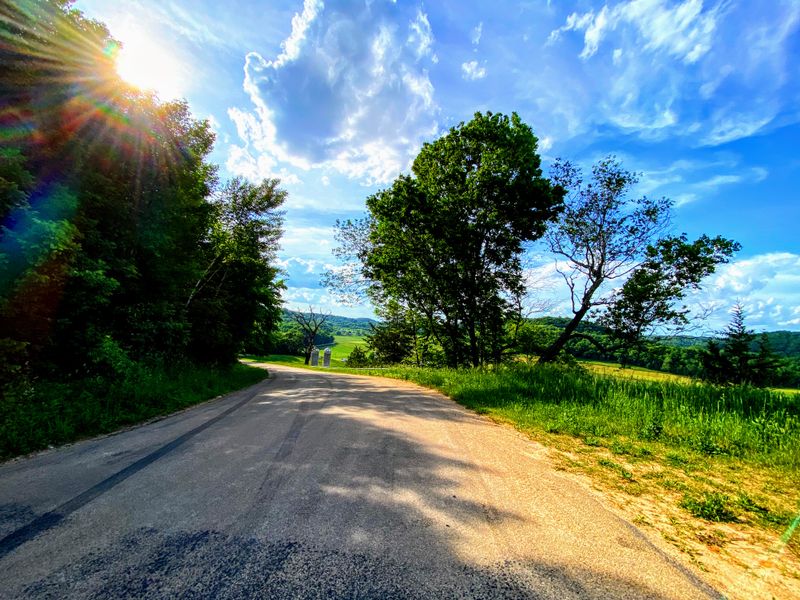
The roads radiating from Spring Green offer some of Wisconsin’s finest driving, with minimal traffic and maximum scenery.
County highways wind through the hills, revealing new vistas around each curve without demanding aggressive driving skills.
Route 23 heads north toward the river towns, passing through valleys where mist settles on autumn mornings.
County Road C takes you past Taliesin and into higher elevations, where views stretch for miles across the Driftless landscape.
These drives require no particular destination; the journey itself provides sufficient reward.
Pull over at scenic overlooks or stop in at small-town taverns that serve surprisingly good food to locals and travelers alike.
The roads see enough maintenance to remain comfortable but not so much traffic that you feel rushed or constrained.
On a Sunday afternoon, you might encounter more bicycles than cars, a testament to the area’s appeal to those seeking peaceful movement through beautiful country.
A Town Where The Local Farmer’s Market Brings The Community Together
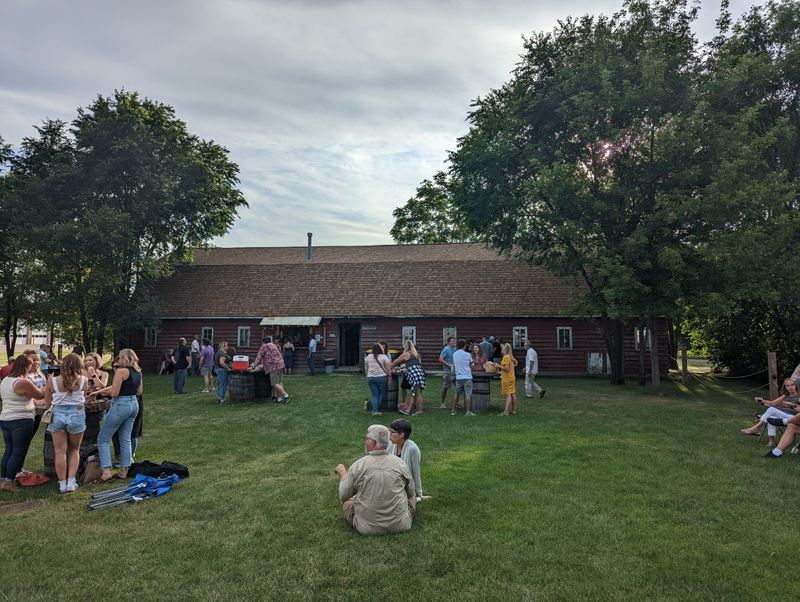
Spring Green’s farmer’s market operates weekly during growing season, setting up in a central location where vendors arrange their offerings with pride.
The selection reflects what actually grows in this region: tomatoes, squash, berries, honey, and baked goods made from local grains.
Farmers answer questions about their growing practices with patience, often sharing recipes or storage tips with customers.
The transactions feel personal, a direct connection between producer and consumer that supermarkets cannot replicate.
Beyond the commerce, the market functions as a weekly gathering place where residents catch up with friends and neighbors.
Children run between stalls while adults compare notes on gardens and weather patterns.
The scale remains manageable, never growing so large that the intimate atmosphere gets lost.
By late morning, vendors start packing up, and the crowd disperses until the following week, when the ritual repeats with whatever produce the season provides.