
The Remote Mountain Villages In Montana That Still Feel Wild
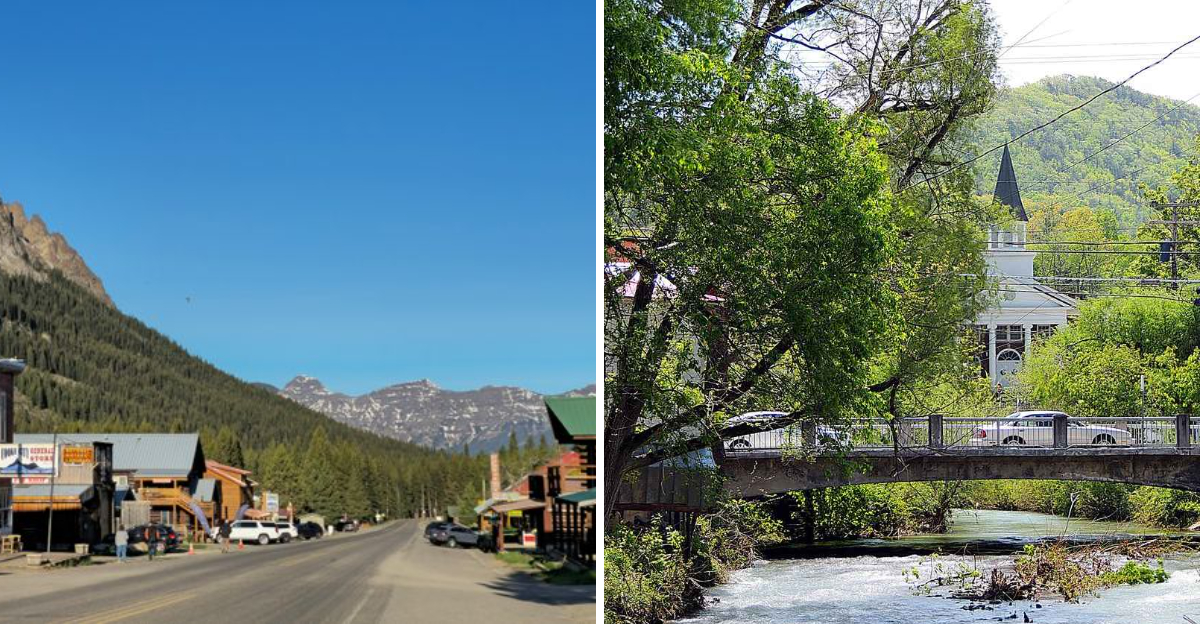
Montana holds secrets in its mountains that most travelers never find.
Tucked away in rugged peaks and sprawling wilderness, a handful of villages still carry the spirit of the Old West—places where grizzlies outnumber people and the night sky blazes with more stars than you ever imagined.
I’ve wandered through these remote corners myself, and each one feels like stepping back in time to when nature ruled and human footprints were rare.
Get ready to explore ten mountain villages that remain wild, untamed, and utterly unforgettable.
1. West Yellowstone
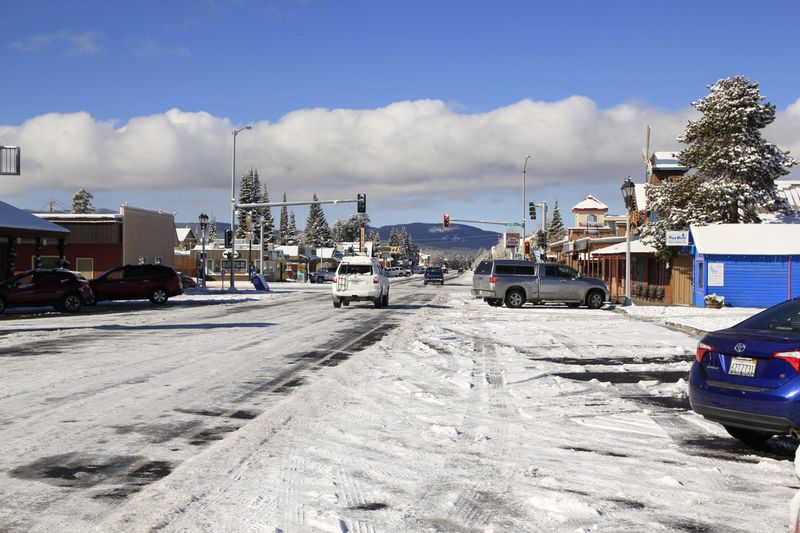
Perched right at Yellowstone’s doorstep, this gateway town buzzes with an energy that’s equal parts adventure and wilderness.
Snowmobilers roar through in winter when the town transforms into a frozen wonderland, while summer brings hikers, fishermen, and wildlife watchers by the thousands.
The air smells like pine and possibility, and you can hear elk bugling in the distance on crisp autumn mornings.
Main Street feels like a living museum of Western culture, with old-school diners serving bison burgers and shops selling everything from bear spray to handmade cowboy boots.
Despite the tourist flow, the surrounding landscape remains fierce and untouched—grizzlies wander close to town, and geysers steam just miles away.
Wolves howl in the nearby forests, reminding everyone that humans are just visitors here.
When winter storms roll in, the town gets buried under feet of snow, and isolation becomes real.
That’s when West Yellowstone shows its true wild side.
2. Philipsburg
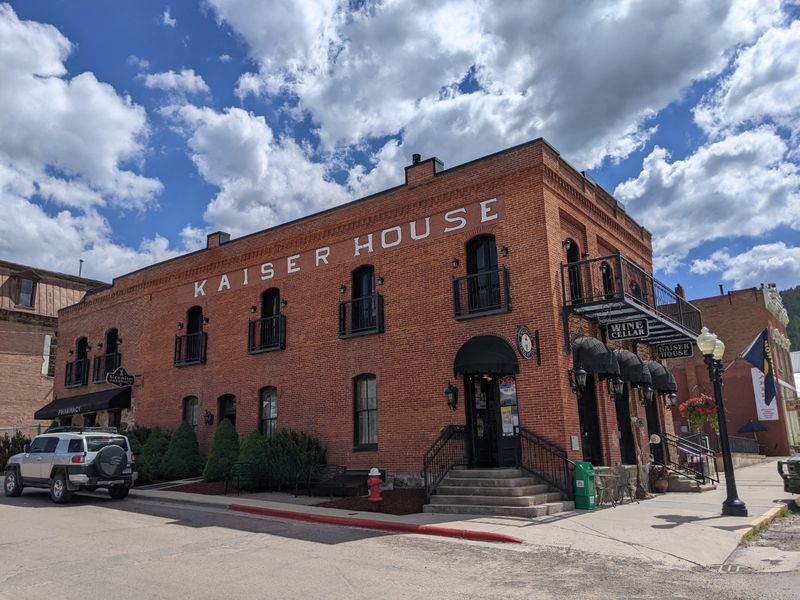
Gold and sapphires built this town back in the 1860s, and somehow it never quite left that era behind.
Walking down Broadway Street feels like wandering onto a movie set, with candy shops housed in century-old buildings and saloons that still have swinging doors.
The mountains press in close from all sides, their slopes scarred with abandoned mine shafts and forgotten dreams.
Locals will tell you stories about prospectors who struck it rich and others who lost everything chasing glittering rocks.
Today, tourists come to dig for sapphires at nearby mines, panning through gravel with the same hope that drove settlers westward generations ago.
But step off the main drag, and you’re instantly in wilderness—elk graze in meadows, and mountain goats scale impossible cliffs.
Winter here is harsh and long, with snow piling high enough to bury cars.
Few visitors brave the cold months, leaving Philipsburg to its hardy year-round residents and the wild creatures that call these peaks home.
3. Cooke City
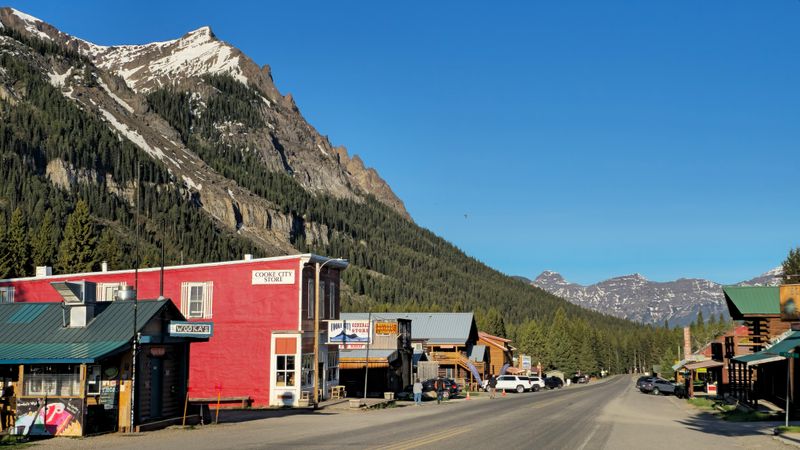
Sitting at over 7,600 feet elevation near Yellowstone’s northeast entrance, Cooke City embodies isolation like nowhere else.
Only one road leads in and out, and when winter snows arrive, that road closes for months, cutting the town off from the rest of civilization.
The handful of residents who stick around through the brutal cold become a tight-knit community, relying on snowmobiles for transportation and each other for survival.
Summer brings a brief explosion of life when the road reopens and adventurers flood in to explore the Beartooth Highway, one of America’s most spectacular mountain drives.
But even in warm months, grizzlies and wolves roam freely through town, treating the place like it’s theirs—because it basically is.
I’ve seen fresh bear tracks on Main Street and heard wolves howling from my cabin at night.
The wilderness here isn’t something you visit; it’s something you live inside.
Every building, every person, every moment feels dwarfed by the massive peaks and endless forests surrounding this tiny outpost.
4. White Sulphur Springs
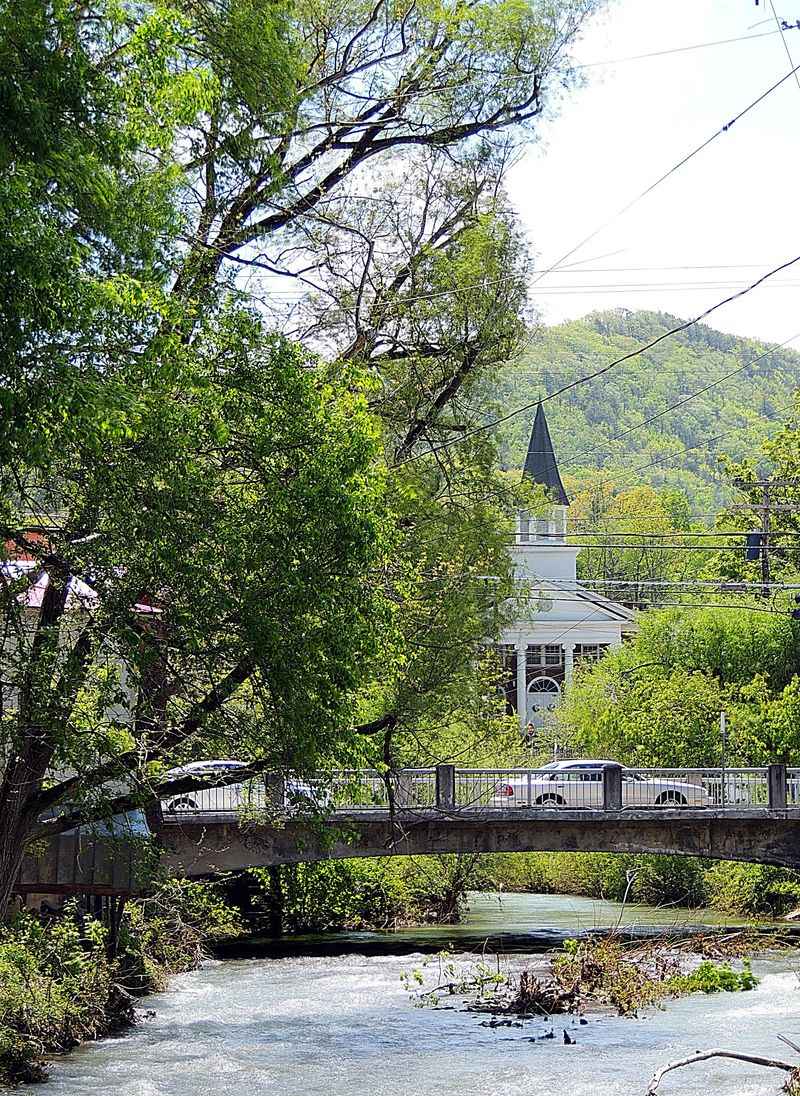
Natural hot springs bubbling up from deep underground gave this town its name and its original purpose.
Native Americans soaked in these healing waters long before settlers arrived, recognizing something sacred in the warm mineral pools surrounded by cold mountain peaks.
Today, you can still sink into those same springs, feeling centuries of history seep into your bones while snowflakes land on your face.
The Castle Mountains rise dramatically to the east, their jagged peaks living up to their royal name.
Downtown feels frozen in the 1950s, with family-owned cafes serving homemade pie and hardware stores that still know every customer by name.
Ranching remains the backbone of life here, with cowboys working cattle on vast spreads that stretch toward horizons without fences.
Wildlife thrives in the surrounding valleys—elk herds number in the hundreds, and mountain lions prowl the rocky slopes.
When storms sweep across the plains, you can watch them approach for miles, darkening the sky like something biblical before unleashing their fury on this small mountain outpost.
5. Eureka
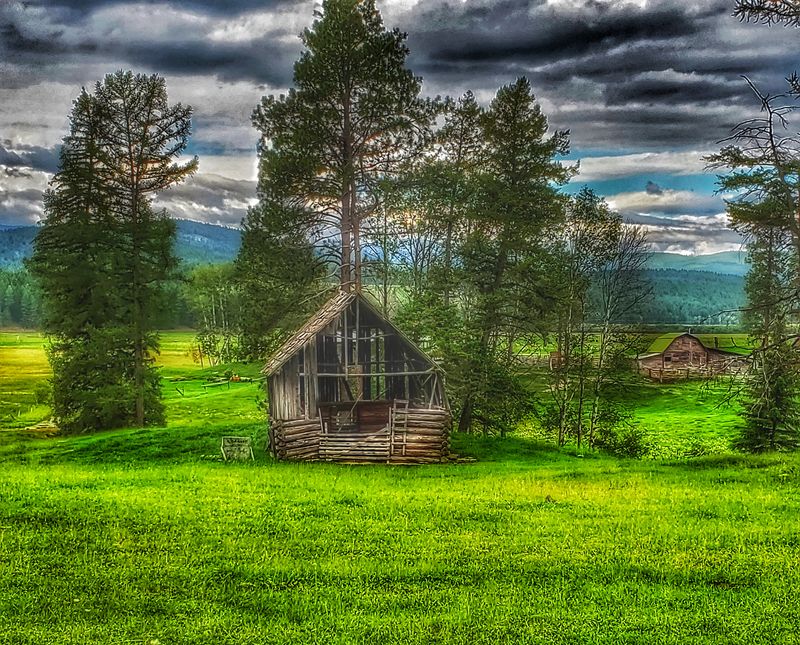
Barely ten miles from the Canadian border, Eureka sits in a landscape so thickly forested you can barely see the sky.
This is logging country, where the smell of fresh-cut timber still hangs in the air and chainsaw sculptures decorate front yards.
The Tobacco River winds through town, its clear waters drawing fly fishermen who wade in hip-deep, casting lines toward cutthroat trout hiding beneath overhanging branches.
Moose are common here—not just in the woods, but wandering through neighborhoods like oversized dogs, completely unbothered by human presence.
I once watched a bull moose with antlers wider than my car casually cross Main Street while traffic waited patiently.
The Purcell Mountains loom to the west, their peaks often shrouded in mist that rolls down into valleys like something from a fairy tale.
Winter buries Eureka under heavy snow, and the isolation becomes profound.
Grizzlies den in the surrounding wilderness, and wolves leave tracks that crisscross through town when everyone’s asleep, reminding residents they share this place with creatures far older than any building.
6. Red Lodge
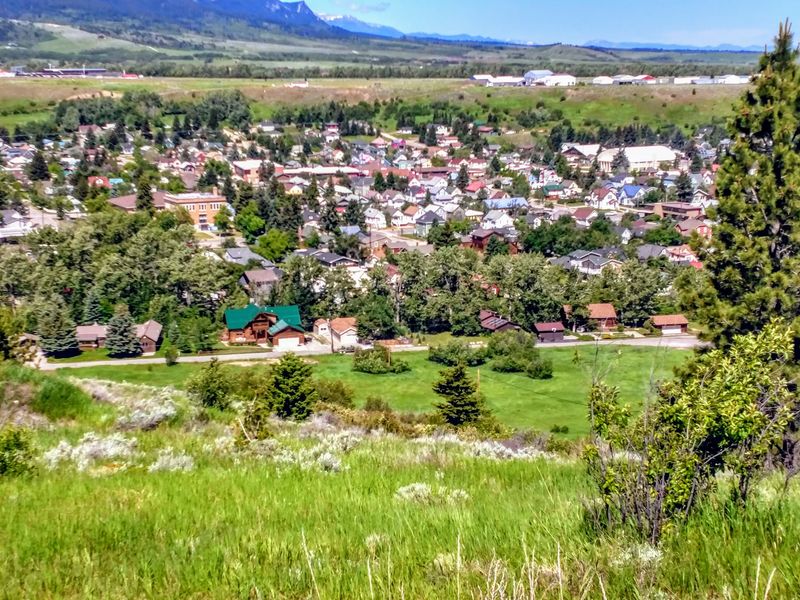
Cradled at the base of the spectacular Beartooth Mountains, Red Lodge started as a coal mining camp and evolved into an outdoor paradise.
Skiers carve fresh powder at Red Lodge Mountain Resort all winter, while climbers tackle granite walls and ice formations that would terrify most people.
The Beartooth Highway begins just outside town, switchbacking up to nearly 11,000 feet through landscapes so raw and beautiful they make you question whether you’re still on Earth.
Downtown preserves its mining heritage with brick buildings and old-time saloons, but the vibe is decidedly modern adventure.
Still, wilderness dominates everything here—grizzlies roam the high country, and mountain goats perch on cliffs that seem impossible to reach.
I’ve hiked trails where I was the only human for miles, surrounded by wildflowers in summer and snow drifts taller than my head in winter.
The town itself may have amenities, but step beyond the last house and you’re immediately in country where nature makes all the rules and humans are tolerated guests at best.
7. Ennis
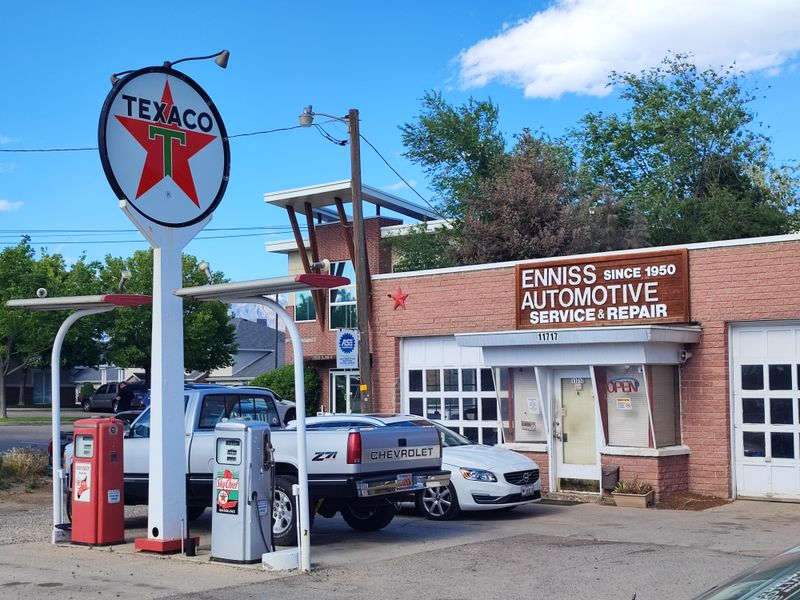
If you’re serious about fly fishing, you’ve heard of Ennis—it’s basically the spiritual capital of the sport.
The Madison River flows right through the valley, its waters so rich with trout that anglers come from across the globe to cast their lines here.
Main Street is lined with fly shops where grizzled guides tie intricate flies and share secret spots in hushed tones like they’re trading state secrets.
But beyond the fishing, Ennis sits in a valley so stunning it hurts to look at sometimes.
Mountains rise on all sides, their peaks snow-covered even in summer, while meadows explode with wildflowers that attract elk, deer, and the occasional moose.
The Madison Range to the east contains some of Montana’s wildest country—backcountry where grizzlies outnumber people ten to one and you can hike for days without seeing another soul.
Winter transforms the valley into a frozen wonderland, with temperatures plunging below zero and wildlife moving down from the high country to find food.
The wildness here isn’t subtle—it’s in your face, demanding respect and offering beauty in equal measure.
8. Big Timber
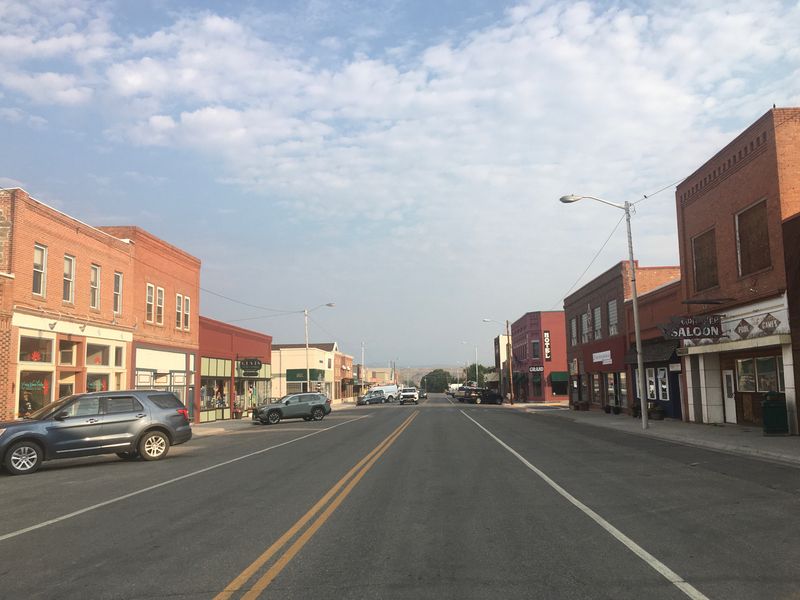
The Crazy Mountains rise behind this town like something out of a fever dream—jagged, mysterious, and reportedly haunted.
Locals tell stories about the Crazies that range from Native American legends to modern disappearances, and whether you believe them or not, there’s something undeniably eerie about those peaks.
Big Timber itself serves as a ranching hub, where cattle outnumber people and pickup trucks outnumber cars by a wide margin.
The Yellowstone River flows nearby, providing world-class fishing and a lifeline for wildlife moving through the valley.
Downtown feels authentically Western—no tourist traps here, just working businesses serving working people.
The Grand Hotel, built in 1890, still operates and looks like it could have hosted Wyatt Earp for dinner.
Wilderness surrounds the town on all sides, with the Absaroka-Beartooth Wilderness to the south offering millions of acres where grizzlies, wolves, and mountain lions roam freely.
When you stand on Main Street and look toward the Crazies, you’re staring at country that remains as wild and untamed as it was centuries ago, indifferent to human presence.
9. Choteau
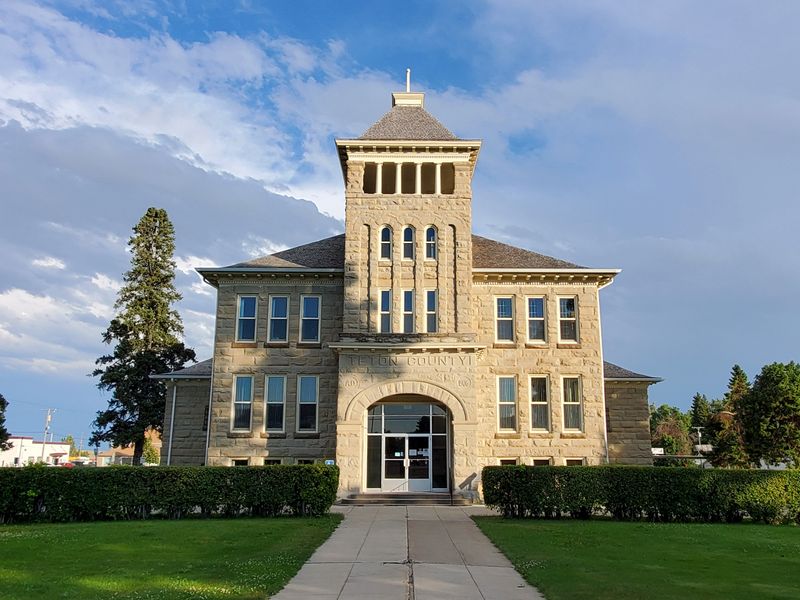
Where the Great Plains slam into the Rocky Mountains, Choteau sits at one of the most dramatic landscape transitions in North America.
Stand on the east side of town and you’re on rolling prairie that stretches to the horizon; turn around and massive peaks tower above you like stone walls.
This is the Rocky Mountain Front, and it’s grizzly country—some of the best bear habitat remaining in the lower 48 states.
Choteau is also famous for dinosaur discoveries, with paleontologists regularly uncovering fossils from the Age of Reptiles in nearby badlands.
The Museum of the Rockies has exhibits featuring finds made right in this area, connecting present-day wildness with prehistoric times.
Ranching dominates the local economy, with sprawling operations running cattle on land that’s been in families for generations.
Wind howls across the Front constantly, bending trees and testing buildings, adding to the raw feeling of this place.
When storms roll off the mountains, they hit with biblical force, and when chinook winds blow in winter, temperatures can swing sixty degrees in hours.
Nature runs the show here, and humans just try to keep up.
10. Seeley Lake
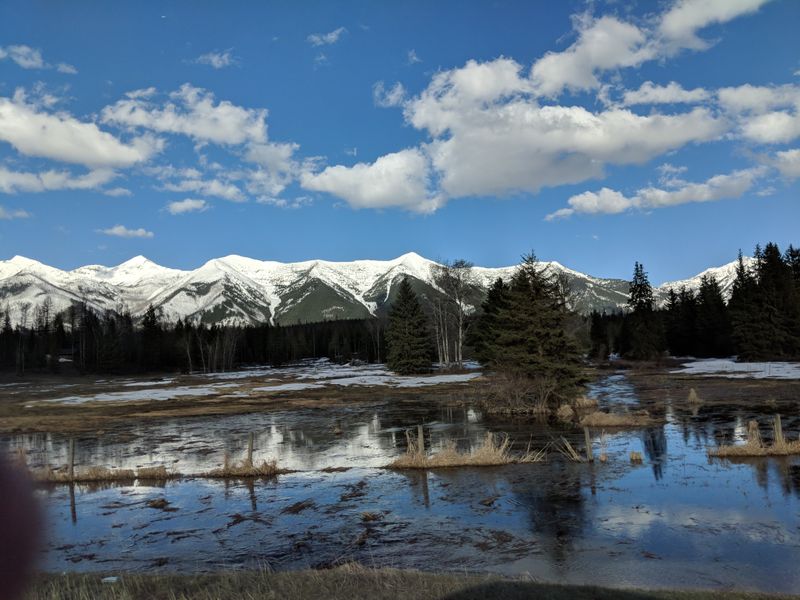
Surrounded by national forest and tucked between mountain ranges, Seeley Lake feels like it exists in its own world.
The lake itself stretches for miles, its clear waters reflecting surrounding peaks and drawing kayakers, fishermen, and wildlife in equal measure.
Loons call across the water at dawn, their haunting cries echoing off forested slopes that rise steeply from the shoreline.
This is prime wilderness—the Bob Marshall Wilderness Complex lies just to the east, offering over a million acres of roadless backcountry where grizzlies, wolves, and wolverines roam freely.
The town itself is tiny, with a population that barely cracks into four digits, but what it lacks in size it makes up for in character.
Log cabins line the lakeshore, smoke curling from chimneys on cold mornings, and locals know everyone by name.
Moose wander through yards regularly, and black bears raid bird feeders with such frequency that people just accept it as part of life.
Winter brings deep snow and profound quiet, with only the sound of wind in pines and occasional snowmobiles breaking the silence.
This is Montana at its wildest and most beautiful.