
The Scenic Texas Journey That Connects Forgotten Ghost Towns Red Rock Canyons And A Legendary Canyon Destination
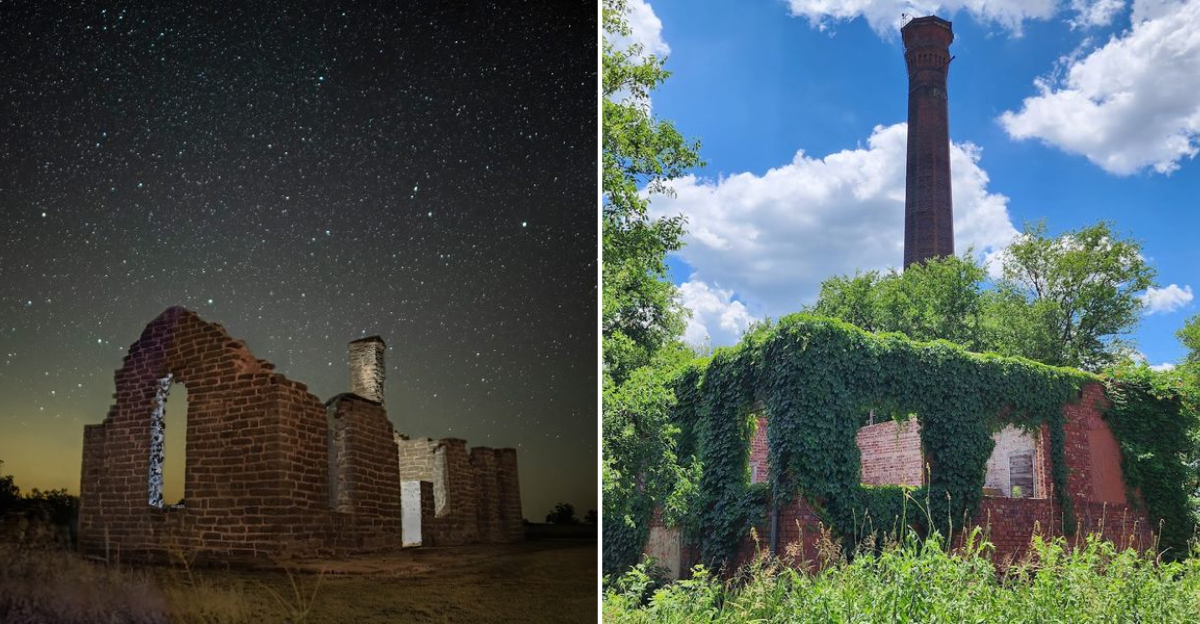
Forgotten ghost towns, red rock canyons, and a legendary canyon destination sharing the same route produce a journey Texas never made much noise about. The discovery was always left to whoever showed up curious enough to follow it.
Empty storefronts sit within driving distance of canyon walls that predate every human plan made for this landscape. That sequence never feels accidental.
Each stop delivers something the previous one never suggested was coming. Ghost towns produce one kind of silence and canyon walls produce another entirely.
Texas road trips that venture beyond the obvious itinerary produce the most lasting impressions. The legendary canyon at the end makes every forgotten town along the way feel like deliberate preparation.
1. Palo Duro Canyon State Park
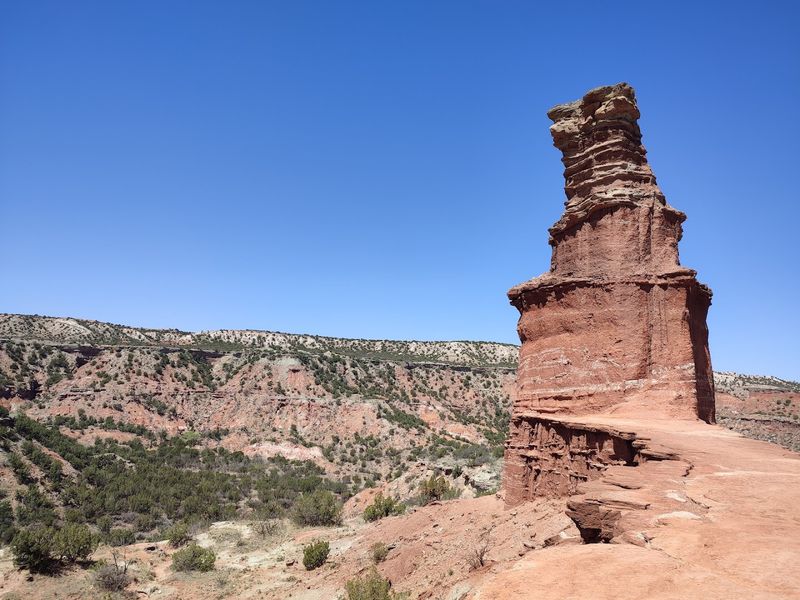
People call it the Grand Canyon of Texas, and honestly, that title is earned. Palo Duro Canyon stretches about 120 miles long and reaches depths of 800 feet.
The canyon walls glow in shades of red, orange, and yellow that change with the light throughout the day.
Standing at the rim for the first time genuinely makes your jaw drop. The Lighthouse Trail is the most popular hike here, leading you to a tall rock formation that looks like an actual lighthouse rising from the earth.
It is about six miles round trip, and every step feels worth it.
Native Americans lived in this canyon for thousands of years, finding shelter and resources within its walls. Charles Goodnight later drove the first cattle herd into the canyon in 1876, starting the legendary JA Ranch.
History literally lines the rocks here.
The park also hosts a famous outdoor musical drama called TEXAS every summer. It runs from June through August, right inside the canyon amphitheater.
Watching it under the stars with canyon walls surrounding you is an experience you will not forget.
Wildlife sightings are common too. You might spot mule deer, wild turkey, or roadrunners trotting along the trail.
The canyon feels alive in a way that is hard to describe until you are standing right in the middle of it.
Camping options range from basic tent sites to full-hookup RV spots. Sunsets here are absolutely ridiculous in the best possible way.
2. Caprock Canyons State Park
Bison. Actual, real, roaming bison.
That alone should make you want to visit Caprock Canyons State Park immediately. This park is home to the official Texas State Bison Herd, descendants of a historic southern plains herd saved from near extinction.
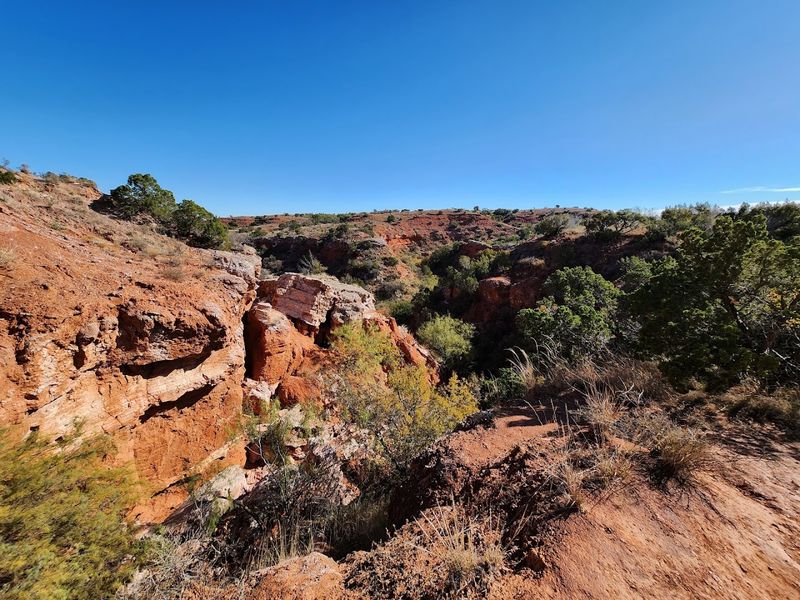
The red rock cliffs here are stunning and rival anything you have seen in the American Southwest. The landscape shifts from open grasslands to jagged canyon walls in a way that feels almost cinematic.
Over 90 miles of trails wind through the park for hikers, mountain bikers, and equestrians.
One of the coolest hidden spots here is the Clarity Tunnel. It is a former railroad tunnel that now serves as a bat roost.
Millions of Mexican free-tailed bats pour out at dusk during the summer months. It is one of the most spectacular wildlife shows in Texas.
The park also features a Natural Bridge formation that most visitors completely overlook. It is a short hike away and absolutely worth tracking down.
Little surprises like that are what make Caprock feel like a treasure hunt.
Fishing is allowed at Lake Theo inside the park. Camping spots fill up fast on weekends, so booking early is smart.
Mornings here are quiet, cool, and almost magical, especially when mist hangs over the canyon floor.
Star gazing is seriously underrated here since light pollution is minimal. The Milky Way on a clear night looks like something from a science textbook, except it is completely real and right above your head.
Find it at 850 Caprock Canyon Park Road, Quitaque, TX 79255.
3. Canyon Lake Gorge
A flood carved this entire gorge in just three days back in 2002. That is not a typo.
Three days of floodwater cut through limestone and exposed rock that had been hidden for 110 million years. Nature is absolutely wild sometimes.
Walking through Canyon Lake Gorge feels like flipping through the pages of a geology textbook, except way more exciting. You can see ancient fossils embedded directly in the canyon walls.
Dinosaur footprints are visible in the limestone, which is something you just cannot say about most Texas hikes.
The gorge is only accessible through guided tours, which honestly makes the experience better. Rangers and trained guides walk you through the science and history while pointing out details you would easily miss on your own.
The tours run on weekends and fill up fast.
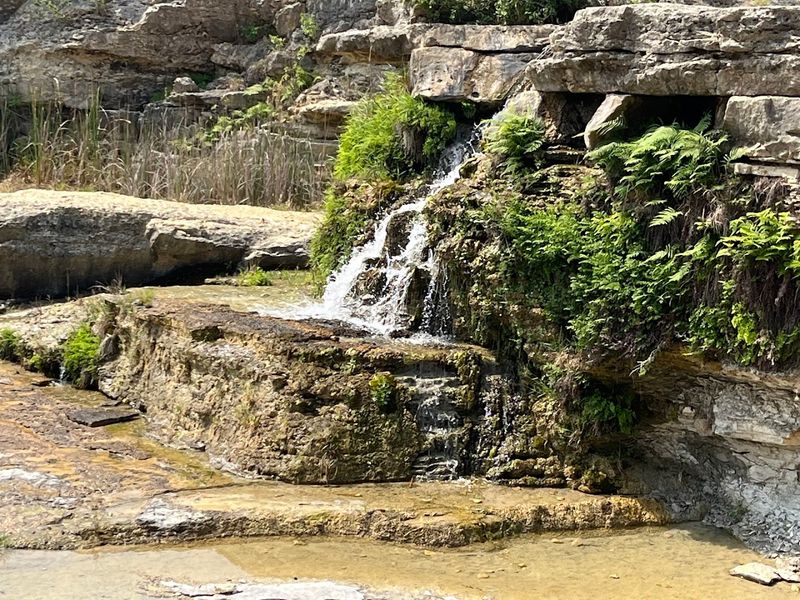
Waterfalls appear where the Edwards Aquifer breaks through the exposed rock. Springs bubble up right out of the canyon floor during wetter seasons.
The whole place has this cool, shaded atmosphere that feels refreshing, especially in Texas summer heat.
The gorge is about two miles long and takes roughly two to three hours to walk through during a guided tour. Good shoes with grip are a must since the terrain gets slippery near the water.
Kids absolutely love spotting the dinosaur tracks.
Canyon Lake itself sits right nearby, making it easy to combine a gorge tour with a lake day. The contrast between the serene lake and the dramatic gorge is striking.
Canyon Lake Gorge, 16029 S Access Rd, Canyon Lake, TX 78133.
4. Alibates Flint Quarries National Monument
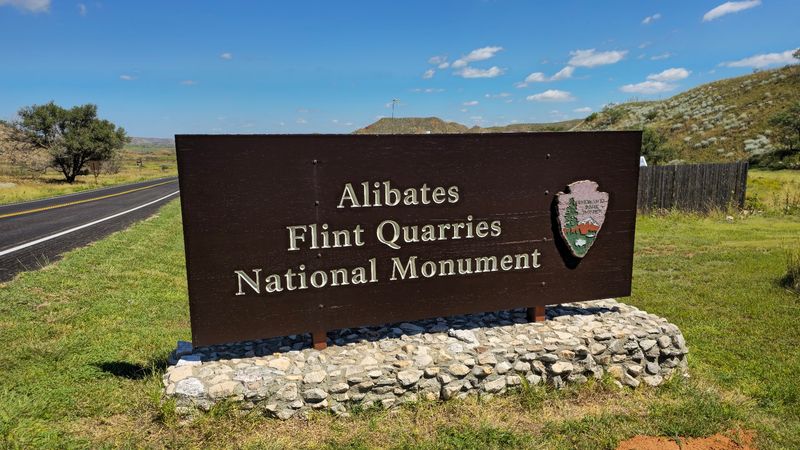
Thirteen thousand years of human history are buried in the ground at Alibates Flint Quarries. That number is almost impossible to wrap your head around.
People have been coming to this exact spot since the last Ice Age to gather one of the most valuable materials on the ancient plains.
The flint found here is called Alibates flint, and it is genuinely beautiful. It comes in swirling patterns of red, pink, purple, and white.
Ancient hunters and traders prized it so highly that pieces have been found at archaeological sites across the entire continent.
Clovis mammoth hunters were among the earliest visitors, using this flint to craft sharp tools for taking down massive animals. Later, the Antelope Creek people built villages along the Canadian River nearby.
They dug hundreds of quarry pits into the dolomite to extract the colorful stone.
The only way to visit the quarry pits is through a ranger-guided tour, and it is one hundred percent worth the effort. Rangers bring the ancient stories to life in a way that makes you feel genuinely connected to the people who stood on that same ground.
Tours are free and run seasonally.
You can also see petroglyphs carved into rocks during the tour. Nearby Lake Meredith offers camping and boating if you want to extend your visit.
The combination of ancient history and the wide-open Texas sky makes this place feel deeply special.
Not many tourists know this monument even exists, which means crowds are rare. It is one of those quiet, underrated places that serious history lovers absolutely cherish.
Find it in Fritch, TX 79036.
5. Terlingua Ghost Town
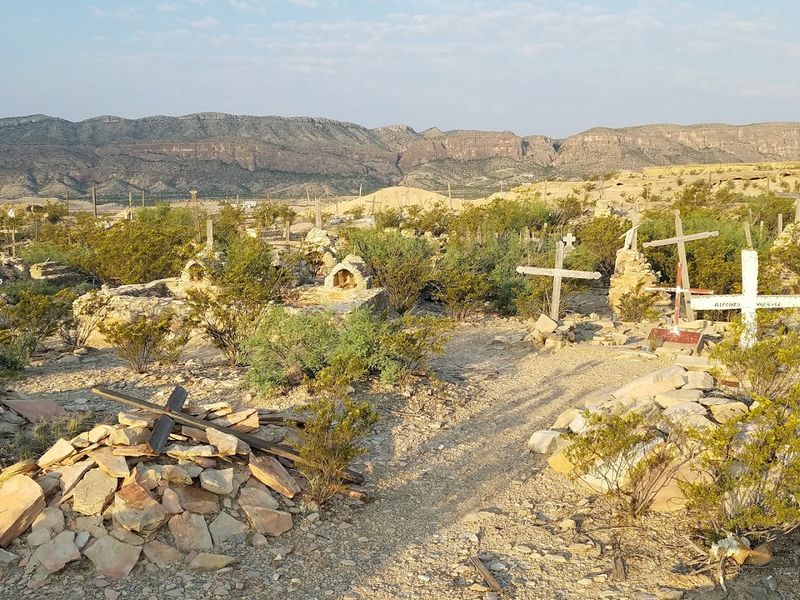
Nobody does quirky quite like Terlingua. This place is equal parts ghost town, living community, and legendary Texas landmark.
It sits near Big Bend in one of the most remote and beautiful corners of the state, where the desert meets towering mountains.
Mercury mining put Terlingua on the map in the early 1900s. At its peak, the town had thousands of residents and a booming economy built entirely on cinnabar ore.
When the mines dried up after World War II, nearly everyone left almost overnight.
The cemetery is the most visited and most talked-about spot in town. Graves here are marked with handmade crosses, iron beds, and personal objects left by families.
Some markers are for miners who passed away from mercury poisoning, which adds a sobering layer to the history.
Here is the thing, though: Terlingua is not completely abandoned. A small, fiercely independent community still lives among the ruins.
Artists, adventurers, and free spirits have claimed the old buildings and made them home again. The vibe is unlike anywhere else in Texas.
Every November, Terlingua hosts the World Championship Chili Cookoff, which draws thousands of visitors to this otherwise sleepy desert landscape. It is loud, festive, and completely chaotic in the best way.
People camp out for days just to compete and celebrate.
Sunsets over the ruins hit different here. The desert light turns the old adobe walls gold and copper as the day ends.
6. Shafter Ghost Town
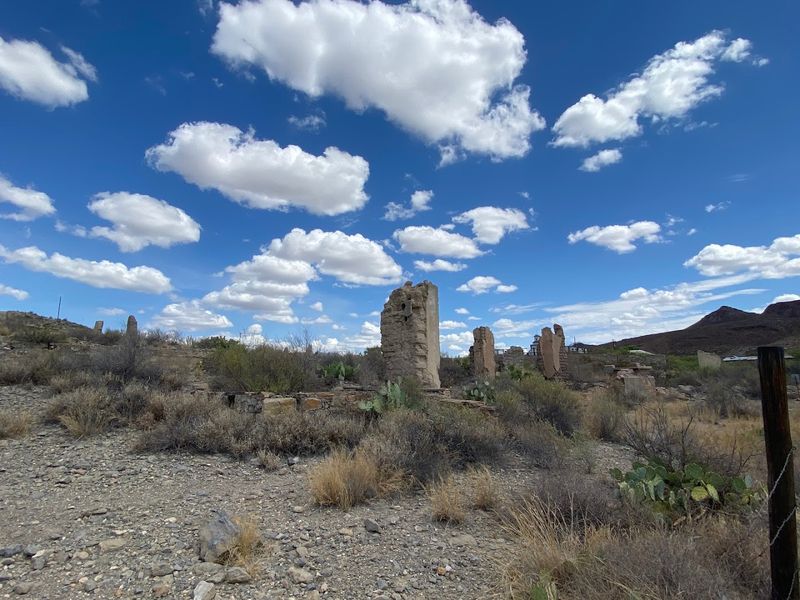
Once called the richest acre in Texas, Shafter had silver running through its veins and ambition coursing through its streets. Today, it is a collection of crumbling adobe walls, old mine shafts, and a single standing church that refuses to give up.
The silence here is the loudest thing you will hear all day.
Silver was discovered at Shafter in the 1880s, and the town exploded into life almost immediately. Miners poured in from across the country chasing the ore.
At its height, Shafter produced millions of dollars worth of silver and had its own mill, stores, and community.
The Sacred Heart Catholic Church is the most striking remaining structure. It stands tall among the ruins, still holding its shape while everything around it slowly returns to the earth.
Local families occasionally still hold services here, which is both beautiful and haunting.
Apache raids and Texas Ranger patrols were regular parts of life in early Shafter. The town sat in rugged, remote terrain that made it both valuable and dangerous.
History here has a sharp, gritty edge that feels very West Texas.
Getting to Shafter means driving through some of the most dramatic desert scenery in the state. The road passes through open range with mountains in every direction.
That drive alone is reason enough to make the trip.
Very few tourists find their way to Shafter, which means you often have the whole place to yourself. Walking among the ruins with no one else around creates a genuinely eerie and memorable experience.
Shafter Ghost Town, Cibolo Creek Rd, Marfa, TX 79843.
7. Pacific Coal Chimney
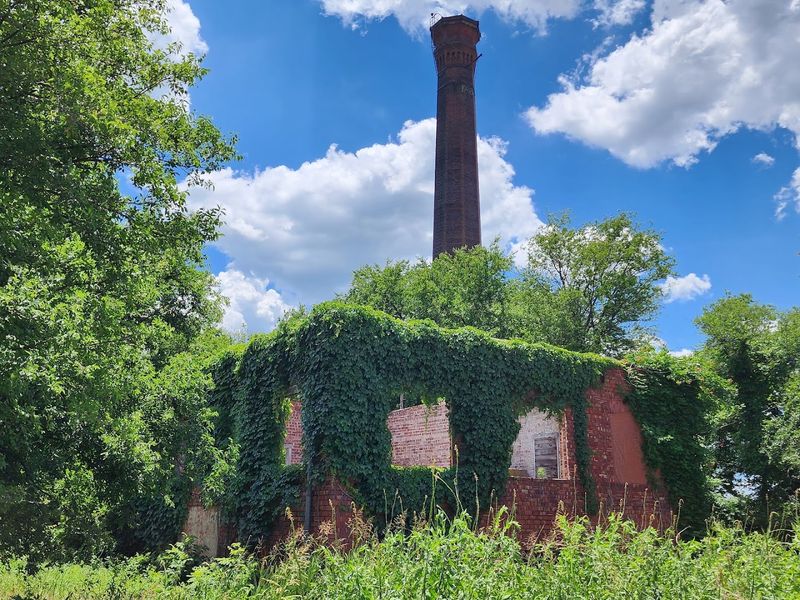
Most people drive right past Mingus without a second glance, and that is exactly how this hidden spot has stayed so perfectly preserved.
A lone brick chimney in the Texas countryside marks the site of a former coal operation that fueled the Texas and Pacific Railway in the late 1800s.
Coal was king in this part of Palo Pinto County during the railroad era. The mines here supplied fuel to trains pushing westward across Texas.
Workers, many of them immigrants, settled in Mingus and built a tight-knit community around the industry.
When coal demand fell and the mines closed, the town shrank, and the buildings disappeared. But the chimney stayed.
It is built from locally fired brick and stands as a stubborn reminder that industry once roared through this quiet landscape. Old brick like this does not go down easy.
Historians and road trip enthusiasts have started paying more attention to the Pacific Coal Chimney in recent years. It represents a chapter of Texas history that rarely gets covered in mainstream travel guides.
That makes finding it feel like a genuine discovery.
The surrounding area is peaceful and rural, with rolling hills and cedar trees that make for a pleasant stop on any cross-country Texas drive. There are no crowds, no entrance fees, and no gift shops.
Just a chimney, a field, and a lot of history.
Pairing this stop with a visit to nearby Thurber ghost town makes for a fantastic half-day history loop through Palo Pinto County. Both spots together paint a vivid picture of Texas’s industrial heritage.
Pacific Coal Chimney, 235 Private Rd 741, Mingus, TX 76463.
8. Fort Griffin State Historic Site
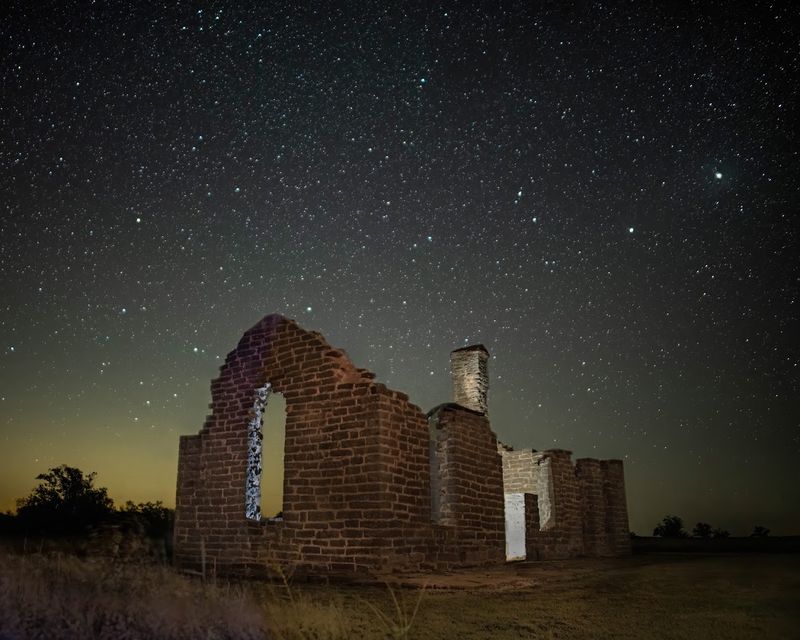
Doc Holliday walked these grounds. Wyatt Earp passed through too.
Fort Griffin was one of the wildest, most lawless spots on the Texas frontier, and the ruins left behind still carry that raw, untamed energy. History buffs and Western fans absolutely lose their minds here.
The military fort was established in 1867 to protect settlers from raids on the frontier. Below the fort, a settlement called The Flat grew up fast.
It was packed with buffalo hunters, gamblers, outlaws, and merchants all competing for survival and profit on the edge of civilization.
Buffalo hunters used Fort Griffin as their primary supply base during the great southern herd slaughter of the 1870s. Millions of hides passed through this area as hunters pushed the bison to the edge of extinction.
The economic boom was massive and brutal all at once.
Famous figures like Lottie Deno, a notorious gambler, ran card games in The Flat. The combination of military discipline on the hill and absolute chaos below made Fort Griffin unlike any other frontier settlement.
It was two worlds existing about a quarter mile apart.
Today, the state historic site preserves the fort ruins on the hilltop along with reconstructed structures, including a bakery and powder magazine. A small herd of longhorn cattle roams the grounds, which is a genuinely awesome bonus.
Watching them graze among the ruins feels like a time warp.
The views from the hilltop are sweeping and gorgeous, stretching across the Texas rolling plains in every direction. Sunrise visits are especially dramatic here.
Fort Griffin Ghost Town, 1701 US-283, Albany, TX 76430.