
The Secret California Desert Towns Travelers Still Overlook
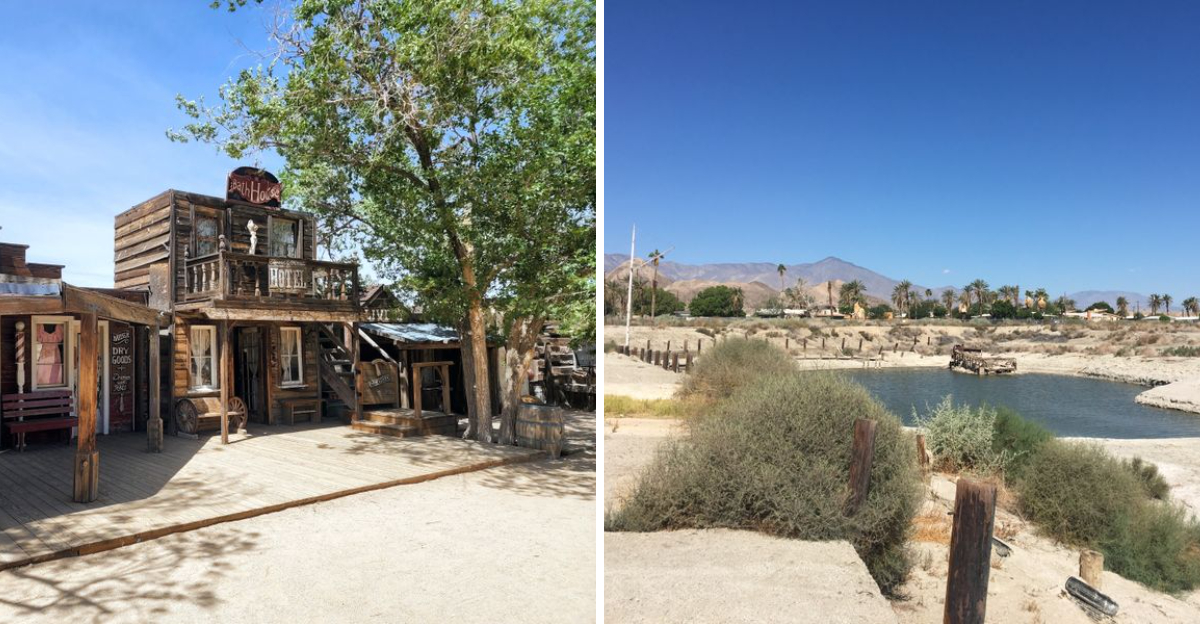
California’s deserts hold more than just sand and cactus, they’re home to quirky little towns that most travelers zoom right past on their way to somewhere else.
While everyone flocks to Palm Springs and Joshua Tree, these hidden gems sit quietly under the blazing sun, waiting for curious souls to discover their weird art, wild history, and unforgettable sunsets.
I’ve wandered through ghost towns, soaked in hot springs nobody talks about, and eaten at diners where the locals know your name after one visit.
Get ready to explore California’s desert like you’ve never seen it before.
1. Borrego Springs
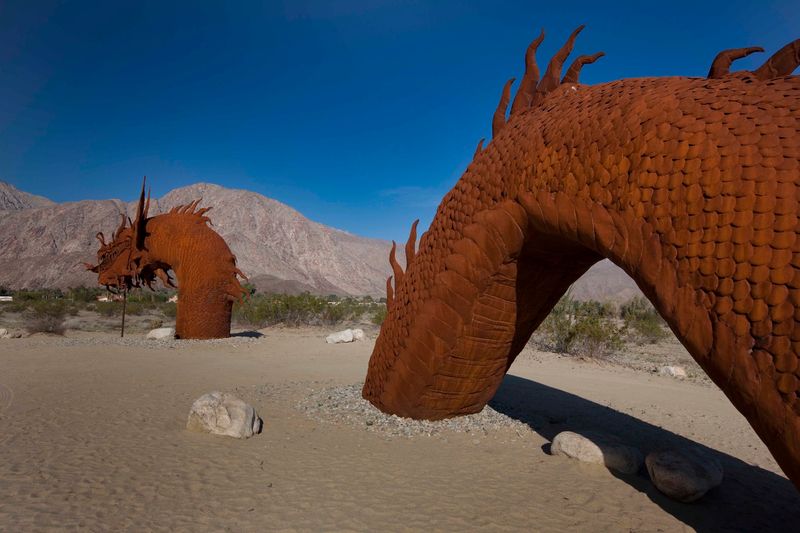
Imagine stumbling upon a life-sized metal dragon rising from the sand, or a giant scorpion that looks ready to strike.
Borrego Springs sits in the heart of Anza-Borrego Desert State Park, where over 130 massive metal sculptures dot the landscape like a surreal outdoor gallery.
Artist Ricardo Breceda created these wild creatures, and they’ve turned this sleepy town into something magical.
Spring brings wildflower super blooms that paint the desert floor in brilliant purples, yellows, and oranges—a sight that’ll make your Instagram explode.
The town has zero streetlights thanks to dark sky ordinances, so stargazing here feels like stepping into a planetarium without walls.
Local shops sell date shakes and handmade crafts, while the visitor center offers free maps to find every sculpture.
Pack water, wear sunscreen, and prepare for a desert experience that’s equal parts art museum and wilderness adventure.
2. Pioneertown
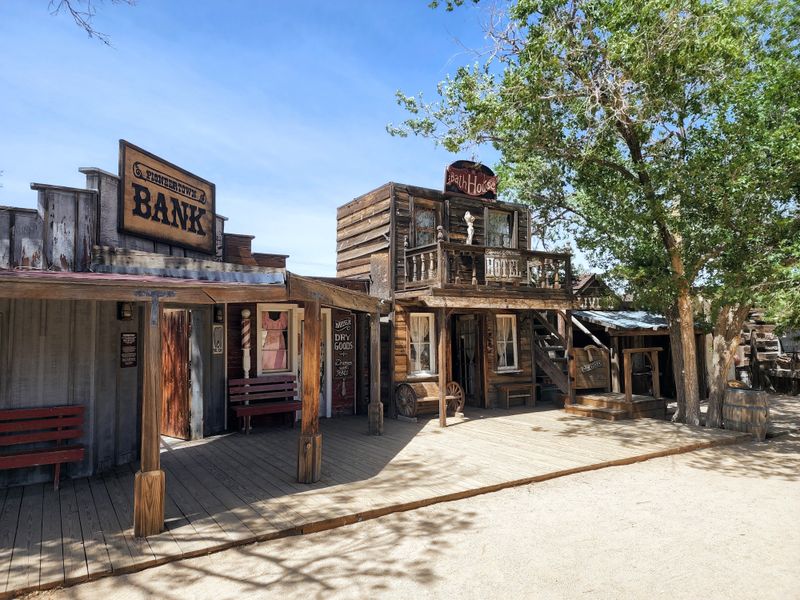
Picture a Wild West town frozen in time, where wooden storefronts and hitching posts line a dusty main street that looks straight out of a cowboy movie.
That’s because it literally was built for movies back in 1946, when Hollywood stars like Roy Rogers and Gene Autry created this frontier town as a living movie set.
Over 50 films and TV shows were shot here, and the buildings still stand proud against the desert sky.
Today, Pappy & Harriet’s saloon serves up incredible BBQ and hosts legendary concerts—everyone from Paul McCartney to Arctic Monkeys has played this tiny venue.
Walk down Mane Street (yes, that’s the real spelling) and peek into old shops that now house quirky boutiques and art galleries.
Weekend gunfight shows happen regularly, complete with actors in full costume.
Stay overnight at the Pioneertown Motel for an authentic frontier experience with modern comforts and million-dollar starry skies.
3. Ocotillo
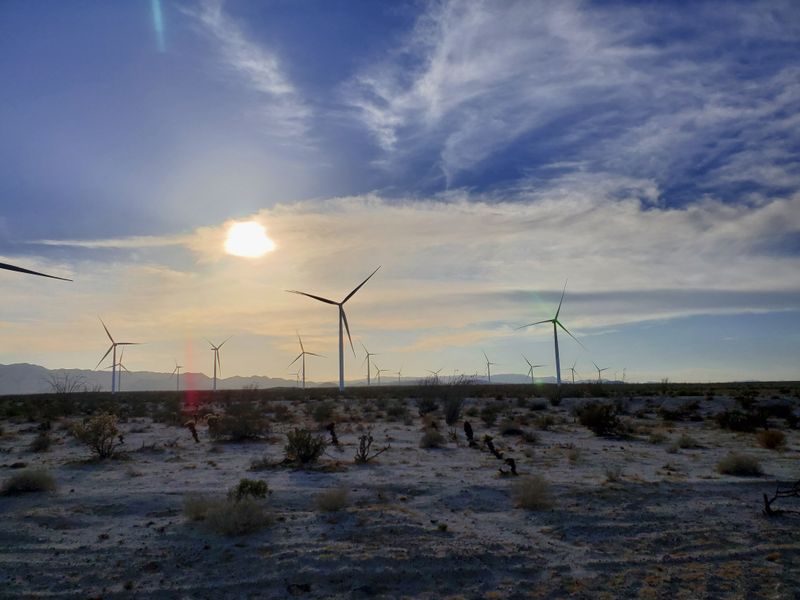
Blink while driving Interstate 8 and you’ll miss Ocotillo entirely—this tiny spot barely registers on most maps, but that’s exactly its charm.
Named after the spiky ocotillo plants that burst into fiery red blooms after rare desert rains, this community feels like the edge of civilization.
Wind turbines spin endlessly on nearby hills, creating an almost hypnotic landscape where modern technology meets ancient desert.
The historic Ocotillo Wells area nearby offers some of California’s best off-roading, with sand dunes and rocky trails that challenge even experienced drivers.
Stop at the local gas station—seriously, it’s one of the few buildings here—and chat with folks who chose this isolated life intentionally.
Photographers love the abandoned structures slowly being reclaimed by the desert, each one telling stories of boom times and forgotten dreams.
Summer temperatures can hit 120°F, so visit between November and March when the weather’s actually pleasant for exploring.
4. Twentynine Palms
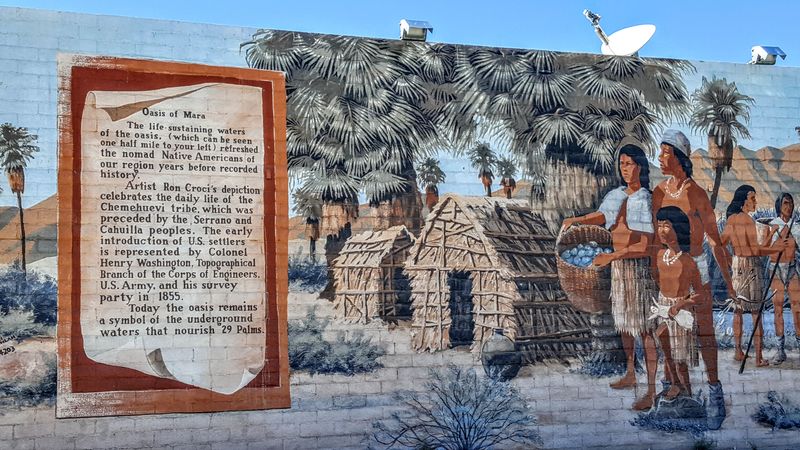
Most people use Twentynine Palms as a quick pit stop before entering Joshua Tree National Park, but staying longer reveals a town with serious character and surprising depth.
The name comes from the palm trees found at the Oasis of Mara, where Native Americans lived for centuries before settlers arrived.
Today, it’s home to a massive Marine Corps base, giving the town an interesting mix of military precision and desert artist vibes.
Over 20 outdoor murals cover building walls throughout downtown, depicting the area’s history from prehistoric times through the pioneer era—it’s like walking through a giant history book.
Local coffee shops and restaurants serve Marines and artists side by side, creating conversations you won’t hear anywhere else.
The Sky’s The Limit Observatory offers free stargazing sessions on weekends, with telescopes powerful enough to see Jupiter’s moons.
Browse vintage shops filled with desert treasures, then grab tacos at one of several excellent Mexican restaurants.
5. Shoshone
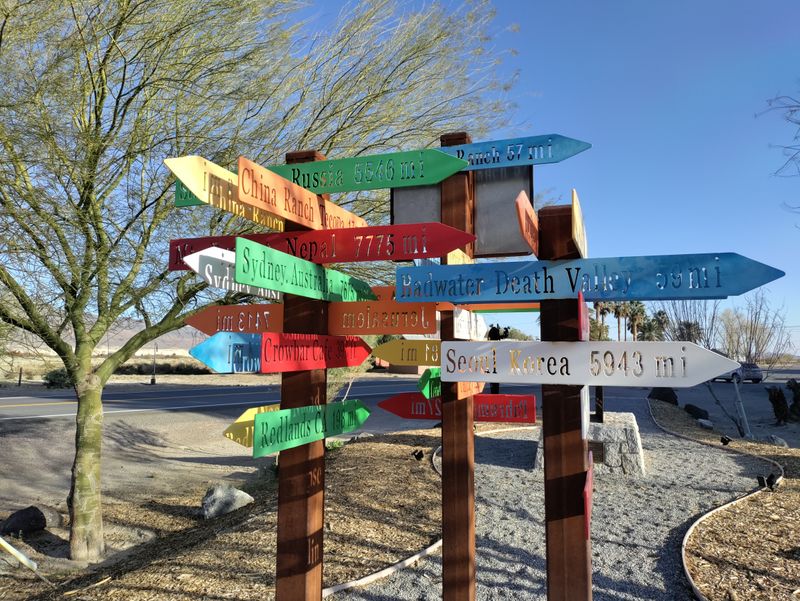
With a population hovering around 30 people, Shoshone feels less like a town and more like a secret hideout at the edge of Death Valley.
The Crowbar Cafe & Saloon serves as the community’s beating heart, dishing out burgers and cold drinks to travelers who stumble in dusty and amazed they found civilization.
Charles Brown founded this place in 1910, and his original buildings still stand, weathered but defiant against the brutal desert elements.
Natural warm springs flow year-round just outside town, creating small pools where you can soak under stars so bright they feel close enough to touch.
The Shoshone Museum, housed in a tiny building, packs incredible history into a small space—mining equipment, Native American artifacts, and pioneer stories that bring the Old West to life.
Spring wildflowers bloom in nearby Dublin Gulch, transforming the beige landscape into a carpet of purple and gold.
Stock up on supplies here before heading into Death Valley—it’s your last chance for miles.
6. Bombay Beach
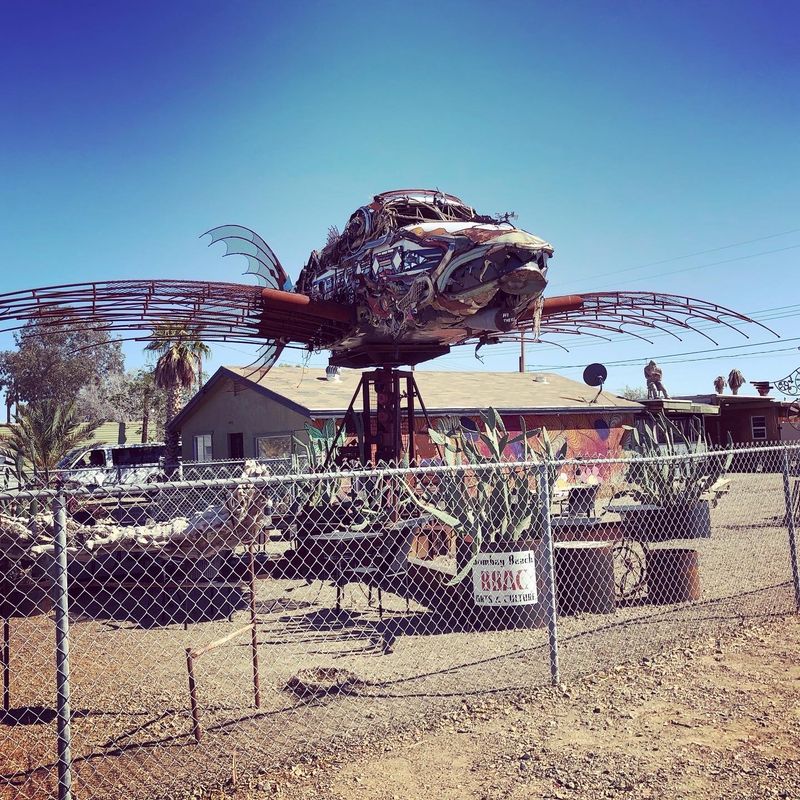
Welcome to California’s strangest, most hauntingly beautiful town—a post-apocalyptic art scene rising from the ruins of a failed resort dream.
Bombay Beach sits on the shrinking Salton Sea, once promoted as a glamorous desert playground in the 1950s but now a surreal landscape of abandoned buildings, beached boats, and fish bones.
Artists have transformed this decay into something magical, painting colorful murals on crumbling walls and creating installations from rusted metal and sun-bleached wood.
The annual Bombay Beach Biennale brings artists and musicians from around the world, turning the ghost town into a temporary party that feels like Burning Man’s weird cousin.
Year-round, you can explore outdoor art freely—nobody charges admission to wander these strange, beautiful streets.
The smell from the Salton Sea can be intense when algae blooms die off, but brave visitors find a community of creative souls who’ve chosen this unlikely place to make art and live differently.
7. Niland
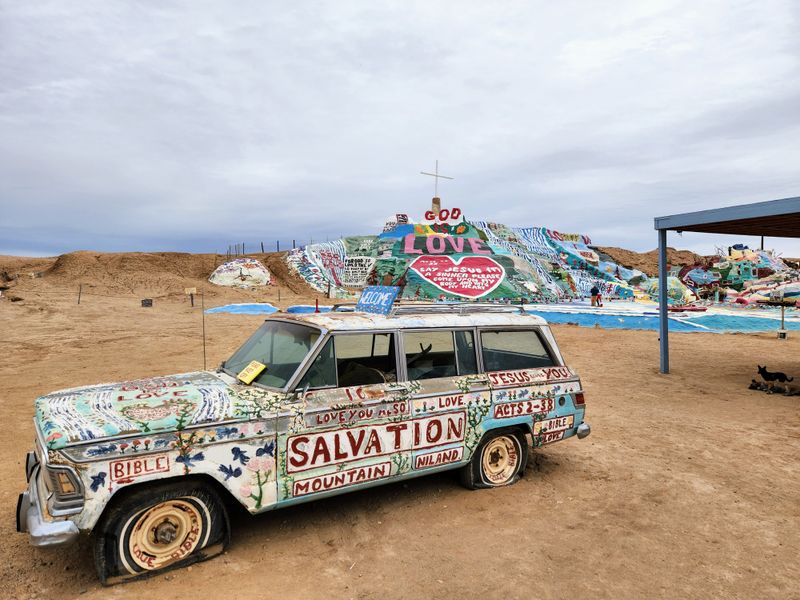
Niland serves as the gateway to two of California’s most unusual attractions—Salvation Mountain and Slab City—making it a must-stop for anyone seeking genuine desert weirdness.
Salvation Mountain rises from the flat desert like a psychedelic dream, covered in bright paint and biblical messages created by the late Leonard Knight over 30 years.
This three-story folk art monument uses over 100,000 gallons of paint and feels like stepping into someone’s beautiful, obsessive vision of love and faith.
Nearby Slab City, called “The Last Free Place in America,” is a community of RVs, artists, and off-grid dwellers living on abandoned military concrete slabs.
East Jesus, an art installation within Slab City, showcases sculptures made entirely from desert trash and found objects—it’s bizarre, thought-provoking, and completely free to explore.
Niland itself offers basic services—gas, food, supplies—for those venturing into this alternative universe.
Visit during cooler months because summer heat makes exploration dangerous, and bring plenty of water for your adventures.
8. Desert Shores
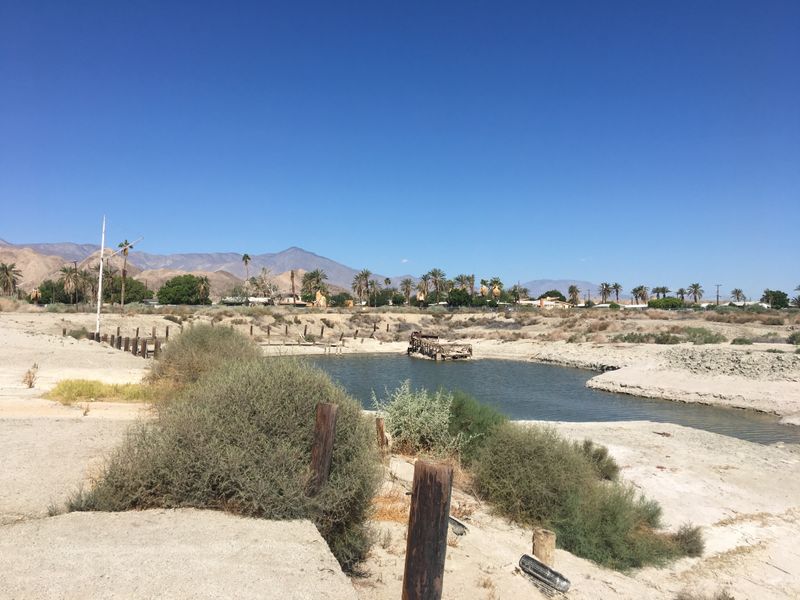
Someone once had the wild idea to build a lakeside resort community in the middle of the desert—and Desert Shores is the fascinating result of that ambitious dream.
This planned community features a man-made lake surrounded by homes, creating a surreal oasis effect where boats float and palm trees sway in an otherwise barren landscape.
Developed in the 1960s during the Salton Sea’s heyday, it represents the optimistic vision of desert living that never quite materialized as planned.
Today, Desert Shores exists in a strange limbo—some homes are beautifully maintained while others sit vacant, creating an eerie contrast between success and abandonment.
The lake still offers fishing and small boat recreation, though it’s connected to the troubled Salton Sea ecosystem.
Photographers and urban explorers find endless fascination here, documenting the collision between human ambition and harsh desert reality.
Real estate remains surprisingly affordable, attracting artists, retirees, and folks seeking solitude away from crowded California cities.
The sunsets reflecting off the water are absolutely spectacular, painting everything gold and pink.
9. Yermo
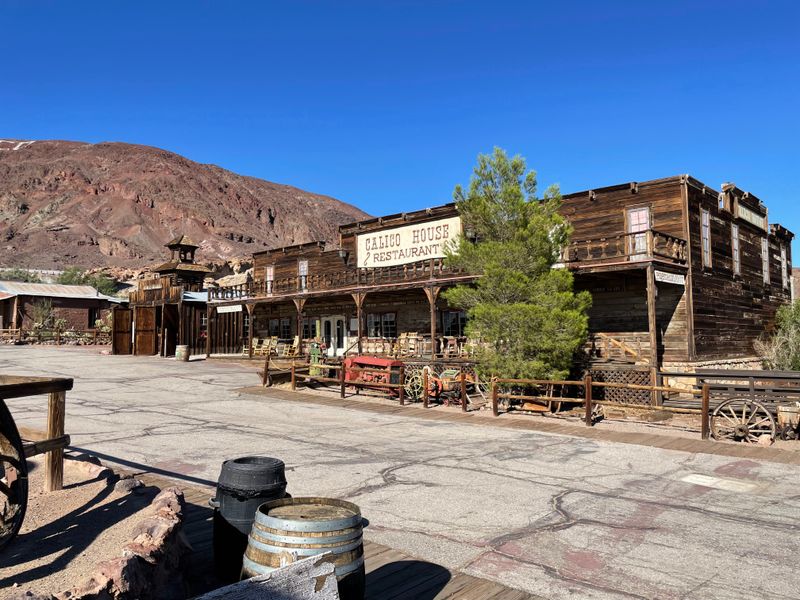
Yermo sits where the Mojave Desert gets serious, a tiny town along Interstate 15 that most travelers blow past without a second thought—but stopping reveals unexpected treasures.
Calico Ghost Town lies just minutes away, a silver mining town from the 1880s that’s been restored into a living museum where you can explore old mines, ride a narrow-gauge railroad, and watch gunfight reenactments.
Unlike some touristy ghost towns, Calico maintains authentic charm with original buildings and fascinating mining history.
Yermo itself serves as a quiet base for exploring the surrounding desert, with budget motels and diners that feel genuinely local.
The nearby Mojave River flows underground most of the year, creating hidden pockets of green that surprise first-time visitors.
Off-roaders love the area’s endless trails, while rock hounds search for jasper, agate, and other semi-precious stones scattered across the desert floor.
Summer heat is brutal, but winter and spring offer perfect weather for hiking, exploring, and experiencing desert solitude without crowds.
10. Trona
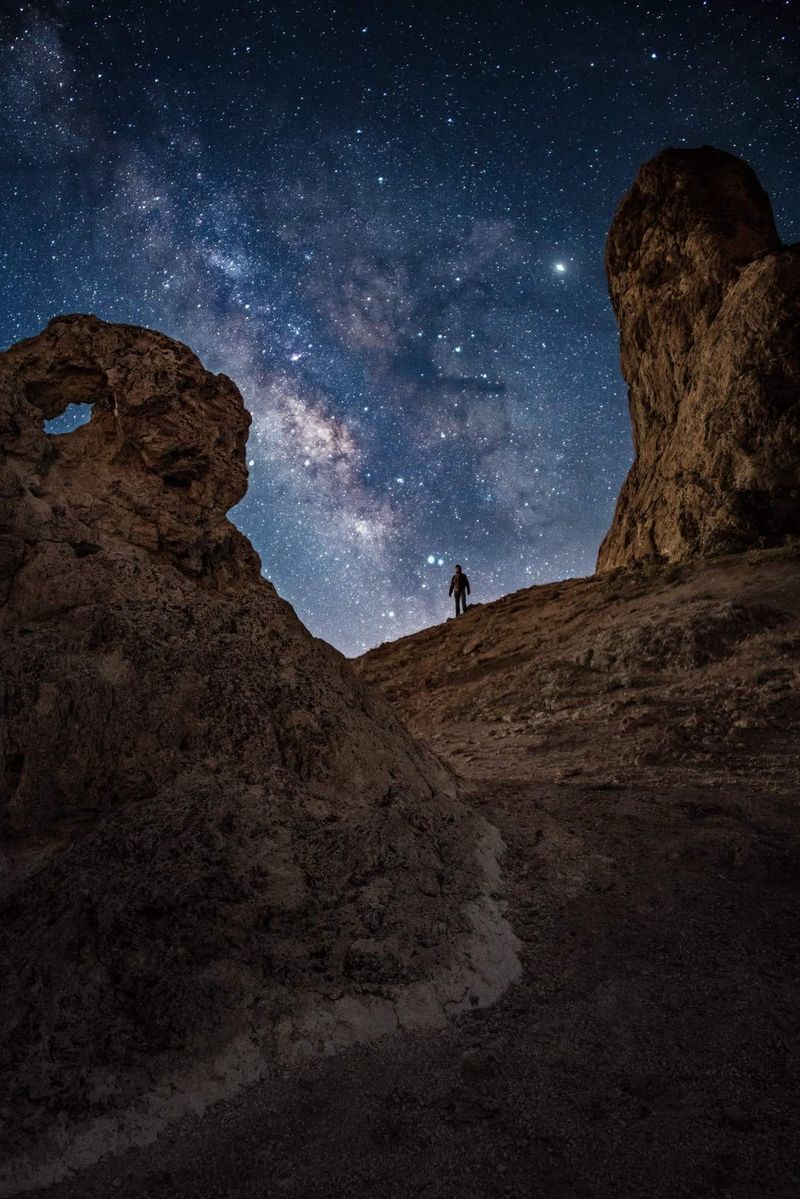
Trona looks like Mars decided to set up a mining town—a stark, otherworldly place where strange rock formations rise from a dry lakebed and industrial operations dominate the skyline.
The Trona Pinnacles, just outside town, feature over 500 tufa towers reaching up to 140 feet high, formed underwater thousands of years ago when ancient Searles Lake covered this valley.
These alien spires have appeared in countless science fiction films, including Planet of the Apes and Star Trek, because they genuinely look like another planet.
The town itself centers around chemical mining operations extracting minerals from the dry lakebed—borax, salt, and soda ash that go into glass, detergents, and other products.
It’s not pretty in a traditional sense, but there’s raw beauty in this industrial desert landscape.
Few tourists venture here, making it perfect for photographers and adventurers seeking authenticity over polish.
The surrounding desert offers incredible hiking and camping, with night skies so dark you’ll see the Milky Way stretch across the entire horizon.
11. Tecopa
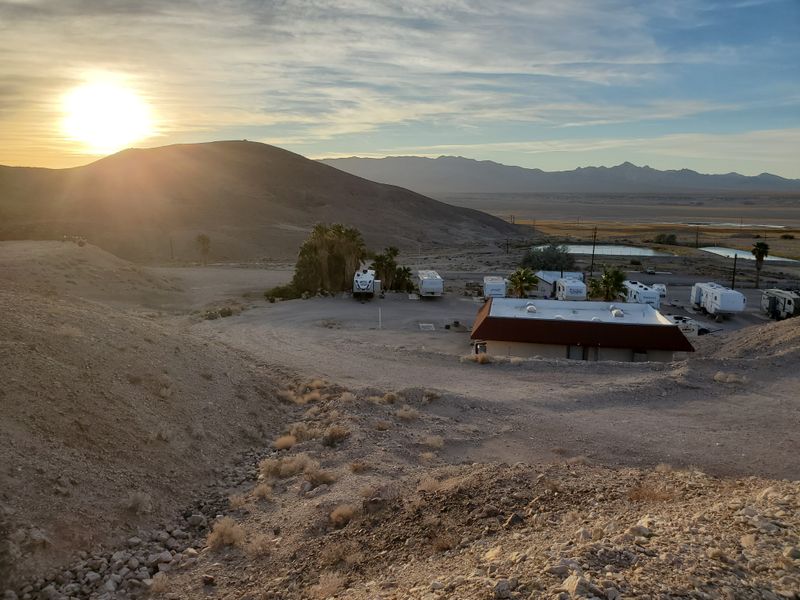
Tecopa might be tiny, but it’s got something most desert towns don’t—natural hot springs that have drawn tired travelers for thousands of years.
Several clothing-optional hot springs resorts offer pools ranging from lukewarm to seriously hot, fed by mineral-rich water flowing straight from underground sources.
After a long day hiking Death Valley or exploring the desert, soaking under the stars while coyotes howl in the distance feels absolutely magical.
The town attracts an eclectic mix of snowbirds escaping cold winters, artists seeking solitude, and adventurers using it as a base for Death Valley exploration.
Tecopa Hot Springs Resort and Delight’s Hot Springs both offer day-use options if you’re not staying overnight.
China Ranch Date Farm, a short drive away, grows dates in a hidden canyon oasis and serves incredible date shakes and bread—it’s a must-visit desert surprise.
The Amargosa River flows above ground here occasionally, creating rare wetlands that attract migrating birds.
12. Wonder Valley

Wonder Valley earned its name honestly—this vast stretch of Mojave Desert inspires genuine wonder with its isolation, beauty, and sense of endless possibility.
Scattered homesteads dot the landscape, many built by hopeful settlers who claimed land under the Small Tract Act of 1938, dreaming of desert farms that rarely materialized.
Today, artists, writers, and off-grid enthusiasts inhabit these remote properties, creating a loose community of creative souls who value space and silence.
The Palms restaurant serves as the social center, offering surprisingly good food and cold beer in a vintage building that feels frozen in the 1950s.
Joshua trees stretch in every direction, their twisted arms reaching skyward like prayers to the relentless sun.
Cell service is spotty at best, making this a true digital detox destination where you can actually hear yourself think.
Nearby hiking trails wind through washes and across rocky hills, offering views that stretch for miles without a single human structure visible.