
The Secret South Carolina Italian Spot That Locals Try To Keep Under Wraps
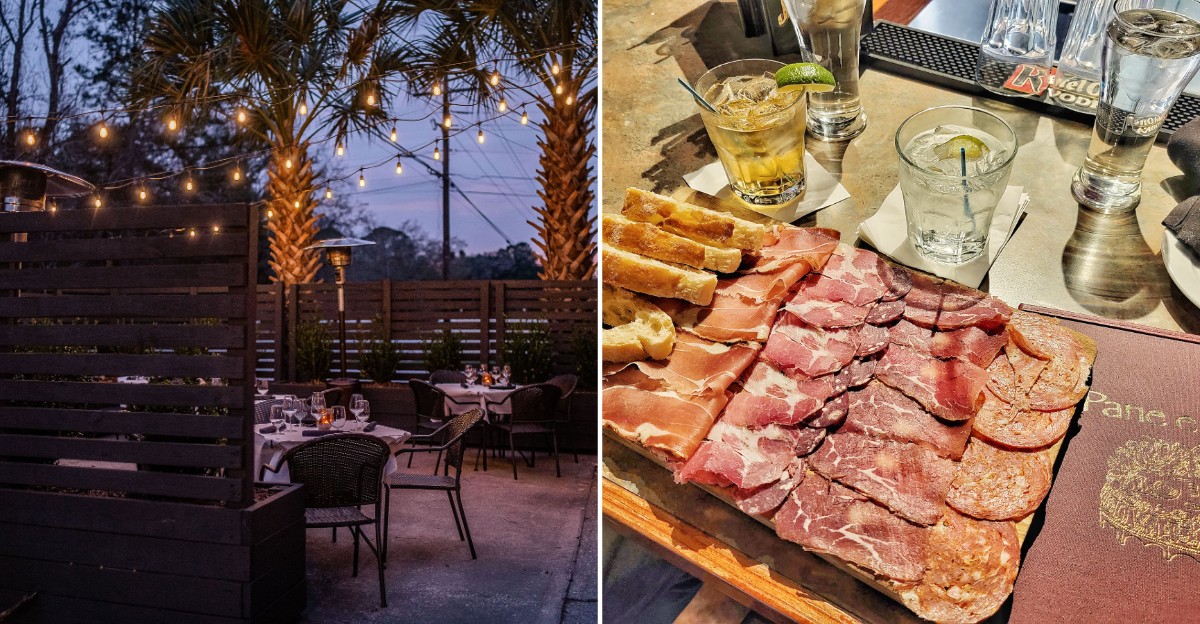
“Chi dorme non piglia pesci,” the Italians say. Those who sleep catch no fish.
Locals here took that advice seriously and found a table before anyone else did. South Carolina has an Italian spot that regulars would happily keep to themselves.
The sign out front is plain, and the parking lot fills before the dinner hour. Pasta lands in wide bowls, glossy and tangled with sauce.
Veal and chicken come out crisp at the edges and tender in the middle. Bread arrives warm beside a saucer of olive oil.
Tiramisu waits in the dessert case, dusted with cocoa and cut generously. Families linger over coffee long after the plates are cleared.
Neighbors recommend the place in low voices, as if sharing a favorite fishing hole. A reservation made early beats a long wait at the door.
A Drive Through The Countryside
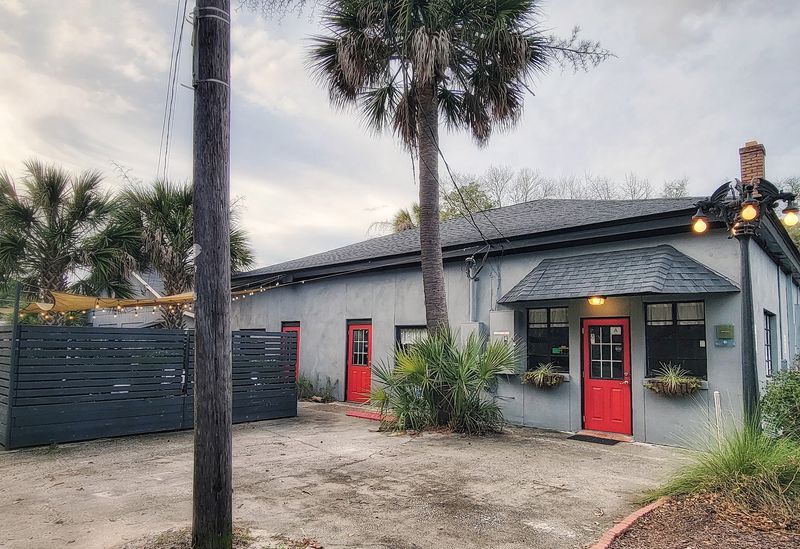
Half the fun of this place happens before anyone even picks up a fork. The trip starts in Charleston and slowly trades traffic lights for open fields, tall pines, and oak trees dripping with moss.
The restaurant sits about 21 miles from downtown Charleston. That might sound like a haul for dinner.
But think of it as a mini road trip with pasta waiting at the finish line, which is the best kind of road trip.
Hollywood, South Carolina, is a small, quiet town. No red carpets, no movie stars, and no giant sign on a hill.
The name is a fun joke all by itself, and it makes a great story to tell friends later.
Leaving the city crowds behind is a big part of the charm. Parking is easier, the air feels calmer, and the pace slows down.
By the time the building comes into view, dinner already feels like an escape.
Look for the Italian flag near the front door. It is a cheerful little signal that says the right turn has been made.
Think of it as the restaurant waving hello from across the parking lot.
Plan to leave a little early and enjoy the scenery along the way. A sunset drive out here can be just as memorable as the meal.
Find it at 6350 State Hwy 162, Hollywood, SC 29449.
From Fire Station To Pasta Palace
Long before anyone twirled spaghetti here, the building had a very different job. It started as a fire station, built from plain, sturdy cinder block.
Later, it turned into a spot called the Old Firehouse Restaurant. So this building has been feeding people for a while now.
Fire trucks to fettuccine is quite a career change, and it pulled it off nicely.
The Pane E Vino story has its own twist. The restaurant first lived in downtown Charleston, and fans were sad when that location closed.
Plenty of people figured it was gone for good.
Then a local investor stepped in with a plan. He bought the empty firehouse property specifically so Pane E Vino could start fresh out in the country.
Chef-owner Alfredo Temelini said yes, and the doors reopened in Hollywood in May 2021.
Comebacks like that do not happen every day. Most restaurants that close simply fade away.
This one packed up its recipes, moved down the highway, and found a second life.
Knowing the history makes visits more fun. Glance around and imagine the trucks that once rolled out of here with sirens blaring.
Now the only alarm going off is a stomach growling for gnocchi.
It is a good reminder that old buildings can surprise us. Sometimes all they need is a new purpose and a chef with a dream.
An Italian Welcome In The Lowcountry
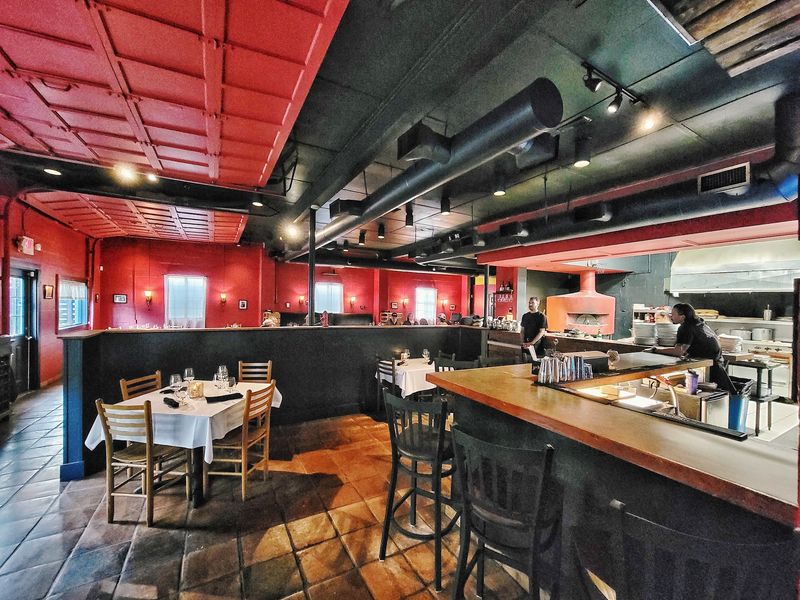
Imagine a dining room that seems borrowed from a small town in northern Italy. White tablecloths cover the tables, wooden chairs sit around them, and candles flicker softly.
The style is trattoria, which is a casual kind of Italian restaurant. Think family dinner, not stiff and fancy.
Nobody needs a tuxedo here, though a nice shirt never hurts.
Rustic wood finishes give the room warmth. Homey decorations fill in the details, so the space feels lived in rather than store-bought.
It is relaxed enough for a weeknight and special enough for a birthday.
Here is the best part. Chef-owner Alfredo Temelini is known for leaving the kitchen to visit tables and greet guests.
That is a rare treat, since most chefs stay hidden behind swinging doors.
A quick hello from the person who made the food changes the whole meal. It turns dinner from a transaction into a conversation.
Suddenly the plate of pasta has a face and a story behind it.
A tip for first-timers is to slow down. Let the candlelight do its job, chat with the table, and skip checking the phone every five minutes.
This setting rewards people who linger.
Families, couples, and old friends all fit right in. The room has a way of making strangers feel like regulars.
In Italy, that sense of welcome is called hospitality, and it travels well.
The Open Kitchen And Its Dome Oven
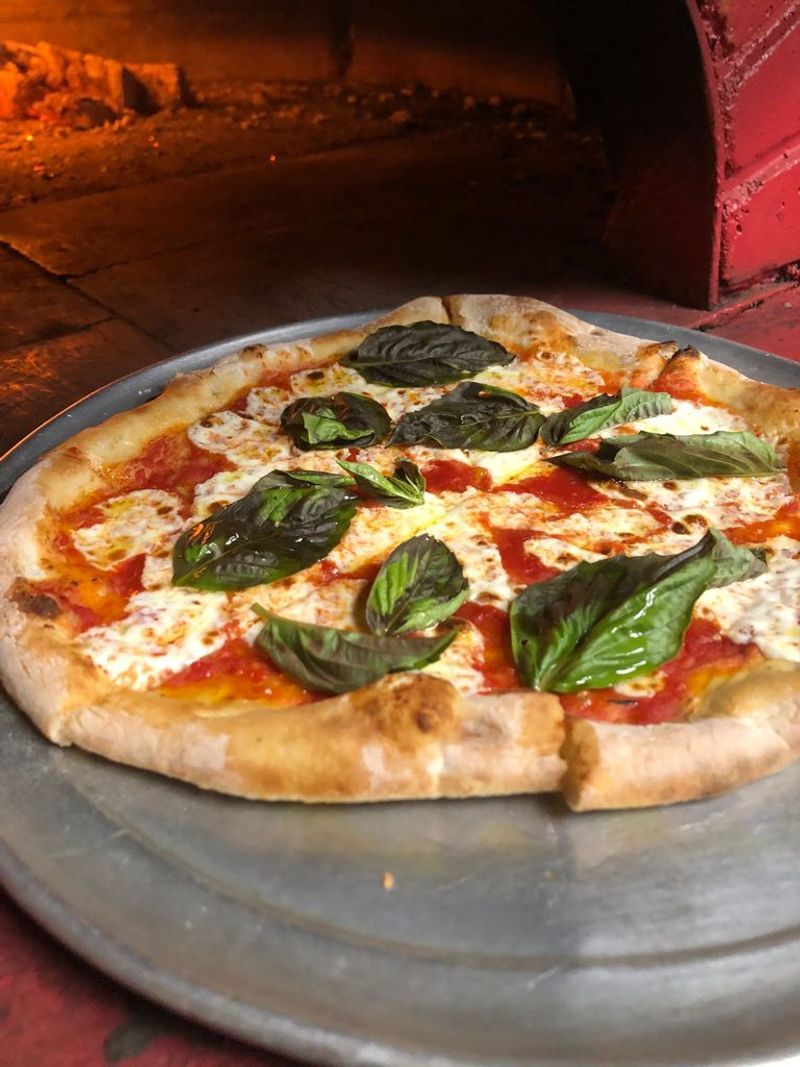
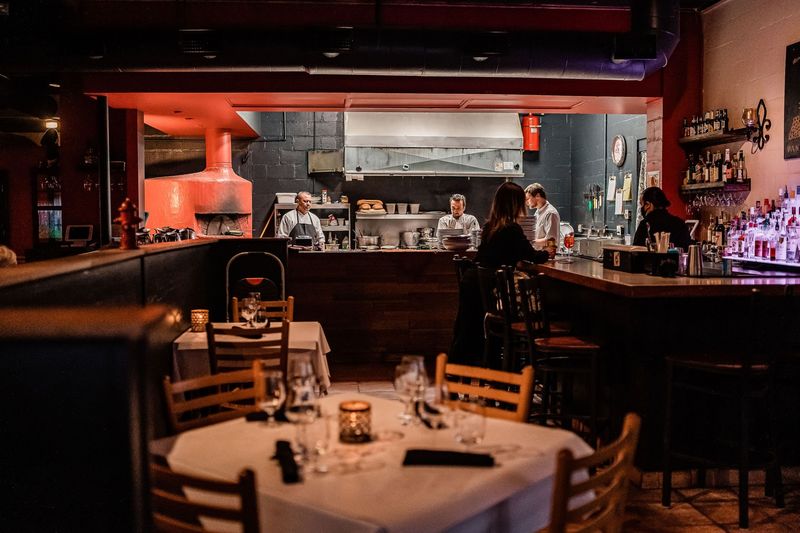
Some restaurants hide their kitchens like a secret lab. This one puts it right out in the open for everyone to watch.
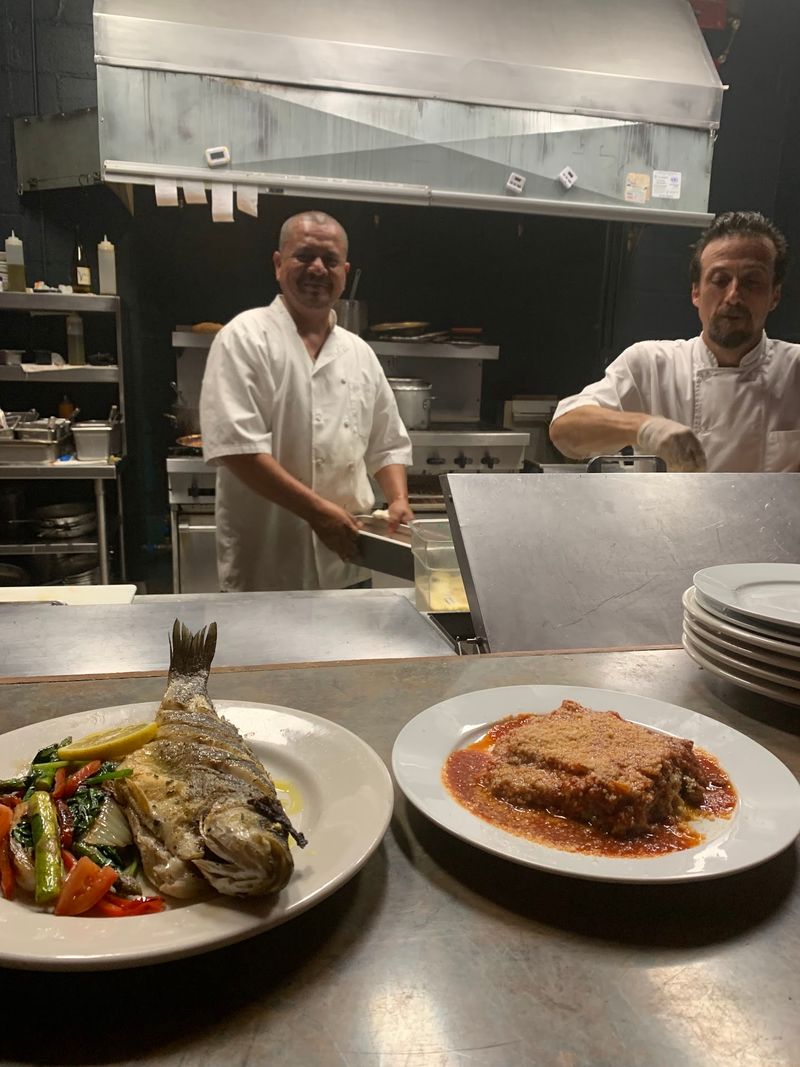
The open kitchen is the true center of the restaurant. Chef Alfredo Temelini can often be spotted working there in his crisp white chef coat.
It is a bit like a cooking show, minus the commercials.
The star of the room is the oven. It has a rounded dome shape, covered in stucco, and it burns real wood.
Ovens like this have been used in Italy for hundreds of years.
Fun fact time. Wood-fired ovens can get far hotter than a regular kitchen oven at home.
That intense heat cooks food fast and gives it a slightly smoky flavor that is hard to copy.
The open setup also builds trust. Diners can see that the pasta is made from scratch, right there, by real hands.
No mystery boxes, no microwave magic.
Kids especially love watching the action. Flames, flour, and busy cooks make for better entertainment than most screens.
Grab a seat with a view if possible.
Watching food get made also makes it taste better somehow. Maybe it is the smell drifting over, or maybe it is the patience it takes to wait.
Either way, the kitchen is the beating heart of this little Italian home.
A Courtyard Under The Live Oaks
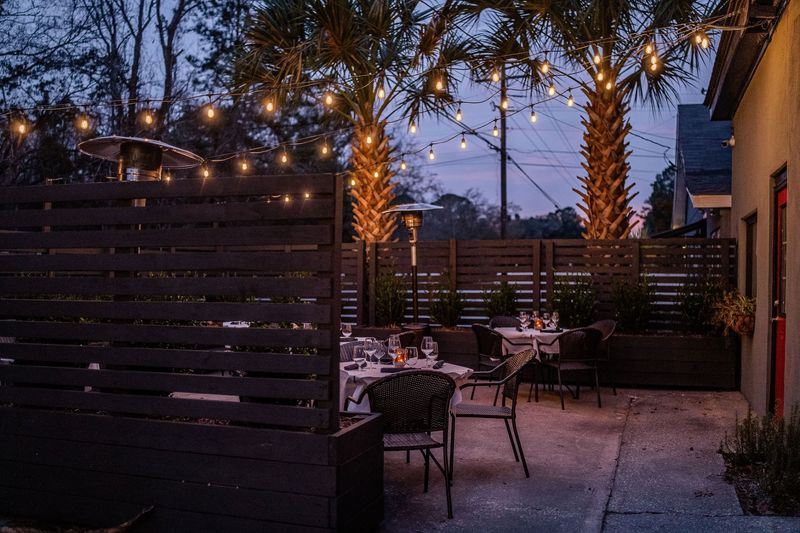
On a warm Carolina evening, the courtyard might be the best seat in the house. Picture big live oaks spreading their branches overhead like a giant green umbrella.
Lanterns hang around the patio and glow as the sky gets dark. The mood shifts from bright and breezy to soft and dreamy.
It is the sort of setting people usually see only in travel photos.
The goal here is a taste of Old World nostalgia. That means the feeling of an older, slower Europe, where meals last for hours, and nobody rushes.
Out here, it actually works.
Live oaks are a Southern icon, by the way. Some in South Carolina are hundreds of years old.
Eating Italian food under a classic Southern tree is a fun mix of two worlds.
A few practical tips help. Summer evenings can be hot and buggy, so spring and fall are sweet spots for outdoor dining.
A light jacket is smart on cooler nights.
The whole restaurant stays intimate, inside and out. Tables do not feel jammed together, so conversations stay private.
That makes the courtyard a favorite for date nights and anniversaries.
Ask about patio seating when planning a visit. Lantern light, fresh air, and a plate of pasta make a pretty unbeatable trio.
The mosquitoes may disagree, but they do not get a vote.
Chef Alfredo And His Italian Roots
Every great cook learned from someone, and Chef Alfredo Temelini learned from the best teachers around. His mother and grandmothers shaped the way he cooks today.
He was born outside Milan, a big city in northern Italy. His family roots, though, trace to Pesaro.
That town sits on the coast in a region called Marche, known for seafood, pasta, and farm-fresh cooking.
Grandma recipes carry a special kind of power. They are tested by generations of hungry families, which is tougher than any food critic.
When a dish survives that long, it earns its spot on the menu.
Quality ingredients matter a lot to him. Some come from local farms in South Carolina.
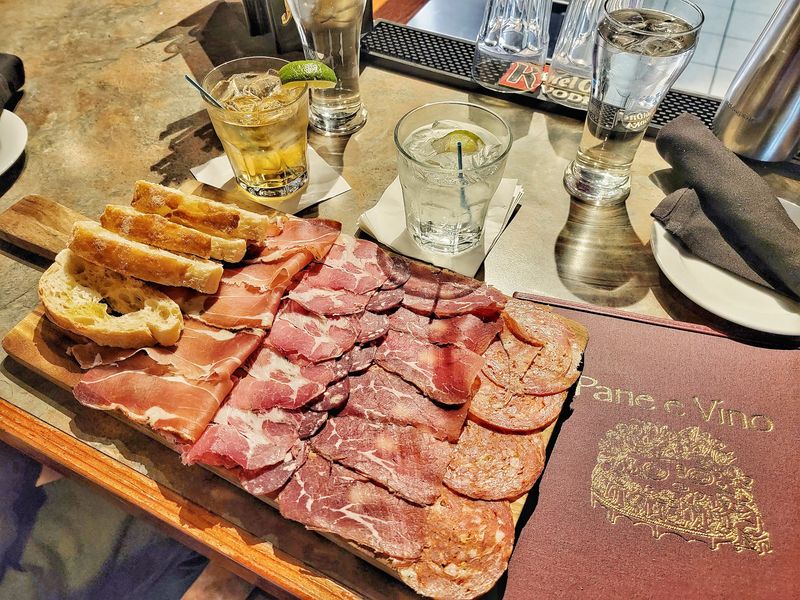
Other items, like beef, prosciutto, and cheeses, are brought in straight from Italy.
That mix is pretty clever. Local produce stays fresh, while imported specialties keep the flavors authentic.
It is a bridge between the Lowcountry and the Italian coast.
His focus stays on traditional recipes rather than trendy twists. No foam, no glitter, no weird experiments.
Just classic dishes cooked the way they have been for decades.
Knowing the chef’s story adds meaning to each bite. A simple bowl of pasta becomes a link to a kitchen in Pesaro long ago.
That is something no chain restaurant can copy, no matter how many breadsticks it hands out.
Farm Life With Pancetta And Salsiccia
Meet Francis and Kevin, two of the most famous pigs in Hollywood. Their full nicknames are Francis Pancetta Bacon and Kevin Salsiccia Bacon, which might be the funniest pig names ever invented.
Both are prize kunekune pigs. Kunekunes are a small, friendly breed from New Zealand with hairy coats and chubby faces.
They are known for being calm and loving belly rubs.
These two belong to Chef Temelini, who keeps a busy farm outside the kitchen. The animal list is long.
Horses, cattle, chickens, turkeys, quail, ducks, dogs, cats, bees, and even a donkey all share the space.
Running a farm and a restaurant at the same time sounds exhausting. Clearly, the chef does not believe in free time.
Somewhere between rolling ravioli and feeding chickens, he probably sleeps.
The farm says a lot about his values. Caring for animals and land goes hand in hand with caring about food.
People who grow and raise things tend to respect ingredients more.
It also fits the country setting perfectly. A rustic restaurant run by someone with dirt on his boots just makes sense.
The lifestyle matches the menu.
Next time a pasta dish arrives, picture the bees buzzing and the donkey braying back at the farm. And do not worry about Francis and Kevin.
Those names are just jokes, and the pigs seem to know it.
A Menu Built On Handmade Pasta
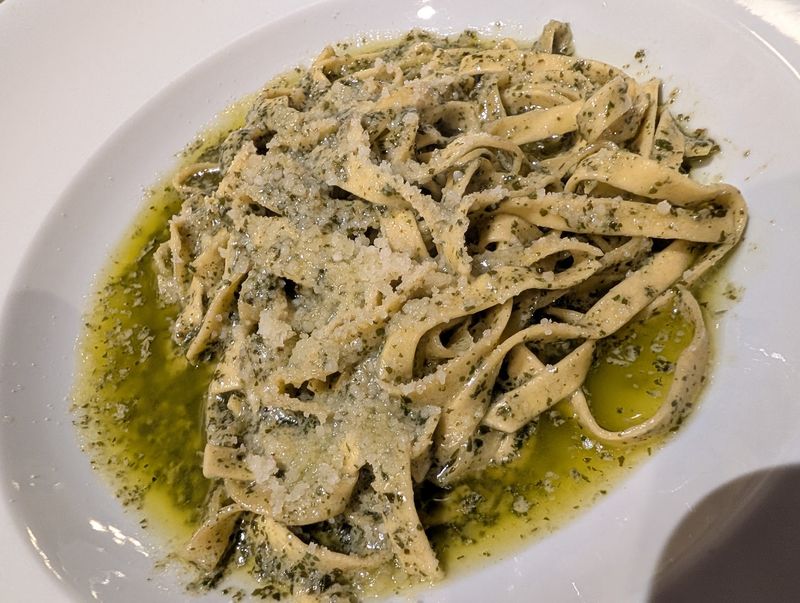
Handmade pasta is the headliner here, and every other dish is a strong supporting act. The ravioli and noodles are made completely by hand, the old-fashioned way.
The menu leans rustic, built from recipes that have been around a long time. Meals can start with antipasti, which are small bites like cured meats, bruschetta, or cheeses.
Salads offer something lighter before the main event.
Risotto changes daily, so there is often a fresh surprise. Gnocchi, those soft little potato dumplings, make a cozy choice too.
Classics like lasagna and Bolognese show up, along with lobster ravioli and duck pappardelle.
Pizza lovers, pay attention. Wood-fired pizzas with Roman-thin crusts come out of that dome oven on certain evenings.
Roman style means crispy and thin, not thick and bready.
Save room for dessert, seriously. Tiramisu is the famous pick, with coffee-soaked layers and creamy filling.
Panna cotta, a silky cooked cream, is another favorite.
Then there is Mama’s creamy cheesecake. Any dessert named after Mama comes with built-in trust.
Few things can compete with a family recipe served by the family itself.
A smart move is to share plates around the table. That way everyone gets to sample more pasta shapes and sauces.
Just be ready to defend the last bite of tiramisu, because friendships have been tested over less.