
The Serene Upstate New York Village That Feels Like A Step Back In Time
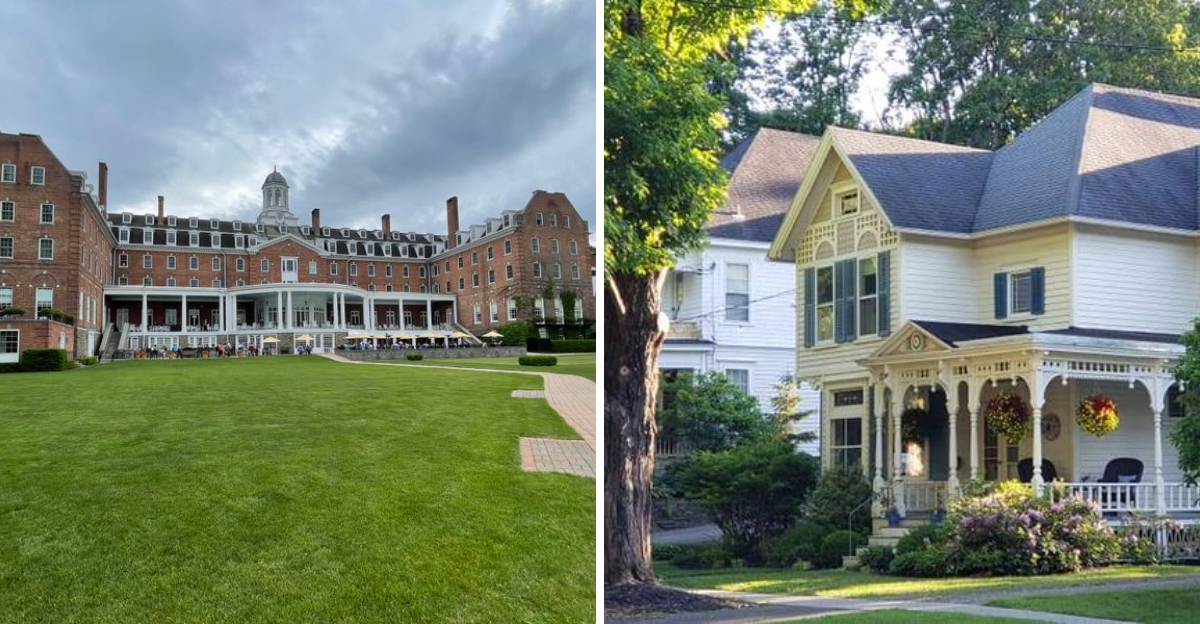
Cooperstown sits at the southern tip of Otsego Lake in central New York, a village where the past remains visible in nearly every corner.
The streets are lined with buildings that date back more than a century, and the pace of life moves at a rhythm that feels deliberately preserved.
While many know it as the home of the National Baseball Hall of Fame, the village itself offers something quieter and more enduring—a glimpse into a way of living that modern America has largely left behind.
A Historic Village On The Shores Of Otsego Lake
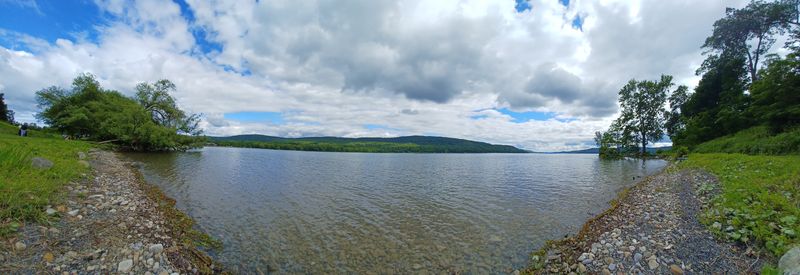
Cooperstown occupies a narrow stretch of land where Otsego Lake ends and the Susquehanna River begins.
The village was founded in the late 18th century by William Cooper, father of novelist James Fenimore Cooper, and its location was chosen with care.
The lake provided transportation, trade routes, and a natural boundary that shaped the settlement’s early growth.
Today, the waterfront remains central to the village’s identity.
Visitors can walk along the lakefront and see how the town developed around this body of water.
The connection between Cooperstown and Otsego Lake is not decorative—it is foundational.
Main Street runs perpendicular to the shore, drawing the eye toward the water from nearly every vantage point.
The village feels anchored by the lake, and its presence lends a stillness to the atmosphere that is difficult to replicate elsewhere.
This is not a place designed for speed or spectacle.
It was built for permanence.
19th-Century Architecture Still Shapes The Town
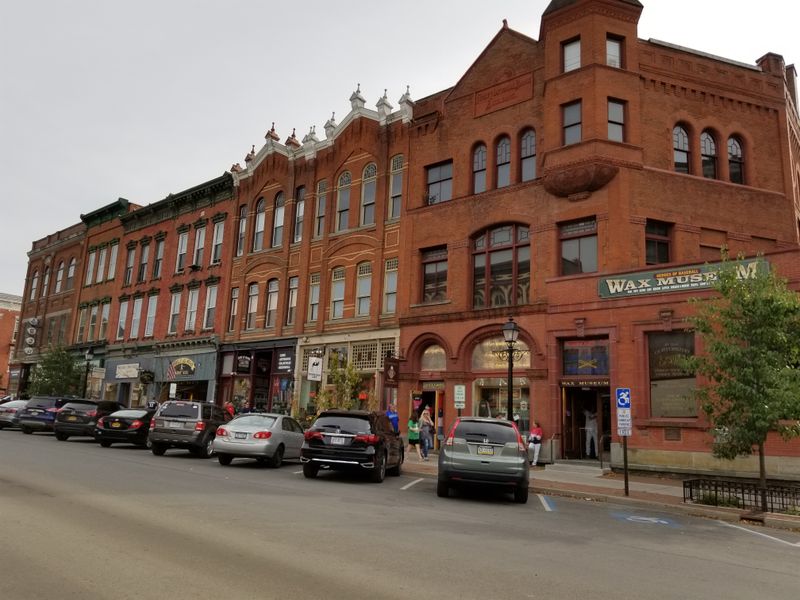
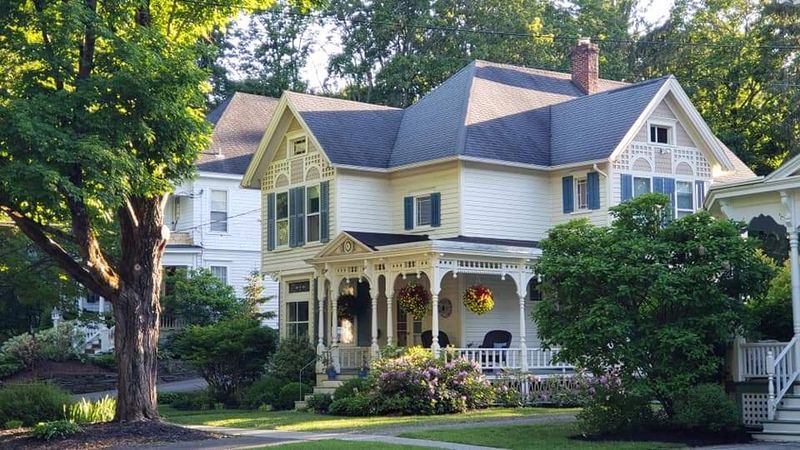
Walking through Cooperstown means encountering architecture that has survived more than a hundred years with minimal alteration.
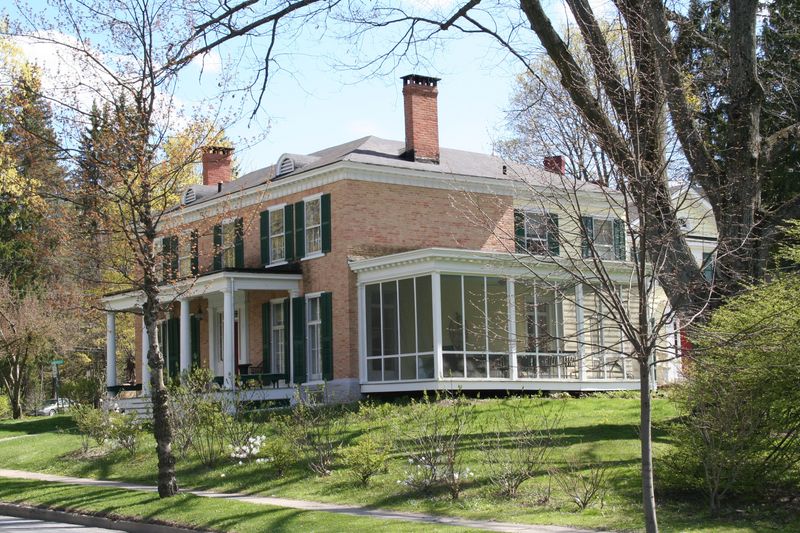
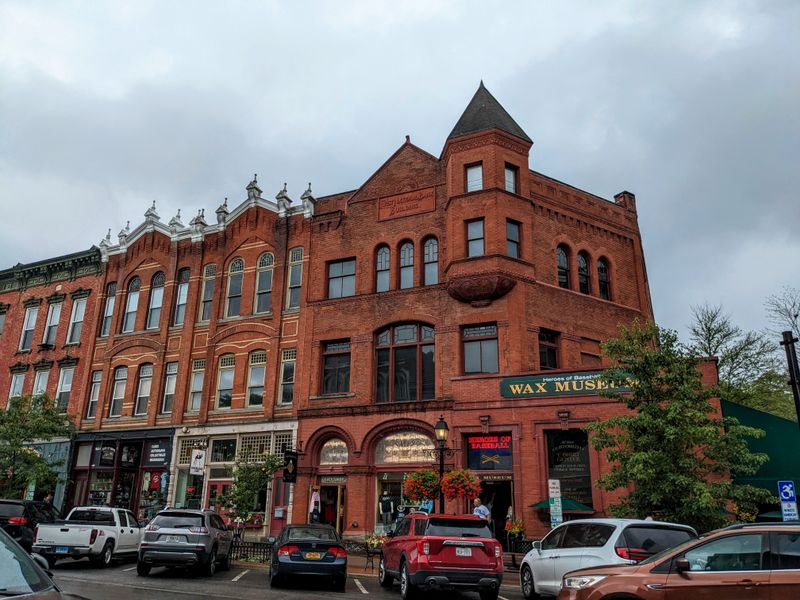
Federal-style homes, Greek Revival facades, and Victorian-era storefronts stand side by side, creating a visual timeline of American building traditions.
These structures were not built to be quaint—they were built to last.
The village has resisted the urge to modernize its streetscape.
You will not find chain stores with corporate signage disrupting the rhythm of the buildings.
Instead, the architecture tells a story of craft, intention, and local pride that extends across generations.
Many of these buildings still serve their original purposes, or close to it.
Inns that opened in the 1800s still welcome guests.
Shops occupy spaces that have housed commerce for over a century.
The continuity is striking, and it gives the village a coherence that feels increasingly rare in American towns.
A Walkable Main Street That Feels Unchanged
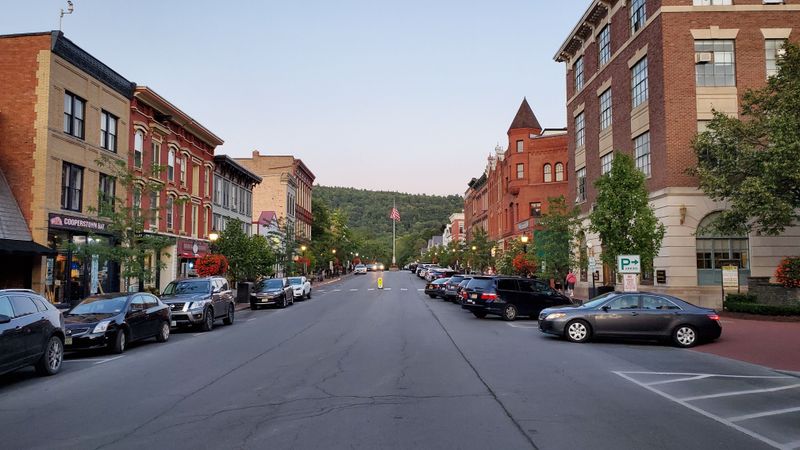
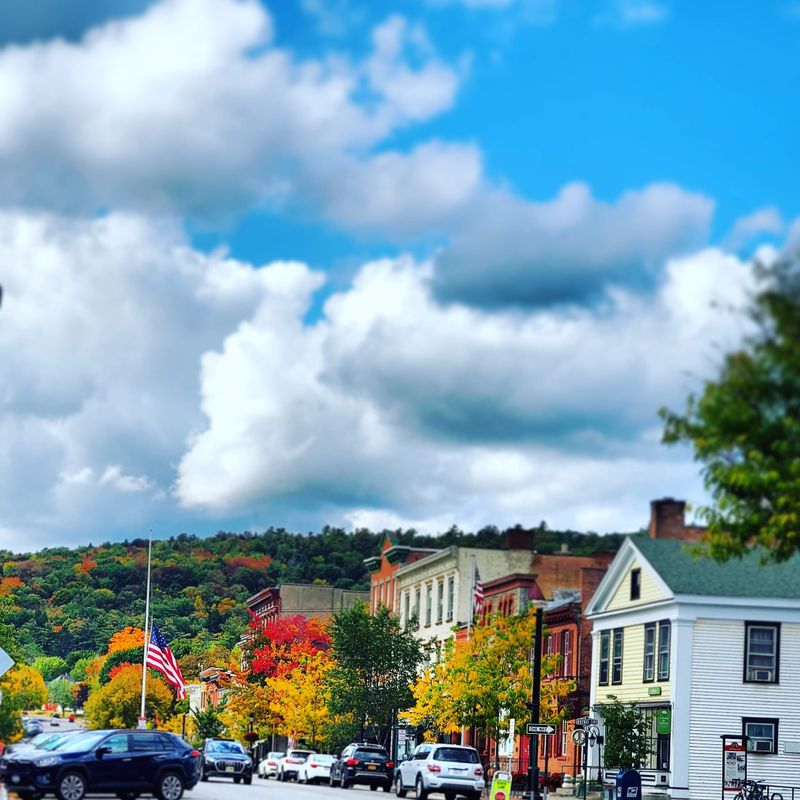
Main Street in Cooperstown runs straight and flat, lined with trees and fronted by buildings that maintain their original scale.
There are no parking lots interrupting the facades, no drive-throughs, no modern intrusions that pull the eye away from the streetscape itself.
The result is a thoroughfare that feels intact.
You can walk the length of Main Street in less than twenty minutes, but most visitors take considerably longer.
The storefronts invite browsing, and the benches along the sidewalk encourage pauses.
This is a street designed for people, not cars, even though cars are permitted.
The scale of the street contributes to its charm.
Buildings are two or three stories tall, creating a sense of enclosure without oppression.
The rhythm of doorways, windows, and awnings creates a visual cadence that feels deliberate and human.
Walking here, you understand what a town center used to be—and in Cooperstown, still is.
Quieter Than Expected Outside Peak Tourist Season
Cooperstown draws significant crowds during the summer months, particularly when the Baseball Hall of Fame inducts new members.
But outside those peak weeks, the village returns to a quieter state that feels closer to its everyday character.
This is when the village reveals itself most honestly.
In spring and fall, you can walk Main Street without navigating throngs of tourists.
The restaurants are easier to access, and the pace of life slows to something more contemplative.
Local residents reemerge as the primary presence, and the village takes on a rhythm that feels less performative.
Winter in Cooperstown is particularly serene.
Snow softens the edges of the historic buildings, and the lake freezes over in patches.
The village does not shut down, but it does settle into a mode that feels almost private.
For those seeking a genuine sense of place rather than a curated tourist experience, visiting outside peak season is advisable.
A Village Built Around Tradition And History
Cooperstown has made a conscious choice to preserve its past rather than chase modernity.
This is evident not just in the architecture but in the institutions that anchor the village.
The National Baseball Hall of Fame, the Fenimore Art Museum, and the Farmers’ Museum all celebrate history in different ways, but they share a common commitment to memory and continuity.
The village does not treat history as a relic to be displayed behind glass.
Instead, it integrates the past into daily life.
Historic homes are occupied, not cordoned off.
Old inns still serve travelers, and the village green remains a gathering place.
This approach creates a living museum effect, where the line between past and present blurs.
You are not visiting a re-creation or a theme park.
You are walking through a place that has chosen to remain faithful to its origins, even as the world around it has accelerated beyond recognition.
Lake Views That Encourage Slow Exploration
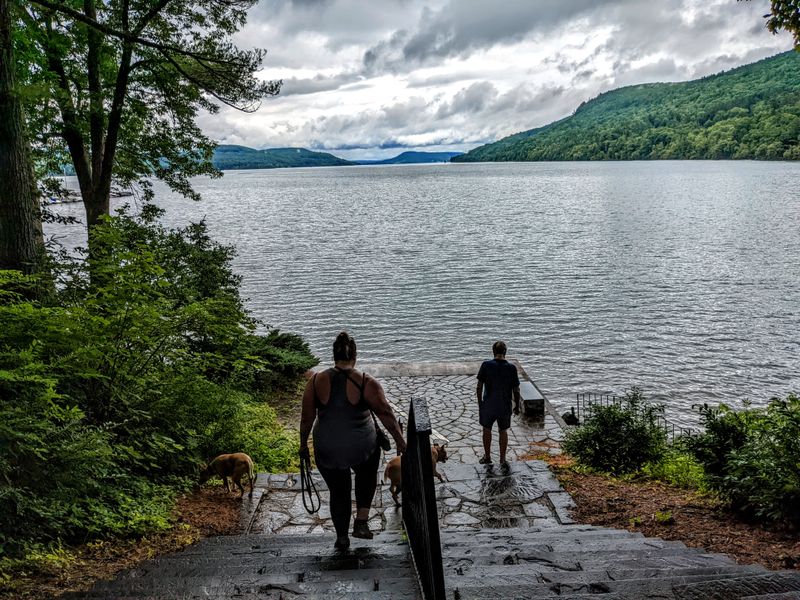
Otsego Lake stretches nine miles north of Cooperstown, its waters calm and clear, bordered by wooded hills that shift color with the seasons.
The lake does not demand attention—it offers it quietly, rewarding those who take the time to walk its shores or sit along the waterfront.
There is no boardwalk, no amusement pier, no commercial development to distract from the water itself.
Several walking paths trace the edge of the lake near the village, providing access without intrusion.
You can sit on a bench and watch the light change across the water, or walk the trails that wind through nearby woods.
The lake encourages a slower form of tourism, one based on observation rather than activity.
Boat launches and small marinas dot the shoreline, and you will see kayakers and canoeists paddling in the warmer months.
But even at its busiest, the lake retains a sense of peace.
It is a body of water that has not been overdeveloped or overused.
Historic Inns And Homes Define The Streetscape
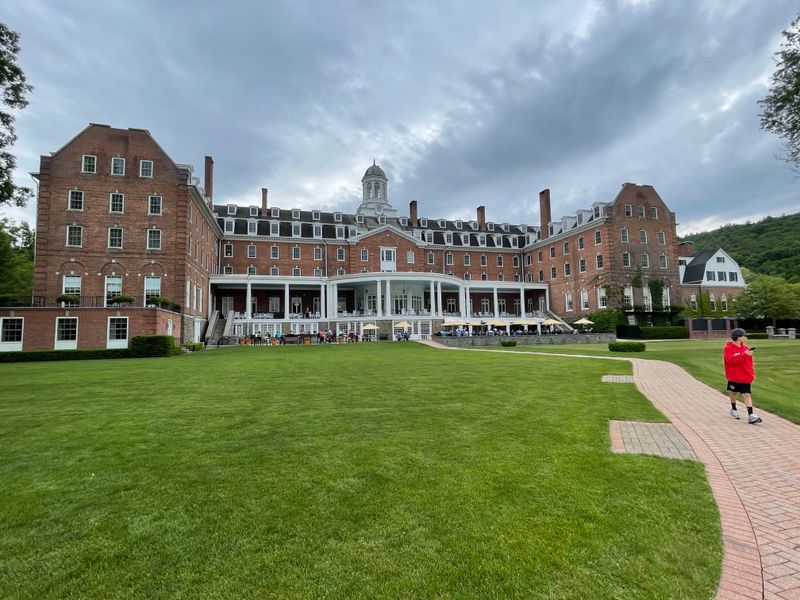
Many of the buildings that line Cooperstown’s streets were originally built as private homes or small inns, and a surprising number continue to serve those purposes today.
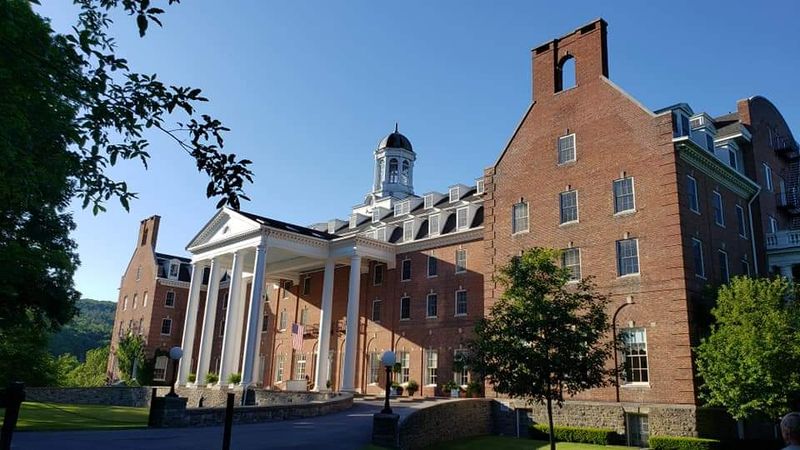
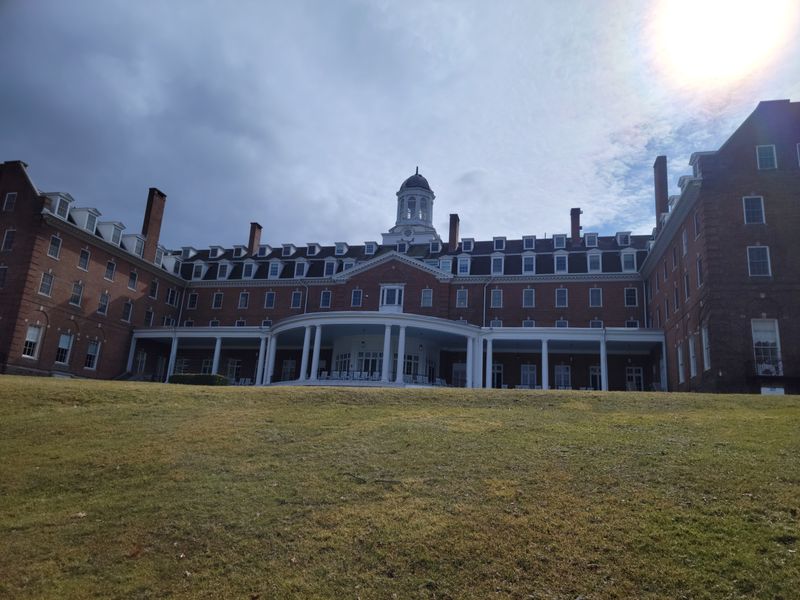
The Otesaga Resort Hotel, opened in 1909, still overlooks the lake with the same Georgian Revival elegance it displayed over a century ago.
Other inns, smaller and more modest, offer lodging in buildings that have welcomed travelers since the 1800s.
These are not boutique hotels trying to mimic history—they are the real thing.
The floors creak, the staircases are narrow, and the rooms retain their original proportions.
Staying in one of these inns means accepting a certain lack of modern convenience, but the trade-off is immersion in a building that has stories older than you.
The homes that are not inns are equally well-preserved.
Many remain in the hands of families who have lived in Cooperstown for generations.
This continuity of ownership contributes to the village’s stability and its resistance to rapid change.
Cultural Landmarks Beyond Baseball
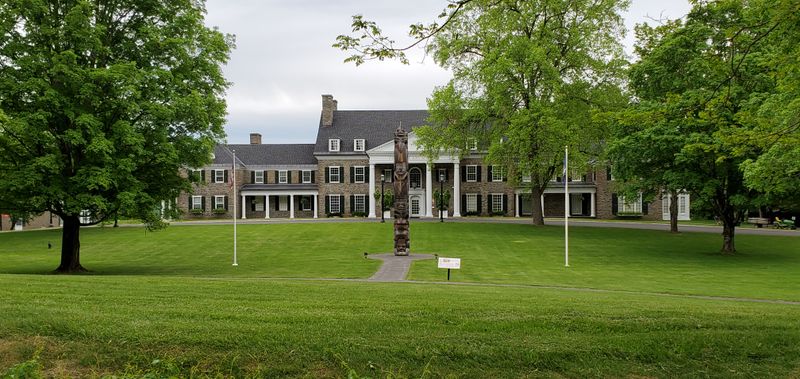
While the National Baseball Hall of Fame draws the most attention, Cooperstown supports several other cultural institutions that deserve equal consideration.
The Fenimore Art Museum, located on the lake’s western shore, houses a significant collection of American art, including works by Thomas Cole and other Hudson River School painters.
The museum also features folk art and Native American artifacts, offering a broader view of regional history.
The Farmers’ Museum, just north of the village, recreates 19th-century rural life with working exhibits and historic buildings moved to the site from around the region.
Craft demonstrations, including blacksmithing and weaving, take place regularly.
A hand-carved carousel, built in the early 20th century, still operates on the museum grounds.
These institutions are not afterthoughts—they are integral to understanding Cooperstown’s identity.
The village has cultivated a cultural ecosystem that extends beyond sports nostalgia, and visitors who ignore these museums miss much of what makes the place distinctive.
A Calm Pace Of Life Rare In Modern Travel
Cooperstown operates at a speed that feels deliberately unhurried.
Shops open at reasonable hours but do not rush to accommodate every whim.
Restaurants serve meals without the urgency that defines urban dining.
The village does not apologize for its pace—it simply maintains it.
This slower rhythm can be jarring for visitors accustomed to constant stimulation.
There are no nightclubs, no late-night entertainment districts, no 24-hour conveniences.
The village quiets down after dinner, and the streets empty.
This is not a flaw—it is a feature.
For those willing to adjust, the calm becomes restorative.
You begin to notice details that would otherwise blur past—the texture of brick, the sound of birds, the way light falls across the lake in the late afternoon.
Cooperstown rewards attention, and attention requires time.
The village offers both, if you are willing to accept the terms.
Nature And History Intertwined
The natural landscape around Cooperstown is not separate from its history—it is part of the story.
The forests that surround the village provided timber for its early buildings.
The lake supplied fish and transportation.
The hills offered protection and defined the settlement’s boundaries.
Today, the relationship between nature and the built environment remains visible.
Trails leading into the surrounding woods pass stone walls built by 18th-century farmers.
Old cemeteries sit on hillsides overlooking the lake, their headstones weathered but legible.
The land remembers its use, and the village has not erased those memories.
This intertwining creates a layered experience.
A walk through the woods becomes a historical exploration.
A visit to the lakefront reveals not just natural beauty but also the logic behind the village’s founding.
Cooperstown does not separate nature from culture—it presents them as inseparable, which is closer to the truth than most modern destinations allow.
A Place Where Daily Life Feels Unhurried
Spend more than a day in Cooperstown, and you begin to notice how locals move through the village.
There is no rush, no sense of urgency that defines so many American towns.
People stop to talk on the sidewalk, not as a performance but as a genuine exchange.
Shopkeepers know their customers by name.
This unhurried quality extends to commerce as well.
Restaurants do not turn tables aggressively.
The village economy seems to operate on principles that prioritize sustainability over rapid profit.
This may not be efficient by modern standards, but it contributes to the village’s character.
For visitors, this can be disorienting at first.
You may find yourself waiting longer than expected, or encountering closed signs when you assumed something would be open.
But after a day or two, the rhythm makes sense.
Cooperstown is not trying to maximize throughput—it is trying to maintain a way of life.
Timeless Charm That Rewards Lingering Visitors
Cooperstown does not reveal itself quickly.
A brief visit will show you the surface—the museums, the Main Street, the lake—but the village’s true character emerges only with time.
The longer you stay, the more you notice the details that define the place: the way light moves across the water, the rhythm of the church bells, the texture of the old brick.
This is not a destination designed for a checklist.
There is no single must-see attraction that justifies the trip.
Instead, the appeal is cumulative, built from dozens of small observations and quiet moments.
The village rewards patience and attention in ways that faster, louder destinations cannot.
By the end of a longer stay, you may find yourself moving at the village’s pace.
You begin to understand why some visitors return year after year, not for novelty but for continuity, for a place that remains recognizable in a world that changes too quickly.