
The Sleepy Coastal Town In Oregon That Feels Frozen In Time
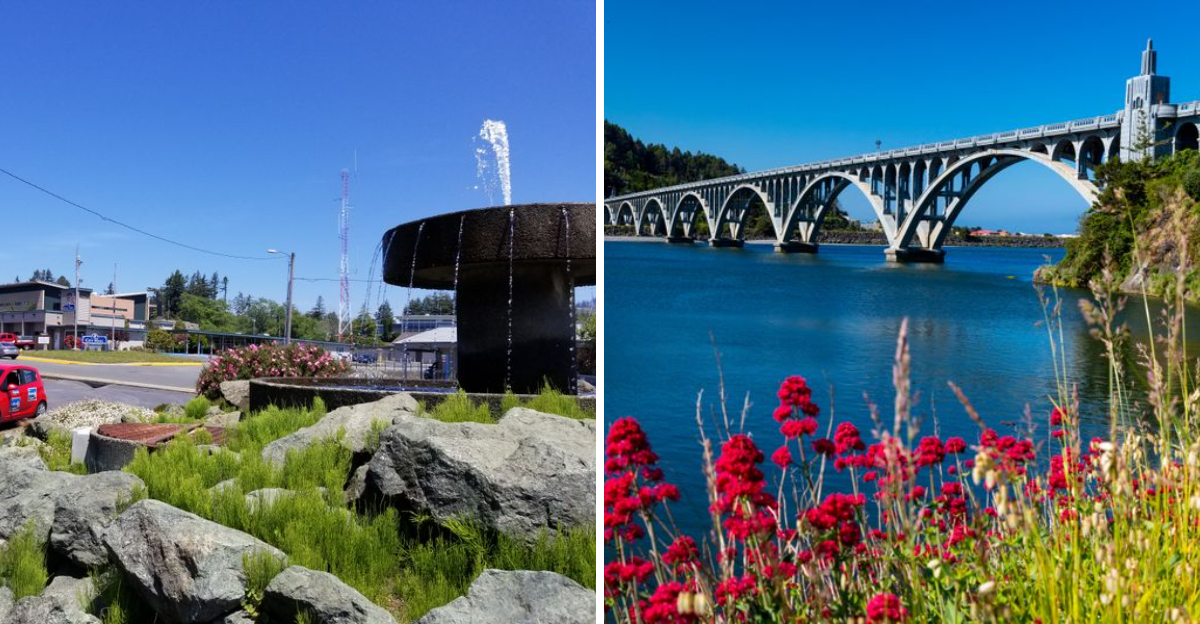
Brookings sits at the southern edge of Oregon’s coastline, just a few miles from the California border, where the Pacific crashes against rocky headlands and fog rolls in like clockwork.
Founded in 1908 by lumber baron John E. Brookings, this quiet town of fewer than 7,000 residents has resisted the urge to modernize at the pace of its northern neighbors.
While other coastal communities have embraced tourism with sprawling resorts and crowded boardwalks, Brookings remains stubbornly unhurried, its downtown still anchored by local shops and its beaches still empty enough to hear your own footsteps.
It’s a place where the rhythm of the ocean dictates more than the clock on the wall, and where the past lingers not as nostalgia but as daily life.
A Southern Oregon Coast Town That Moves At Its Own Pace
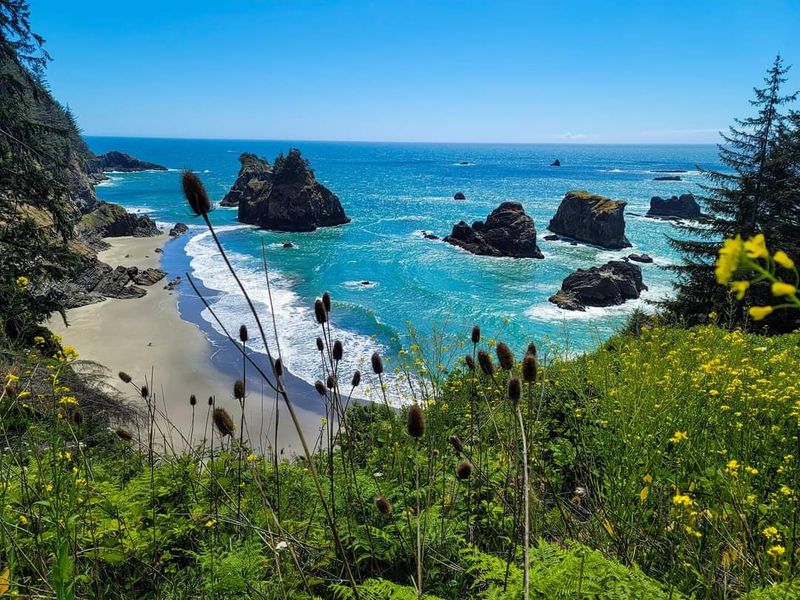
Brookings operates on a schedule that feels borrowed from an earlier decade, where meals are taken slowly and errands unfold without urgency.
Located at 42.0526114, -124.2839819 in Curry County, the town seems content to let the rest of the world rush past while it maintains a steadier tempo.
Traffic lights are few, and drivers often wave pedestrians across intersections with a patience that feels almost ceremonial.
The harbor still wakes with fishing boats heading out before dawn, their routines unchanged for generations.
Local cafes serve breakfast until they run out of biscuits, not because they’re understaffed but because that’s simply how things work here.
Conversations at the post office stretch longer than necessary, not from inefficiency but from genuine interest.
Even the gulls seem less frantic than their counterparts up the coast.
This is a town that refuses to apologize for moving slowly.
Where The Ocean Sets The Daily Rhythm
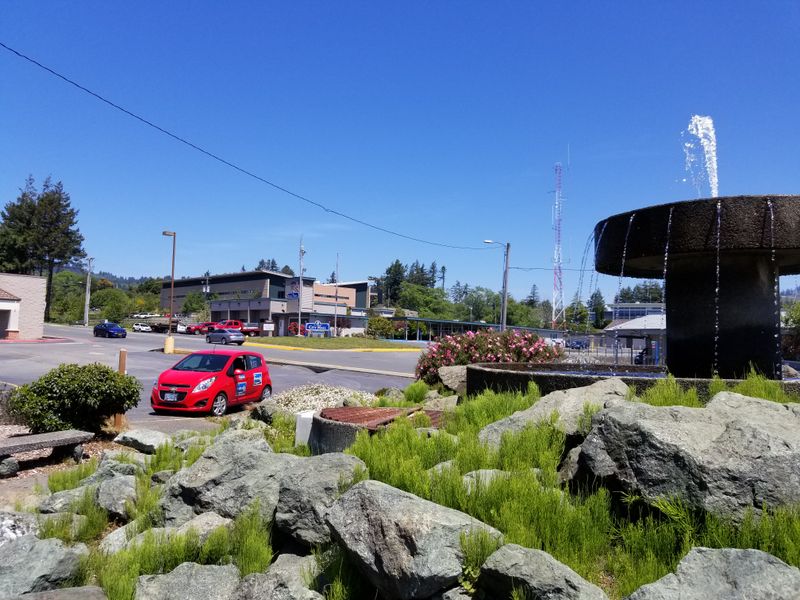
Morning fog determines when fishermen leave the docks, and afternoon winds dictate whether locals venture to the beach or stay tucked inside with coffee.
The Pacific here isn’t just scenery—it’s a clock, a weather forecast, and a conversation starter all at once.
Residents check tide charts the way others check their phones, planning beach walks and crabbing trips around the pull of the moon.
Storm watching becomes a legitimate winter activity, with neighbors gathering at overlooks to witness waves that tower higher than houses.
The smell of salt hangs permanently in the air, working its way into clothing and hair and becoming part of the local identity.
Even businesses acknowledge the ocean’s authority, with shops occasionally closing early when swells grow too large or fog too thick.
Visitors expecting rigid schedules find themselves adapting to this fluid relationship with nature.
The sea dictates, and Brookings listens.
A Downtown That Still Feels Small And Familiar
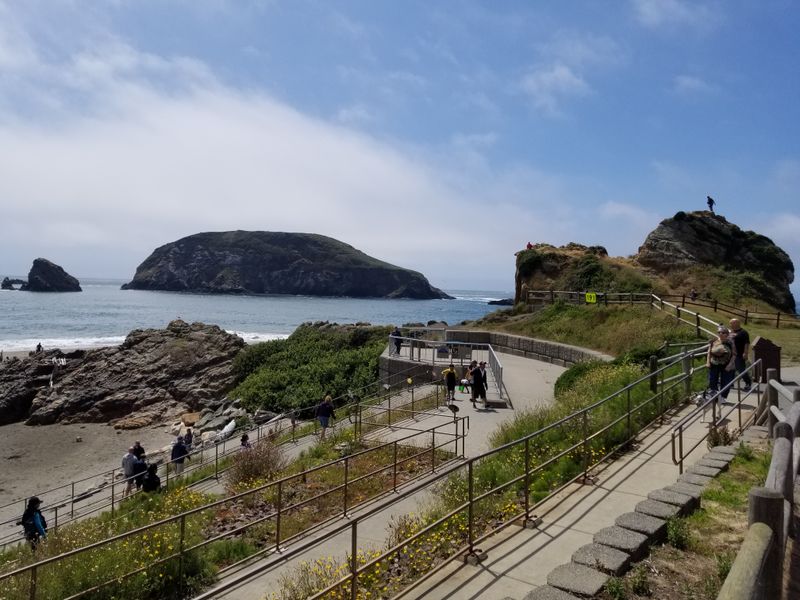
Chetco Avenue runs through the heart of town like a spine, lined with businesses that have operated under the same names for decades.
Hardware stores still offer advice along with nails, and the grocery clerks know which customers prefer paper bags.
There are no chain coffee shops dominating corners, no luxury boutiques pricing out locals.
Instead, you’ll find a tackle shop next to a thrift store, a family diner across from a used bookstore with creaky floors and cats sleeping in the window displays.
The pharmacy still has a soda fountain, though it only opens on weekends now.
Parking is never a problem, and you can cross the street mid-block without fear of honking horns.
Holiday decorations go up late and come down later, strung by volunteers who’ve been doing it since high school.
Walking these blocks feels like stepping into a town that decided progress was optional.
One Of The Quietest Stops Along The Oregon Coast
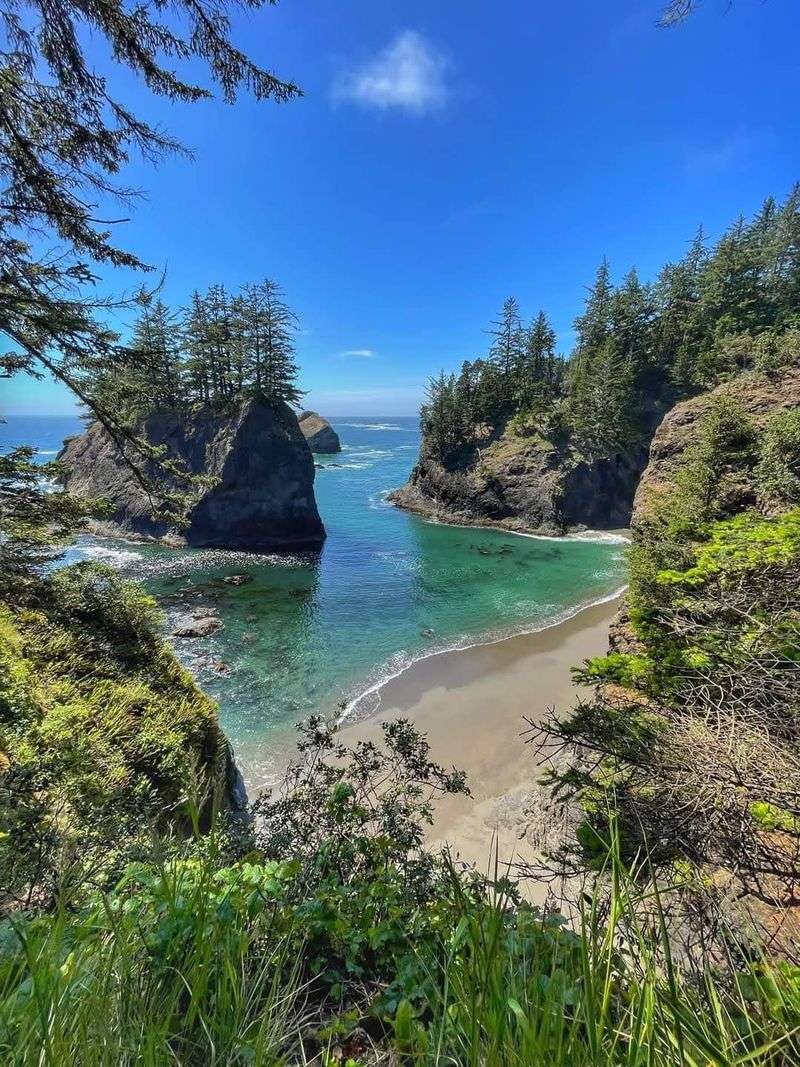
Highway 101 carries travelers through Brookings without much fanfare, and many keep driving north toward more famous destinations like Cannon Beach or Newport.
That oversight works in the town’s favor, preserving a quietness that has become rare along this popular coastline.
State parks here see a fraction of the foot traffic found elsewhere, and beaches remain blissfully underpopulated even during summer weekends.
You can spend an entire afternoon at Harris Beach State Park and encounter only a handful of other visitors, most of them locals walking dogs or searching tide pools.
The lack of crowds isn’t due to inferior scenery—the coastline here rivals anything farther north.
Rather, Brookings simply hasn’t marketed itself aggressively, content to remain a secret kept mostly by Oregonians who prefer their coast uncrowded.
Restaurants rarely require reservations, and hotel vacancies are common outside of major holidays.
Silence, it turns out, is one of the town’s greatest assets.
Mild Coastal Weather That Encourages Year-Round Strolls
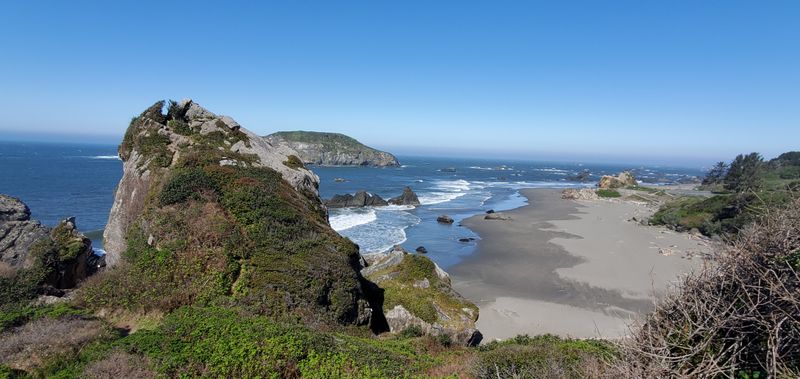
Brookings claims the title of Oregon’s pulse—a reference to its unusually temperate climate that keeps temperatures moderate even when inland areas freeze or bake.
Winter rarely brings snow, and summer seldom pushes past comfortable warmth, creating conditions that allow for outdoor exploration in every season.
Azaleas bloom here in February, weeks ahead of anywhere else in the state, earning the town another nickname it wears with quiet pride.
Locals walk the beach in January wearing fleece instead of parkas, and summer evenings require only a light jacket against the ocean breeze.
This mildness encourages a lifestyle built around daily outdoor routines—morning beach walks, afternoon garden work, evening strolls through residential streets lined with flowering shrubs.
The weather never demands attention the way it does elsewhere, never forces you inside or disrupts plans with dramatic swings.
It simply remains pleasant, predictable, and perfectly suited to a town that values consistency.
Long Beach Walks Without The Typical Tourist Crowds
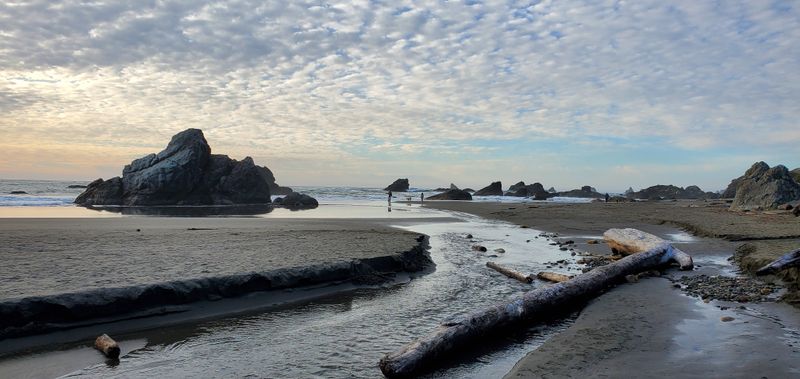
Miles of coastline stretch in both directions from town, much of it accessible and almost all of it empty.
Samuel H. Boardman State Scenic Corridor lies just north, offering pull-offs that lead to beaches where you’re more likely to encounter seals than other humans.
South of town, the shoreline becomes even wilder, with massive driftwood logs creating natural sculptures along the sand.
These aren’t manicured resort beaches with lifeguards and volleyball nets—they’re rugged, wind-shaped expanses that require sturdy shoes and a tolerance for solitude.
Tide pools reveal starfish and anemones to anyone willing to crouch and look closely.
Beachcombing yields Japanese glass floats occasionally, relics of currents that cross the Pacific and deposit treasures on these shores.
Dogs run unleashed in many areas, their joy unrestrained by crowds or regulations.
Walking here feels less like recreation and more like reclaiming something fundamental that modern life has buried.
A Town Shaped More By Nature Than Development
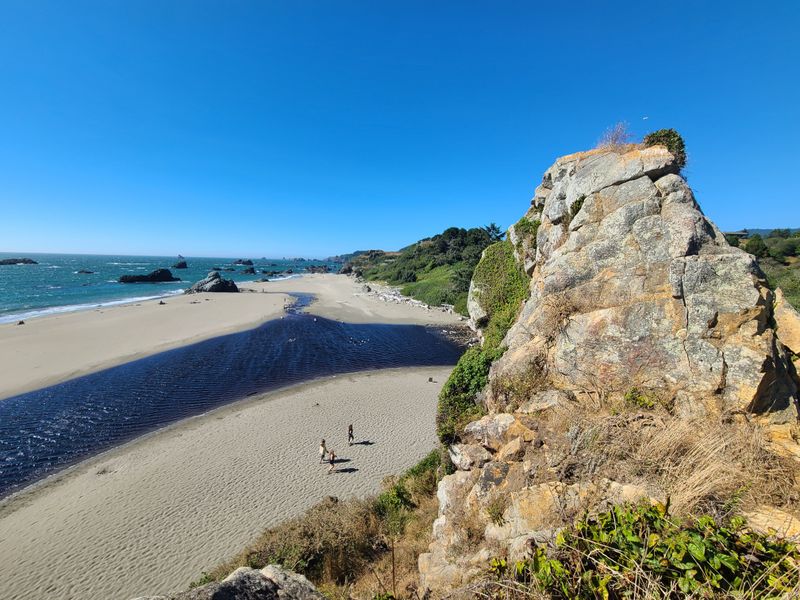
Drive through Brookings and you’ll notice how closely the forest presses against residential streets, how quickly pavement gives way to wilderness.
The Chetco River cuts through town on its way to the sea, its banks still largely undeveloped and accessible to anyone wanting to fish or simply sit and watch the current.
Zoning here has favored preservation over profit, preventing the kind of sprawling development that has consumed other coastal areas.
Even the newer neighborhoods maintain breathing room, with lots large enough to accommodate towering Douglas firs and native shrubs.
Wildlife sightings are common—deer wander through yards, elk appear on hillsides, and gray whales pass offshore during migration seasons.
The town website, brookings.or.us, emphasizes outdoor recreation over commercial attractions, a telling priority.
Building codes require setbacks from waterways, and much of the surrounding land remains protected within national forest boundaries.
Nature isn’t an amenity here; it’s the foundation upon which everything else rests.
Why Brookings Feels Frozen In Time Compared To Other Coast Towns
While Cannon Beach installed parking meters and Seaside built arcades, Brookings simply continued existing as it always had, neither courting nor resisting change with much energy.
Its population of 6,744 hasn’t exploded the way other coastal communities have, keeping infrastructure modest and ambitions realistic.
The lumber industry that founded the town in 1908 under John E. Brookings has faded, but no aggressive replacement economy has taken over.
Fishing remains important but small-scale, tourism exists but doesn’t dominate, and retirees arrive but don’t transform the culture.
This lack of dramatic economic shift has preserved a consistency that feels increasingly rare.
Buildings age gracefully rather than being torn down for redevelopment, and family businesses pass between generations instead of selling to corporations.
The result is a town that resembles its former self more than most places can claim.
Brookings hasn’t frozen in time intentionally—it simply never saw compelling reason to thaw.