
The Small Arizona Town That Feels Like Travelling Back In Time
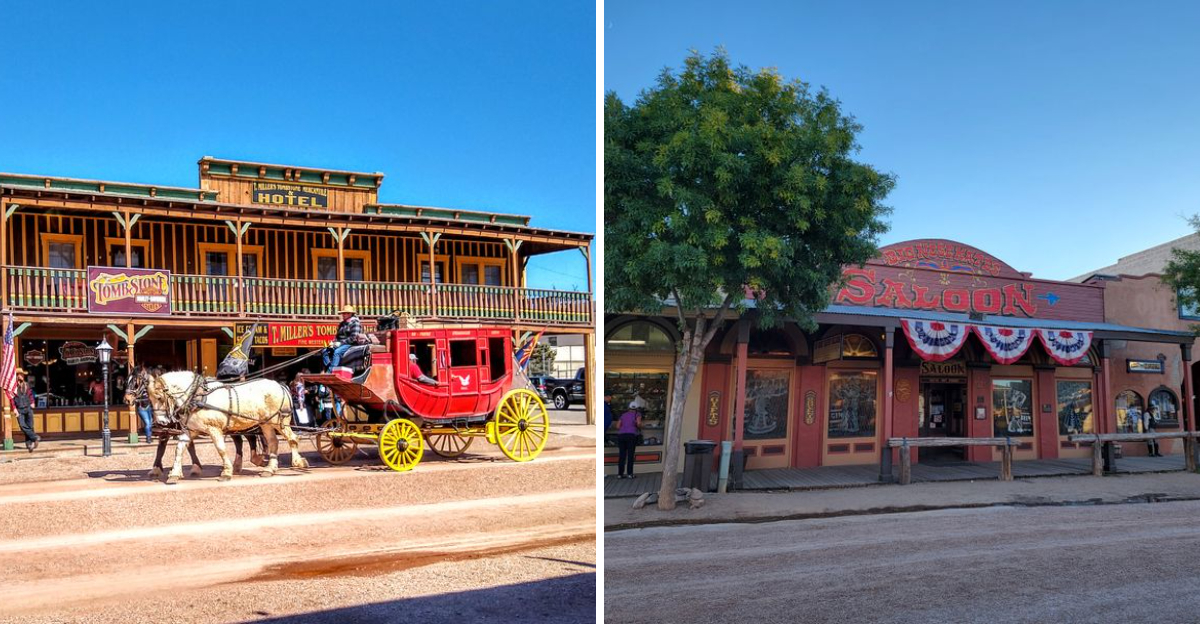
Tombstone, Arizona stands frozen in the 1880s, where wooden boardwalks creak underfoot and saloon doors still swing open to reveal rooms that look much as they did during the silver rush. This small desert town refuses to let go of its Wild West past, preserving buildings, stories, and traditions that transport visitors back more than a century.
Walking down Allen Street feels like stepping onto a movie set, except everything here is real, from the bullet holes in old walls to the graves of actual outlaws. Few places in America offer such an authentic glimpse into frontier life, making Tombstone a remarkable destination for anyone curious about how the West was actually won and lost.
Founded During The Silver Mining Boom
Prospector Ed Schieffelin discovered silver in these hills in 1877, and within months a tent city exploded across the desert. Soldiers had warned him that all he would find in Apache territory was his tombstone, so when he struck ore, he named his claim accordingly.
The irony proved profitable beyond imagination.
By 1881, the population had swelled past 7,000 souls, all chasing fortunes in the mines beneath their feet. More than forty million dollars worth of silver came out of the ground during the boom years.
Saloons, theaters, and mercantile establishments sprang up faster than carpenters could hammer boards together.
The town incorporated in 1881, right at the peak of its prosperity and chaos. Fires swept through twice, destroying whole blocks, but residents rebuilt with determination each time.
When the mines flooded in the 1880s and silver prices dropped, Tombstone refused to become just another ghost town, holding onto its history instead of abandoning it to the wind.
The Famous Gunfight At The O.K. Corral Shaped The Town’s Reputation
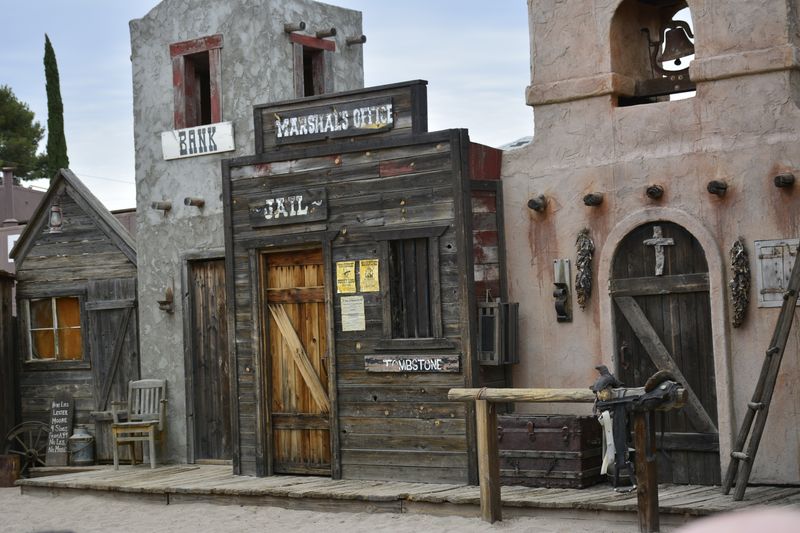
Thirty seconds of gunfire on October 26, 1881, turned a local dispute into American legend. Wyatt Earp, his brothers Virgil and Morgan, along with Doc Holliday, faced off against the Clanton and McLaury brothers in a vacant lot near the O.K.
Corral. Three men died, and the story has been retold in countless films and books ever since.
The gunfight actually happened in a narrow space between buildings on Fremont Street, not inside the corral itself. Witnesses gave conflicting accounts, and arguments still rage about who fired first and whether the lawmen acted properly.
The legal aftermath dragged on for months, with murder charges filed and eventually dismissed.
Visiting the actual site today reveals how close the combatants stood to each other during those fatal moments. Life-sized figures mark the positions where each man stood.
The O.K.
Corral has become Tombstone’s most recognized landmark, drawing visitors who want to stand where history turned violent on that autumn afternoon.
Allen Street Preserves Tombstone’s Historic Western Streetscape
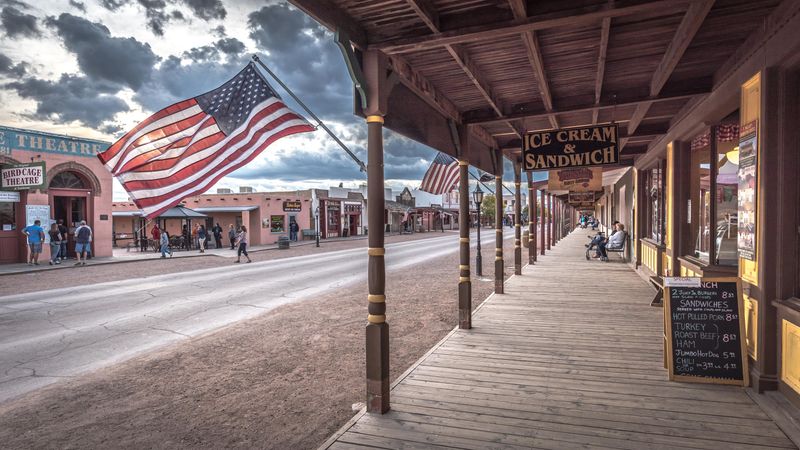
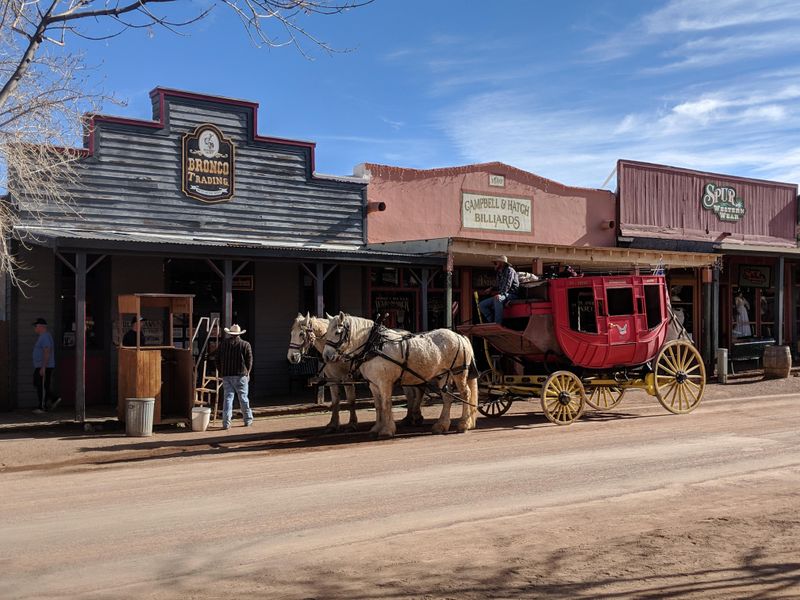
Allen Street runs through the heart of Tombstone, lined with buildings that have stood since the silver boom days. Wooden boardwalks still front the businesses, raised above the dusty street just as they were when miners and cowboys walked these same planks.
Original facades remain intact, complete with painted signs advertising goods and services from another century.
The National Park Service designated much of Tombstone as a National Historic Landmark, which helped protect these structures from modern alterations. Building owners maintain the period appearance, keeping the streetscape remarkably consistent with old photographs.
Even the street itself remains unpaved in sections, adding to the frontier atmosphere.
Strolling down Allen Street requires no imagination to picture how it looked during the 1880s. The scale feels intimate, with two-story buildings creating a human-sized environment rather than the towering structures of modern cities.
Shops, museums, and restaurants occupy the historic spaces, allowing commerce to continue while preserving architectural heritage for future generations to experience and appreciate.
Historic Saloons Celebrate The Town’s Frontier Heritage
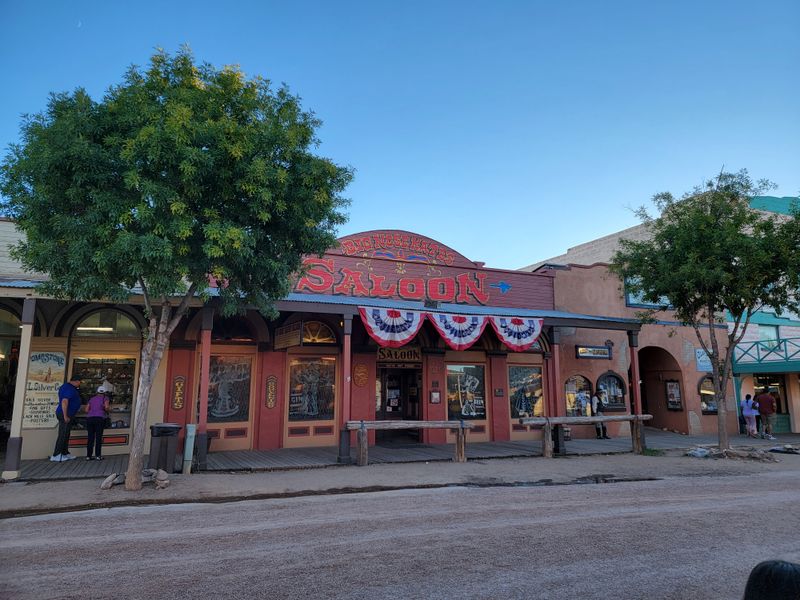
Big Nose Kate’s Saloon operates in the building that once housed the Grand Hotel, where Wyatt Earp and his family stayed during their time in Tombstone. The bar itself dates back to the frontier era, with worn wood and brass fixtures that have served countless drinks over fourteen decades.
Stepping inside feels like entering a time capsule where the past remains very much alive.
Crystal Palace Saloon opened in 1879 and continues pouring drinks today, making it one of the longest continuously operating bars in Arizona. The ornate back bar, mirrors, and pressed tin ceiling create an atmosphere of frontier elegance.
Live music often fills the space, just as it did when miners came to spend their silver on whiskey and entertainment.
These establishments do more than serve alcohol. They function as living museums where visitors can sit in the same spaces where Doc Holliday played cards and arguments escalated into the conflicts that defined Tombstone’s violent reputation during its wildest years.
Daily Gunfight Reenactments Bring The Old West To Life
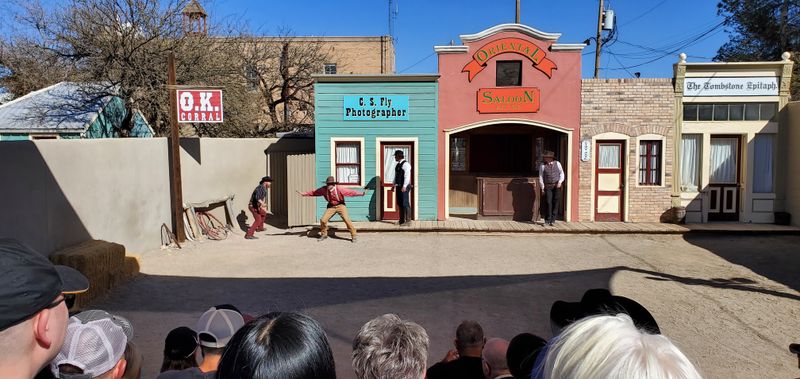
Professional actors in period clothing stage gunfights multiple times daily on the streets of Tombstone, recreating the violence that once erupted regularly in this frontier town. The performances blend historical facts with theatrical entertainment, giving audiences a sense of how quickly disputes escalated to gunfire in an era when most men carried weapons and law enforcement remained inconsistent at best.
The most famous reenactment recreates the O.K. Corral shootout, with actors portraying the Earps, Doc Holliday, and the Clantons.
Blank cartridges provide authentic sound effects, and the choreography follows historical accounts of who stood where and how the action unfolded. Performers explain the context before each show, helping visitors understand the tensions that led to the confrontation.
Beyond the famous gunfight, other skits depict different aspects of frontier justice and conflict. Street theater has become part of Tombstone’s identity, blurring the line between past and present in ways that make history accessible and memorable for visitors who might otherwise find dusty facts less engaging than living performance.
Boothill Graveyard Tells Stories Of The Frontier Past
Boothill Cemetery sits on a rocky slope overlooking Tombstone, filled with the graves of those who died violently or unexpectedly during the town’s roughest years. The name comes from the frontier expression for those who died with their boots on, usually meaning they were shot or hanged rather than passing peacefully in bed.
More than 250 people rest here, though many graves remain unmarked.
The headstones tell compressed stories of frontier tragedy and dark humor. One marker reads simply: “Hanged by Mistake.” Another commemorates a man “Shot by Curly Bill,” while others note deaths from gunfights, hangings, and mining accidents.
The epitaphs provide glimpses into lives cut short by the violence and hardship of frontier existence.
Walking among the graves offers sobering perspective on how dangerous life was in Tombstone during the 1880s. The cemetery closed in 1884 when the town established a new burial ground.
Today, Boothill stands preserved as a historical site, its weathered markers serving as permanent testimony to the human cost of taming the West.
The Bird Cage Theatre Preserves Gambling And Entertainment History
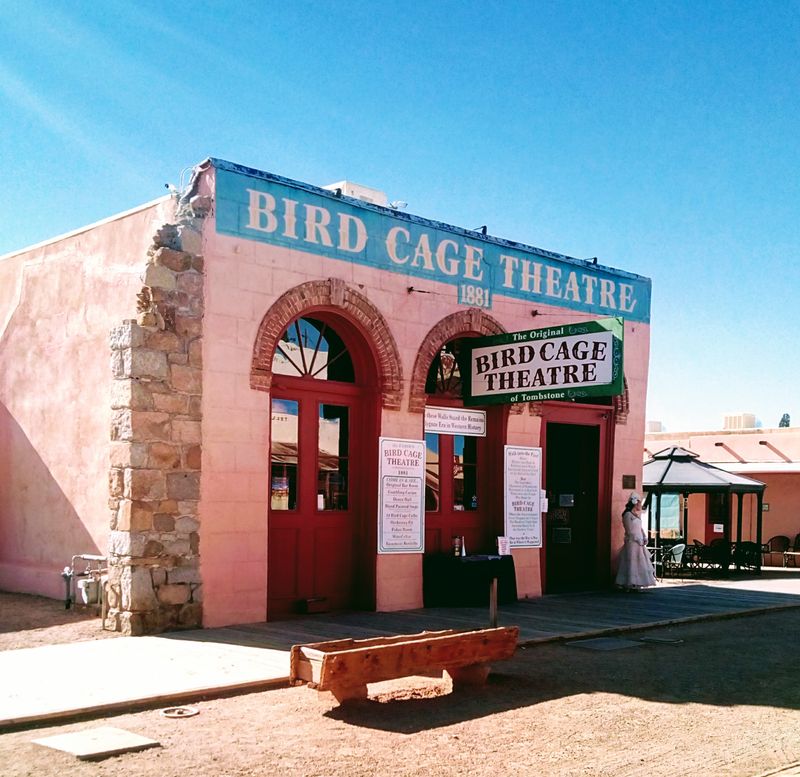
The Bird Cage Theatre opened in 1881 and quickly earned a reputation as one of the wildest entertainment venues in the West. The name came from fourteen small boxes suspended from the ceiling where ladies of negotiable virtue entertained customers while shows played on the stage below.
The New York Times once called it the roughest honky-tonk between Basin Street and the Barbary Coast.
Gambling ran continuously for eight years, with poker tables operating twenty-four hours daily without closing once during that entire period. Bullet holes still mark the walls and ceiling, evidence of the 140 gunfights reportedly fought inside the building.
The basement held private gambling rooms where high-stakes games attracted professional gamblers from across the territory.
Today, the Bird Cage operates as a museum, preserved exactly as it looked when it finally closed in 1889. Original furnishings, costumes, and equipment remain in place, creating an authentic snapshot of frontier entertainment.
Visitors can see the stage where performers sang, the bar where arguments started, and the boxes where business transactions of various sorts took place.
Museums Protect Stories From Arizona’s Territorial Era
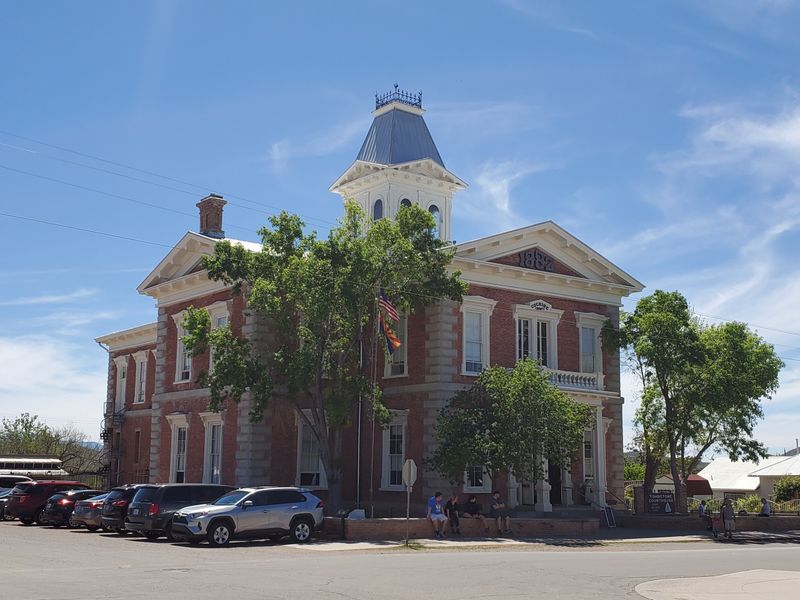
Tombstone Courthouse State Historic Park occupies the original 1882 county courthouse, a two-story brick building that served as the center of law and order during the territorial period. The building now houses exhibits covering Tombstone’s history, mining operations, and the legal proceedings that followed the O.K.
Corral gunfight. A restored courtroom shows where justice was administered, while the gallows in the courtyard demonstrates how sentences were carried out.
The Tombstone Epitaph Museum preserves the offices and printing equipment of the newspaper founded in 1880, which still publishes today. Original typesetting equipment and printing presses show how frontier journalism operated.
Copies of historic front pages document major events, including the famous gunfight and subsequent trials.
Several smaller museums throughout town focus on specific aspects of frontier life, from mining techniques to domestic arrangements. Collections include authentic artifacts rather than reproductions, giving visitors direct connection to the objects people actually used.
These institutions work together to tell a comprehensive story of how Tombstone functioned as a community beyond just its violent reputation.
Preservation Efforts Maintain The Town’s Western Character
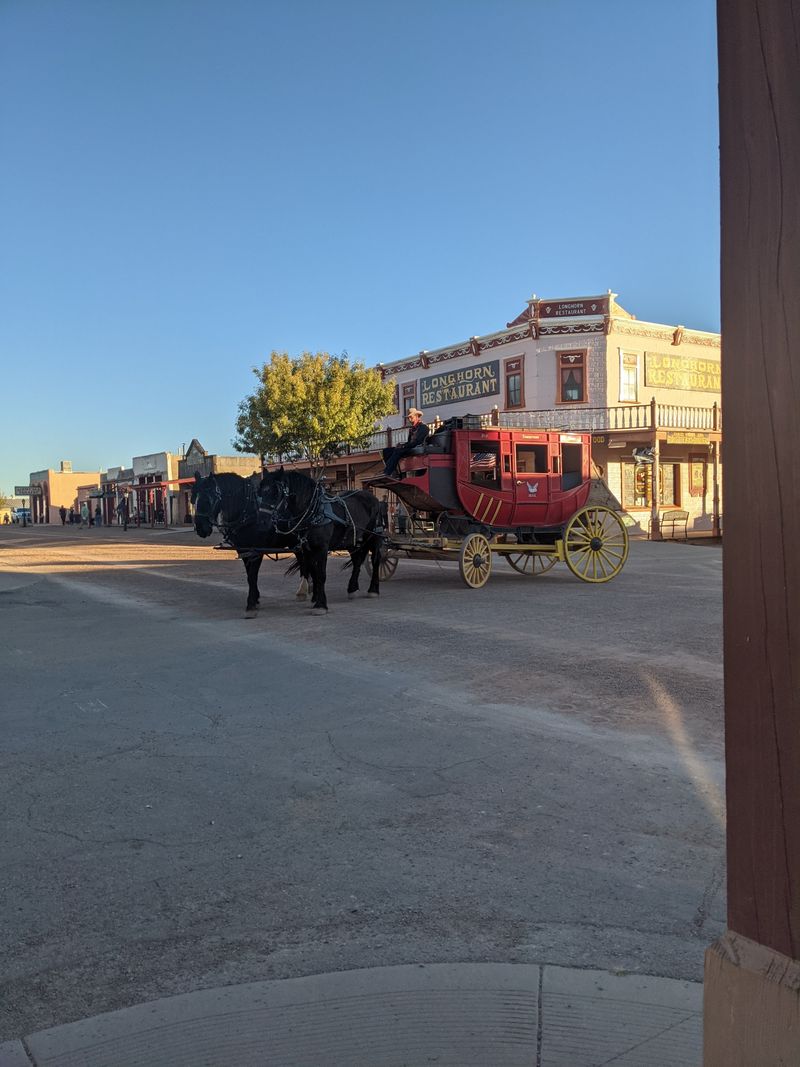
Tombstone has resisted the temptation to modernize, choosing instead to maintain its 1880s appearance through strict preservation standards. Local ordinances require building owners to keep historic facades intact and prohibit alterations that would compromise the period streetscape.
Even new construction must conform to frontier architectural styles, ensuring visual consistency throughout the historic district.
Restoration projects focus on stabilizing original structures rather than replacing them with replicas. Craftspeople use period-appropriate materials and techniques when repairing damaged buildings.
The goal remains preservation rather than reconstruction, maintaining as much original fabric as possible while ensuring structures remain safe and functional.
The community understands that Tombstone’s authenticity attracts visitors far more effectively than a theme park recreation would. Residents accept the limitations that come with living in a historic district because they recognize the economic and cultural value of maintaining genuine connections to the past.
This commitment has kept Tombstone from becoming either a ghost town or a sanitized tourist trap, allowing it to exist as a living community that honors its history.
Continues To Attract Visitors Seeking A True Old West Experience
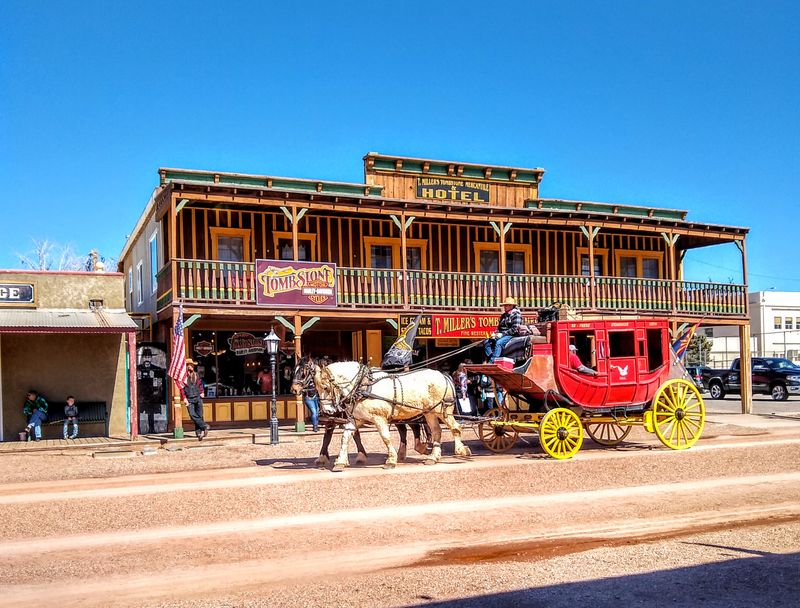
Tombstone draws approximately 400,000 visitors annually, all seeking authentic encounters with the Old West rather than manufactured theme park experiences. The town offers something increasingly rare in modern America: genuine historical environments where the past remains visible and tangible.
Tourists walk the same streets, enter the same buildings, and see the same vistas that existed during the silver boom.
The appeal crosses generational lines, attracting history enthusiasts, families, and international travelers curious about American frontier heritage. Special events throughout the year, including Helldorado Days and Wyatt Earp Days, celebrate Tombstone’s history with parades, costume contests, and expanded reenactments.
These festivals create opportunities for deeper engagement with the period beyond standard tourism.
Located in southeastern Arizona near the Mexican border, Tombstone sits approximately seventy miles from Tucson, making it accessible for day trips while feeling remote enough to maintain its frontier character. The town proves that preservation and tourism can coexist successfully when a community commits to authenticity over commercialization, offering visitors genuine connections to American history.