
The Small Massachusetts Hill Town That Feels Like A Step Back In Time
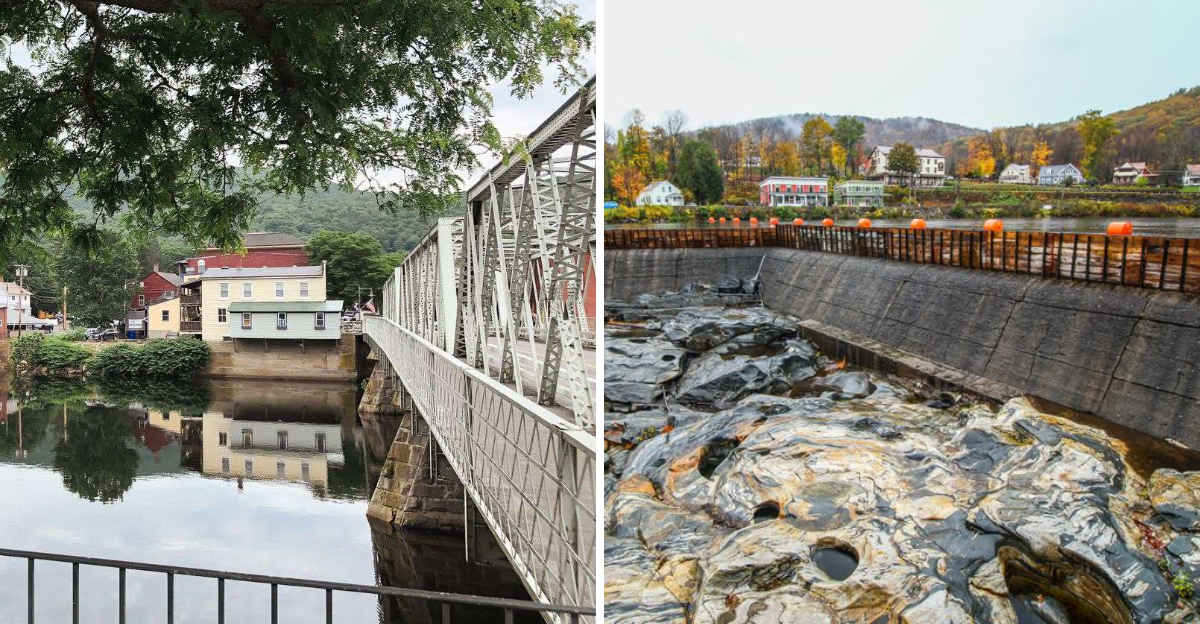
Shelburne Falls rests quietly along the Deerfield River in Franklin County, Massachusetts, where two towns meet and a past era lingers in the air.
Walking its streets feels like stepping onto a postcard from another century, complete with iron bridges, hand-painted storefronts, and glacial potholes carved by ancient waters.
The village has preserved its character without pretense, offering visitors a chance to slow down and rediscover the unhurried rhythm of small-town New England.
One Village Shared By Two Towns: Shelburne And Buckland
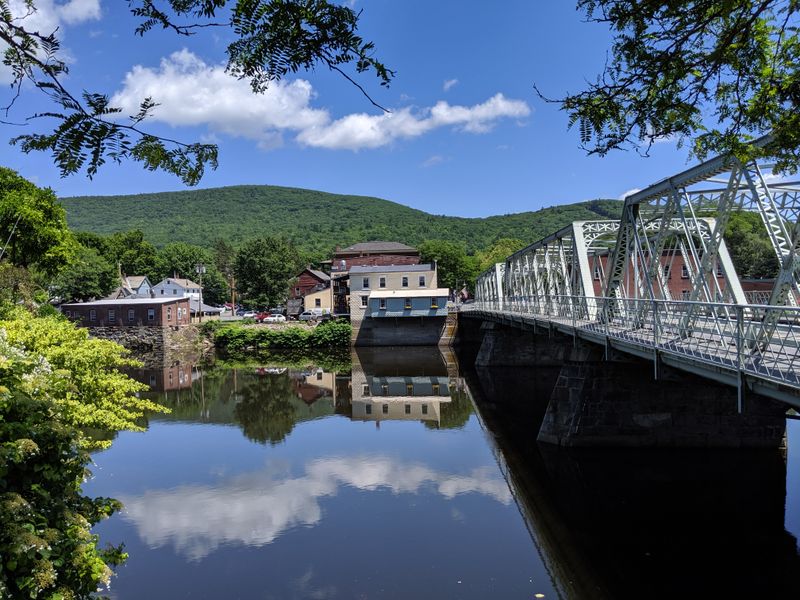
Few villages in New England can claim such an unusual civic arrangement.
Shelburne Falls exists as a single community split down the middle by municipal boundaries, with Shelburne on one side and Buckland on the other.
Residents vote in different town meetings and pay taxes to separate treasuries, yet share the same post office, fire department, and sense of place.
This quirk of geography and governance dates back centuries and adds a layer of peculiar charm to everyday life.
Visitors rarely notice the dividing line, but locals know it well and wear the duality with quiet pride.
The Deerfield River Splits The Village, Powering Its Scenic, Storybook Setting
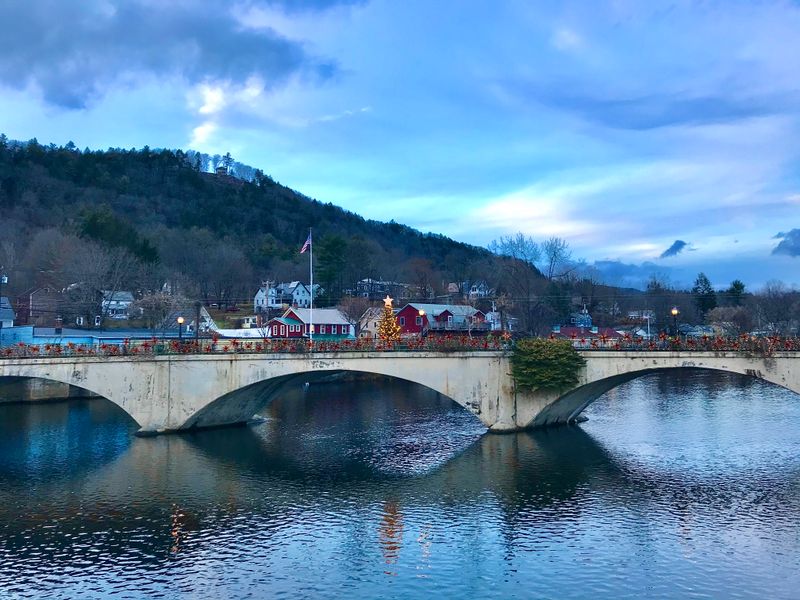
Water has always been the lifeblood of Shelburne Falls, and the Deerfield River cuts through the center with purpose and beauty.
Its swift current once turned mill wheels and powered the local economy, shaping the village layout and daily routines.
Today, the river serves as a natural gathering place, offering views that shift with the seasons and a soundtrack of rushing water that never quite fades.
Anglers wade its shallows, photographers frame its bends, and walkers pause on its bridges to watch the current roll past.
The riverbanks remain largely undeveloped, preserving a sense of wildness within the village limits.
The Bridge Of Flowers Began As A 1908 Trolley Bridge
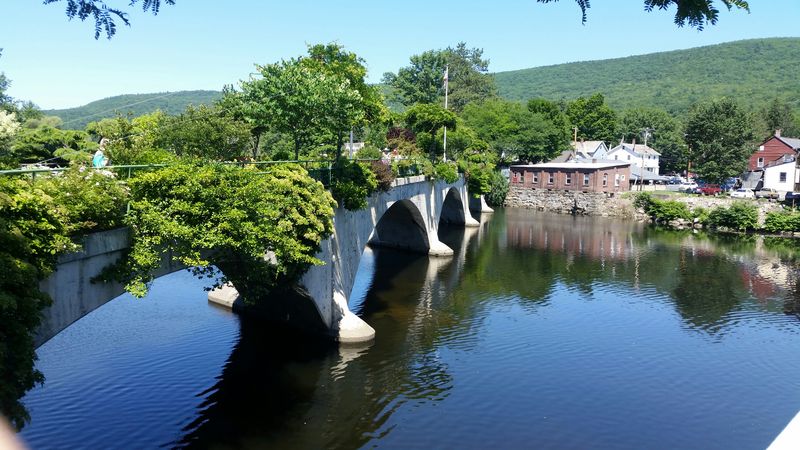
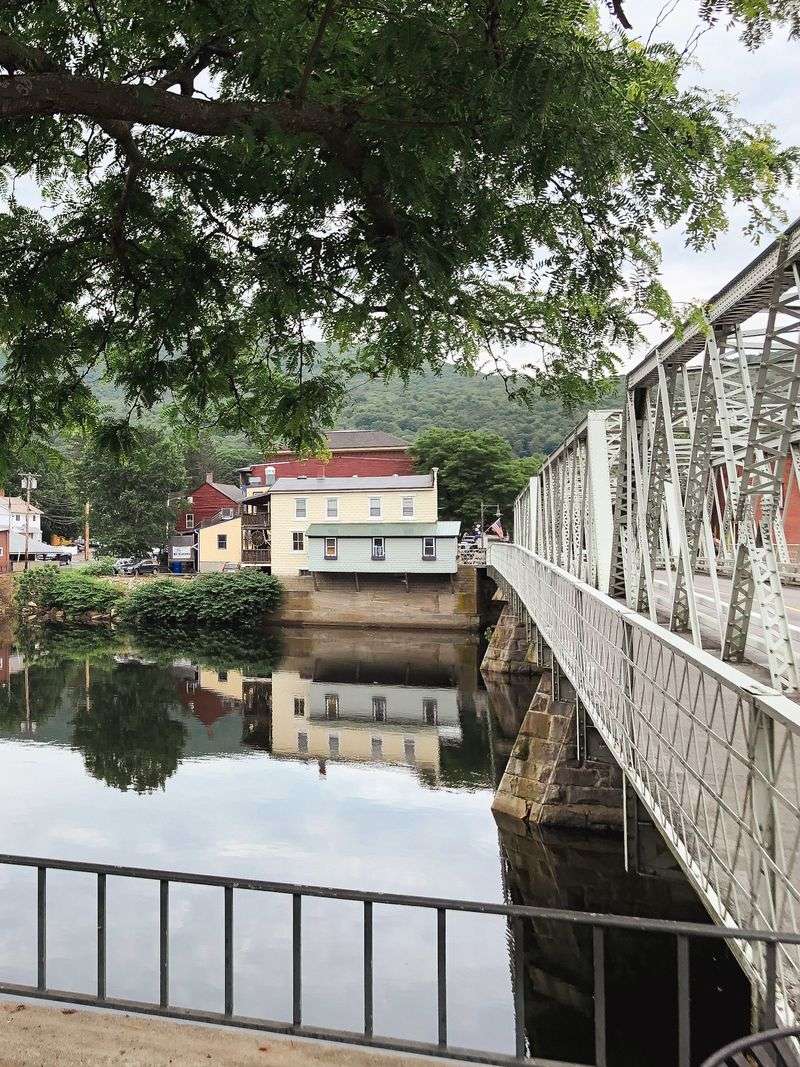
Engineering meets horticulture on this former trolley crossing, where steel and concrete now support petunias instead of passengers.
Built in 1908 to carry electric streetcars between Shelburne and Buckland, the bridge fell silent when trolley service ended in the late 1920s.
Rather than demolish the structure, local women transformed it into a public garden, planting flowers in soil-filled boxes along the span. What began as a beautification project became one of the most photographed landmarks in western Massachusetts.
The bridge stands as proof that infrastructure can have a second life with imagination and community effort.
Glacial Potholes Carve The Riverbed Near Salmon Falls
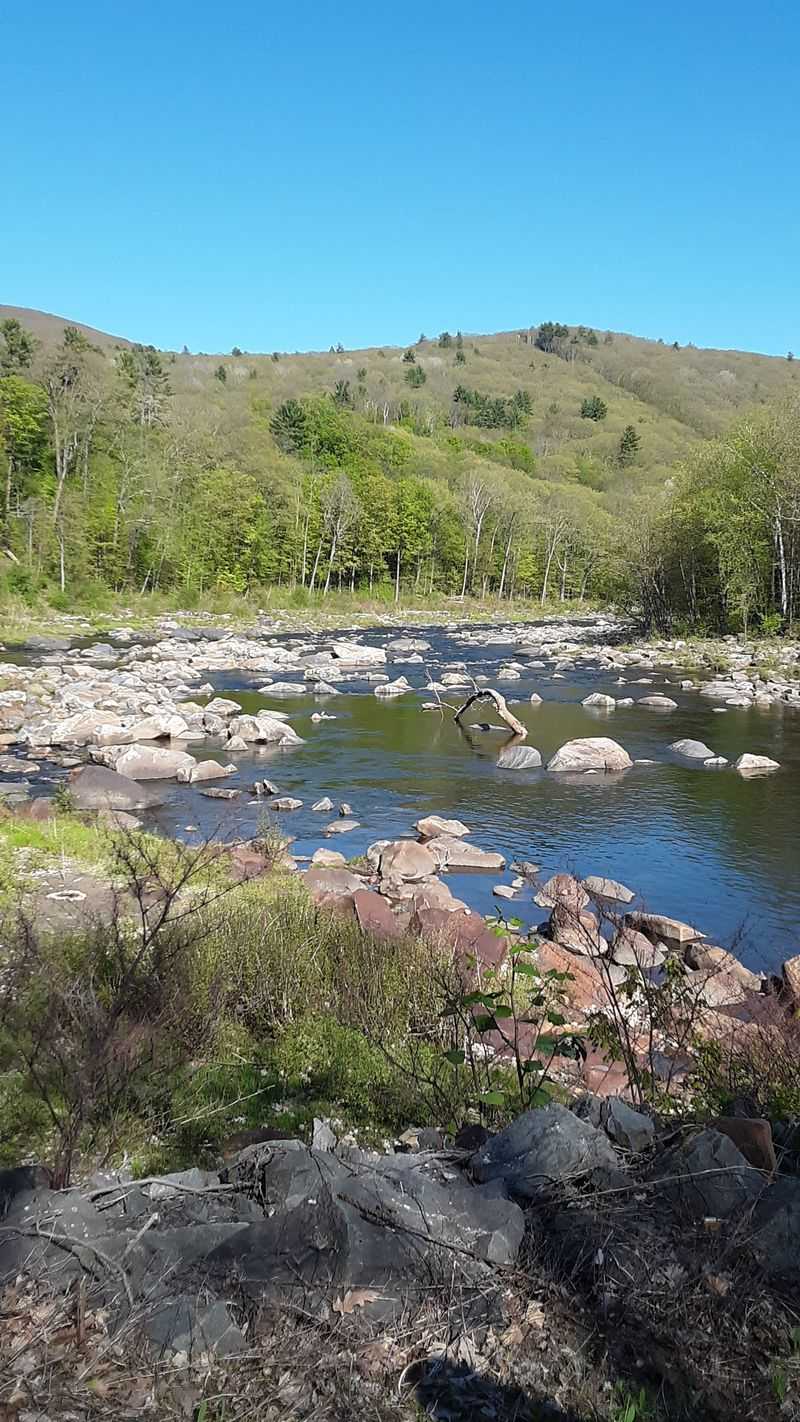
Ancient ice left its signature in the bedrock here, drilling circular cavities into the stone through thousands of years of grinding pressure and meltwater.
These potholes dot the exposed riverbed near Salmon Falls, visible when water levels drop during summer and fall.
Geologists study them as textbook examples of glacial erosion, while visitors simply marvel at their smooth, sculpted forms.
Some are shallow basins; others plunge deep into the rock, their walls polished by centuries of swirling debris.
The site offers a rare chance to walk on bedrock that once lay beneath miles of ice.
More Than 50 Potholes Cluster Here, Including One Recorded At About 39 Feet Across
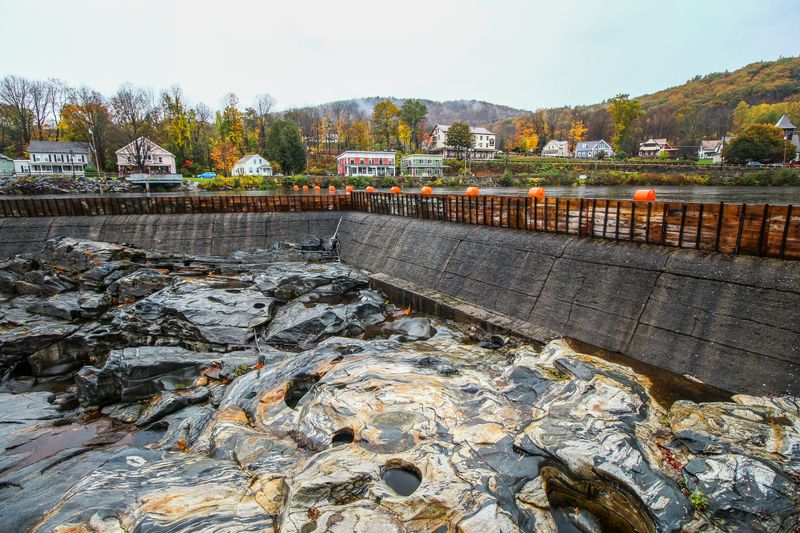
Concentrations this dense are uncommon anywhere in New England, making Shelburne Falls a destination for geology enthusiasts and curious wanderers alike.
Among the dozens visible at low water, one pothole measures roughly 39 feet in diameter, ranking among the largest accessible examples in the region.
Standing at its edge offers a humbling perspective on the power of moving ice and stone.
Smaller potholes surround it like satellites, creating a moonscape of worn basins and smooth channels.
Local guides often lead informal tours during dry months, pointing out features that casual observers might overlook.
The Mohawk Trail Route 2 Brings You In, But The Village Still Feels Old-New-England Quiet
Route 2, known historically as the Mohawk Trail, serves as the main artery into Shelburne Falls, threading through the Berkshire foothills with scenic overlooks and hairpin turns.
Yet once you exit the highway and descend into the village, the traffic noise fades quickly.
Main streets remain narrow and tree-lined, with parking tucked discreetly behind buildings and sidewalks wide enough for unhurried conversation.
The pace shifts noticeably, as if the village itself enforces a speed limit on modern life.
This balance between accessibility and seclusion keeps Shelburne Falls welcoming without feeling overrun.
The Trolley Museum Preserves And Operates Historic Trolley Car No. 10
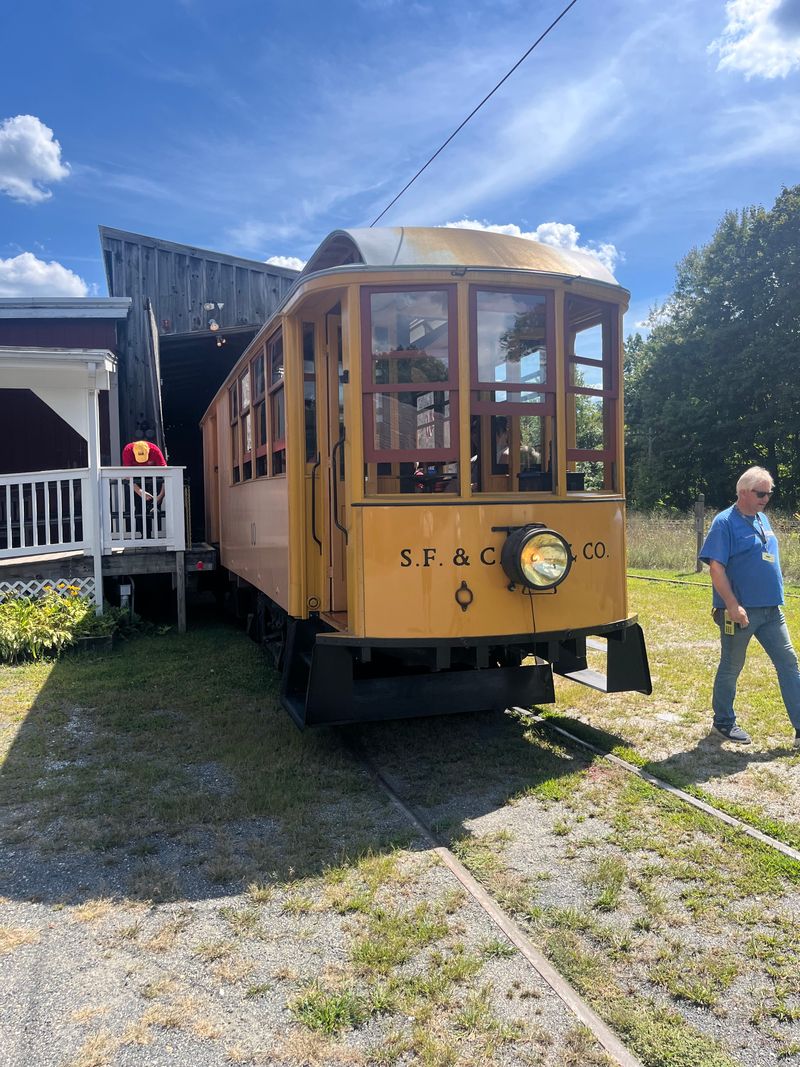
Housed in a restored carhouse along the river, the Shelburne Falls Trolley Museum keeps the memory of electric transit alive through careful restoration and public operation.
Trolley Car No. 10, built in the early 20th century, still runs on a short stretch of track during special events and summer weekends.
Volunteers maintain the machinery, polish the brass fittings, and share stories of when trolleys connected hill towns across Franklin County.
Visitors can climb aboard, feel the wooden seats, and imagine a time when this was the fastest way to travel.
The museum operates on a modest budget but with considerable enthusiasm.
Artists And Artisans Help Keep The Downtown Full Of Handmade Character
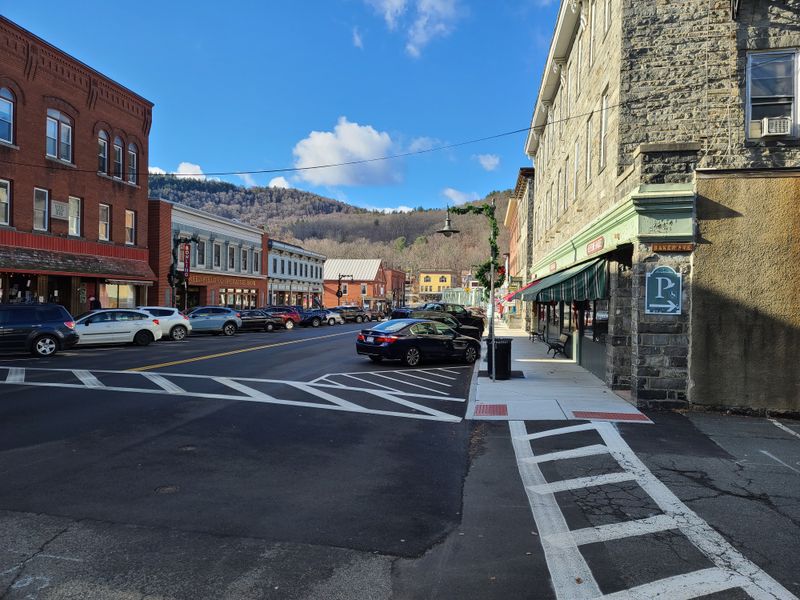
Shelburne Falls has attracted makers and creative types for decades, drawn by affordable studio space and a community that values craft over commerce.
Pottery studios, glassblowers, woodworkers, and fiber artists occupy storefronts and backroom workshops throughout the village.
Many open their doors to visitors, offering demonstrations and selling work directly from their benches.
This concentration of handmade goods gives the downtown a texture that chain stores could never replicate.
First Fridays and seasonal art walks turn the entire village into an informal gallery, with artists greeting customers by name and work displayed in windows lit by Edison bulbs.
Small Shops And Cafés Make Slow Wandering The Main Attraction
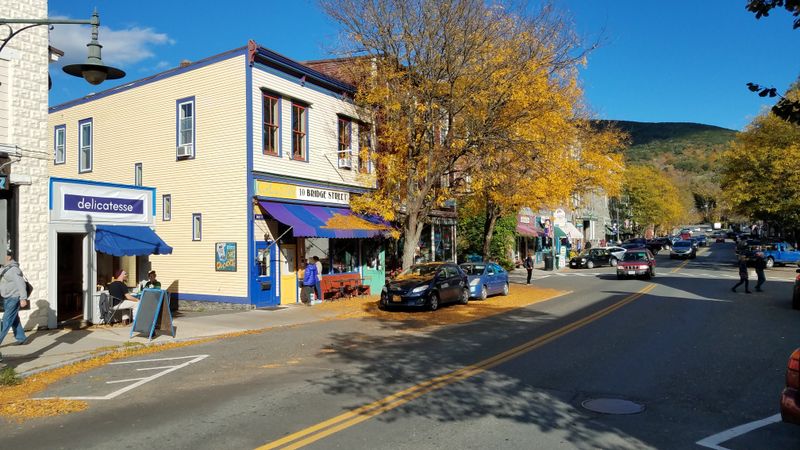
There are no big-box stores here, no franchise restaurants with backlit menus, just independently owned cafés, bookshops, and specialty retailers that reward leisurely browsing.
A morning coffee might stretch into an hour of conversation with the barista, who also plays guitar at the local open mic.
Antique shops yield unexpected finds, from farm tools to first editions, while the general store still stocks penny candy and local honey.
The rhythm of commerce here follows human interaction rather than corporate efficiency.
Wandering without a fixed agenda becomes not just acceptable but encouraged.
River Views And Easy Walkability Turn A Simple Afternoon Into A Full Reset
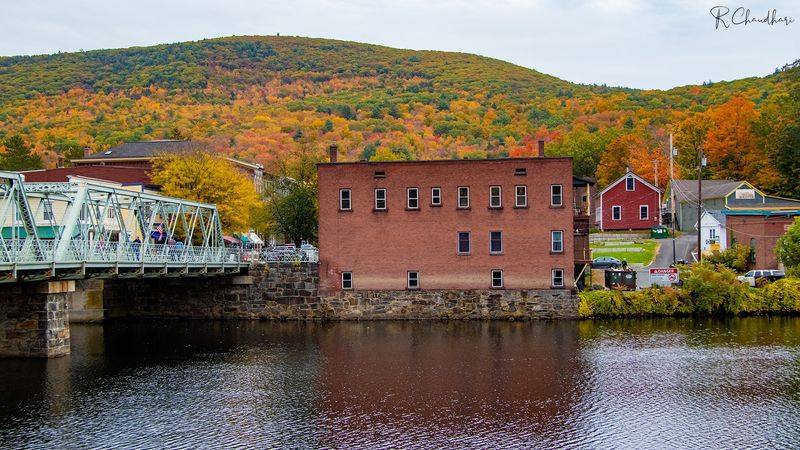
Everything worth seeing in Shelburne Falls lies within a comfortable walking radius, and most paths offer glimpses of moving water or distant hills.
The village layout encourages exploration on foot, with sidewalks connecting landmarks and benches positioned for contemplation.
An afternoon here unfolds at a pace dictated by curiosity rather than schedule, with detours to peer into potholes or linger on the flowered bridge.
The combination of natural beauty and compact design makes lingering feel effortless.
By the time you return to your car, the day’s earlier urgency has usually dissolved into something calmer and more manageable.
A Step Back In Time Feel Comes From Historic Streetscapes, Not Big Developments
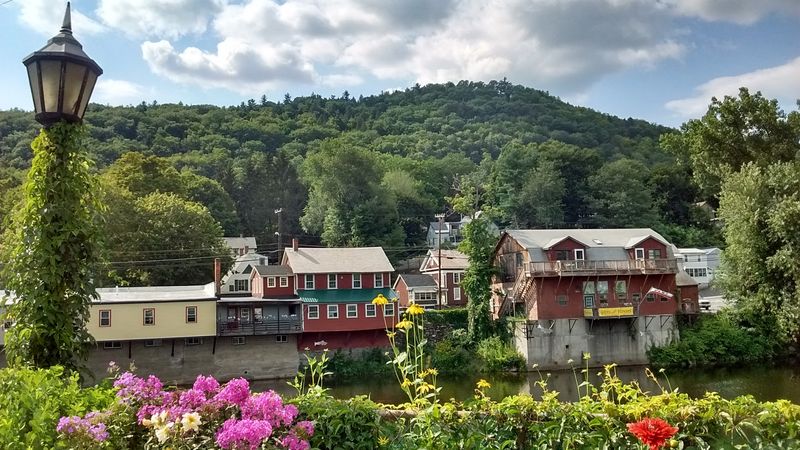
What makes Shelburne Falls feel untouched by modern sprawl is not museum reconstruction but the absence of tear-downs and mega-projects.
Buildings retain their original facades, streets follow their 19th-century routes, and zoning has favored preservation over expansion.
The result is a village that looks much as it did generations ago, not frozen in amber but aging gracefully with repairs and modest updates.
Streetlights remain human-scale, storefronts display hand-painted signs, and parking lots hide behind brick walls.
This continuity creates the sensation of visiting a place that never rushed to catch up with elsewhere.