
The Small Massachusetts Town Where Fall Foliage Arrives Earlier Than Almost Anywhere Else
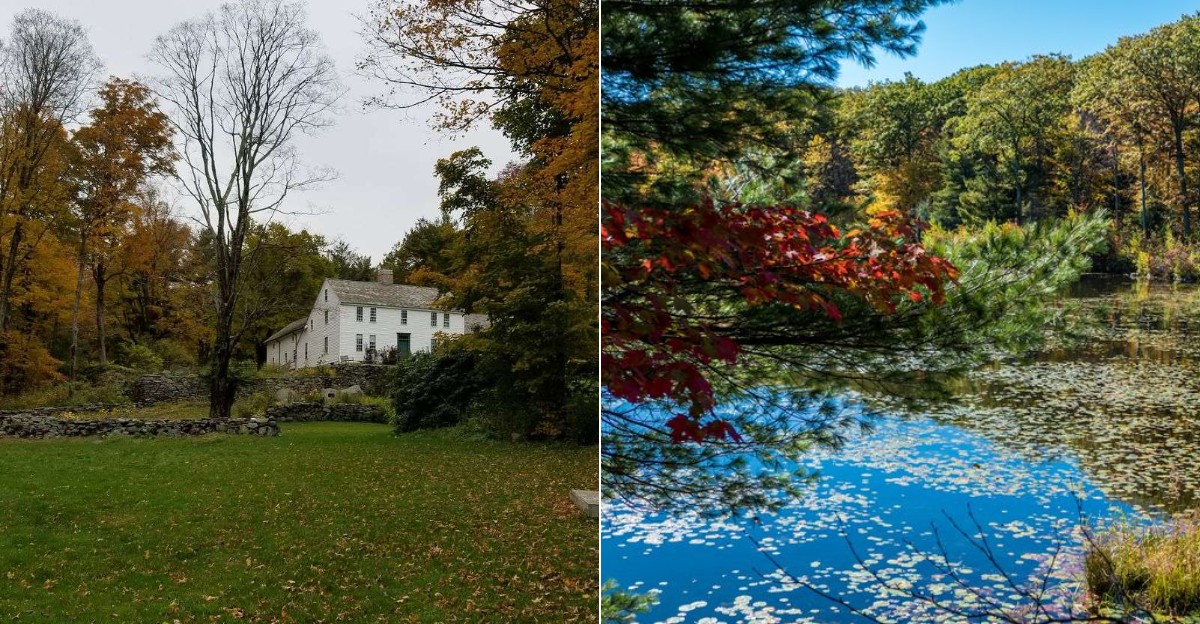
Autumn in Massachusetts has a reputation, and it earns it every single year. But here is something most leaf-peepers never figure out: the color does not show up everywhere at once.
It creeps in from the hills first, painting the high ground while the rest of the state is still stuck in summer green. There is one small pocket of the southern Berkshires that sits high enough, and quiet enough, to catch that first wave of red and gold weeks ahead of the crowds.
Picture a road that curves past a 275-acre lake, a forest that swallows 12,000 acres of hillside, and a general store that has been feeding travelers since the 1780s. No traffic jams.
Just maples that decided to change early and a town that never made a big deal about it.
If you have ever wanted to see peak foliage without elbowing strangers for a photo spot, this corner of Massachusetts is your answer.
Where The Colors Show Up First
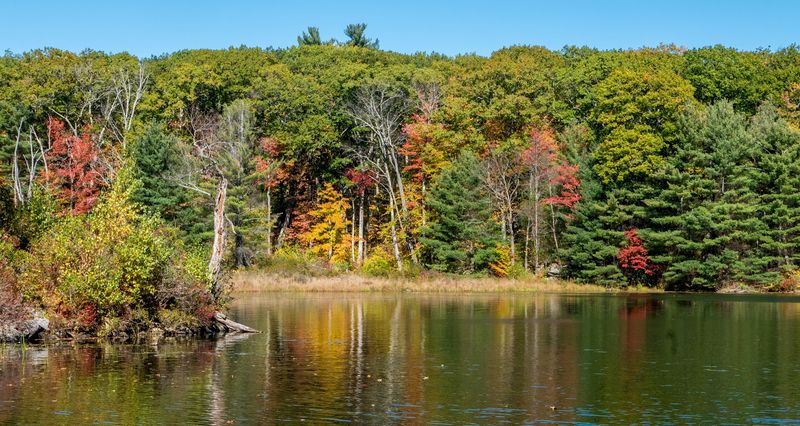
Monterey sits at roughly 1,243 feet above sea level, and that elevation is the whole secret. Cooler air arrives sooner up here, so the trees get the message weeks before the lowlands do.
While much of Massachusetts waits until mid-October for peak color, this southern Berkshire town can be glowing by late September. Red maples and white ash lead the parade, flipping to scarlet and gold while everything below is still stubbornly green.
Weather plays its part too. A warm, wet spring followed by a summer that stays reasonable, then sunny days and cool nights in September, and you get the kind of color people drive hours to see.
Dry summers can push the change even earlier, often producing deeper reds. The trade-off is a shorter show, so timing matters.
The town was settled by Europeans in 1739 and incorporated in 1847, taking its name from a battle in the Mexican-American War. Before that, these were the ancestral lands of the Mohican people.
What makes it special now is how little has changed. Country roads, stone walls, old farmhouses, and hillsides that catch fire with color while the tour buses are still parked somewhere else.
Have you ever arrived somewhere at exactly the right moment, completely by accident? Here, a late-September trip almost guarantees it.
More Than 10,000 Acres
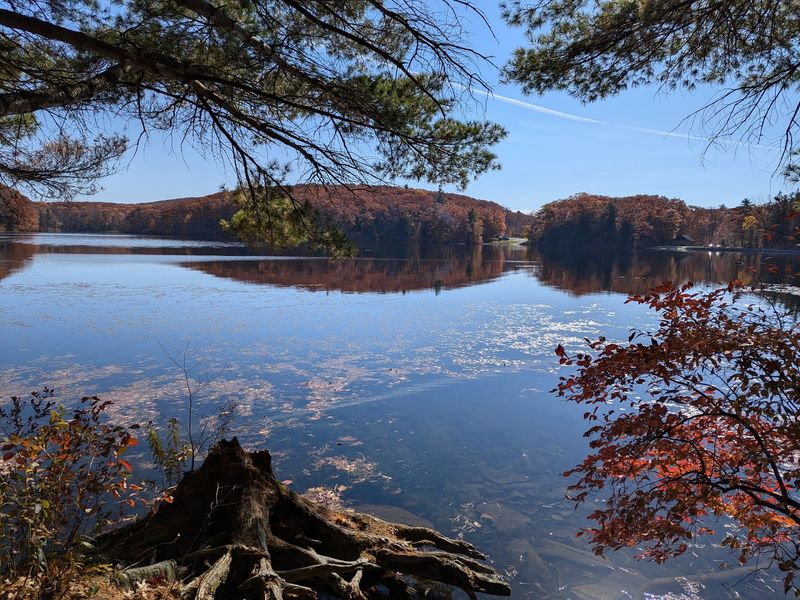
Beartown State Forest spreads across more than 10,000 acres, and walking into it in early October feels like being handed the whole season at once. Trails wind past brooks, beaver ponds, and thick stands of hardwood that turn every shade of amber and crimson.
Wildlife here is genuinely wild. Deer are common, and patient hikers sometimes spot bobcat, fisher, or signs that a bear passed through recently.
A stretch of the Appalachian Trail runs right through the forest, with two shelters up on Mount Wilcox for anyone going the distance. Day hikers get the same views without the backpack.
The terrain mixes easy strolls with climbs that will make your legs remember the day. Wildflowers and flowering shrubs fill the gaps between the big trees, so the ground level stays interesting too.
Mountain bikers use the forest roads. In winter, the same paths turn into cross-country ski and snowmobile routes, which means this place never really closes for the season.
Sturdy shoes are non-negotiable. Trails can be rocky and roots love to surprise people watching the treetops instead of their feet.
Cell service gets patchy fast, so grab a paper map at the entrance or download one before you lose signal.
A Lake That Mirrors Autumn
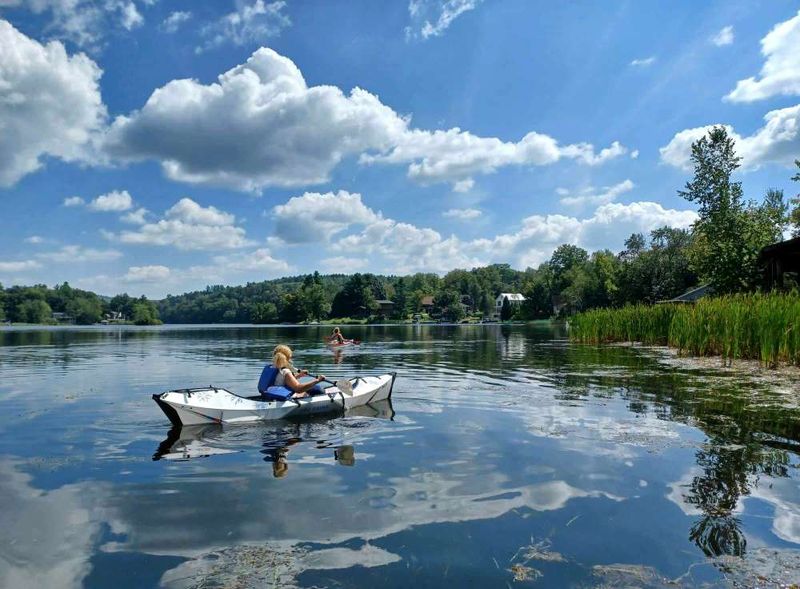
Lake Garfield covers 275 acres and does something remarkable in autumn: it doubles the scenery. On a windless morning the surface goes glassy, and every colored hillside shows up twice.
Hills wrap around the water on nearly every side, which is exactly why the reflections are so good. Photographers who show up at sunrise tend to stay longer than they planned.
Warmer months bring swimmers, kayakers, anglers, and boaters. A town beach and a public boat launch make getting on the water simple, no membership or complicated arrangements needed.
Fall paddling is the underrated move. The water is quiet, the air is crisp, and you get views from an angle almost nobody else bothers with.
When winter conditions cooperate and the ice sets up properly, the lake becomes a skating rink with mountain scenery. Locals watch the forecast closely for those weeks.
Fishing here is a relaxed affair. Bring a chair, a thermos, and low expectations about how fast time will pass.
Bring layers, because a breeze across open water in October cuts sharper than you expect. A hat helps more than you would think.
Amenities are limited, so pack snacks and water before you settle in for the afternoon.
A 1760 Saltbox Still Standing
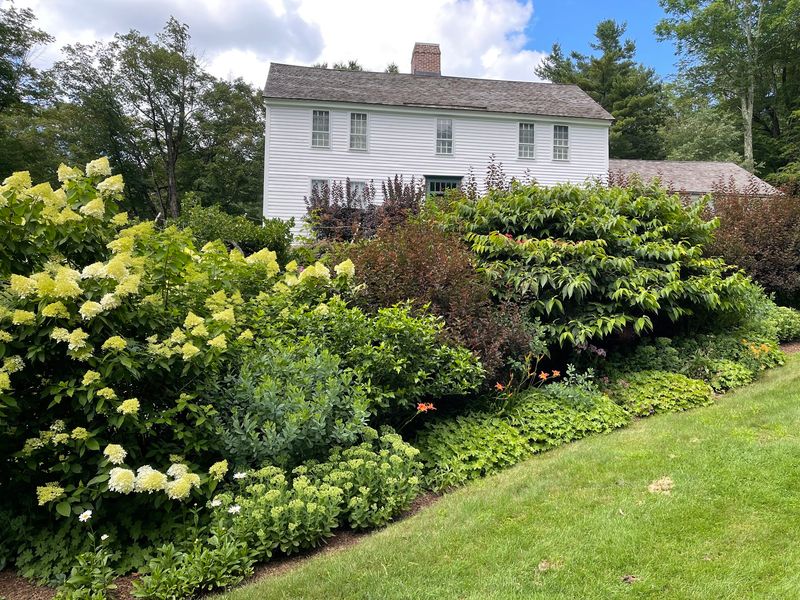
Built around 1760 as a parsonage, the Bidwell House Museum has outlasted almost everything around it. The Georgian saltbox design gives it that steep, sloping back roof colonial New England is famous for.
Inside, the rooms are filled with period antiques and restored with real care. It reads less like a museum and more like a house whose family just stepped out.
The grounds are half the reason to come. Hiking trails loop through fields and woods, past old stone walls that farmers stacked by hand generations ago.
Fall visits hit differently here. Colonial architecture framed by peak foliage is the kind of view that makes people slow down and just look for a while.
Exhibits focus on the heritage of the town and the wider southern Berkshire region, so you leave understanding how these hills were actually settled and worked.
Operating schedules shift with the seasons, so a quick check before you drive out saves disappointment.
Comfortable shoes are smart if you plan to walk the trails after touring the house. The paths are pleasant but uneven in spots.
Give yourself more time than you think you need. Between the interior, the grounds, and the views, an hour disappears quickly.
Snacks, Coffee, Small-Town Warmth
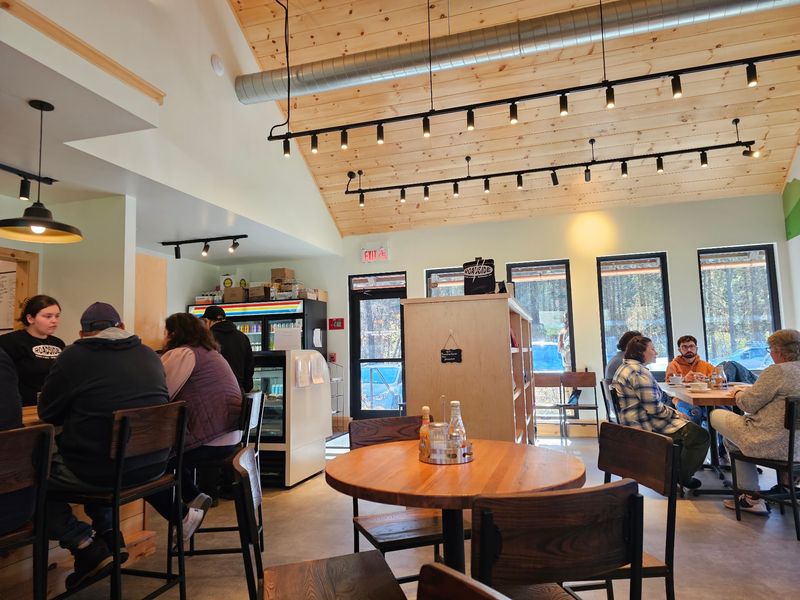
There has been a general store on this spot since 1780, which means people were buying supplies here before the Constitution was written. It still functions the same way, as the place everyone passes through.
Shelves hold locally made foods, fresh baked goods, and the ordinary necessities you forgot to pack. Coffee in hand, you can watch the whole town go by in about ten minutes.
The Roadside Cafe and Store, run by Gould Farm, handles breakfast and lunch with produce grown right nearby. Ordering something made from ingredients harvested a field away is a small thrill.
Both spots are the kind of places where nobody rushes you. Conversations start easily, usually about the weather or how the leaves are coming along.
The town library is worth a stop too. After a big expansion it became a genuine community center, hosting art shows, workshops, talks, performances, and movie nights, plus free Wi-Fi if you need to check the forecast.
Hours can vary by season, so confirm before you plan your morning around a specific breakfast.
Cash is rarely a problem, but small rural businesses appreciate patience during busy foliage weekends.
Grab something to go and eat it lakeside. It is the local move.
Cannons Rolled Through These Hills
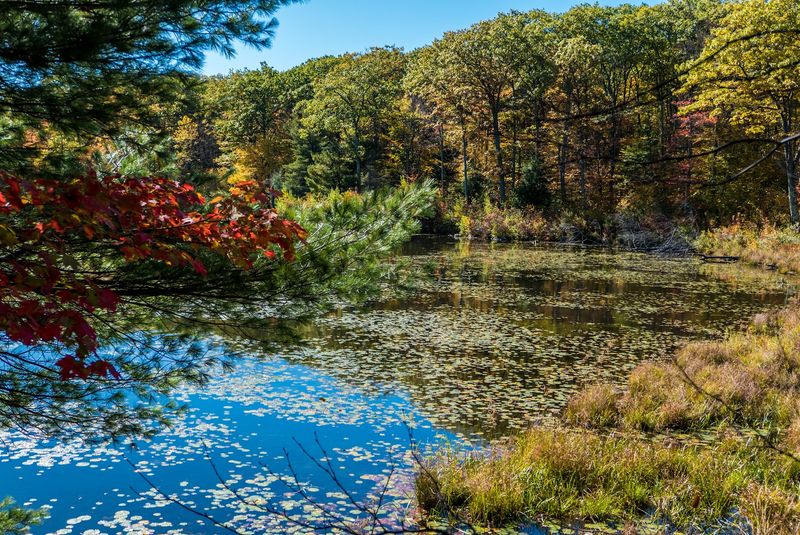
In the winter of 1776, General Henry Knox hauled cannons from Fort Ticonderoga toward Boston, and the route passed straight through this area. Picture ox teams, sledges, snow, and artillery moving across these hills.
The path is now marked as the Henry Knox Trail, and driving parts of it turns an ordinary scenic route into something considerably more interesting.
Settlement began in 1739, when the area was known as Housatonic Township Number One. It stayed part of Tyringham until 1847, when it finally became its own town.
The name honors the Battle of Monterey from the Mexican-American War, which is an unusual origin story for a New England village surrounded by maples.
The local historical society keeps exhibits and archives that fill in the human details, the families, the trades, the everyday struggles of hill farming.
History here is not roped off behind glass. It shows up in cellar holes, stone walls, and old road alignments you can still trace through the woods.
Pair a history stop with a foliage drive and the whole day gains weight. The colors look different when you know who walked underneath them.
Check current exhibit hours in advance, since small-town schedules are seasonal.
Trails, Ponds, And Open Air
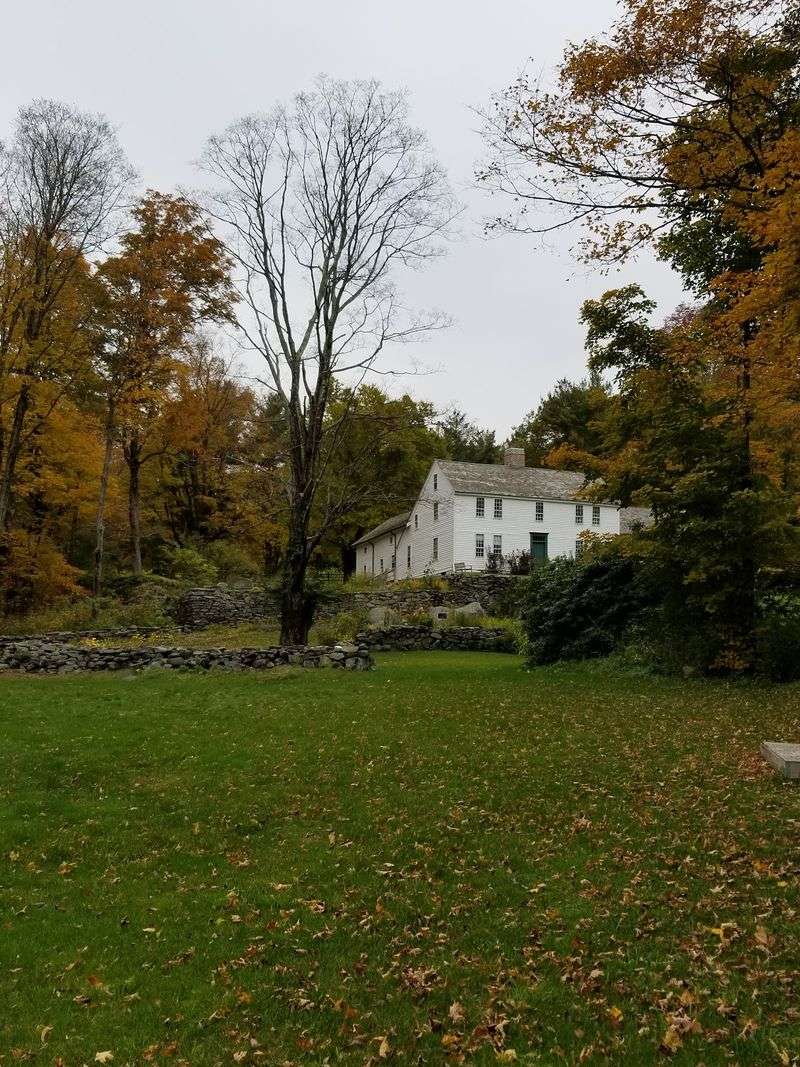
Several miles of the Appalachian Trail cut through town, which quietly makes this a serious hiking destination. Thru-hikers pass by in late summer looking road-worn and cheerful.
Mount Wilcox dominates the northwest corner and anchors much of the high terrain. Climbing it rewards you with layered ridgelines that go blue and hazy in the distance.
The Monterey Land Trust maintains additional preserves with their own trail networks. New paths keep appearing, which is great news for repeat visitors who thought they had seen everything.
Lake Buel is the town’s other Great Pond, and it draws paddlers, anglers, and boaters who want a change of scenery from Lake Garfield.
Autumn is prime time out here, but every season delivers something. Spring brings wildflowers, summer brings swimming, and winter brings snow-covered silence.
Start early on peak foliage weekends. Small trailhead parking areas fill up faster than you would guess in a town of about 1,100 people.
Water, snacks, and a charged phone should always be in the pack. Weather in the Berkshires can turn from mild to raw in under an hour.
Leave the trails cleaner than you found them, since there is no cleanup crew following behind.
Timing Your Trip Just Right
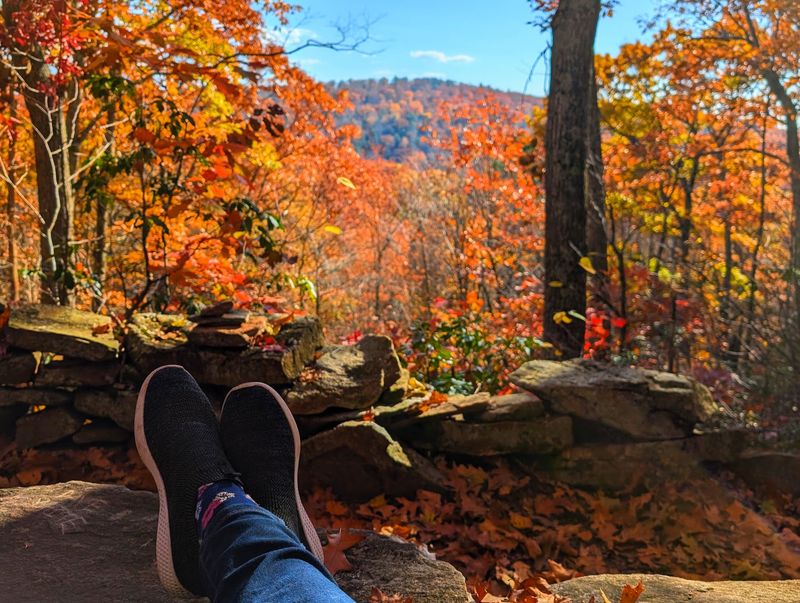
Late September through the first half of October is the sweet spot, and that is earlier than most Massachusetts foliage guides suggest. Elevation moves the calendar forward, so plan accordingly.
Weekdays beat weekends by a wide margin. The roads stay open, the trailheads stay quiet, and you can pull over for photos without a line of cars behind you.
Lodging in the immediate area is limited, so many travelers base themselves in nearby southern Berkshire towns and drive in. The drive itself is part of the reward.
Build flexibility into the schedule. Peak color depends on that year’s weather, and a dry summer can shift everything a week earlier.
Seasonal businesses adjust their hours regularly, so confirm operating schedules directly before you count on a meal or a museum tour.
Fuel up before you arrive. Services are sparse, and the nearest options can be a real drive away.
For supplies, snacks, or a friendly conversation about where the leaves look best that week, stop at the .
Massachusetts has plenty of famous foliage routes, but this one gets going first and stays peaceful throughout.