
The 2,900-Acre State Park In Ohio Most People Don’t Even Know Exists
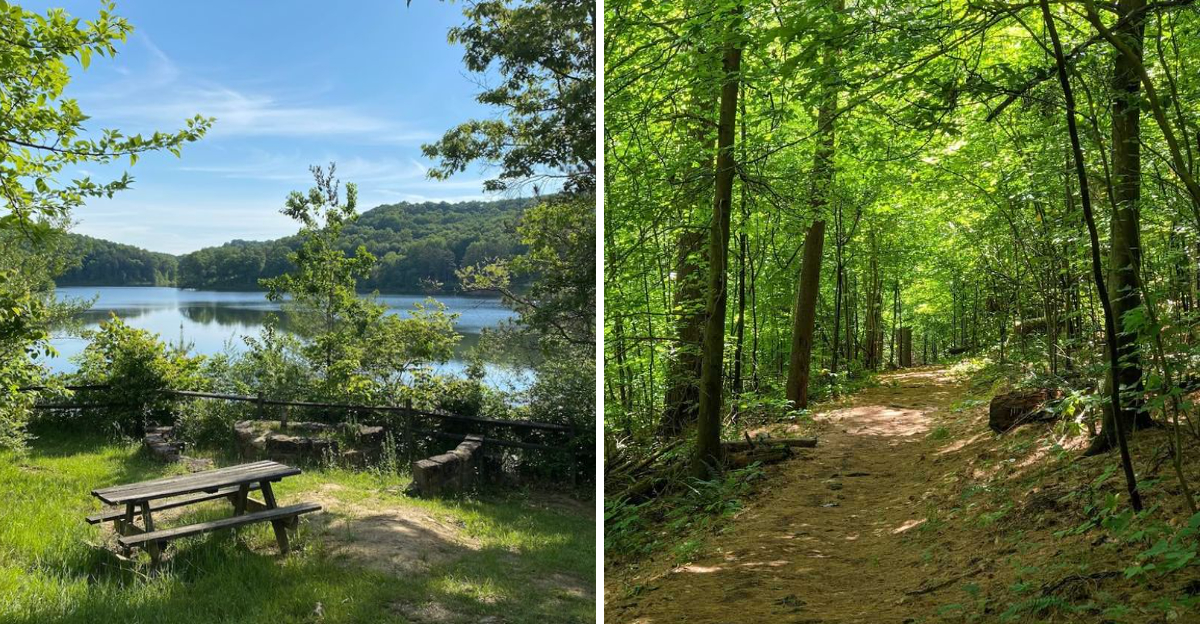
Most Ohioans have never set foot in Lake Hope State Park, and that’s part of its quiet appeal. Spanning nearly three thousand acres of wooded hills near McArthur, this southeastern retreat offers swimming, boating, hiking trails, and overnight stays without the heavy traffic found at better-known parks.
Surrounded by the vast landscape of Zaleski State Forest in Vinton County, the scenery feels expansive and refreshingly undisturbed. First-time visitors often leave asking the same question: how did this much natural beauty stay off their radar for so long?
Nearly 3,000 Acres Tucked Inside Zaleski State Forest
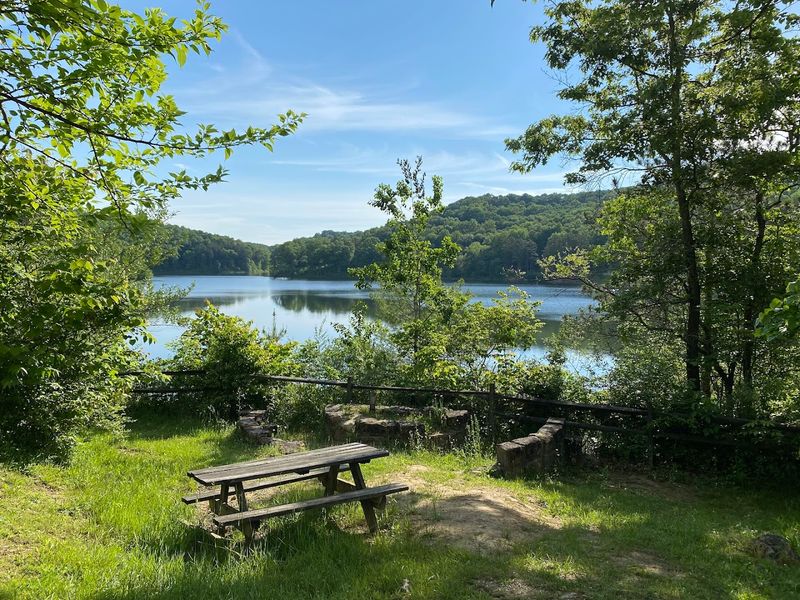
Lake Hope State Park covers approximately 2,900 acres within the larger Zaleski State Forest, creating a protected wilderness that stretches across Vinton County. The surrounding forest adds thousands more acres of unbroken woodland, making this one of the most substantial tracts of public land in southeastern Ohio.
Mature hardwoods dominate the landscape, providing shade and habitat that changes dramatically with the seasons.
The park’s location within the state forest means visitors can explore well beyond the developed areas without encountering roads or buildings. Trails connect the park to the broader forest system, allowing hikers to venture deep into backcountry territory.
The isolation creates an atmosphere that feels genuinely remote, even though Athens lies less than thirty minutes away.
Most Ohio residents drive past this area without realizing what exists just off the main routes. The park’s placement within the forest ensures it remains quiet even during peak summer weekends.
This combination of size and seclusion makes Lake Hope State Park a genuine escape from suburban sprawl and tourist congestion.
A 120-Acre Lake At The Heart Of The Park
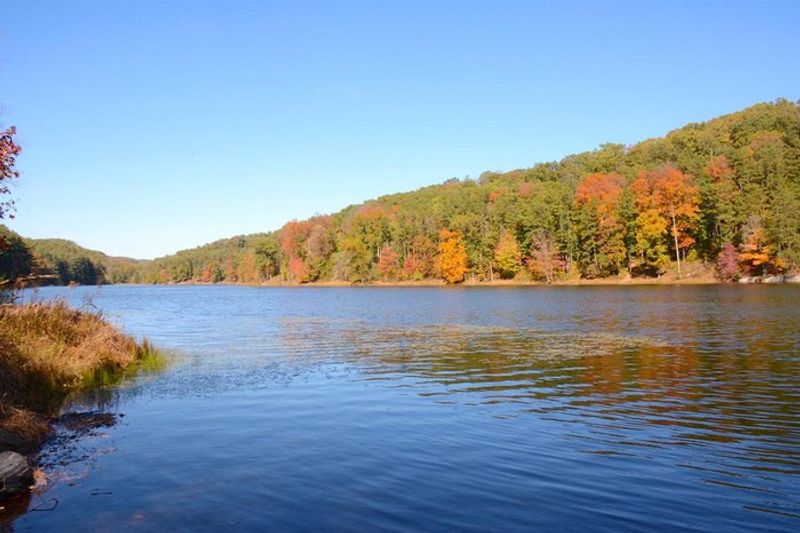
Lake Hope covers approximately 120 acres, though some sources list it closer to 160 acres depending on water levels. The lake sits in a valley surrounded by wooded hills, creating mirror-like reflections that photographers find irresistible.
On weekday mornings, especially in autumn, visitors often have the entire water surface to themselves.
The lake was created by damming a natural valley, resulting in an irregular shoreline with coves and inlets worth exploring. Water depth varies considerably, with shallow areas near the beach and deeper sections suitable for fishing.
Bass populate the lake in impressive numbers, though catching quality-sized fish requires patience and skill.
Swimming is permitted at a designated beach area with sandy entry and clear water during summer months. The beach lacks lifeguards, so parents supervise their own children.
Restroom facilities and parking sit within easy walking distance, making day trips convenient for families who want to spend a few hours by the water without committing to overnight stays.
Peaceful Boating With Electric Motor Restrictions
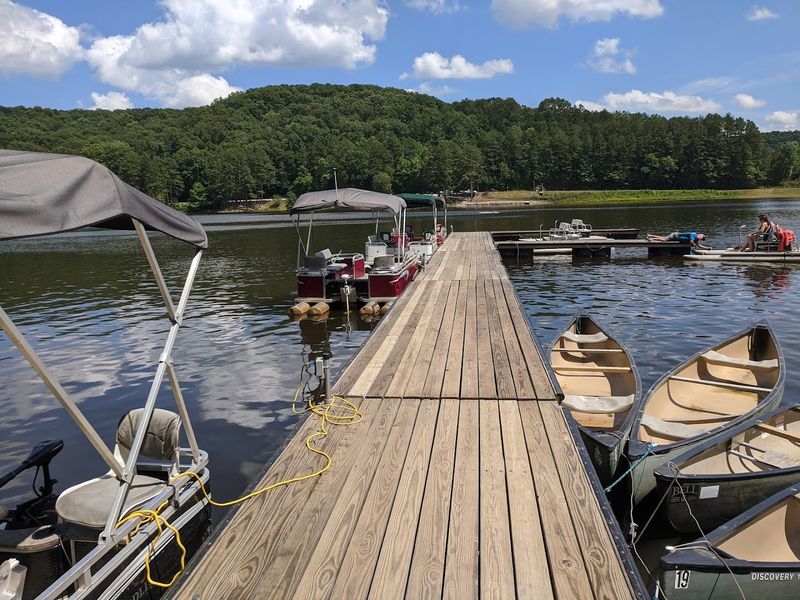
Boating on Lake Hope follows regulations designed to maintain tranquility and protect water quality. Only electric motors are permitted, eliminating the noise and pollution associated with gasoline engines.
This restriction keeps the lake peaceful and ensures that paddlers, anglers, and motorized boaters can coexist without conflict.
The park rents canoes, kayaks, and pontoon boats from a dock accessible by a flight of steps from the parking area. Rentals include life jackets and basic safety equipment.
Visitors with their own watercraft can launch from the same area, provided their motors comply with park regulations.
Fishing from boats produces better results than shore fishing, particularly for bass and bluegill. The lake’s irregular shape creates structure that holds fish throughout the season.
Pontoon boats offer a comfortable platform for families who want to spend several hours on the water without the effort required for paddling. The electric motor restriction means even busy summer days feel relatively quiet compared to lakes where high-speed boats dominate the scene.
Miles Of Scenic Hiking Trails Through Rolling Hills
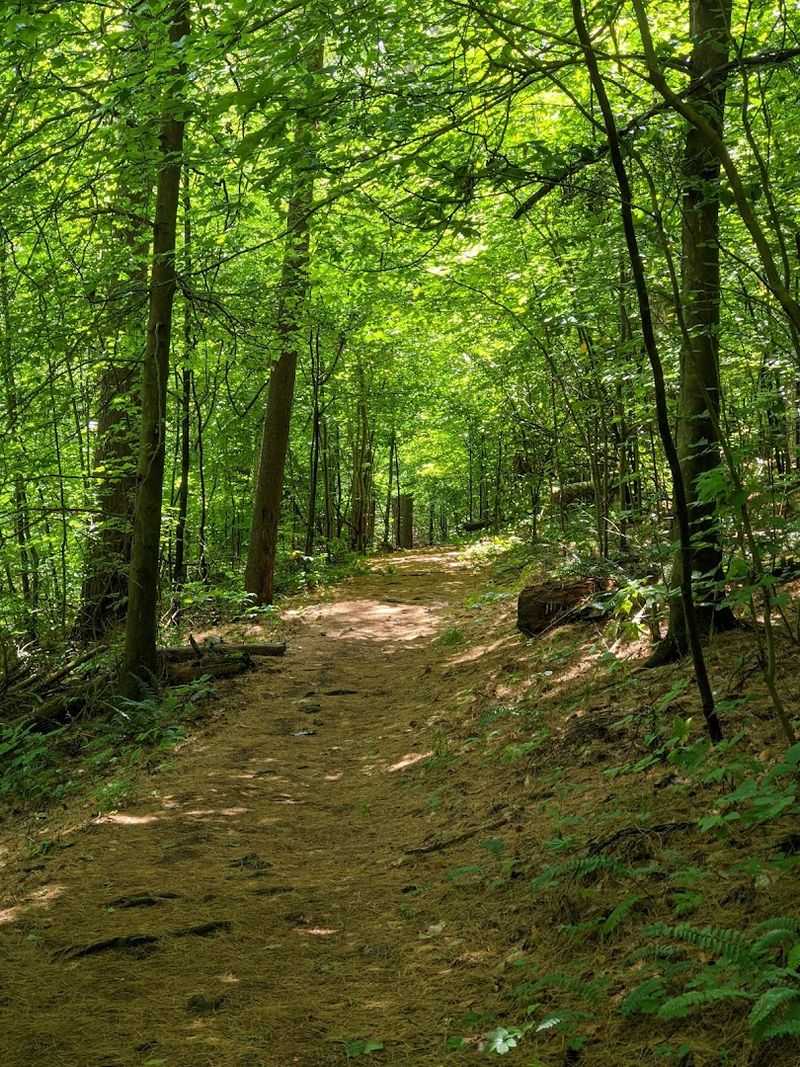
Lake Hope State Park maintains numerous hiking trails ranging from easy lakeside walks to challenging backcountry routes. The Peninsula Loop covers three miles with narrow sections, steep drop-offs, and significant elevation changes that challenge even experienced hikers.
The Hope Furnace Trail offers gentler terrain while providing access to historical features and lake views.
Trail conditions vary depending on season and maintenance schedules. Some paths follow ridgelines with views across the valley, while others descend to creek beds and wetland areas.
Navigation can prove difficult on certain trails, particularly the Old Hollow Trail loop, which lacks clear markings in sections.
The park connects to the broader Zaleski State Forest trail system, allowing ambitious hikers to plan extended routes. Most trails pass through mature hardwood forest with limited understory, making wildlife spotting easier than in areas with dense brush.
Spring wildflowers and autumn foliage add seasonal interest, though summer hiking can feel monotonous when everything turns uniformly green. Bring a map and don’t rely on cell service for navigation.
A Historic Iron Furnace From Ohio’s Industrial Past
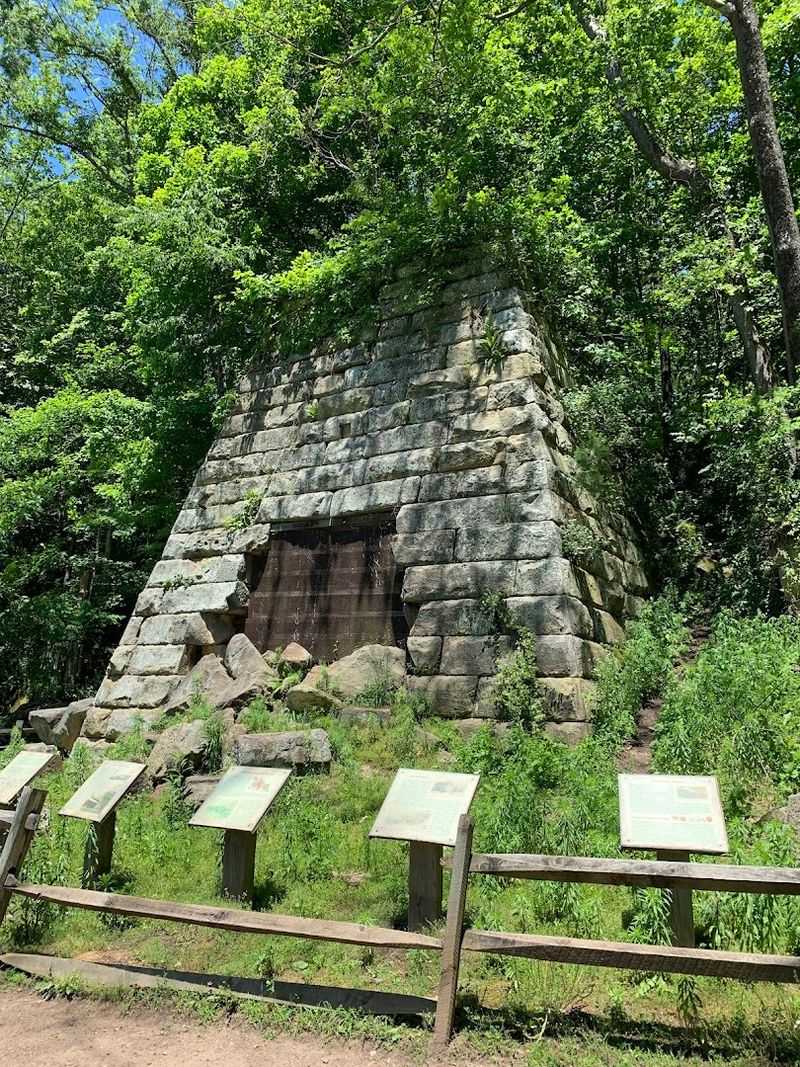
The Hope Furnace stands as a reminder of Ohio’s nineteenth-century iron industry, when this region produced raw materials for a growing nation. The stone structure dates to an era when charcoal-fueled furnaces turned local ore into usable iron.
Interpretive placards explain the furnace’s history and its impact on regional development, providing context that transforms a pile of stones into a meaningful historical site.
The furnace sits within easy walking distance of parking areas, making it accessible for visitors who want to stretch their legs without committing to a long hike. The surrounding area has been cleared enough to appreciate the structure’s scale and construction.
Trails extend from the furnace in multiple directions, including the Furnace Trail that circles the lake.
This industrial remnant contrasts sharply with the wilderness that has reclaimed the area. The forest shows no other signs of the intense activity that once characterized this valley.
Visiting the furnace adds educational value to a recreational outing, particularly for families with children studying Ohio history.
A Cozy Lodge Overlooking The Water
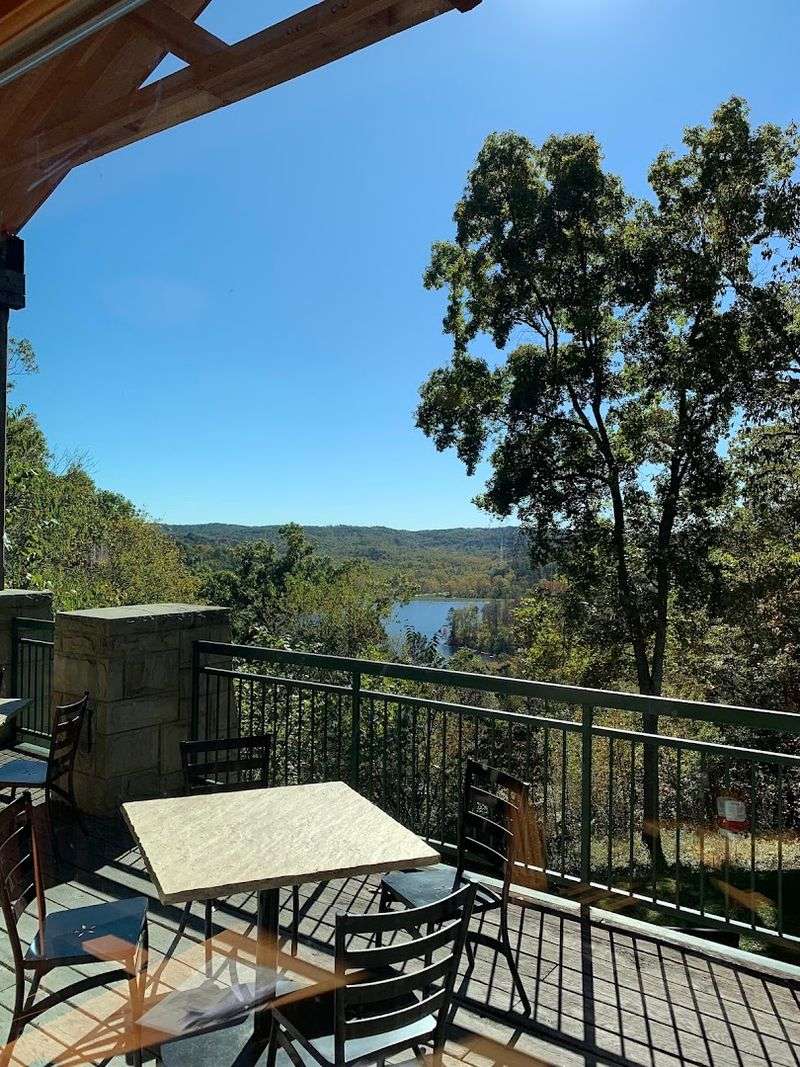
Lake Hope Lodge provides the park’s primary gathering point, combining restaurant service with event space and administrative functions. The building overlooks the lake, offering views that enhance meals and provide a focal point for visitors seeking information or social interaction.
The lodge operates Thursday through Sunday, serving home-style meals that emphasize comfort over culinary innovation.
The restaurant draws both overnight guests and day visitors, particularly during autumn when foliage viewing reaches its peak. Menu options include breakfast, lunch, and dinner with portions sized for hungry hikers.
Craft beer from nearby Athens breweries appears on the beverage list, adding local flavor to the dining experience.
The lodge also serves as the park’s WiFi hotspot, providing the only reliable internet access within the property boundaries. This makes it a practical stop for visitors who need to check directions or communicate with the outside world.
The building’s rustic architecture fits the park’s overall aesthetic without feeling artificial or themed. Staff can provide maps, trail recommendations, and information about current conditions throughout the park.
Shaded Campgrounds Surrounded By Mature Forest
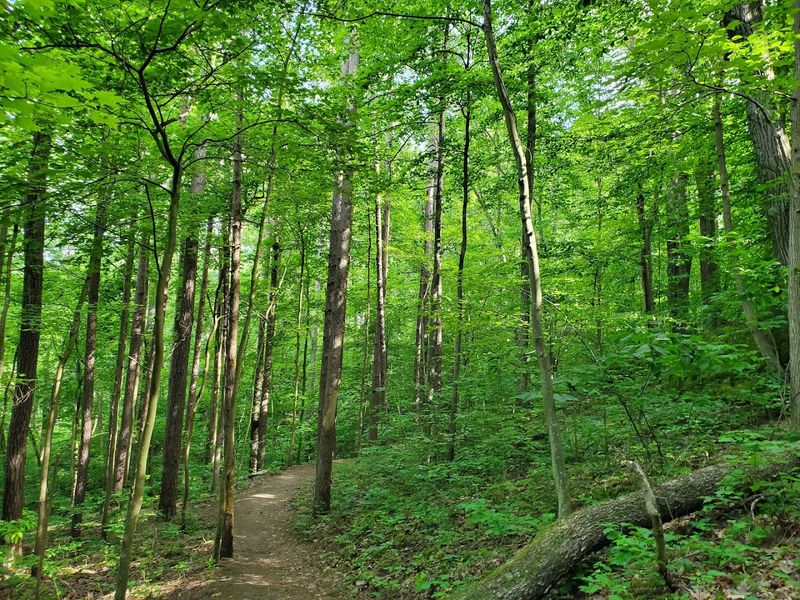
The campground at Lake Hope State Park offers both electric hookup sites and rustic camping options spread across a wooded ridge. Sites sit at tight angles on paved pads, creating challenges for larger trailers and motorhomes.
The mature forest provides excellent shade during summer but limits maneuvering room for oversized rigs.
Bathroom facilities range from modern restrooms with flush toilets, running water, and air dryers to primitive pit toilets with hand sanitizer and less pleasant conditions. Shower houses operate near the entrance and at the far end of the camping area.
The campground’s ridge-top location means some sites offer better drainage than others during rainy periods.
A playground serves families with young children, and the campground’s layout encourages social interaction without forcing it. The forest setting creates a genuine camping atmosphere rather than the parking lot feel common at more developed facilities.
Proximity to hiking trails means campers can explore without driving, and the lake sits within reasonable walking distance for those willing to navigate the hilly terrain between campground and water.
Rustic Cabins For A Quiet Weekend Escape
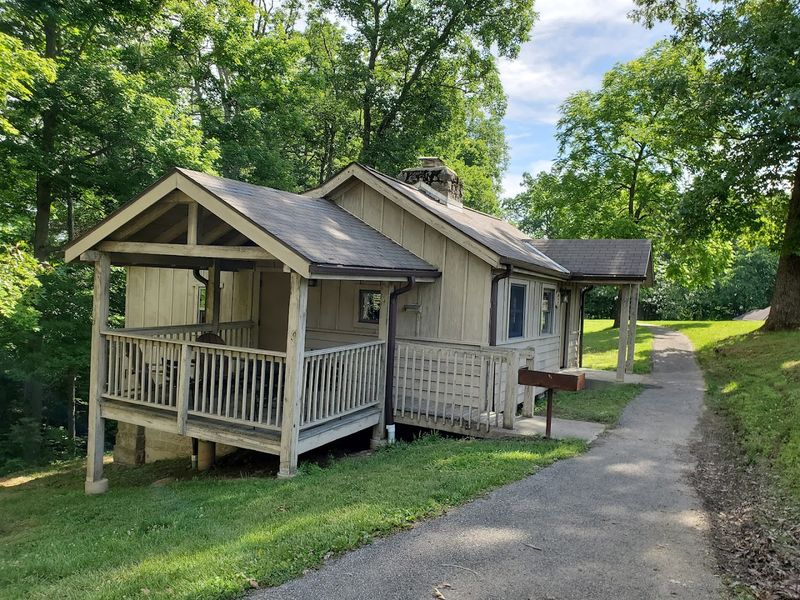
Lake Hope State Park maintains multiple cabin types ranging from basic camper cabins to fully equipped cottages with kitchens and multiple bedrooms. The Forest cabins and Iron Furnace cabins provide full-size stoves, refrigerators, microwaves, and basic cooking equipment.
Bedrooms typically include standard beds and bunks, sleeping six to eight people depending on configuration.
Cabins come stocked with essential cookware and dishes but lack paper products, so visitors should bring paper towels, napkins, and toilet paper beyond the initial supply. Wood-burning fireplaces add atmosphere during cooler months, and covered porches with picnic tables extend living space outdoors.
Fire pits outside each cabin allow for traditional camping experiences without sacrificing indoor comfort.
Rental rates run significantly lower than comparable accommodations in nearby Hocking Hills, making Lake Hope an affordable alternative for budget-conscious travelers. The cabins book quickly during autumn and summer weekends, so advance planning is essential.
Most structures show good maintenance, with clean interiors and functional amenities. The lack of cell service throughout most of the park means cabin stays feel genuinely disconnected from daily routines.
Fall Foliage That Rivals Ohio’s Most Popular Parks
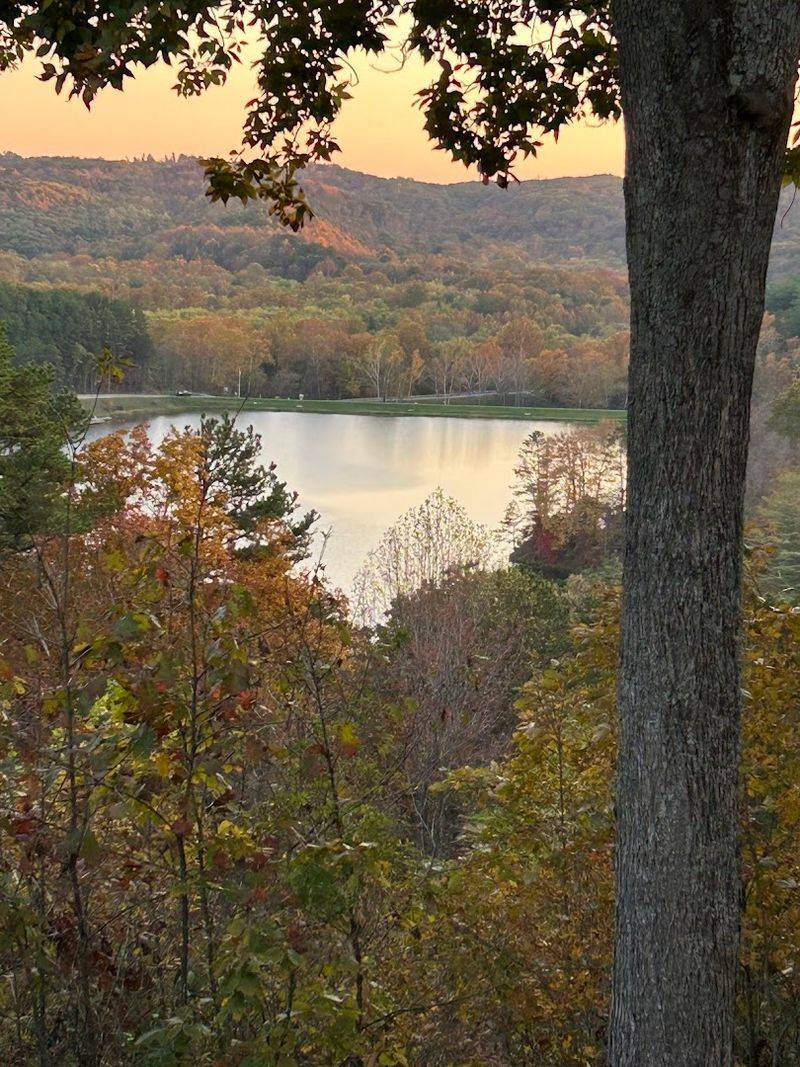
Autumn transforms Lake Hope State Park into a showcase of seasonal color that matches anything found in more famous Ohio destinations. The mixed hardwood forest produces a varied palette of reds, oranges, and yellows that peak sometime in October depending on weather patterns.
The lake reflects surrounding hillsides, doubling the visual impact and creating photograph opportunities that draw serious photographers.
The park’s relative obscurity means fewer crowds during peak foliage season compared to Hocking Hills or other well-known locations. Visitors can hike trails and explore overlooks without fighting for parking or competing for viewpoints.
Weekday visits in October offer the best combination of color and solitude.
Foliage viewing works well from multiple vantage points throughout the park. Lakeside trails provide water-level perspectives, while ridge-top paths offer broader views across the valley.
The loop around the lake captures changing light throughout the day, making it worth walking multiple times. The dining room at Lake Hope Lodge provides comfortable foliage viewing for those who prefer to observe autumn’s display while enjoying a meal and craft beer.
Wildlife Watching In One Of Ohio’s Quietest Corners
Lake Hope State Park’s remote location and large acreage support diverse wildlife populations that visitors encounter regularly. White-tailed deer appear frequently, particularly during early morning and evening hours.
The park’s quiet nature means deer show less skittishness than animals in heavily trafficked areas, allowing for better observation and photography opportunities.
Birdwatchers record great blue herons, various waterfowl, and woodland species throughout the year. The lake attracts migratory birds during spring and fall, while resident species remain active year-round.
The absence of motorboat noise helps preserve natural soundscapes where bird calls and frog choruses dominate rather than mechanical sounds.
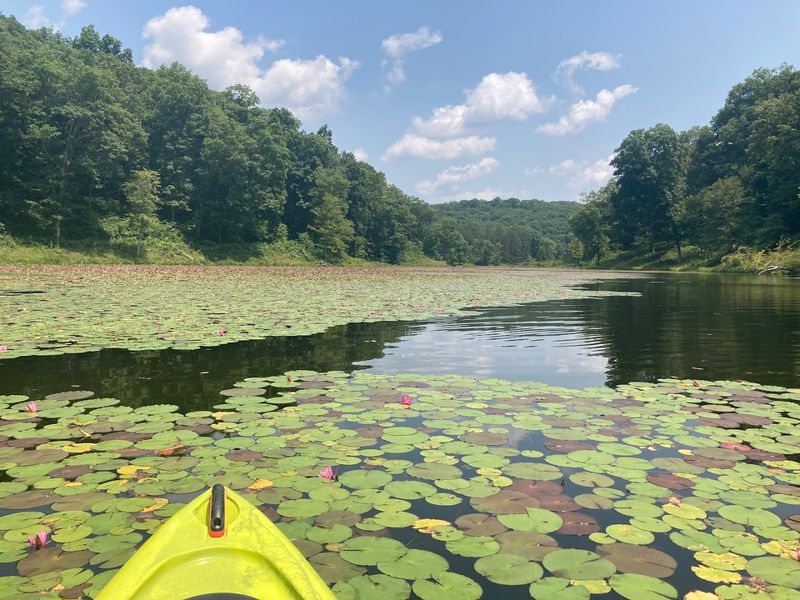
Bullfrogs populate wetland areas around the lake, creating nighttime symphonies that enhance the wilderness atmosphere. Pink water lilies bloom in shallow coves during summer, attracting insects and the birds that feed on them.
The park’s connection to Zaleski State Forest means larger mammals like coyotes and occasional bobcats inhabit the broader area, though sightings remain uncommon. Patient observers who spend time sitting quietly increase their chances of meaningful wildlife encounters in this genuinely wild corner of Ohio.