
The Storybook Nevada Town That Makes A Weekend Getaway Feel Extra Special
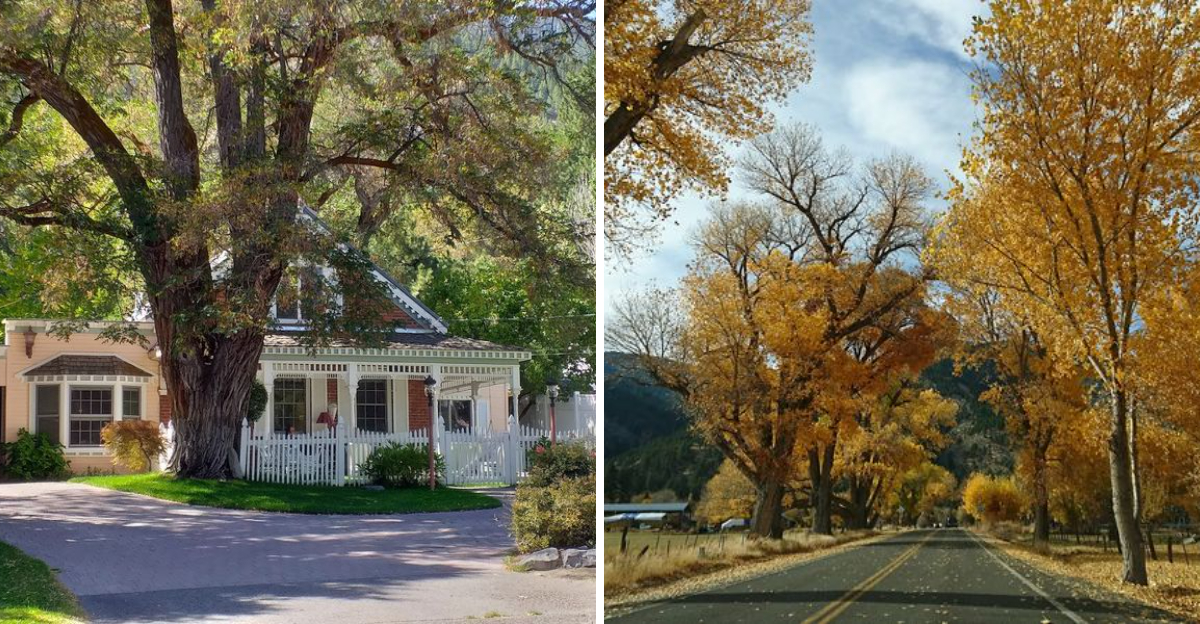
A small settlement in the Carson River Valley predates Nevada itself, with roots reaching back to 1851. It holds the distinction of being the oldest permanent community in what would become the Silver State, yet it still moves at a calm, unhurried pace.
While Lake Tahoe draws crowds just miles away, this quiet Nevada escape offers historic buildings, mountain views, and a weekend atmosphere that feels genuine, peaceful, and easy to settle into.
Genoa Is Nevada’s Oldest Permanent Settlement
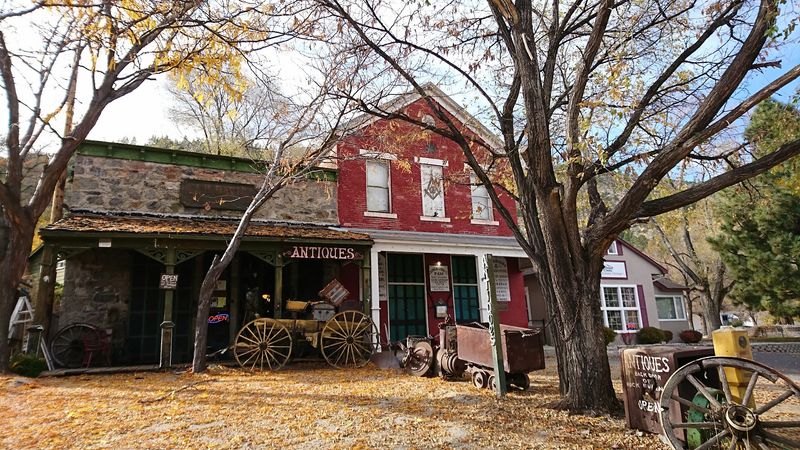
The year 1851 marks the beginning of permanent settlement in what would later become Nevada. Mormon pioneers established a trading post here to serve travelers crossing the Sierra Nevada, and that early outpost grew into the town visible today.
Before statehood, before silver strikes, before the rush of fortune seekers, Genoa was already rooted in the Carson River Valley.
Walking through town now, that history remains tangible. Buildings constructed in the 1800s still stand along Main Street, their wooden facades and modest architecture offering a visual record of frontier life.
The settlement was originally called Mormon Station, a name that reflected its founders and purpose before the town adopted its current name in 1855.
This longevity gives Genoa a weight that newer towns lack. The sense of continuity here is not manufactured for tourists but earned through decades of survival and adaptation in a landscape that demanded both.
Mormon Station Gives The Town Its Historic Heart
At the center of Genoa’s historical identity stands Mormon Station State Historic Park, a reconstruction of the original trading post that gave birth to the settlement. The site preserves the memory of that first structure, which served as a vital supply point for emigrants heading west.
Inside, exhibits detail the lives of those early settlers and the challenges they faced in establishing a foothold in this remote valley.
The park occupies a small footprint but carries significant meaning. Artifacts, photographs, and interpretive displays fill the modest space, offering context for the town’s founding and the broader story of westward expansion.
The surrounding grounds include picnic areas shaded by cottonwood trees, making it a pleasant spot to pause during a weekend visit.
For those interested in Nevada’s origins, this site provides essential background. The story of Mormon Station is the story of Genoa itself, and understanding one illuminates the other.
Main Street Feels Quiet, Walkable, And Full Of Old Nevada Charm
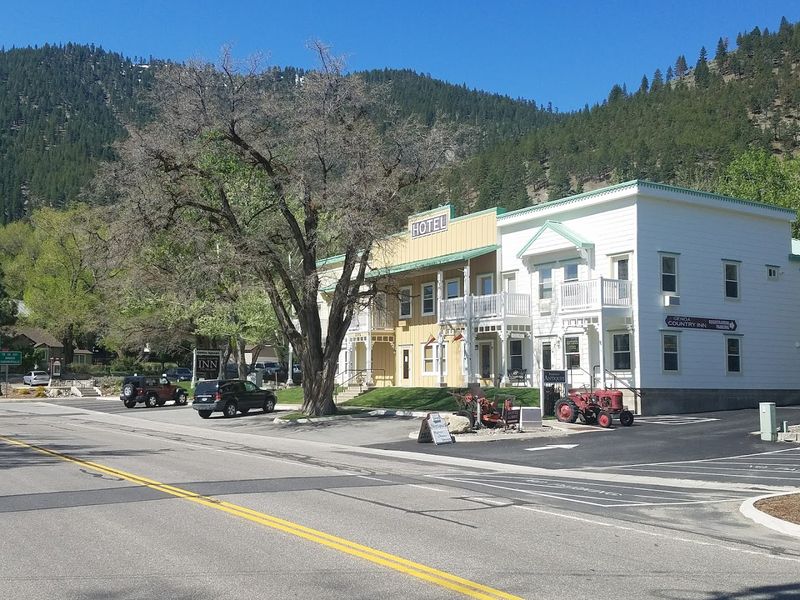
Main Street in Genoa stretches only a few blocks, but those blocks contain much of what makes the town appealing. Historic storefronts line both sides, housing small shops, a general store, and a handful of dining options.
The sidewalks remain walkable and uncrowded, even on weekends when visitors arrive from Reno or Lake Tahoe.
The street itself retains a frontier-era character without feeling contrived. Buildings date back more than a century, their wood and brick construction showing the wear of time in a way that adds rather than detracts from their appeal.
Trees provide shade, and the absence of chain businesses preserves a sense of authenticity that many Nevada towns have lost.
Strolling this short stretch takes little time, but the experience rewards those who move slowly. Details emerge in the architecture, in the way light falls across old facades, in the quietness that defines the town’s pace.
Genoa Bar Adds A Legendary Old-West Stop To The Weekend
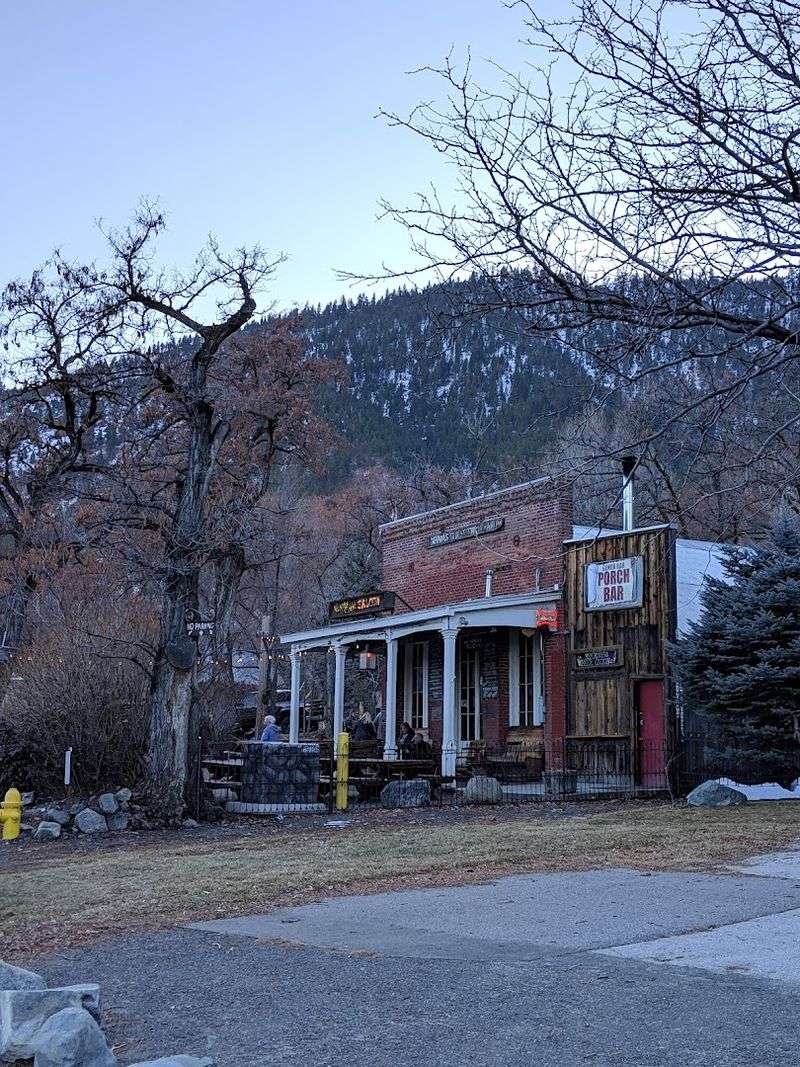
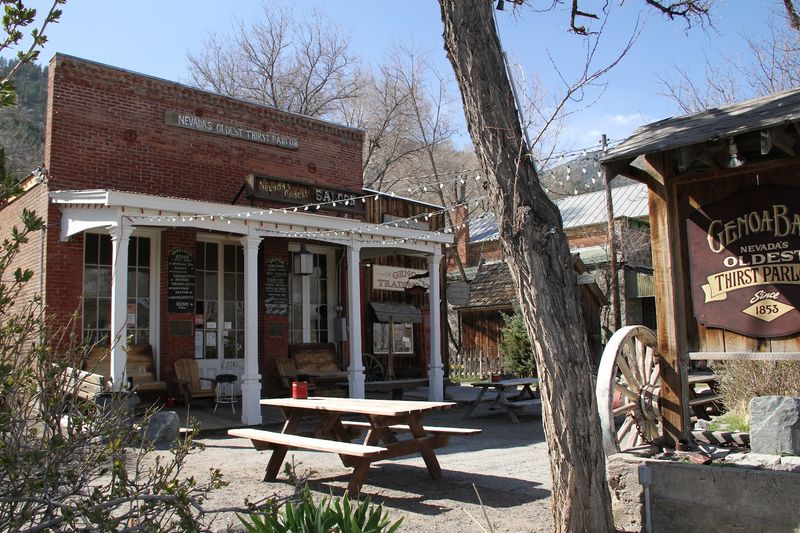
Established in 1853, Genoa Bar claims the title of Nevada’s oldest thirst parlor, a distinction it wears with appropriate pride. The interior retains the look and feel of a 19th-century saloon, with a long wooden bar, worn floorboards, and walls covered in historical photographs and memorabilia.
The atmosphere is decidedly unpretentious, a place where locals and visitors mix without ceremony.
The bar serves straightforward food alongside its drinks, with burgers and sandwiches that match the no-frills setting. What makes the stop memorable is not culinary ambition but the sense of continuity.
Sitting at that bar, you occupy the same space where miners, ranchers, and travelers gathered for more than 170 years.
For a weekend getaway, Genoa Bar provides a tangible connection to Old West Nevada. The experience is simple, genuine, and entirely free of modern affectation.
The Genoa Courthouse Museum Brings Local History To Life
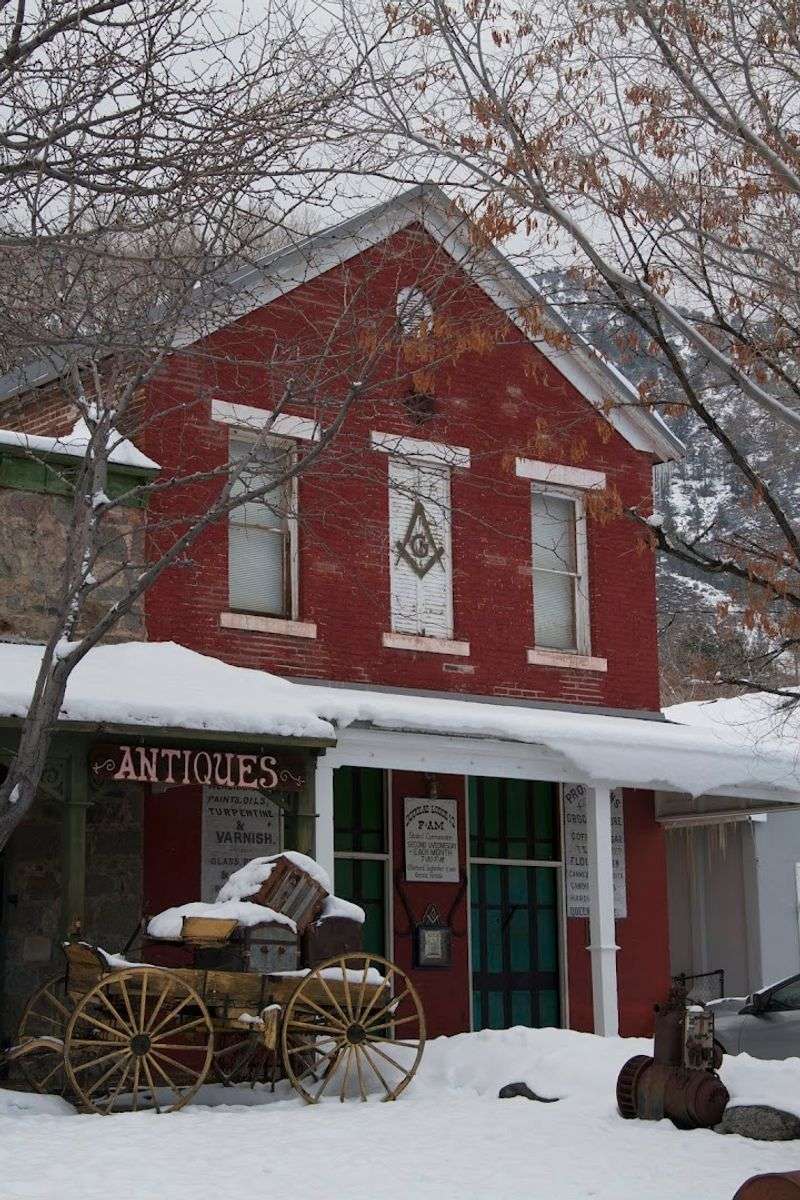
Built in 1865, the Genoa Courthouse served Douglas County for decades before becoming a museum dedicated to local history. The brick building stands as one of the most photographed structures in town, its Italianate architecture and red facade distinctive against the surrounding landscape.
Inside, exhibits cover everything from Native American life to pioneer settlement to the development of the surrounding Carson Valley.
The museum’s collection includes period furnishings, photographs, clothing, and tools that illustrate daily life in 19th-century Nevada. Displays are thoughtfully arranged, providing context without overwhelming visitors with information.
The courthouse itself, with its original courtroom and jail cells, adds another layer of historical interest.
A visit here takes about an hour and complements time spent exploring Main Street. The museum operates seasonally, so checking hours before arrival is advisable.
For those seeking to understand Genoa beyond its surface charm, this stop proves essential.
The Sierra Nevada Foothills Give Genoa A Beautiful Backdrop
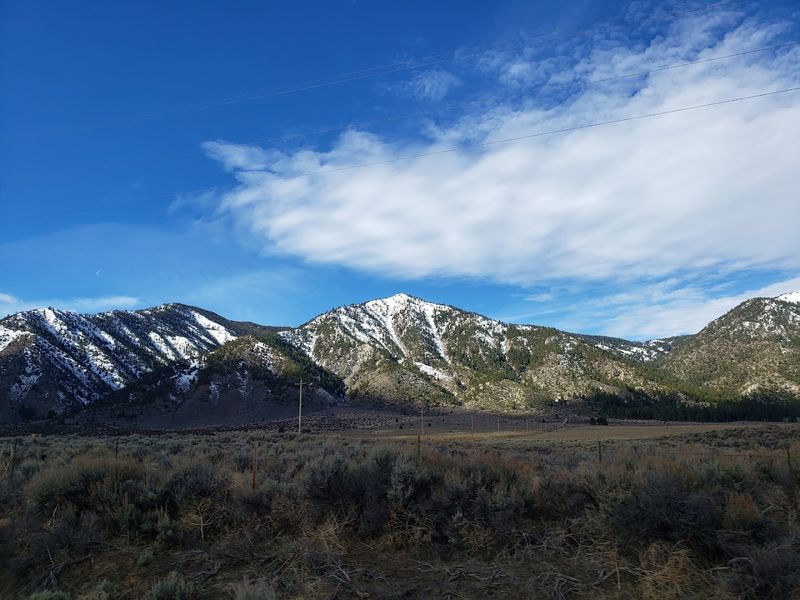
Geography defines much of Genoa’s appeal. The town sits at the base of the Sierra Nevada, with forested slopes rising sharply to the west.
This proximity to the mountains creates a dramatic backdrop that changes with the seasons, from snow-covered peaks in winter to green hillsides in spring to golden tones in autumn.
The elevation here, at roughly 4,700 feet, brings cooler temperatures than the valleys below and cleaner air than the cities beyond. The Carson River Valley spreads to the east, offering long views across ranchland and sagebrush.
On clear days, the contrast between valley floor and mountain wall creates a visual drama that never quite loses its impact.
This setting contributes to the feeling that Genoa exists apart from the busier world. The mountains provide both beauty and a sense of enclosure, a natural boundary that reinforces the town’s quiet character.
The Town Is Close To Lake Tahoe Without Feeling Crowded
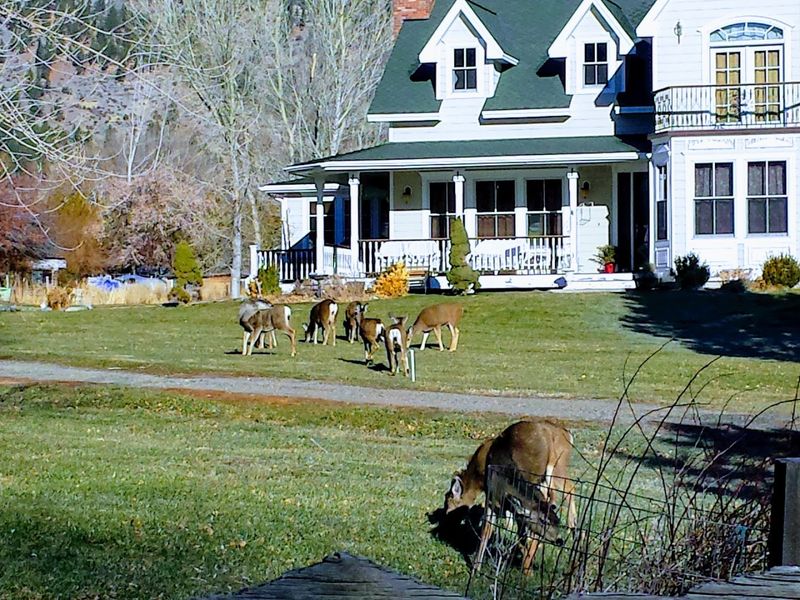
Lake Tahoe lies approximately 15 miles west of Genoa, accessible via Highway 207 through Kingsbury Grade. This proximity makes Genoa an alternative base for those visiting the lake but seeking quieter accommodations and a slower pace.
The drive takes about 30 minutes, depending on conditions, and offers impressive views as it climbs into the Sierra.
What Genoa provides is separation from the crowds that concentrate around Tahoe’s shores. While the lake draws millions of visitors annually, Genoa remains largely off the main tourist routes.
The town lacks the resort infrastructure, the traffic, and the commercial density that define Tahoe’s south shore. For a weekend escape, this difference matters considerably.
Staying in Genoa allows access to Tahoe’s natural beauty while preserving the sense of retreat that often disappears in heavily visited destinations. The trade-off is deliberate, and for many visitors, entirely worthwhile.
Genoa’s Trails Add Fresh Air And Scenic Views To The Trip
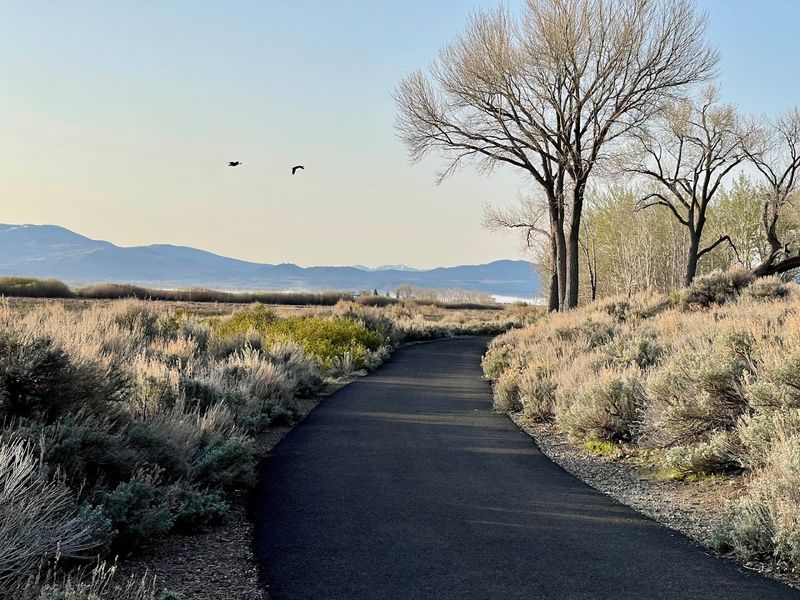
Several trails begin near Genoa, offering access to the Sierra foothills and the forests that cover the slopes above town. The Genoa Peak Trail climbs steeply to a summit that provides sweeping views of the Carson Valley and, on clear days, distant mountain ranges.
The hike covers about five miles round trip with significant elevation gain, making it a solid half-day effort.
Other trails in the area offer shorter, less strenuous options. The paths wind through stands of pine and aspen, crossing streams and meadows that bloom with wildflowers in late spring and early summer.
Wildlife sightings are common, with mule deer, hawks, and smaller creatures frequently visible.
For a weekend getaway, these trails provide a physical counterpoint to the slower pace of Main Street. The combination of historical exploration and outdoor activity creates a balanced experience that appeals to a range of interests.
The Annual Candy Dance Gives The Town A Sweet Seasonal Tradition
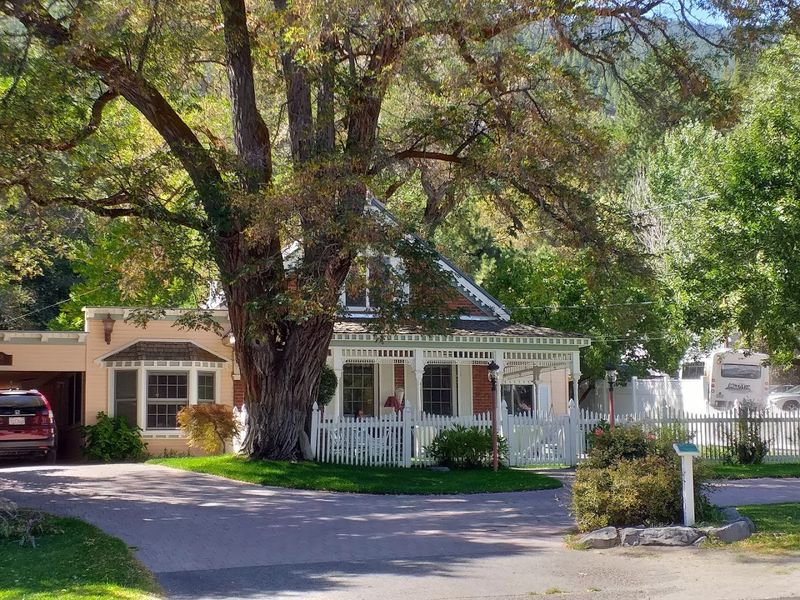
Each September, Genoa hosts the Candy Dance, an event that began in 1919 as a fundraiser for streetlights and has continued for more than a century. The festival includes an arts and crafts fair, homemade candy sales, and a dance that draws participants from across the region.
The event transforms the quiet town into a bustling gathering place, with vendors lining Main Street and visitors filling the sidewalks.
The candy itself remains central to the tradition. Volunteers spend weeks preparing fudge, brittle, and other confections using recipes passed down through generations.
The results sell quickly, with many attendees arriving early to secure their favorites. The craft fair features more than 300 vendors, offering everything from pottery to jewelry to woodwork.
For those planning a September weekend in Genoa, the Candy Dance represents the town at its most social and celebratory, a contrast to its usual quietness.
Historic Buildings Make A Simple Stroll Feel Special
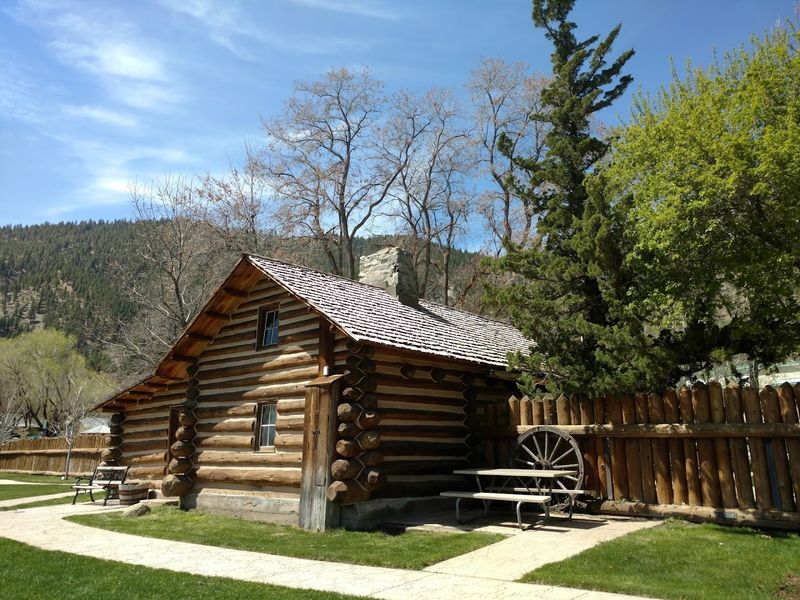
Beyond the courthouse and Mormon Station, Genoa contains numerous structures that date back to the 1800s. Many remain in active use, housing businesses or residences, while others stand as reminders of the town’s frontier past.
The architecture is modest by modern standards, reflecting the practical needs of early settlers rather than any grand ambitions.
Walking through Genoa, these buildings provide a continuous visual narrative. Wood siding, simple trim, narrow windows, and low rooflines characterize much of the construction.
Some structures show careful restoration, while others bear the marks of age more openly. Together, they create an environment that feels cohesive and genuinely historic rather than reconstructed for tourism.
The pleasure of a stroll here comes from this authenticity. The buildings were not designed to impress but to function, and their survival speaks to both quality of construction and community commitment to preservation.
Carson Valley Views Make The Drive Part Of The Experience
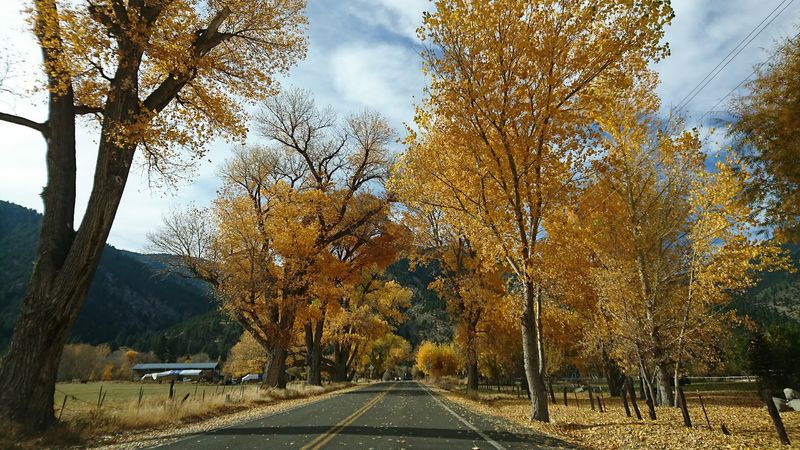
Approaching Genoa from any direction involves crossing or skirting the Carson Valley, a broad expanse of ranchland and high desert that stretches for miles. The valley floor sits at a lower elevation than the town, creating views that take in both the flat lands below and the mountains that frame them.
The scale of the landscape here impresses, with distances that seem to compress under the clear Nevada sky.
Driving through this valley, particularly in early morning or late afternoon when light angles across the terrain, becomes part of the weekend experience. The openness contrasts sharply with the enclosed feeling of Genoa itself, nestled against the Sierra foothills.
Cattle graze on irrigated pastures, historic ranches mark the roadsides, and the sense of space feels distinctly Western.
For visitors, the journey to Genoa matters as much as the destination, with the valley providing a transition from wherever they began.