
The Stunning Boardwalk Hike In Washington Outdoor Lovers Should Know About
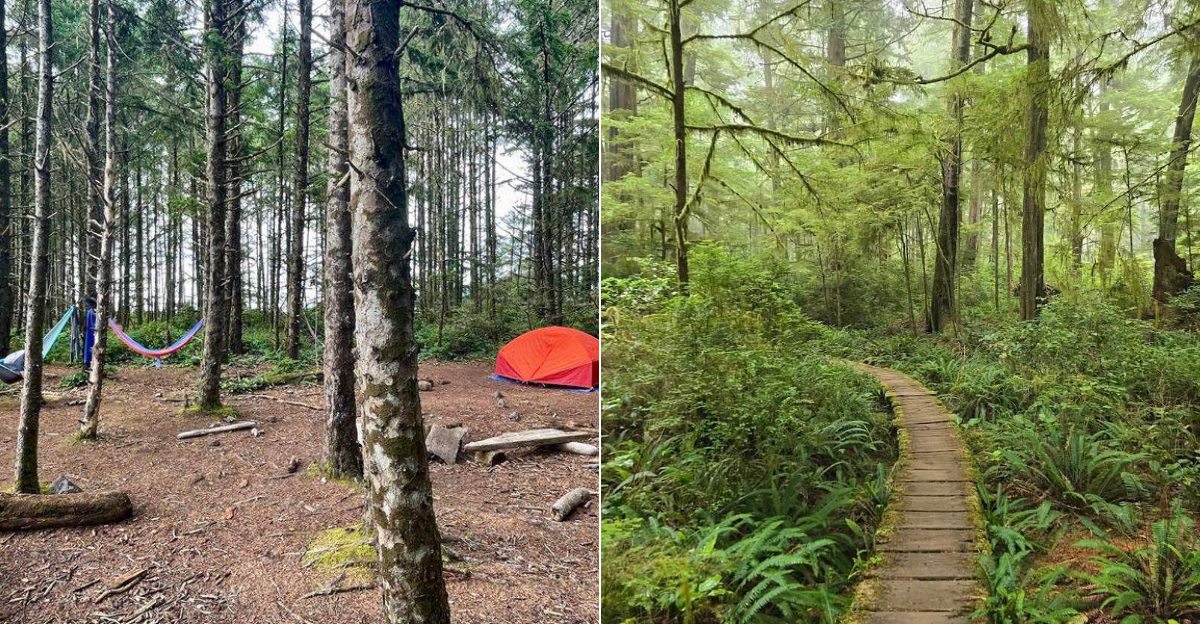
A hike can be more than a trail. Sometimes, it feels like the forest decided to team up with the ocean and show off a little.
This route brings that same energy, shifting from quiet boardwalks and towering trees to wild coastline, tide pools, sea stacks, and salty air. Nothing about it feels one-note.
The pace changes, the scenery changes, and the whole experience keeps tossing in something new just when you think you have the rhythm figured out. That is the fun of it.
You get the moody magic Washington does so well, with old-growth beauty, beachside drama, and plenty of chances to spot wildlife along the way.
It feels adventurous without being overwhelming, remote without feeling impossible, and memorable in a way that sticks long after your boots are clean again.
What This Coastal Loop Actually Is
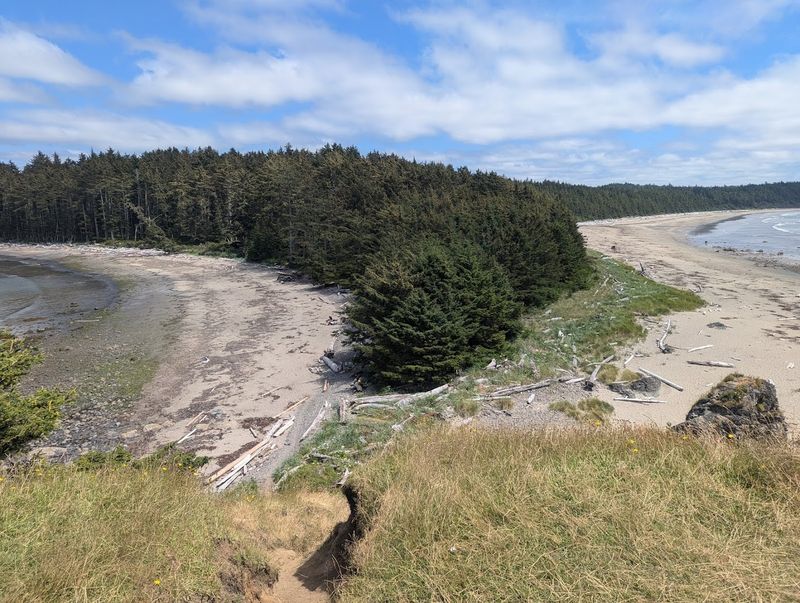
Not every hike earns the word “iconic,” but the Ozette Triangle comes close. This loop trail inside Olympic National Park connects three points: the Ozette Ranger Station, Cape Alava, and Sand Point.
Together, these three legs form a rough triangle that covers approximately 9 miles total, though some hikers clock closer to 11 miles depending on side explorations.
The trail is split into two forest sections and one beach section. The Cape Alava leg runs about 3.2 miles from the ranger station and is almost entirely covered by cedar plank boardwalk. The Sand Point leg offers a similar forest boardwalk experience.
Connecting the two forest trails is a roughly 3-mile stretch of wild Pacific coastline.
You start and finish at the Ozette Ranger Station near Lake Ozette in Washington. The parking area is large and flat, with well-maintained restroom facilities including flush toilets, sinks, and an outdoor water bottle fill spigot.
Most hikers complete the full loop in a single day, though the trail also supports overnight backpacking at designated beach campsites. Olympic National Park headquarters is located at 600 E.
Park Avenue, Port Angeles, WA 98362. Keep that address handy when planning your trip logistics.
The Cedar Boardwalks That Make This Trail Unique
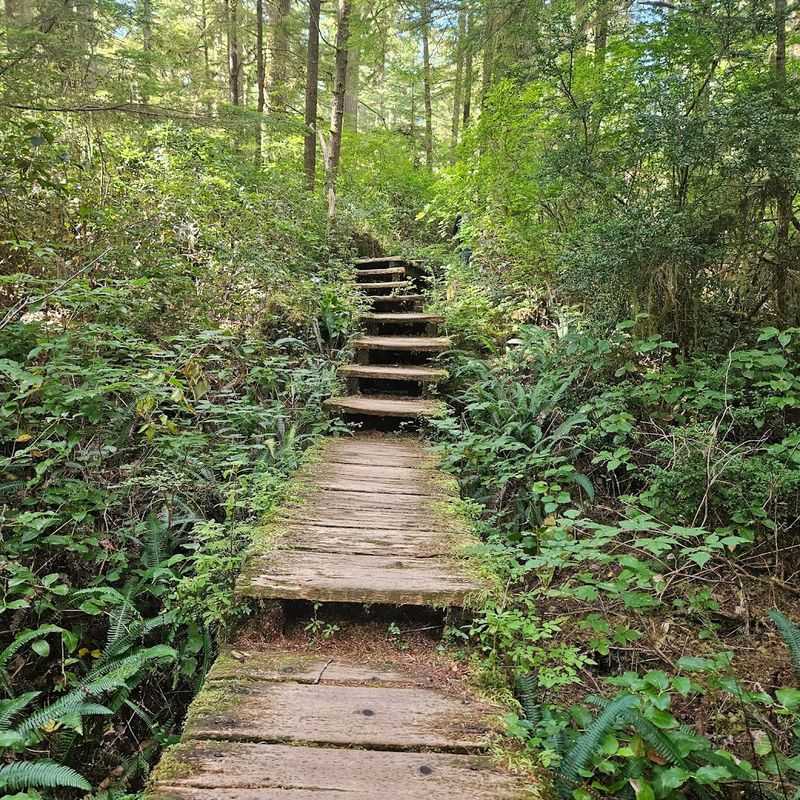
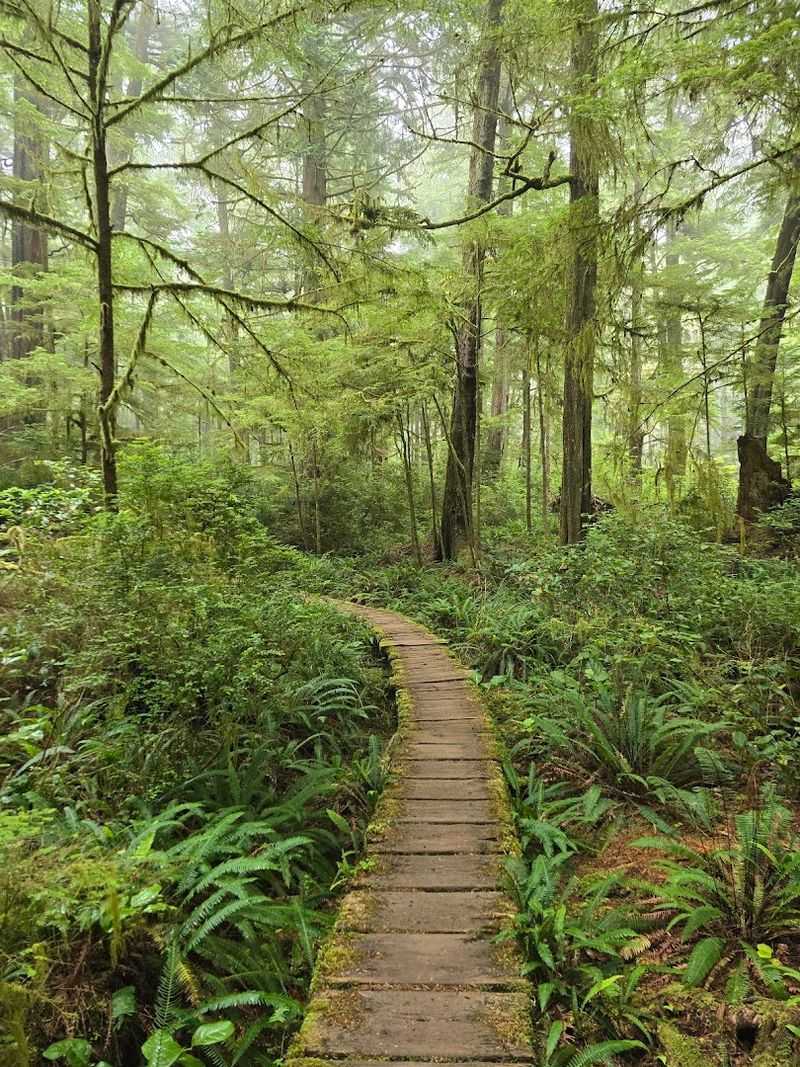
One of the first things you notice on this trail is the boardwalk. Long stretches of cedar planks carry you through dense forest, keeping your feet elevated above the soggy ground below. This is the Pacific Northwest, after all, and the ground stays wet for much of the year.
The boardwalks make hiking here feel almost effortless in comparison to rocky mountain trails.
Both the Cape Alava and Sand Point forest sections are boardwalk-heavy, which is a big part of what makes this hike accessible to a wide range of hikers. That said, you should pay attention to your footing.
Some planks develop soft spots over time, and moss builds up on the cedar surface, making sections slippery even on dry days. The National Park Service has suggested non-lug sole shoes for this reason, which is worth keeping in mind when you pack.
Following the boardwalk through old-growth cedar and spruce forest feels genuinely peaceful. Ferns crowd the edges of the path, and the tree canopy filters light in a way that feels cinematic. Even on summer days, the forest stays cool and often foggy.
If you are someone who finds long forest walks meditative, this section of the Ozette Triangle in Washington will feel like exactly the right kind of adventure.
Wildlife You Might Actually Spot
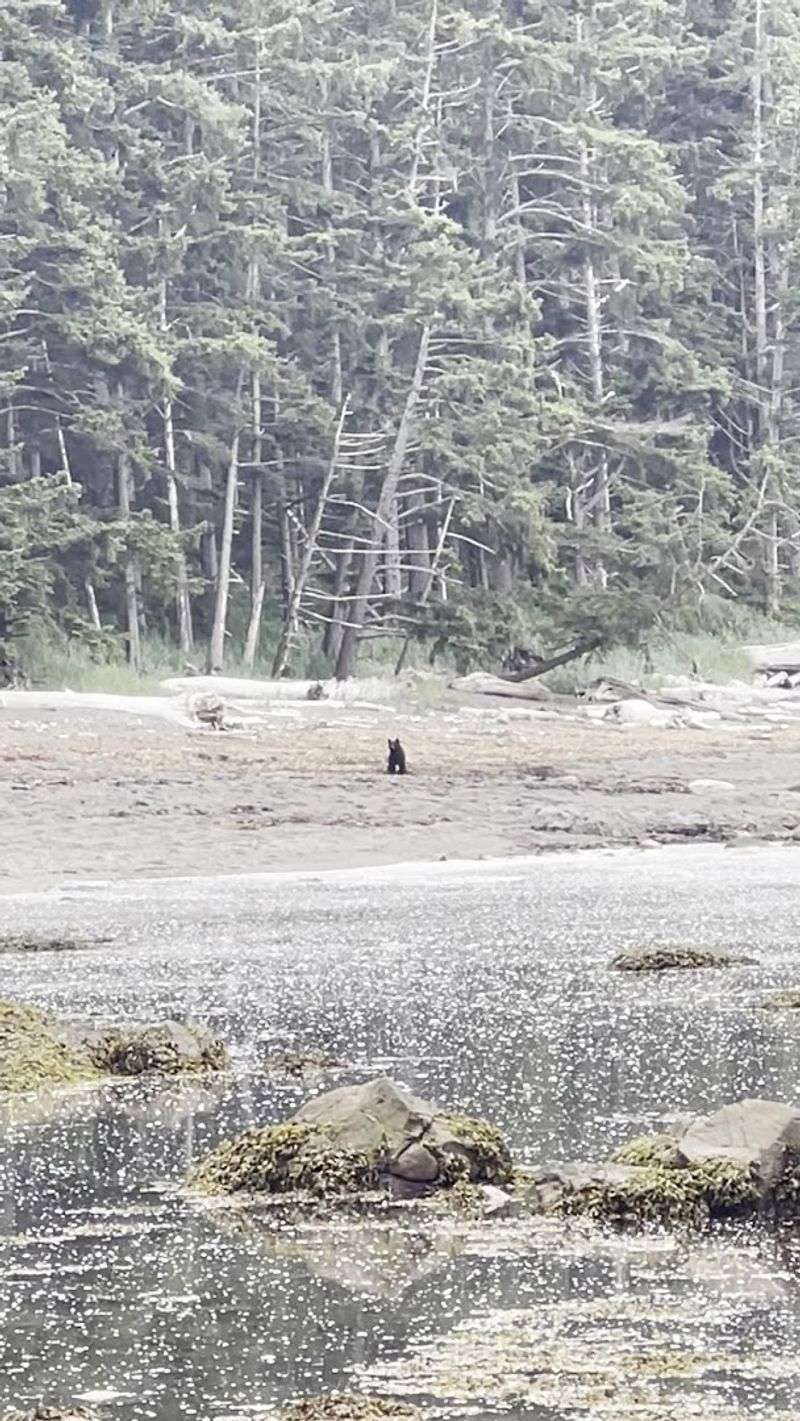
Wildlife watching on the Ozette Triangle is not a matter of luck, it is almost a guarantee. The variety of animals you can encounter here is genuinely impressive, especially for a day hike.
Black bears have been spotted walking directly on the beach, which is a sight that stops most hikers in their tracks. Deer are commonly seen along the forest boardwalk sections, often calm enough to linger nearby. Out on the coast, keep your eyes on the water.
Sea otters, seals, and sea lions have all been spotted from the shoreline. Whale sightings are possible too, particularly during migration seasons.
Overhead, bald eagles, great blue herons, and various seabirds are a regular presence. The diversity of habitat along this trail, from dense forest to open ocean, creates ideal conditions for spotting animals across multiple ecosystems.
A few practical tips worth knowing: make noise on the forest trail so you do not surprise a bear, and store your food properly if you are camping overnight. The beach section offers the most dramatic wildlife moments, so slow down and scan the rocks and water as you walk.
Washington is home to some of the most biodiverse coastal environments in the country, and the Ozette area sits right at the heart of that richness.
How To Handle The Beach Section Safely
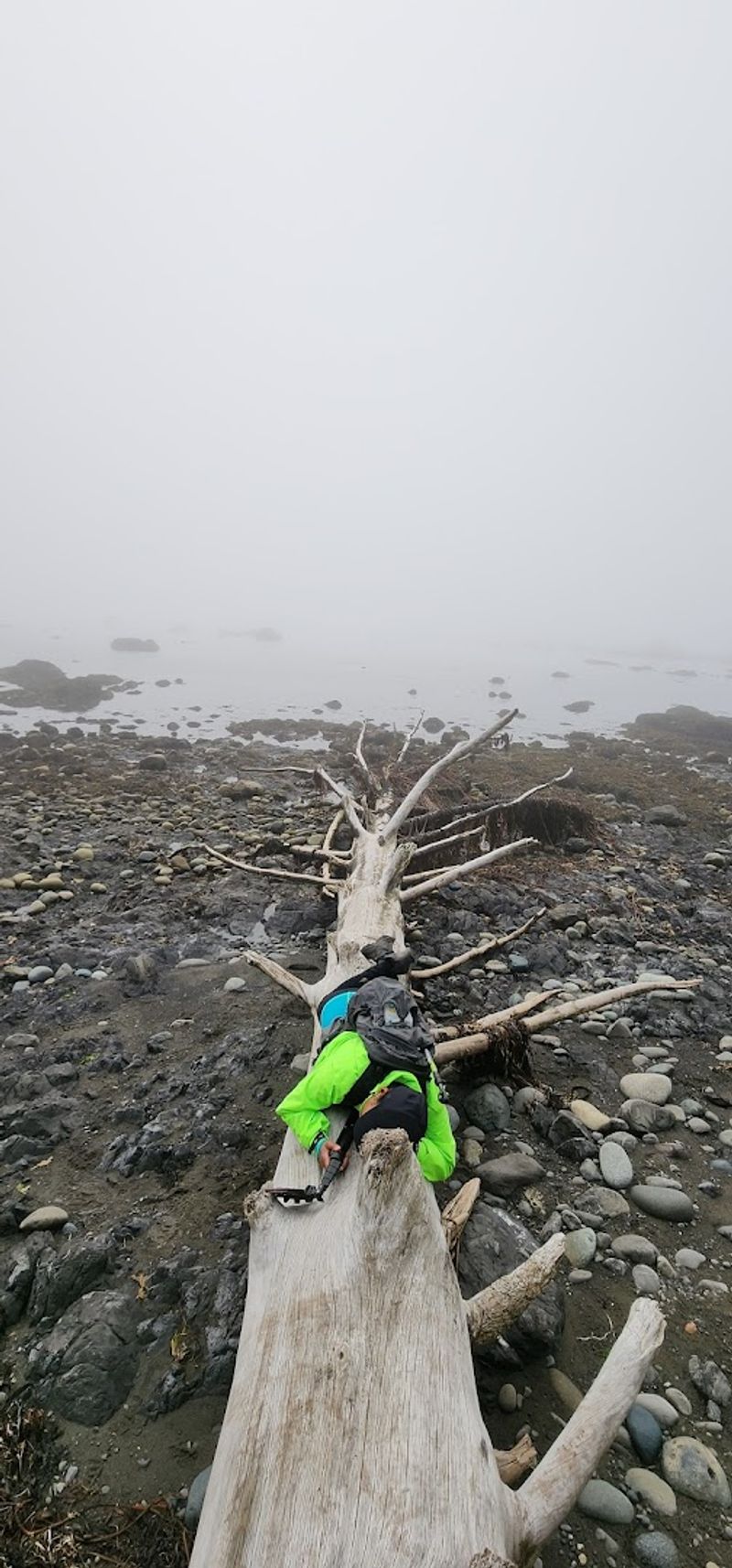
The beach section of the Ozette Triangle is where the trail shifts from easy boardwalk walking to something that requires more attention. Connecting Cape Alava and Sand Point, this roughly 3-mile coastal stretch involves rocks, driftwood, and careful shoreline reading.
It is not technically difficult, but it demands focus.
Tide timing is the most critical factor for this section. Some parts of the beach become impassable at high tide, so checking tide charts before you head out is not optional, it is essential.
Tide information is posted at the Ozette Ranger Station trailhead, so make a point of reading it before you start. Going at low tide opens up the beach and makes the coastal walk far more enjoyable and safe.
Navigation on the beach can also be trickier than expected. The trailhead marker at Sand Point is located on the shoreline, and some hikers report spending extra time finding it before picking up the forest trail again.
Moving counterclockwise, heading toward Cape Alava first, tends to work well for most hikers. The elevation change is slightly more noticeable on that leg, which helps warm up your legs before the flatter Sand Point return.
The coastal scenery along this stretch of Washington is raw, windswept, and genuinely hard to forget.
Ancient Petroglyphs Along The Coast
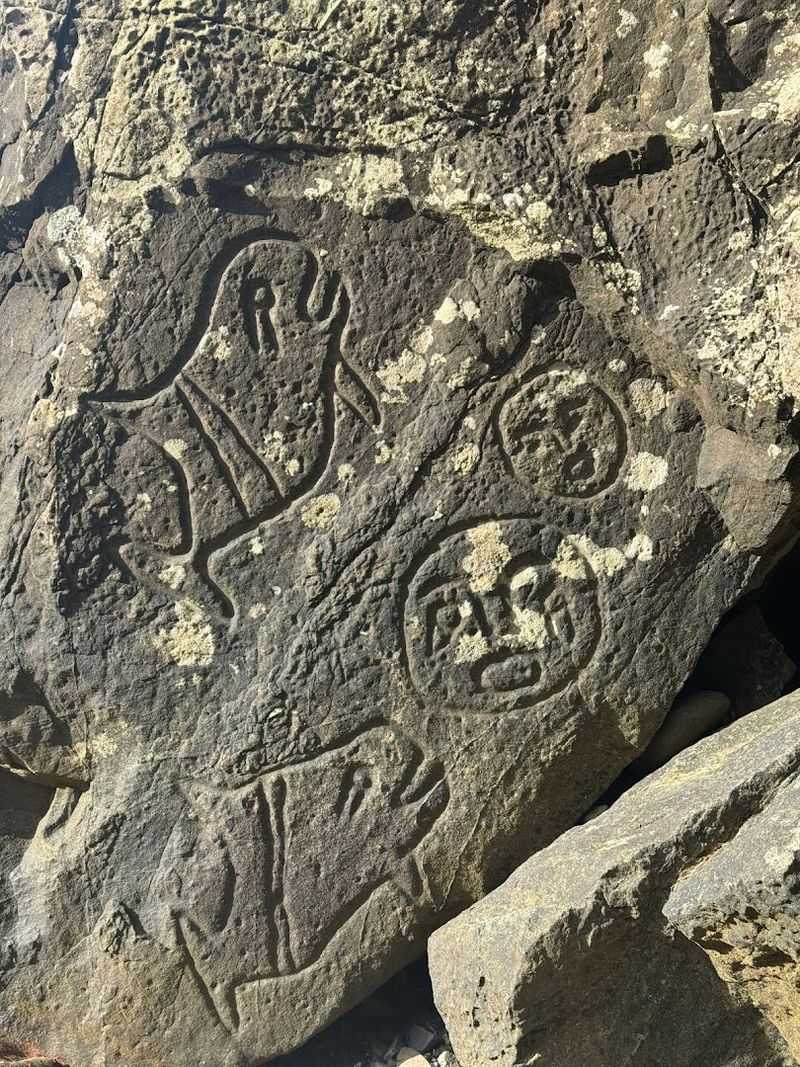
History runs deep along the Ozette coastline. Near Cape Alava, the Wedding Rocks petroglyphs sit on the beach, carved into dark stone by the Makah people centuries ago.
These images include human figures, animals, and abstract designs that connect directly to the Indigenous history of this Washington coast.
The petroglyphs are easy to miss if you are not looking for them. They sit on large coastal rocks that are partially covered at high tide, which is another reason why timing your beach walk for low tide matters.
The carvings are fragile and protected, so the rule is simple: look but do not touch. Rubbing or tracing the images causes damage that cannot be undone.
For many hikers, the petroglyphs are one of the most memorable parts of the entire loop. There is something grounding about standing on a beach that humans have visited and found meaningful for thousands of years.
The Makah cultural connection to this coastline is deep, and the petroglyphs serve as a quiet reminder of that long history. Spending a few minutes here, reading the shapes in the rock and listening to the ocean, adds a layer of meaning to the hike that goes well beyond the scenery.
Planning An Overnight Backpacking Trip Here
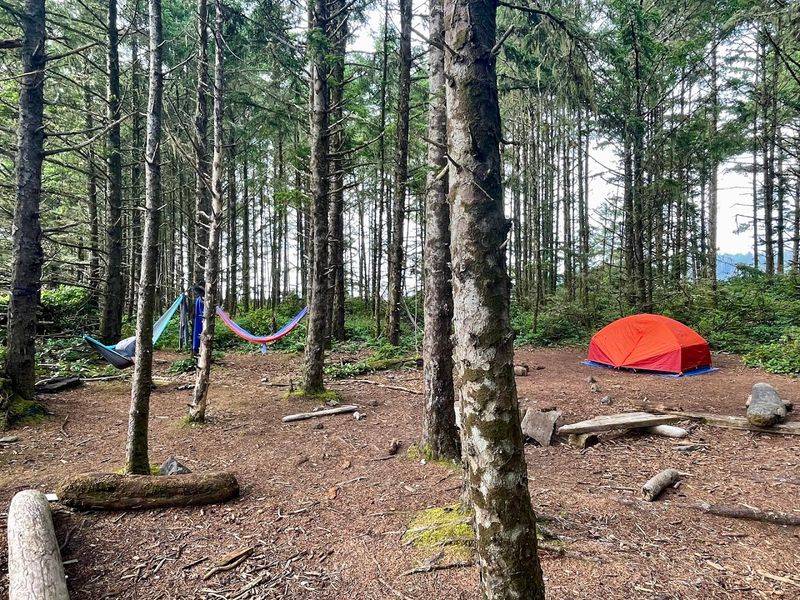
Day hiking the Ozette Triangle is deeply satisfying, but spending a night on the beach takes the experience to a completely different level. Designated backcountry campsites at Sand Point and Cape Alava let hikers sleep within earshot of the Pacific, surrounded by sea stacks and open sky.
Waking up on a wild Washington beach inside a national park is the kind of experience that stays with you.
Permits are required for overnight camping in the backcountry sections of Olympic National Park. Planning ahead and securing your permit early is smart, especially during summer months when demand is high.
Backpackers need to be self-sufficient on this trail. Water sources are limited once you leave Cape Alava, so carrying enough water or bringing a reliable filtration system is important.
Food storage is also a serious consideration. Bears are active in this area, and proper bear canister use or hanging your food is required.
Pack light but pack smart. The beach campsites offer a fire ring experience in designated spots, though fire restrictions apply during dry seasons.
Sleeping under a clear sky with waves nearby and sea stacks on the horizon makes every ounce of preparation feel worth it. This is backpacking in Washington at its most elemental.
Trail Difficulty And Who Will Enjoy It Most
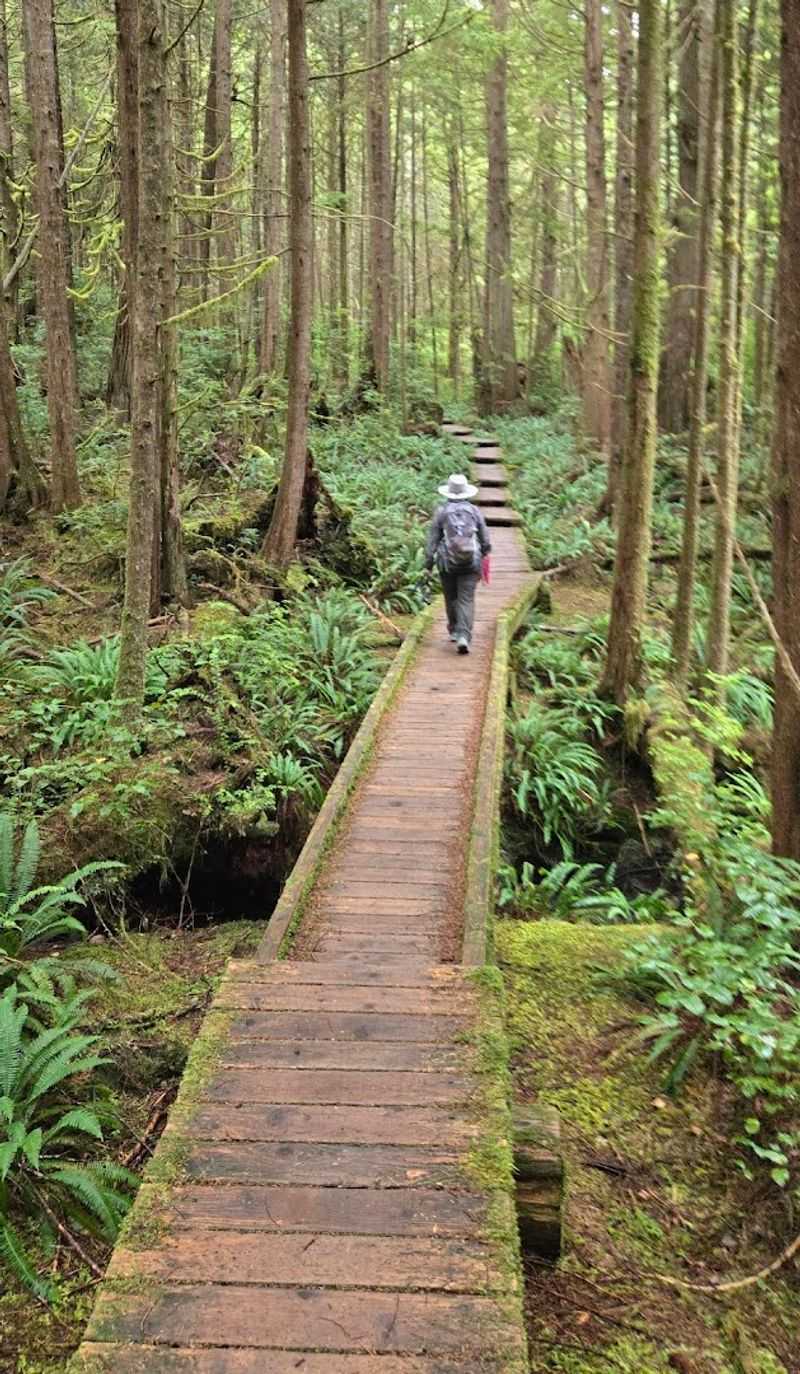
The Ozette Triangle sits comfortably in the moderate difficulty range, but that label comes with some important nuance. The forest boardwalk sections are nearly flat and easy to walk at a steady pace.
Most hikers with a reasonable fitness level handle those sections without much trouble.
The beach section, on the other hand, asks more of you physically and mentally. Rocky terrain, uneven surfaces, and the need to read tide conditions make the coastal stretch more demanding than a typical nature walk.
Add in the total distance of around 9 to 11 miles depending on your route, and you have a hike that rewards preparation. Comfortable, waterproof hiking shoes with solid ankle support are a better choice than trail runners for most people.
The moss-covered boardwalk can be slippery even in dry conditions, so grip matters.
This trail is best suited to hikers who have some experience with uneven terrain and are comfortable navigating without a perfectly manicured path. Families with older children who are used to hiking can absolutely enjoy this loop.
Dogs are not permitted in Olympic National Park, so plan accordingly if you have a furry travel companion at home. For solo hikers, the trail is well-used enough that you will rarely feel truly isolated, especially on weekends during Washington’s warmer months.
Why This Coastal Hike Belongs On Your List
Some trails offer great scenery. Others offer a complete experience. The Ozette Triangle delivers both in a way that is hard to replicate anywhere else in Washington.
You move through ancient forest on cedar boardwalks and emerge onto a wild stretch of Pacific coastline. Petroglyphs carved by people who called this place home long before it had a trail name are here too, along with bears, eagles, and seals sharing the beach.
That combination is genuinely rare. The trail is well-maintained and clearly marked for most of its length. The facilities at the trailhead are clean and functional. The ranger station area near Lake Ozette provides a solid starting point with parking, restrooms, and posted tide information.
Olympic National Park is one of the country’s most ecologically diverse parks, and the Ozette area showcases that in a compact, hikeable package.
Planning a visit means thinking about tides, permits if you are staying overnight, and the right footwear for wet boardwalks. Once those details are sorted, the trail handles the rest.
The Ozette Triangle is not a hike you do once and forget.
Most people who complete it start thinking about coming back before they even reach the parking lot. If you are serious about exploring Washington’s outdoors, this loop deserves a spot near the top.