
The Stunning Botanical Garden In Michigan You Probably Didn’t Know About
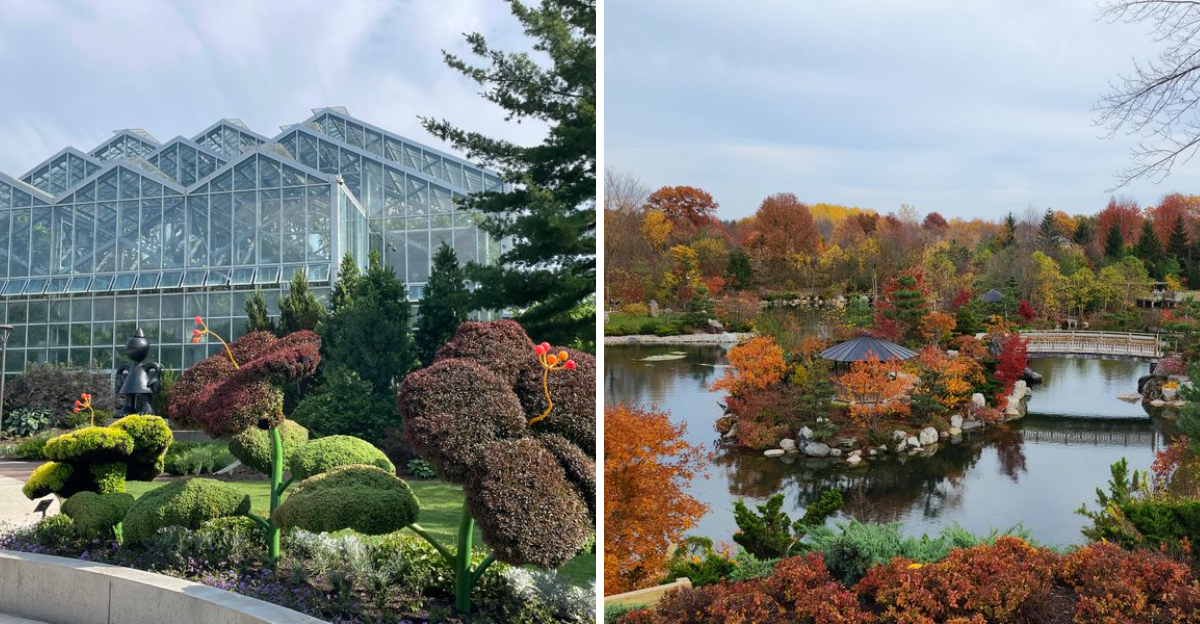
Grand Rapids holds a treasure that many visitors overlook when planning their Michigan adventures. Frederik Meijer Gardens & Sculpture Park combines world-class art with breathtaking natural beauty across 158 acres of thoughtfully designed landscapes.
Located at 1000 East Beltline Avenue Northeast, this botanical wonder offers something far beyond the typical garden experience, blending indoor conservatories with outdoor sculptures and seasonal displays that transform throughout the year.
A World-Class Garden Hidden In Grand Rapids
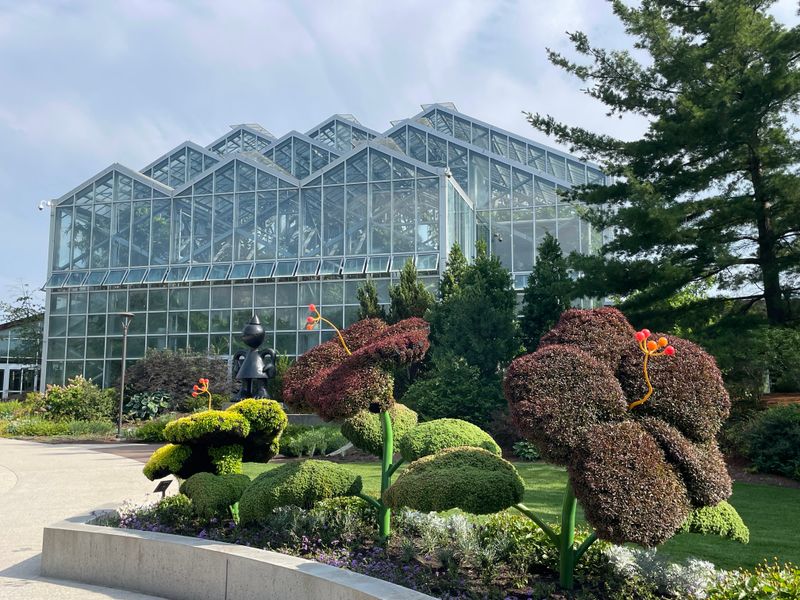
Most people drive past this remarkable destination without realizing what lies beyond its entrance. Frederik Meijer Gardens & Sculpture Park ranks among the finest botanical institutions in the country, yet it remains surprisingly unknown outside the Midwest.
The facility opened in 1995 and has grown into a cultural landmark that attracts visitors from across the globe.
The gardens showcase an impressive collection that spans both indoor and outdoor spaces. Visitors discover everything from delicate orchids to towering sculptures as they explore the grounds.
The property maintains impeccable standards, with every pathway, planting bed, and water feature receiving careful attention from a dedicated horticultural team.
What sets this location apart is how seamlessly it combines multiple experiences into one visit. Art enthusiasts find museum-quality sculptures throughout the landscape.
Nature lovers explore diverse plant collections. Families enjoy interactive spaces designed specifically for children.
This rare combination creates an atmosphere where everyone finds something meaningful to appreciate during their time here.
Where Art And Nature Come Together In Perfect Harmony
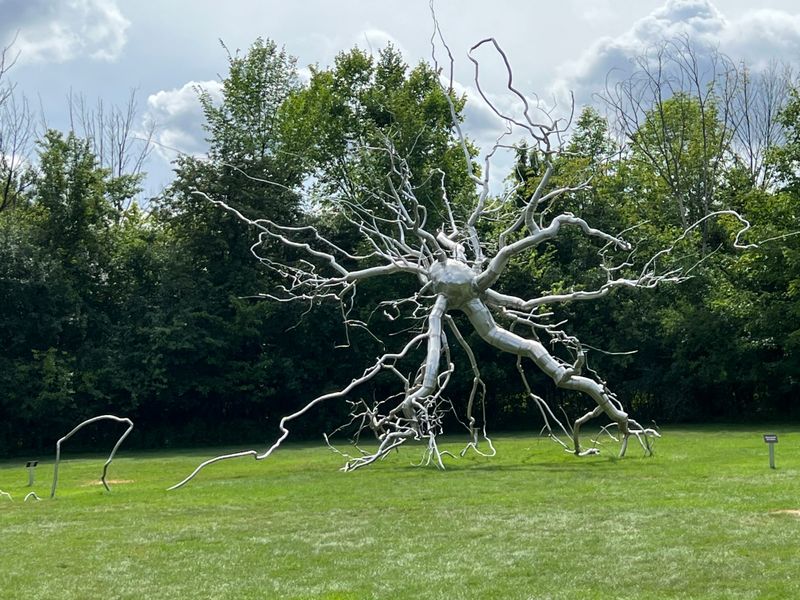
Walking through the sculpture park feels like stepping into an outdoor gallery where nature provides the backdrop. Over 300 sculptures from renowned artists appear throughout the landscape, each positioned to create dialogue between human creativity and natural beauty.
The collection includes works by Auguste Rodin, Henry Moore, and other masters whose pieces command attention while respecting their surroundings.
These installations range from subtle bronze figures to massive steel constructions that tower overhead. Some pieces invite contemplation through their quiet presence.
Others demand immediate attention with bold colors and dramatic forms. The variety ensures that every visitor encounters something that resonates with their personal aesthetic preferences.
The integration of art into the landscape required thoughtful planning and execution. Sculptures sit among flower beds, beside water features, and along woodland trails.
This careful placement means the experience changes constantly as visitors move through different environments. Light shifts throughout the day, seasons alter the surrounding vegetation, and weather conditions transform how each piece appears, ensuring that no two visits feel exactly alike.
Explore Themed Gardens That Change With Every Season
Spring brings tulips and daffodils that carpet entire sections in brilliant color. Summer transforms the gardens with roses, perennials, and annual displays that peak in July and August.
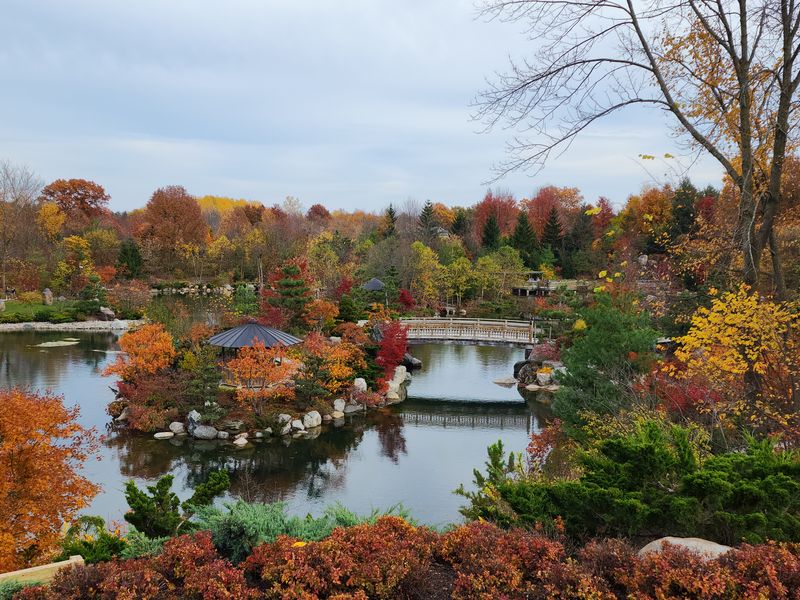
Autumn introduces ornamental grasses, late-blooming flowers, and foliage that shifts from green to gold. Winter offers its own stark beauty, with evergreens and architectural elements taking center stage while special light displays add magic to darker months.
Each themed area maintains its own character and plant palette. The English Garden features traditional perennial borders and climbing roses.
Victorian Garden showcases formal bedding schemes with precise geometric patterns. The Carnivorous Plant House demonstrates how specialized plants adapt to challenging environments.
These distinct zones create a sense of discovery as visitors move between different horticultural styles and philosophies.
The seasonal rotation means returning visitors always find something new to observe. Staff members plan years in advance, selecting bulbs, seeds, and plants that will create specific effects during particular months.
This dedication to seasonal interest ensures the gardens reward repeat visits throughout the calendar year.
The Breathtaking Tropical Conservatory You Have To See
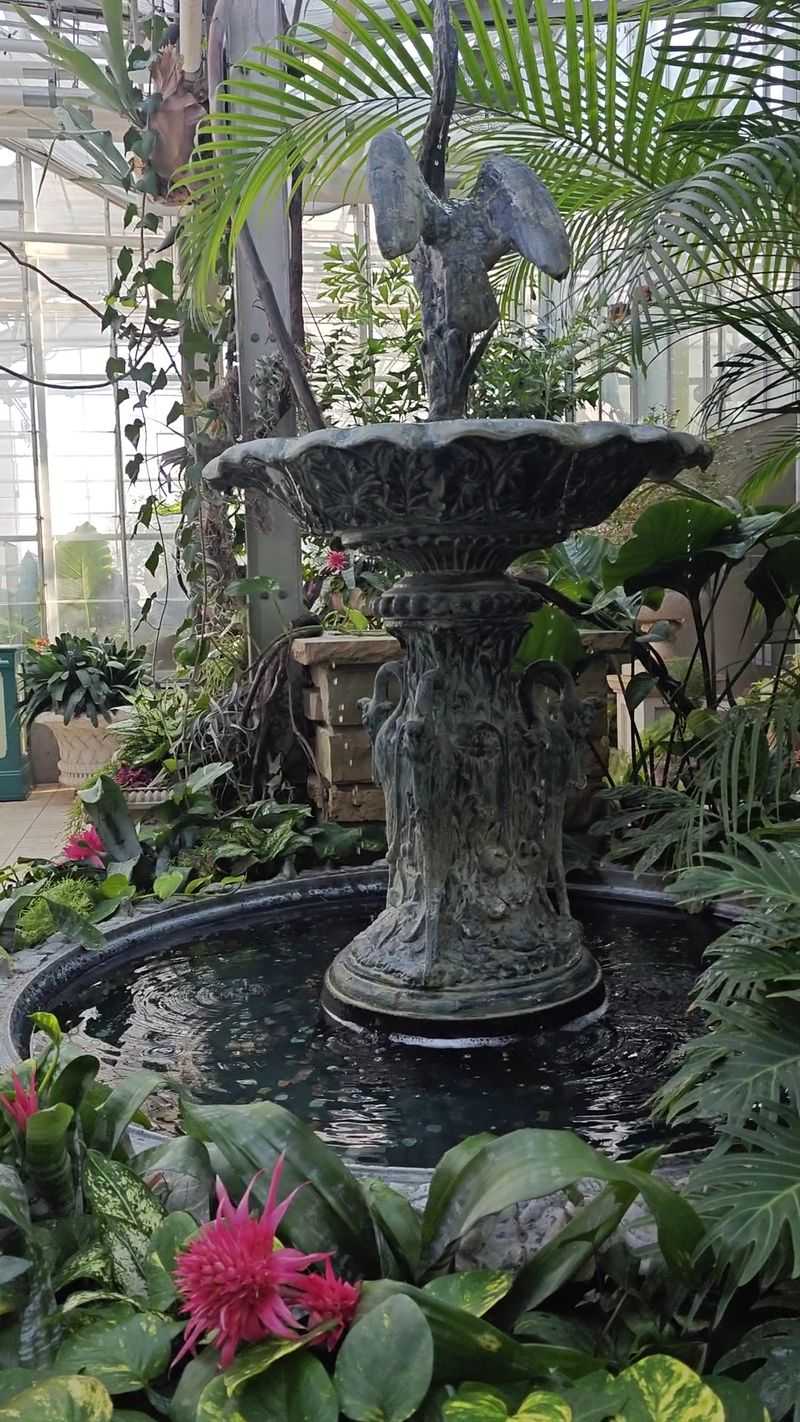
Stepping into the Lena Meijer Tropical Conservatory feels like entering another climate zone entirely. The five-story glass structure maintains conditions that allow tropical species to thrive year-round, creating an environment dramatically different from Michigan’s temperate weather outside.
Humidity rises noticeably as visitors enter, and the temperature stays warm even during harsh winter months.
The plant collection inside includes specimens rarely seen outside their native habitats. Massive leaves stretch several feet across, demonstrating how tropical species adapt to capture filtered sunlight beneath dense canopy layers.
Orchids bloom in vibrant colors throughout the space. Bromeliads cling to artificial rock walls, mimicking how they grow as epiphytes in natural rainforest settings.
A waterfall cascades down one wall, adding sound and movement to the visual spectacle. Pathways wind through the space at multiple levels, allowing visitors to observe plants from different perspectives.
The upper walkway provides views down into the canopy, while ground-level paths bring visitors close to trunk bases and root systems that anchor these impressive specimens.
Stroll Through One Of America’s Most Beautiful Japanese Gardens
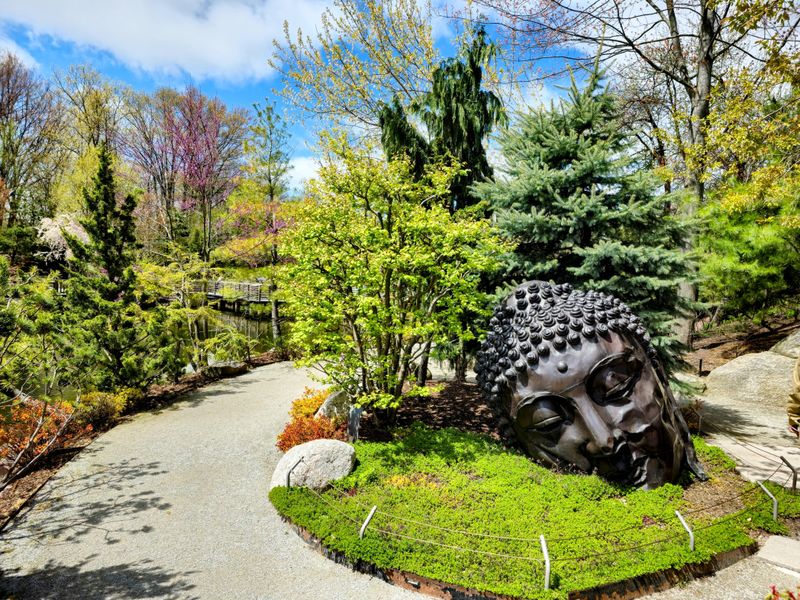
The Richard and Helen DeVos Japanese Garden represents one of the finest examples of this traditional style outside Japan. Designed by Hoichi Kurisu, a master of Japanese landscape architecture, the garden follows principles refined over centuries to create spaces that inspire contemplation and peace.
Every element serves a purpose, from the placement of individual stones to the pruning techniques used on specific trees.
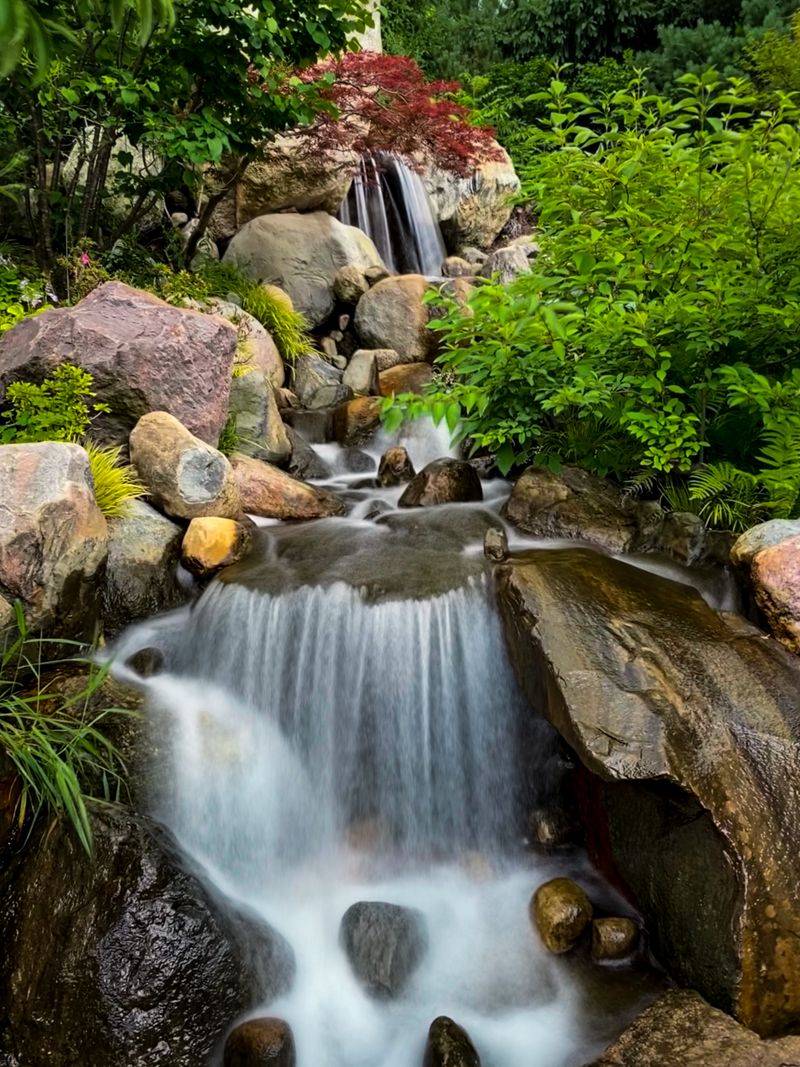
Multiple waterfalls cascade through the landscape, their sound providing a natural soundtrack that masks urban noise from beyond the garden walls. Koi swim in clear ponds beneath arched bridges.
Stone lanterns mark significant viewpoints. Gravel patterns raked into precise lines demonstrate the attention to detail that defines authentic Japanese garden design.
The space feels expansive despite occupying a defined area, a testament to design techniques that create the illusion of greater scale.
Visitors often spend considerable time in this section, drawn by its calming atmosphere. Benches positioned at strategic locations invite extended observation.
The garden changes subtly with seasons, offering cherry blossoms in spring and brilliant foliage in autumn while maintaining its essential character throughout the year.
Over 150 Acres Of Sculptures, Gardens, And Trails
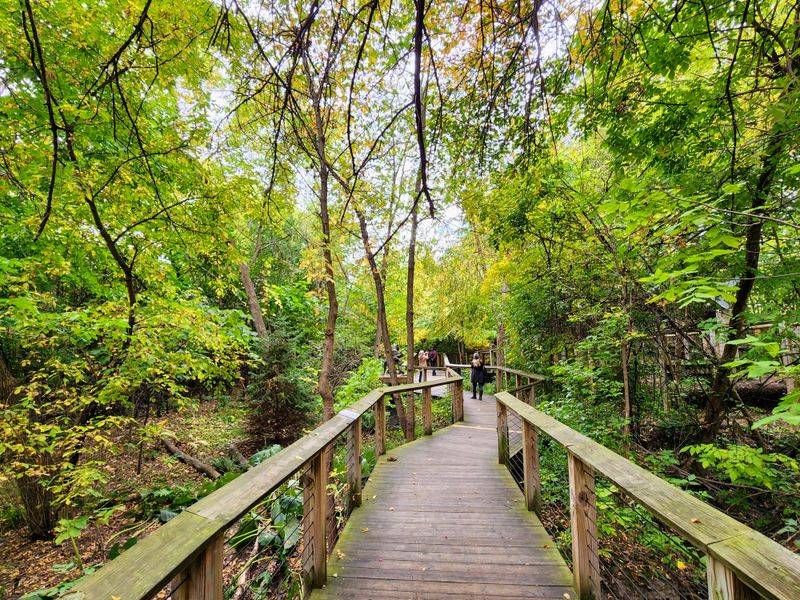
The sheer scale of this property surprises first-time visitors who expect something more modest. The 158 acres encompass multiple distinct environments, from formal garden beds to natural woodland areas.
Well-maintained trails connect these different zones, creating routes that can accommodate short visits or extended explorations lasting several hours.
A tram service operates for those who prefer not to walk the entire property. The narrated ride provides an overview of major features and helps visitors orient themselves to the layout.
However, many guests find that walking allows them to notice details that become invisible at vehicular speed. The choice between riding and walking depends on individual mobility, available time, and personal preference.
The trail system includes both paved paths suitable for wheelchairs and strollers, plus natural surface routes through wooded sections. Boardwalks extend over wetland areas, allowing close observation of aquatic plants and wildlife without disturbing sensitive ecosystems.
This infrastructure makes the extensive property accessible while protecting the natural features that make it special. Maps available at the entrance help visitors plan routes based on their interests and capabilities.
A Must-Visit For Both Garden Lovers And Art Enthusiasts
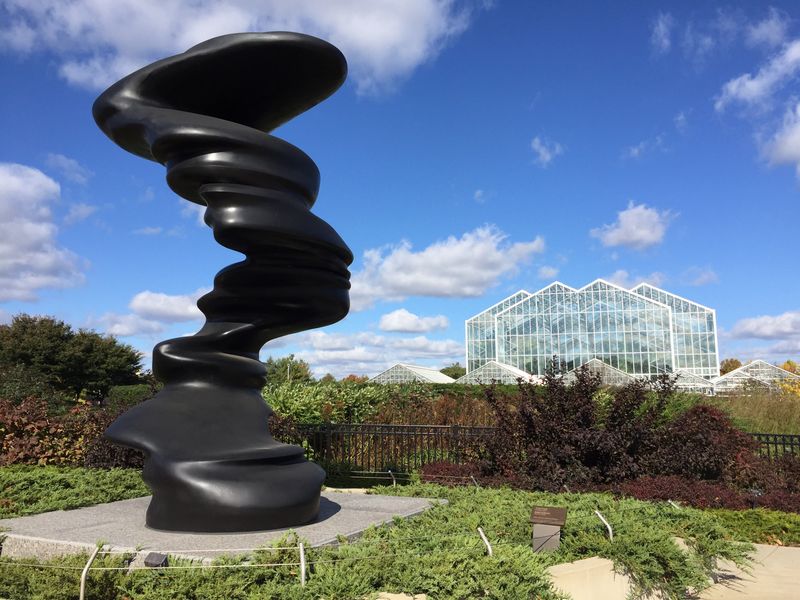
This destination appeals to audiences with different interests, making it ideal for groups with varied preferences. Someone passionate about horticulture can spend hours examining plant labels and observing cultivation techniques.
Meanwhile, their companion who cares more about visual arts can focus on the sculpture collection. Both leave satisfied, having experienced content relevant to their interests.
The indoor galleries host rotating exhibitions that supplement the permanent outdoor collection. These temporary shows bring works by contemporary artists to Grand Rapids, often featuring pieces too valuable or delicate for outdoor display.
Recent exhibitions have included glass art by Dale Chihuly, whose installations transform interior spaces with colored light and organic forms.
Educational programming serves both communities. Lectures on garden design attract horticulturists and landscape professionals.
Gallery talks led by curators provide context for sculpture installations. Workshops teach practical skills from botanical illustration to metalworking.
This robust schedule means visitors can deepen their knowledge regardless of which aspect initially drew them to the gardens. The combination of passive observation and active learning opportunities creates an experience that engages minds as well as senses.
Family-Friendly Exhibits And Nature Play Areas

The Lena Meijer Children’s Garden provides young visitors with hands-on experiences designed specifically for their age group. Interactive water features let kids experiment with flow and movement.
Musical instruments made from natural materials encourage creative play. Climbing structures built from logs and boulders develop physical skills while blending into the landscape.
The space recognizes that children learn through active engagement rather than passive observation.
Unlike traditional gardens where signs warn against touching plants, this area invites interaction. Kids can walk through a tunnel made from living willow branches.
They explore a treehouse that offers elevated views across the children’s garden. Sensory gardens encourage touching fragrant herbs and textured leaves.
These experiences build positive associations with nature that can last a lifetime.
Parents appreciate that the design keeps children entertained while remaining educational. Information panels explain ecological concepts in age-appropriate language.
Staff members often lead programs that teach basic botany or wildlife identification. The combination of free play and structured learning makes this section popular with families who want their children to develop environmental awareness while having fun outdoors.
Seasonal Events That Bring The Gardens To Life

The annual ENLIGHTEN event transforms winter visits into something magical. Thousands of lights illuminate pathways, sculptures, and trees throughout the property.
Color-changing installations create dramatic effects against snow-covered landscapes. Fire pits positioned along routes provide warmth where visitors can pause before continuing their walk.
Hot beverages available for purchase add to the cozy atmosphere. The event runs several weeks, attracting locals who return multiple times to experience different weather conditions that alter how the lights appear.
Summer brings concerts to the outdoor amphitheater, where audiences enjoy performances against a backdrop of gardens and sculptures. The butterfly exhibit opens each spring, filling a dedicated conservatory with hundreds of live butterflies from around the world.
Visitors watch these insects feed on nectar, rest on tropical plants, and occasionally land on shoulders or extended hands.
Special exhibitions rotate throughout the year, ensuring that each season offers unique programming. Christmas tree displays during November and December showcase decorated trees from various cultures.
Spring plant sales allow gardeners to purchase specimens propagated from the gardens’ own collections. These events create reasons for repeated visits while generating revenue that supports ongoing operations and future development.
Rare And Exotic Plants You Won’t Find Everywhere
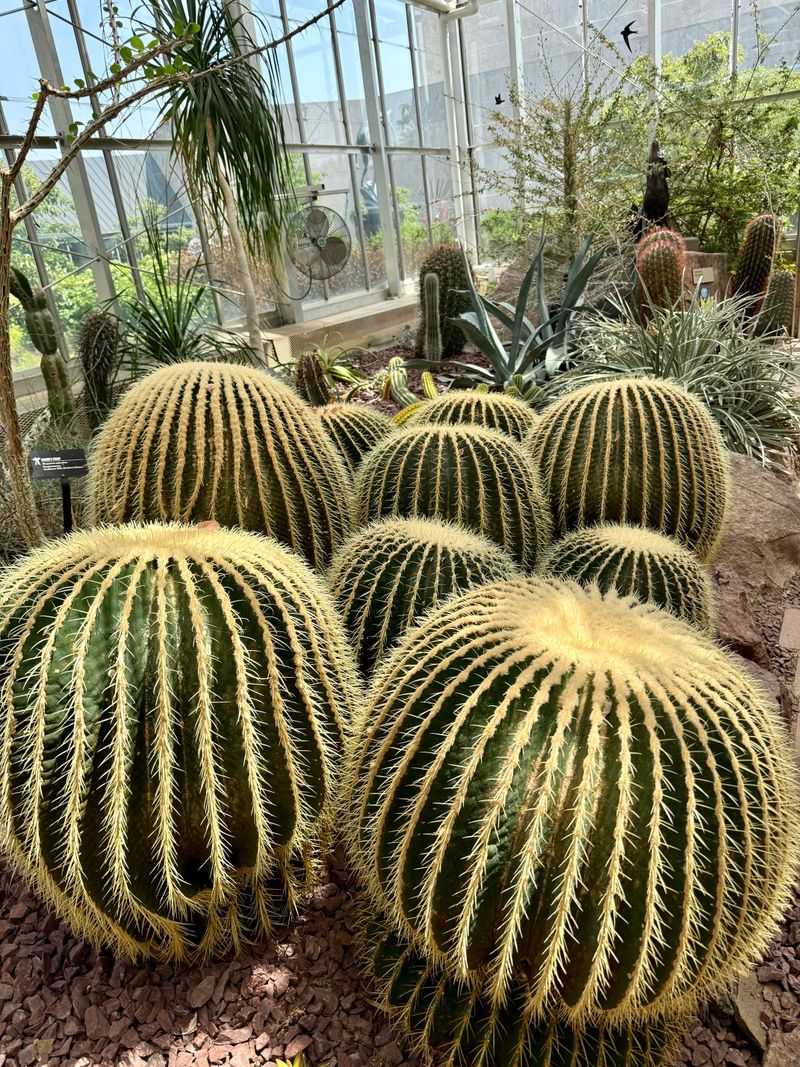
The plant collections include species that most people never encounter outside specialized botanical institutions. Carnivorous plants demonstrate evolutionary adaptations to nutrient-poor environments by capturing and digesting insects.
Rare orchids from remote habitats bloom in conditions carefully controlled to match their native climates. Cycads represent ancient plant lineages that predate flowering plants by millions of years, offering glimpses into prehistoric vegetation.
The horticultural staff travels internationally to acquire specimens and exchange materials with other institutions. This network allows them to obtain plants that would be impossible to purchase commercially.
Some specimens represent species threatened in their native habitats, making the collection important for conservation as well as education and display.
Interpretive labels throughout the conservatories and gardens provide information about plant origins, adaptations, and cultural uses. Visitors learn how indigenous peoples utilized specific species for medicine, food, or materials.
They discover the botanical relationships between familiar crops and their wild relatives. This educational component transforms casual observation into deeper understanding of plant diversity and importance to human civilization.
The collection serves as a living library that documents global botanical wealth.
Why Locals Keep Coming Back Year After Year
Annual memberships prove popular with Grand Rapids residents who visit frequently throughout the year. The gardens reward this loyalty by constantly changing displays so that repeat visitors always find something new to observe.
Someone who walks the same route monthly witnesses the complete cycle of seasonal transformation, from bare branches to spring bloom to summer abundance to autumn color and winter dormancy.
The venue also serves as a community gathering place. Locals meet friends for coffee at the cafe before strolling through favorite sections.
Families celebrate birthdays in the children’s garden. Couples choose the Japanese Garden as a wedding venue, creating memories tied to this specific location.
These personal connections transform the gardens from a tourist attraction into a meaningful part of community life.
The consistently high quality of maintenance and programming builds trust with local audiences. They know that any visit will meet their expectations because the institution maintains rigorous standards.
Staff members recognize regular visitors and often share information about upcoming changes or new acquisitions. This relationship between institution and community creates a sense of shared ownership that benefits both parties through continued support and engagement.