
The Stunning Building In New York With A Hogwarts Look You Won’t Forget This Year
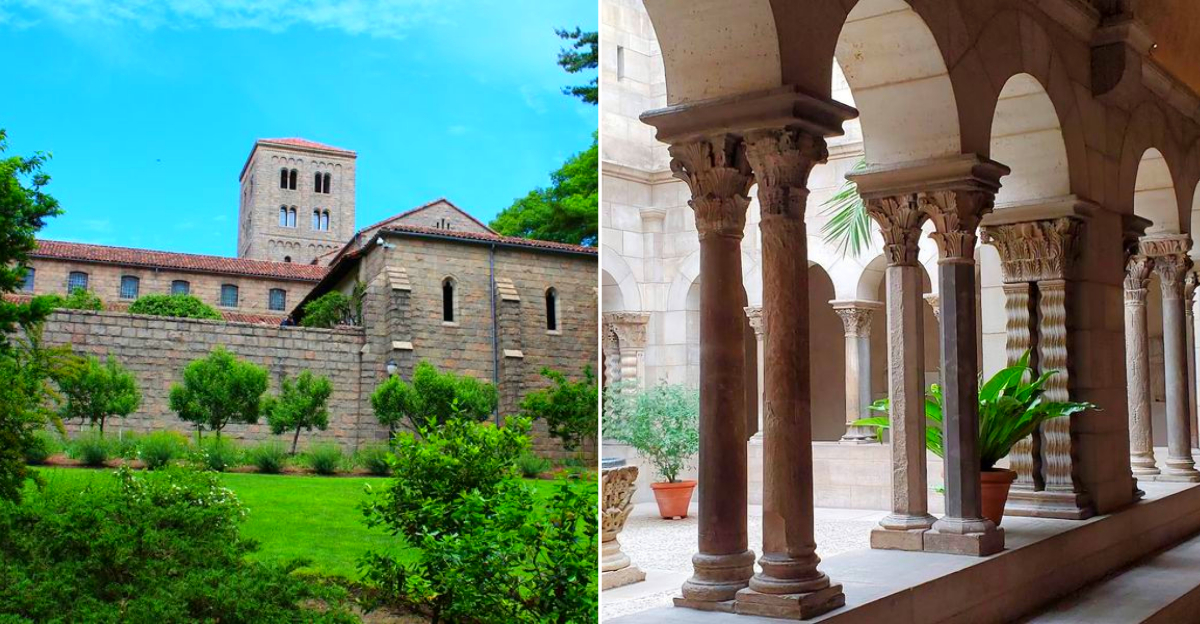
Hogwarts is fictional but this New York building makes that fact feel briefly and delightfully negotiable. Gothic architecture so precise and so dramatically executed it produces a specific kind of awe that most buildings spend their entire existence failing to achieve.
The towers reach upward with an overall effect so cinematic it makes the surrounding street feel like a film set that forgot to bring the cameras.
New York has landmarks worth seeking out in every direction but very few that produce this deeply enjoyable reaction in the people who encounter them for the first time.
Go this year with no particular agenda beyond standing in front of something extraordinary and taking it in properly. The building will handle everything else from there and it will do so with considerable style.
A Castle That Time Forgot To Lock Up
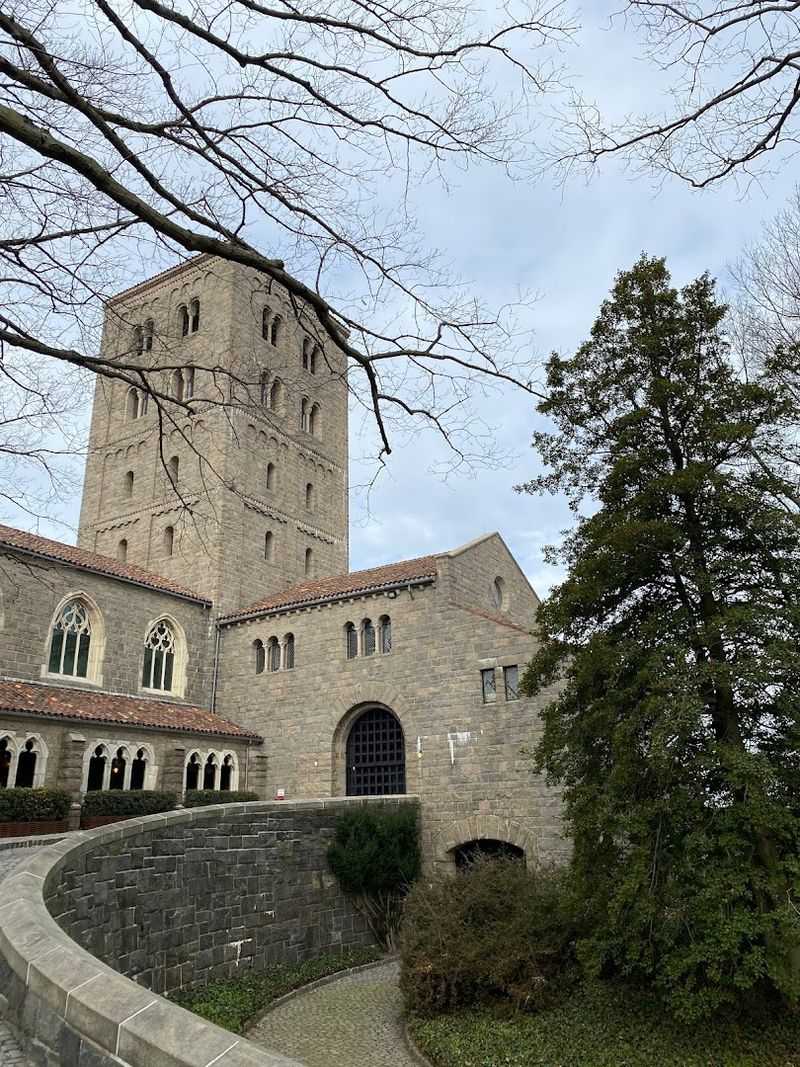
Most museums greet you with glass doors and gift shop smells. This one greets you with a four-story stone tower that looks like it was pulled straight out of a medieval kingdom.
The silhouette alone is enough to make you stop walking and just stare for a moment.
The building draws heavily from Romanesque and Gothic architecture. You will spot massive masonry walls, pointed arches, and ribbed vaults that give the whole structure a cathedral-like gravity.
Everything about the exterior signals that you are about to enter a space that plays by very different rules.
What makes it even more remarkable is that the structure is not a replica or a Hollywood set. Architect Charles Collens designed it in 1938 with deliberate care, blending original medieval elements into a unified building that feels both ancient and intentional.
The result is a place that carries genuine historical weight without feeling like a theme park. Fort Tryon Park surrounds it, adding a lush, forested backdrop that deepens the sense of being far removed from the city grid.
It earns every second of the double-take it gets from first-time visitors.
The Met Cloisters And Where To Find It
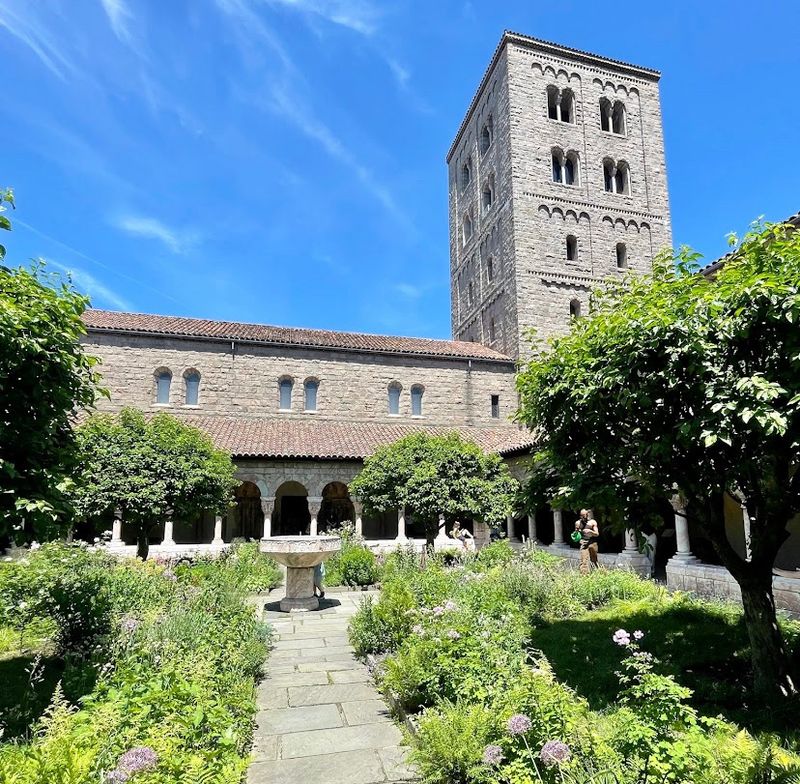
The Met Cloisters sits at 99 Margaret Corbin Drive in New York, NY 10040, perched above the Hudson River in Fort Tryon Park. It is a branch of The Metropolitan Museum of Art and one of the most distinct museum experiences the city has to offer.
Getting there feels like a journey in itself, with tree-lined paths and river views along the way.
The museum is open Thursday through Tuesday from 10 AM to 5 PM and is closed on Wednesdays. New York residents with valid ID can pay what they wish for admission, which is a genuinely generous policy for a collection of this caliber.
General admission runs between twenty and thirty dollars per person for out-of-towners.
You can reach the museum by public transportation, which makes the trip accessible without a car. Plan to spend at least a few hours here because the experience rewards patience and slow exploration.
The museum holds a 4.8-star rating across thousands of visitors, which speaks to how consistently it delivers something memorable. Calling ahead at 212-923-3700 or checking the official website before your visit will help you time things well and avoid any surprises at the door.
Five Cloisters, One Extraordinary Place
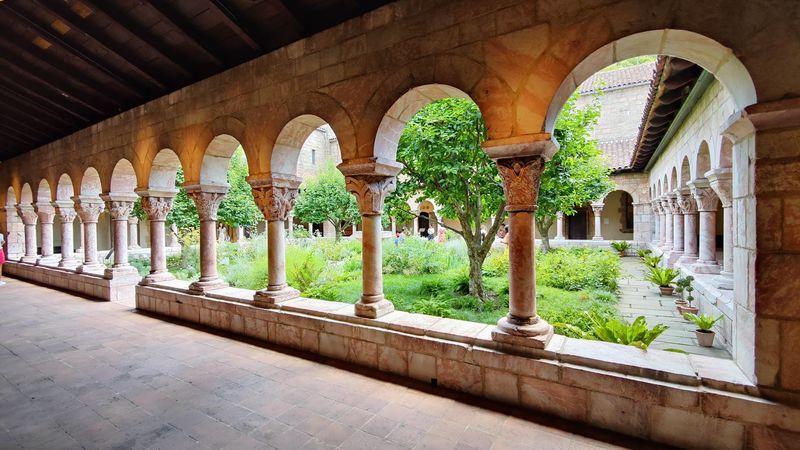
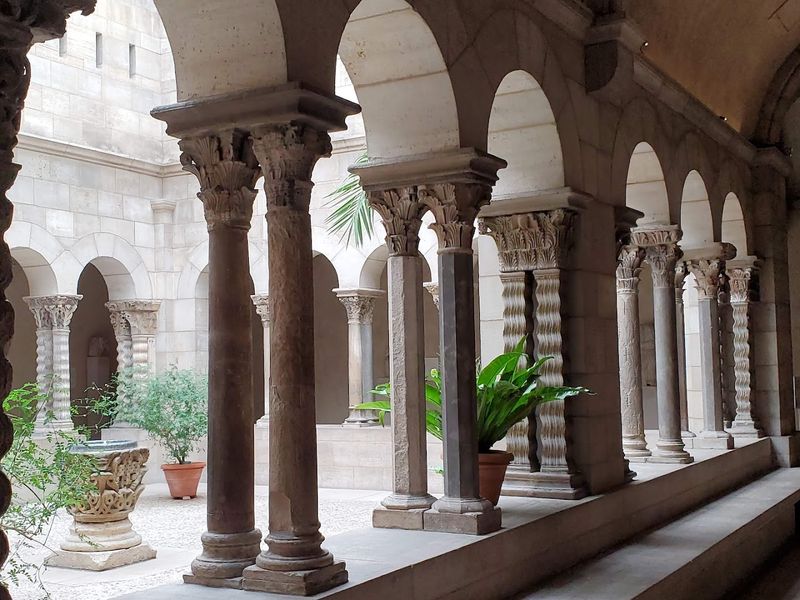
Here is a fact that rewires your brain a little: the cloisters inside the museum are not imitations. Portions of five actual medieval French cloisters were carefully transported from Europe and reconstructed within the building.
The names alone sound like a fantasy novel roll call: Saint-Michel-de-Cuxa, Saint-Guilhem-le-Desert, Bonnefont, Trie, and Froville.
Each cloister is a covered walkway or open arcade surrounding a central courtyard, which was the architectural heart of medieval monastery life. Walking through them feels genuinely quiet in a way that Manhattan almost never allows.
The stone columns, worn smooth by centuries of existence, carry a texture that no reproduction could fake.
Three of the reconstructed cloisters enclose gardens planted with species drawn from medieval herbals and tapestries. The plants are chosen with scholarly precision, making the gardens as historically grounded as the stonework around them.
Visitors often linger here longer than they planned because the atmosphere has a way of slowing everything down. The combination of real medieval architecture and carefully tended greenery creates an environment that feels more like a living history lesson than a traditional museum display.
It is the kind of place that changes how you think about time.
Gothic Arches And Hogwarts Energy
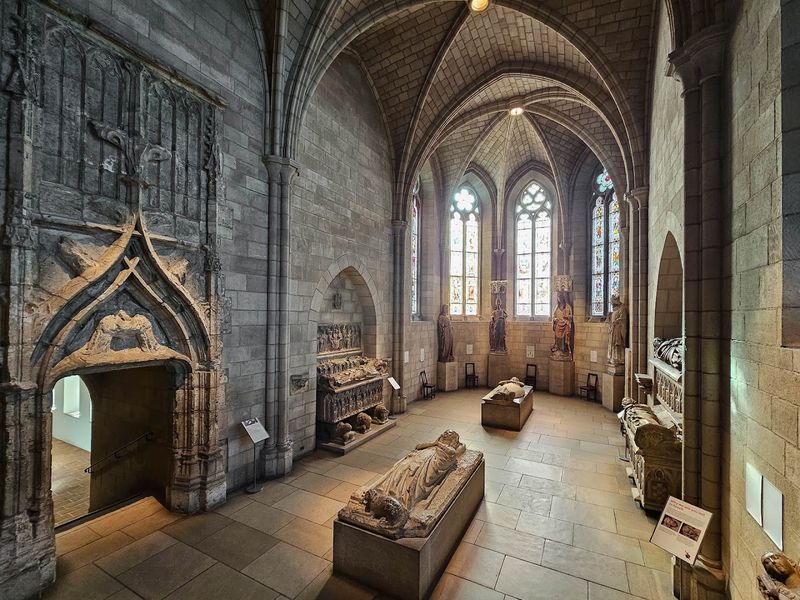
Anyone who has watched the Harry Potter films and felt a pull toward those grand stone corridors will recognize something familiar the moment they enter the Gothic chapel at The Met Cloisters.
Pointed arches sweep upward, ribbed vaults cross overhead, and the stone walls absorb sound in a way that makes the space feel both enormous and intimate at the same time.
The Gothic architectural style was a direct inspiration for the design of Hogwarts Castle in the films. Lancet windows, fan vaulting, and soaring ceilings are features the two spaces genuinely share.
So the comparison is not just a fun observation. It is rooted in real architectural history.
There is one detail that makes the connection even more concrete. The famous Unicorn Tapestries housed in the museum were recreated as wall hangings for the Gryffindor common room set during production of the Harry Potter films.
So the next time you watch those scenes and notice the rich, detailed fabric on the walls, you are looking at art inspired by pieces hanging right here in New York. That kind of cultural crossover gives the museum an extra layer of cool that even non-art fans can appreciate fully.
The Unicorn Tapestries Up Close
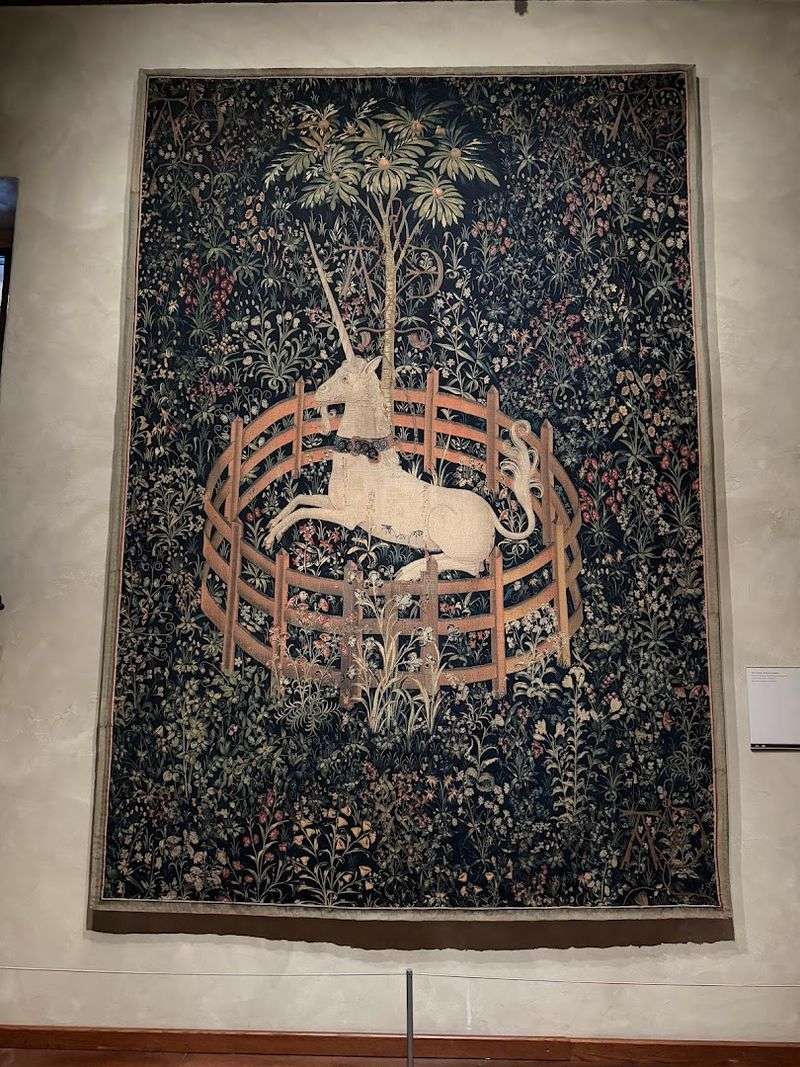
Few things in the New York art world carry the kind of quiet authority that the Unicorn Tapestries do. Woven in the late 15th or early 16th century, the seven panels depict a unicorn hunt with extraordinary detail, rich color, and symbolic depth that art historians are still unpacking today.
They were donated by John D. Rockefeller Jr. and remain the crown jewel of the collection.
Up close, the craftsmanship is almost overwhelming. Every flower, every thread, every expression on the figures’ faces was placed with intention.
The background foliage alone contains over 100 identified plant species, which tells you something about the level of care that went into their creation.
The tapestries occupy their own dedicated room, and the atmosphere inside feels appropriately reverent. Natural and artificial lighting is controlled to protect the fibers while still allowing visitors to see the colors as vividly as possible.
First-time visitors often describe standing in front of them as a genuinely arresting experience, the kind where you forget to check your phone. For context, comparable tapestries of this quality and condition are extraordinarily rare anywhere in the world.
Seeing them in person is not something you replicate with a quick internet search.
Stained Glass That Rewrites Light
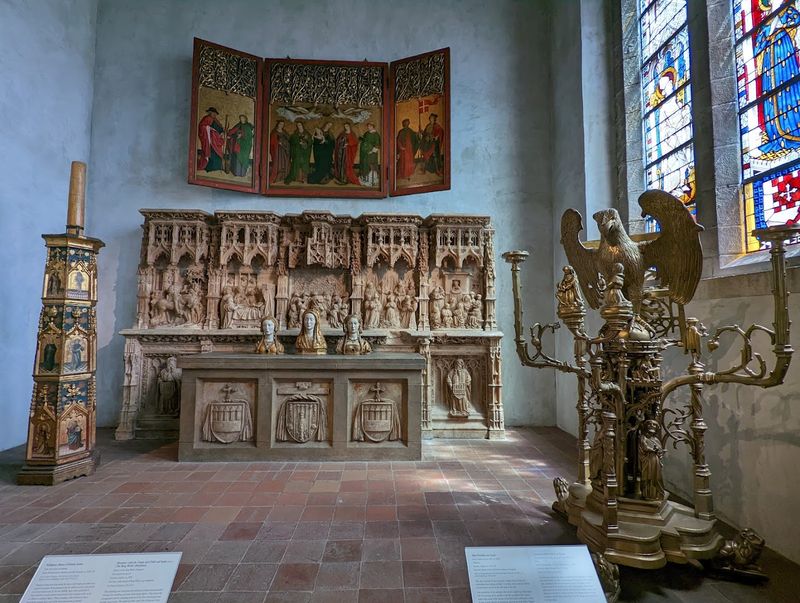
Colored light has a way of changing a room entirely, and the stained glass collection at The Met Cloisters proves that point with force. The museum houses panels dating mostly from the 13th to the early 16th century, with the majority originating from France and Germany.
They are not decorative afterthoughts. They are integrated into the building itself, treating the walls as canvases for light.
On a sunny day, the effect is extraordinary. Light passes through centuries-old glass and lands on stone floors in pools of amber, cobalt, and crimson.
The colors shift as the sun moves, which means the museum looks slightly different depending on what time you arrive. Early afternoon tends to produce the most dramatic results.
Each panel tells a story drawn from religious narrative, symbolic imagery, or scenes of daily medieval life. Reading them requires patience and a willingness to look slowly.
The craftsmanship involved in cutting, painting, and leading each piece of glass was a specialized skill that took years to master.
Seeing these windows in their architectural context, rather than behind museum glass in a separate case, gives you a much more honest sense of how they were meant to be experienced by the people who originally commissioned them.
Gardens Grown From Medieval Manuscripts
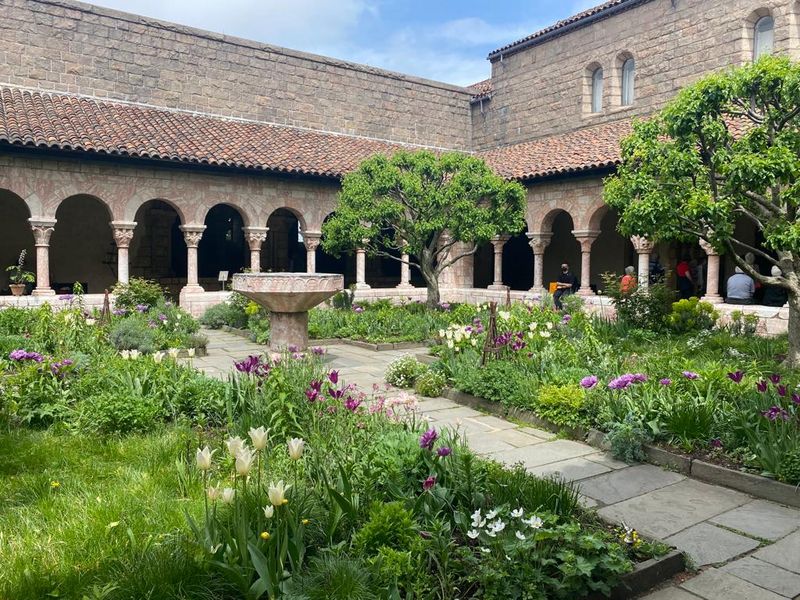
Most museum gardens are decorative. The gardens at The Met Cloisters are something closer to scholarship made visible.
Each plant was selected based on species documented in medieval herbals and depicted in period tapestries. The result is a garden that functions as a living reference to how people in the Middle Ages understood and used the natural world.
Visiting in spring or summer rewards you with blooms and scents that feel genuinely old-world. Lavender, hyssop, and other herbs that medieval monks would have cultivated fill the air with something that no exhibit label can fully communicate.
The enclosed courtyards amplify the quiet, turning each garden into a small sanctuary within the larger museum experience.
Bringing a sketchbook or a journal to one of these spaces is a genuinely good idea. Many visitors find that sitting beside the garden for twenty minutes resets something in them that the city has wound too tight.
The views from certain garden paths also extend outward to the Hudson River, adding a natural panorama to an already layered sensory experience.
Few museums in New York offer outdoor spaces with this kind of historical grounding and atmospheric calm combined in one visit worth repeating across seasons.
Hudson River Views Worth The Climb
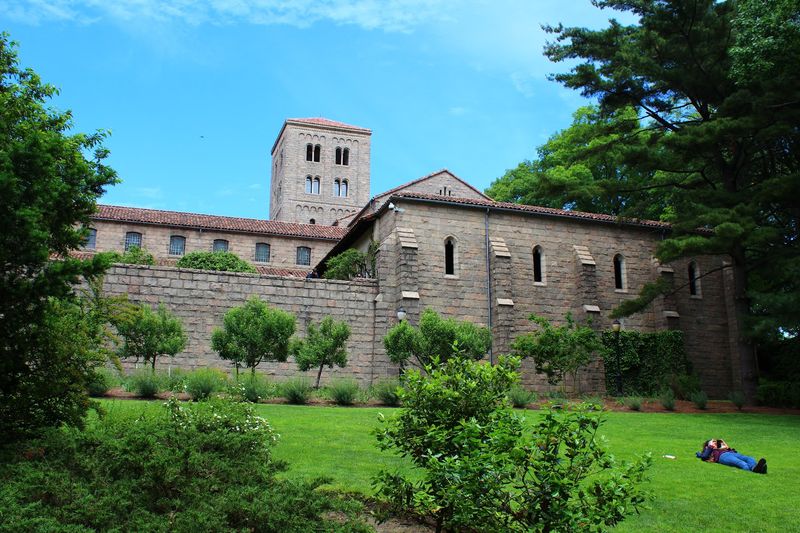
The walk to The Met Cloisters is part of the experience, and the payoff at the top is a view of the Hudson River that genuinely earns the effort.
The museum sits high above the riverbank in Fort Tryon Park, which means the sightlines extend across the water to the New Jersey Palisades in a way that feels both peaceful and dramatic.
John D. Rockefeller Jr. actually purchased the land across the river specifically to preserve the natural view from the museum.
That kind of long-range thinking is rare, and it means the panorama you see today looks essentially the same as it did when the museum opened in 1938. No development has crept into the frame.
On clear days, visitors often spend extended time on the outdoor paths just taking in the scenery. Spreading a blanket on the lawn, watching the river move, and letting the stone walls of the museum anchor the background is a genuinely restorative afternoon in New York.
The contrast between the medieval architecture and the wide open river view creates a visual combination that photographers and casual visitors alike find hard to leave. It is one of those spots in the city that rewards you for showing up without a rigid agenda.
Planning A Visit Worth Every Minute
A few practical notes can turn a good visit into a great one. The museum opens at 10 AM Thursday through Tuesday and closes on Wednesdays, so plan accordingly.
Arriving early gives you the quietest experience, especially in the tapestry rooms and garden spaces, which can fill up by midday on weekends.
New York residents with valid ID have the option to pay what they wish, which is worth knowing before you budget the trip. For everyone else, tickets run between twenty and thirty dollars.
The museum is reachable by public transportation, and the journey through Fort Tryon Park on foot adds to the overall atmosphere rather than subtracting from it.
Plan for at least three to five hours if you want to move through the collection without rushing. The museum is not enormous by Metropolitan Museum of Art standards, but the depth of each room rewards careful attention.
A cafe on site means you can pause and recharge without leaving the grounds. Guided tours are available and vary in content depending on the presenter, which keeps repeat visits feeling fresh.
Reaching the team at 212-923-3700 or visiting the official Met website before your trip will help you prepare for an experience that genuinely stays with you long after you leave.