
The Stunning Mountain Town In New York Where Life Moves At A Slower Pace
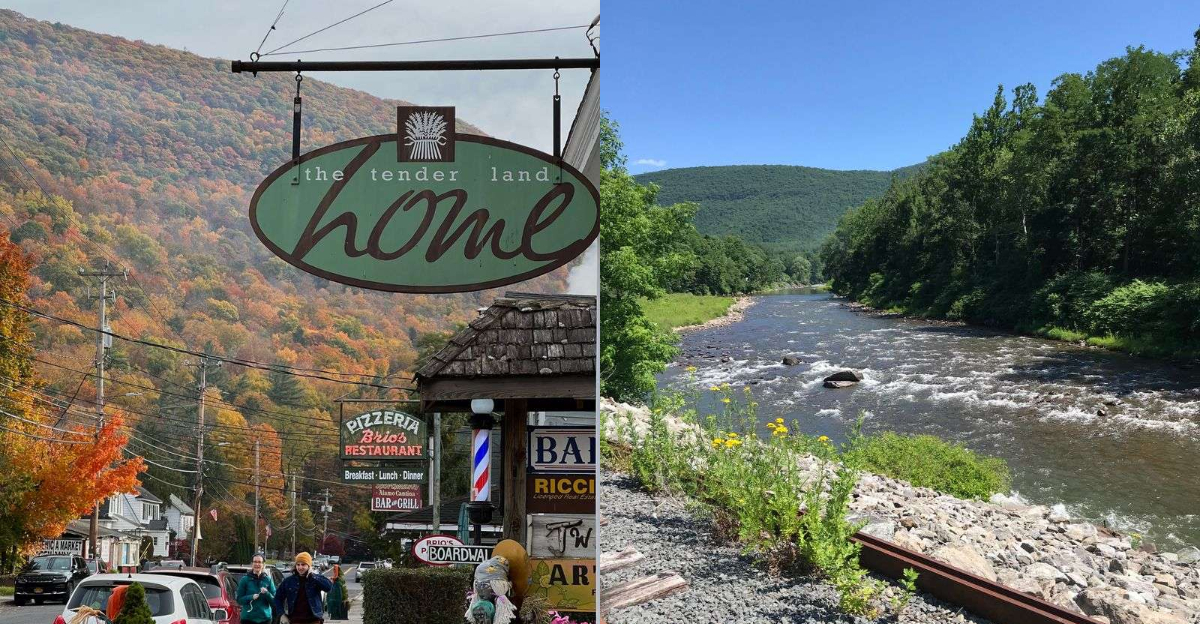
The road into Phoenicia narrows just enough to make you ease off the accelerator and unclench your shoulders. Trees close in, the noise thins out, and suddenly the pace of the day feels negotiable again.
Esopus Creek runs alongside the village, steady and reassuring, setting a rhythm that quietly encourages you to look up from your thoughts and notice what’s around you.
Cafés keep their doors open when the weather allows, letting laughter and coffee aromas drift onto the pavement. Locals linger over conversations rather than rushing through them, and nobody seems particularly concerned about the clock.
The draw isn’t silence so much as space, space to walk slower, sit longer, and let the hours stretch naturally. Quiet arrives as a bonus, but the real appeal is how easily the town invites you to slow down without needing to be told.
An Arrival That Softens The Edges
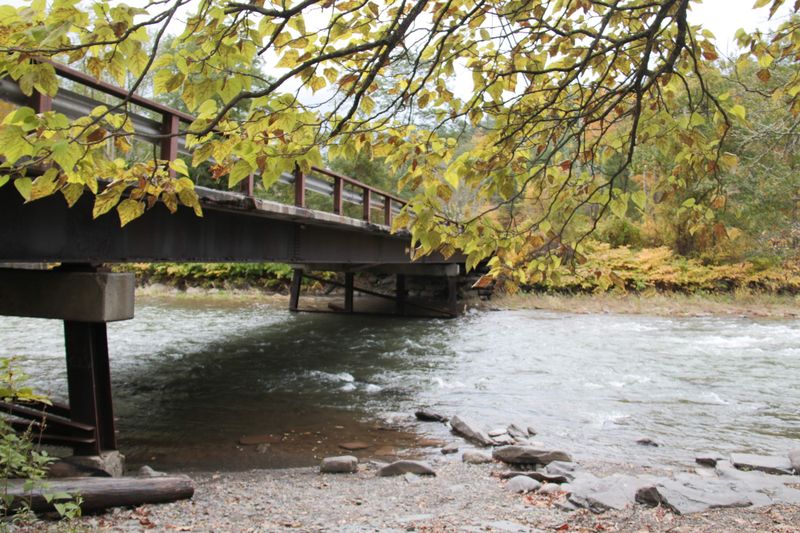
The first sign you are close to Phoenicia is not a billboard but a change in pace. Pavement narrows, trees lean in, and the creek begins to speak in a low, steady register.
You roll down a window almost automatically, letting the air press lightly against your shoulders. The town does not rush forward to greet you, and that restraint feels like hospitality.
Turnoffs appear at human intervals, not engineered to funnel. A modest bridge crosses the Esopus, framing a view that reads like a quiet invitation rather than a promise.
The Catskills rise behind with an easy confidence that never asks to be photographed. By the time Main Street arrives, your shoulders have lowered and your breathing has found the village rhythm.
There is parking without tension and a sidewalk that welcomes a slower step. Wind moves through leaves with practical music, and someone always seems to be carrying a newspaper.
You notice details you might usually miss: a hand-painted sign, a porch with two chairs, a dog sleeping in perfect trust. Arrival here is less a moment than a gradual permission to relax.
Esopus Creek As Daily Companion
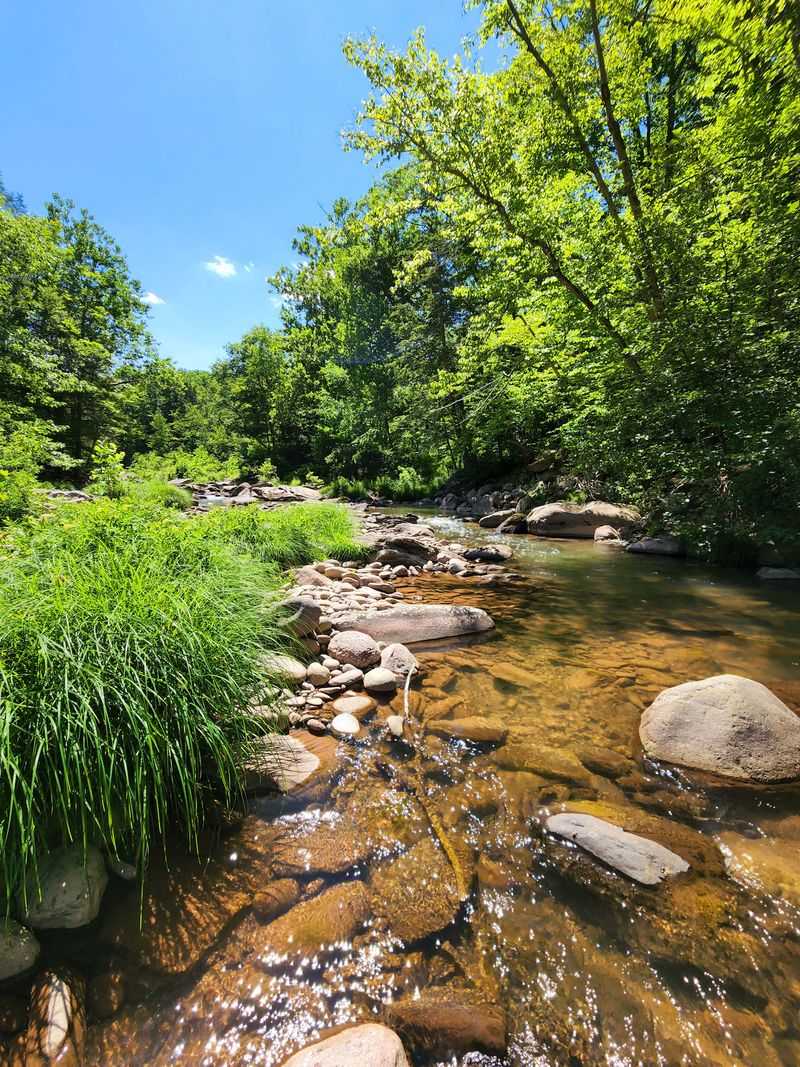
Water sets the schedule in Phoenicia. The creek moves with enough authority to determine morning plans, afternoon pauses, and the pleasant fatigue of evening.
Fly fishers arrive early, stepping carefully around stones that have been polished by years of similar footsteps. Their patience suits the town, and the town suits their patience.
Later in the day, tubers drift past with the concentration of people going nowhere gladly. Their laughter carries softly and then dissolves into current noise.
On quieter stretches, swallows skim the surface and leave neat signatures on the water. Even on busy weekends, there are pockets where the only sound is your own balance shifting.
After rain, the creek fills and voices lower accordingly. Early summer brings water cold enough to sharpen thought, and August offers relief that lasts until evening.
From many porches, the creek is the background conversation that threads hours together. It never shouts, but it does not stop talking.
Mount Tremper And The Patient Climb
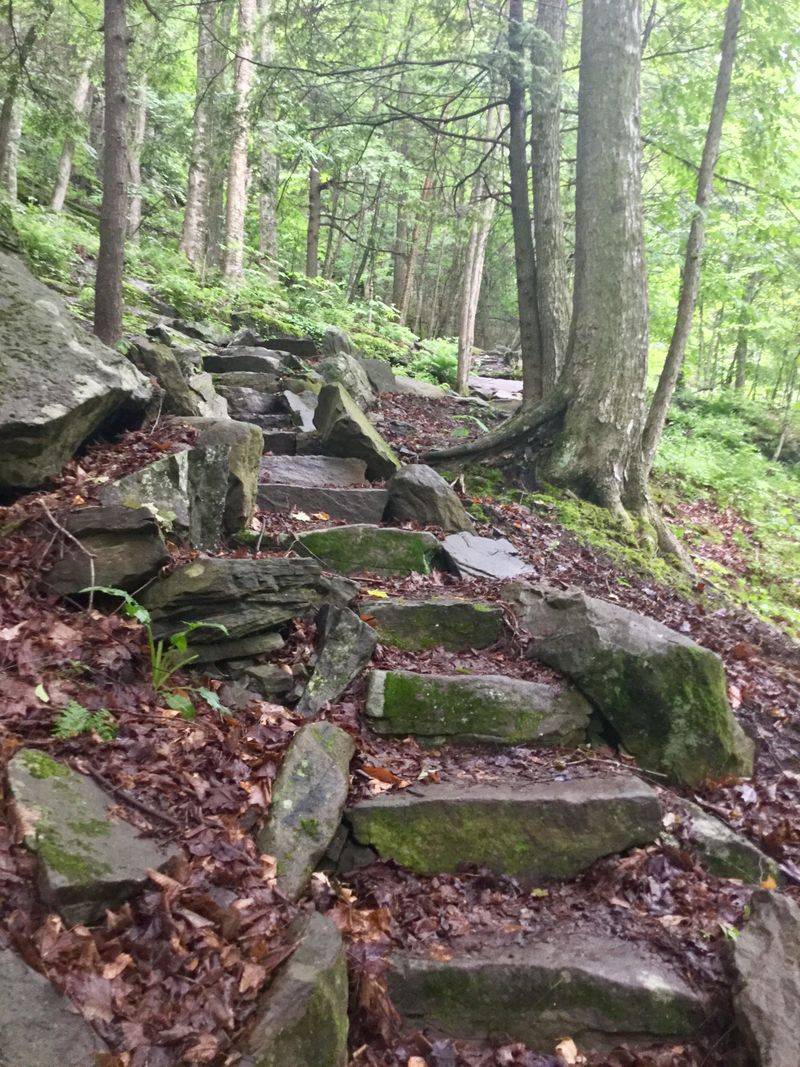
The trail toward Mount Tremper begins with a promise stated plainly in roots and grade. Switchbacks fold into one another with the kind of logic that rewards steady pace over bravado.
Breath finds rhythm, steps find economy, and views arrive in responsible increments. You earn the lookout by keeping company with the forest.
Along the way, the path offers study material: lichen patterns like careful handwriting, soft duff that remembers earlier rain, and the corrected posture of trees that grew toward light. Birdsong is present but uninsistent, a reminder of the life that continues while you climb.
The Catskill Forest Preserve holds this space with quiet authority, unhurried and sure of itself. Time dilates without theatrics.
The summit fire tower gives a mapped clarity to the world below. Valleys stack in subdued color, and Phoenicia sits comfortably among them, neither dominant nor lost.
On days with distance, the horizon settles your thoughts the way a good sentence settles a paragraph. The descent returns you to the creek with improved attention.
Breakfast That Respects The Morning
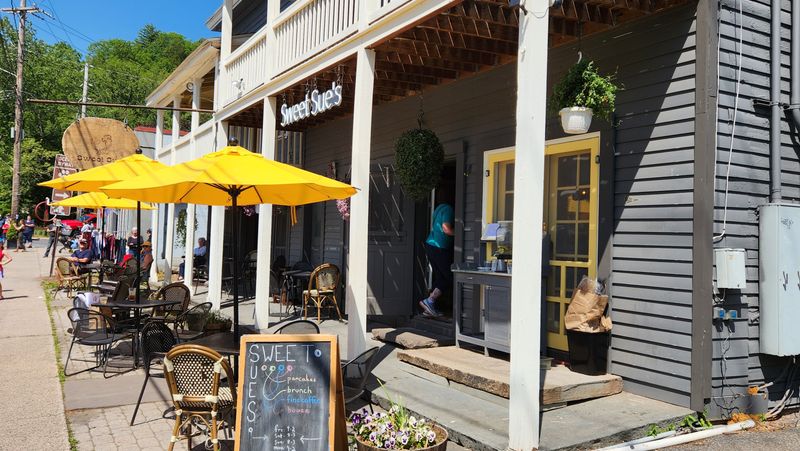
Breakfast in Phoenicia understands its assignment. Coffee arrives hot but not hurried, and the first bite is given room to be noticed.
A counter holds pastries with the confident simplicity of good ingredients well handled. People read real pages and let the day establish itself.
Menus lean seasonal without shouting about it. Eggs taste like eggs, which is surprisingly rare, and toast behaves as toast should, carrying butter without collapse.
The staff knows where the trail mud will end up and sees it without comment. When the door swings open, creek air rolls through like a familiar neighbor.
Outside, sunlight lifts slowly off the pavement, and voices gather in low clusters. A second cup buys another measure of calm and is worth the time.
Plans for the day remain flexible because breakfast makes ambition feel unnecessary. By the time you stand, your pace has already matched the town.
Independent Shops With Useful Character
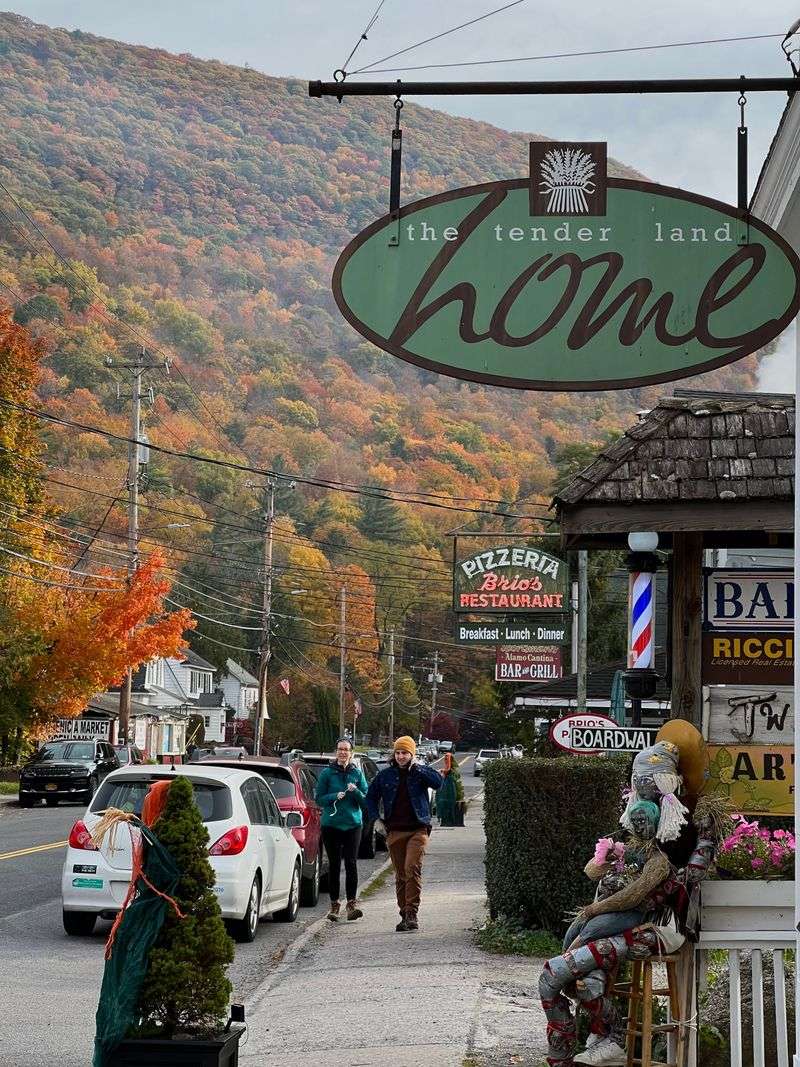
The shops in Phoenicia resist the urge to dress up. Shelves hold objects with clear purpose, and the owners know how those purposes play out along the creek or on a trail.
Advice is offered with the easy authority of someone who has tried the thing in question. Prices feel grounded rather than aspirational.
An antique corner may yield a serviceable thermos and a story to go with it. Nearby, an outfitter stocks waders that match local currents, not catalog fantasies.
Bookshelves carry field guides and essay collections that reward quiet reading. The selection nudges you toward actual use, not display.
Even the packaging tells a small truth about the place. Paper bags fold neatly and leave no plastic rustle in their wake.
Receipts sometimes come with a recommendation you did not know you needed. You leave with fewer items than you imagined and more readiness than you expected.
Trails That Begin Almost From The Door
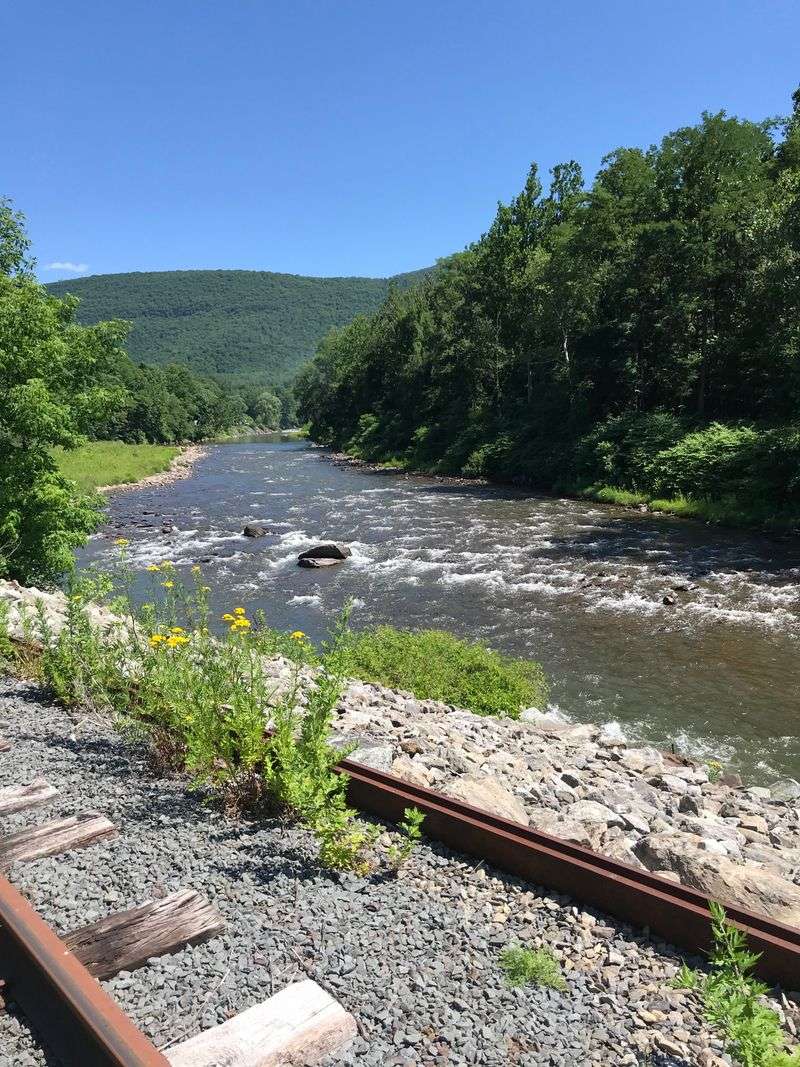
One of Phoenicia’s quiet gifts is proximity. Trailheads sit close enough that you can finish a pastry and start a walk before the coffee cools.
Paths slip into the woods from low shoulders of road, as if the forest tolerates the pavement but does not defer to it. Steps taken here count twice for their immediacy.
Shade finds you quickly on summer mornings. In spring, water crosses the path in tidy negotiations, and rocks provide the terms.
Autumn leaves add a dry whisper that encourages conversation at a lower register. Winter hardens the ground and clears the air to an honest edge.
Distances do not need to be ambitious to be satisfying. A loop returns you to town just when a second cup makes sense.
The transition from woods to storefront happens in a handful of strides. That nearness is a luxury you do not need to announce.
Afternoons Spent By The Water
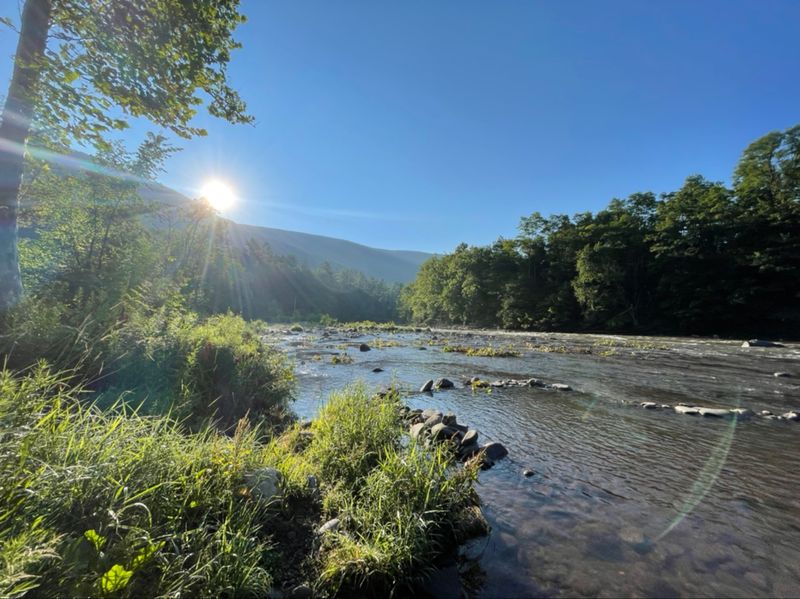
Afternoons in Phoenicia seem designed for creekside idleness. Stones warm just enough to make a good seat, and shade drifts predictably across the water.
A book finds its pace here, taken in a few pages at a time between glances at the current. Lunch tastes better because the air does not rush it along.
Families set up small picnics that do not require choreography. Kids test the edge of the water with careful toes, and someone always remembers the towel at the last minute.
The soundscape is soft: occasional laughter, water over stone, and birds that announce without insisting. You notice how easily time spreads out when there is nothing loud to crowd it.
When clouds gather, the creek darkens but does not lose its composure. A brief shower dusts the surface and leaves the rocks steaming lightly.
The return to town is a short, pleasant walk that keeps the quiet intact. Afternoon becomes evening almost without a decision.
Seasons That Teach Patience
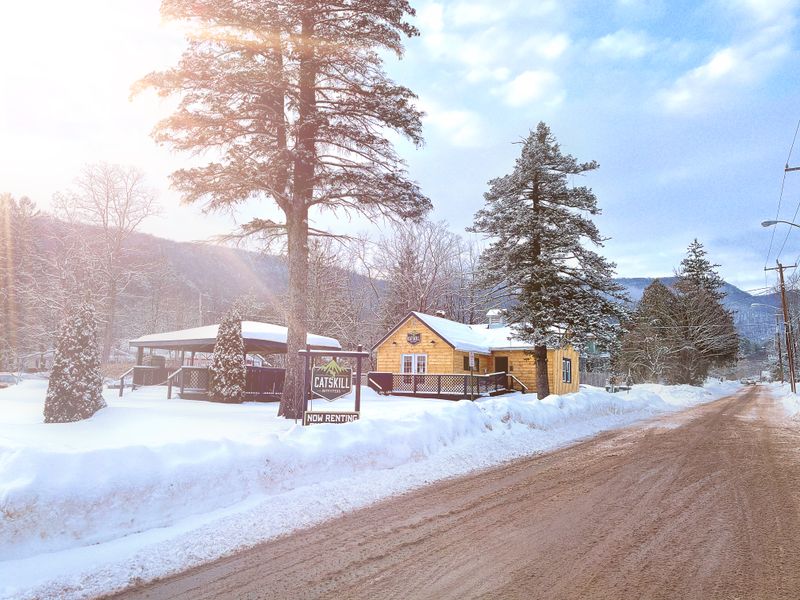
In Phoenicia, seasons do more than decorate the calendar. Spring rewrites the creek in a faster hand and wakes the woods with small, convincing color.
Summer stretches the daylight and cools the water to a reliable tonic. Autumn brings a patient saturation that rewards slow drives and slower walks.
Winter is the honest season, reducing the palette and sharpening outlines. Footsteps register as clear statements, and the creek speaks in careful syllables under ice.
The village accepts these changes without fuss, adjusting routines as necessary and keeping essential comforts at hand. You learn to trust the slow pivot from one chapter to the next.
Returning in different months reveals a place that holds its character while changing clothes. The rhythm remains steady even as the measures shift.
You begin to time visits by feeling rather than date. That is its own kind of knowledge.
Rooms That Belong To Their Setting
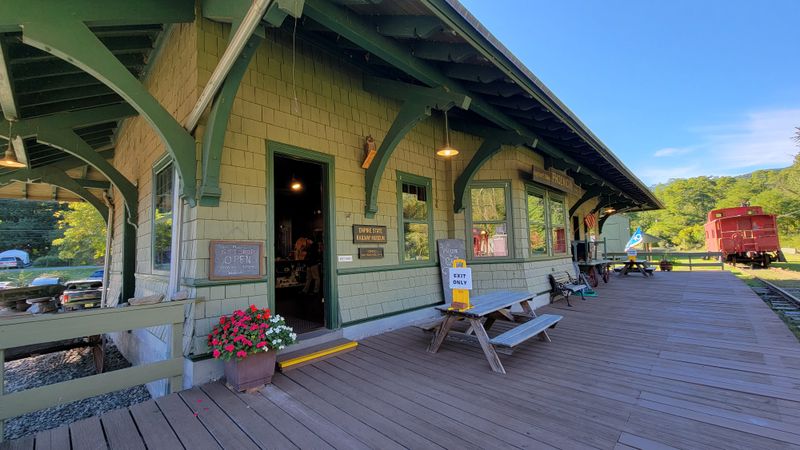
Lodging in Phoenicia aims for fit rather than flash. Rooms carry the calm logic of wood, fabric, and light used well.
Windows frame trees or creek water, which is exactly what you hoped they would frame. You set down a bag and feel the room accept it.
Beds welcome the kind of sleep that arrives quickly after outside time. Lamps favor warm tones over harsh brightness, encouraging reading that ends whenever it chooses.
Décor avoids the urge to declare a theme, allowing the landscape to keep the headline. It is the kind of restraint that reads as confidence.
Mornings begin with the soft announcement of birds rather than alarms. Evenings close with the measured hush of the creek operating on schedule.
Between those bookends, the room remains a reliable pause. That steadiness does more for rest than any amenity list.
Food That Honors Place
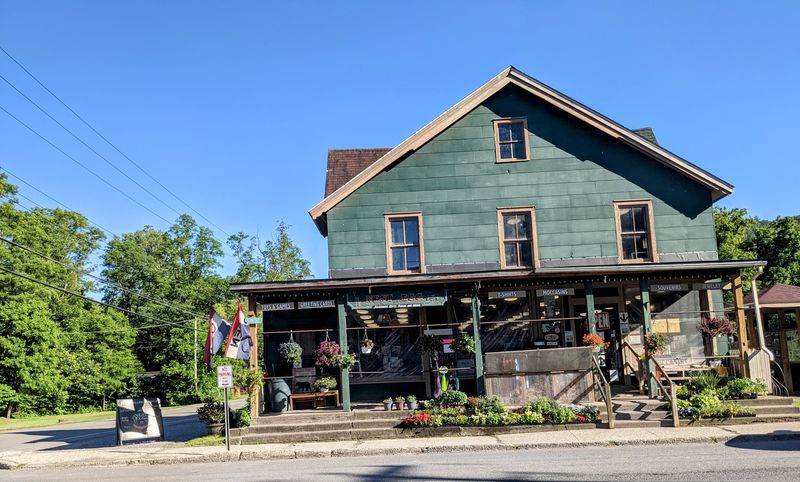
Meals in Phoenicia lean toward clarity. Ingredients sound like themselves and arrive prepared by cooks who trust restraint.
A salad carries the day’s temperature, and a trout dish remembers which water runs nearby. Bread shows the confidence of a patient rise.
Service keeps pace with conversation rather than chasing it. Specials are described in sentences that include verbs you can picture.
The room keeps a respectable hum that never feels like performance. You leave without needing to recalibrate after the door closes.
On cooler nights, soups hold warmth that travels well between bowl and story. Summer evenings open windows that allow the creek to contribute a quiet bass line.
Dessert may be a simple slice that satisfies completely. It is easy to return the next night for more of the same sense.
Why The Pace Persists
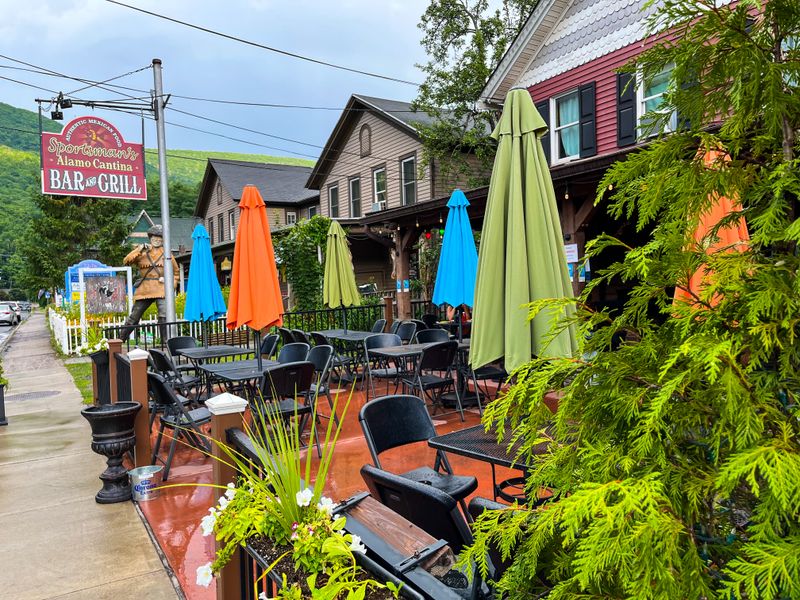
Phoenicia’s slower tempo is not an accident. The surrounding Catskill Forest Preserve sets limits that keep growth measured, and those limits protect the very qualities people come to experience.
Local ownership reinforces decisions that favor livability over spectacle. The result is a town that feels consistent without feeling curated.
Visitors arrive because someone they trust suggested it. Marketing never needs to carry the load because the place communicates well in person.
Expectations stay reasonable, and satisfaction climbs accordingly. You leave with the sense of a story told cleanly.
Back home, you notice how your pace had lengthened and your attention had widened. That change happened without ceremony, assisted by creek, trail, and conversation.
It is the kind of souvenir that travels lightly and lasts. Returning becomes less a plan than a habit.
A Farewell That Does Not Rush You
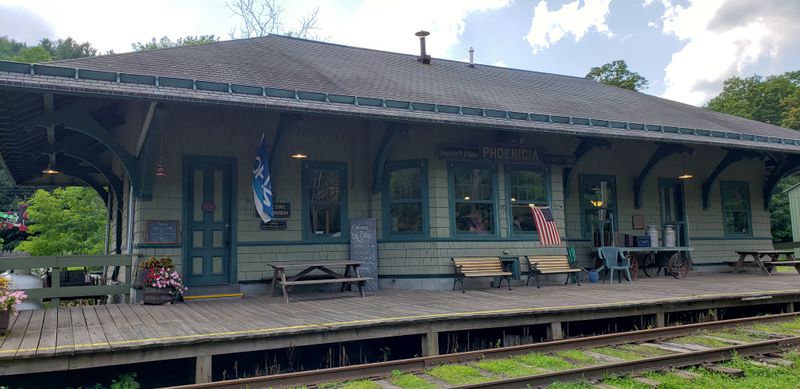
Leaving Phoenicia happens in the same key as arriving. You load the car without hurry, and the morning keeps its voice low.
The creek offers a last measured sentence, and the mountains remain content in their positions. Main Street watches you go without pretending this is dramatic.
The first turns feel familiar now, and the drive meets you at your new cadence. You notice a sign you missed coming in and decide it can wait for next time.
Coffee travels well, carrying a warmth that seems larger than the cup. The road widens gradually, and the world resumes its volume.
Somewhere near Route 28, you realise the visit is still working. Breathing keeps its unforced pattern, and urgency fails to reassert itself.
That effect is the town’s most persuasive argument. You will return when the calendar allows and the creek is speaking in your register again.