
The Surprisingly Large Tennessee Lake Most Travelers Still Overlook In 2026
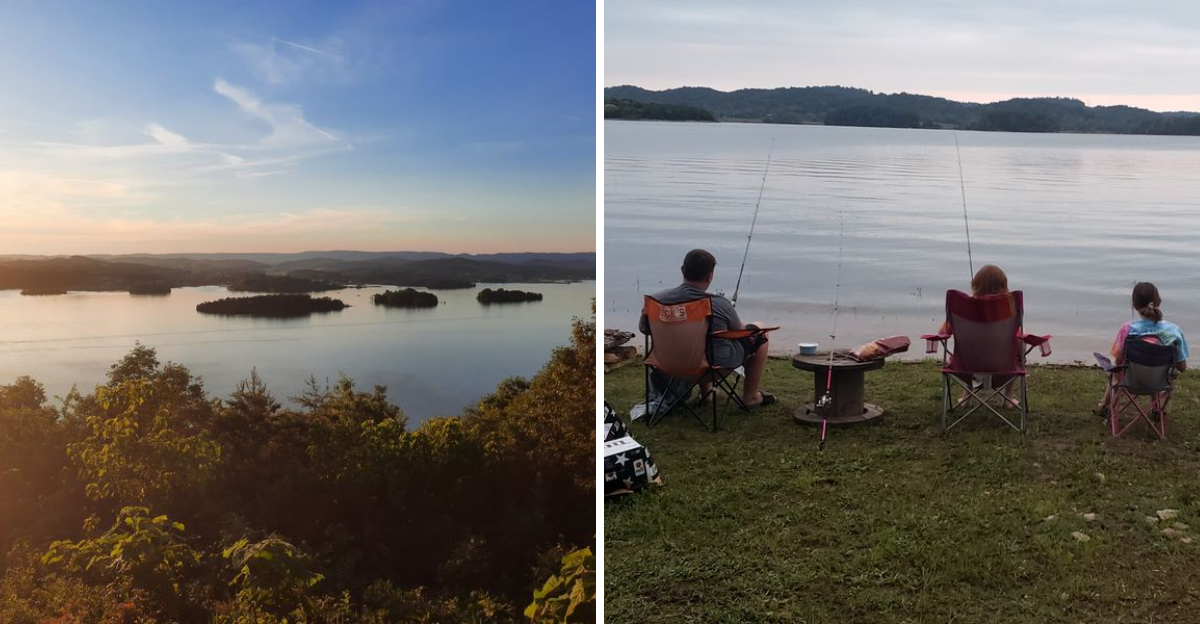
Ever driven past a lake so big you wondered how it stayed off everyone’s radar? Tennessee has one, and it’s been hiding in plain sight for years.
Most travelers speed past on their way to smaller, more photogenic destinations, missing out on shoreline that stretches for miles in every direction. That’s their loss.
Out here, boaters actually have room to breathe, gliding across open water without weaving around a dozen other watercraft. Anglers who know these waters keep coming back season after season, chasing a fish population that never seems to slow down.
Early mornings bring a stillness that feels almost rare this close to civilization, broken only by the occasional splash near shore. Campers who set up along the water get front row seats to sunsets that could easily rival any postcard.
Swimming draws in families looking for a lazy afternoon, and quiet coves invite paddlers who want a slower pace. This lake spends most of the year overlooked, but 2026 feels like the moment that finally changes.
A Lake Far Bigger Than Its Reputation
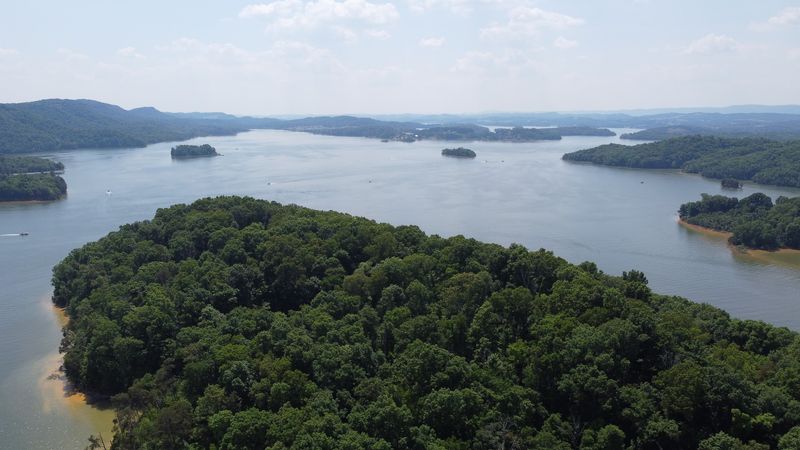
Numbers rarely make a lake sound exciting, but these ones do. Cherokee Reservoir stretches about 54 miles along the Holston River in East Tennessee.
At full pool it covers roughly 30,000 acres of water. Shoreline adds up to somewhere near 460 miles, which is more coast than some small islands.
Despite that size, crowds stay surprisingly thin. Boat traffic spreads out across wide channels and quiet coves, so the water rarely feels busy.
The reservoir touches four counties: Grainger, Jefferson, Hamblen and Hawkins. Morristown and Jefferson City sit closest, giving travelers easy places to stock up.
Ridges rise on both sides, so views change every few miles of shoreline. One bend feels wide and open, the next narrows into a green corridor.
Most road trippers barrel past on their way to the Smokies. Their loss becomes your gain, especially on a calm weekday morning.
Coordinates help if your map app gets stubborn: 36.1881599, -83.4696898. Plug those in and the dam area appears near Jefferson City.
Anglers, paddlers and picnic families all fit here without elbowing each other. Space, honestly, is this lake’s best feature.
Bring a paper map too, since cell service dips between the ridges.
The Dam That Rose In Record Time
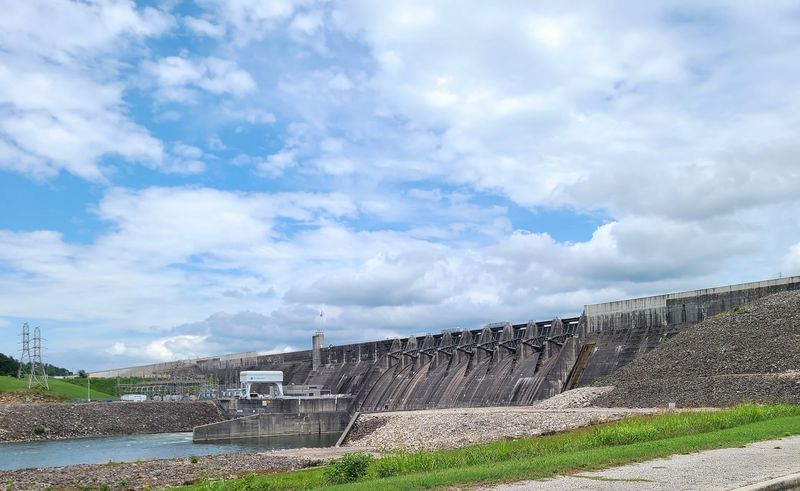
Wartime deadlines built this lake. TVA crews started Cherokee Dam in August 1940 and had power flowing by December 1941.
Sixteen months from ground to generators counted as astonishing speed then. Aluminum plants needed electricity, and the war would not wait.
The concrete and earth structure rises about 175 feet above the riverbed. It stretches roughly 6,760 feet across the Holston valley.
Flood control came as the second gift. Water held here protects downstream towns along the Holston and the French Broad.
Standing near the powerhouse, the scale sinks in fast. Water on one side sits far higher than the river below.
Interpretive signs on the reservation explain how the system works. Kids who like machines usually linger longer than parents expect.
The name honors the Cherokee people, whose homelands covered this region long before the dam. History and engineering share the same overlook.
Sunset light on the spillway makes an easy photograph. Come early evening and the parking area stays calm.
TVA still manages the reservoir, adjusting levels through the seasons. That schedule shapes everything from fishing to where you park a trailer.
Free access keeps the stop simple for road trips. No tickets, no lines, just water and steel.
Fishing Waters With Serious Bragging Rights
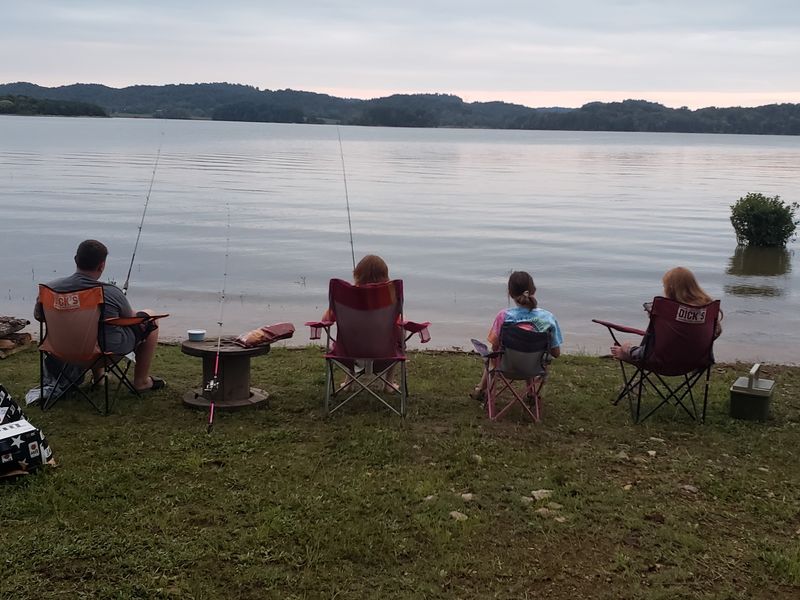
Striped bass built much of this reservoir’s fishing reputation. Crappie, walleye and catfish keep the rods busy the rest of the year.
Largemouth and smallmouth bass patrol rocky points and submerged brush. Bluegill crowd the shallows, which makes them perfect for young anglers.
Hybrid striped bass, a cross between striped and white bass, also swim here. They fight hard and surprise first-timers.
Spring pushes crappie toward shallow cover and brings steady action. Summer sends stripers deep, so trolling and downlining work better.
Fall cooling brings surface feeding near open water. Watching gulls or splashing baitfish often marks the spot.
A Tennessee fishing license is required, and you can buy one online. Rules and creel limits change, so check current regulations before casting.
Bank fishing works near the dam reservation and public ramps. Small boats and kayaks reach coves that bigger craft skip.
Winter drawdown lowers the water and exposes structure worth remembering. Note those humps and ledges for your next warm-weather trip.
Guides operate out of Morristown and nearby marinas for anyone new. Hiring one shortens the learning curve on 30,000 acres.
Even a slow morning here comes with ridge views. Few lakes pay you back like that.
Ramps, Marinas And Room To Roam
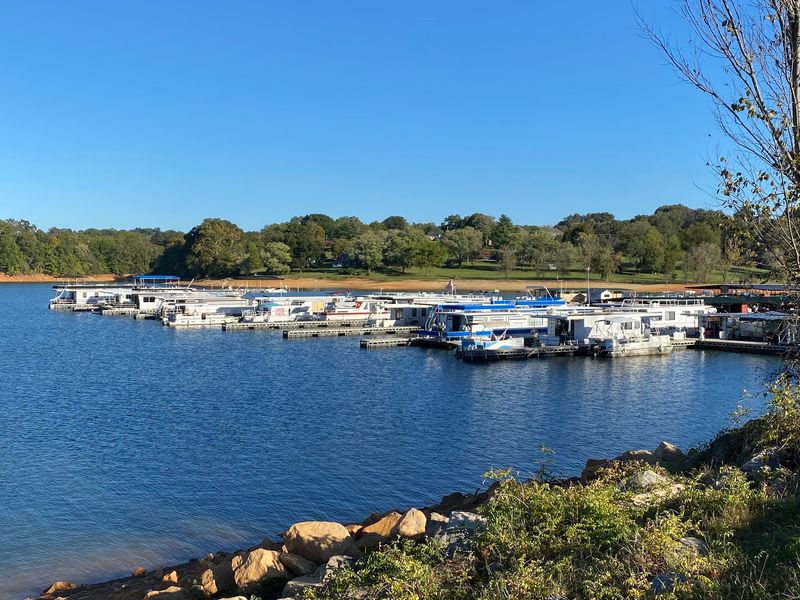
Launching at Cherokee Reservoir feels refreshingly uncomplicated. Public ramps sit scattered around the shoreline, including a well-used one at the dam reservation.
Parking areas are generally roomy, even on summer Saturdays. Trailers find space when other lakes turn into puzzles.
Wide main channels on Cherokee Reservoir give pontoons and ski boats plenty of room. Narrow creek arms reward paddlers who prefer calm water.
Wind can build across the long, open stretches by afternoon. Morning outings usually deliver glassier water and easier steering.
Kayakers should hug the shoreline and watch for wake from larger craft. Bright clothing helps other boaters spot you.
Marinas around the lake handle fuel, slips and basic supplies. Calling ahead saves guessing about seasonal hours.
Life jackets are required for children, and safety gear checks are routine. Pack more drinking water than you think you need.
Fluctuating levels mean ramps can look different from month to month. TVA posts reservoir information online, so check before hauling a boat.
Sunset cruising is the ritual worth copying. Ridges turn gold and the water flattens out.
Fishing boats, sailboats and paddleboards all share the surface politely. There is simply enough lake to go around.
You’ll Find A Sandy Beach Perfect For Swimming And Picnics
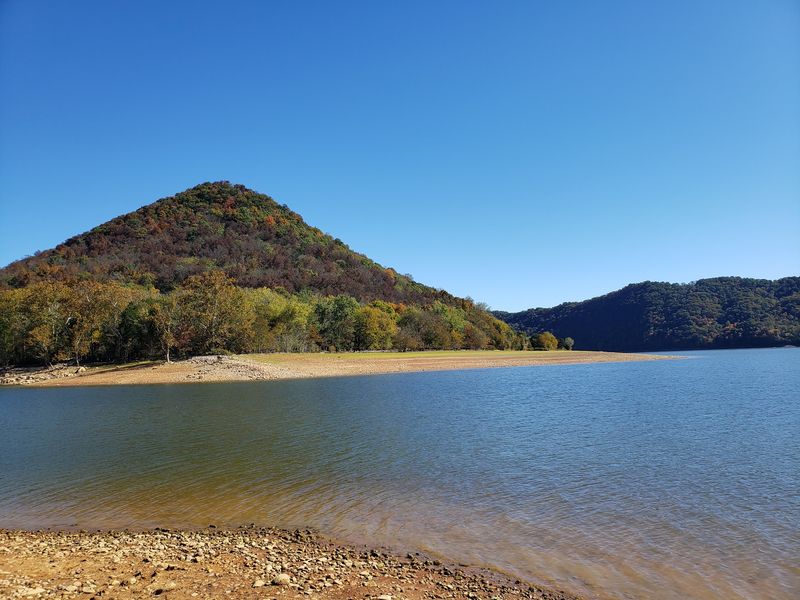
Sand and shade make an unbeatable summer pairing. The reservation below the dam includes a designated swimming area with a small beach.
Picnic tables sit under mature trees nearby. Covered shelters help when family groups outnumber the umbrellas.
A playground with swings keeps younger children entertained between dips. Restrooms nearby make longer afternoons realistic.
The grounds stay noticeably tidy, and the grass gets mowed regularly. Trash cans are provided, so packing out wrappers is easy.
No lifeguards work the beach, so adults must supervise swimmers. Water shoes help on rocky edges.
Mornings run quiet, while mid-afternoon brings the biggest crowd. Arriving before eleven usually secures a shaded table.
Sunset views from the picnic lawn are genuinely excellent. Bring a blanket and stay a while.
Everything sits close to parking, which helps with coolers and gear. Fewer trips to the car means more time in the water.
Seasonal hours apply, and some access steps close for maintenance. Alternate parking and short walks usually solve the problem.
Pack sunscreen, since shade thins out near the shoreline. Hats help too on bright July afternoons.
Grills and simple sandwiches both work here. Nobody needs a fancy plan to enjoy it.
These Easy Trails Reward You With Rolling Ridge Views
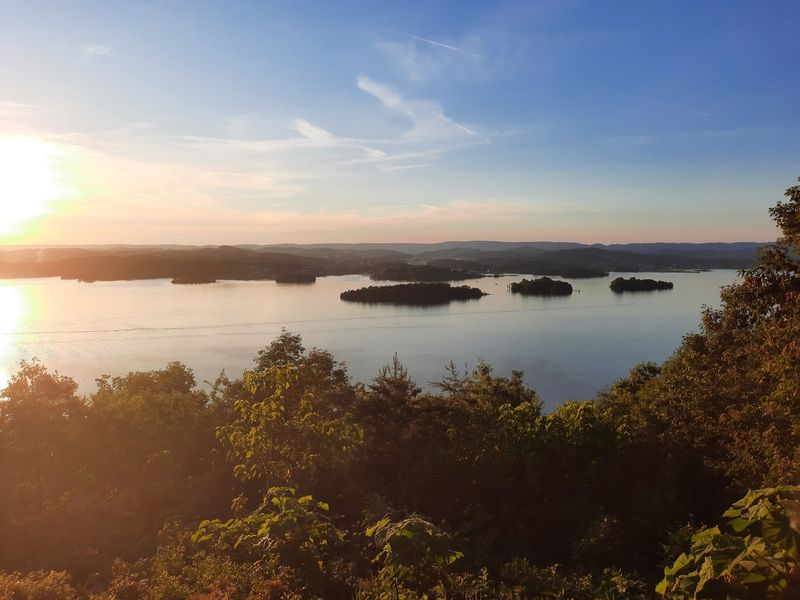
Walkers get more here than a loop around a parking lot. Paths near the dam trace the Cherokee Lake shoreline and roll through mowed clearings.
Distances stay modest, which suits families and casual runners. Strollers manage the smoother sections without much drama.
Wildflowers show up along the edges in late spring. Herons and kingfishers work the shallows most mornings.
Benches appear at intervals, giving legs a break and eyes a view. Rolling hills stack up behind the water.
Safety railings guard the steeper overlook areas. Families with young children navigate them comfortably.
Sturdy shoes beat sandals after rain, since clay gets slick. Bug spray earns its place from June through September.
Leashed dogs are common company on the trails. Waste bags keep the paths pleasant for everyone.
Autumn turns the ridgelines orange and gold by mid-October. Photographers should plan for the hour before sunset.
Winter walks reveal shoreline that summer water hides. Old stumps and rock ledges reappear as levels drop.
Trail signage is simple, so a downloaded map helps. Cell service can fade in low spots between ridges.
Early risers often have the whole path to themselves. Bring coffee and take the slow lap.
Camping Within Earshot Of The Water
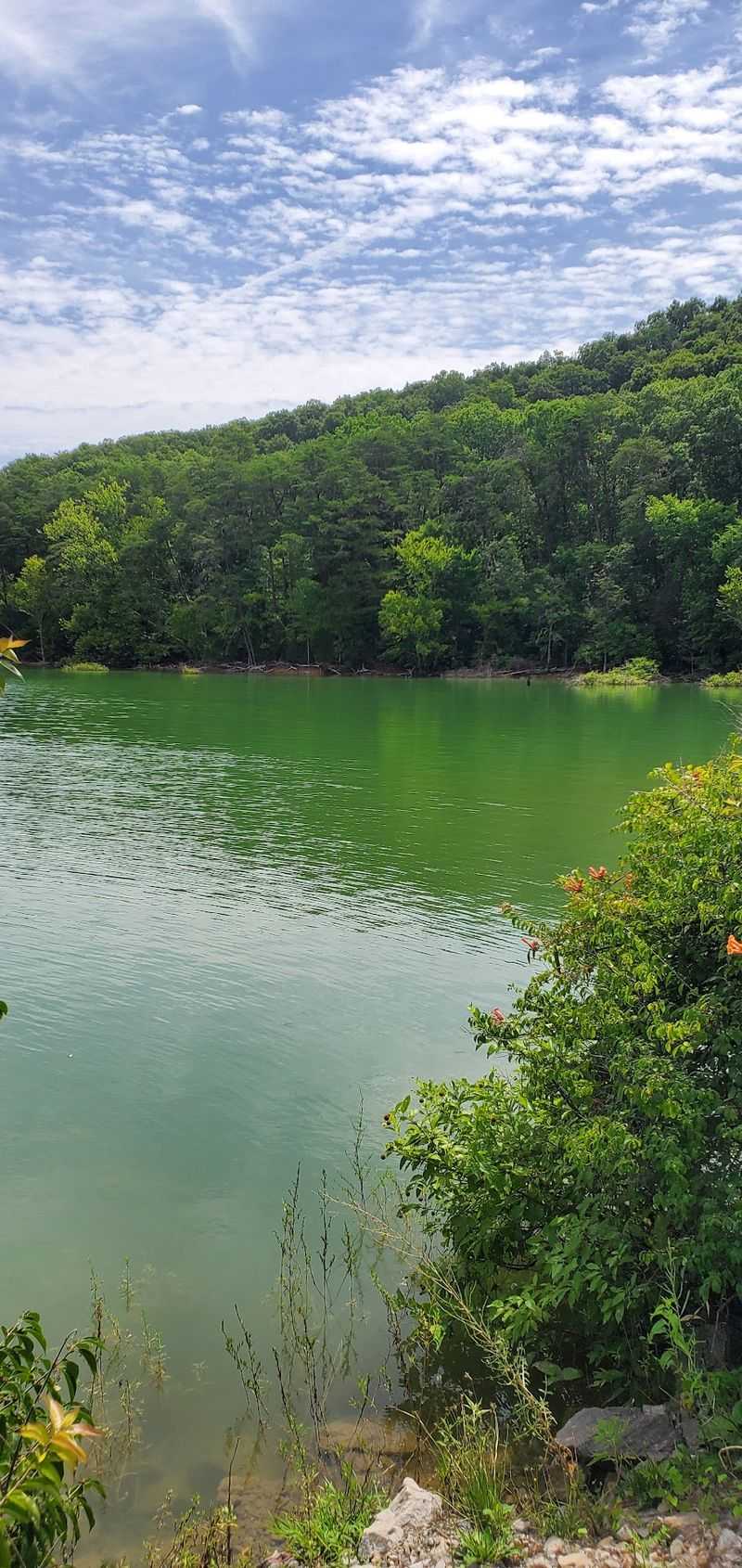
Falling asleep near water changes a trip. Campgrounds sit close to the dam area, with sites shaded by hardwoods.
Some pads are level and some are not, so scouting helps. Reserving early matters for summer weekends and holidays.
Bathhouses and restrooms serve the loops, though lines form at peak times. Showering at off hours keeps things smooth.
A camp store handles forgotten basics like ice and marshmallows. Milkshakes have a small following among regulars.
Tents, campers and RVs all fit, depending on the loop. Electric and water hookups exist at many sites.
Nights turn quiet quickly once boats head home. Stars over the water make phones feel unnecessary.
Firewood should be bought locally to protect the forest from pests. Camp hosts can point you toward sellers.
Panther Creek State Park adds more campsites on the southern shore. Options exist if your first choice fills up.
Mornings often start with mist rising off the coves. Coffee outside beats any hotel breakfast buffet.
Quiet hours are enforced, which campers with kids appreciate. Generators have limits, so check the posted rules.
Pack a headlamp, since loop lighting stays minimal. Simple gear goes far here.
Panther Creek State Park And Point Lookout
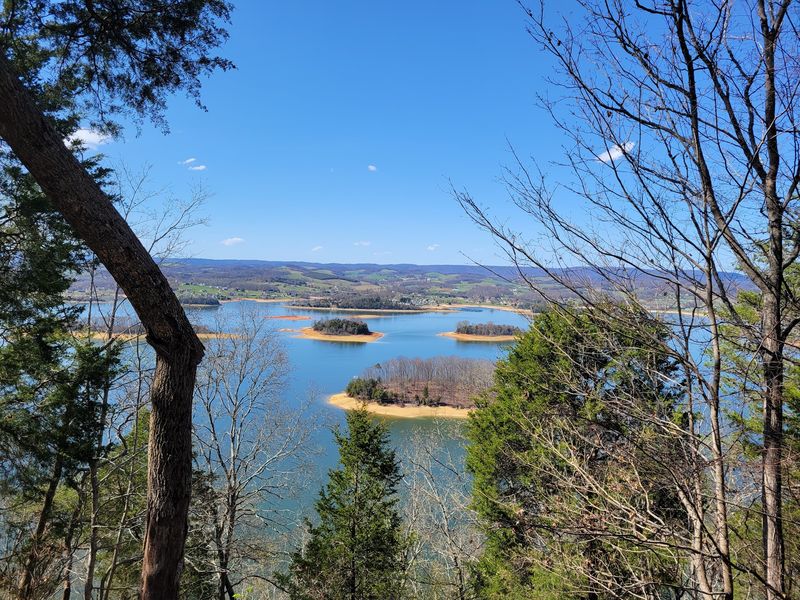
One overlook explains the whole lake in a glance. Point Lookout inside Panther Creek State Park frames water, ridges and distant mountains.
The park spreads across roughly 1,400 acres on the southern shore. Its address is 2010 Panther Creek Park Road, Morristown, TN 37814.
Around 30 miles of trails cross the property. Hikers, cyclists and horseback riders each have designated routes.
A boat launch inside the park opens onto the reservoir. Paddlers appreciate the sheltered water nearby.
Picnic areas and playgrounds spread through the shaded uplands. Group shelters can be reserved for gatherings.
Campsites here give another base for exploring the shoreline. Reservations run through the state parks system.
Interpretive programs appear on the calendar during warmer months. Ranger-led walks work well for curious kids.
Fall color from the overlook is the park’s headline event. Weekday mornings in late October stay peaceful.
Entry to the park is free, a nice bonus. Parking near the overlook is limited, so arrive early.
Bring binoculars for hawks riding the thermals above the water. Bald eagles also nest around the reservoir.
Trail maps are available at the park office. Staff can suggest routes based on your energy level.
Here’s When To Visit For The Best Water Levels
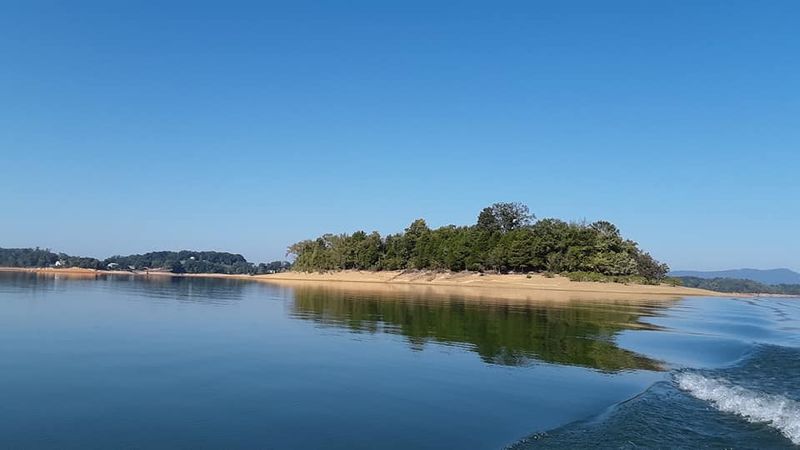
Timing decides what kind of lake you meet. TVA fills the reservoir toward summer pool by late spring and lowers it in autumn.
June through August brings warm water and the best swimming. Ramps sit at their most convenient depth then.
September and October trade heat for color and calm. Fishing improves as surface temperatures slide down.
Winter levels drop for flood storage, exposing mudflats in places. Views stay wide open, and shorelines reveal their bones.
Lodging clusters in Morristown and Jefferson City, both minutes away. Knoxville sits under an hour southwest for airport access.
Interstate 81 and US-11W deliver most travelers to the area. Signs for the dam are straightforward once you exit.
Cell service can be patchy, so download maps beforehand. Cash helps at smaller stores near the water.
Cherokee Reservoir works as a day trip or a full week. Either way, plan one evening simply for the sunset.
Weekdays anywhere on this lake feel calmer than weekends. Holiday stretches bring the most boats and the fullest campgrounds.
Storms can build fast over the ridges on midsummer afternoons. Watch the sky and head in early.
Pack layers, since mornings on the water run cool. Even July surprises people at dawn.