
The Tennessee Market That Transforms A Simple Stop Into A Local Experience
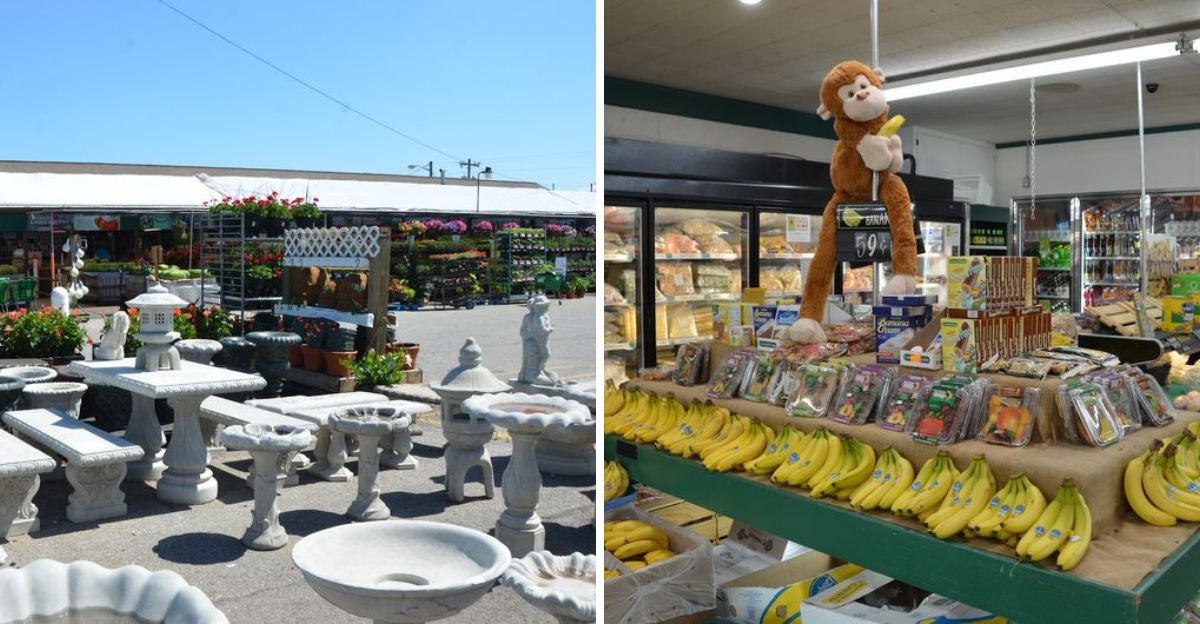
A quick stop can say a lot about a place. Sometimes it is not the big attractions that give you the best feel for a town, but the market where people wave at each other, grab lunch, pick up groceries, and linger a little longer than planned.
Tennessee has plenty of polished destinations, but this local market feels more personal than that.
You can walk in for one thing and end up noticing the food, the faces, the conversations, and the easy rhythm of daily life around you. It feels useful, familiar, and full of character without trying to make a big show of it.
That is what makes a place like this worth more than a simple errand. It gives visitors a small but real taste of the community.
For travelers who enjoy spots with local flavor, friendly energy, and a reason to slow down, this Tennessee market makes even a short visit feel memorable.
Six Decades Of Family History Behind Every Basket
Before this market had shelves or a parking lot, it had a front yard and a family with something to offer.
Back during the Great Depression, Matt Dunkin’s great-grandparents ran a simple produce stand, selling what they grew to neighbors who needed it. That spirit of practical generosity never left the family.
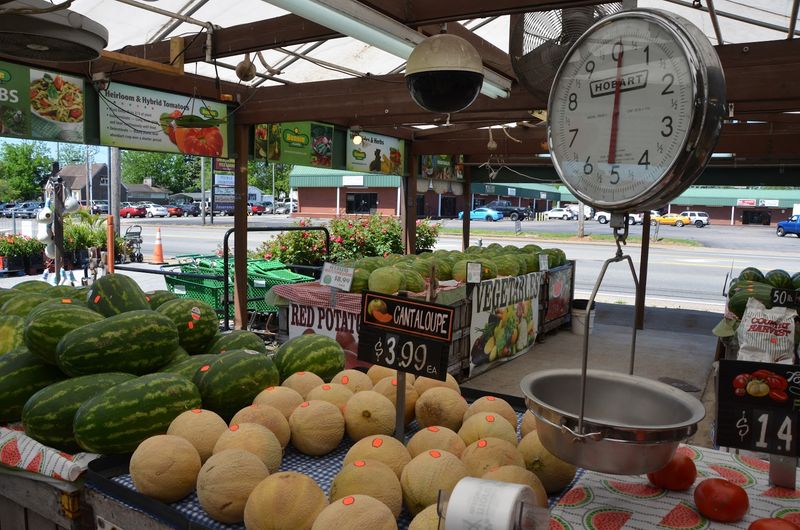
In 1966, Odis and Rebecca Dunkin formalized what had grown naturally, selling watermelons from their front yard, which now serves as the market’s parking lot in Lawrenceburg.
Their son Herman and his wife JoAnn carried the business forward through the 1990s, adding inventory and deepening community ties along the way.
Today, Matt Dunkin runs the operation as the fourth-generation owner, and the market is approaching its 60th anniversary in 2026. Few businesses in any small town reach that milestone while staying independently owned and locally rooted.
The history here is not decoration. It is the foundation of everything sold, grown, and shared inside those walls.
The Watermelon Guarantee That Started It All
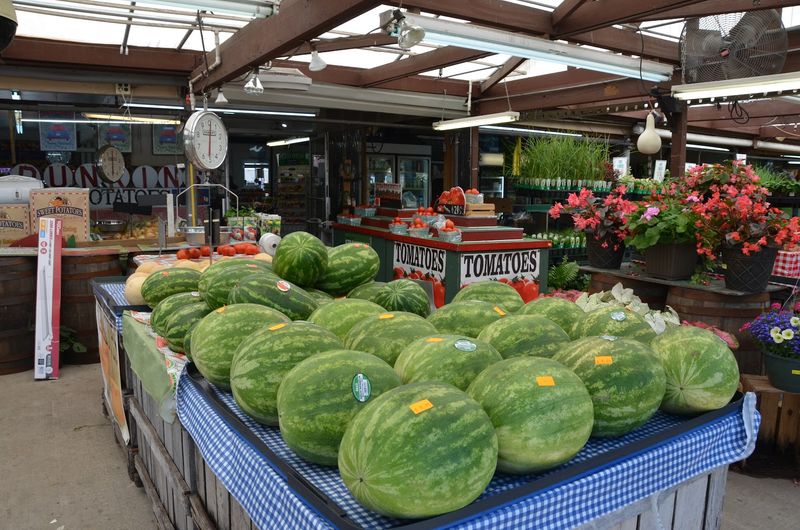
A guarantee is only as good as the people standing behind it. Since 1966, Dunkin’s Market has promised customers that every watermelon they purchase will be worth eating.
That is not a marketing slogan. It is a commitment that has held steady across four generations of ownership and thousands of summer sales.
Watermelons were the original product that put this market on the map. Odis Dunkin started selling them from his front yard, and the reputation for quality spread the old-fashioned way, through neighbors telling neighbors.
Decades later, the standard has not dropped.
For many longtime customers, buying a watermelon here carries a certain comfort that a chain grocery store simply cannot replicate. You know where it came from, you know who is selling it, and you know that if something is wrong, someone will make it right.
That kind of accountability builds loyalty faster than any loyalty program ever could. The watermelon guarantee is a small detail in the grand scope of the market’s story, but it reflects a larger philosophy about how business should be conducted when a community is watching.
Fresh Produce Sourced From Local Farms And Amish Growers
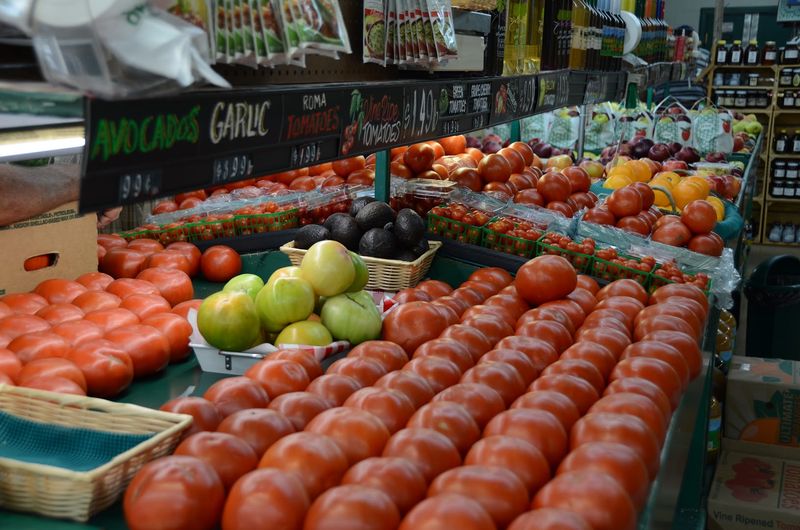
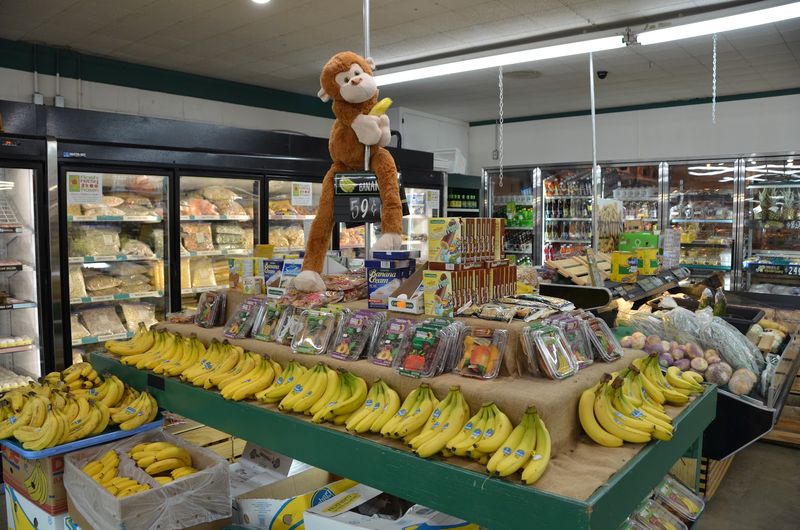
The produce speaks for itself. Dunkin’s Market sources fruits and vegetables from local Tennessee farms and Amish families, some of whom have supplied the market across multiple generations. That continuity of supply shows up in the quality sitting on every shelf and in every bin.
Strawberries arrive in season with the kind of color and fragrance that pre-packaged grocery store versions rarely match. Peaches come from Chilton County, Alabama, a region known for producing some of the most flavorful stone fruit in the South.
Locally grown heirloom tomatoes show up when the season allows, and customers who have tasted them tend to plan their visits around that window.
One reviewer summed it up plainly: the tomatoes are really delicious, and the farm fresh pickle chips in clear containers are worth seeking out on their own. Brown chicken farm eggs, Vidalia onions, potatoes, and squash round out what is already an impressive seasonal rotation.
Shopping here is less about checking items off a list and more about discovering what is at its peak right now, which is a genuinely different experience from scrolling through a grocery app.
Southern Specialties That You Will Not Find At Chain Stores
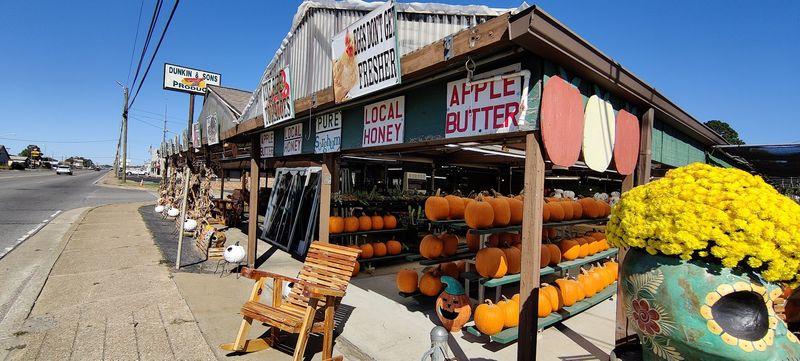
Part of what makes Dunkin’s Market feel like a discovery rather than a routine stop is the range of specialty items that have no equivalent in a big-box store.
Local honey produced nearby is sold here with a practical pitch, that it may help ease seasonal allergy symptoms for people living in the area. Whether or not you subscribe to that idea, the honey itself is exceptional.
Grass-fed milk from Tennessee cows, fried peanuts, old-fashioned candy, and house fudge near the register have all earned their own loyal followings.
One shopper described the fudge as something worth returning for specifically, which is the kind of word-of-mouth that no advertising budget can manufacture.
Summer sausage, smoky cheese, and a rotating selection of jams and jellies add further depth to what could otherwise be a straightforward produce run.
The variety here reflects the market’s willingness to stock what the community actually wants rather than what a corporate buyer has decided should fill the shelves. Rock candy sits beside farm eggs.
Soda shares space with artisan preserves. It is an honest, unpretentious collection of goods that rewards the shopper who takes a few extra minutes to look around carefully at 916 N Locust Ave in Lawrenceburg.
Plants, Seeds, And Landscaping Supplies For Every Season
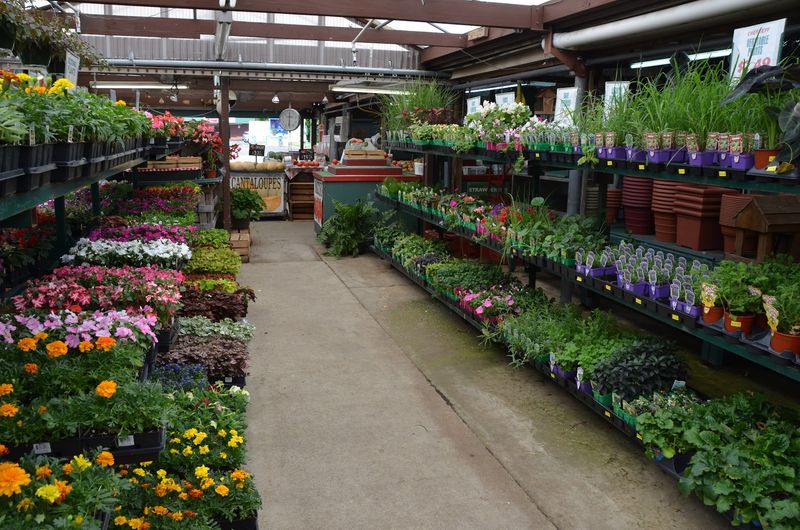
Dunkin’s Market long ago outgrew the label of simple produce stand. Alongside fruits and vegetables, the market carries an impressive selection of flowering and non-flowering plants, vegetable starts, seeds, soil, mulch, and landscaping materials.
Reviewers consistently point to the plant section as one of the strongest reasons to visit, especially during spring.
One customer wrote that the selection of flowering and non-flowering plants is the best available locally, noting that all are carefully tended and reasonably priced given the quality and health of what is on offer.
That kind of attention to plant care is not accidental. It reflects the same standard applied to the produce side of the market.
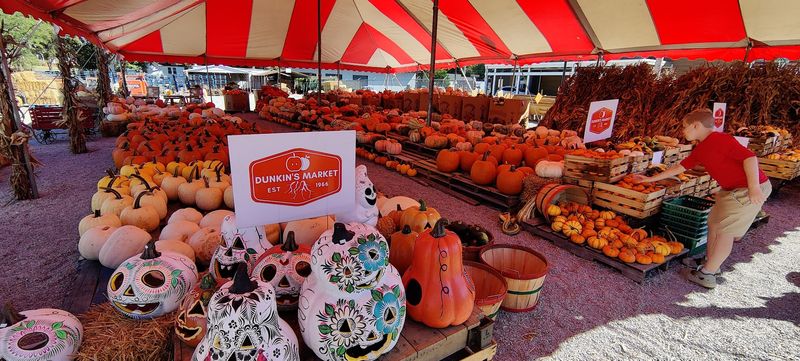
During fall, pumpkins take center stage outside the building, drawing families who have made the seasonal trip an annual tradition. Spring brings a rush of gardeners looking for reliable starts and honest advice.
The staff is known for being knowledgeable about gardening, and more than one visitor has left with useful tips they did not expect to receive.
For anyone maintaining a yard or garden in Lawrence County, this market functions as a practical resource throughout the entire growing season.
Amish Cedar Furniture And Outdoor Goods Worth Browsing
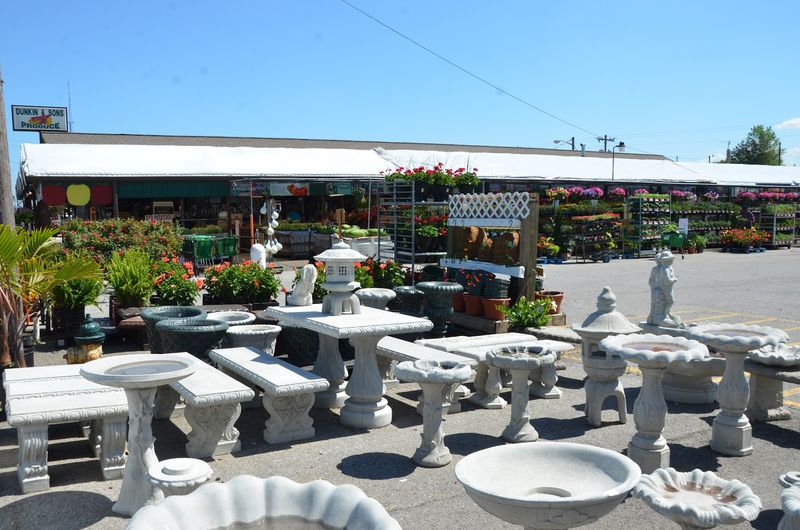
Not every item at Dunkin’s Market grows in a field. The market also carries Amish cedar furniture, outdoor pieces built with the kind of craftsmanship that holds up over years rather than seasons.
For shoppers who associate produce markets strictly with food, this section tends to come as a pleasant surprise.
One visitor shared that she had been searching for a chiminea for years before finding exactly what she wanted at Dunkin’s in Lawrenceburg. That story captures something important about the market’s character.
Its inventory is genuinely varied, and it stocks items that reflect the tastes and needs of the people who live nearby rather than a standardized national catalog.
Seasonal decorations, outdoor furniture, and holiday gift baskets during winter expand the market’s usefulness well beyond the produce aisle. Christmas trees arrive in the colder months, giving the market a completely different atmosphere from its summer self.
Browsing here at any time of year tends to surface something unexpected, which keeps the experience fresh for repeat visitors. The Amish sourcing also adds a layer of quality assurance that shoppers familiar with that tradition tend to appreciate and actively seek out.
A Community Hub Where Neighbors Actually Know Each Other
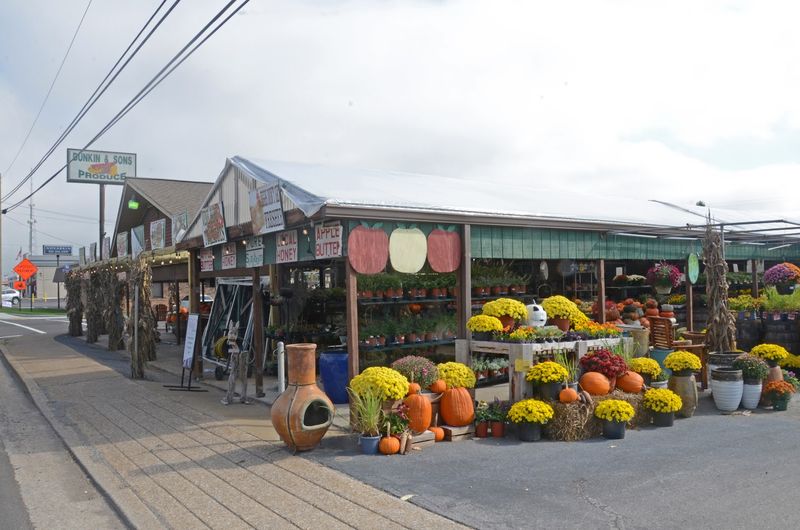
Long before the phrase community hub entered common usage, Dunkin’s Market was simply a place where people in Lawrenceburg looked out for each other.
Older customers recall how Matt’s grandfather, Odis Dunkin, would forgive grocery bills when someone in the neighborhood lost a job. That kind of quiet generosity leaves an impression that outlasts any transaction.
The most consistent thread running through customer feedback is the staff. Reviewers use words like welcoming, knowledgeable, and friendly with a regularity that suggests genuine experience rather than polished expectation.
Visiting here feels less like a retail stop and more like calling on a neighbor who happens to carry excellent tomatoes.
Matt Dunkin himself has served on the board of the local domestic violence shelter, supported area schools, and mentored young men in the community. The market’s role in Lawrenceburg extends well beyond commerce.
It is a gathering point, a reference for local growers, and a quiet anchor in a town that benefits from having businesses with real roots. That kind of presence does not happen by accident or by marketing strategy.
Seasonal Traditions That Families Return To Year After Year
Some businesses earn a single visit. Dunkin’s Market earns annual ones.
Families in Lawrence County have built genuine seasonal traditions around trips to the market, arriving in spring to select vegetable starts, returning in summer for peaches and watermelons, and showing up in fall for pumpkins and gourds.
The rhythm of the market mirrors the rhythm of the year.
Painted pumpkins have become a signature fall offering, drawing parents and children who want something more memorable than a standard orange sphere from a grocery store bin.
The selection of sizes, shapes, and varieties gives the outing a sense of discovery that kids respond to naturally. Multiple reviewers mention the pumpkin season specifically, and a few note making it a yearly family event.
Spring plant shopping carries its own devoted following, with gardeners timing their visits to catch the best selection before popular items sell out.
The market is open Tuesday through Saturday from 8:30 AM to 5:30 PM, so planning ahead is worth the effort, particularly on Saturdays when foot traffic runs high.
These seasonal visits accumulate into something meaningful over time, the kind of local tradition that gets passed from one generation to the next without anyone consciously deciding to preserve it.
Why Supporting Dunkin’s Market Matters For Lawrenceburg
Every dollar spent at a locally owned business circulates differently than one spent at a chain.
Dunkin’s Market has supported local growers, Amish farming families, and Lawrence County producers for decades, creating an economic web that benefits far more people than the market itself.
That is not an abstract concept here. It shows up in the faces of the farmers who have supplied the market across generations.
The market also offers something that larger stores structurally cannot, which is flexibility, personality, and accountability. When a product is mislabeled or a customer has a concern, there is an actual owner to speak with.
When a community organization needs support, Matt Dunkin is the kind of person who shows up. That responsiveness is part of what keeps the market relevant in an era when convenience often wins by default.
Choosing to shop at 916 N Locust Ave in Lawrenceburg is a choice to keep local agriculture viable, to support a family that has invested in this town for 60 years, and to experience commerce the way it worked before everything became standardized.
Dunkin’s Market is open Tuesday through Saturday, reachable at 931-762-7991, and worth every deliberate visit a person makes.