
The Tennessee Mountain Village Where Nearly 20 Empty Cabins Still Stand, And You Walk Right In
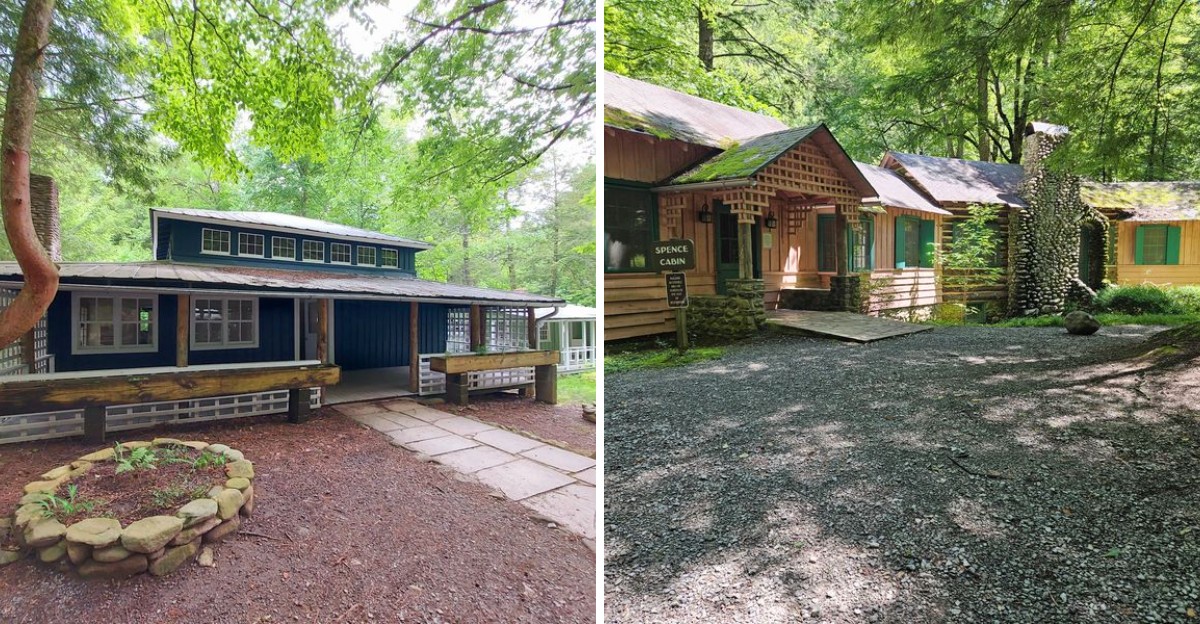
Somewhere in the Tennessee mountains, past a busy campground and a bend in a cold river, sits a street of old vacation homes with their front doors standing open. Nobody has lived in them for more than thirty years, yet the porches are swept, the floorboards hold, and you can walk straight inside without asking anyone.
It costs nothing to see, and a family can spend a whole morning wandering room to room, reading signs, and imagining who slept where. For a state packed with paid attractions and neon strips, this quiet row of empty cabins may be the most surprising free stop in the Smokies.
A Vanished Resort Street Inside the National Park
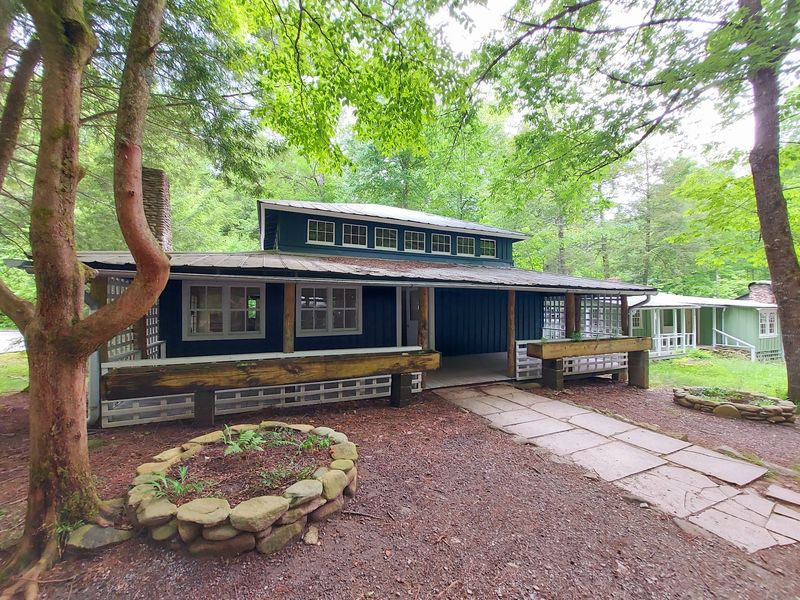
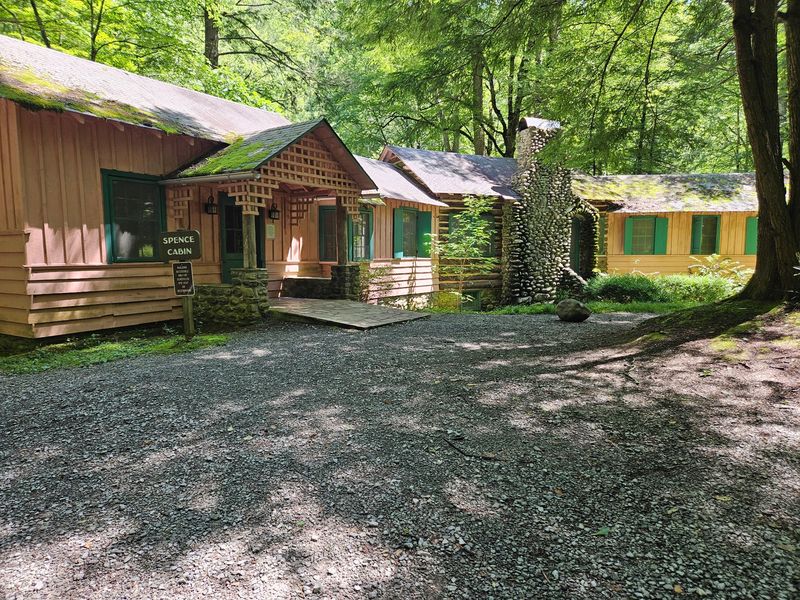
About eight miles from Gatlinburg, tucked inside Great Smoky Mountains National Park, the Elkmont Historic District spreads along a short lane that locals and rangers call Daisy Town. Roughly 19 structures still stand here, stabilized and restored by the National Park Service.
What surprises most first-timers is the access. Doors are unlocked.
You climb the porch steps, step over the threshold, and stand in empty parlors and bedrooms that once belonged to Knoxville families on summer holiday.
The word ghost town gets thrown around, and visitors regularly note that it does not quite fit. Nothing was struck by disaster here.
Leases simply ran out, families packed up, and the forest crept closer to the porch rails.
Drive time works in your favor if you live in East Tennessee. Knoxville sits roughly an hour and a half away, Chattanooga around three hours, Nashville closer to four.
Most people fold it into a bigger park day.
Signage inside the park is not always obvious, so plan the turn before you arrive. Once you find the lane, though, the whole place unfolds in a slow, easy walk.
From Logging Camp to Mountain Getaway
Timber built this place. In the early 1900s the Little River Lumber Company set up an operation in the valley, laying rail lines and cutting through the surrounding slopes at a pace that reshaped the mountains.
Once the best timber was gone, the land found a second life. Well-off families from Knoxville bought in, formed the Appalachian Club, and turned a working camp into a breezy summer retreat with rustic cabins, card games, and long porch afternoons.
Then came 1934 and the creation of Great Smoky Mountains National Park. The land passed to the National Park Service, but many owners negotiated lifetime leases that let them keep coming back for decades.
Those leases finally expired in 1992. Furniture went, families went, and the buildings sat empty through Tennessee winters until roofs sagged and porches gave way.
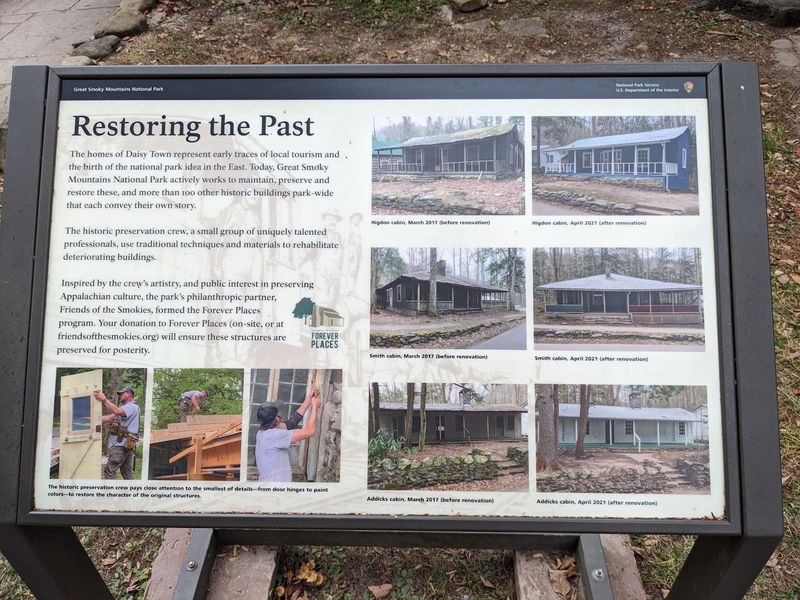
Rather than clear everything, the Park Service made a choice. Some structures came down; the most historically significant ones were shored up, re-roofed, and preserved as a record of how mountain leisure actually looked.
Rangers on site often share those family stories, and visitors mention them as one of the best parts of the stop.
Walking Through Rooms Nobody Locked
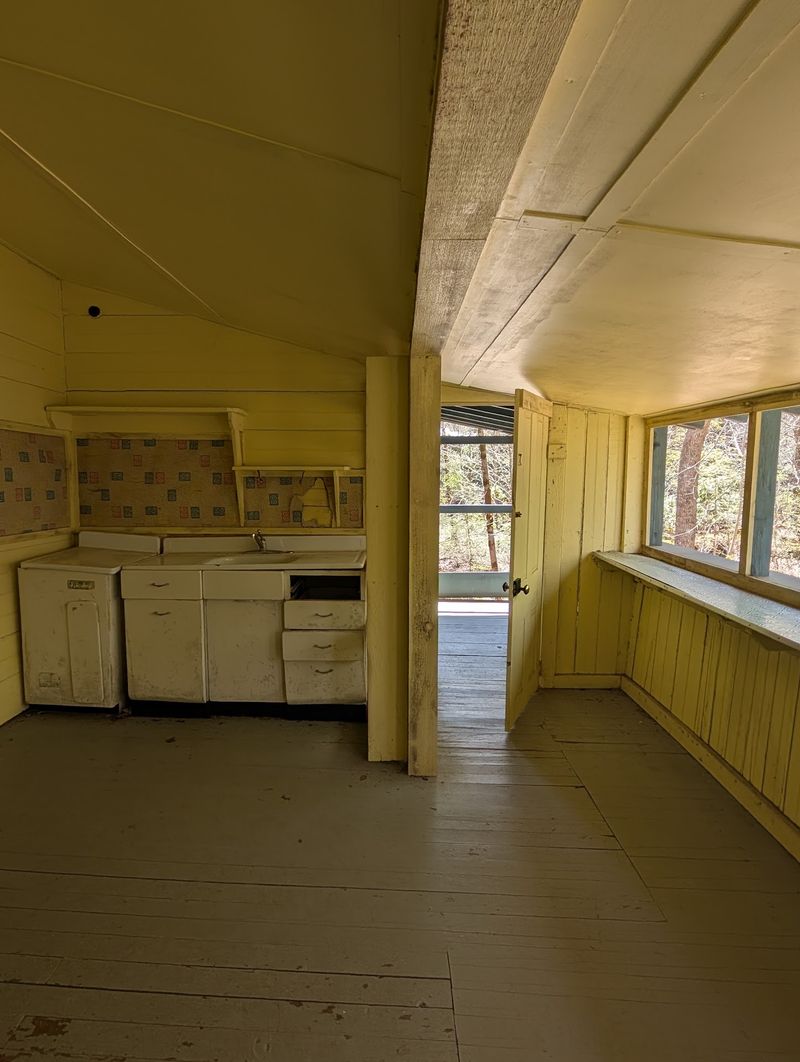
Push open a screen door and the smell hits first: old pine, cool stone, dust warmed by sun through wavy window glass. There is no rope, no glass case, no guide telling you where to stand.
Every cabin has its own personality. Some are tight little bungalows with a single fireplace, others sprawl with sleeping porches, odd add-on rooms, and staircases that seem built for children racing each other.
Families tend to turn it into a game. Grandparents point out hardware and paneling they remember from childhood homes, while kids run ahead claiming rooms as their own.
One family shared that their son, who has autism and rarely gets permission to explore buildings freely, went through every single cabin on his own terms. That kind of open-ended freedom is genuinely rare at a historic site.
A few practical notes from regular visitors: dogs are not permitted inside the buildings so the original floors survive, and wildlife occasionally moves in. Bats have been spotted roosting in at least one structure near the northeast corner.
Give yourself real time. Rushing this in twenty minutes misses the point entirely.
Millionaire Row and the Stone Chimneys Beyond
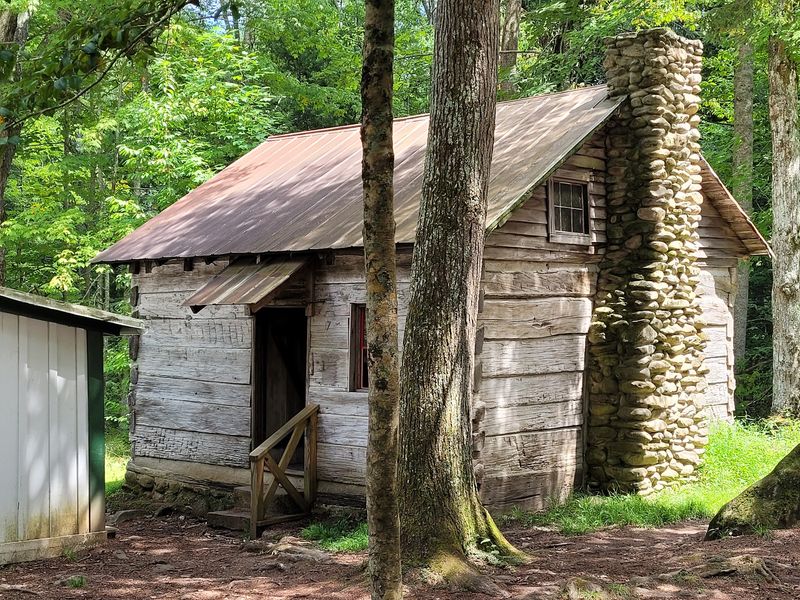
Keep walking past the last restored cabin and the scenery changes character. The maintained lane gives way to a rougher path where the Park Service removed buildings that were too far gone to save.
What remains are chimneys. Tall stacks of river stone rise straight out of the ferns, still anchored to bits of foundation and retaining wall, marking homes that no longer exist around them.
Locals call this stretch Millionaire Row, a nod to the wealth once concentrated here. Standing among the bare hearths, that wealth feels very far away and strangely close at the same time.
Visitors who enjoy history mixed with a bit of trail work often say this section is their favorite part of the whole area. It is quieter than Daisy Town and rewards anyone willing to keep going.
The rebuilt lodge draws attention too. An earlier clubhouse building burned decades ago, and while the exterior is impressive, some travelers arrive to find the clubhouse itself not open for interior viewing.
Wear real shoes. Roots, gravel, and uneven ground make this less forgiving than the paved section behind you.
River Sounds, Short Trails, and Firefly Season
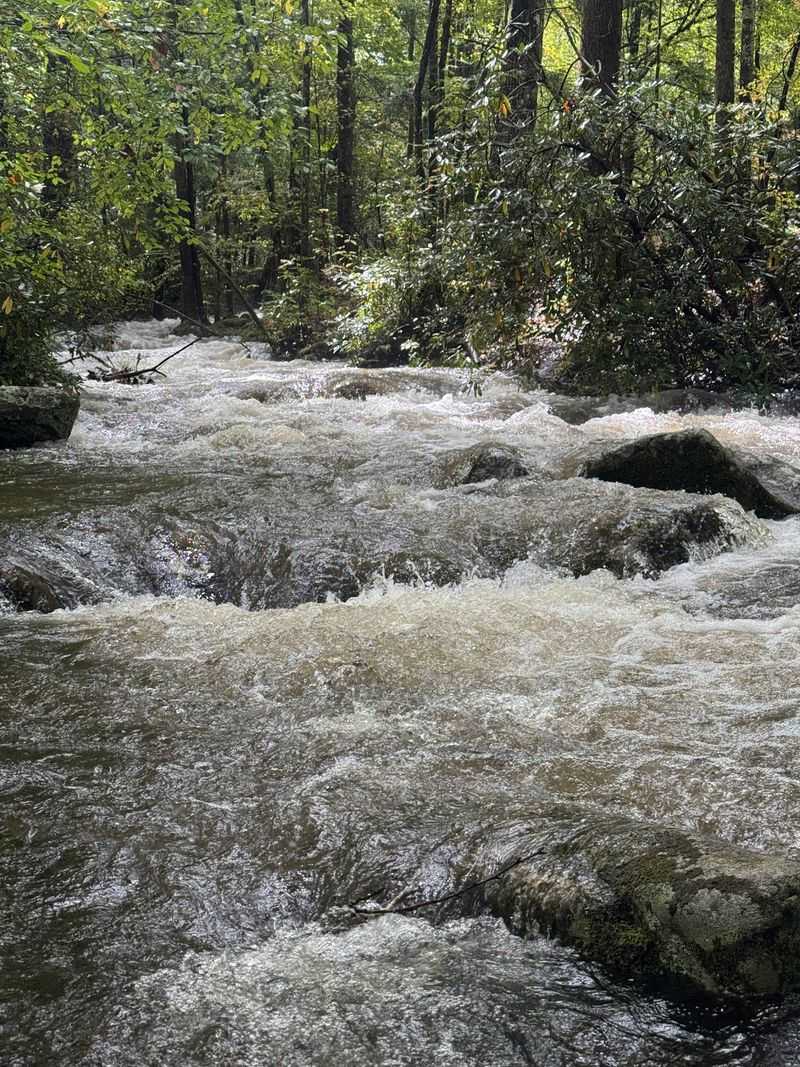
Water is the soundtrack. The Little River runs close by, and Jakes Creek adds its own rush, so even a crowded morning at the cabins comes with a constant background of moving water.
For families wanting a little more movement, the Elkmont Nature Trail loops about 0.8 miles through the woods. It is short enough for younger legs and long enough to feel like an actual hike.
The trailhead for Laurel Falls, one of the park’s most popular waterfall walks, sits roughly a mile from the campground entrance. Pairing the two makes a satisfying half-day without much extra driving.
Old Elkmont Cemetery adds another quiet layer of local history for those who want to see how the original valley community lived and remembered.
Then there are the fireflies. The valley is famous for the annual synchronous firefly event, which draws heavy demand and typically requires advance planning through the park, so check the official schedule well ahead.
Autumn is the sleeper season here. Smoky Mountain color peaks in October, and the drive back past the campground often turns up wildlife along the roadside.
The Mood on a Weekday Morning
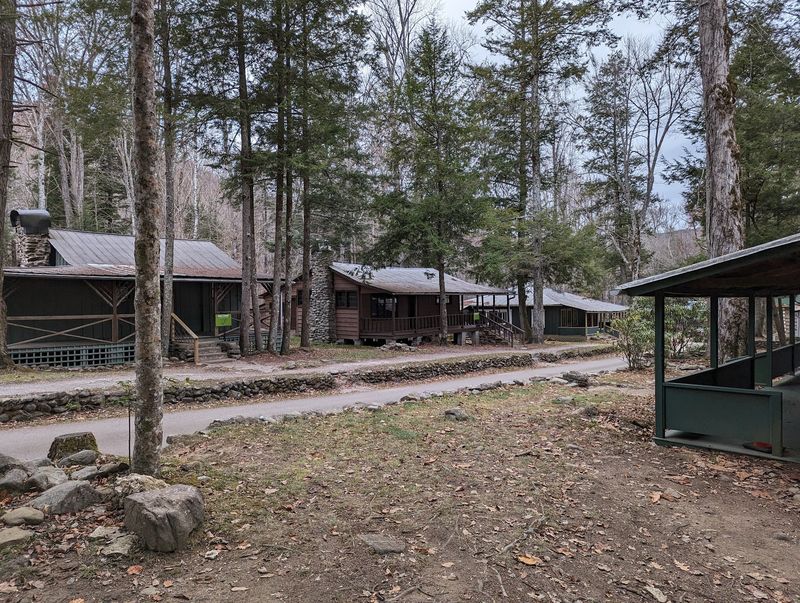
Arrive around 8:30 in the morning and you may have the entire street to yourself. Several visitors describe that early hour as beautiful and slightly unnerving, standing alone in a doorway with fog still sitting in the trees.
By midday the tone shifts. Families spread out across the lane, kids thunder across porches, and local artists sometimes set up easels to paint the cabins from the road.
Peaceful is the word that comes up again and again, and it earns it. Compared with the constant motion of Gatlinburg and Pigeon Forge, this feels like someone turned the volume down.
Who does it suit best? Curious kids who like poking into rooms, retirees who appreciate architecture and family stories, photographers, and anyone tired of paying admission for everything.
Who might be underwhelmed? Travelers expecting a dramatic abandoned town.
Honest visitors point out this was a vacation community, well kept and thoroughly restored, not a place frozen in decay.
Bring a picnic and stay longer than you planned. Once you settle in, leaving gets harder than expected.
Parking Passes, Hours, and No Cell Signal
Cost is the easy part. Great Smoky Mountains National Park charges no entrance fee, so seeing the district itself is free.
What you do need is a parking tag if you leave your vehicle for more than a short stop. Passes are sold through the park and at visitor centers, and picking one up before you drive out saves hassle later.
Listed hours run 8 AM to 7 PM daily. Times can shift with season and park conditions, so confirm before making the drive.
Parking near the cabins exists but is limited, and some visitors have found lots blocked off, ending up parked along the roadside and walking up. Weekday mornings tend to be simpler than weekend afternoons.
Restrooms are on site, though they have occasionally been found locked. Pack water regardless, since there is no shop or concession here.
Cell service is essentially nonexistent. Download offline maps and drop pins for everything you want to find before you lose signal, because the turn toward the historic area is easy to miss.
Directions from regulars: enter the campground, then follow the road around toward the cabins.
Why This Empty Street Sticks With People
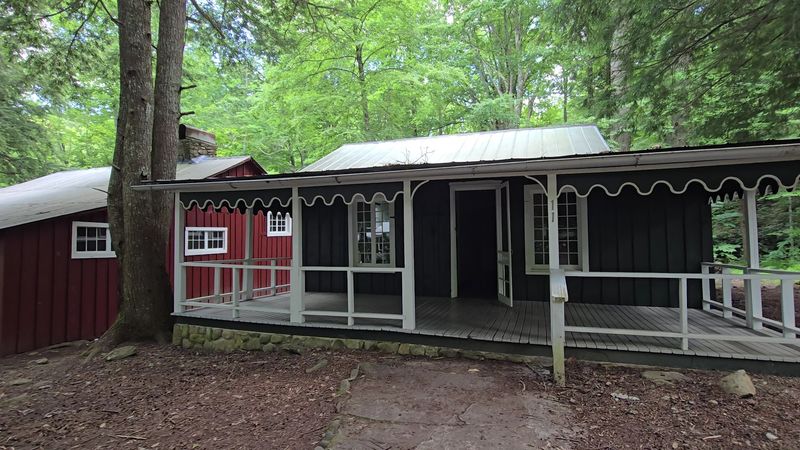
Few places let you touch history this directly and charge nothing for it. Between the free entry, the short trails, and a packed cooler, a Tennessee family can fill an entire Saturday here for the price of gas and a parking tag, well under the cost of a dinner out.
The appeal is not spectacle. It is the strange intimacy of standing in someone’s old bedroom, reading a faded interpretive sign, and realizing this whole valley emptied out within living memory.
A fair warning worth repeating: some of the historic signs and photographs have weathered badly and are difficult to read, and the terrain does not work well for strollers or wheelchairs. Driving slowly through the lane is a workable alternative for viewing.
Plan around fall if you can. October color through the Smokies turns the drive itself into half the reason to come.
If your idea of a good day involves quiet, open doors, and a little imagination rather than ticket lines, this row of empty cabins delivers more than its modest reputation suggests. Go early, go slow, and let the kids pick their houses.