
The Thrift Store In Manhattan That New York Locals Say Takes All Day To Explore
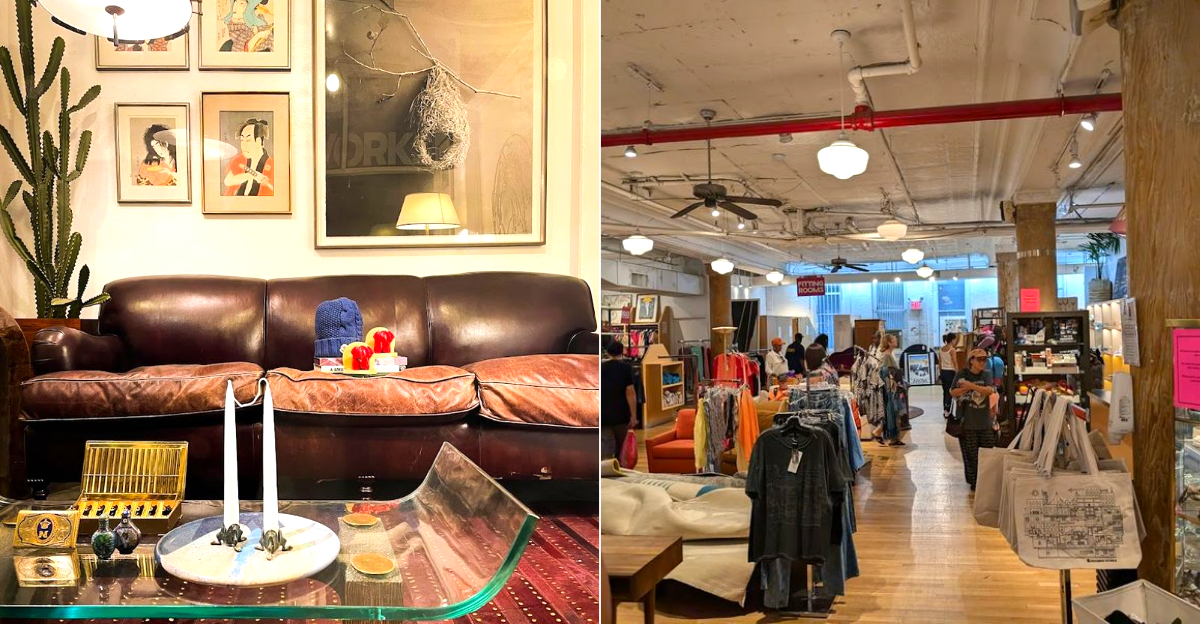
You don’t plan to spend all day here… it just kind of happens. One rack turns into five, then a whole section, and suddenly you’re holding things you didn’t even know you were looking for.
That’s the magic of a really good thrift store.
New York locals already know this Manhattan spot is a full-day commitment, and honestly, they’re not wrong.
It’s packed, a little chaotic, and full of those “wait, how is this here?” finds that make you stop and dig deeper. You tell yourself you’re done, then spot one more rack that looks promising.
It keeps pulling you back in.
This Manhattan thrift store isn’t about quick shopping. It’s about the hunt, the surprises, and walking out with something that feels like a win.
Quick Snapshot
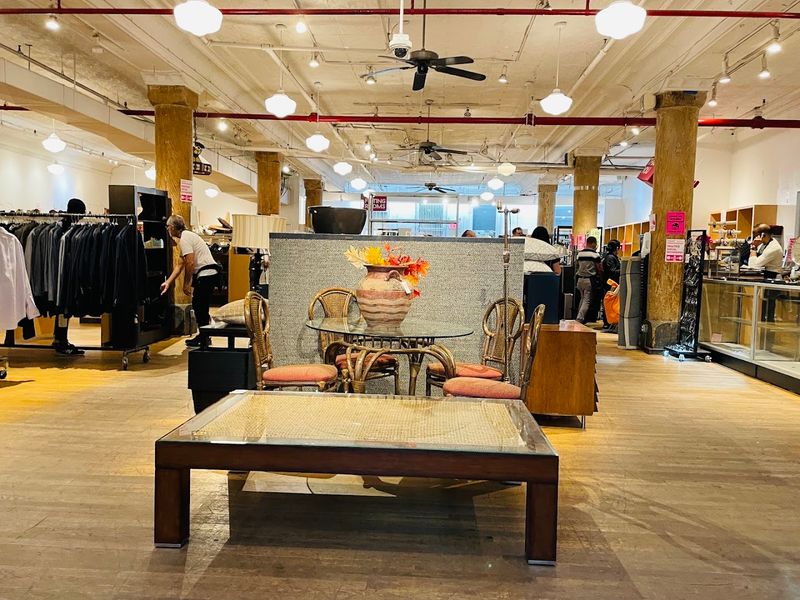
Name: Housing Works Thrift Shops – Chelsea
Type: Nonprofit thrift store supporting programs that fight homelessness and HIV/AIDS
Setting: Spacious secondhand marketplace with distinct sections for clothing, furniture, books, home goods, and accessories; racks organized by category
Location: 143 West 17th Street, Manhattan, New York, NY 10011
Arrival: Open weekdays and Saturdays at 11 AM; Sunday hours from noon to 5 PM; wheelchair accessible, though aisles may be narrow during busy periods
Offerings: Wide variety of items from standard secondhand pieces to designer labels and new-with-tags items; accepts donations and collaborates with local businesses for overstock and sample sale items
This Place Is Actually Massive
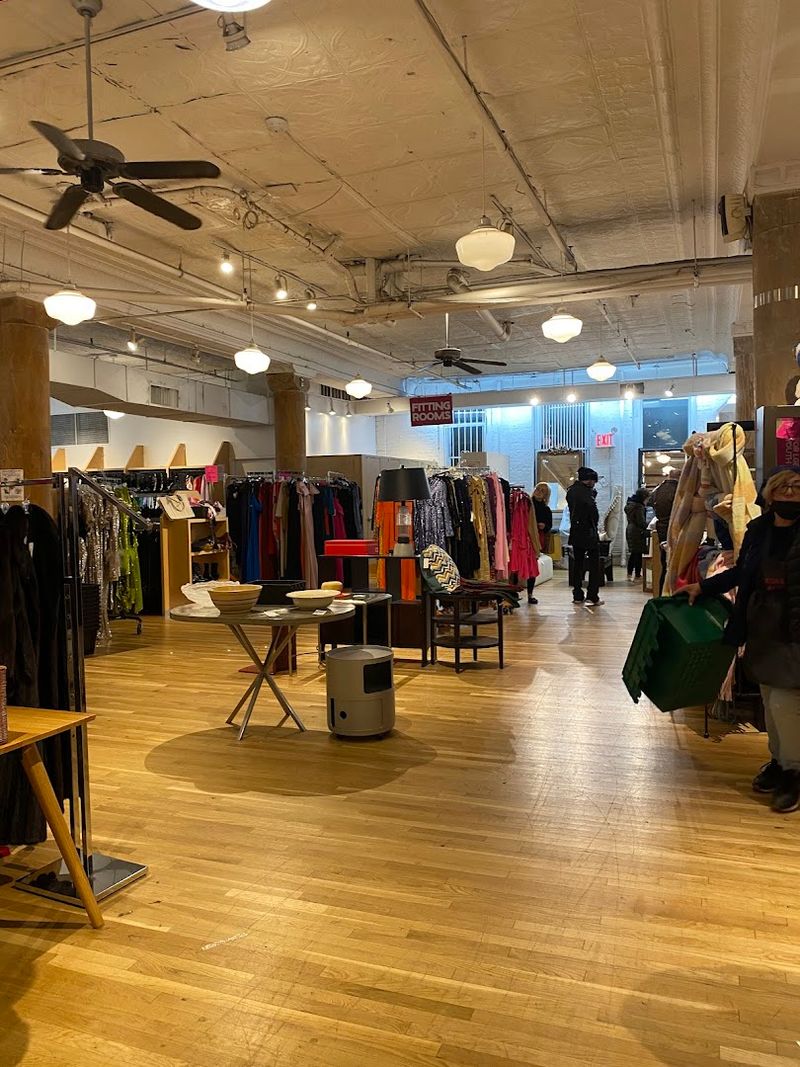
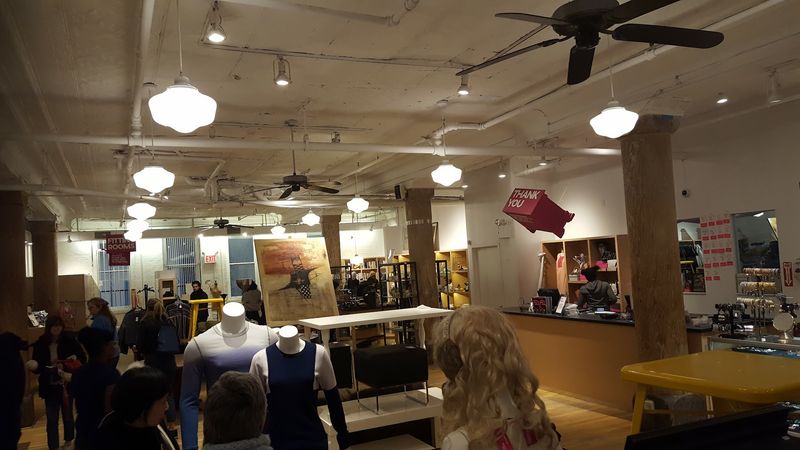
Walk through the front door and your first thought won’t be about charity or sustainability. It’ll be something closer to “how am I supposed to look through all of this?” The Chelsea location sprawls across a single floor that feels deceptively large once you start moving through it.
What looks manageable from the entrance reveals itself section by section as you wander deeper into the store.
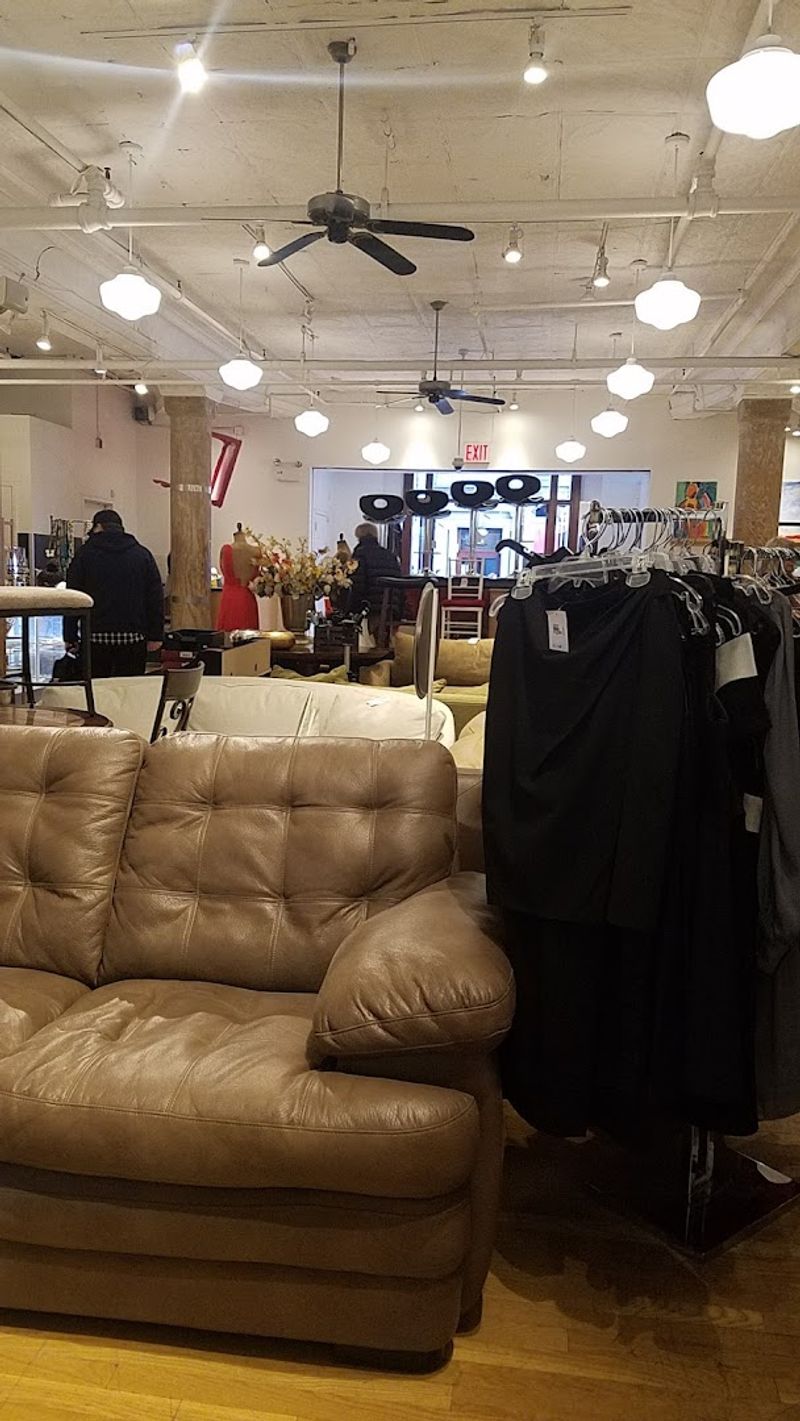
Clothing dominates the front and middle areas with separate zones for men’s and women’s apparel. Racks stretch in long rows, packed with everything from basic tees to formal wear.
Cultural garments and international pieces pop up throughout, adding unexpected variety to the mix. Shoes line the walls in larger women’s sizes, a rarity that brings repeat visitors back specifically for footwear.
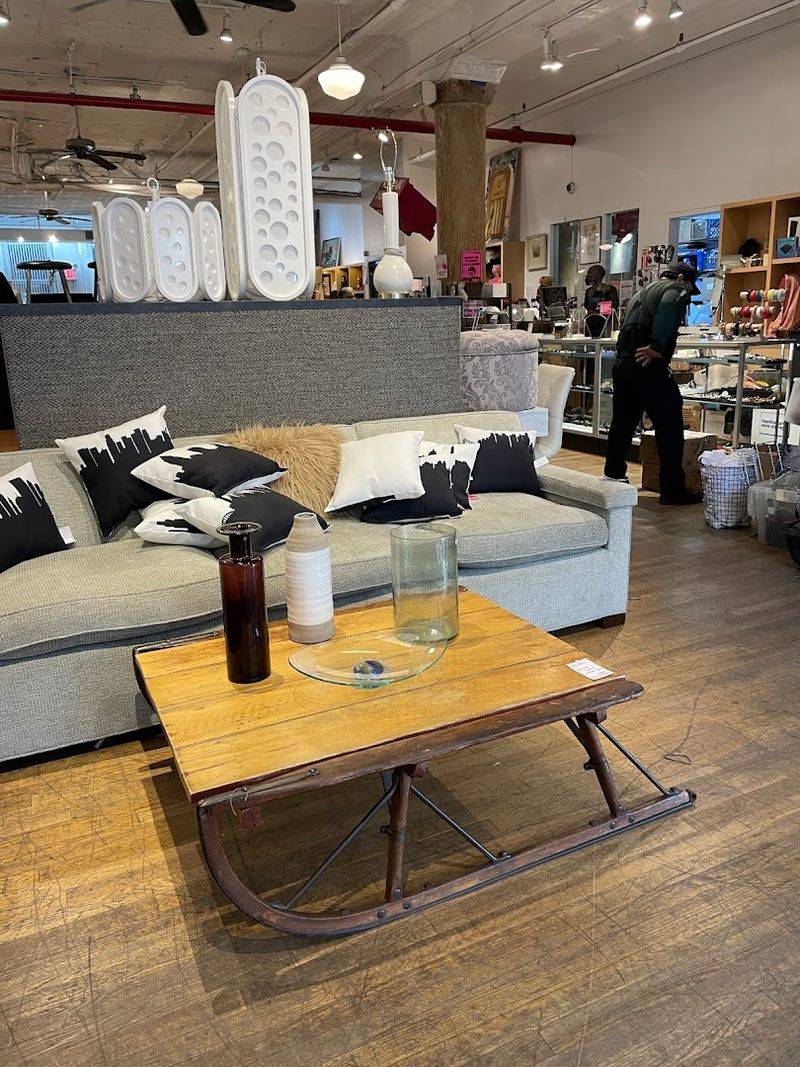
Furniture claims the back and side areas, where couches, tables, chairs, and lamps create a showroom feel. Rugs hang on display racks, and smaller decor items fill shelves nearby.
A dedicated corner holds books, CDs, vinyl records, and board games, all organized enough to browse without frustration. The games even include all their pieces, which somehow feels like a small miracle.
Important info: The layout doesn’t follow a strict grid, so you’ll backtrack and discover sections you missed on your first pass. That’s part of the experience and exactly why people warn you to clear your schedule.
The Mission Behind The Merchandise Makes Every Purchase Count
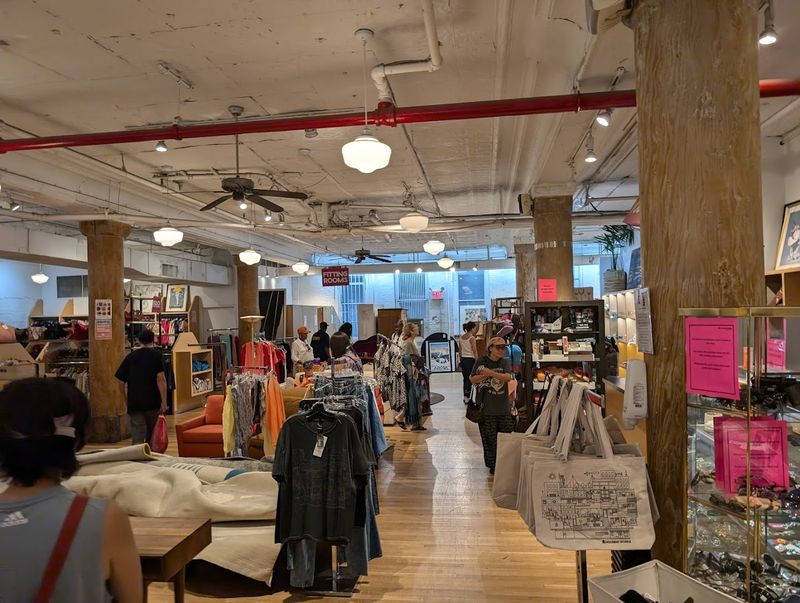
Housing Works isn’t just reselling donated goods to pad someone’s profit margin. Every dollar spent here funds programs that provide housing, healthcare, and advocacy for people living with and affected by HIV/AIDS.
The organization also addresses homelessness through direct services and policy work. Shopping here means your vintage blazer or mid century lamp contributes to something larger than your personal style upgrade.
The store sources inventory through individual donations and partnerships with local retailers who contribute overstock and sample sale leftovers. That explains why you’ll spot new with tags items mixed in with genuine vintage pieces.
Some shoppers find this frustrating because it creates inconsistent pricing, but it also means the selection stays fresh and unpredictable.
Staff and volunteers work to keep the space organized and welcoming, though the sheer volume of inventory makes perfection impossible. The environment reflects the community focused mission, with a warm atmosphere that feels less corporate than typical retail.
Regulars appreciate that their purchases support different initiatives while also keeping usable goods out of landfills.
Importance: Knowing the backstory doesn’t make browsing faster, but it does add weight to the experience. You’re not just thrifting.
You’re participating in a funding model that turns secondhand shopping into direct community support. That’s worth remembering when you’re digging through your fifth rack of jeans.
Arrive Early And Expect To Spend Hours, Not Minutes
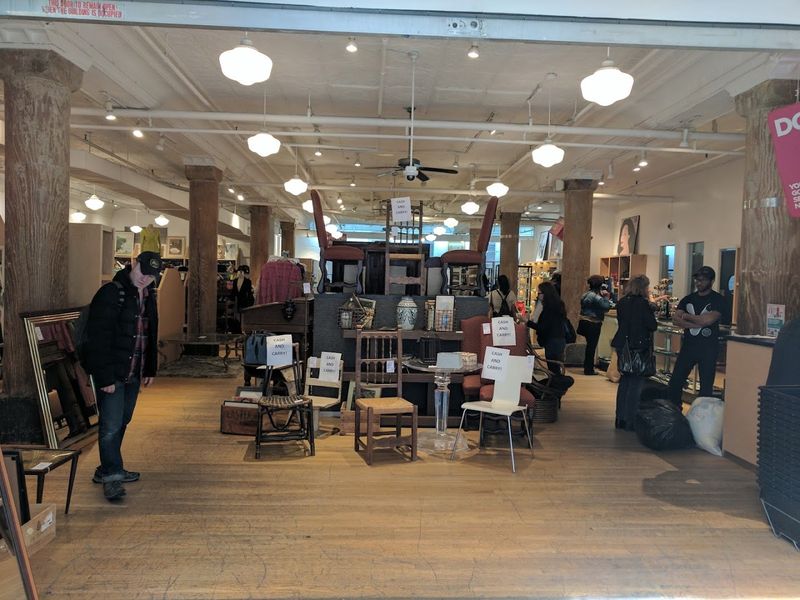
Serious thrifters know the golden rule: show up when the doors open. Housing Works Chelsea unlocks at 11 AM most days, and the first wave of shoppers gets first pick of anything new that hit the floor overnight.
If you’re hunting for specific items like furniture or designer labels, that early arrival window matters. By mid afternoon, the best pieces have usually found new owners.
Plan for at least two hours if you want to cover the whole store properly. That’s not an exaggeration or a cute way to build hype.
The layout and volume of merchandise genuinely require that much time if you’re being thorough. Casual browsers can move faster, but anyone hoping to uncover hidden gems needs to slow down and inspect carefully.
Weekends bring heavier foot traffic, which makes navigating aisles more challenging and increases competition for standout items. Weekday mornings offer a calmer experience with more space to browse and try things on without waiting.
Tuesdays add the bonus of student and senior discounts, which shaves 20 percent off your total and makes the trip even more worthwhile.
Pro tip: Bring comfortable shoes because you’ll be on your feet constantly. Wear layers you can easily remove since fitting rooms stay busy and you might try on multiple items.
Keep your expectations flexible and your phone charged because you’ll probably want to text photos to friends for second opinions. This isn’t a quick errand.
It’s an event.
Clothing Selection Rewards Patience And Sharp Eyes
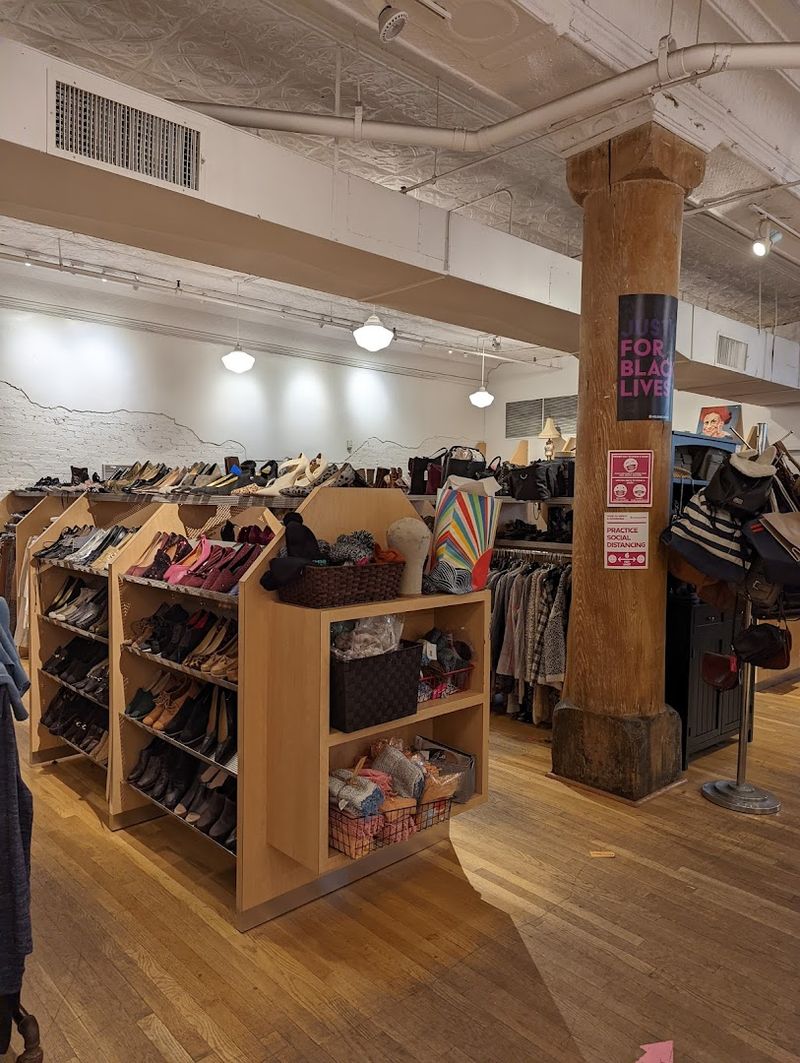
The clothing sections at Housing Works Chelsea hold the kind of variety that keeps people coming back despite the effort required to shop here. You’ll find everything from fast fashion basics to high end designer pieces, often hanging side by side without much fanfare.
Sample sale overstock means some items still have original tags and retail prices that would make your wallet cry, now marked down to thrift store rates.
The catch is that nothing is organized by size. Racks are grouped by type, so all the blouses hang together and all the jeans cluster in one area, but you’ll need to flip through each piece individually to find your measurements.
For some shoppers, this system feels inefficient and exhausting. For others, it’s part of the thrill because it forces you to examine items you might otherwise skip.
You might find 100 percent silk or wool for under fifteen dollars, or you might encounter a J.Crew blouse priced at forty five dollars, which feels steep for secondhand. If you’re shopping for environmental reasons rather than financial necessity, the higher prices won’t sting as much.
Fitting rooms are available, which solves the problem of guessing whether something will actually fit. Use them liberally because returns aren’t an option once you leave the store.
Furniture Finds That Actually Fit Manhattan Apartments
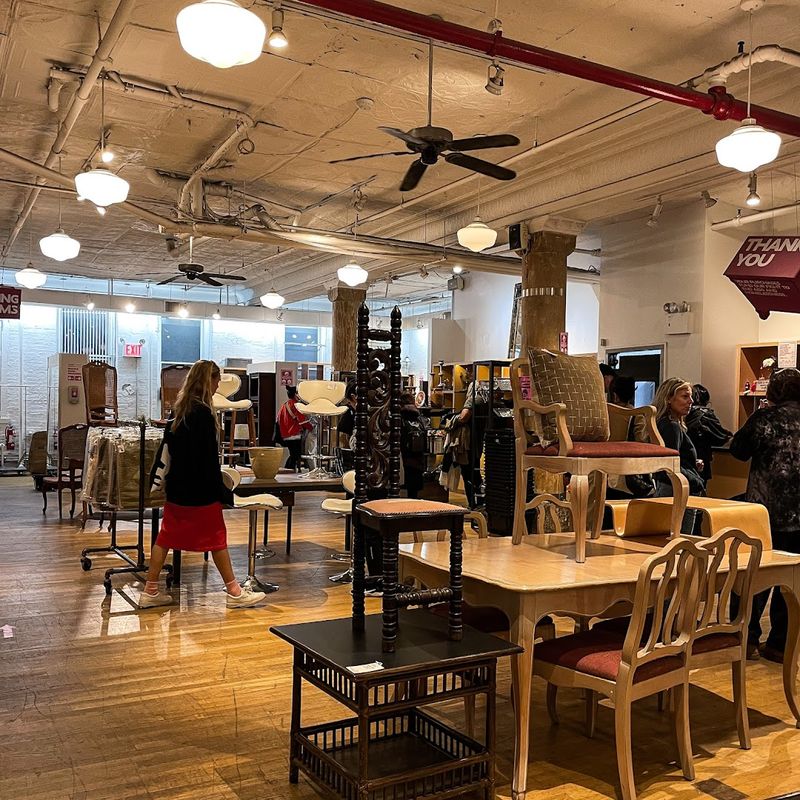
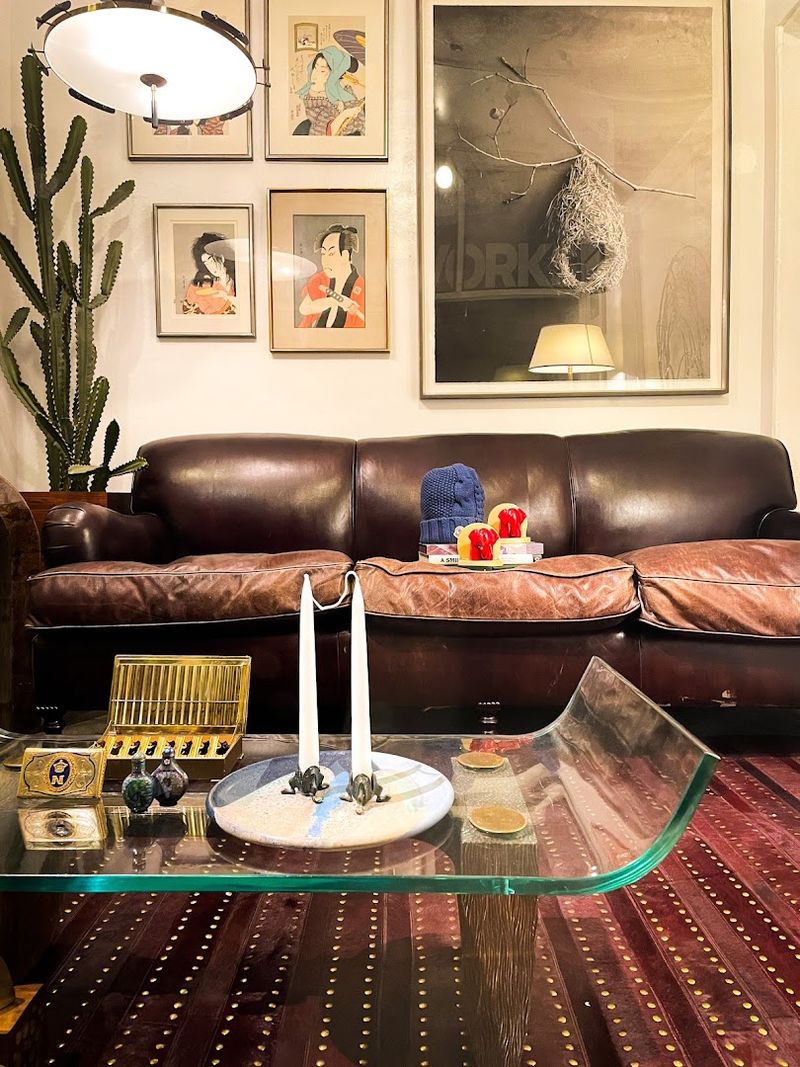
Housing Works Chelsea has built a reputation among locals for its furniture selection, which consistently delivers pieces that work in small New York apartments. The back section showcases sofas, chairs, tables, bookshelves, and lighting in rotating inventory that changes based on donations.
You won’t find particle board disasters here. Most items are solid wood or well constructed vintage pieces with actual character.
Mid century modern fans hit the jackpot regularly, finding chairs and tables that would cost hundreds more at dedicated vintage shops. Upholstered furniture gets inspected before hitting the floor, so you’re not gambling on mystery stains or structural damage.
Rugs in various sizes hang on display racks, offering options for renters who need to cover ugly floors without breaking their security deposit.
Prices for furniture range from reasonable to surprisingly high depending on the piece and its condition. A solid dining table might run a few hundred dollars, while smaller accent pieces could cost under fifty.
The store recommends three insured moving companies for delivery, which takes the stress out of getting your new couch home. Delivery fees are separate but fair, and the movers handle everything professionally.
The furniture section alone justifies the trip for anyone furnishing a new place or refreshing their space on a budget. Inventory moves quickly, so if you spot something you love, don’t wait.
It probably won’t survive until your next visit.
Books And Media For Readers Who Miss Physical Collections
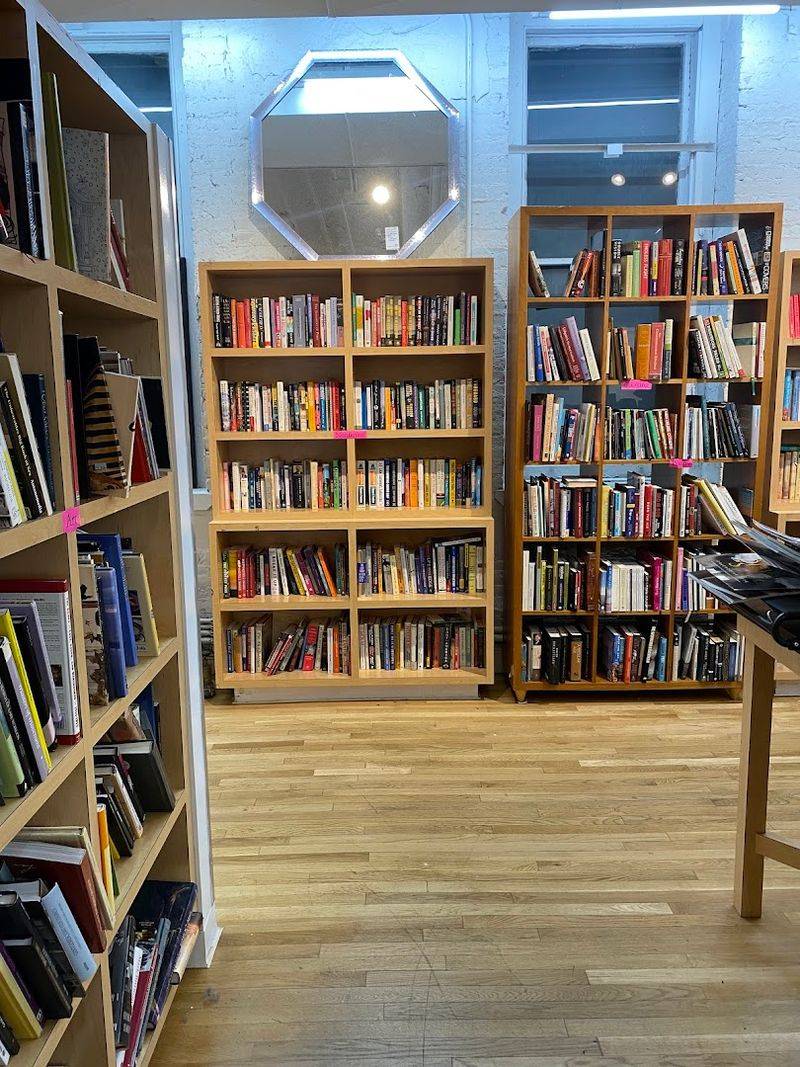
Tucked in the back corner sits a dedicated space for books, CDs, vinyl records, and board games that feels like a quiet refuge from the busier clothing sections. The book selection spans fiction, nonfiction, art books, and coffee table volumes, with enough variety to satisfy casual readers and serious collectors.
Prices stay low enough that you can grab multiple titles without guilt.
Vinyl enthusiasts should budget extra time for crate digging because the record selection rotates constantly and occasionally yields genuine treasures. CDs might feel like relics to some shoppers, but the collection here serves anyone who still appreciates physical media or wants to build a retro collection.
Everything is organized well enough that browsing doesn’t feel like archaeological excavation.
Board games deserve special mention because Housing Works somehow manages to stock games with all their pieces intact. That’s a rarity in the thrift world where missing dice and cards usually make games worthless.
Families and game night enthusiasts can find classics and obscure titles without worrying about incomplete sets. Prices are reasonable, making this a solid stop for parents or anyone building their game library.
The media corner doesn’t get as much attention as the clothing or furniture sections, which works in your favor if you prefer browsing without crowds. It’s easy to lose thirty minutes here flipping through book spines and album covers, especially if you’re the type who can’t resist a good find.
Bring a tote bag because you’ll probably buy more than you planned.
Pricing
Items that arrive through retail partnerships often retain higher price points because they’re new or barely worn. If you’re thrifting purely for budget reasons, these pieces will feel overpriced and out of reach.
If you’re shopping to avoid fast fashion and support a good cause while still getting quality goods, the pricing makes more sense. It’s all about what you’re optimizing for when you walk through the door.
The point is that there is options for everyone, and that is super important.
The student and senior discount on Tuesdays helps offset higher prices and makes the store more accessible to people on fixed or limited incomes. That 20 percent reduction can turn a maybe item into a definite purchase.
Regulars learn to shop strategically, focusing on categories where Housing Works consistently offers good value and skipping sections where prices don’t match their budgets.
Common Mistakes That Waste Time And Miss The Best Finds
First mistake: showing up without a plan or time buffer. Shoppers who treat Housing Works like a quick errand end up rushing through sections and missing worthwhile items.
You need at least two hours to browse properly, and trying to cram it into a lunch break guarantees disappointment. Block out a real chunk of time or don’t bother going.
Second mistake: skipping items because the size isn’t immediately visible. Since clothing isn’t organized by size, you have to check tags individually.
Lazy browsers who only glance at hangers miss great pieces because they didn’t take the extra two seconds to look. Slow down and actually examine things instead of making assumptions based on appearance.
Third mistake: visiting on Saturday afternoon and expecting a calm experience. Weekends bring crowds that make browsing difficult and increase competition for standout items.
If your schedule allows, shop on weekday mornings when the store is quieter and inventory is fresher. Saturday shoppers get picked over racks and cramped aisles.
Fourth mistake: ignoring the furniture section because you assume you can’t transport large items. The store recommends reliable movers who handle delivery for reasonable rates.
Walking past a perfect couch because you don’t own a truck means missing out on exactly the kind of find that makes thrifting worthwhile. Ask about delivery options before you write off big pieces.
Building A Relationship With The Store Pays Off Over Time
Shoppers who visit Housing Works Chelsea regularly develop a rhythm and understanding that makes each trip more productive. You learn which days bring new inventory, which sections consistently deliver for your specific needs, and how to navigate the space efficiently.
That familiarity transforms the experience from overwhelming to genuinely enjoyable.
Staff members recognize repeat customers and often provide helpful tips about recent arrivals or upcoming donations. Building rapport with employees gives you insider knowledge that casual shoppers miss.
They might point you toward a newly stocked furniture piece or mention that a fresh batch of clothing just hit the floor. Those small advantages add up over multiple visits.
Regular shoppers also develop realistic expectations about pricing, inventory turnover, and the time commitment required.
The store becomes part of your routine rather than a special occasion destination. You stop by when you’re in the neighborhood, check for new arrivals without pressure to buy, and gradually build a collection of finds over time.
That approach works better than treating each visit like a high stakes treasure hunt where you must find something amazing or consider the trip wasted.
Becoming a regular also means your purchases consistently support the organization’s mission, which adds cumulative impact beyond individual transactions. Your shopping habit contributes to ongoing funding for housing and healthcare programs.
Final Verdict: Is The Time Investment Worth The Payoff
Housing Works Thrift Shops in Chelsea delivers exactly what it promises: a massive inventory that demands hours to explore properly and rewards patient shoppers with genuinely good finds. If you’re willing to invest the time, you’ll leave with items you won’t find anywhere else.
The furniture selection alone justifies the trip for anyone furnishing a Manhattan apartment on a reasonable budget.
What sets Housing Works apart is the mission behind every purchase. Your money funds housing, healthcare, and advocacy programs that make tangible differences in people’s lives.
That adds weight to the experience that typical thrift stores can’t match. You’re not just shopping.
You’re participating in a funding model that turns secondhand goods into community support.
For locals, the store becomes a regular stop that pays off over time through accumulated finds and growing familiarity. For visitors, it’s a worthwhile destination if you have a free afternoon and genuine interest in thrifting.
Either way, clear your schedule and bring comfortable shoes. This place lives up to its reputation as the thrift store that takes all day.