
The Tiny College In Glen Cove, New York That Offers Full-Tuition Scholarships And Ranks Among The Best In The Country
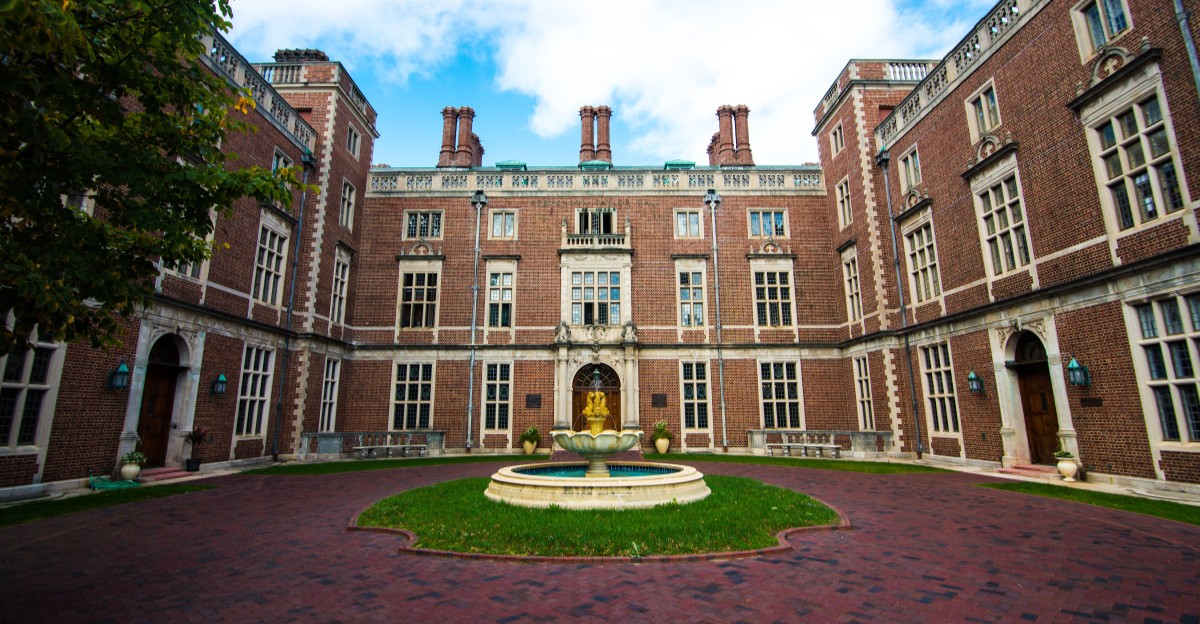
A Gilded Age mansion rises over the water, and future ship designers sketch hulls behind its tall windows.
Meet the tiny college that New York keeps quietly bragging about.
Every admitted U.S. student here earns a full-tuition scholarship. Yes, the whole bill, covered for four years.
Then the rankings roll in, and this little campus keeps landing among the best in the country.
Classes unfold inside a mansion Hollywood borrowed for Wayne Manor. Winters turn into paid shipyard adventures instead of couch marathons.
And the private beach? Pure bonus.
Scale models glide through a towing tank on campus, turning homework into a splashy little experiment.
Curious minds who love math, boats, and big dreams will find a surprising classroom waiting in New York, one worth a closer look.
A Free Ride With A Long History
Free tuition sounds like a daydream, right? At Webb Institute, it has been a real promise since 1889.
Every admitted U.S. citizen and permanent resident gets a full-tuition scholarship. Nobody has to win a contest or a special award to earn it.
Getting accepted is the ticket.
The scholarship covers four full years of study. Over that time, its value adds up to a very large sum for each student.
Families still plan for other costs, such as room, board, books, and fees.
Those extra costs can change from year to year. Checking the latest details with the school before applying makes good sense.
The idea came from the founder, a shipbuilder who wanted talented young people to learn the trade. He believed money should not block a bright student from a great career.
His plan still shapes the school today.
That kind of support changes how students think about college. Many graduates can start their careers without heavy tuition debt hanging over them.
Freedom like that lets them take bold steps early.
For any student who loves boats and math, Webb Institute offers a deal worth a serious look.
Rankings That Punch Above Their Weight
Small school, big scoreboard. Webb Institute keeps showing up near the top of national college lists.
U.S. News and World Report has ranked it among the best regional colleges in the North.
It also placed high among top private schools in that same group. Its engineering program earns a spot on the national list for schools without doctoral programs.
The Princeton Review includes Webb Institute in its yearly guide to the best colleges. That guide profiles only a small slice of four-year schools in America.
Making the cut says a lot about the quality inside those walls.
The same guide has praised how easy it is to reach professors. It has also noted how hard students study.
Those two facts often go hand in hand here.
Back in 2017, one college ranking site even placed Webb Institute ahead of Cornell among top schools in New York. That is quite a feat for a campus this size.
Rankings can shift each year, so they never tell the whole story. Still, steady praise from many sources points to something special.
Clearly, this crew keeps its ship pointed in the right direction.
Born From A Shipbuilder’s Big Idea
Ever heard of a college that started as a home for retired shipbuilders? Webb Institute began exactly that way.
A famous industrialist and shipbuilder founded it in 1889. He called it Webb’s Academy and Home for Shipbuilders.
The name explained the plan pretty clearly.
Young students learned the craft of building ships. At the same time, older shipbuilders found a comfortable place to live after long careers.
The two groups shared one mission tied to the sea.
That mix of youth and experience made the school unusual from day one. It honored the past while training the future.
Few colleges can claim a start quite like it.
Over time, the school focused fully on education. It grew into a respected center for naval architecture and marine engineering.
The original goal of free learning stayed firmly in place.
History buffs will enjoy learning how shipbuilding shaped New York during the 1800s. The founder built many vessels during that busy era.
His name still sits proudly on the school today.
Knowing this story adds depth to any visit to Webb Institute. Every hallway carries a bit of that old shipyard spirit.
A Mansion Called The Braes
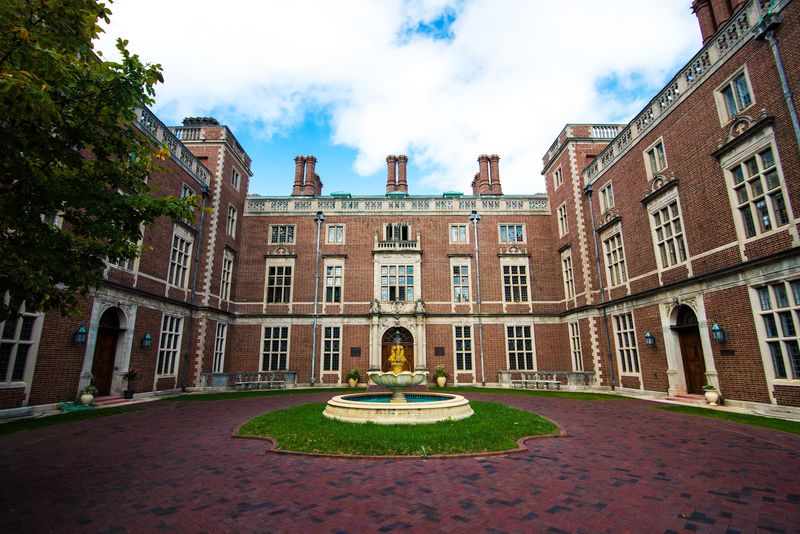
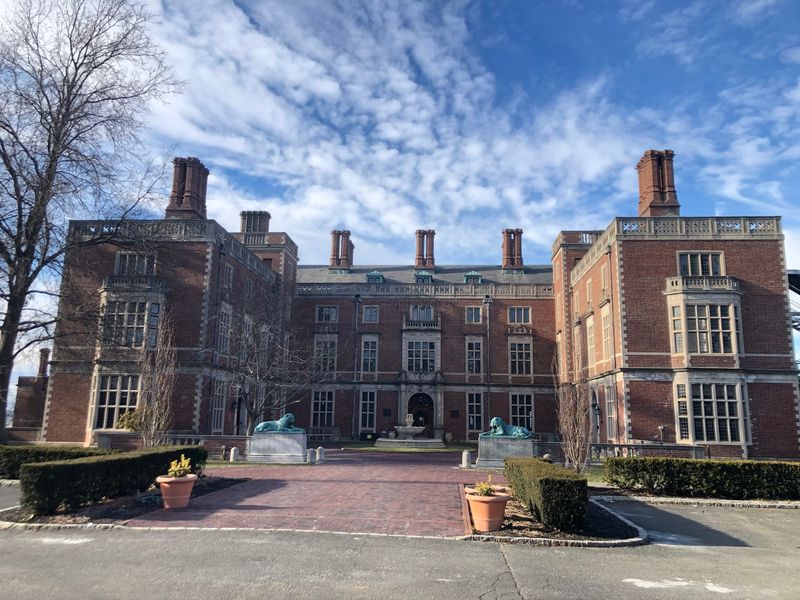
Imagine heading to class inside a Gilded Age mansion. Students at Webb Institute do it every single day.
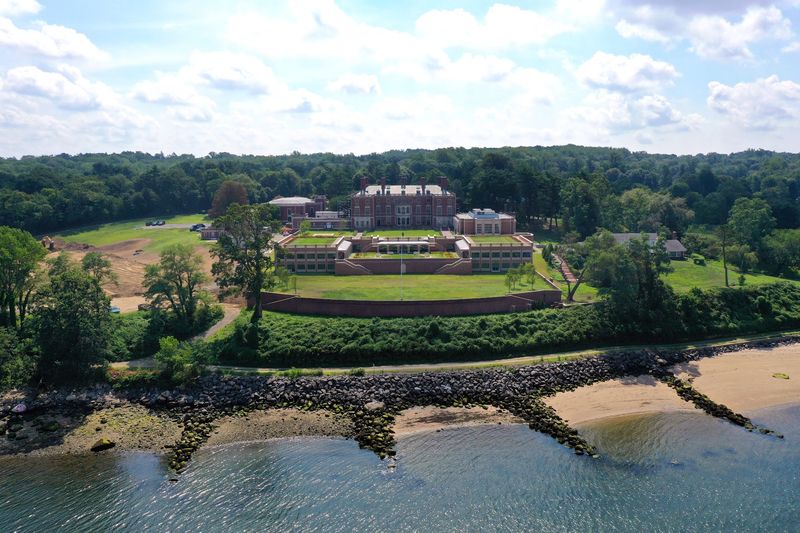
The school moved to Glen Cove in 1947. It settled onto a former country estate known as The Braes.
That estate once belonged to a wealthy family during Long Island’s grand mansion era.
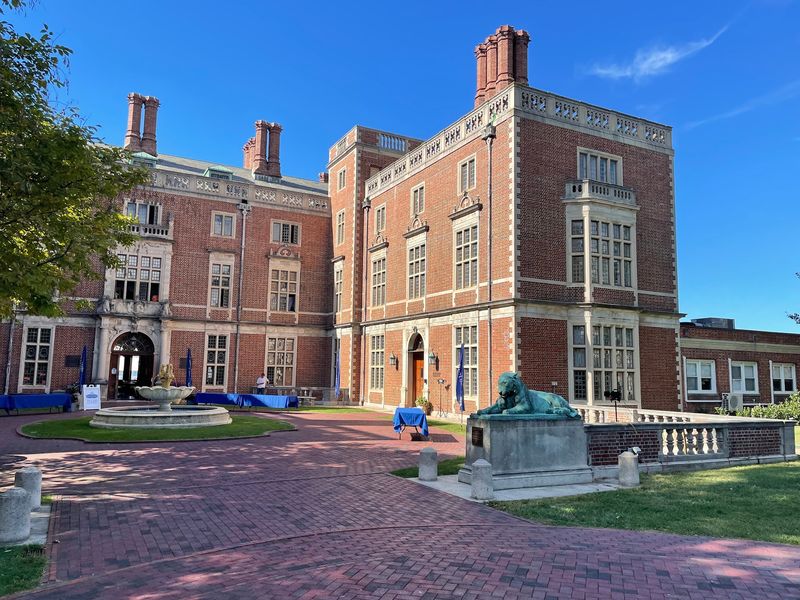
The main building is now called Stevenson Taylor Hall. It served as the family mansion long before students filled its rooms.
Tall windows, fine woodwork, and elegant spaces still shape its character.
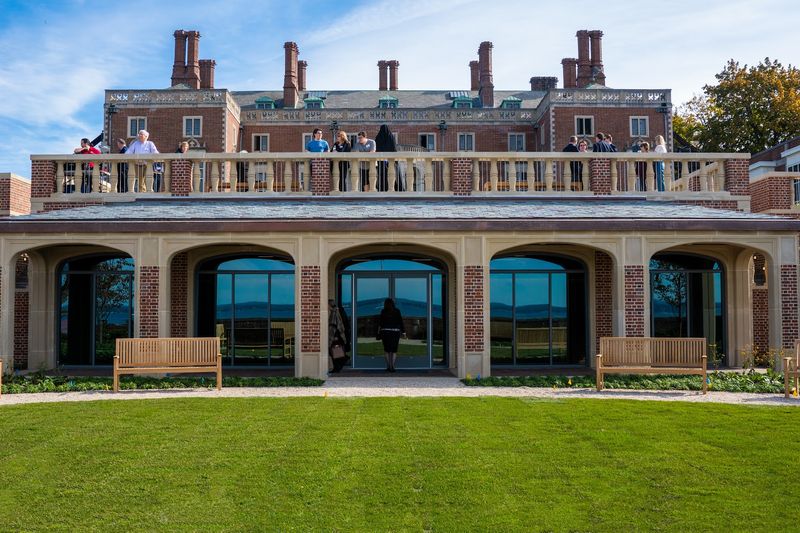
The whole campus spreads across about 26 acres. Wide lawns and mature trees make it feel calm and private.
It looks more like a storybook estate than a typical college.
Long Island’s North Shore once held many of these grand homes. Some vanished over the years, while others found new purposes.
Webb Institute gave this one a lively second life full of learning.
Visitors often notice how history and engineering blend here. Old architecture wraps around modern labs and classrooms.
It feels like stepping into another century with a laptop in hand.
For anyone who loves old houses, The Braes makes a striking sight.
Beachfront Views On Long Island Sound
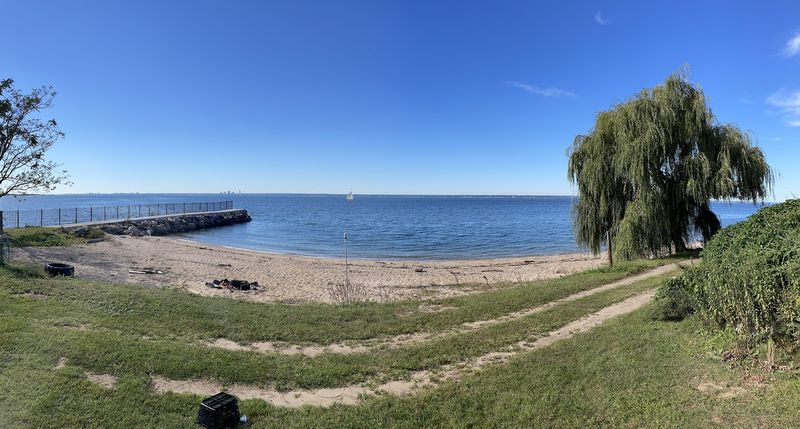
Most campuses offer a quad. Webb Institute offers a private beach.
The campus sits right on Long Island Sound. Salty breezes drift across the lawns, and boats glide past on calm days.
It is hard to find a better setting for a school about ships.
Students can watch real vessels move across the water between classes. That view turns lessons into something they can see and feel.
A textbook diagram suddenly comes to life out on the waves.
The beach also gives students a place to relax. After long hours of study, a walk along the shore can clear the mind.
Sunsets over the Sound add a peaceful finish to busy days.
Sailing fits naturally into this setting too. The school fields a sailing team, and the nearby water makes practice easy.
Few students anywhere get such a handy spot to learn the ropes.
Weather on the Sound changes with the seasons. Summer feels bright and breezy, while winter brings crisp, gray skies.
Each season paints the shoreline in a new way.
For a school built around the sea, this location seems almost perfectly planned.
One Major, Two Degrees, Zero Boredom
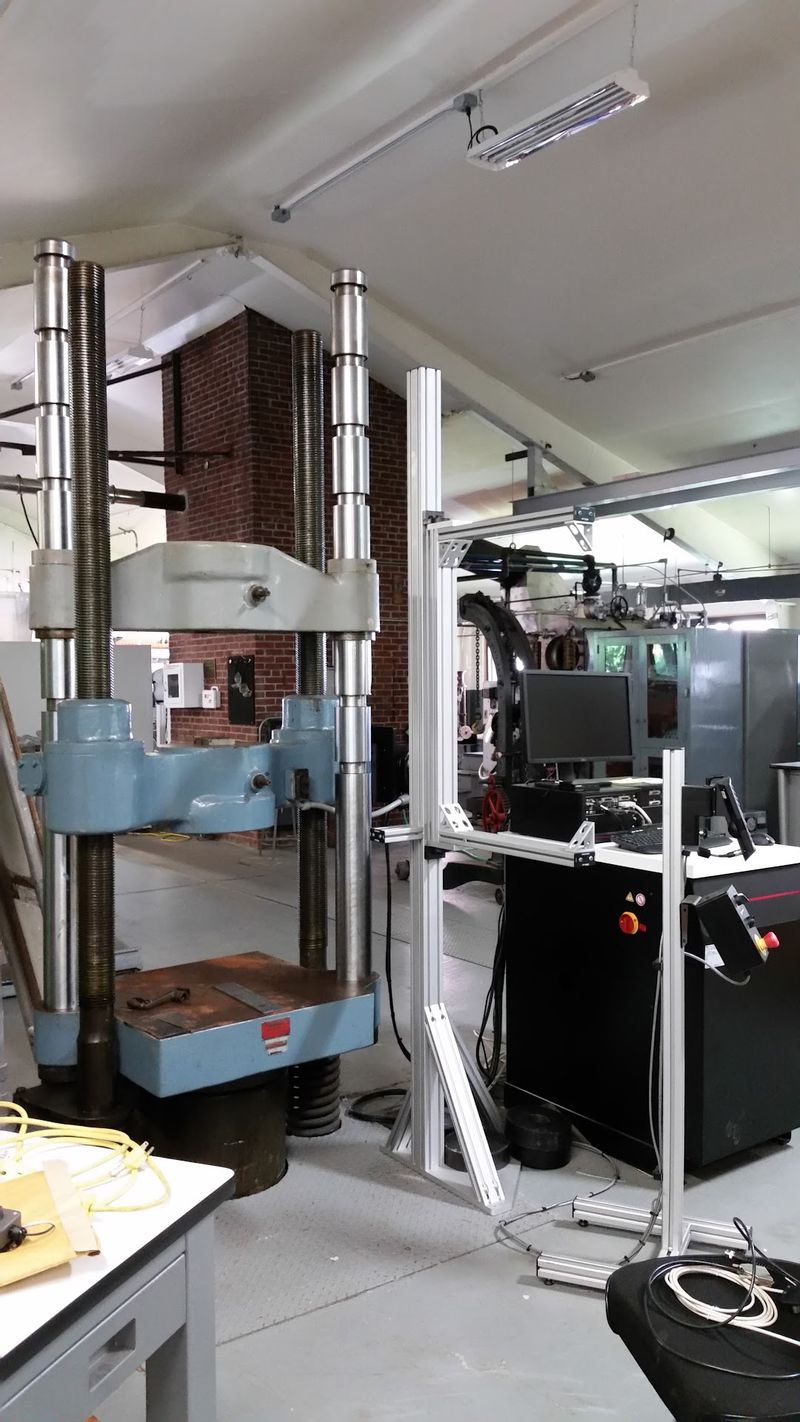
Forget flipping through a thick course catalog. Webb Institute keeps things simple with one program for everyone.
Every student earns a dual Bachelor of Science degree. It covers both naval architecture and marine engineering.
Graduates leave ready to design ships and the systems that power them.
Naval architecture focuses on the shape, strength, and stability of vessels. Marine engineering deals with engines, power, and the machines on board.
Together, they give a full picture of how a ship works.
The coursework is known for being demanding. Students tackle math, physics, design, and systems engineering in depth.
Hard work becomes part of daily life here.
Because everyone follows the same path, classmates learn side by side. They solve tough problems together and share tips late into the night.
That teamwork builds strong friendships.
Some students might worry about having only one choice. Yet the skills they gain reach far beyond shipyards.
Problem solving and engineering thinking fit many careers.
Anyone curious about how giant ships float should find this program fascinating. At Webb Institute, curiosity and hard work steer every lesson toward the open sea.
Winter Work Beats Winter Break
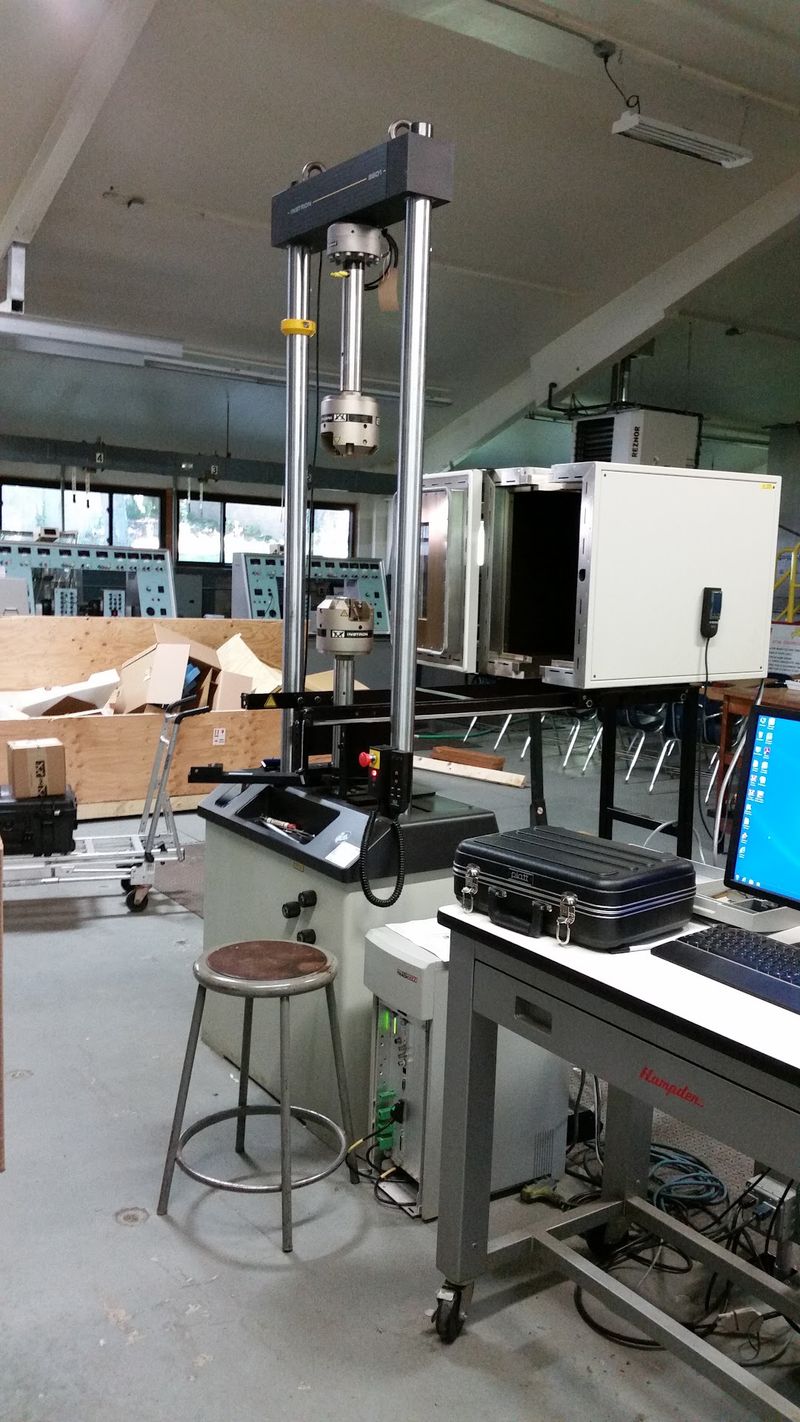
Snow days? Students at Webb Institute swap them for shipyards and offices.
The school runs a unique program called Winter Work. Every student completes four required internships during their time at the school.
Each one takes place during the winter months.
These internships are paid positions. Students might work at shipyards, design firms, or on board vessels.
They see how real projects come together in the industry.
By graduation, students gain about eight months of work experience. That is a big head start compared with many college graduates.
Resumes look strong before the diploma even arrives.
Winter Work also helps students figure out what they enjoy most. One placement might spark a love for design.
Another could reveal a passion for engines or life at sea.
Employers get to meet talented students early, too. Those connections often matter when job offers roll in.
It is a smart system that benefits everyone involved.
For families weighing college choices, this program stands out. Real work, real pay, and real lessons make winter feel useful.
At Webb Institute, the cold season turns into career season.
Splashing Around In The Model Basin
How do you test a ship before it exists? Build a small one and float it.
Webb Institute’s Robinson Model Basin holds a 93-foot towing tank, complete with a wavemaker that creates realistic seas.
Students tow scale models through the water to study how they move. Waves, speed, and resistance all get measured carefully.
This hands-on tool turns theory into action. Students see exactly how a hull shape changes performance.
Mistakes cost little in a model, which makes learning safer.
The campus also includes physics and chemistry labs. Engineering and carpentry shops let students build parts and models by hand.
An extensive library supports research on every topic.
Here is a fun detail. Students get around-the-clock access to these facilities.
Late-night ideas never have to wait for morning.
That kind of access shows how much the school trusts its students. It also fits the busy schedule that comes with tough coursework.
Projects can move forward whenever inspiration strikes.
Visitors who love science will find these spaces impressive. The basin in particular feels like a secret weapon for young engineers.
At Webb Institute, making waves is part of the homework.
Small Crowd, Tight Crew
Know everyone on campus by name? At Webb Institute, that could happen in weeks.
The school usually enrolls roughly one hundred undergraduates. That tiny size creates a close, family-style community.
Students, staff, and professors see each other every day.
Professors stay easy to reach for questions and extra help. Small classes mean nobody hides in the back row.
Everyone gets a chance to speak up and learn.
Students here also run much of their own campus life. They are encouraged to be self-directed and self-governed.
That builds leadership skills early.
A respected Honor Code guides daily life. It asks students to act with honesty and trust.
Many see it as a core part of the school’s character.
Life is not all studying, either. Varsity teams play basketball, sailing, soccer, tennis, and volleyball.
Clubs give students more ways to unwind and connect.
Being small does have trade-offs. There are fewer majors and a quieter social scene than big schools.
For many, though, the close bonds make up for it. At Webb Institute, every student truly counts as part of the crew.
Hollywood Found Its Way To Glen Cove
Lights, camera, naval architecture. Hollywood has spotted this campus more than once.
The grand grounds of Webb Institute served as Wayne Manor in Batman Forever and Batman and Robin, giving the campus a famous role on the big screen.
It is easy to see why filmmakers like it. The historic buildings, sweeping lawns, and waterfront setting look rich and mysterious on screen.
Few real places capture that old-money feel so well.
Movie fans may enjoy spotting familiar views during a visit. Just remember this is an active college first.
Respecting students and campus rules matters most.
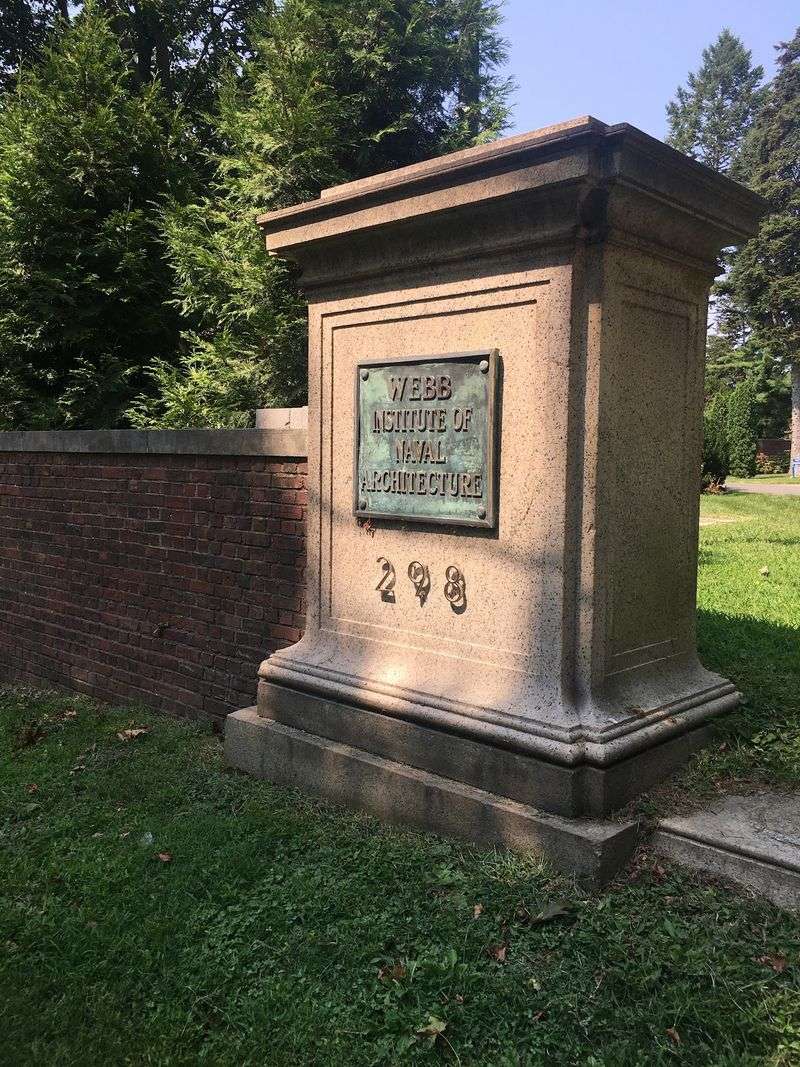
The school sits at 298 Crescent Beach Rd, Glen Cove, NY 11542, on the North Shore of Long Island. Glen Cove itself offers pleasant waterfront scenery and a charming small-city feel.
The drive from New York City makes for an easy day trip.
Anyone hoping to tour should contact the school ahead of time. Visit options can vary, so planning helps.
From shipyards to superhero films, this place wears many hats. Webb Institute proves a tiny college can steal the spotlight.