
The Tiny Massachusetts Town Where You Can Spend Days Hunting For Rare Antiques In 2026
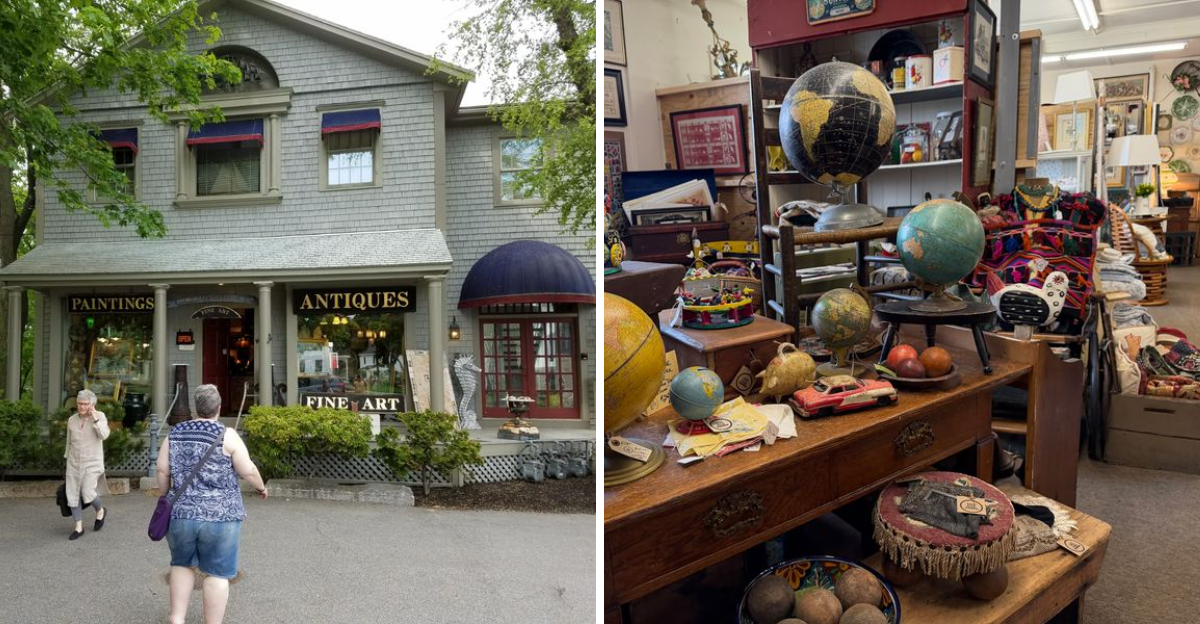
Warning: this Massachusetts town might ruin you for regular shopping. Once you catch the antique hunting bug here, a quick trip in and out just isn’t a thing anymore.
Storefronts spill over with old typewriters, dusty record collections, and jewelry cases stuffed with pieces from decades past. You pick up one chipped teacup and suddenly two hours vanish.
Dealers here talk shop like storytellers, and half the fun is asking where something came from. Furniture shops smell like cedar and old paper, which somehow makes browsing even better.
Rare finds hide between the obvious stuff, rewarding anyone willing to dig. Some visitors map out exactly which shops to hit. Others just wander and let the town decide for them. Both approaches work equally well.
Come with time to spare, an open mind, and maybe a little extra cash, because walking out empty handed almost never happens here.
America’s Antique Capital Earned Its Nickname Honestly
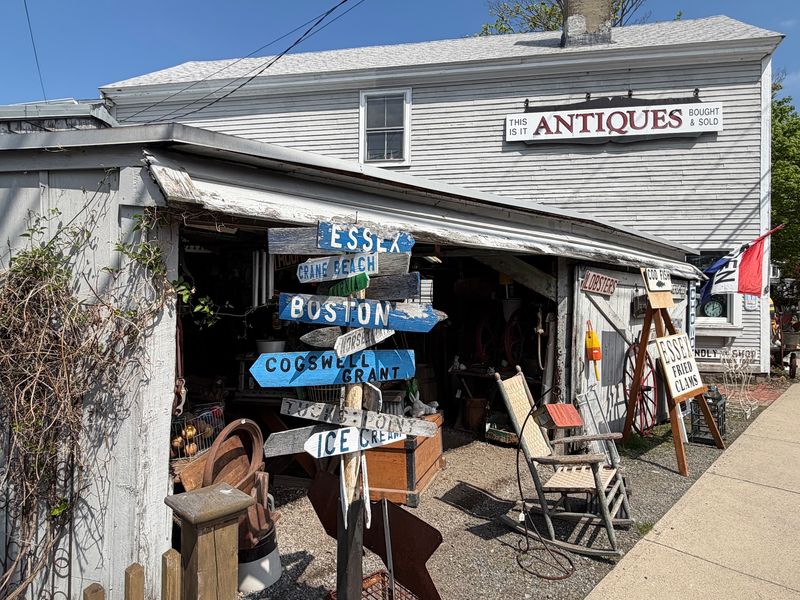
Nicknames usually come from marketing departments. Not this one.
Essex has been called America’s Antique Capital since the antique trade took hold here in the 1930s. That is roughly ninety years of buying, selling, and quietly hoarding beautiful old things.
The town sits in Essex County, about 26 miles north of Boston. Newburyport lies 13 miles to the northwest, which makes the location easy to reach from either direction.
Population figures tell you how small the place really is. Just 3,675 people lived here at the 2020 census.
Before antiques, the town built ships. Essex was a major shipbuilding center, turning out wooden schooners for the fishing fleets of the region.
That maritime past still shapes what you find on the shelves. Nautical instruments, ship models, and painted seascapes appear again and again in the shops.
Many storefronts occupy preserved buildings from the 18th and 19th centuries. The architecture alone gives you something to admire while you browse.
Nine decades of reputation means dealers here know their trade deeply. You are shopping among people who have handled thousands of pieces.
That depth of knowledge is the real draw. The objects are wonderful, but the expertise behind them is rarer.
Over Thirty Shops Packed Into A Single Walkable Mile
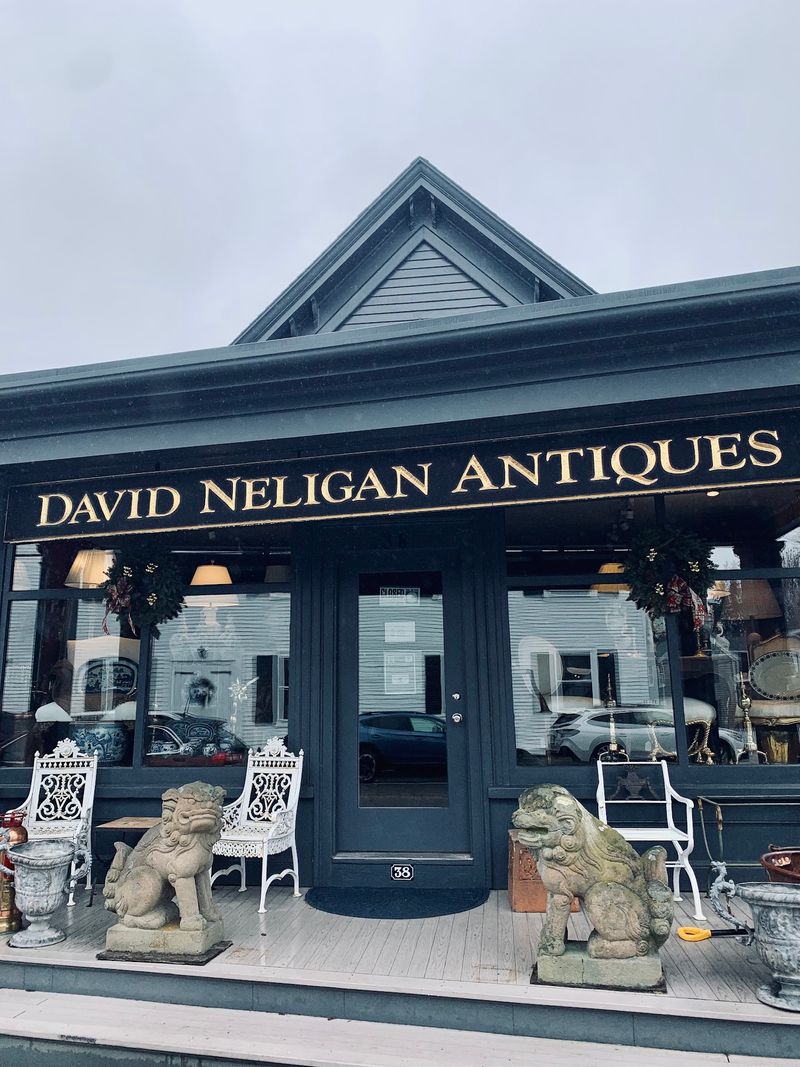
Most antique hunting involves a lot of driving. Here it involves a lot of walking.
More than thirty antique shops stand within roughly one mile along Main Street. That density creates what people call the Essex antique trail.
You can park once and browse for hours. Few antique destinations anywhere offer that kind of convenience.
The range runs wide, from what dealers cheerfully call early attic finds to refined imported furniture. Budget browsers and serious collectors both have somewhere to go.
Main Street doubles as Route 133, which runs through the heart of town. Address numbers climb steadily, so navigating shop to shop is simple.
Wear shoes you can walk in comfortably. Old buildings mean narrow staircases and uneven floorboards in plenty of places.
Weekends bring the biggest crowds and the most shops open at once. Weekdays feel calmer, though hours vary by dealer, so a quick call ahead saves frustration.
Bring a tape measure and photos of your rooms. Nothing stings like a perfect sideboard that will not fit through your door.
Plan two days minimum if you want to see it all. Serious hunters stretch it to three.
Howard’s Flying Dragon Antiques Is A Four-Generation Maze
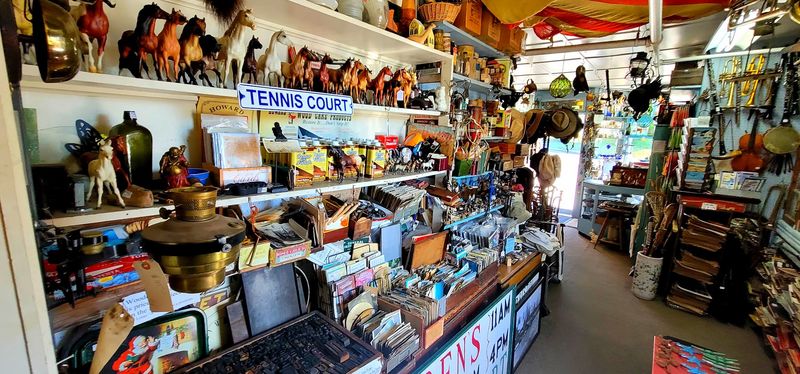
Four generations of one family have run this shop. Fifty-plus years of accumulation shows.
Howard’s Flying Dragon Antiques occupies three floors, a basement, and a shed. Calling it a labyrinth is accurate rather than dramatic.
Inventory swings from vintage cameras to old hand tools. Stacks of vinyl records sit near nautical artifacts pulled from the region’s seafaring years.
The address is 136 Main Street, Essex, Massachusetts. Give yourself a full hour here, minimum.
Shops like this reward slow eyes. The best finds hide behind three other objects on a bottom shelf.
Half the fun comes from the sheer unpredictability. You arrive looking for a lamp and leave with a brass sextant.
Bring cash and patience in equal measure. Both go further than a rushed schedule ever will.
Ask questions when something catches your interest. Long-running family dealers usually know exactly where a piece came from.
Photographers love this place for the layered clutter alone. Ask before shooting, as always. Consider it your first stop on the trail. Nothing else sets the tone for the day quite like it.
David Neligan Antiques Raises The Bar For Fine Furniture
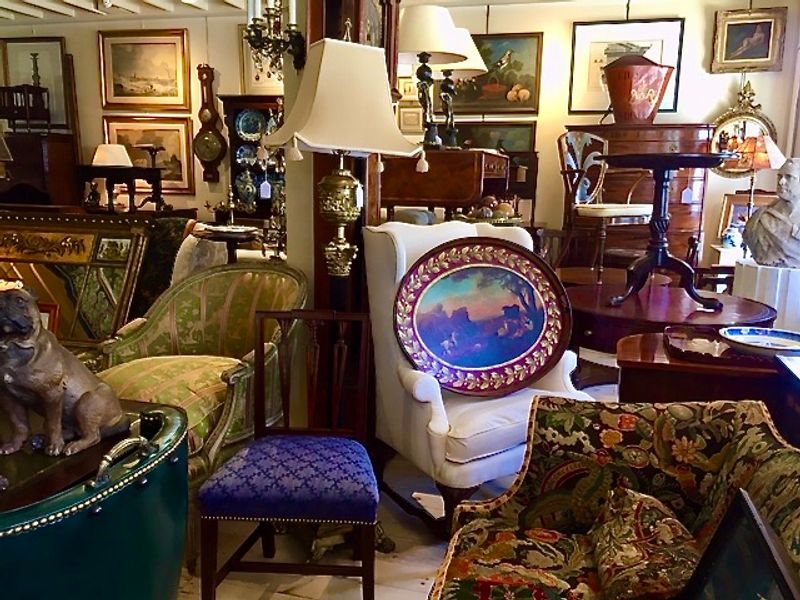
Some shops are treasure hunts. Others are curated exhibitions.
David Neligan Antiques falls firmly in the second camp. The shop has specialized in fine English and European material since 1992.
Inventory spans the 17th through 19th centuries. Furniture, artwork, and decorative objects all get the same careful selection.
The dealer is known for an exacting eye and consistently high standards. That means fewer pieces on the floor, each chosen deliberately.
Find the shop at 38 Main Street, Essex, MA. Its position near the lower numbers makes it a natural early stop.
Higher-end shopping calls for a different mindset. Instead of digging, you look closely at construction, patina, and proportion.
Even browsers gain something here. Studying genuinely good period furniture trains your eye for every other shop on the street.
Ask about provenance if a piece grabs you. Serious dealers keep detailed histories and enjoy discussing them.
Prices reflect quality and age, so treat the stop as education first. Purchases can follow later.
Consider it the reference point for your whole trip. Everything else becomes easier to judge afterward.
APH Waller & Son Keeps A Pioneer’s Tradition Alive
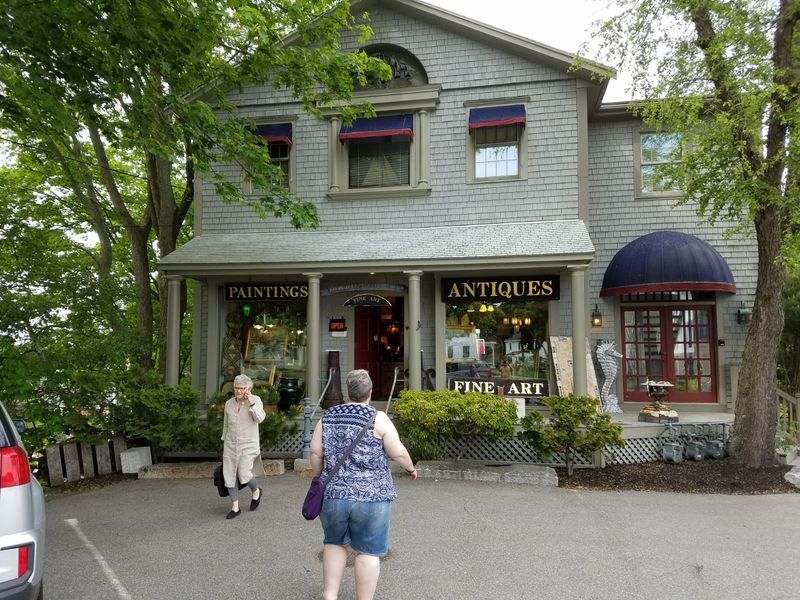
Allan Waller helped build the antique trail itself. That makes his shop something close to a founding institution.
APH Waller & Son has operated for more than forty years. Continuity like that is unusual in any retail trade.
The focus stays on high-quality artwork and furniture. Pieces range across the 17th through 20th centuries.
Cape Ann artwork appears regularly on the walls. The Cape Ann art tradition is closely tied to this stretch of coastline.
You will find the shop at 140 Main Street, Essex, MA. It sits just steps from Howard’s Flying Dragon.
Regional paintings make especially meaningful souvenirs. A harbor scene from the area carries the place home with you.
Look at frames as carefully as canvases. Period frames add real value and are often original to the work.
Two shops this close together mean you can compare styles quickly. Cross-shopping is part of the strategy here.
Longevity signals fair dealing and steady standards. Four decades is not an accident. Give the walls a slow second pass. Good paintings reveal themselves gradually.
Andrew Spindler Antiques & Design Plays By Its Own Rules
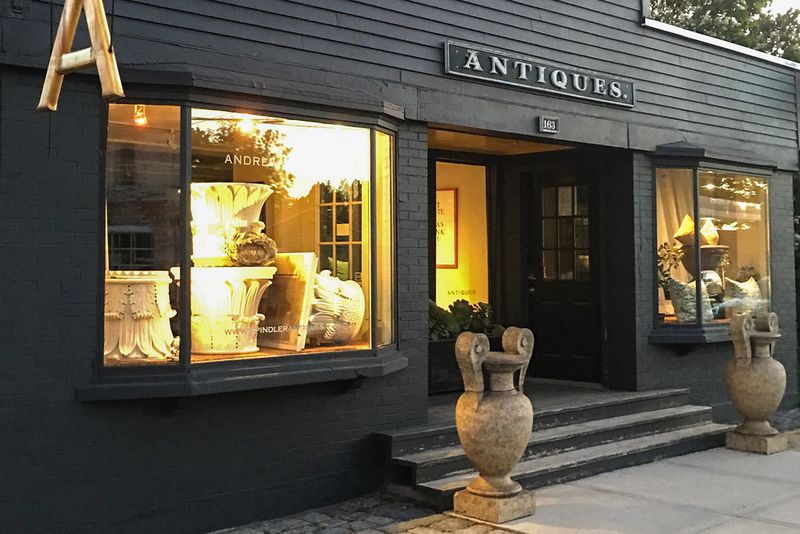
Not every dealer sorts by century. Some sort by instinct.
Andrew Spindler Antiques & Design curates around beauty in many forms. The result is an eclectic mix rather than a single tidy period.
Stock reaches from the 17th to the 20th century. A carved early chest might share space with something distinctly modern.
The shop stands at 163 Main Street, Essex, MA. Its inventory has earned considerable recognition in design circles.
Mixing eras is exactly how interesting rooms get built. Seeing it done well is genuinely instructive.
Interior designers gravitate toward shops like this. The pieces work as accents rather than matched sets.
Come with an open mind rather than a shopping list. Rigid plans miss the point entirely.
Notice how objects are grouped together. The pairings themselves suggest ideas you can copy at home.
Smaller decorative items make easier purchases for travelers. Lamps, mirrors, and ceramics fit in a car.
Save this stop for when your eye is warmed up. You will appreciate the choices far more.
Perim Lang Antiques Fills 4,500 Square Feet With Period Pieces
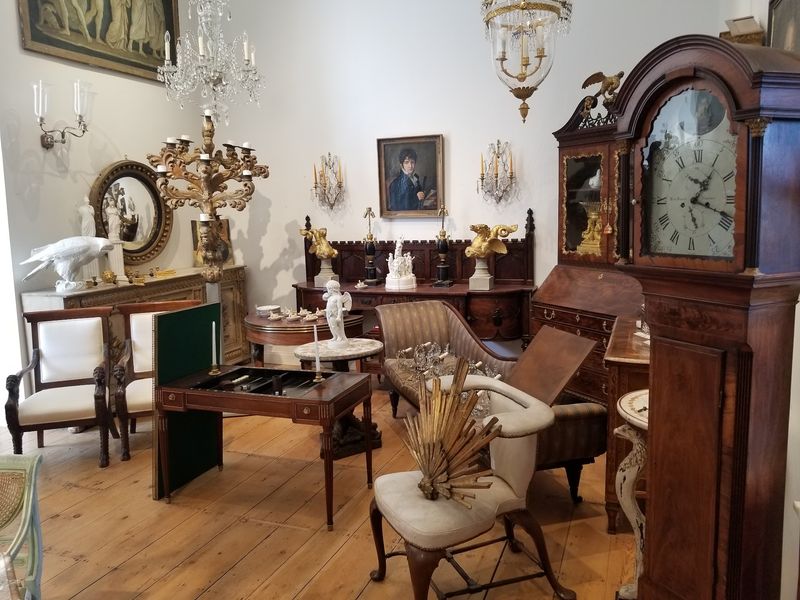
Four thousand five hundred square feet is a lot of antiques. Bring stamina.
Perim Lang Antiques offers European and American period material inside a historic building. The setting suits the stock perfectly.
Some pieces date back to the 17th century. Authenticity and quality drive the selection here.
The shop sits at 18 Eastern Ave, Essex, Massachusetts. Large floorplans let you see furniture in context.
Comparing three similar tables side by side teaches you plenty.
Period American and European pieces often sit close together. Noting the differences in joinery and proportion is half the fun.
Take notes or photos of anything you might return for. Big inventories blur together fast. Ask about shipping if you fall for something heavy. Many established dealers arrange delivery.
Historic buildings add atmosphere no showroom can fake. The floors and beams belong to the same era as the goods.
Budget forty minutes at least. Rushing a space this size is a waste.
The Thrill Of The Chase Is The Real Souvenir
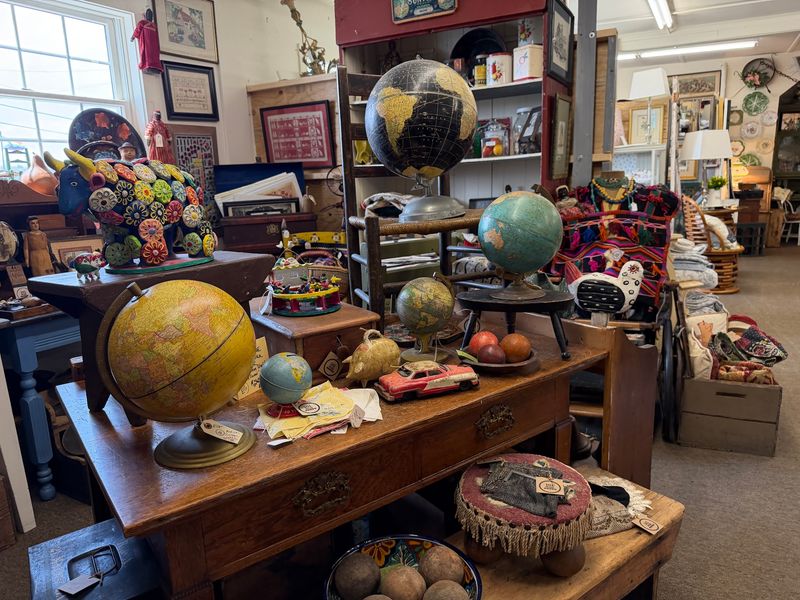
Nobody remembers the parking. Everybody remembers the find.
Each shop along the trail has its own personality and specialty. Walking between them feels like flipping through chapters of a book.
You never know what waits on the next shelf. That uncertainty is precisely the appeal.
Essex delivers a history lesson alongside the shopping. Shipbuilding, coastal trade, and regional art all surface in the inventory.
Salt marshes surround the town and shape the views. The scenery gives your eyes a rest between shops.
Plan for 2026 with a flexible schedule. Hours differ by dealer and season, so build in slack. Cash, a measuring tape, and comfortable shoes remain the essential kit. A tote bag helps too.
Talk to the dealers. Their knowledge often outshines the objects themselves. Come back a second day if the first one flies by. Locals to the trade will tell you inventory turns over constantly.
Small towns rarely offer this much to explore. Ninety years of reputation says the hunting stays good.