
The Tiny New York Bakery Rebuilt On The Site Of An 1888 Dairy Farm
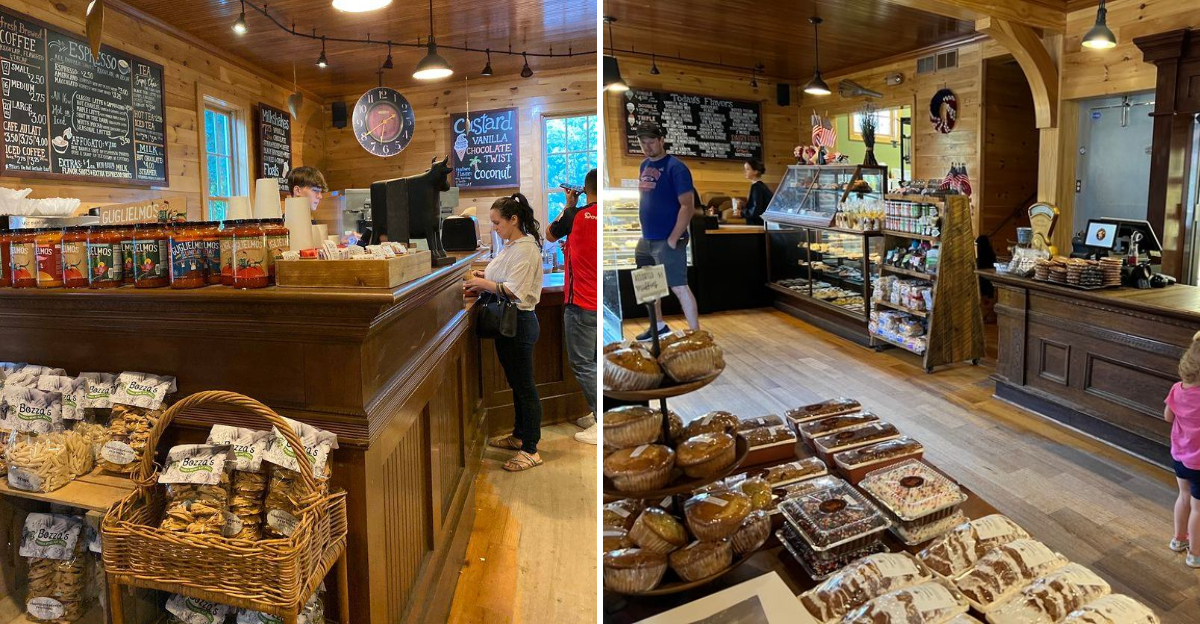
Milk has been going into glass bottles on this land since 1888. That is the fact everything else rests on, and it explains why a bakery counter attached to a working dairy in New York draws a line out the door on ordinary mornings.
The building itself is newer than the farm underneath it. Nothing about that reads as a compromise once you are standing in it, because the part that matters. The milk, the butter, whatever went into the pastry in your hand, never left the property.
What follows is why this dairy and bakery earns a spot on the map, and why people keep making the drive for something as simple as bread and a bottle.
A Farm That Never Stopped Working
Most old farms in America ended up as housing plots or parking lots. Pittsford’s did not. The land has held a working business since 1814, when a stagecoach and livery operation set up shop on the property.
Dairy came later, in 1888, and the milk has been flowing ever since. That unbroken run makes it the oldest continuously operating business in the village, which is no small brag in a state packed with historic addresses.
What you notice first is the strange mix of eras. A barn sits behind a modern processing plant. Glass bottles clink beside a bakery case stacked with croissants.
Nothing here feels staged for tourists. The equipment runs because milk needs bottling, not because someone wanted a photo backdrop.
The whole complex, farmhouse included, carries a listing on the National Register of Historic Places. That designation protects the bones of the place while the business inside keeps evolving.
You can taste that continuity. Cream still rises to the top of the bottles, the same way it did generations ago, and nobody has bothered to fix what was never broken.
Pittsford Farms Dairy On North Main Street
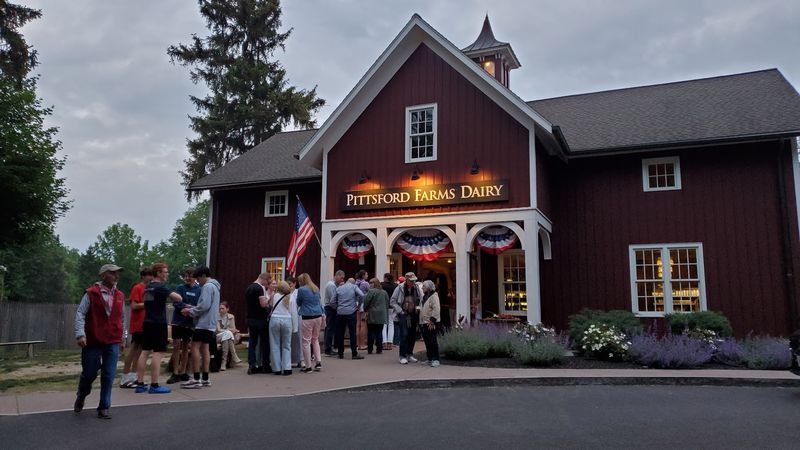
Finding it takes almost no effort. Pittsford Farms Dairy & Bakery operates at 44 North Main Street in Pittsford, New York, a short stroll from the village center and the Erie Canal path.
The current retail store and processing plant opened in 2012, built to match the historic village around it. Some might expect glass and steel from a modern plant. Instead the design leans into clapboard and pitched roofs.
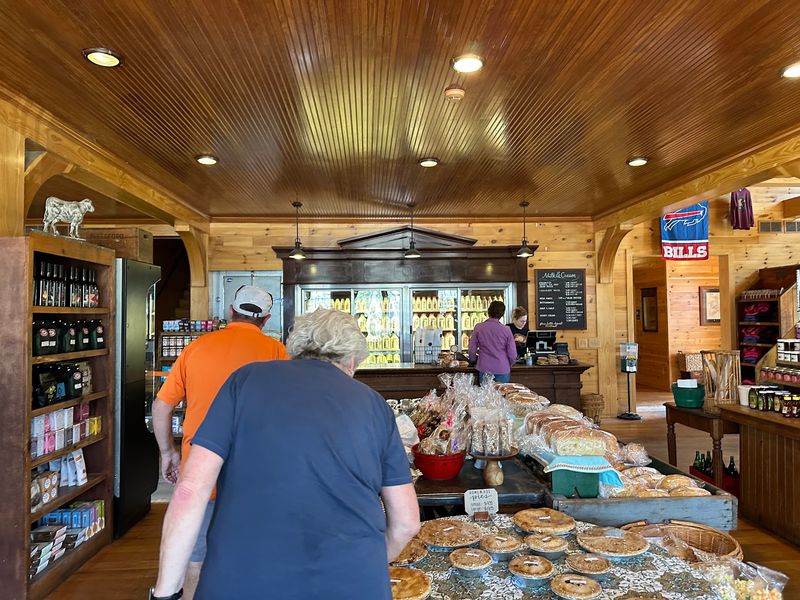
Inside, the space works as three businesses stitched into one. A market sells local goods. A bakery counter handles pastries and bread.
An ice cream parlor does brisk business at nearly every hour.
Doors open daily at 7:30 in the morning and stay open until 9 at night, which covers early coffee runs and late scoops alike.
Parking exists, though summer weekends fill it fast. Locals know to swing by mid afternoon on a weekday for the calmest experience.
Cream-Top Milk In Returnable Glass
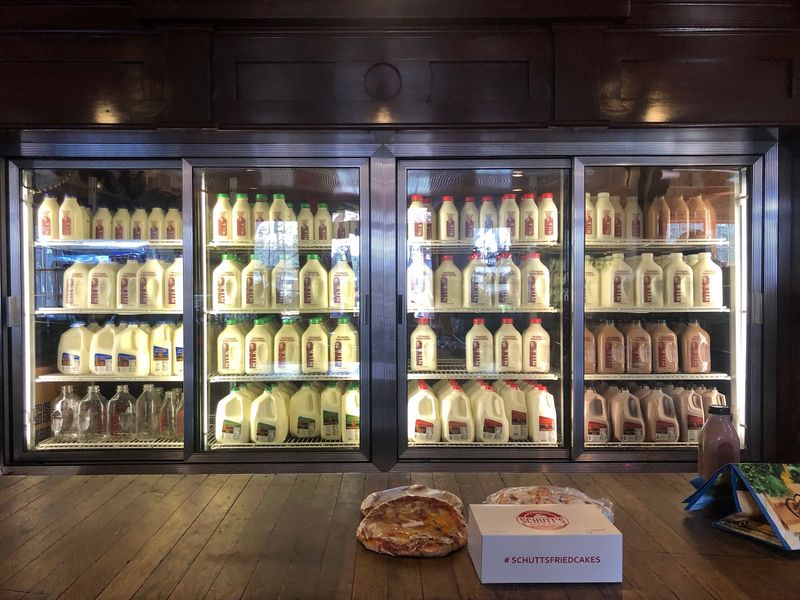
Glass changes everything. The milk here arrives in returnable bottles with the cream floating on top, exactly as milk behaved before homogenization flattened it out.
Vat pasteurization is the method used, a slower and gentler process than the flash heating most large dairies rely on. The result tastes rounder and less flat than supermarket cartons.
Shake the bottle and the cream folds back in. Skip the shaking and you can spoon that top layer straight into coffee, which is a small luxury worth trying once.
Chocolate milk deserves its own paragraph. It gets mentioned constantly by regulars, thick and deeply cocoa-forward, the kind that makes you finish the bottle standing at the counter.
Bottle deposits apply, so bring your empties back on the next visit. The system feels old fashioned in the best way and cuts down on waste.
Seasonal eggnog appears in cold months and disappears quickly. People plan around it.
Whole milk fans often say they cannot go back to plastic jugs afterward. That is the risk you take walking in here.
Fifty-Five Flavors And Counting
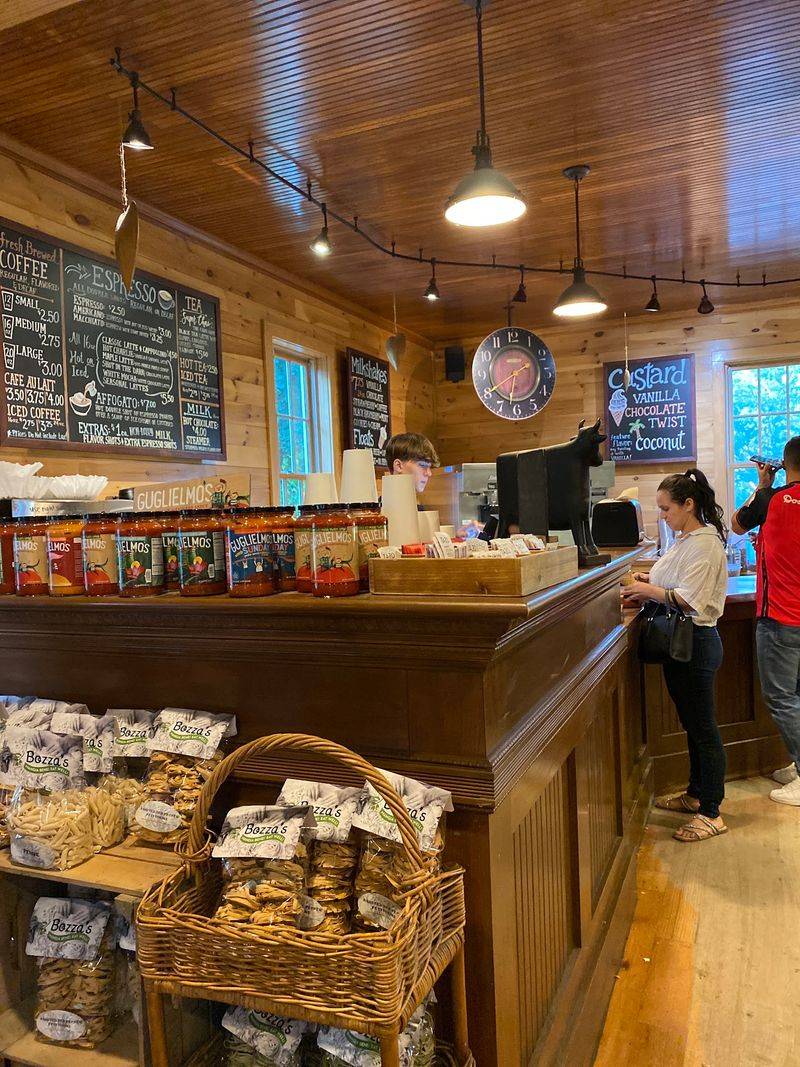
Choosing gets complicated. The homemade ice cream lineup has stretched past fifty-five flavors over the years, with seasonal rotations keeping the case unpredictable.
Chocolate almond fudge shows up often in conversation, rich with almond chunks and a fudge ribbon that holds its shape. Grasshopper pie and almond coconut crunch pull their own crowds.
Mocha chip comes in a dairy free version, and people who normally skip frozen desserts report being genuinely surprised by it. That is a rare compliment for non-dairy anything.
Texture is where the milk source pays off. The base tastes clean and light rather than heavy, so a double scoop does not sit like a brick.
Soft serve and frozen custard also live here, vanilla and chocolate, spun creamy enough to justify skipping the hard-packed case entirely.
Staff will walk you through what is in each tub if you ask. Come with a shortlist though, because the line moves and the crowd behind you is hungry.
Sundaes and milkshakes round out the menu for anyone who wants their scoop with extra architecture.
The Bakery Case Earns Its Keep
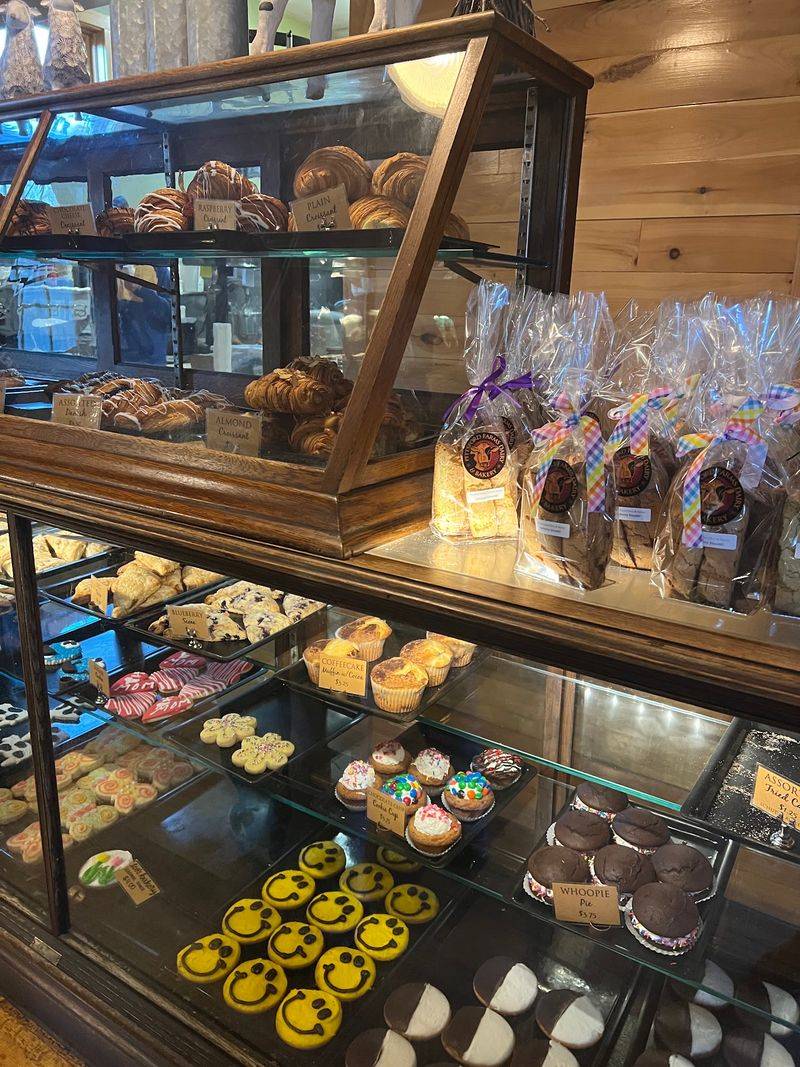
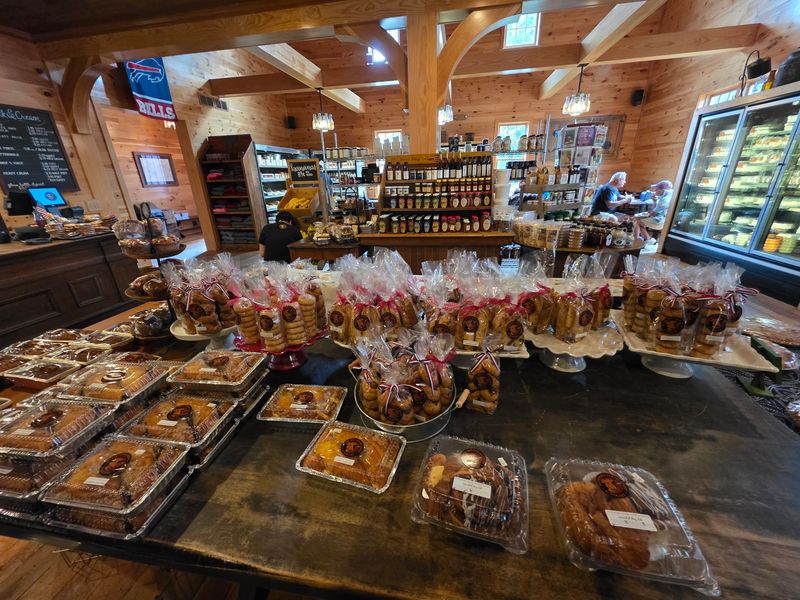
Pastry work here holds its own against the ice cream, which is saying something. Croissants come plain and filled, including versions with ham and cheese for people who want lunch disguised as breakfast.
Danishes rotate through fruit fillings. Scones sit beside cookies, and the bread selection is solid enough that plenty of shoppers grab a loaf on the way out.
Pecan sticky buns are a standout, sweet and sticky in the correct proportions, best eaten with napkins nearby. Black and white cookies bring a bit of downstate energy upstate.
Lemon bars deliver a sharp citrus punch under a dusting of sugar. The white chocolate raspberry mousse leans richer for anyone chasing dessert rather than a snack.
Fried cakes, which locals simply call donuts, sell throughout the day. Morning visits give you the freshest pick.
Ice cream cakes can be bought for birthdays and take the guesswork out of party planning.
Everything is made on site, and the early hours mean the case looks fullest before the mid-morning rush arrives.
Watch The Milk Get Bottled
Kids press their faces to it. A viewing window inside the store looks directly into the processing plant, where milk gets bottled and ice cream gets made.
Seeing the machinery run turns a snack stop into a short field trip. Bottles move, workers work, and the connection between the cow and the cone becomes obvious.
Few food businesses let you peek behind the curtain like this. Transparency builds trust faster than any label ever could.
Timing matters if you want action. Production tends to run during business hours, though there is no guaranteed schedule for what will be happening when you arrive.
Adults end up watching just as long as the children do. Something about a bottling line is quietly satisfying.
The plant opened with the current building in 2012, built to modern standards while keeping the operation small enough to stay hands-on.
Bring a curious kid and you will get questions for the rest of the afternoon. Bring a curious adult and you will get the same.
Local Goods Worth Hauling Home
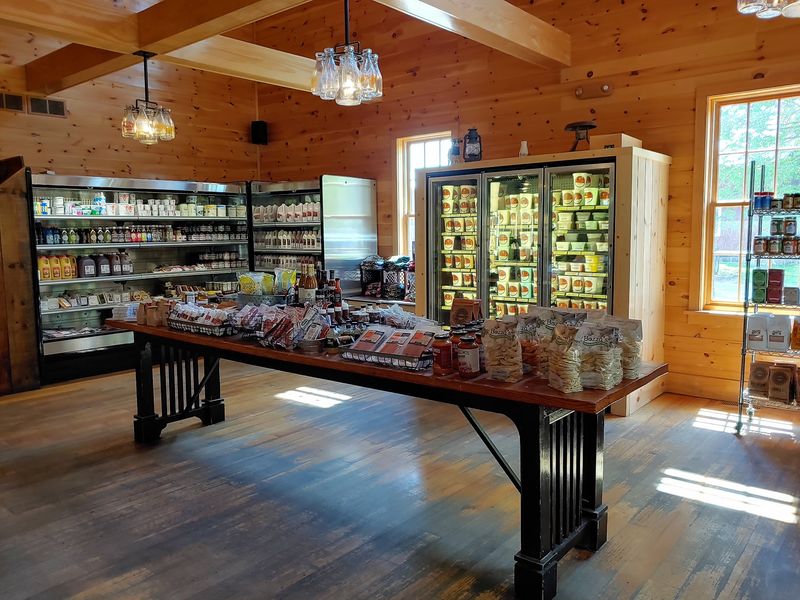
Souvenir shopping takes a delicious turn in the market section. Shelves carry maple candies, pastas, oils, jams and other goods from producers around the region.
Hummus and pierogies sit in the coolers. Quiches make an easy dinner for anyone who does not feel like cooking after a day out.
The freezer section gets specific praise from repeat visitors who load up before heading home. Pizza crust from the shelves has developed a small following of its own.
Gift-wrapped items run pricier than the everyday food, so check tags if you are watching your budget. The fresh baked goods and desserts stay reasonable.
Cheese is available alongside the milk, which makes the dairy case a one-stop trip for breakfast supplies.
What makes the selection work is the focus. Nothing feels randomly stocked to fill space.
Fresh coffee is poured up front, and plenty of people order a cup while browsing the aisles at a slower pace than the ice cream line allows.
Same Family Since 1946
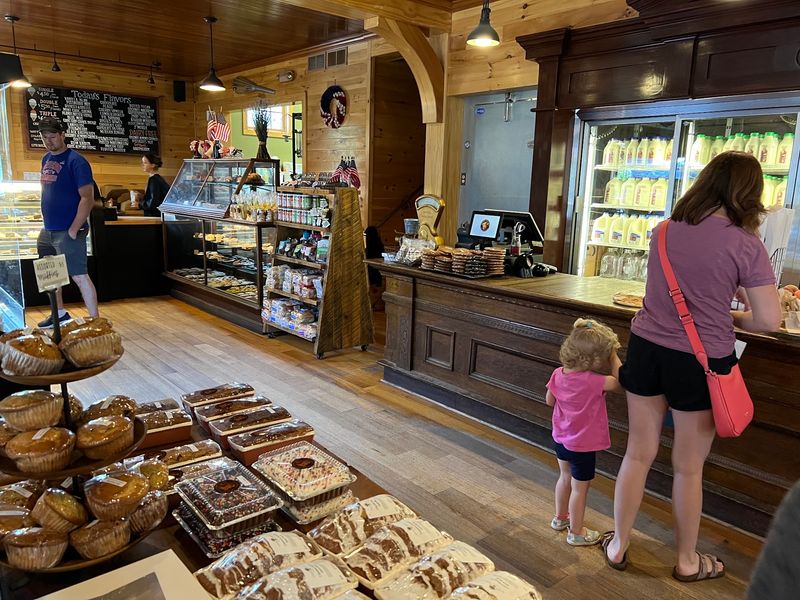
Ownership tells a story of its own. The dairy was started in 1888 by one family, and since 1946 a single family has run it without interruption.
Nearly eight decades under one roof of relatives is uncommon in food businesses. Recipes stay put. Standards stay put too.
That continuity explains why the milk tastes the same year after year. Nobody is chasing a rebrand or cutting corners to hit a quarterly target.
Long-running places sometimes coast on nostalgia alone. Here the flavors do the heavy lifting, and the history just makes them taste better.
Expansion happened carefully. Bakery, market and parlor grew around the dairy rather than replacing it.
New York has plenty of businesses that claim deep roots. Very few can point to a farmstead, a National Register listing and a bottling line all on the same lot.
Multiple generations of local families have grown up on the milk. Kids who once stood on tiptoes at the counter now bring their own kids for scoops.
Lines, Timing And Insider Moves
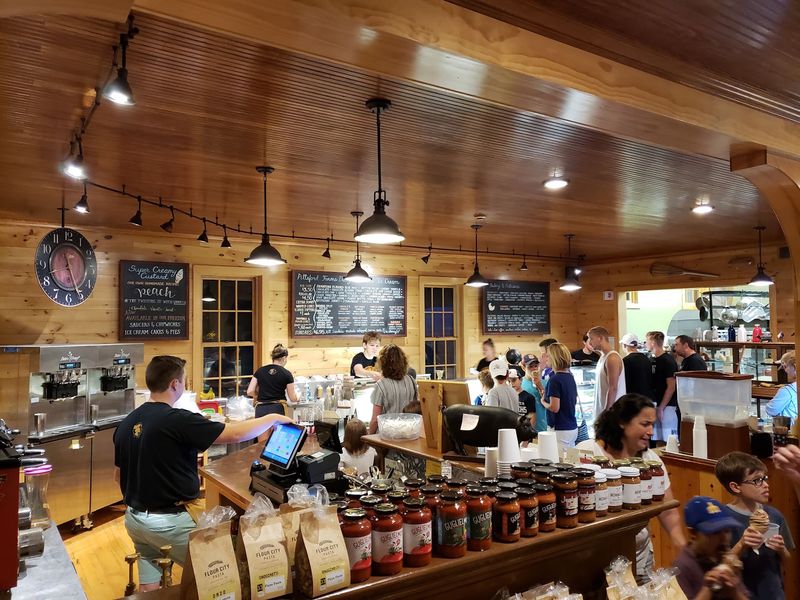
Summer evenings bring a crowd. Lines regularly stretch toward the door, especially on Saturdays and warm weeknights around dinnertime.
Good news arrives fast though. The line moves quickly because the staff works efficiently, and most people report short actual waits.
Decide before you reach the counter. Scanning fifty-plus flavors while five families wait behind you is a rookie move.
Weekday mornings are the calmest window. Coffee, a croissant and an empty aisle make for a genuinely peaceful start.
Late afternoon on a weekday hits a nice balance if you want ice cream without the peak crush. Parking opens up around then too.
Winter regulars swear by Friday evenings, when the crowd thins and the ice cream tastes just as good under a jacket.
Cash or card both work, and the whole visit can be done in twenty minutes if you know your order.
Bring an appetite and a plan. That combination turns a busy stop into an easy one.