
The Tiny Paradise Valley, Nevada Hamlet Of Fewer Than 100 Residents That Still Looks Like It Did Decades Ago
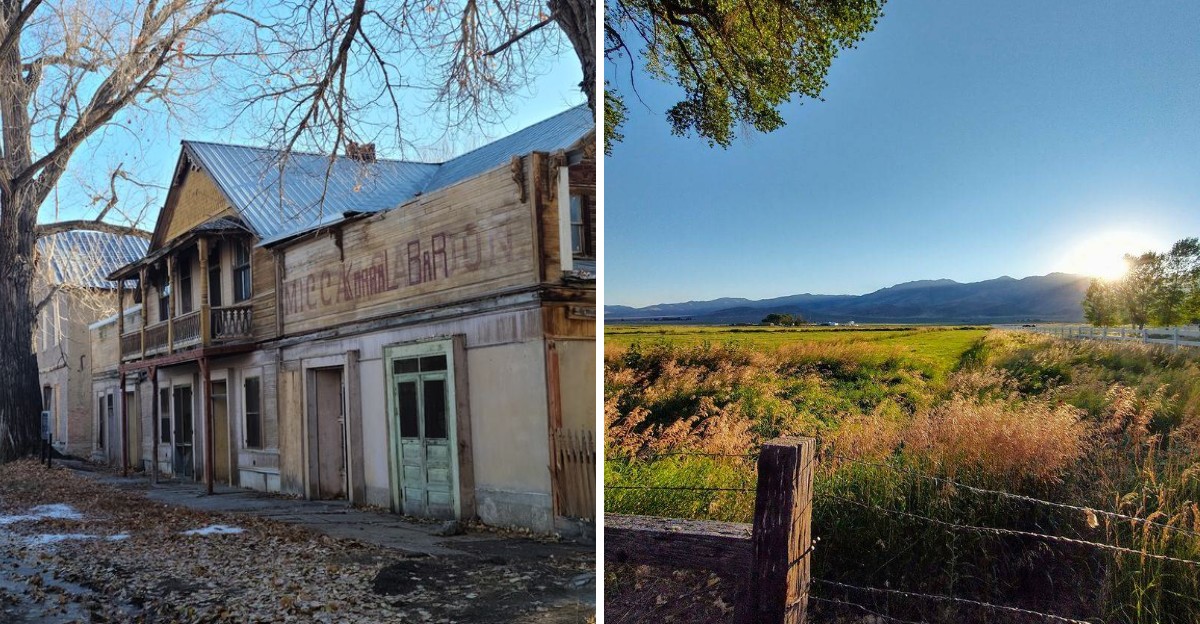
A post office in northern Nevada has been sorting mail since 1871. The 2020 census counted only 71 people in the hamlet around it.
Who keeps a post office running for more than a century and a half?
The main streets were laid out wide enough for cattle herds and mining equipment. Today they feel almost too roomy for such a quiet place.
Tall cottonwoods and poplars shade buildings raised by Italian settlers generations ago. A saloon with dollar bills tacked to the ceiling still serves the whole community.
Have you ever found a town that seemed to skip the rush of the last century?
This corner of Nevada did, and the proof is still standing. What would you notice first on a slow walk down its wide main street?
You Can Mail A Letter From A Post Office Older Than Most Cities
Paradise Valley, Nevada, has a tiny community with a very long memory. The post office here has operated without a break since February 6, 1871.
That’s older than many big cities out West.
Think about everything that has changed since then. Wagons gave way to cars.
Mail routes changed again and again. Yet this little post office kept sorting letters while the world moved on around it.
The hamlet sits in Humboldt County. It is a census-designated place, which means the government counts it as a community even though it is not a formal city.
The 2020 census counted 71 residents, so a post office this old is a big deal for such a small crowd.
Newer estimates give higher numbers, but those come with a wide margin of error for such a small place. The safest number to remember is the census count of 71.
If you visit, take a moment to look at the building and the street around it. Mailing a postcard from here feels different than dropping one in a city box.
It is a small piece of living history, and you can hold it in your hand.
Not many mailing addresses can claim a story like that one.
Gold Rush Dreams Turned Into Farm Fields Here
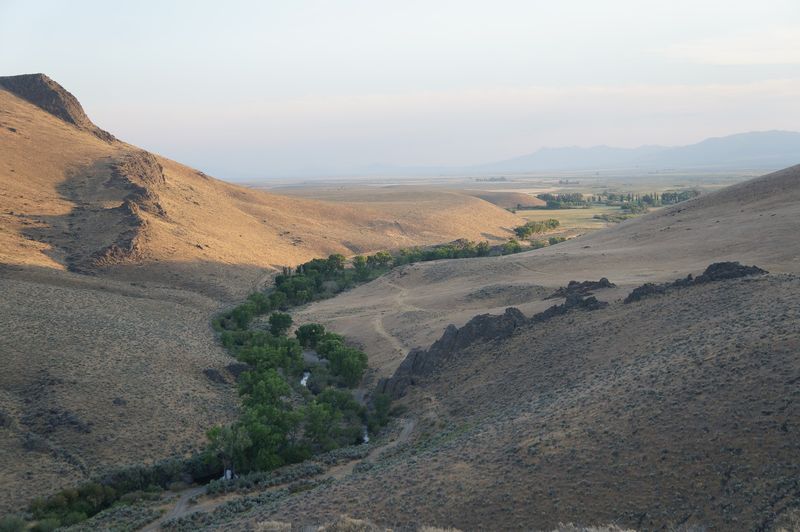
Prospectors found this valley in 1863. They were hunting for riches, but the soil told a different story.
W.M. Gregg set up Paradise Valley in 1864 after noticing how rich the ground was for farming.
That choice shaped everything that followed. Farmers raised cattle and sheep here.
They also grew hay, barley, and wheat on the broad valley floor.
Mining picked up in the surrounding mountains in the late 1870s, so the area also had a mining side. Paradise City, as the town was once called, became a mix of farm and mine.
It is a neat reminder that a place can have more than one reason to exist.
Paradise Valley is still described as a pleasant agricultural community. Drive in and you will see why settlers liked the spot.
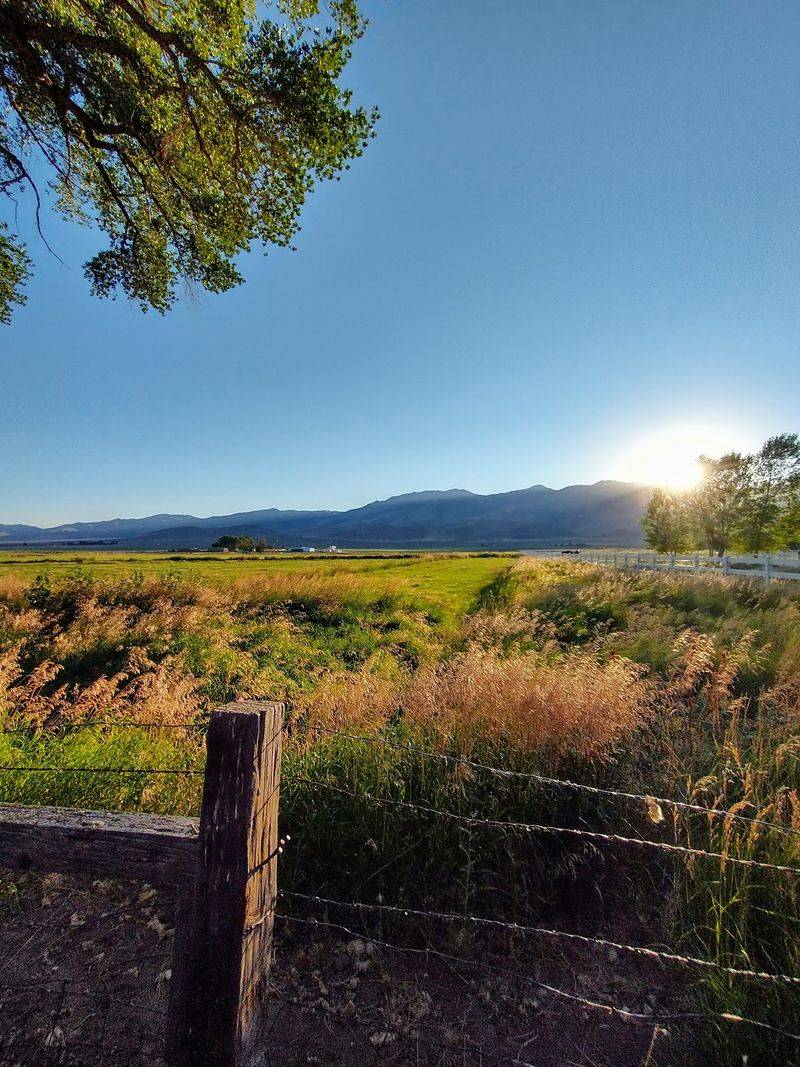
The valley is broad and open, with the Santa Rosa Mountains rising to the northwest.
Bring a camera for the view. Fields and mountains share one frame, and the sky does the rest of the work.
Not bad for a place first noticed by people looking for something else.
Streets Built For Cattle Herds Still Look Oversized
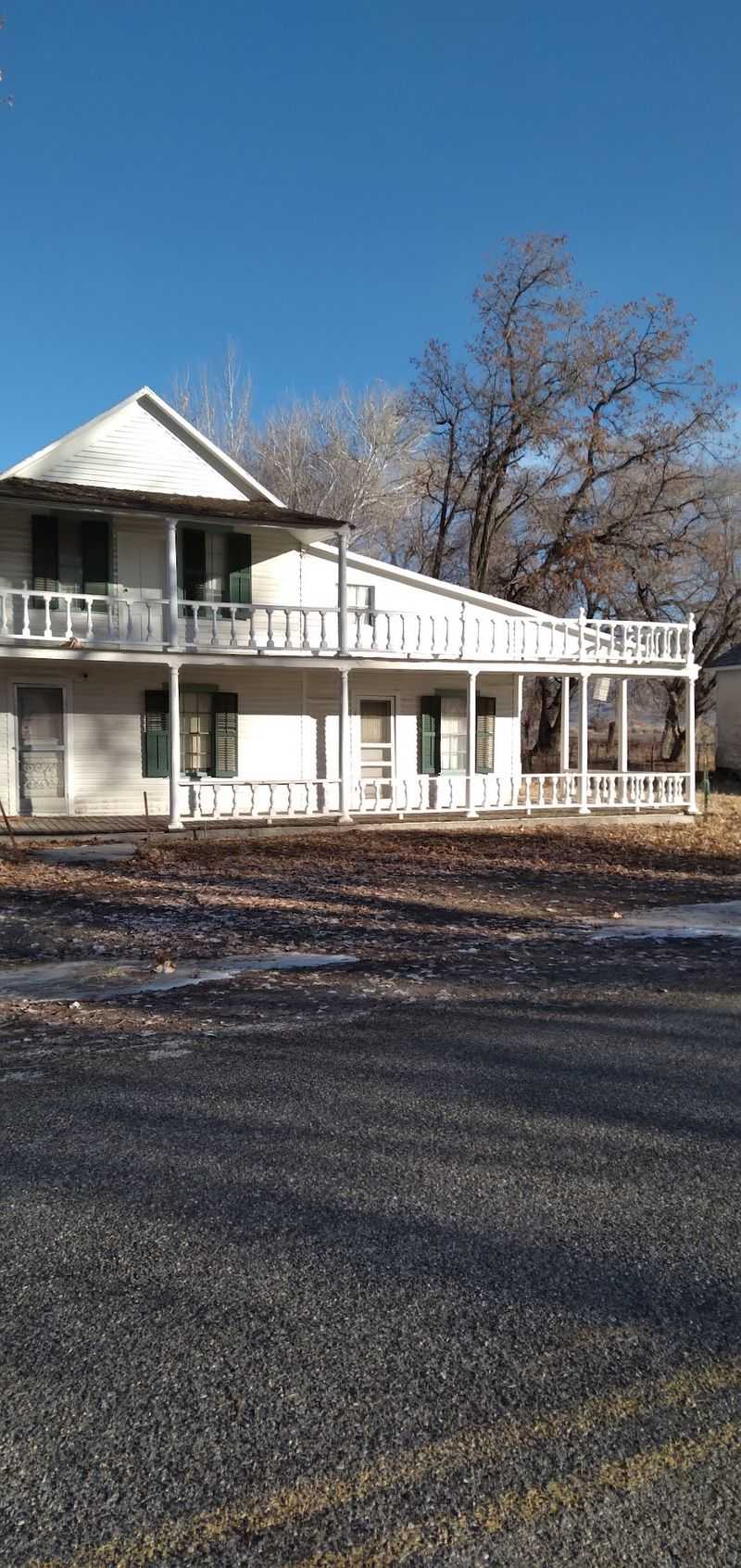
Here’s a fun detail about Main Street and Bridge Street. Both were designed as broad avenues.
Builders wanted room for livestock herds and mining equipment.
Today the streets seem huge for a town this small. There is a lot of open space between the buildings on each side.
It gives the hamlet a roomy, unhurried feel.
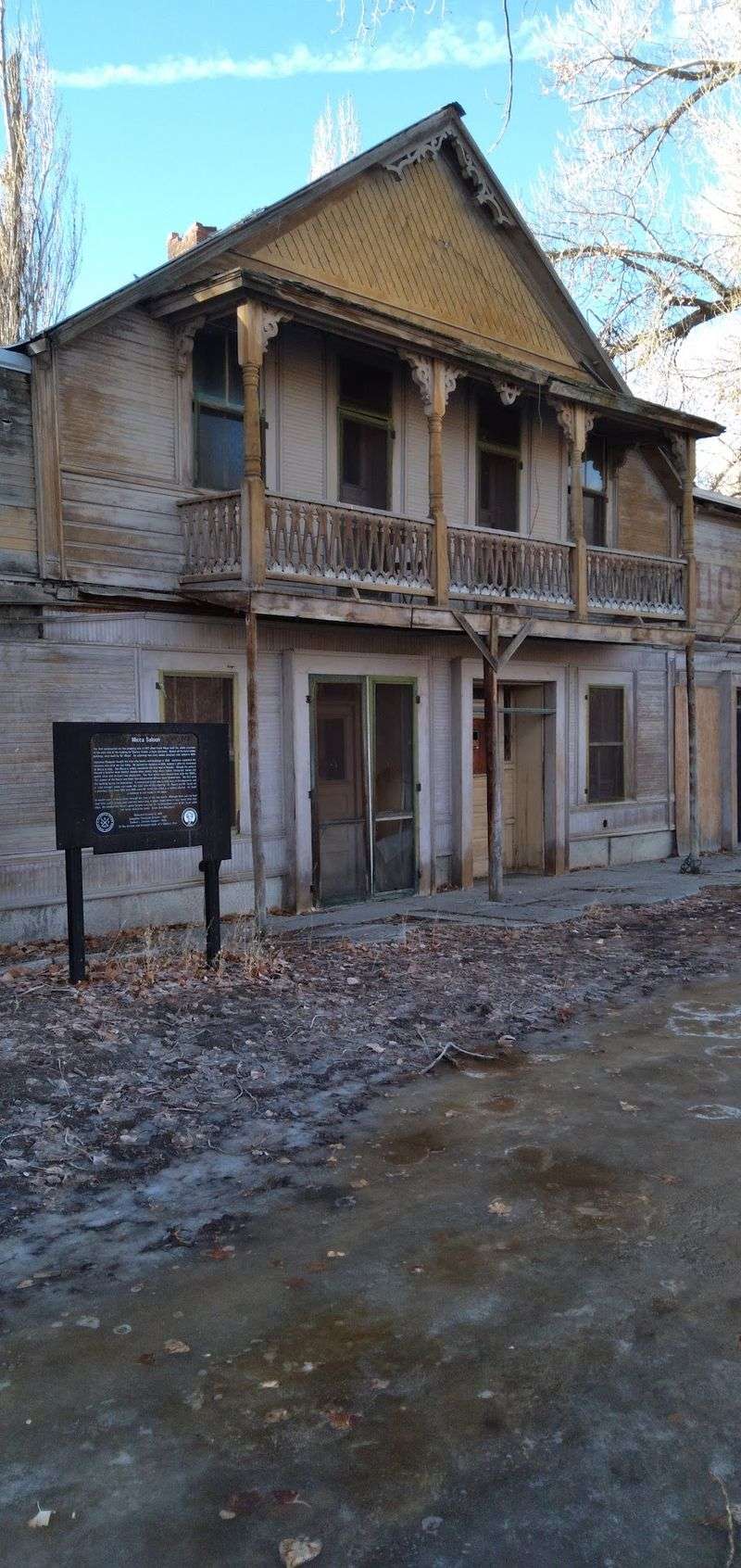
Large cottonwood and poplar trees shade many of the older buildings. Some of those structures date to the early 1900s mining days.
A few older adobe buildings also survive from the pioneer era.
Walking is the best way to take it all in. You can stroll from one end to the other without much effort.
Stop often, since each building has its own look.
The wide layout also makes it easy to picture how busy the town once was. Imagine cattle moving down the road while wagons rolled past.
That mental image is easy to build here because the street still has the same shape.
Some towns erase their past with new pavement and tall signs. This one just left the room.
Italian Settlers Left Their Mark On The Old Buildings
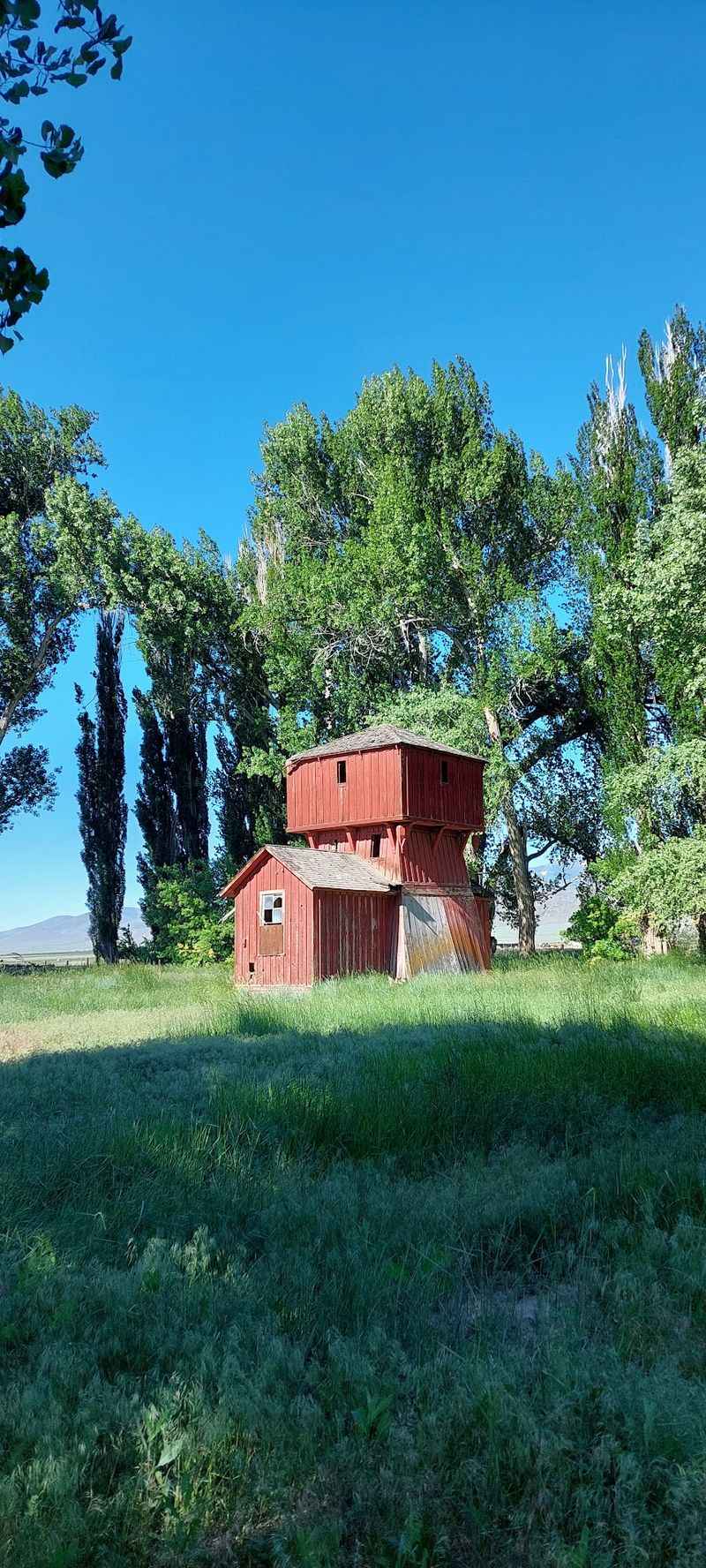
Many of the older buildings in Paradise Valley have a northern Italian story behind them. Settlers from Italy built them in the late 19th and early 20th centuries.
Those structures are a big reason the hamlet looks so old-fashioned today.
It is a nice thing to notice as you walk around. Each building carries the work of people who came a long way to start over.
They chose this valley and built things meant to last.
Some of the older adobe buildings also survive. They reflect even earlier pioneer settlement in the area.
Seeing both styles in one small town is a treat for anyone who likes history.
The poplar and cottonwood trees add to the picture. Their shade falls across the old walls in a way that feels timeless.
Photographers will find plenty of good angles.
Remember that this is a living community, so be respectful. Many of these buildings are still in use or belong to people who live nearby.
Look closely, take your pictures, and keep a friendly distance.
The best history lessons here come without a single plaque.
Micca House Wears Its 1975 Historic Status Proudly
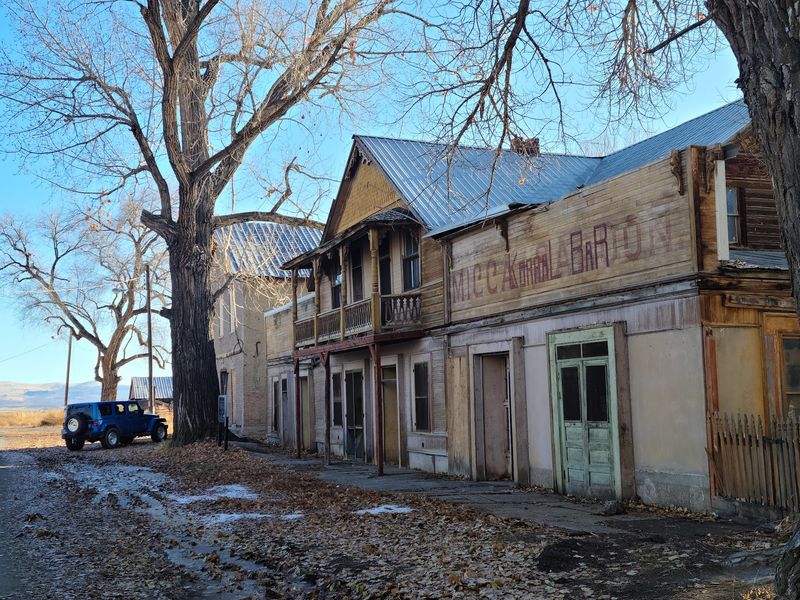
Alfonso Pasquale named a building after his Italian hometown. The name was Micca, and the place became Micca House.
It sits on Bridge Street in Paradise Valley, Nevada.
The building began as a small adobe store in the 1880s. Pasquale bought it in 1902.
He expanded it and gave it the Micca name.
Over time the building held many uses. A hotel once operated upstairs.
Downstairs housed various businesses, including a post office and a government office.
The National Register of Historic Places listed the Micca House in 1975. That is an official nod to its importance.
Few buildings in such a small town earn that kind of recognition.
Stop by Bridge Street and take a good look at the exterior. Notice how the building has grown in layers, just like its history.
Each addition tells you that the town kept finding new ways to use the space.
It is a fine example of how one building can hold decades of local life. A single address, many chapters.
That’s the charm.
Saloon Visits Come With Photos, A Stove, And Dollar Bills
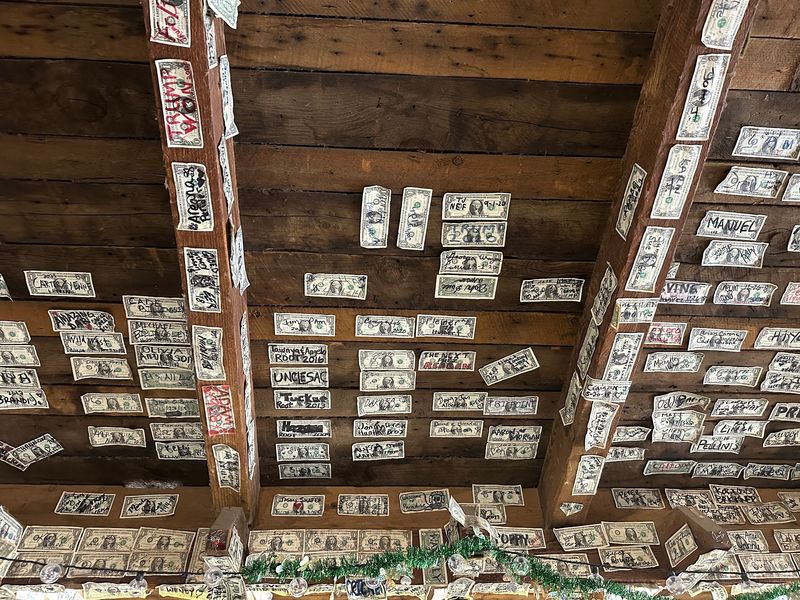
Look up when you step inside the Paradise Valley Saloon & Bar G. Dollar bills are tacked to the ceiling.
It’s a classic Western touch, and it fits the room.
The saloon is at 95 S. Main St., Paradise Valley, NV 89426.
It has served the community for more than a century. It first opened in the early 1900s.
The feel is rugged and authentic. Photographs of past decades cover the walls, and a wood-fired stove adds to the look.
It is a room that shows off its history instead of hiding it.
The menu includes hamburgers, hot dogs, and cheeseburgers. There are also Basque-style chorizo sandwiches.
On Saturdays, a rib-eye steak is a special.
The saloon works as a central gathering spot for the community. Owners Nita and Dennis are known for their hospitality.
Plan to stay a while and take in the photographs.
If you want to feel the town’s past and present in one room, this is your stop. It is simple, friendly, and full of character.
A Frontier Army Camp Once Guarded These Fields
Camp Winfield Scott was once the name linked to this valley. The Army set it up in 1866.
Its job was to protect homesteaders during conflicts with Native Americans.
The camp operated until early 1871. That is a short window, but it tells us a lot.
Settlers here needed protection during a tense time on the frontier.
Paradise Valley, Nevada, grew quickly in those years. Farmers arrived and miners followed.
The camp helped the new community get its start.
History here has more than one side. Settlers built farms and homes on land that others had lived on and used before them.
Keep that in mind as you explore.
Today the valley feels calm. The old camp story adds depth to a quiet landscape.
It also explains why the area is tied to both settlement and conflict.
Reading a little about the camp before you visit makes the trip richer. Every open field has a story.
This one just happens to include soldiers.
Knowing the past gives you a better view of the present.
Mountains, Hot Springs, And Camping Sit Just Beyond Town
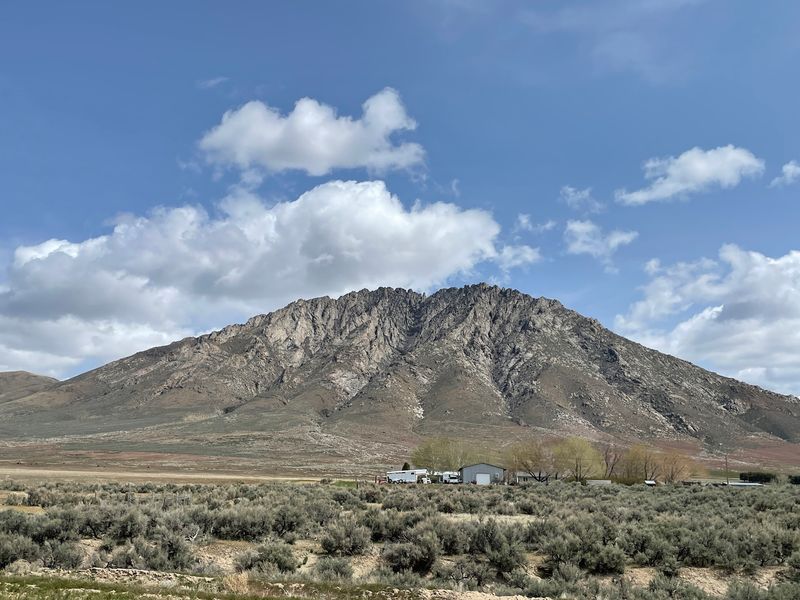
Once you’ve seen the town, the surrounding land is the next stop. Paradise Valley sits at the northern end of Nevada State Route 290.
It is about 19 miles northeast of U.S. Route 95 and roughly 40 miles north of Winnemucca.
The Santa Rosa Mountain Range is the main attraction nearby. It is known for granitic rock formations and wildflowers.
Outdoor activities are plentiful there.
Hinkey Summit shows off wildflowers in spring and aspen color in fall. In winter it offers skiing and snowmobiling.
Martin Creek is a spot for camping, swimming, and fishing.
Primitive hot springs are located nearby on private land. The water is very hot at the source, with cooler tubs downstream.
Test the temperature carefully, and respect the property.
Sand dunes off US-95 between Winnemucca and Paradise Valley are open to motorcycles and ATVs. Camping is permitted there too.
For lodging, the Stonehouse Country Inn bed and breakfast is about six miles south, and an RV park is available in the community.
Pack for changing weather, and enjoy the open space.