
The Tiny Town In New York That’s Known As The Delightful Cheese Capital Of America
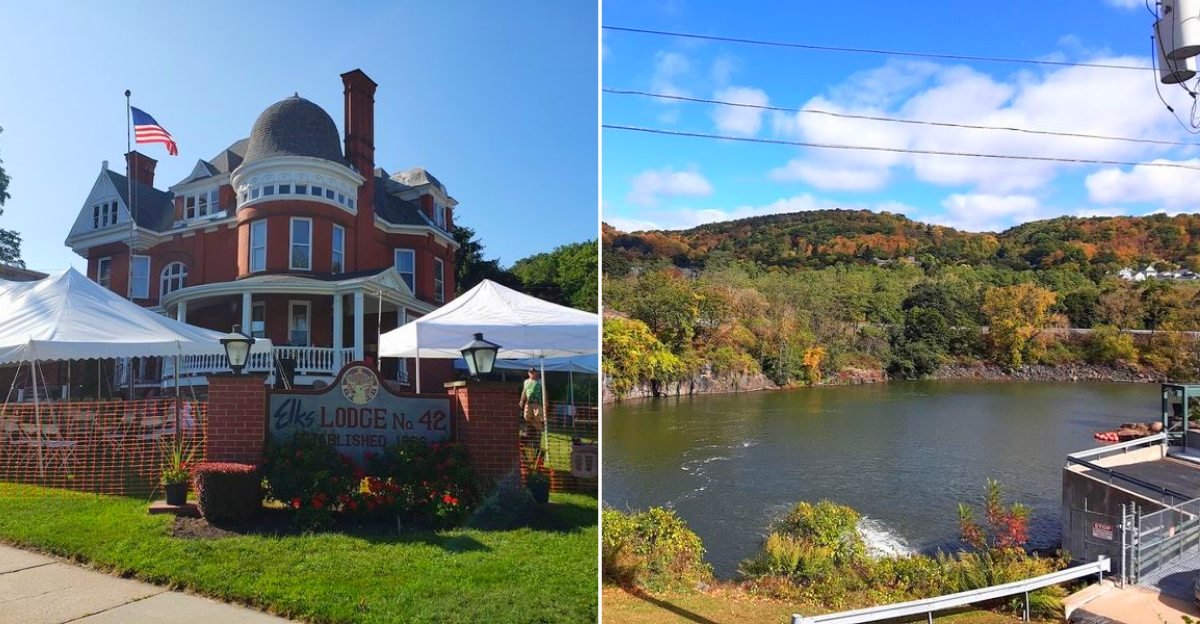
A town calling itself the Cheese Capital of America is not being modest. Full capital letters. Full commitment. Just a small New York town standing behind a very large claim and daring you to prove it wrong.
After one visit, you will not want to. The cheese here is made by people who decided long ago that a small town could still do one thing better than anywhere in the country, and then spent years proving it.
Aged rounds and handcrafted varieties that taste nothing like anything wrapped in plastic at a grocery store.
Visitors show up expecting a quick stop and leave with a cooler full of purchases they cannot bring themselves to regret. One really good bite and the budget conversation is over. That is what a real Cheese Capital in New York does to a person.
A Cheese Legacy That Put A Small City On The World Map
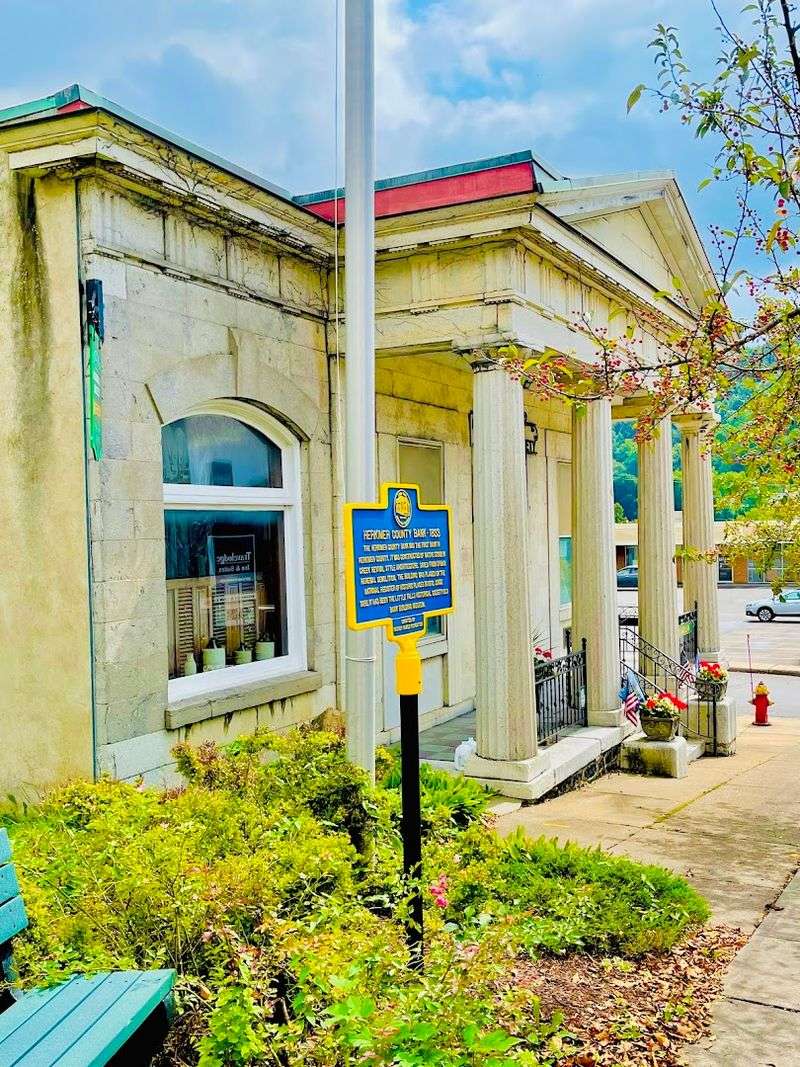
Few food titles carry as much weight as “Cheese Capital of the World.” Earning that crown takes more than good milk. It takes geography, grit, and a community that genuinely believes in what it produces.
One small New York city did exactly that, and the world took notice in a big way.
Back in the mid-1800s, the Mohawk Valley was producing some of the finest dairy in the country. Rich grasslands, clean water sources, and dedicated farming families created the perfect conditions for exceptional milk.
That milk became the foundation for a sharp, deeply flavorful cheddar that found fans across the United States and even across the Atlantic in England.
By 1864, the city had become the largest interior cheese market on the entire planet. Farmers, brokers, and factory representatives gathered regularly to sample product and negotiate prices.
The scale of production was staggering. In 1871 alone, 68 million pounds of cheese were sold and shipped.
A legacy that grand does not fade quietly, and it certainly has not faded here.
Welcome To Little Falls, NY At The Heart Of Herkimer County
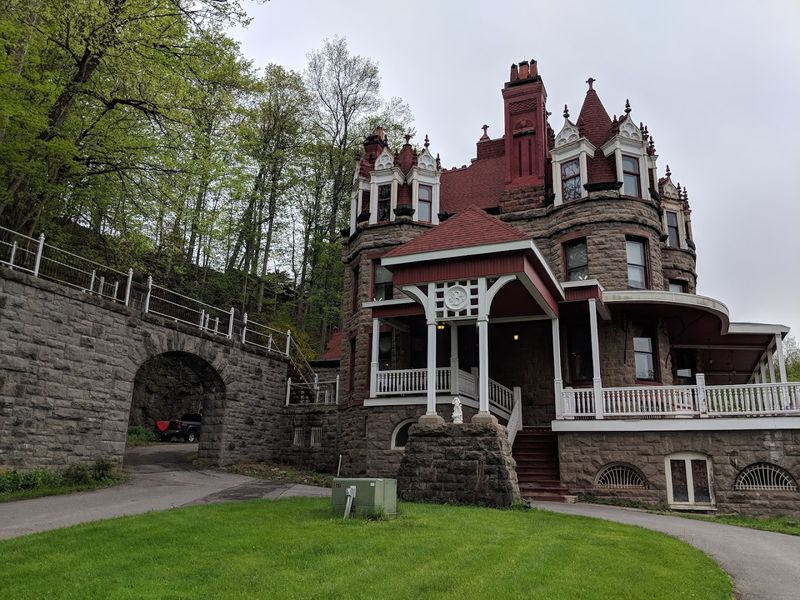
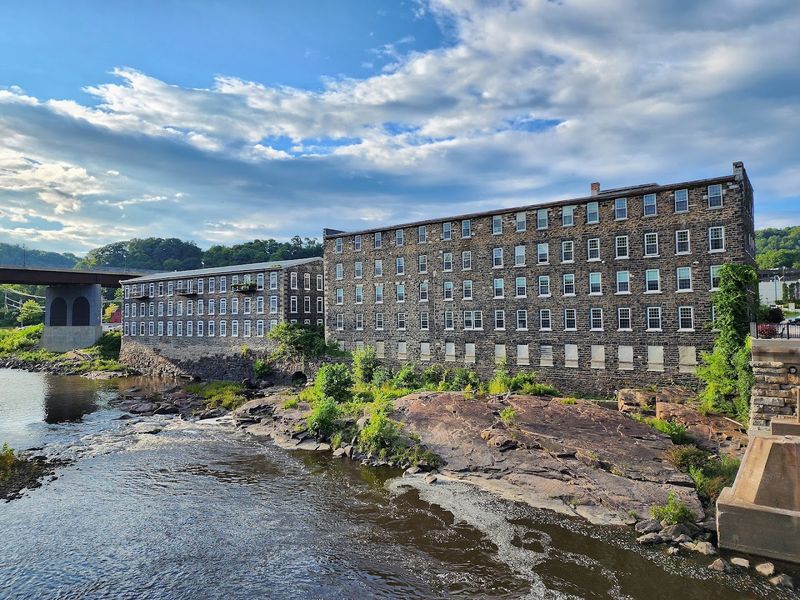
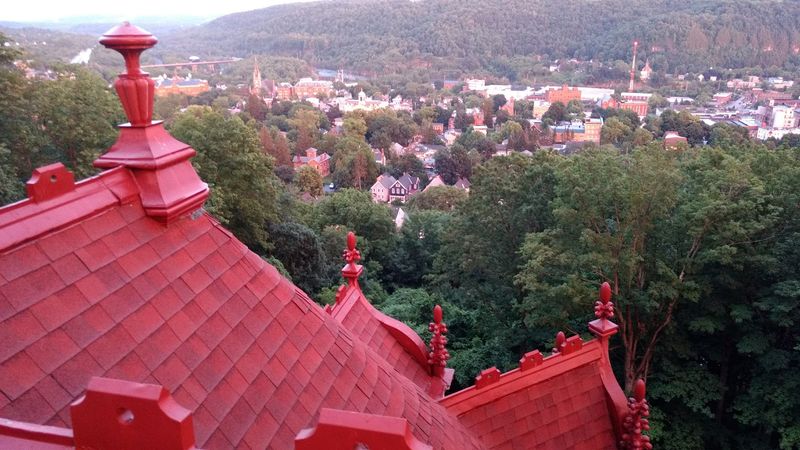
Little Falls sits along the Mohawk River in Herkimer County, New York, and it carries its history with quiet confidence. The city’s address is New York 13365, and getting there feels like a reward in itself.
The surrounding landscape is lush, unhurried, and genuinely beautiful in every season.
With a population of just 4,605 according to the 2020 census, Little Falls ranks as the second-smallest city by population in all of New York State. Only the city of Sherrill is smaller.
But size has never defined greatness, and Little Falls proves that point every single day.
The Erie Canal runs through the city, and its presence shaped everything. Trade routes, economic growth, and the movement of goods all flowed through here during the 19th century.
Cheese wagons once lined the streets heading toward the railroad station. The city has a layered, lived-in character that newer destinations simply cannot replicate.
Every corner holds a clue to the remarkable story that unfolded here over more than a century of dairy tradition and community pride.
The First Open-Air Cheese Market In American History
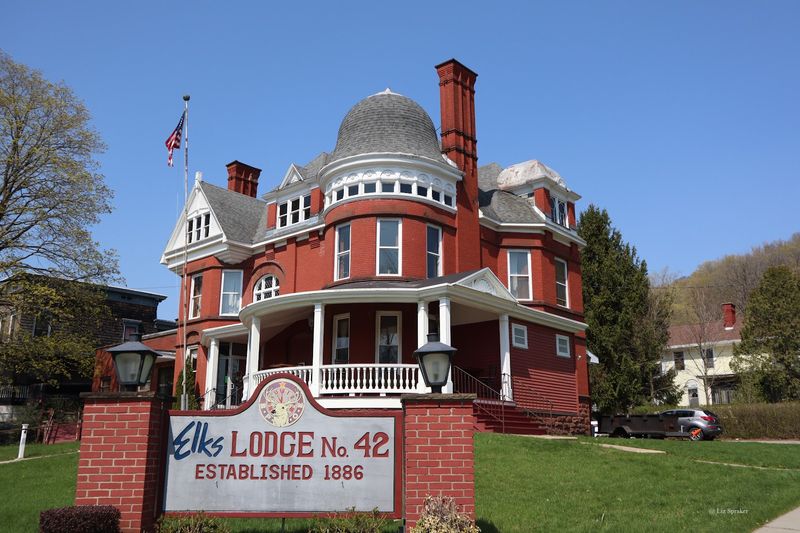
America’s first open-air cheese market opened in Little Falls in 1861. The spot was the intersection of South Ann and Albany Streets, and it quickly became the busiest trading floor in the dairy world.
Farmers showed up from April through December, ready to deal.
Brokers and factory representatives gathered at that corner to taste samples and lock in prices. There were no supermarkets, no digital listings, and no overnight shipping.
Everything happened face to face, wheel to wheel, and handshake to handshake. The energy must have been electric on a busy market morning.
What made the market truly groundbreaking was its transparency. Prices were set openly, which gave smaller farmers a fair shot at competitive rates.
That fairness attracted more producers, which brought more buyers, which made the market stronger every season. The genius of the setup was its simplicity.
A good product, an honest price, and a reliable location were all it took to build something historically significant. That corner in Little Falls quietly changed how America thought about buying and selling cheese, and its influence rippled far beyond Herkimer County.
Herkimer County Cheddar And Why The Whole World Wanted It
Herkimer County cheddar earned its reputation the old-fashioned way. The flavor was sharp, bold, and unmistakably distinct.
Cheesemakers in the region developed a style that reflected the land itself, and buyers from across the country and overseas recognized quality the moment they tasted it.
The secret was in the source. Herkimer County’s grasslands gave dairy cows access to nutrient-rich feed that produced superior milk.
Clean river water and favorable climate conditions added to the equation. The result was a cheddar with a depth of flavor that mass production could never replicate.
England became one of the biggest fans. Exports crossed the Atlantic regularly during the peak years of production, and the cheese held up beautifully during the journey.
That kind of quality speaks volumes about the craftsmanship behind every wheel. Herkimer County cheddar was not just a regional product.
It was a genuine American export that competed on the global stage and won. For food lovers who appreciate provenance and tradition, discovering that this level of artisan quality existed in upstate New York more than 150 years ago is both surprising and deeply satisfying.
The Numbers Behind A Cheese Empire That Stunned The Nation
Numbers tell stories that words sometimes cannot. In 1860, approximately 11 million pounds of cheese were sold and shipped from Little Falls.
By 1871, that figure had climbed to an astonishing 68 million pounds. That kind of growth in just over a decade reflects a community operating at full capacity with extraordinary focus.
On a single day in 1866, more than 380,000 pounds of Herkimer County cheese arrived at the local railroad station. One day.
One station. That volume would challenge many modern distribution centers.
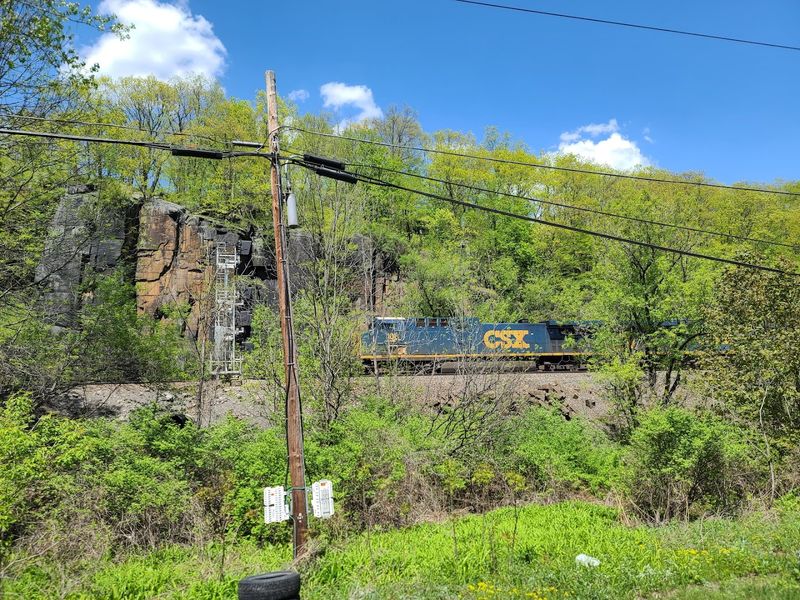
The railroad connection was critical because it allowed Little Falls to reach markets far beyond the Mohawk Valley.
The Erie Canal also played a major role in moving product efficiently. Together, the canal and the railroad gave Little Falls a logistical advantage that competitors in other regions simply did not have.
Geography and infrastructure combined to create a near-perfect commercial machine. The people running that machine were farmers, traders, and visionaries who understood that good cheese alone was not enough.
Getting it to the right buyer at the right time was equally important, and Little Falls mastered both sides of that equation with impressive consistency.
America’s First Dairy Board Of Trade Was Born Right Here
Little Falls did not just produce cheese. It built the institutions that organized the entire industry.
In 1871, the city became home to America’s first Dairy Board of Trade. That was not a small achievement.
It was a structural shift that gave the dairy world a coordinated voice for the very first time.
The Board managed sales and distribution of dairy products across the country. Its influence stretched well beyond New York State and even affected cheese prices in Europe.
For a city of modest size, that kind of economic reach was extraordinary. The Board essentially gave Little Falls a seat at the global table.
Coordination at that level required trust, data, and leadership. Local journalist and dairy spokesman Xerxes A.
Willard was a key figure in making it all work. He promoted Little Falls as the cheese capital of the nation through his writing and helped develop reliable systems for tracking and sharing price information.
His work gave farmers and traders a common language and a fairer marketplace. The Dairy Board of Trade was proof that small cities can generate ideas big enough to reshape entire industries when the right people get behind the right mission.
The Visionaries Who Built The Cheese Capital From The Ground Up
Behind every great food movement are people who believed before anyone else did. The Burrell family was among the earliest pioneers of the Little Falls cheese trade.
Harry Burrell began shipping cheese to Philadelphia in 1828 and to England by 1830. Those were bold moves for the era, and they helped establish the region’s reputation on a broader stage. Xerxes A. Willard brought a different kind of power to the table.
As a journalist and dairy advocate, he understood that visibility mattered as much as quality. His articles promoted the region’s cheese with clarity and conviction.
He also worked to develop systems for setting and sharing cheese prices, which brought order to what had been a fragmented market.
Together, figures like Willard and the Burrell family created something more durable than a product. They built a reputation. Reputations take decades to earn and can outlast any single harvest or market cycle.
The legacy they left behind is still alive in Little Falls today, carried forward by cheesemakers, historians, and festival organizers who understand that honoring the past is one of the most flavorful things a community can do.
The Little Falls Cheese Festival Keeps The Tradition Alive
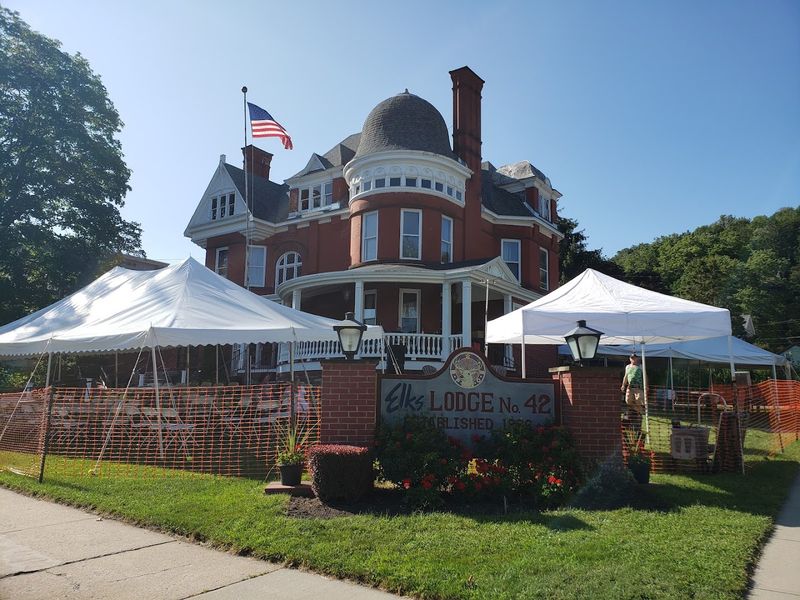
Good traditions deserve good celebrations. The Little Falls Cheese Festival launched in 2015 and has grown into New York’s premier gathering of cheesemakers.
Every year, the event draws thousands of visitors who come ready to explore, taste, and appreciate the craft that defined this city more than a century ago.
The festival showcases over 120 different cheeses from more than 40 cheesemakers. That range is genuinely impressive.
Sharp cheddars, soft fresh varieties, aged wheels, and everything in between show up under one roof. For cheese enthusiasts, it is the kind of event that makes the drive worthwhile no matter how far you are coming from.
Beyond the cheese itself, the festival creates a sense of community that is hard to replicate anywhere else. Producers get to connect with the people who love their work.
Visitors learn the stories behind the wheels and wedges they are tasting. That kind of direct connection between maker and consumer is rare in today’s food world, and Little Falls offers it with warmth and genuine hospitality.
The festival is not just a market. It is a living, breathing tribute to everything that made this small New York city extraordinary.
Why Little Falls Belongs On Every Food Lover’s Travel List
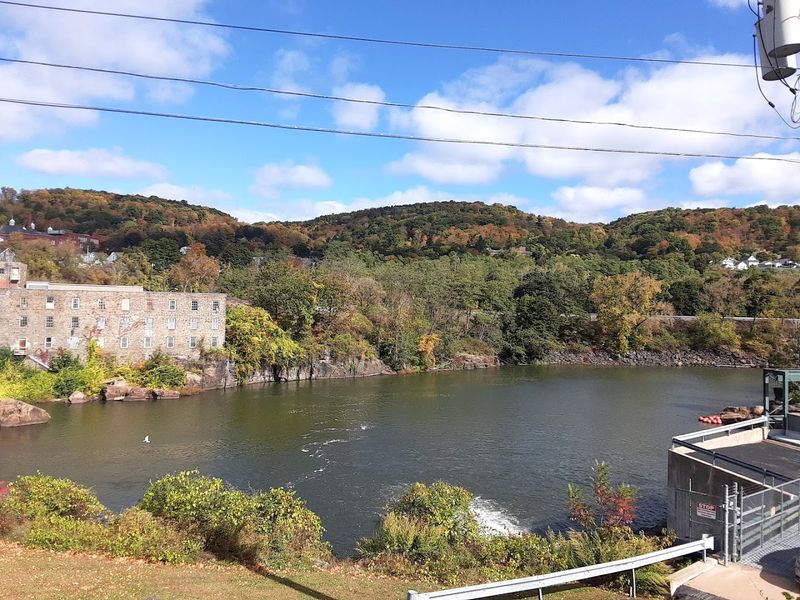
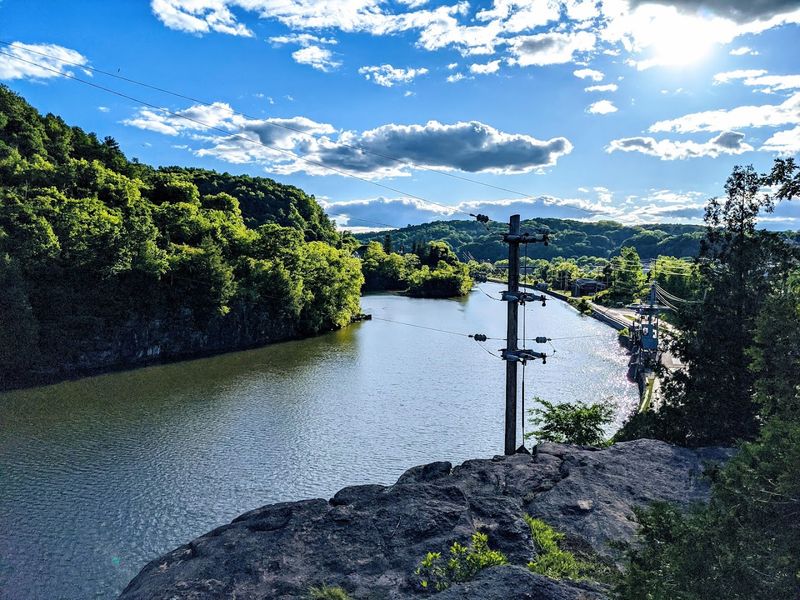
Few destinations offer the combination of history, scenery, and food culture that Little Falls delivers. The Mohawk River runs through the city, the Erie Canal adds historic texture, and the surrounding Herkimer County countryside is genuinely stunning in every season.
Fall, in particular, turns the whole area into something worth photographing every few steps.
The city’s small size works in its favor for visitors. Nothing feels rushed or overcrowded.
Local shops, historic sites, and festival grounds are all accessible without the stress that comes with larger tourist destinations. The pace is easy, and the people are welcoming in a way that feels authentic rather than practiced.
Food lovers who care about provenance, tradition, and genuinely great flavor will find Little Falls deeply satisfying. New York has no shortage of culinary destinations, but very few can claim a history as specific, as proud, and as globally significant as this one.
Earning the title of Cheese Capital of the World is not a marketing slogan. It is a documented, hard-won achievement that still shapes the identity of this remarkable little city.
For anyone who appreciates places with real stories, Little Falls is not just worth a visit. It is worth the trip.