
The Uncrowded Washington Waterfront Village That Tourists Forget Exists
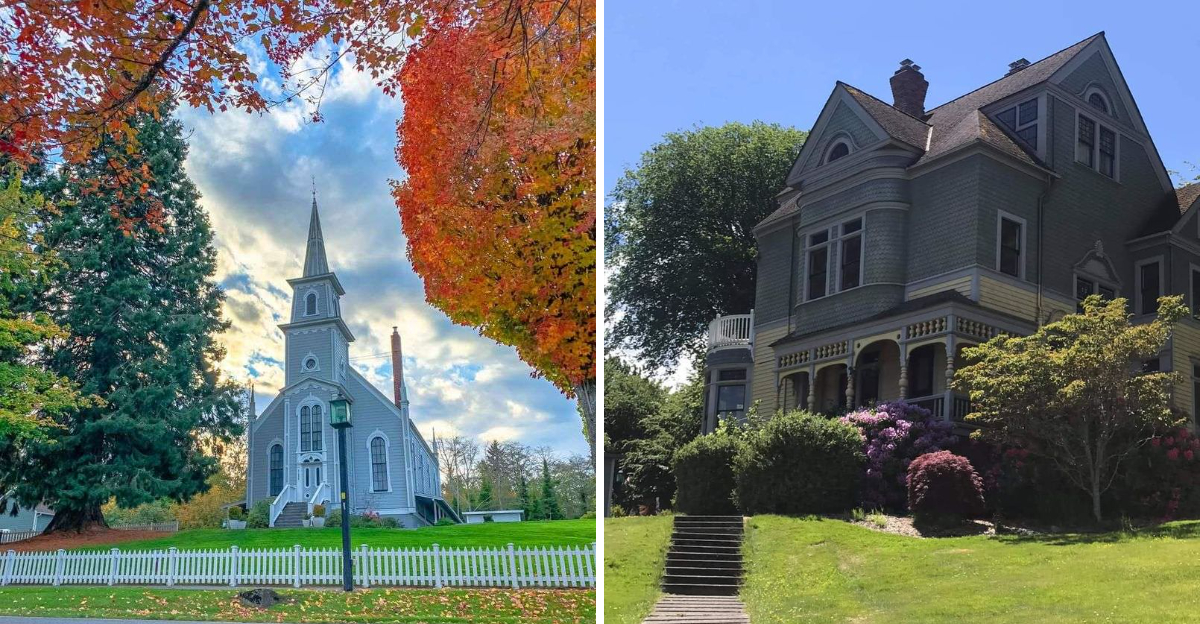
Tucked along the northwestern edge of the Kitsap Peninsula, Port Gamble sits quietly on the shore of Hood Canal, a place where history lingers in every clapboard house and weathered storefront.
Most travelers rush past on their way to somewhere louder, never realizing they’ve missed one of Washington’s best-preserved secrets.
This tiny village offers something rare: a genuine step back in time, complete with waterfront calm, forest trails, and a story worth slowing down for.
A National Historic Landmark That Feels Frozen In Time
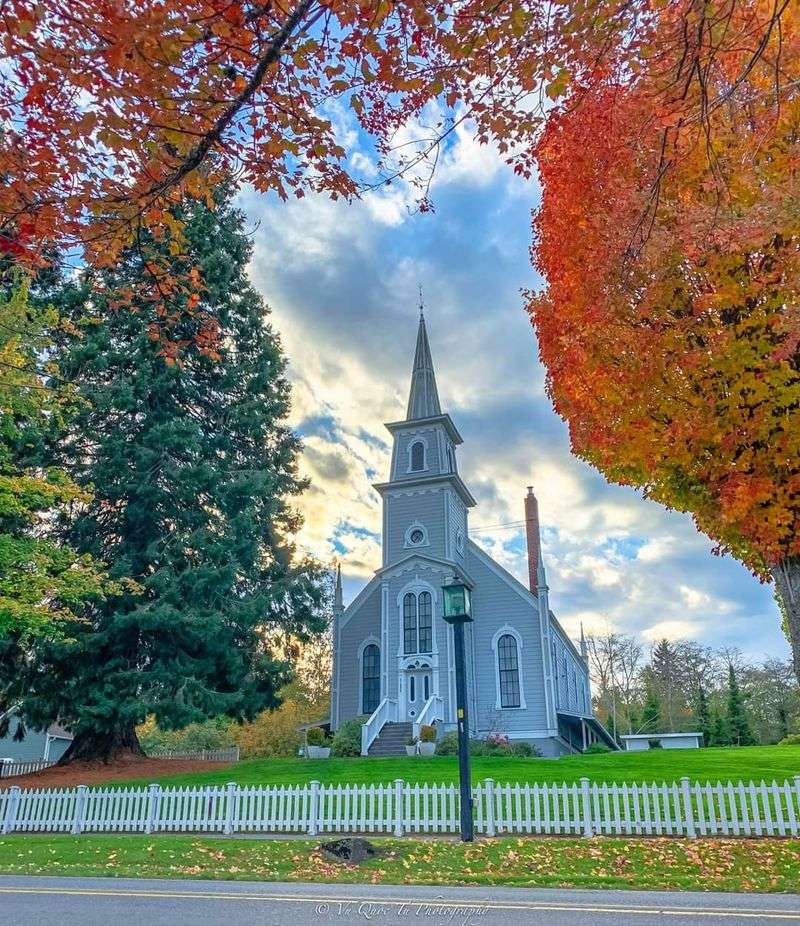
Port Gamble earned its National Historic Landmark status in 1966, and walking through it today feels like stepping onto a movie set—except everything is real.
The entire town was built by the Pope & Talbot lumber company starting in 1853, and they modeled it after their home in East Machias, Maine.
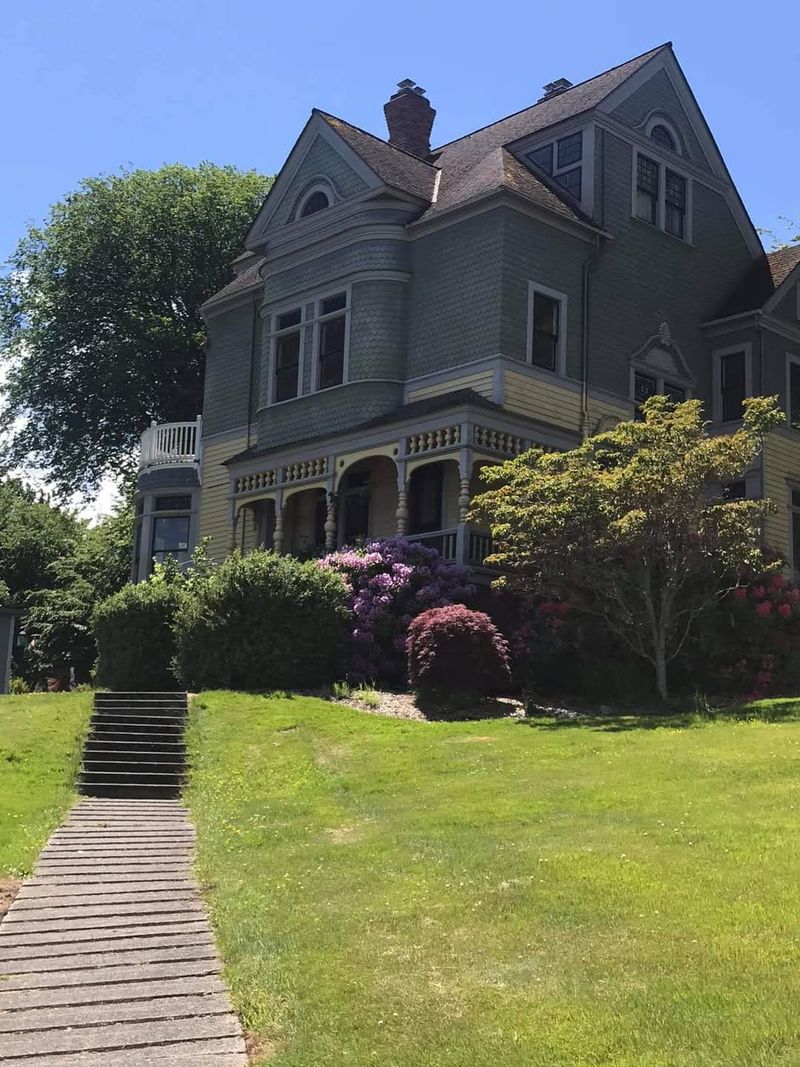
White clapboard homes with green shutters still line the streets, many of them original structures that have been lovingly maintained for over a century.
There’s no theme park artifice here, just a genuine preservation of mid-19th-century Pacific Northwest life.
A Waterfront Village Built On Hood Canal, Not Puget Sound Chaos

While Seattle’s waterfront buzzes with ferries and cruise ships, Port Gamble rests on a quiet bend of Hood Canal, where the water moves slowly and the view stretches uninterrupted toward the Olympic Mountains.
Hood Canal isn’t actually a canal—it’s a natural fjord carved by glaciers—and Port Gamble sits near its entrance, giving it access to calm, protected waters.
You won’t find jet skis or crowded marinas here.
Instead, expect heron sightings, gentle tides, and a shoreline that invites contemplation rather than competition.
New England Architecture—In The Pacific Northwest
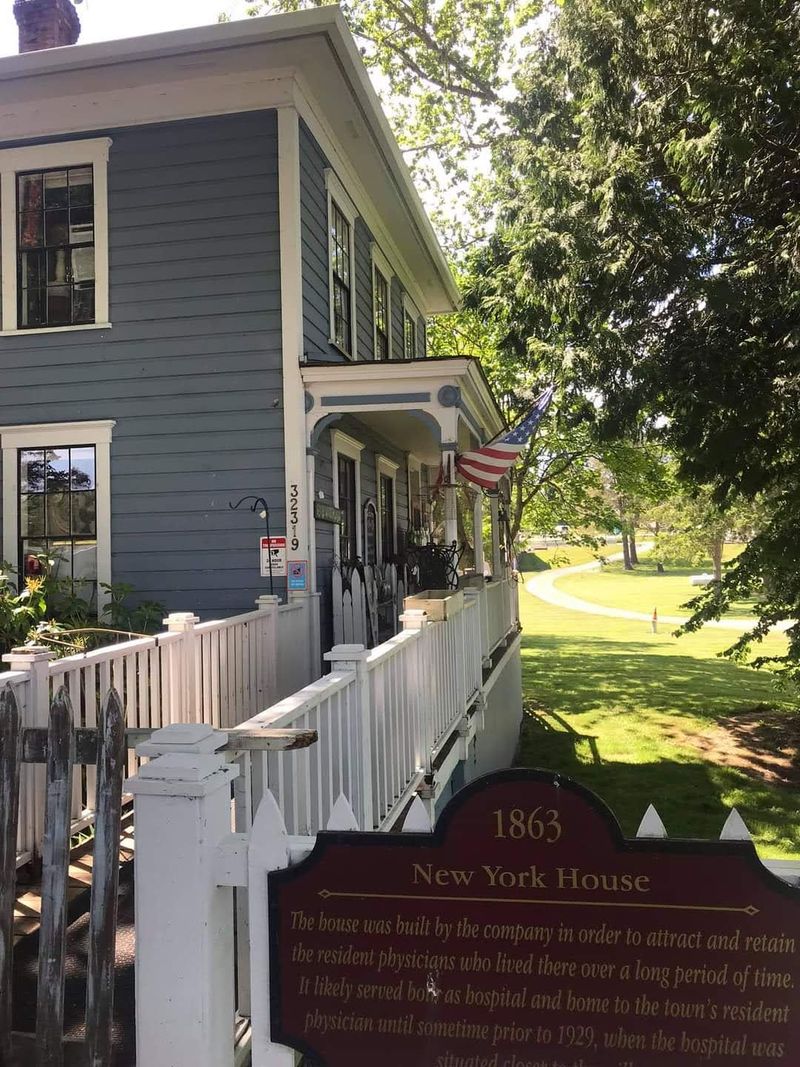
The architectural mismatch is part of Port Gamble’s charm—these are Maine-style homes transplanted to Washington soil, complete with gabled roofs, wood siding, and tidy front porches.
The town’s founders wanted to recreate the aesthetic of their New England roots, and they succeeded so thoroughly that Port Gamble still looks more like coastal Massachusetts than coastal Washington.
Every building follows a consistent design language, creating a visual harmony that’s rare in the Pacific Northwest.
It’s a living example of 19th-century company town planning.
A Downtown You Can Walk End-To-End In Minutes

Port Gamble’s downtown consists of a single main street that you can stroll from one end to the other in about five minutes—maybe ten if you stop to read the historical plaques.
There’s the General Store, a café, a museum, and a handful of other buildings, all within easy walking distance of each other.
This compactness is part of the appeal.
You’re not navigating sprawling blocks or hunting for parking; you simply arrive, park once, and explore everything on foot without ever feeling rushed or overwhelmed by crowds.
No Stoplights, No Big Chains, No Crowds

Port Gamble has zero stoplights, zero franchises, and on most days, zero crowds—a trifecta that’s increasingly hard to find in modern Washington.
You won’t spot a Starbucks or a McDonald’s here.
The General Store still operates much as it did a century ago, selling essentials alongside local goods and quirky antiques.
Even on sunny weekends, the village remains peaceful, attracting visitors who prefer quiet exploration over bustling tourist districts.
It’s a place that rewards those who seek simplicity over spectacle.
Waterfront Views Without The Marina Madness
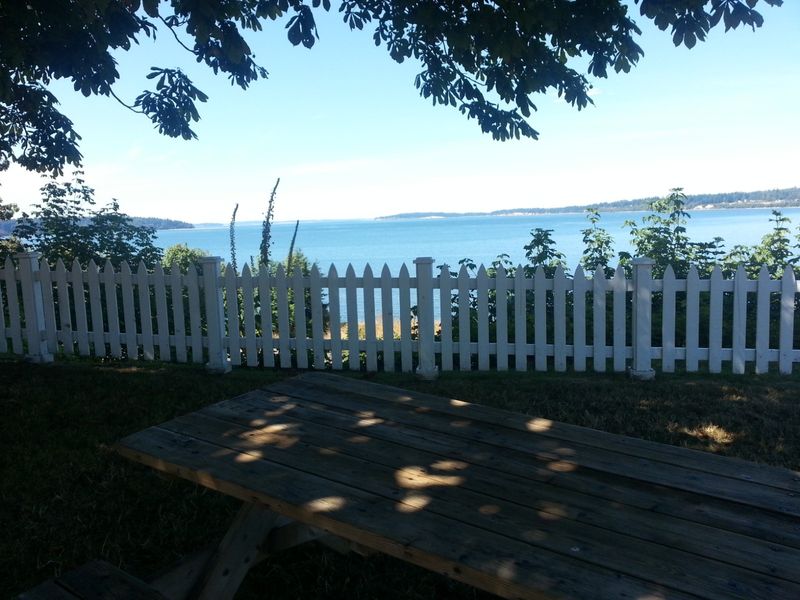
Unlike the crowded marinas of Seattle or Bellingham, Port Gamble’s waterfront remains refreshingly low-key, offering open views without the noise and congestion of yacht clubs and tour boat docks.
You can stand at the water’s edge and hear nothing but lapping waves and the occasional call of a gull.
The bay itself is small and protected, framed by forested hills and distant Olympic peaks.
There’s no boardwalk packed with souvenir shops—just shoreline, history, and a sense of space that feels increasingly rare.
Trails Start Where The Town Ends
Step beyond Port Gamble’s last historic building and you’ll find yourself at the edge of forested trails that wind through second-growth Douglas fir and cedar, offering quiet walks just minutes from the village center.
The trails aren’t long or strenuous—most are short loops perfect for an hour of easy exploration.
They connect the town to the surrounding landscape without requiring a drive to a trailhead or a crowded parking lot.
It’s a seamless transition from history to nature, ideal for anyone seeking both.
A Former Lumber Giant That Quietly Shaped Washington History

Port Gamble was once home to one of the longest-running sawmills in North America, operating continuously from 1853 until 1995—a span of 142 years.
The Pope & Talbot mill supplied lumber for building San Francisco, shipping timber across the Pacific, and fueling Washington’s early growth.
Though the mill is gone, its legacy remains visible in the town’s layout, architecture, and museum exhibits.
Understanding Port Gamble means understanding how timber shaped the Pacific Northwest, and this village offers that story without fanfare or exaggeration.